-
-
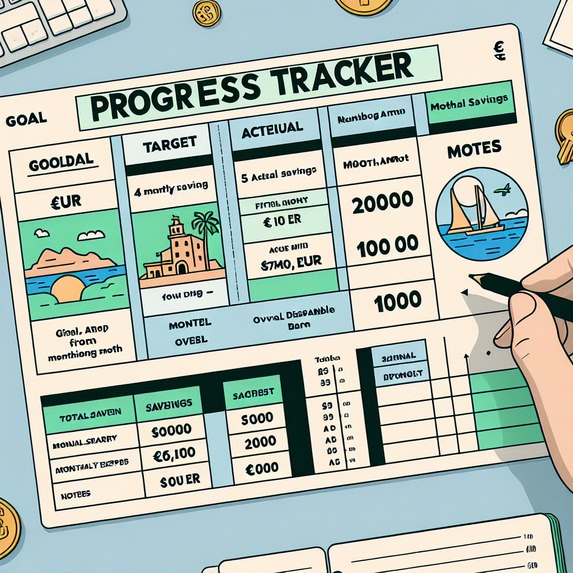
Suggestions converted to an image to motivate the user
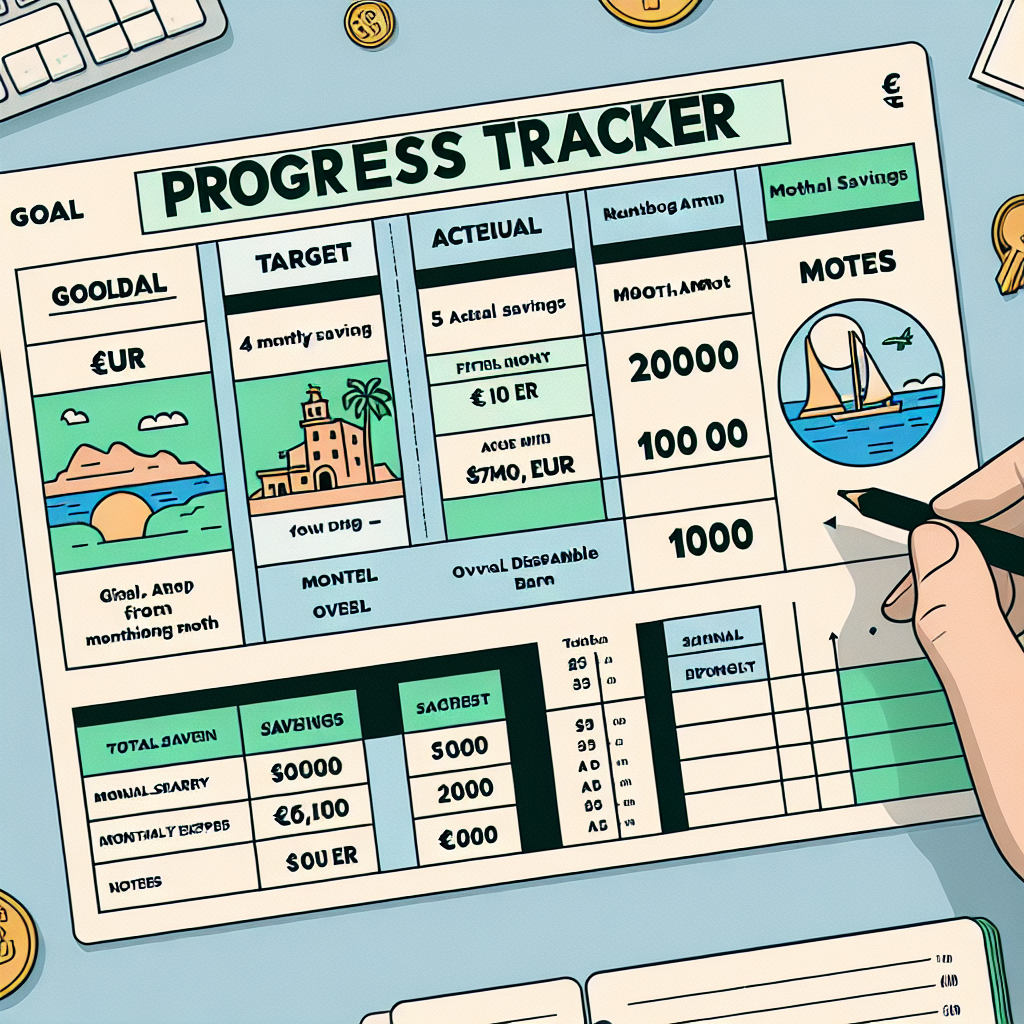
FinnPlan connects to a user’s Bunq account, learns their real-world cash-flow patterns, and predicts future spending by category (subscriptions, dining, travel, etc.). Surfaces friction-free fixes, for example skip two restaurant visits” or “cancel Netlix” to close a €75 gap. Creates one-tap actions like automatic wallet transfers or a list of active subscriptions so users don’t just see advice but also they can execute it instantly. Keeps users on track with bite-sized check-ins (“Nice! You’re 82 % to your travel budget.”).
How we built it
Forecasting layer – for example predicts the next 90 days of spend (we decided not to feed the forecasts to the LLM because we do not have good temporal dataset to achieve a good predictive answer) LLM reasoning – We prompt llama-3-nemotron-super-49b-v1 with those forecasts to craft personalized savings paths in natural language. Bunq API – Webhooks stream transactions; secure endpoints let FinnPlan spin up Travel Wallets or schedule payments.
Challenges we ran into
No temporal dataset to work with, calling bunq api
Accomplishments that we're proud of
LLM integration with the bunq api
What we learned
Need good dataset for predictive model, brainstorming in a short time
What's next for FinnPlan
- Integrate the action-oriented autonomy such as converting every LLM suggestion into every executable Bunq call, user would still have the autonomy to agree with performing this action or not
- Bridging LLM with Causal World Model to improve the LLM 'why' reasoning in long term financial planning
- Multi-goal juggling to let users stack goals with dynamic prioritization, such as how investing would achieve their financial goal faster (e.g. wedding fund)



Log in or sign up for Devpost to join the conversation.