-
-
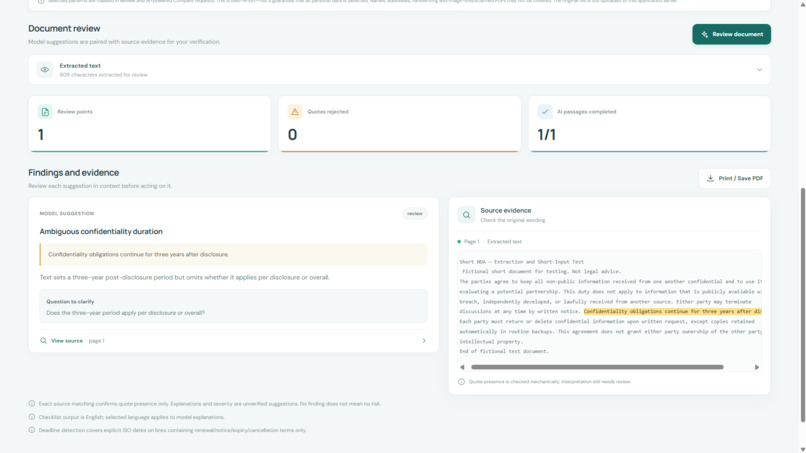
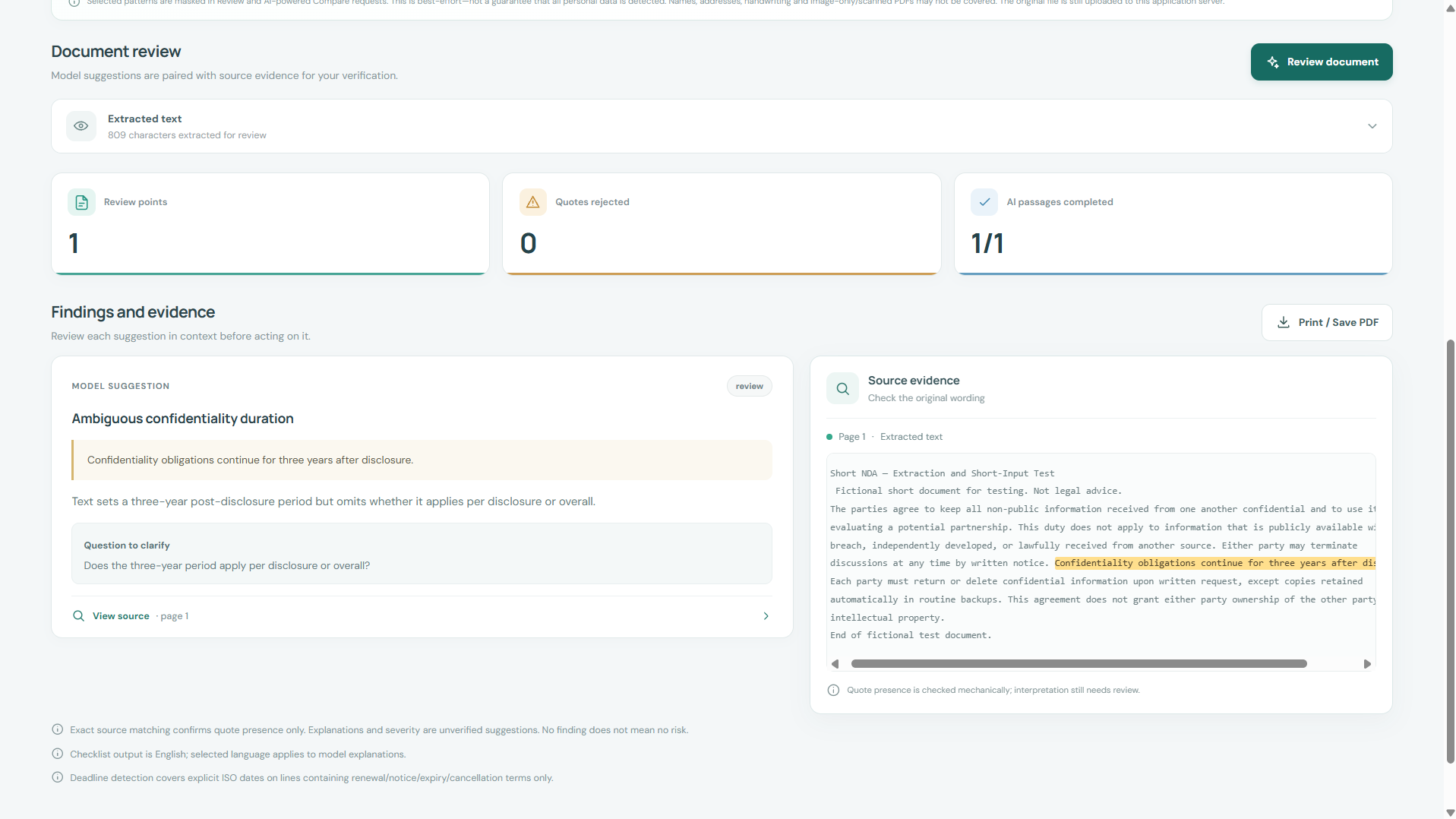
Review page
-
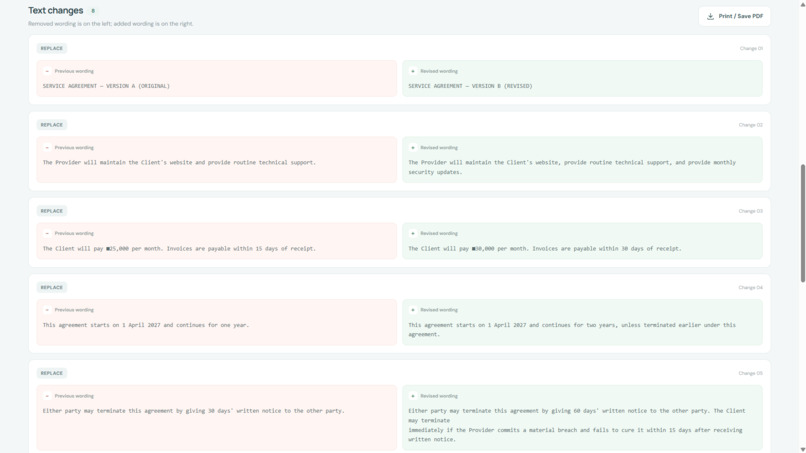
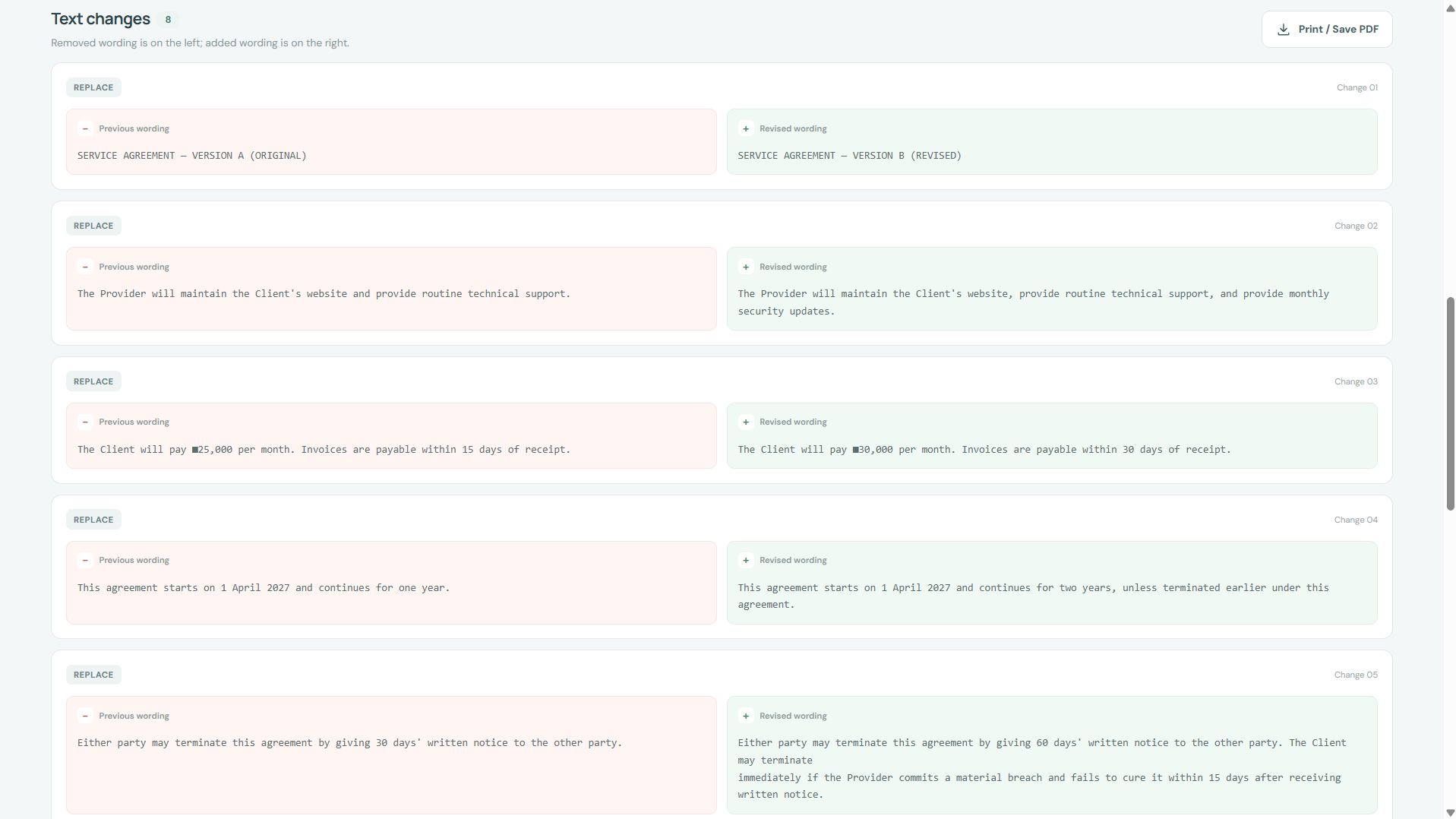
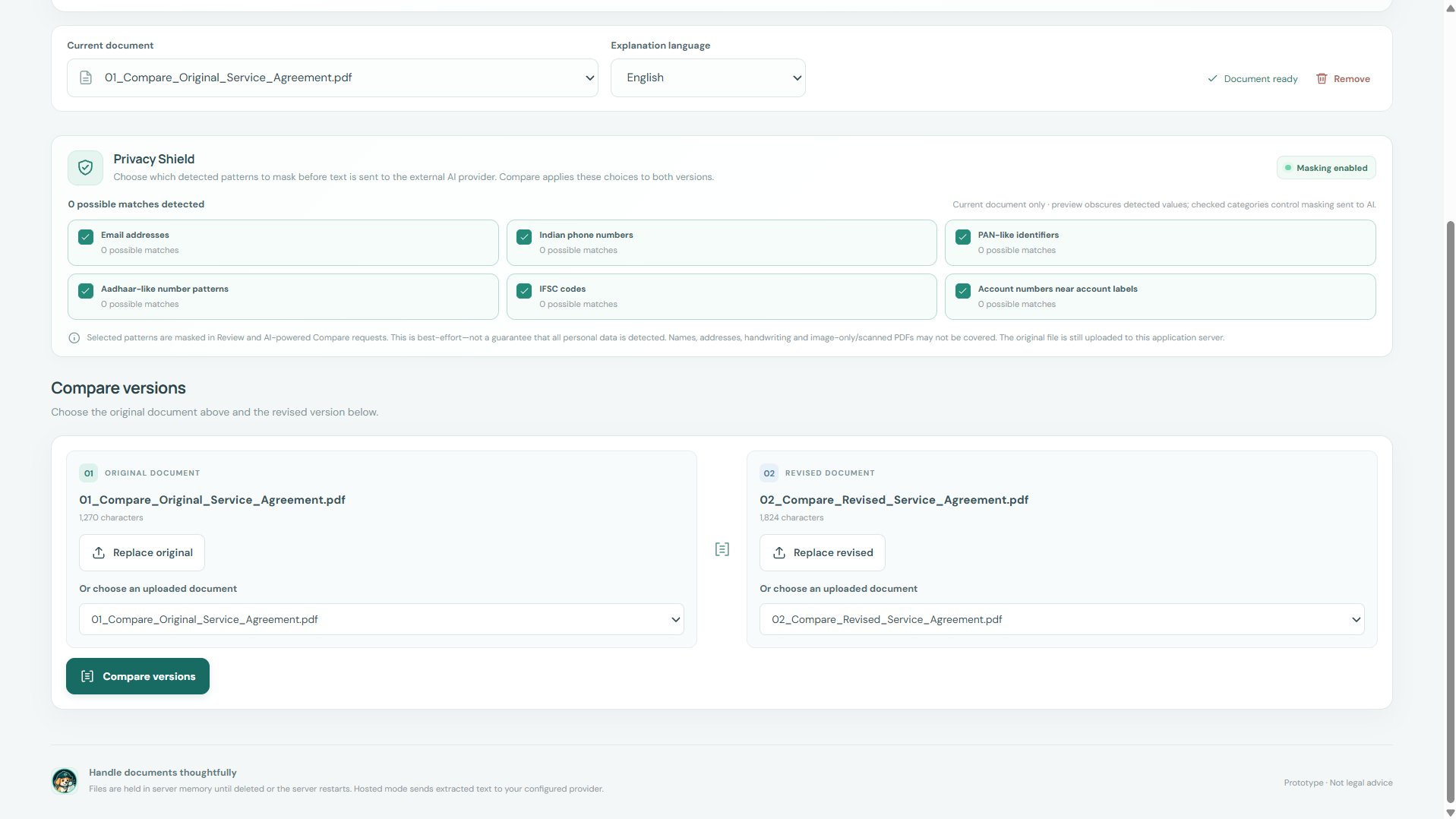
Comparison of documents
-
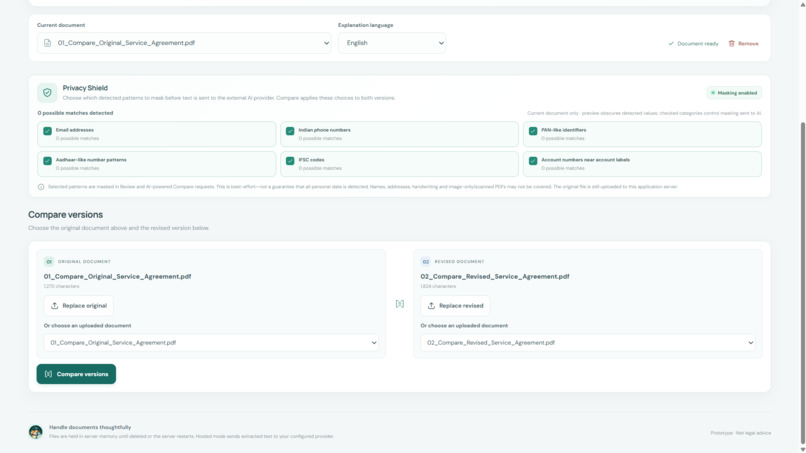
Compare page
-
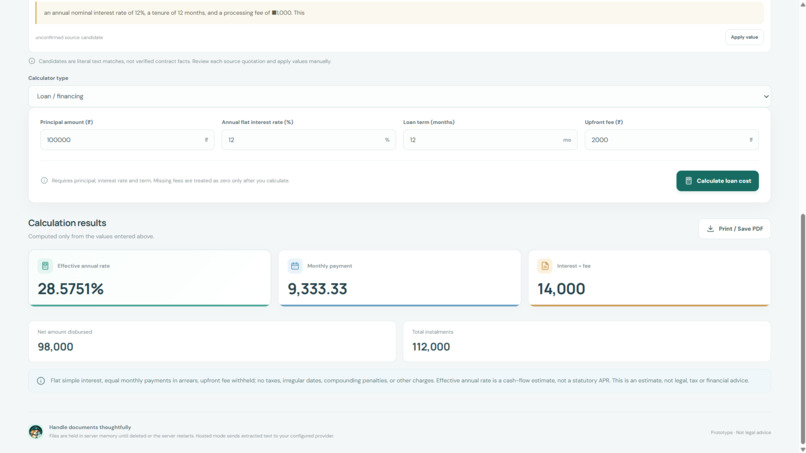
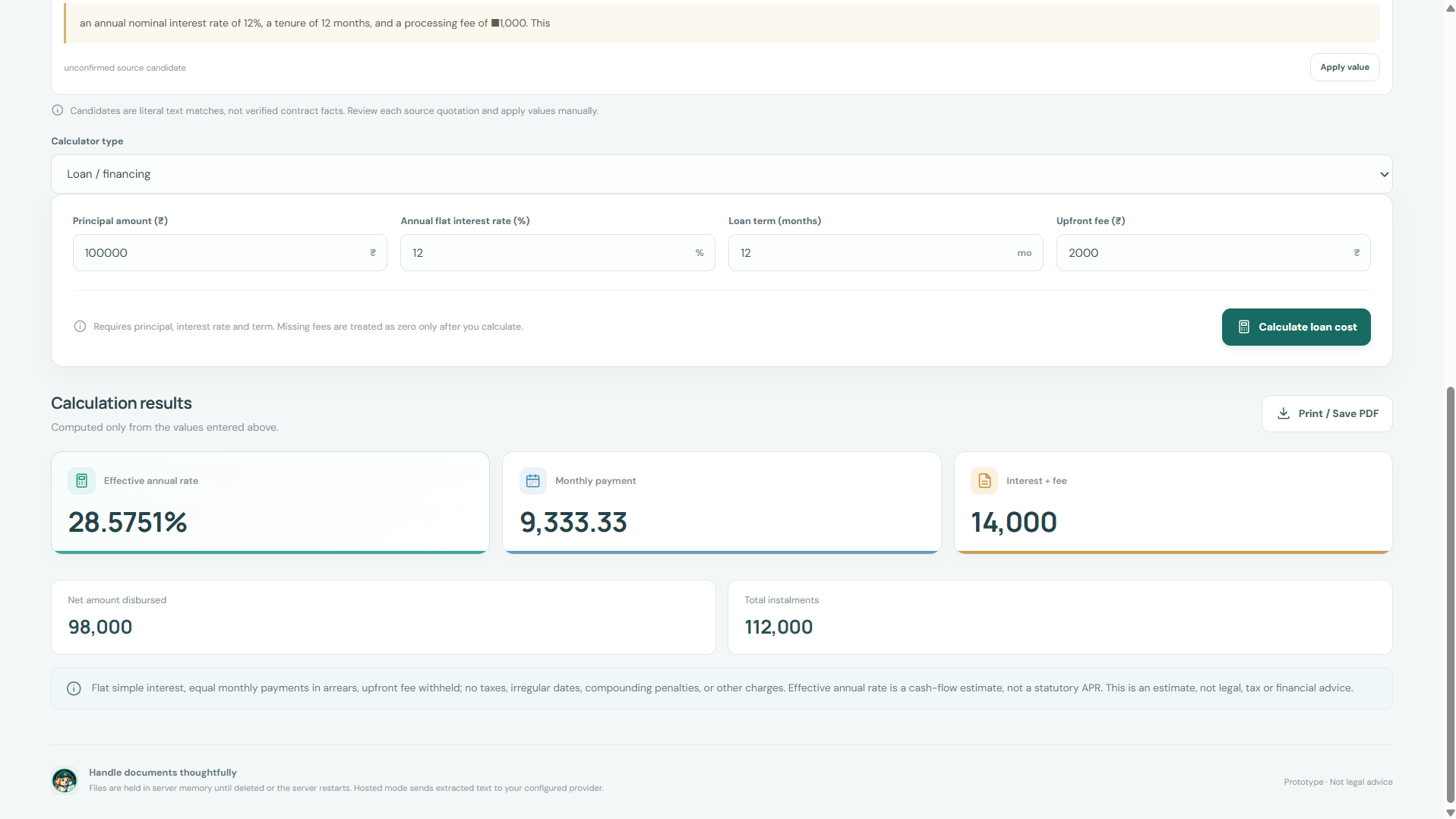
Cost calculator
-
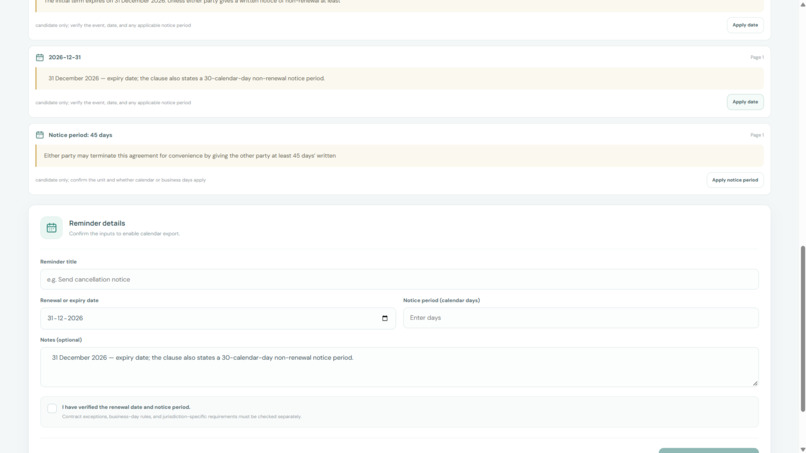
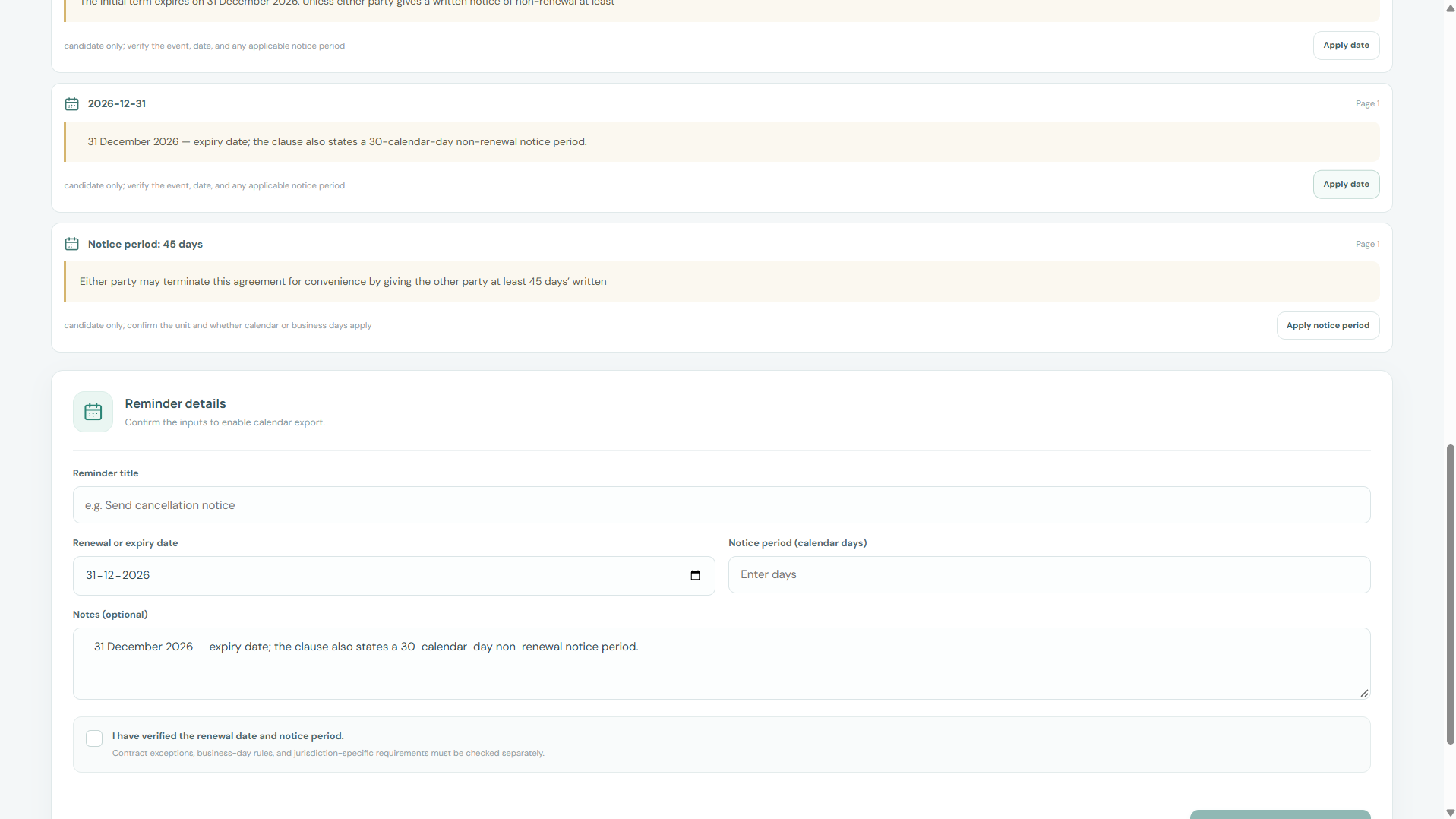
Deadlines page
-
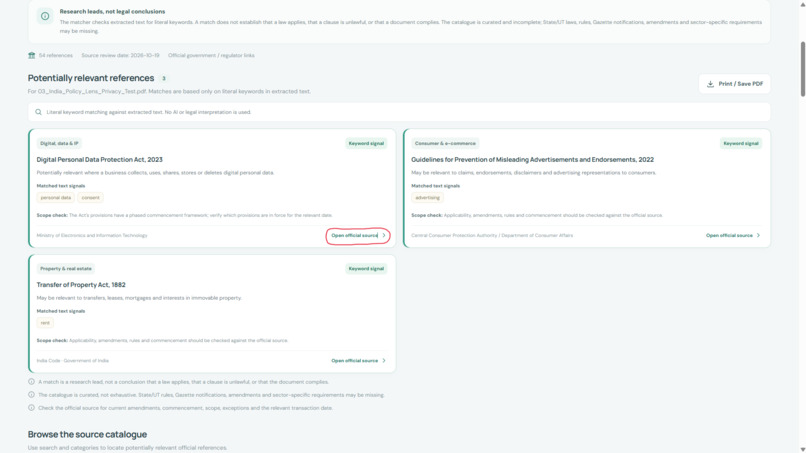
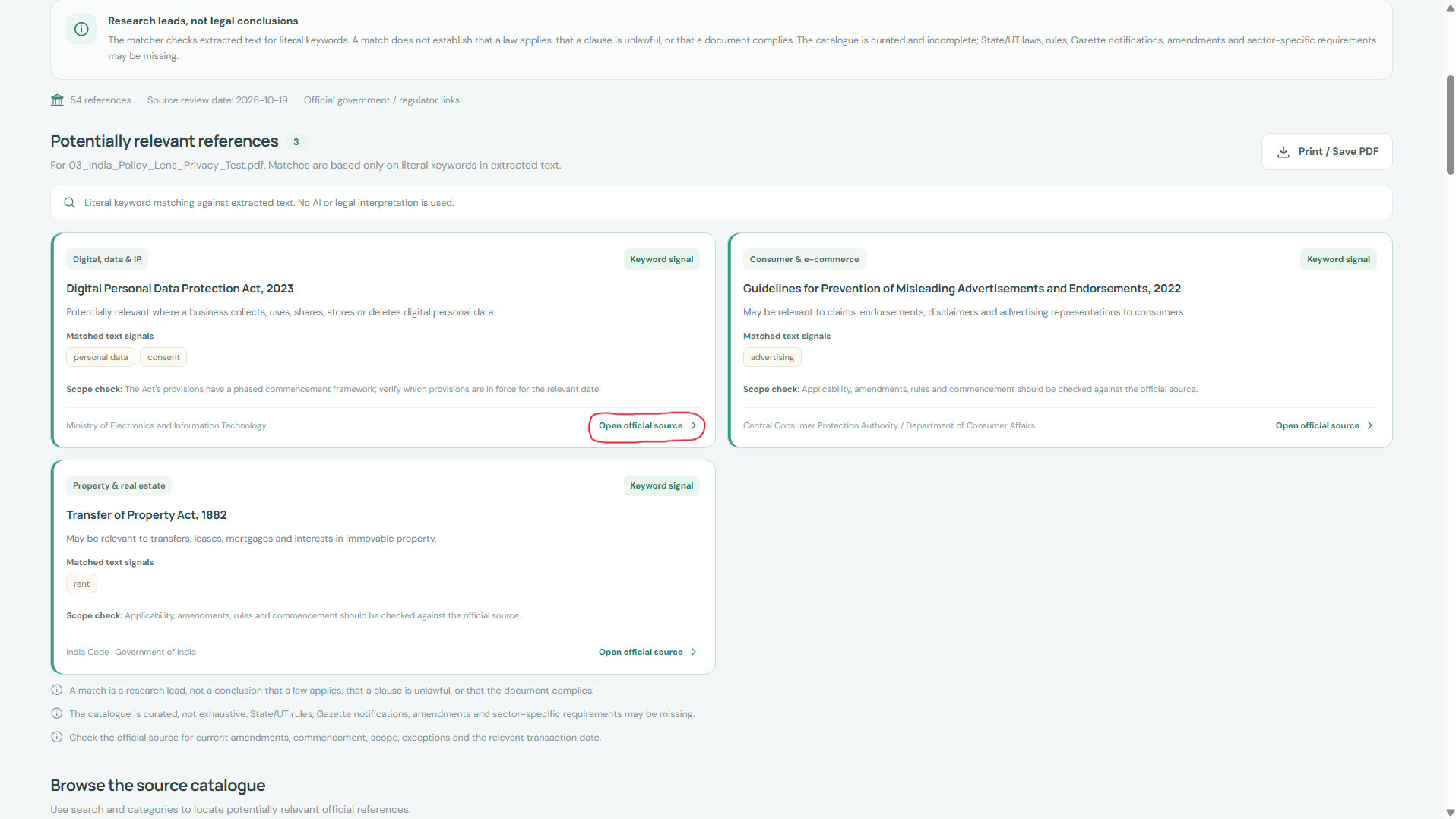
Relevant Indian Policies for the uploaded document
Inspiration
How many times have you clicked "I agree" without reading what you were agreeing to?
Buried inside lengthy terms and conditions, privacy policies, and legal documents are clauses that can affect our privacy, money, and rights. Most people don't have the time or legal expertise to understand every line. We wanted to change that.
Meet Fine-Print Watchdog — your AI watchdog for hidden risks in the fine print.
Inspired by the idea of a loyal watchdog that never lets suspicious activity go unnoticed, we built a tool that helps people look beyond the obvious, uncover potentially risky clauses, and understand what they're actually agreeing to.
What It Does
Fine-Print Watchdog transforms complicated documents into actionable insights. Users can upload a document and let our AI-powered system examine its contents, identify potentially concerning clauses, and explain them in plain language.
Instead of leaving users staring at pages of confusing legal jargon, Watchdog helps them understand:
- What's hiding in the fine print? Identify clauses that may deserve closer attention.
- Why should I care? Explain potential risks in language anyone can understand.
- Where is the problem? Connect findings to the relevant parts of the original document.
- What should I look out for? Help users make more informed decisions before accepting terms or signing documents.
Our goal isn't to replace lawyers or make legal decisions for users. It's to help people ask better questions, spot warning signs, and approach important documents with greater confidence.
How We Built It
We combined a document-processing pipeline with AI-powered analysis to turn unstructured text into understandable, evidence-grounded findings.
Our application uses Nebius Token Factory to access AI models and power the language-understanding capabilities behind our analysis. We also integrated NVIDIA Nemotron to support the AI-driven reasoning and explanation workflow, helping transform complex clauses into useful, readable insights.
The application brings these capabilities together in a workflow that takes users from document upload to risk identification and explanation. Rather than simply producing a generic summary, our focus is on helping users understand which clauses matter, why they may matter, and what they should examine more closely.
Challenges We Faced
Building an AI document-analysis tool comes with an important challenge: identifying a potentially risky clause is only useful if the explanation is understandable and connected to the document itself.
We had to think beyond simply asking an AI model to summarize text. Our approach focuses on making findings useful to the person reading them, while being mindful that legal interpretation requires context and that AI-generated assessments are not definitive legal advice.
Integrating AI services into a working application also required us to consider the practical aspects of model access, API integration, document processing, and delivering results through a user-friendly experience.
What We Learned
This project taught us that building a useful AI application involves much more than connecting a model to a prompt. The real challenge is designing an end-to-end experience that turns AI capabilities into something people can trust, understand, and use.
We explored how to integrate AI inference services, process documents, and design an application around a real-world problem. Most importantly, we learned to think critically about the balance between helpful AI-generated insights, clear explanations, and the limitations of automated legal analysis.
What's Next?
We envision Fine-Print Watchdog becoming a dependable first line of defense for anyone facing complicated agreements — from everyday users reviewing app permissions and subscription terms to people examining contracts and privacy policies.
Because important decisions shouldn't depend on how much fine print you're willing to read.
Let Watchdog do the sniffing. You make the decision.
Built With
- fastapi
- nebiustokenfactory
- nemotron
- nvidia
- python
- react
- tavily
- typescript
- vite
