-
-
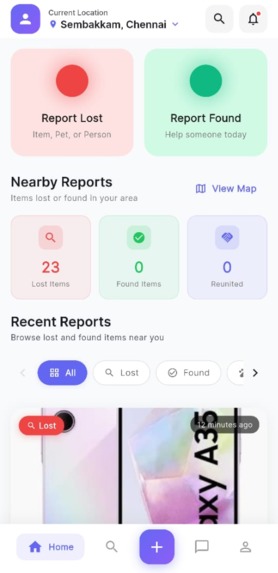
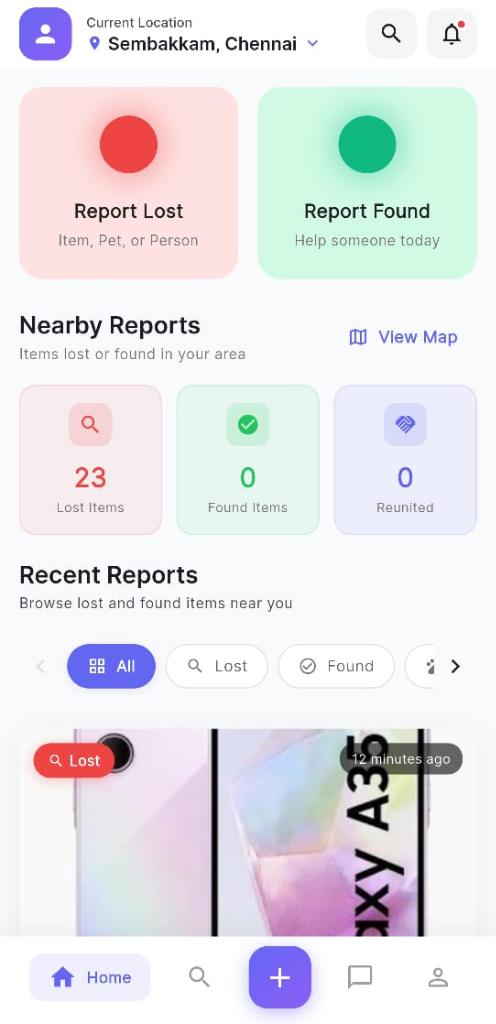
Home Screen
-
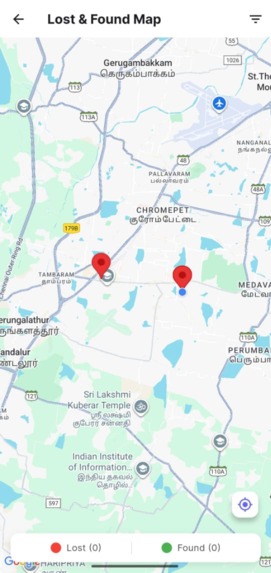
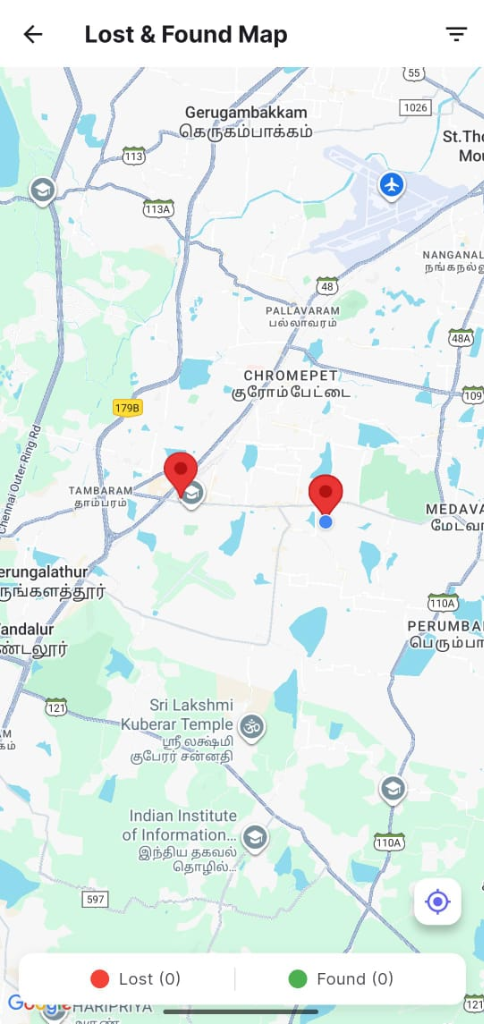
Location HeatMap
-

Push Notification
-
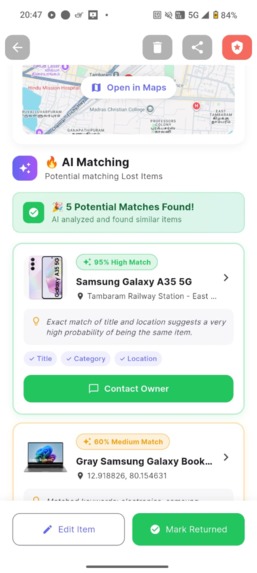
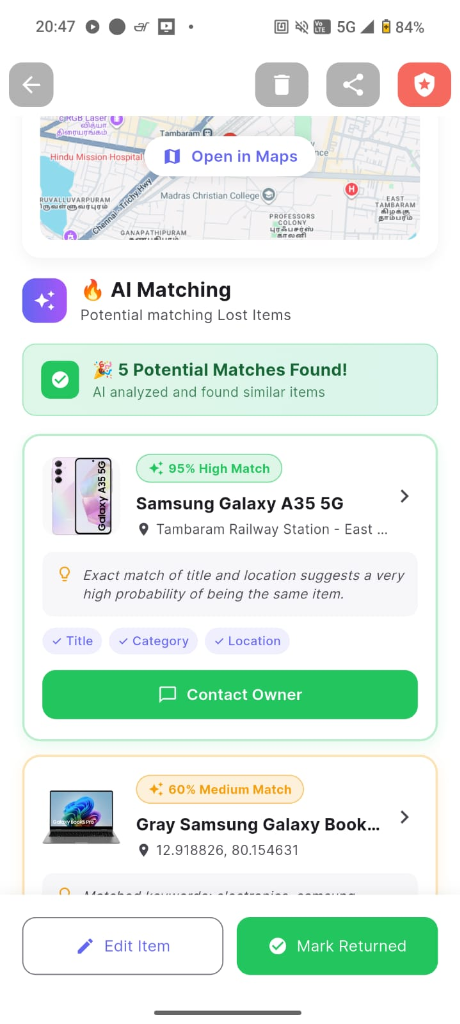
Ai Matching
-
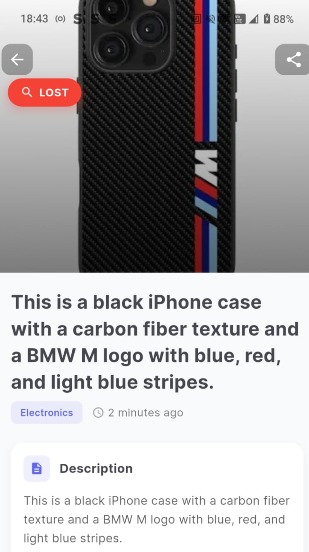
Ai Analysis
-
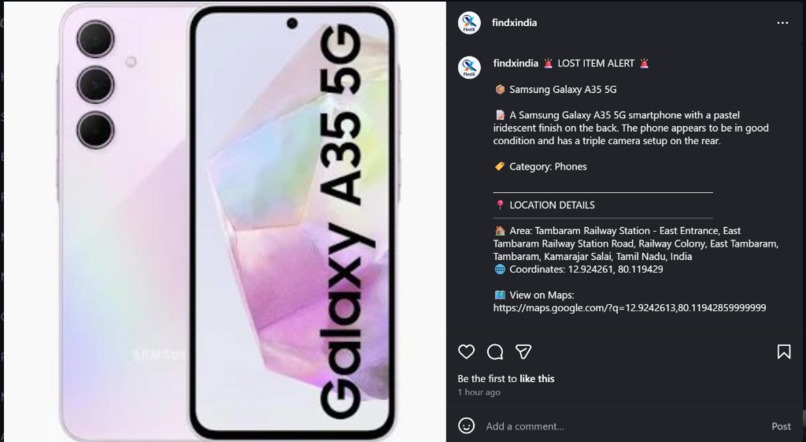
Autoposting on social media

Inspiration
Every year, millions of items worth over $30 billion go unreturned worldwide. Traditional lost and found systems are fragmented, manual, and disconnected. We wanted to leverage AI to transform this frustrating experience into an intelligent, automated solution.
What it does
FindX is an AI-powered lost and found platform that:
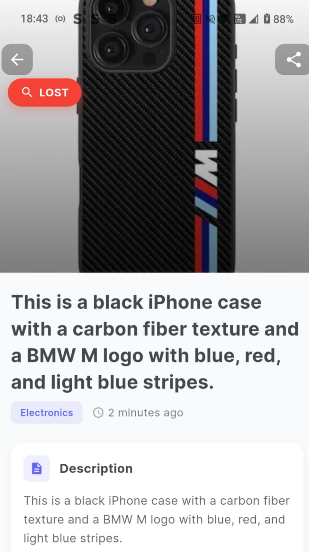
- Uses Google Gemini AI to automatically analyze photos of lost/found items
- Generates detailed descriptions and categories from images
- Intelligently matches lost items with found items using AI similarity scoring
- Shows a real-time location heatmap using Google Maps
- Enables instant chat between finders and owners
- Sends push notifications when items are reported nearby
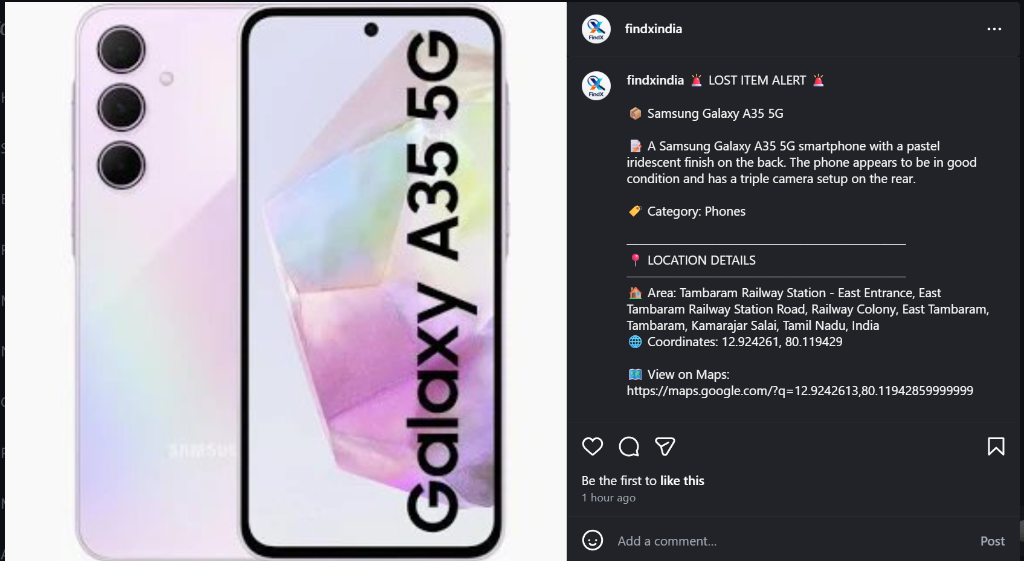
- Auto-generates Instagram posts to spread the word
- Provides police integration with AI-generated FIR drafts
How we built it
- Frontend: Flutter for cross-platform mobile app
- AI: Google Gemini 1.5 Flash for image analysis and matching
- Backend: Firebase (Auth, Firestore, Storage, Cloud Messaging)
- Maps: Google Maps SDK, Places API, Geocoding API
- Dashboard: Next.js with Chart.js for analytics
Challenges we faced
- Optimizing Gemini prompts for accurate item identification
- Implementing real-time AI matching with confidence scores
- Handling Firestore security rules for chat functionality
- Balancing feature richness with app performance
What we learned
- Deep integration of Google Gemini AI for multimodal analysis
- Building real-time systems with Firebase
- Importance of thoughtful UX for community-driven platforms
What's next for FindX
- Integration with more social platforms
- Partnerships with universities, airports, and transit systems
- Advanced AI matching using embeddings
Built With
- chart.js
- cloud-firestore
- dart
- firebase-authentication
- firebase-cloud-messaging
- firebase-storage
- flutter
- geocoding-api
- google-gemini-ai
- google-maps-sdk
- google-places
- next.js
- python
- tailwind-css
- vercel


Log in or sign up for Devpost to join the conversation.