-
-

Landing Page
-
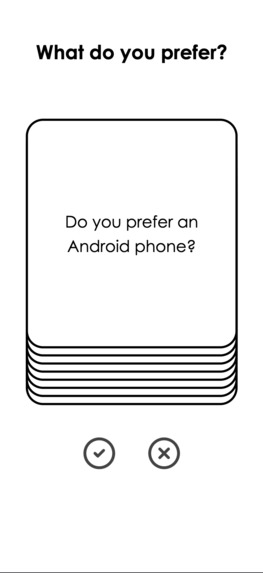
Preferences Page

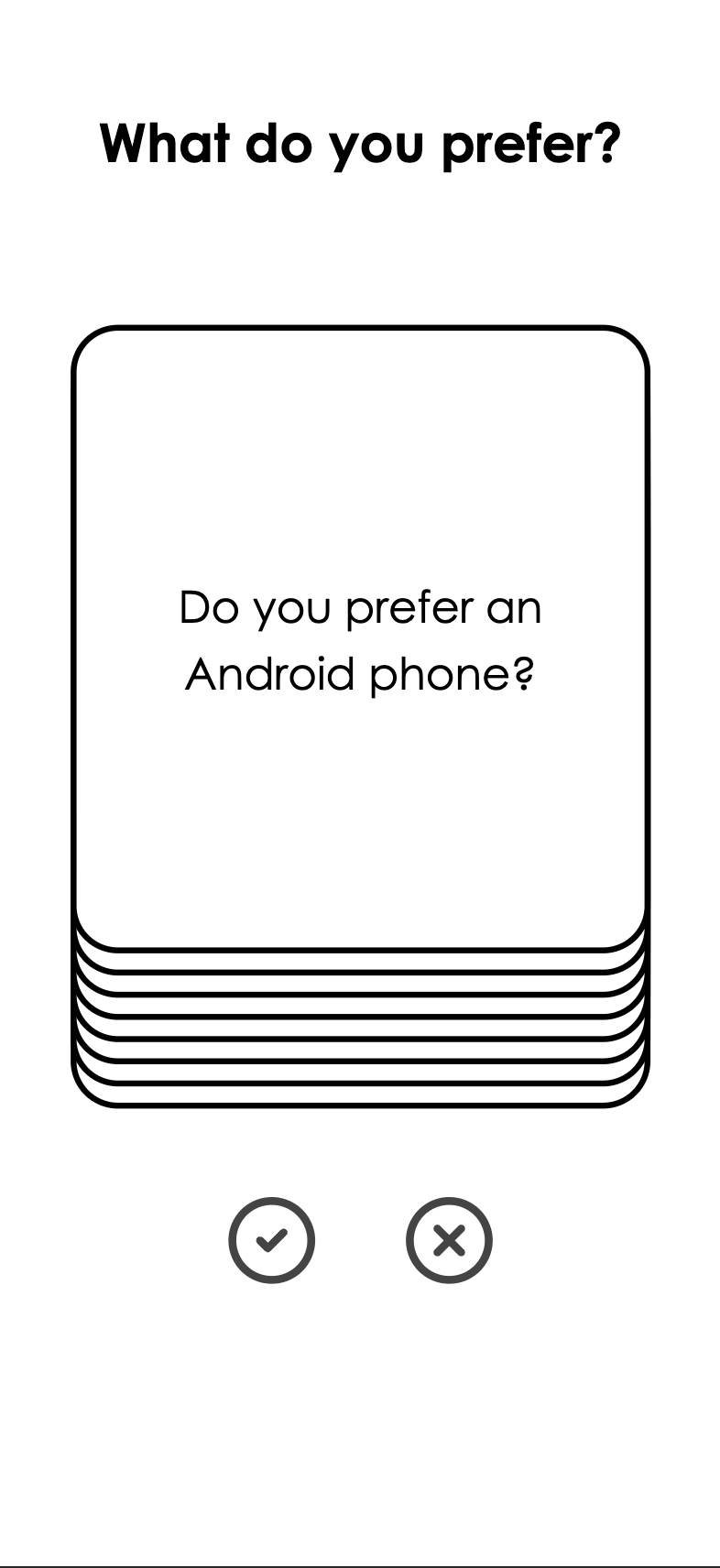
Findr
Inspiration
Findr was born during a GPT OSS brainstorming session. While we were discussing ideas in the lounge, someone overheard us and suggested a simple but powerful problem:
"Why can’t people buy PCs based on what they actually care about—like performance, price, or battery life—instead of getting lost in technical specs?"
That moment clicked for us. Many people want laptops or PCs but don’t know what an Intel i9-14900K or RTX 4070 Ti means. What they do know is whether they want great gaming performance, long battery life, or a budget-friendly option.
This idea connected with something we had already been working on: reselling products within our college community. We merged that concept with a personalized product aggregator—and Findr was born.
What We Learned
- Human-first interfaces matter. People think in needs (gaming, portability, affordability) rather than raw specs.
- Preference learning works best when it’s lightweight. Tinder-style swipes are faster than filling forms.
- Data aggregation is tricky. Pulling consistent product data from Walmart, Best Buy, Amazon, and Newegg requires normalization.
How We Built It
Frontend: A swipe-based card interface inspired by Tinder, optimized for fast feedback.
Backend: Aggregated data pipelines pulling product info from multiple retailers.
Deployment: Initially built for our college community, but extendable to any consumer.
Challenges We Faced
- Product data standardization – Retailers describe the same product differently, making comparison difficult.
- Balancing speed vs. accuracy – We had to make recommendations feel instant while still being reliable.
- Cold start problem – With zero swipes, personalization is hard. We solved this with a mix of defaults and fast-learning weights.
- Merging two ideas – Reselling products locally vs. building a scalable aggregator required rethinking the scope.
Built With
- css
- flask
- golang
- html5
- javascript
- lottie
- openrouter
- tailwind
- vercel

Log in or sign up for Devpost to join the conversation.