Inspiration
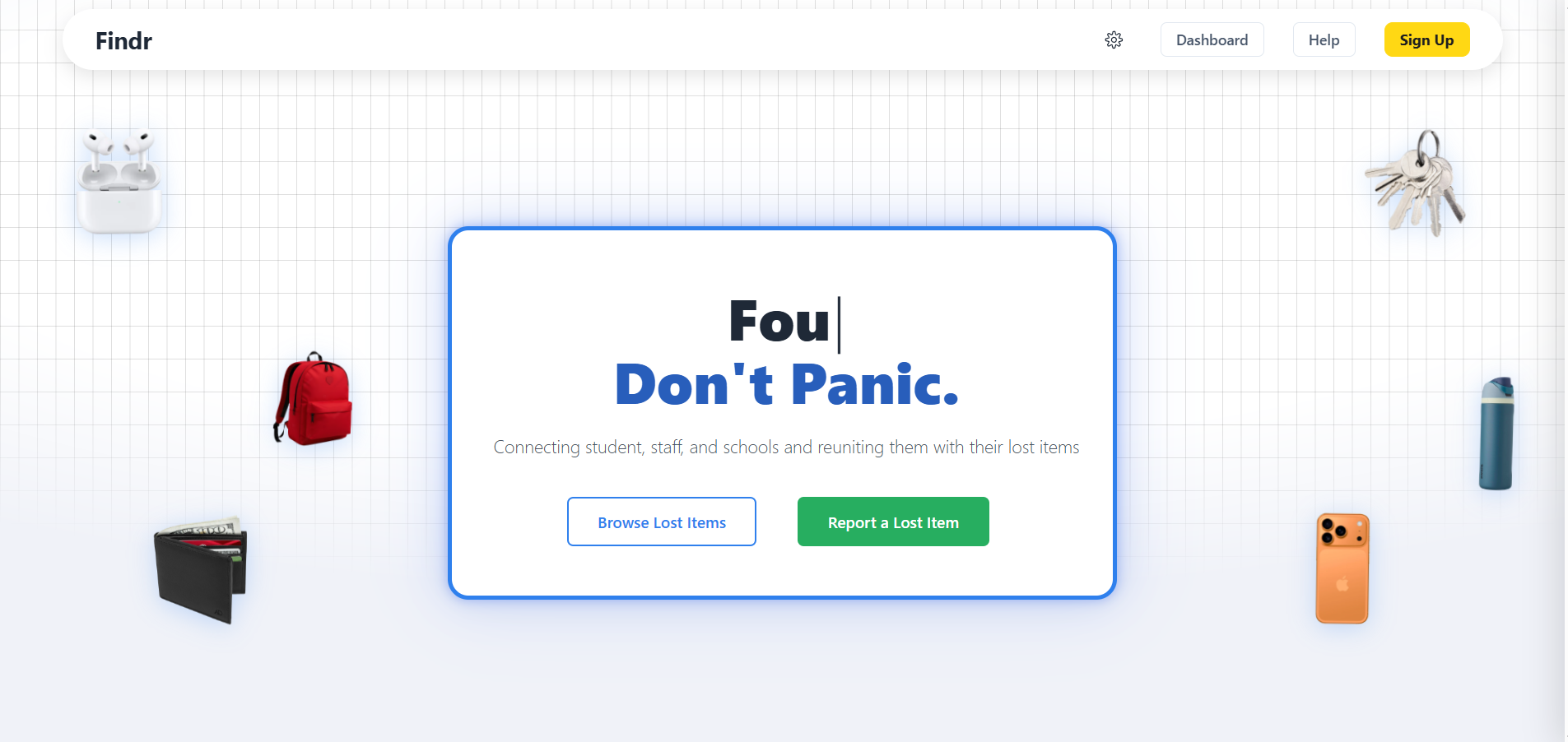
School lost and founds are a mess: a cardboard box nobody checks, items sitting for weeks on a decaying table, no visibility, and a high lack of man. We wanted to modernize the process and actually give students some hope in reconnecting with their lost items.
What it does
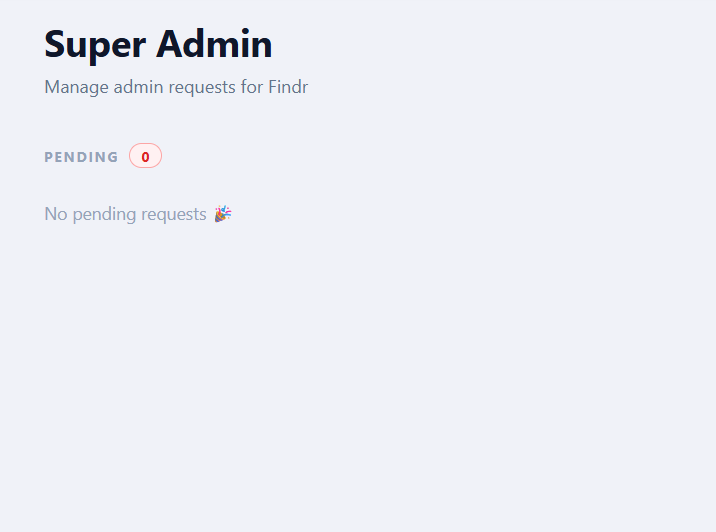
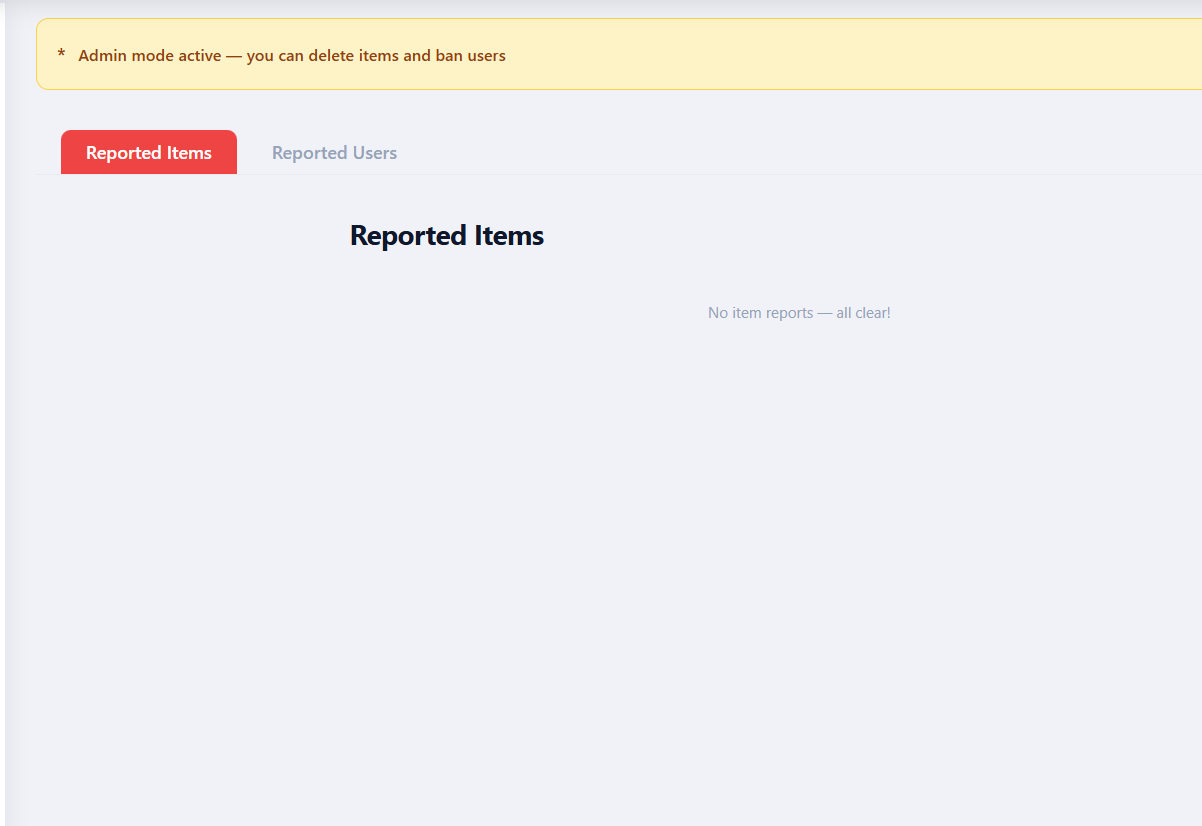
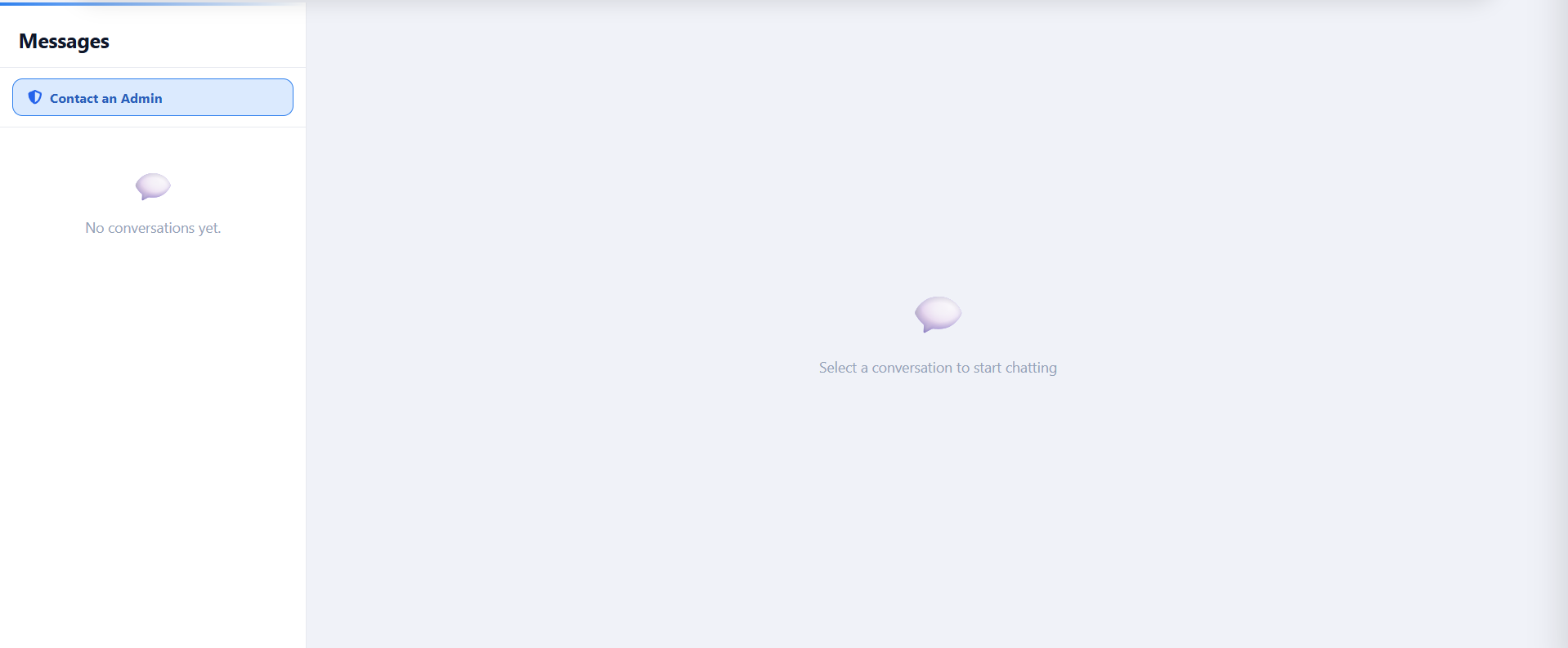
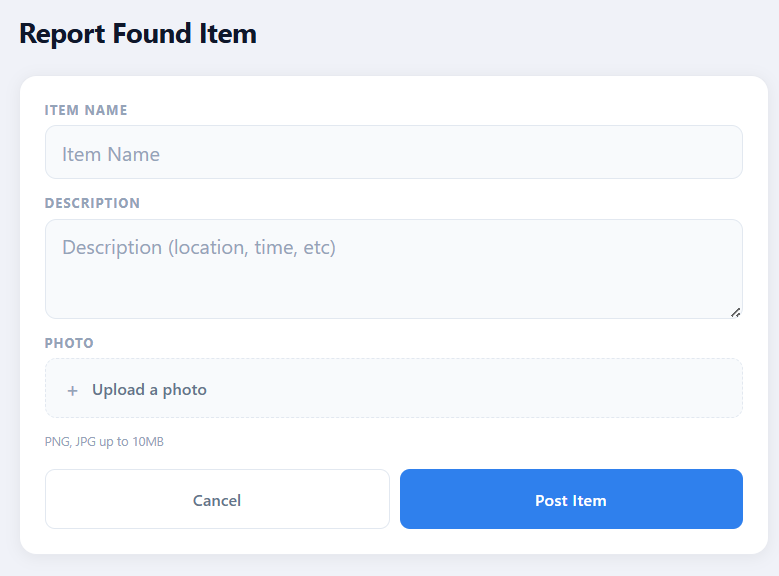
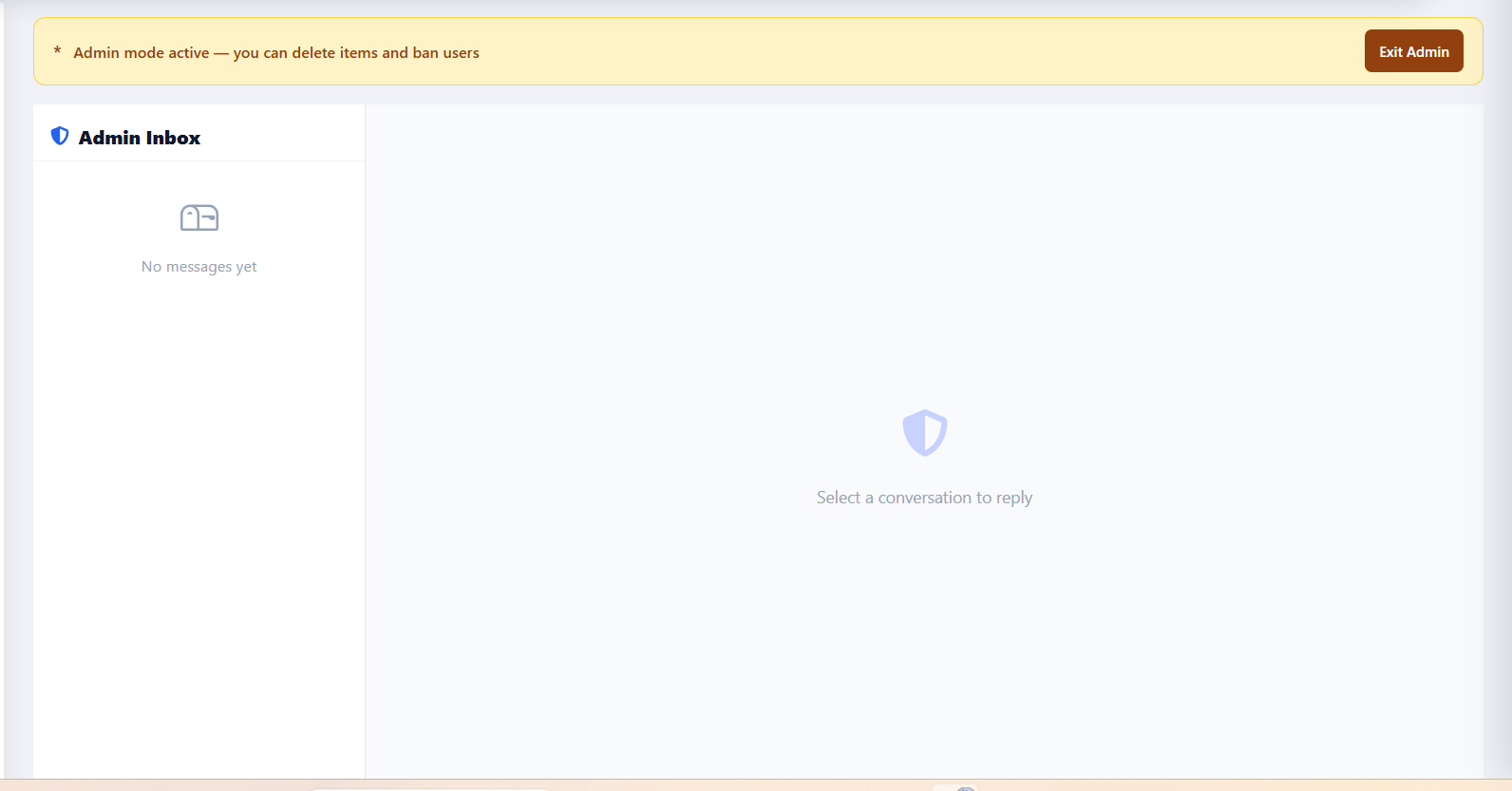
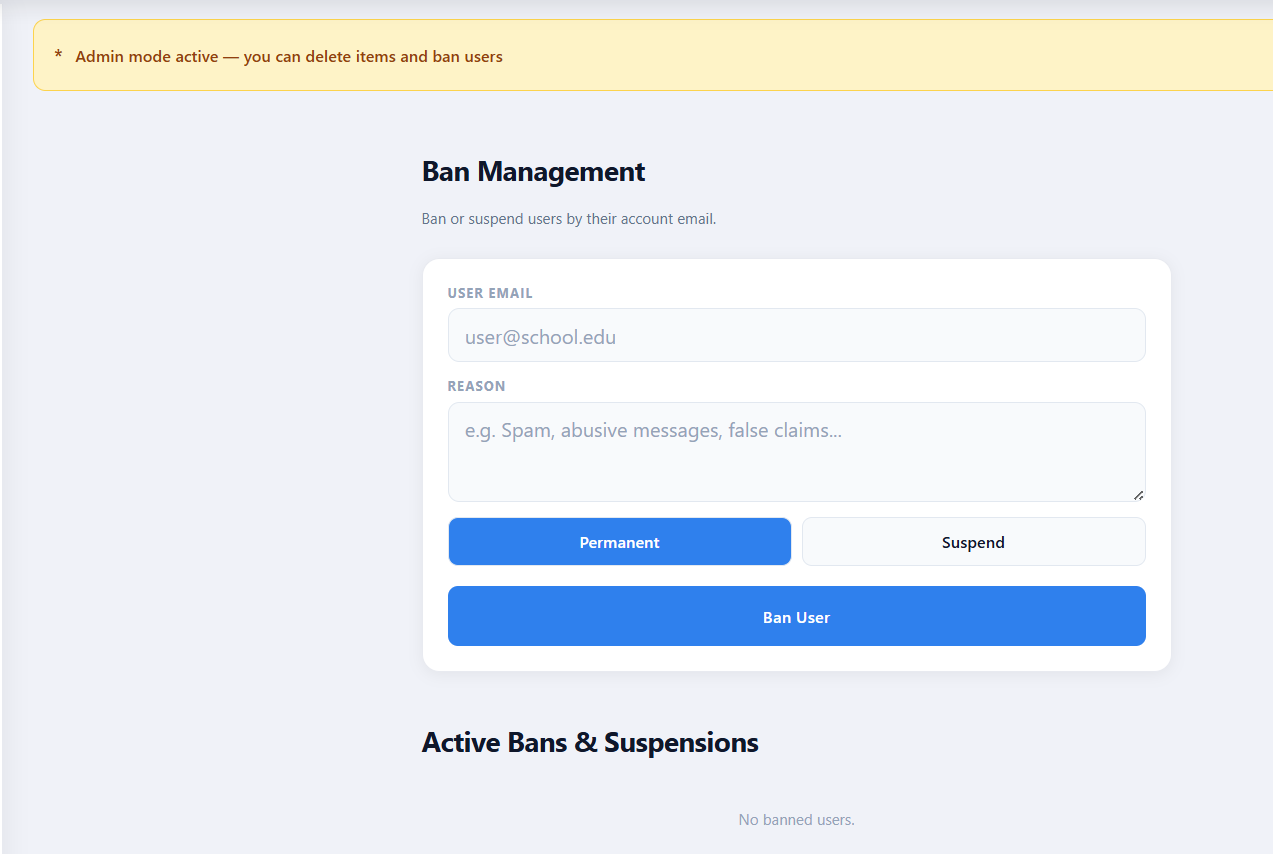
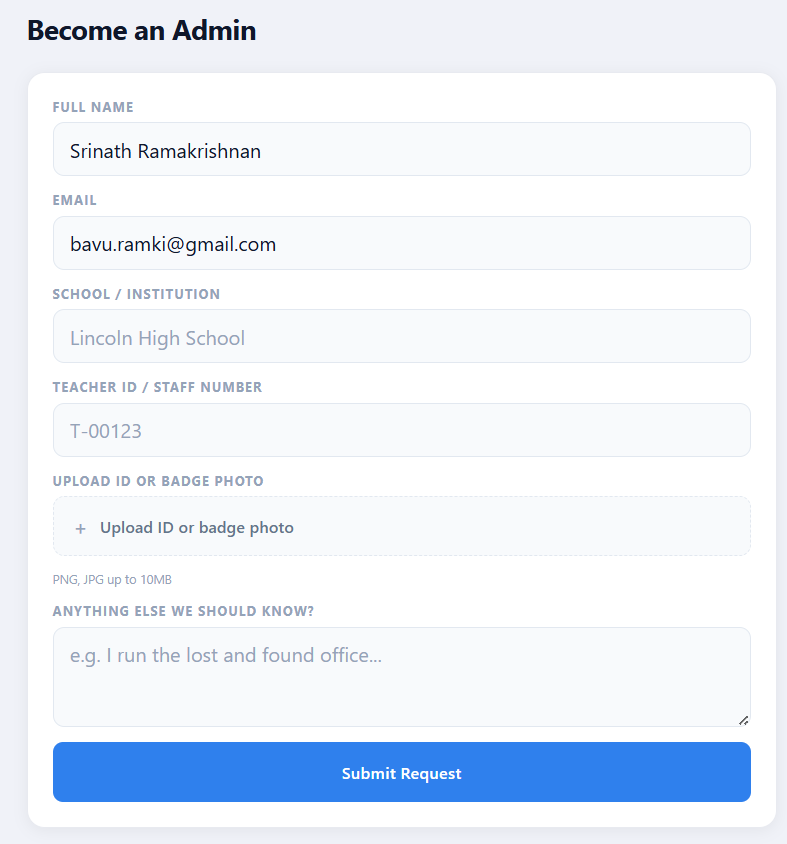
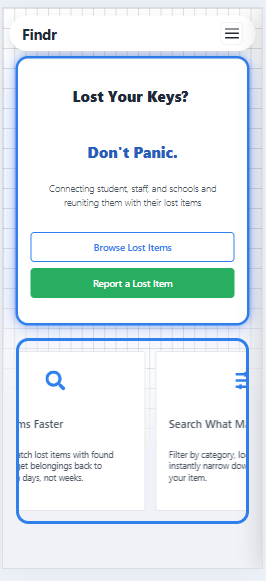
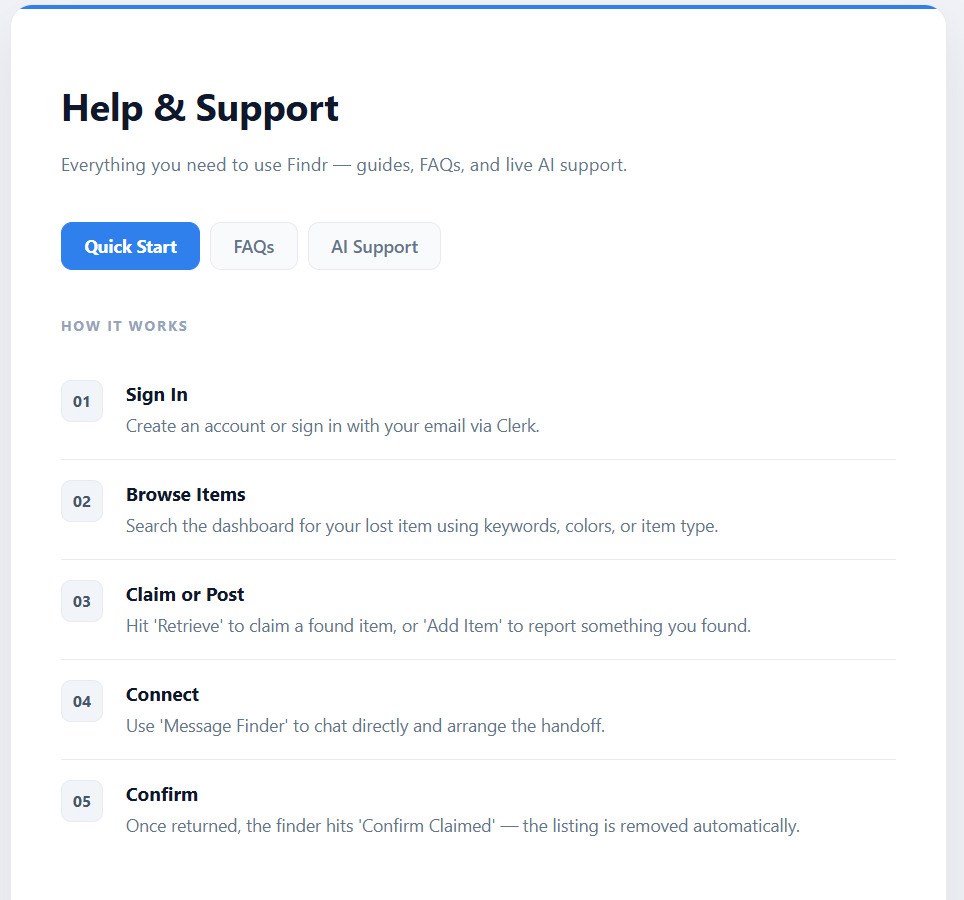
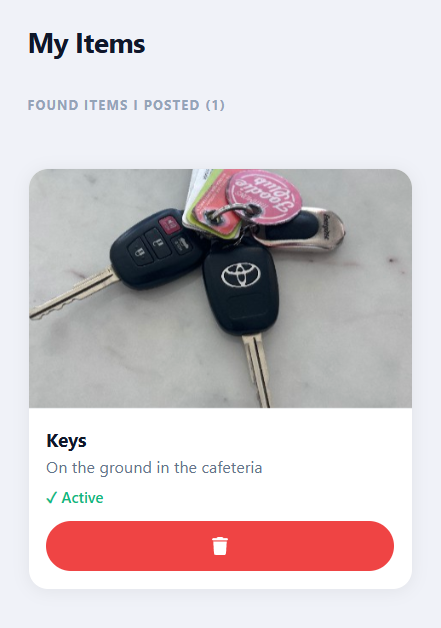
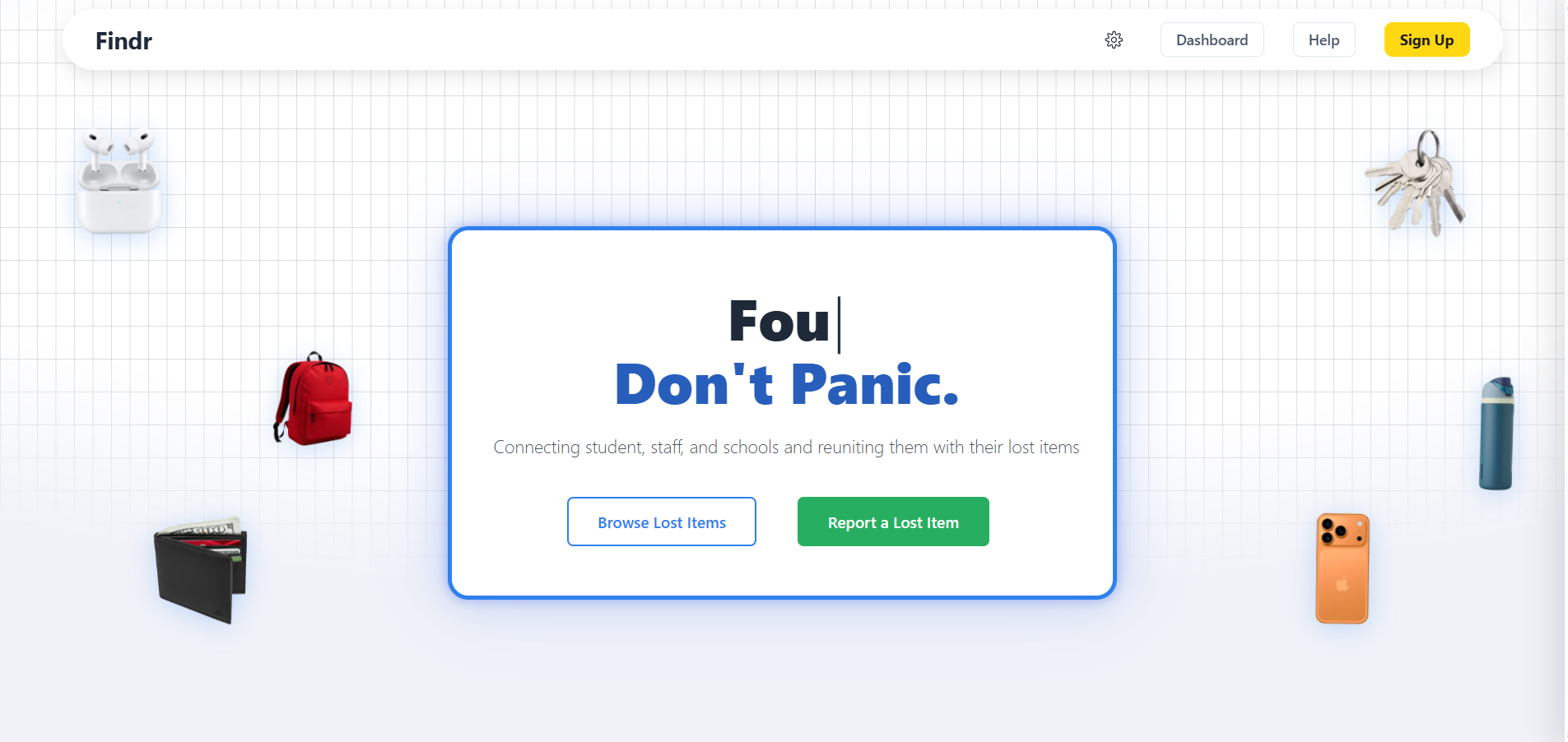
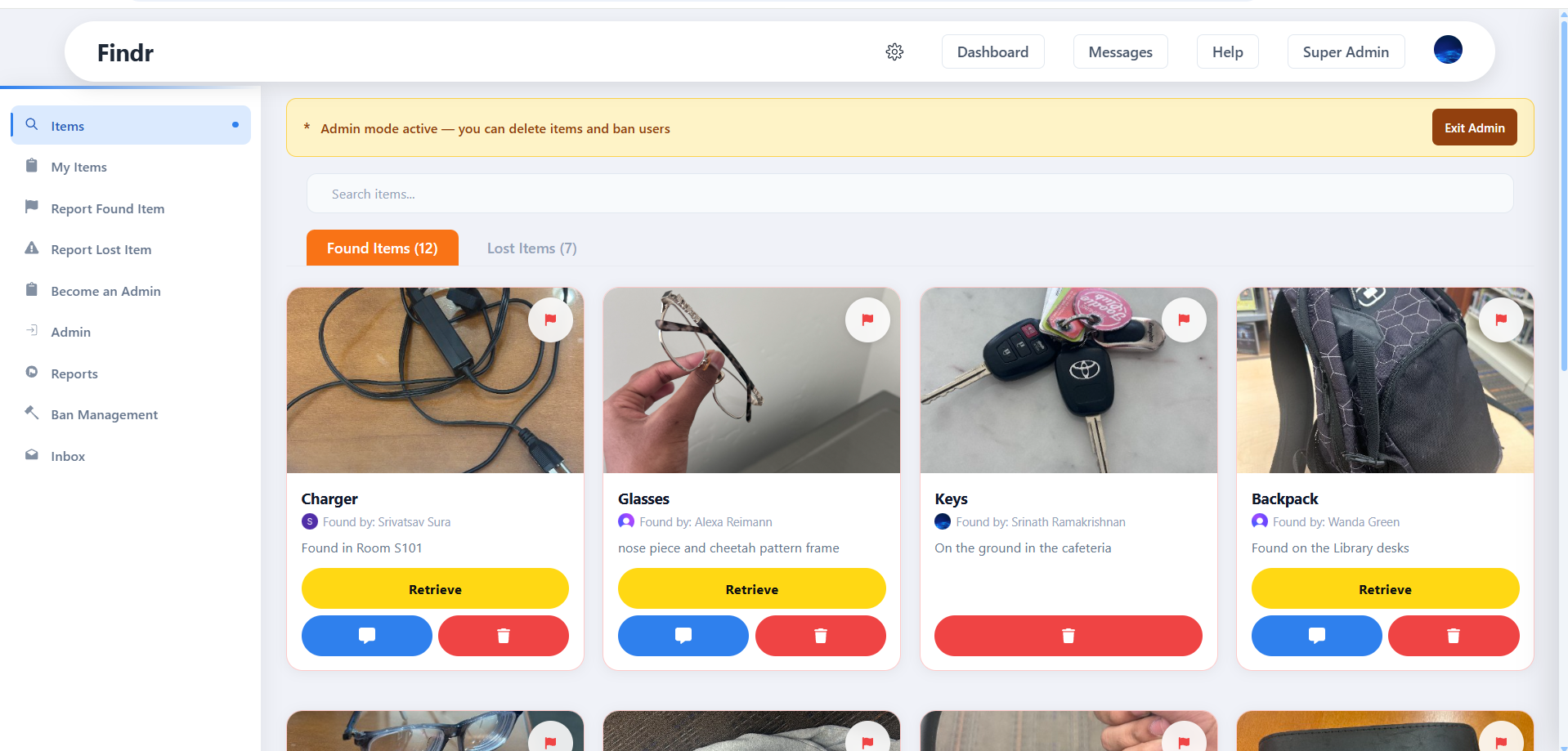
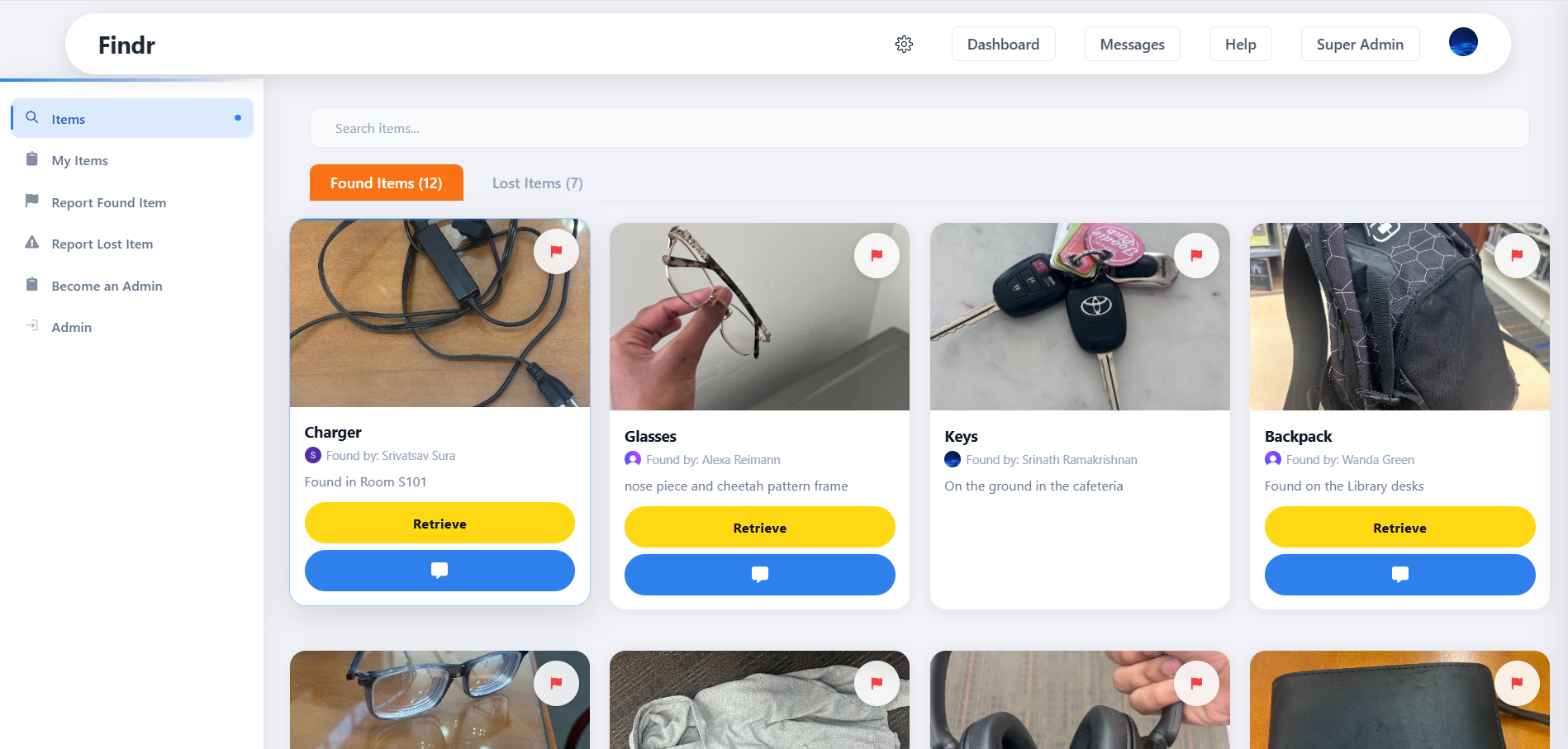
Findr lets students report lost or found items with description, location, and picture functionality, browse a searchable item listing, and message claimants directly, all within a secure, school-authenticated platform. Admin features allow for easy reporting and removal of items along with an admin approval system for schools to easily adapt the system.
How we built it
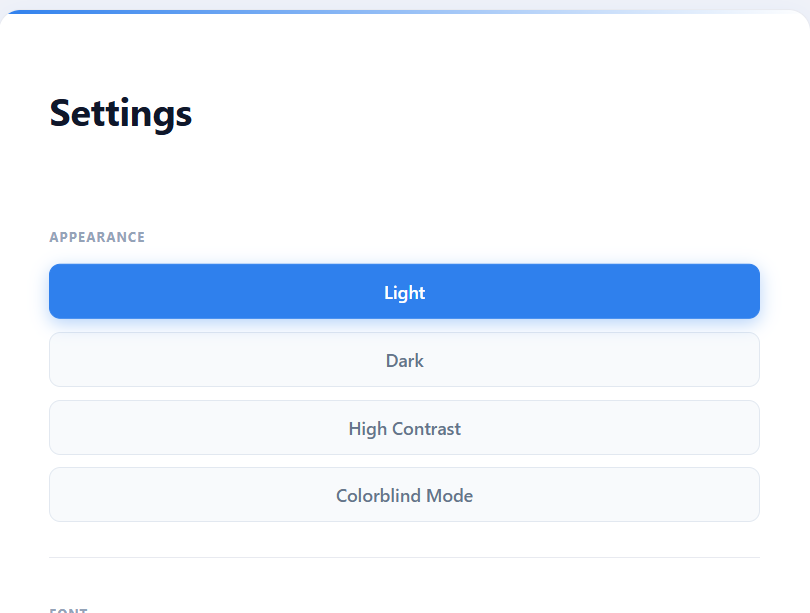
We built Findr with Next.js and React in TypeScript, using the App Router for routing and server-side logic. Supabase handles our database and storage, Clerk manages authentication, and Node.js powers our API routes, keeping sensitive logic off the client. For communication, we integrated EmailJS for messaging and MyMemory for language translations. Groq powers our AI item-matching feature. On the frontend, we prioritized accessibility with text-to-speech for visually impaired users, semantic HTML for screen reader support, multiple color modes including a colorblind-friendly theme, and multi-language support. There is also device support over a plethora of devices including mobile, tablet, and laptop.
Challenges we ran into
Building the app so that sensitive logic stayed server-side without sacrificing a fast and responsive UI took a lot of iteration. It was challenging to get authentication, database access, and real-time state to work together to provide a seamless user experience.
Accomplishments that we're proud of
We are proud that we built a fully functional, production quality app built by two high schoolers. It included real authentication, a working messaging system, accessibility modes, and a polished UI. It's live and usable for any school to join quickly and adapt the system.
What we learned
What it actually means to build a full-stack app thinking about security, UX, database design, and scalability all at once, while collaborating on a shared codebase was something that we definitely learned while building this app. Solving a real problem and building a product with thoughtful design truly opened our eyes to coding and development like never before.
What's next for Findr
Push notifications for item matches inside the app other than email notifications, a school adapting system where each school can input their information and make their own school dashboard, where students can join a school with a code, and a user item lost and found matching system, including systemized user lost item posting to a found item posting matching.
Built With
- clerk
- css
- emailjs
- google-fonts
- groq
- mymemory
- next.js
- react
- supabase
- typescript

Log in or sign up for Devpost to join the conversation.