💡 Inspiration
Most fintech applications focus on transactions, balances, and spending categories. They tell users what happened but fail to explain why it happened.
We were inspired by the idea that financial decisions are driven by psychology, emotions, habits, and cognitive biases. FinDNA was created to bridge the gap between financial data and human behavior by building a Behavioral Financial Intelligence Layer that helps users understand the motivations behind their financial choices.
🧠 What it Does
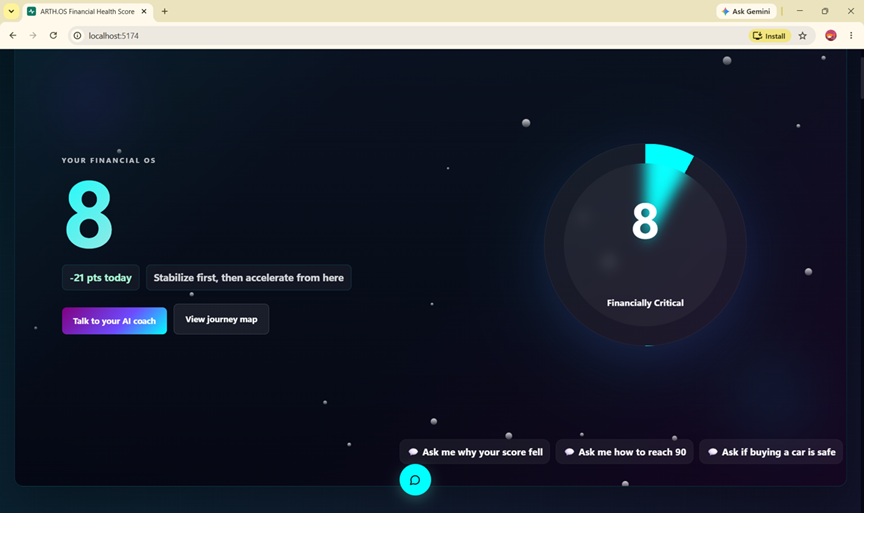
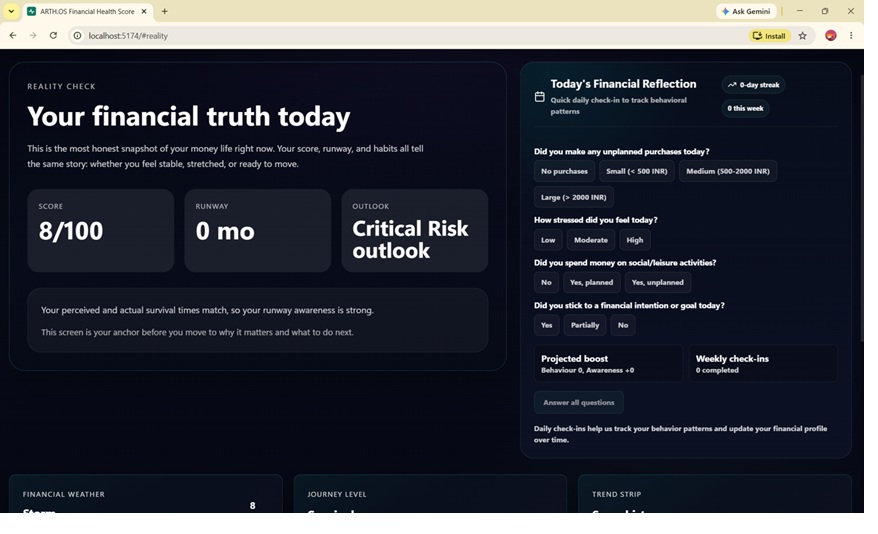
FinDNA is a Behavioral Financial Intelligence Operating System that transforms financial activity into actionable behavioral insights.
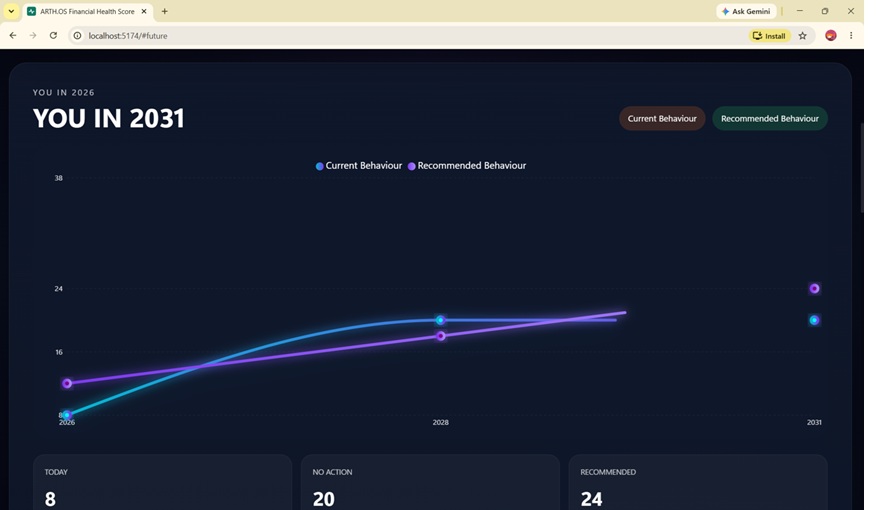
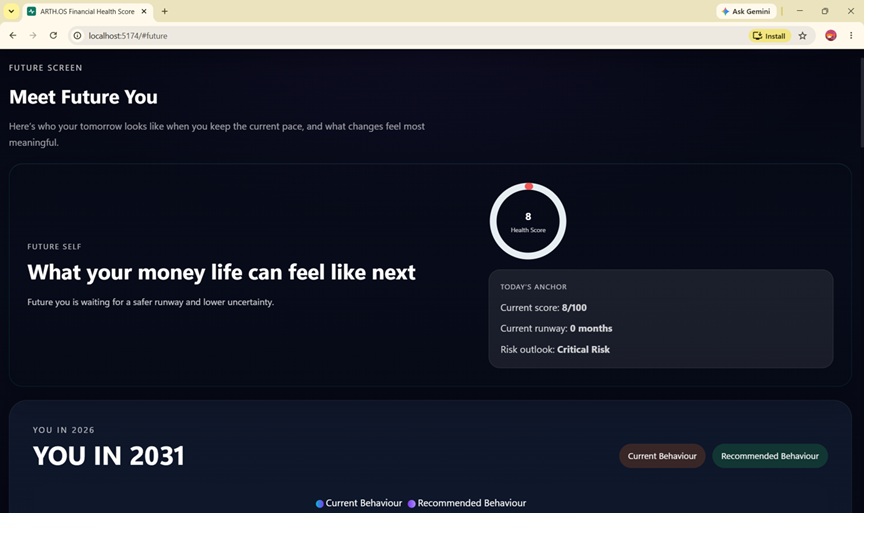
The platform analyzes spending patterns, behavioral signals, and contextual information to create a dynamic Cognition Graph representing a user's financial behavior.
Using this intelligence layer, FinDNA can:
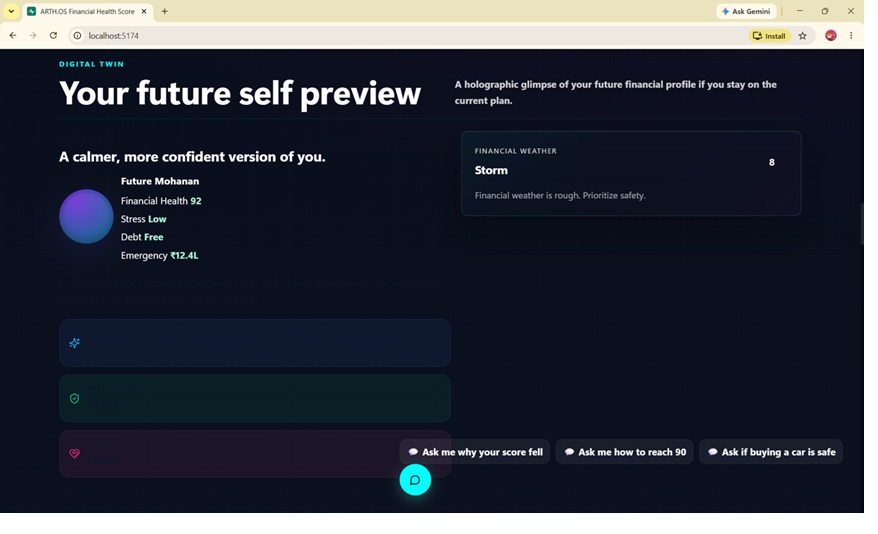
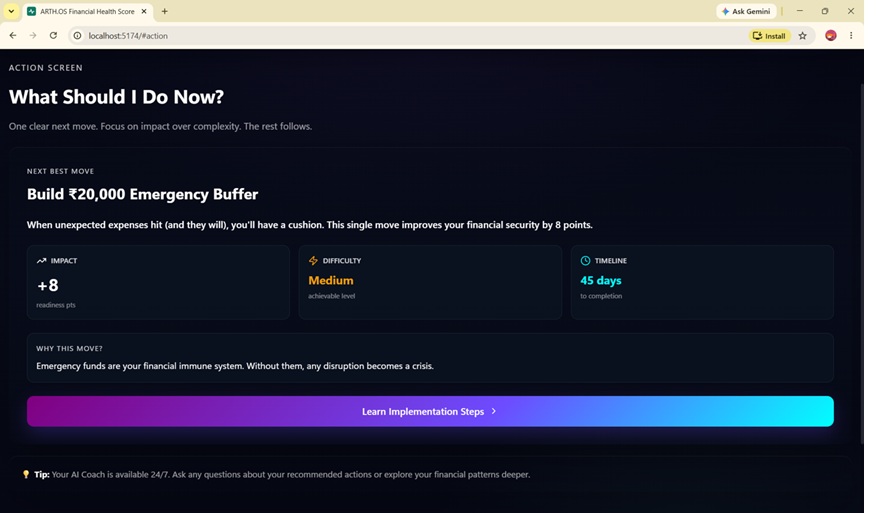
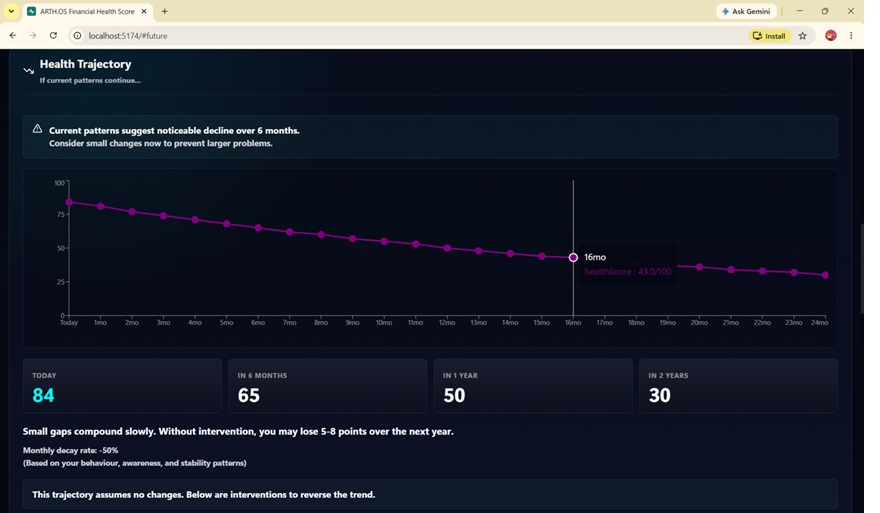
• Identify behavioral spending patterns • Detect recurring financial habits • Surface cognitive biases influencing decisions • Generate personalized financial insights • Deliver context-aware AI guidance • Visualize an individual's Financial DNA profile
Rather than simply tracking transactions, FinDNA helps users understand the reasons behind their financial decisions.
🛠️ How We Built It
FinDNA was built using a modern full-stack architecture designed for scalability and intelligent data orchestration.
Frontend: React, Tailwind CSS, Recharts, Framer Motion
Backend: Node.js, REST APIs, Behavioral Intelligence Engine, Cognition Graph Engine
Data Layer: PostgreSQL / Supabase, Secure Authentication, Structured Behavioral Profiling
AI Layer: OpenAI-powered insight generation, Context-aware recommendation engine, Personalized financial coaching workflows
🔗 Intelligent Orchestration with Context
The theme of this hackathon is "Intelligent Orchestration, now with Context."
FinDNA embodies this concept by orchestrating behavioral, financial, and contextual signals into a unified intelligence layer.
Instead of treating financial events as isolated transactions, FinDNA enriches them with behavioral context and routes those insights into personalized AI-driven guidance. This enables more meaningful recommendations that adapt to individual habits, motivations, and decision-making patterns.
At the core of the platform is the Cognition Graph, which continuously connects actions, patterns, and context to generate deeper behavioral intelligence.
🚧 Challenges We Faced
• Designing a flexible Cognition Graph capable of evolving with user behavior • Translating behavioral finance concepts into measurable data structures • Building personalized AI interactions while maintaining relevance and context • Creating intuitive visualizations for complex behavioral insights • Balancing explainability with predictive intelligence
🎉 Accomplishments We're Proud Of
• Building a unique Behavioral Financial Intelligence framework • Designing a dynamic Cognition Graph architecture • Creating personalized Financial DNA profiles • Delivering context-aware AI financial guidance • Developing an extensible foundation for future financial intelligence applications
🔮 What's Next for FinDNA
• Advanced behavioral prediction models • Expanded financial data integrations • Multi-agent financial intelligence workflows • Real-time financial coaching • Personalized wealth-building recommendations • Predictive behavioral risk detection
FinDNA represents a shift from transaction intelligence to behavioral intelligence, helping people understand not only what they do with money, but why they do it.
Built With
- behavioral-intelligence-engine
- cognition
- express.js
- framer-motion
- git
- gitlab
- graph
- javascript
- node.js
- openai-api
- postgresql
- react
- recharts
- rest-apis
- supabase
- tailwind-css
- vercel

Log in or sign up for Devpost to join the conversation.