-
-
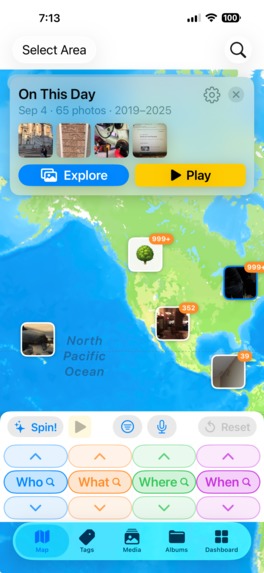
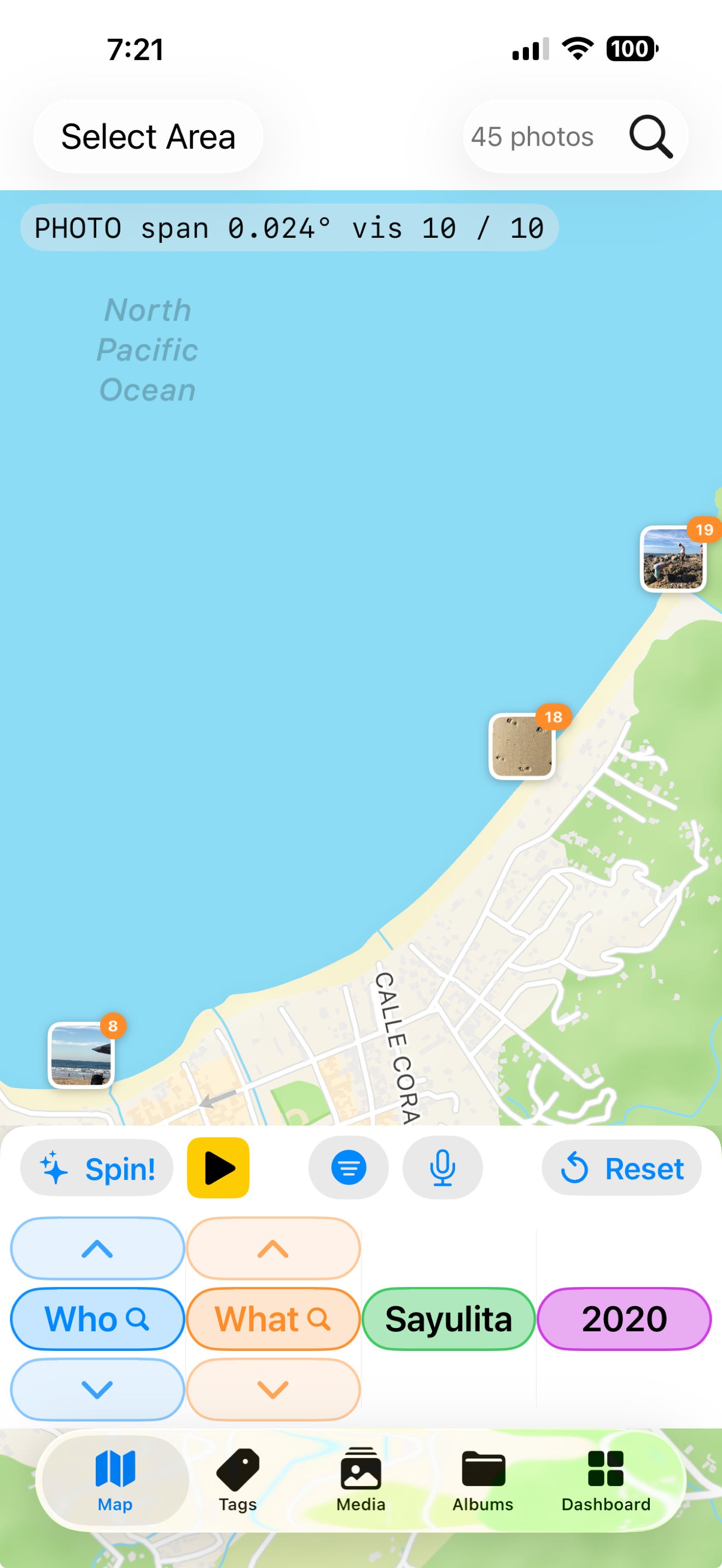
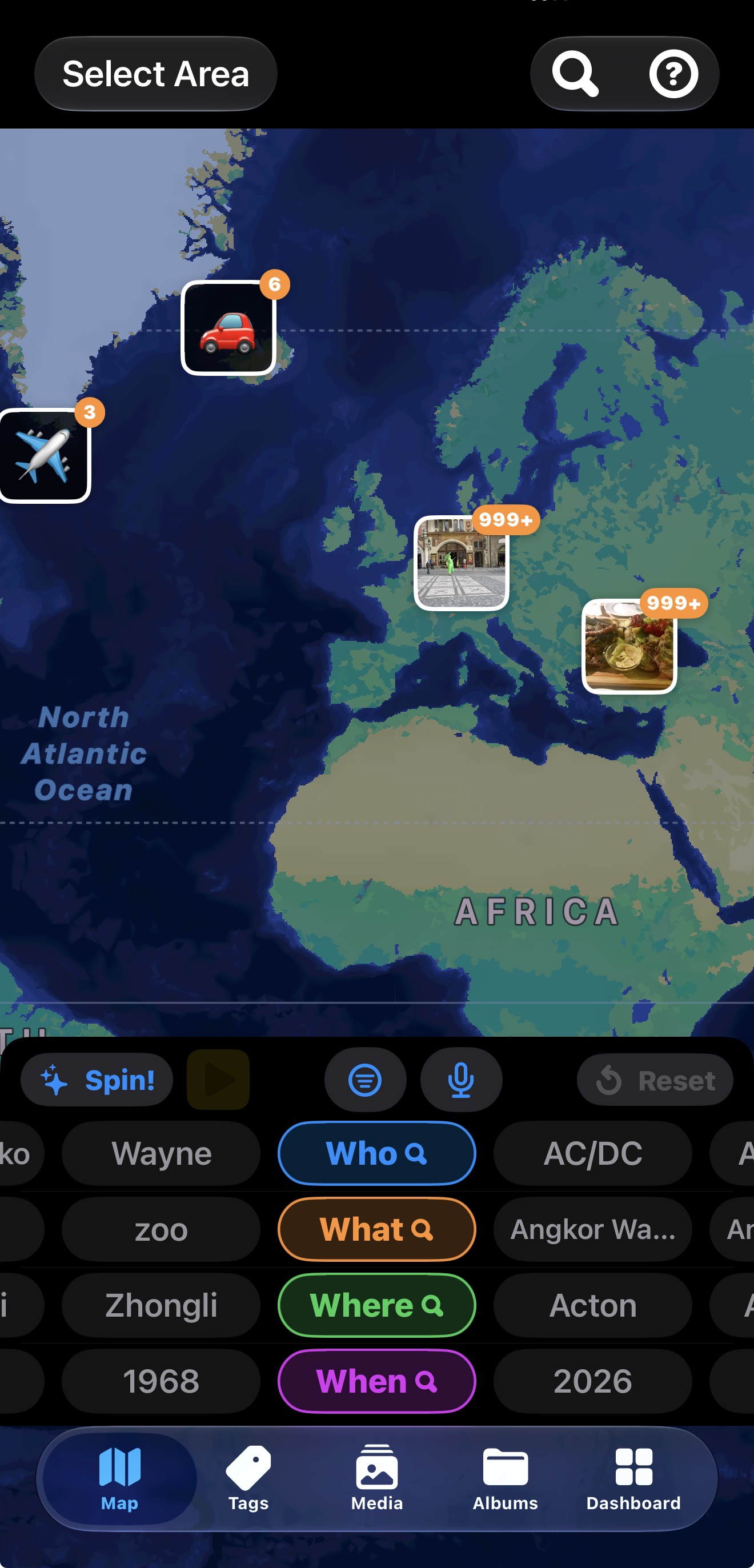
Zoomed out Map view
-
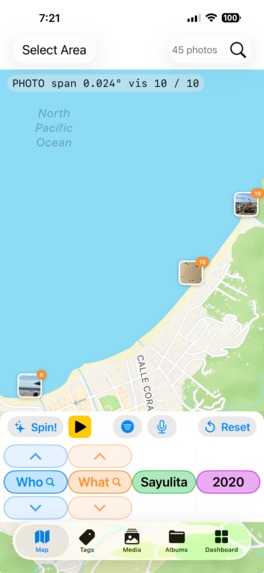
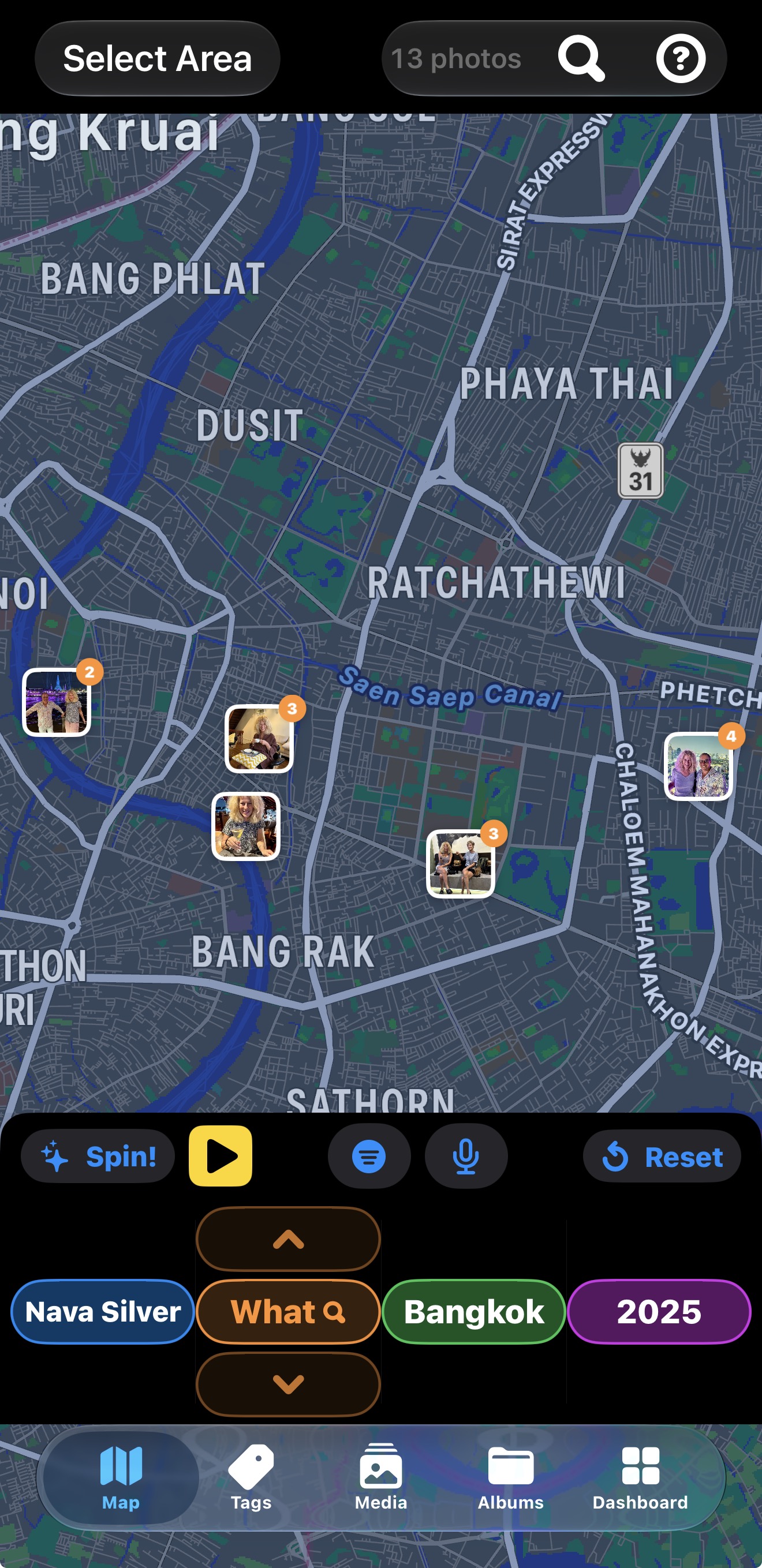
Zoomed in Map View
-
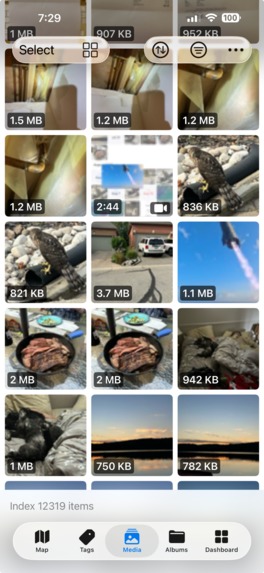
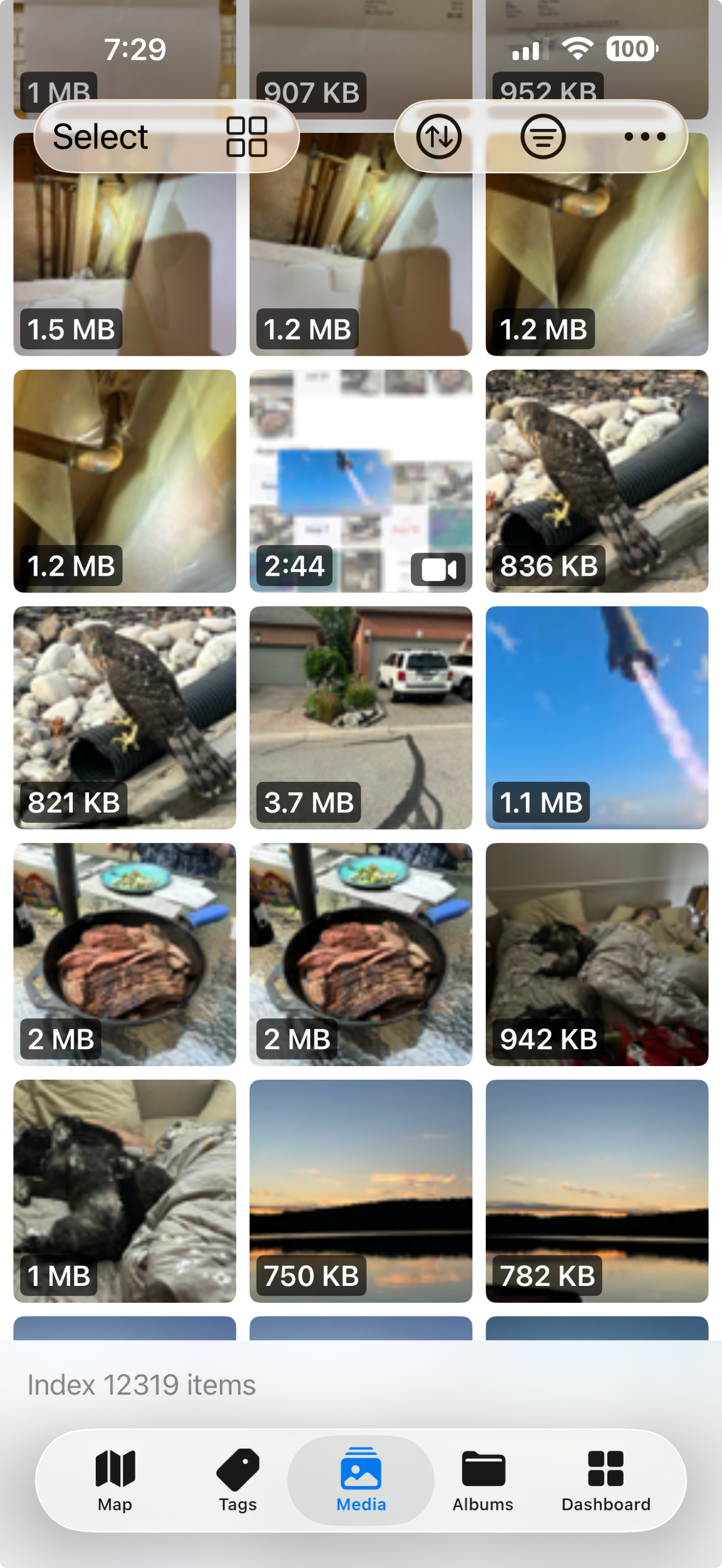
Media items grid view
-
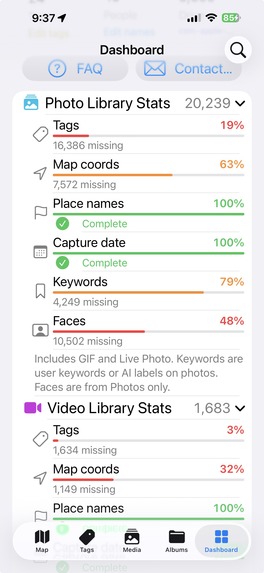
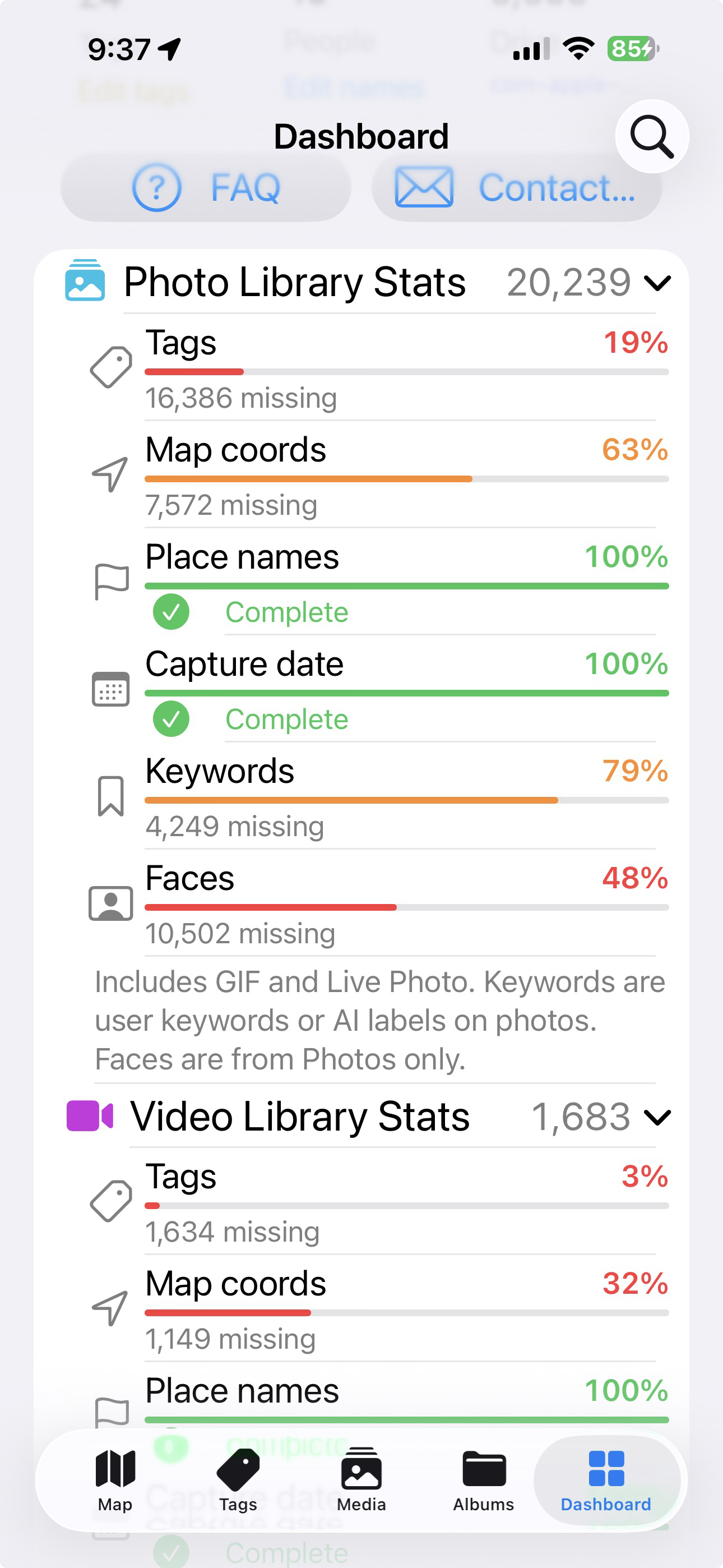
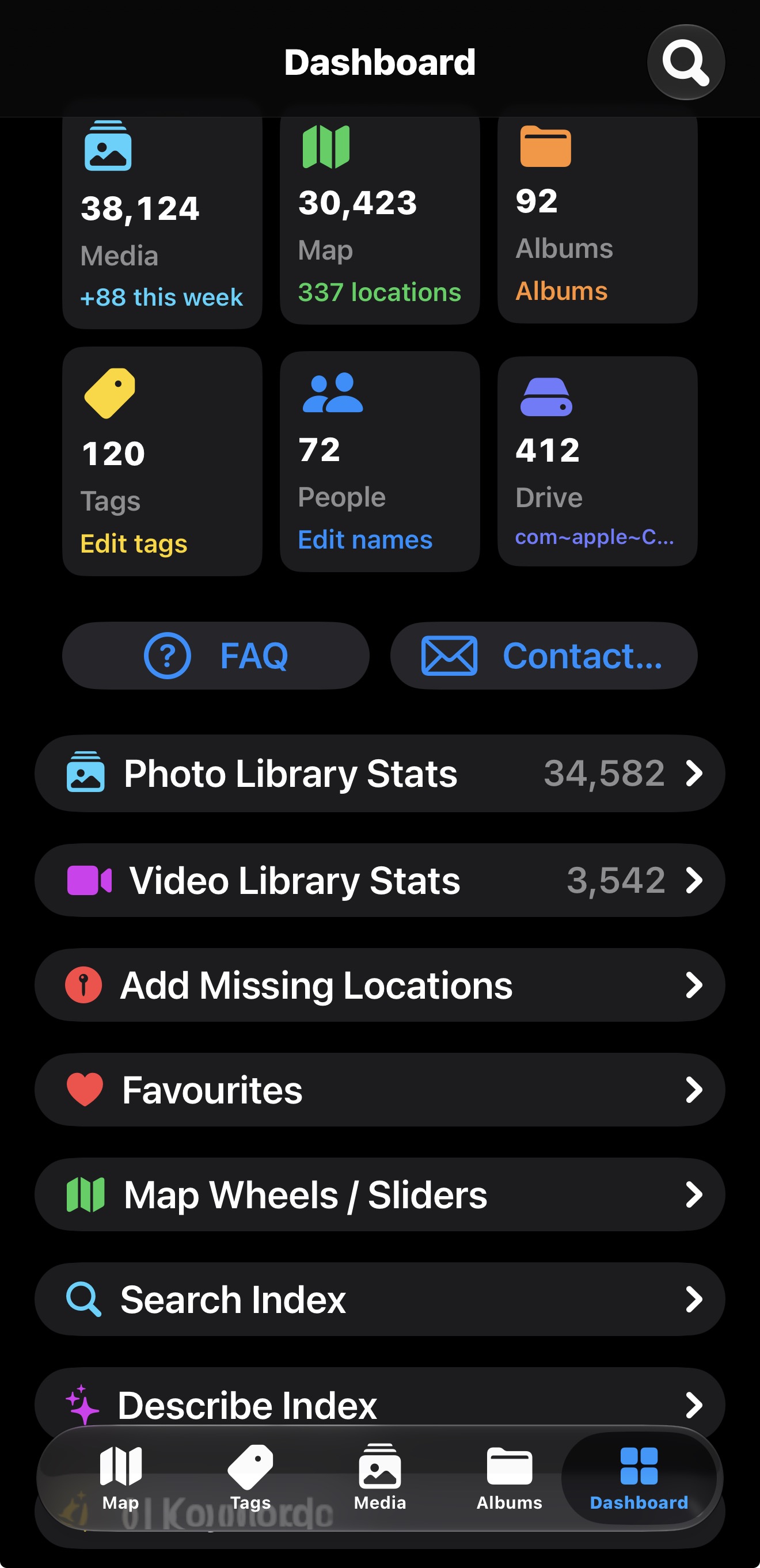
Dashboard view
-
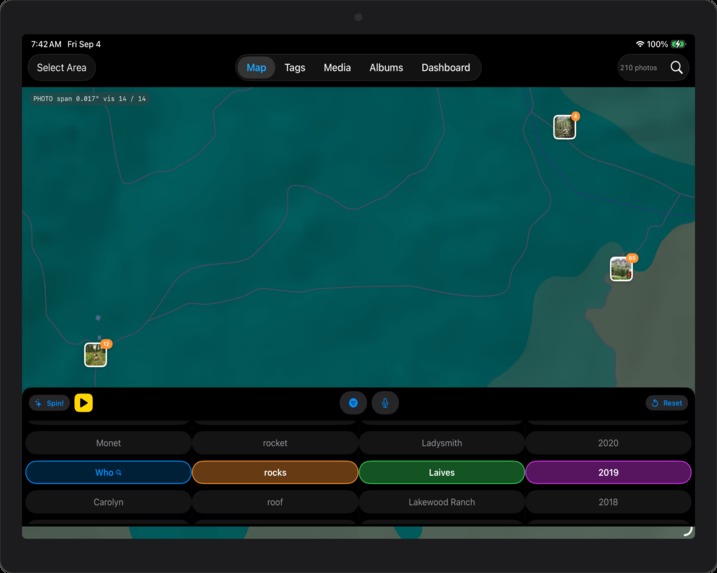
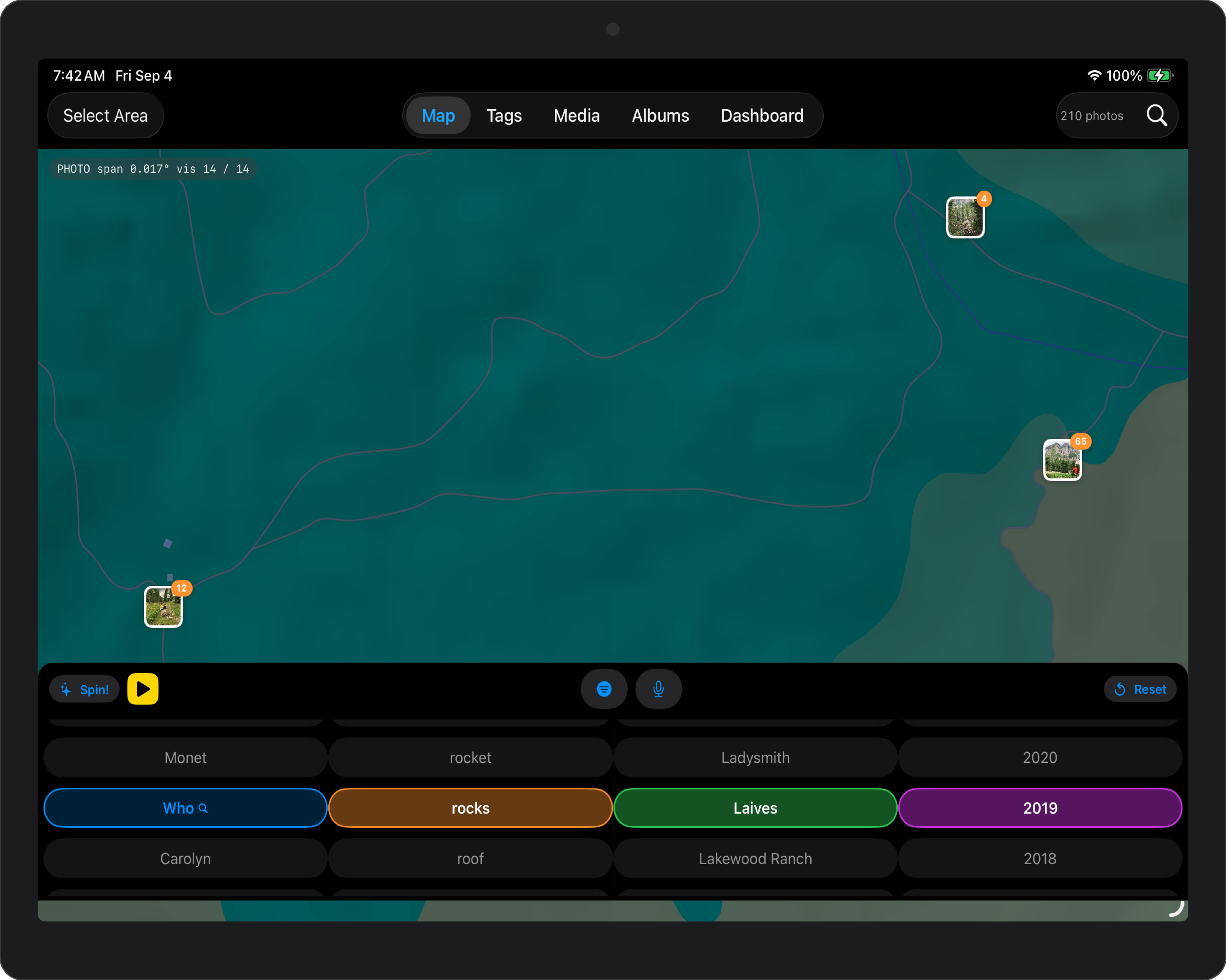
iPad Map view
-
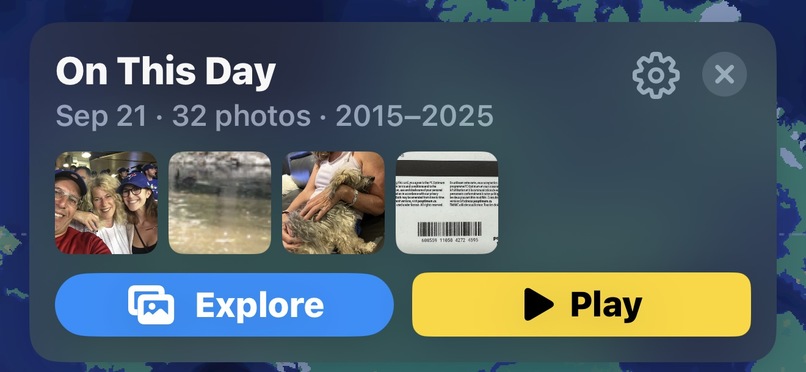
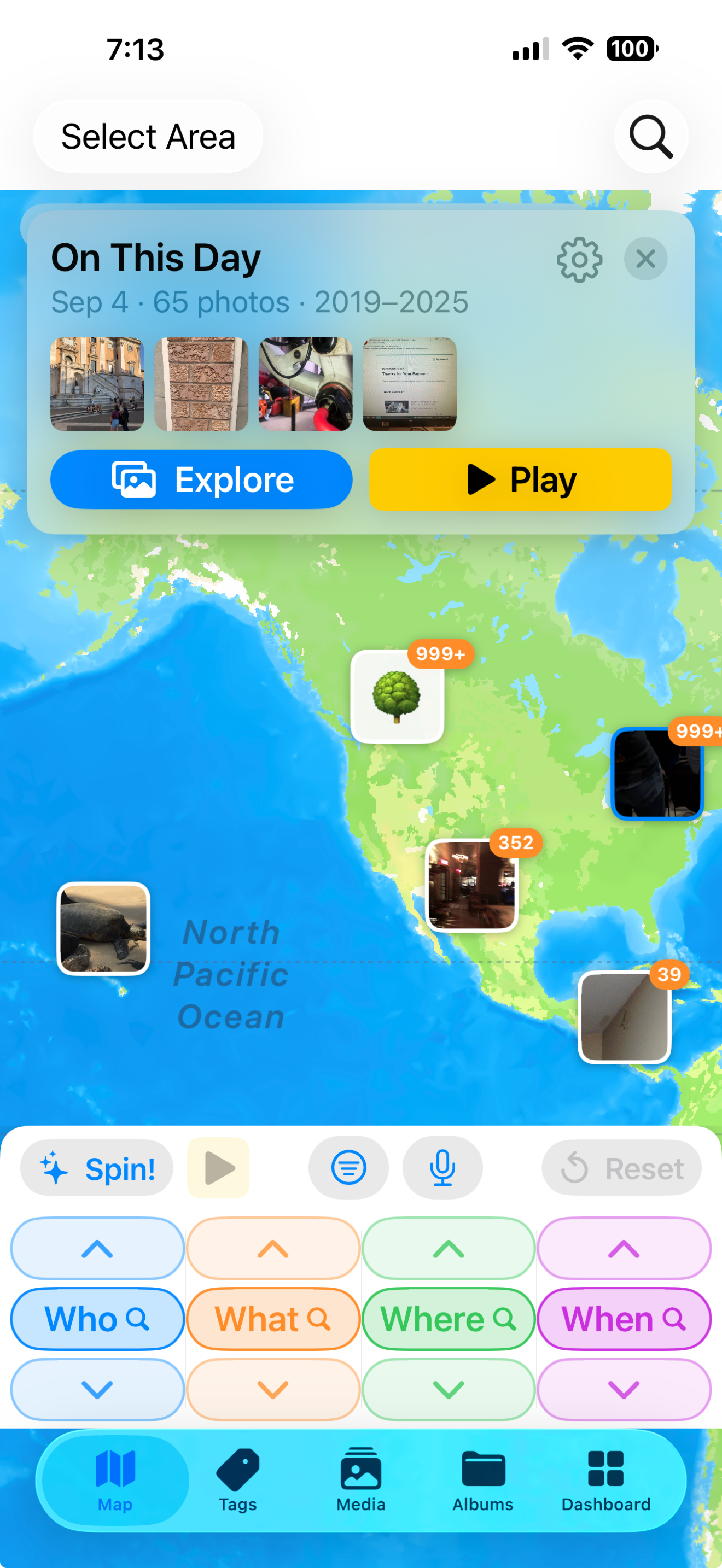
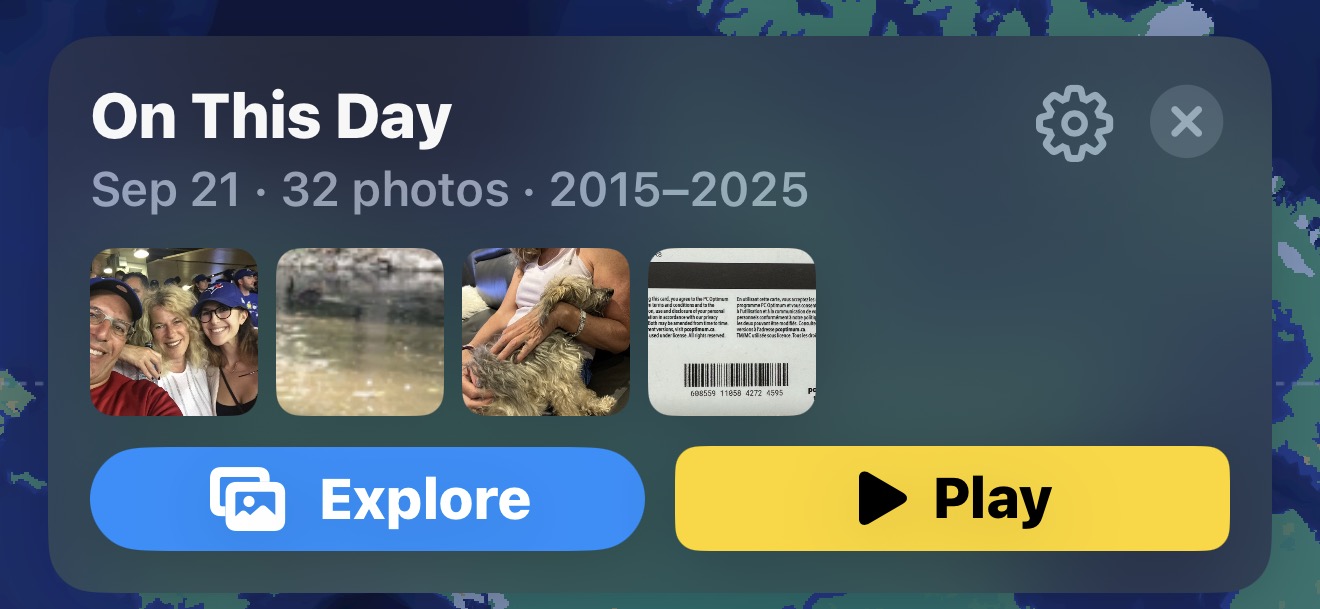
On This Day
-
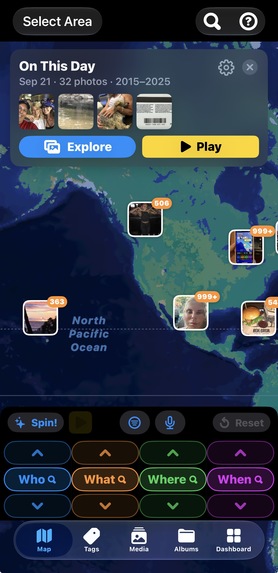
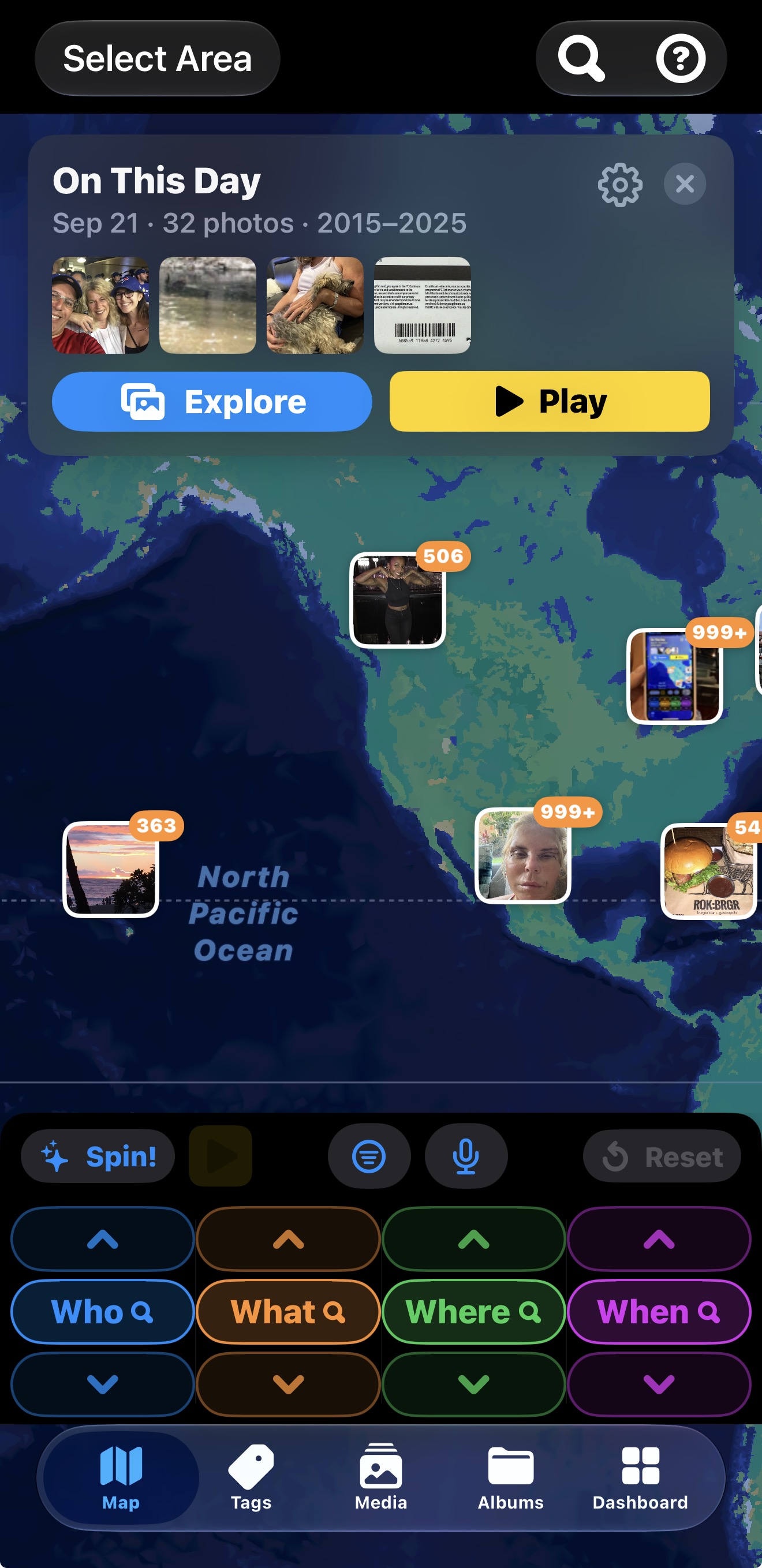
On This Day with Map
-
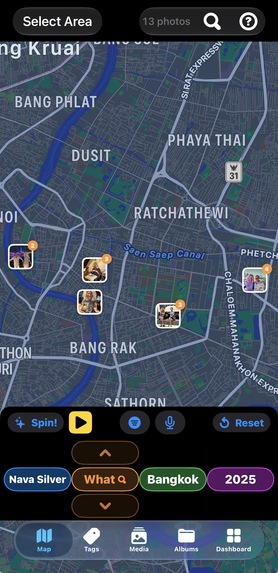
Who What Where When Spinners
-
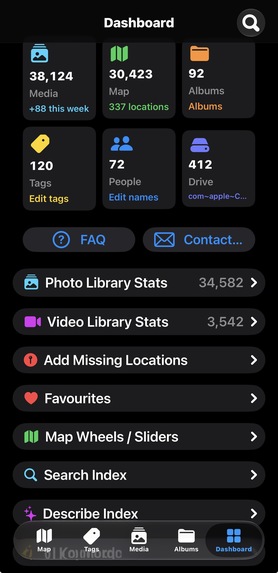
Dashboard
-
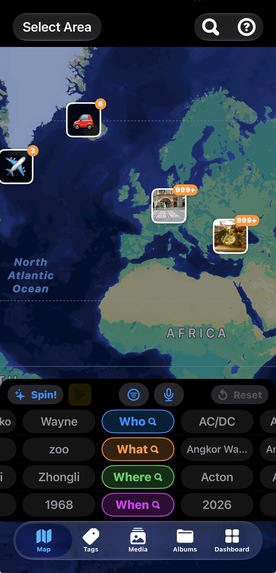
Map with Sliders
-
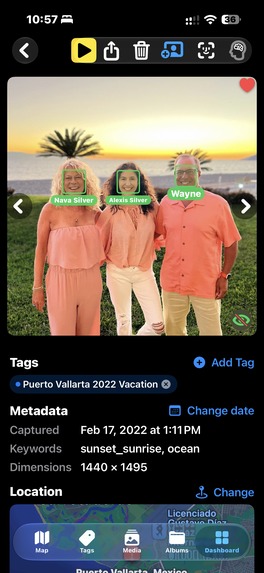
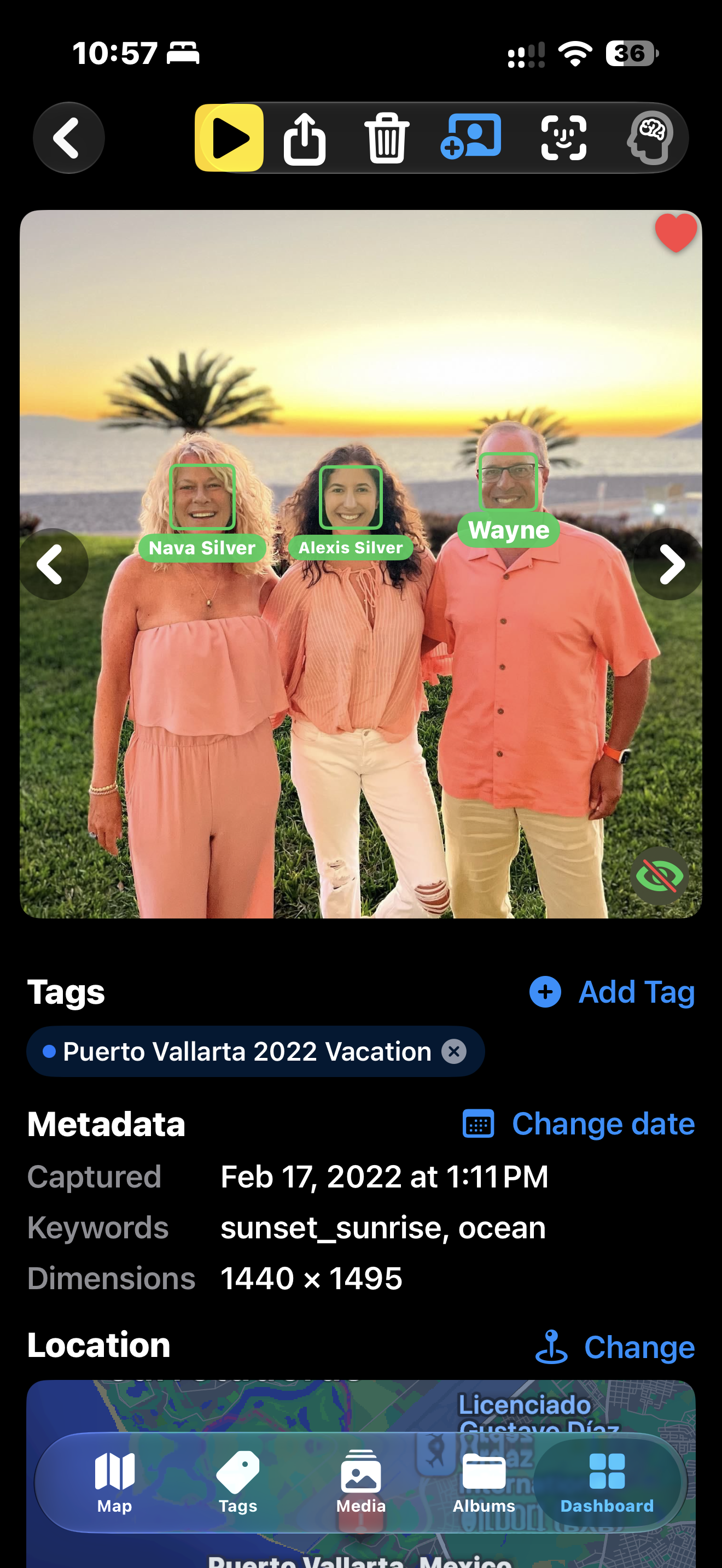
Photo with Metadata Tags and User Keywords
Inspiration
It started with a sentence almost everyone with a big photo library has said: "I know that photo is in here somewhere."
I've always been frustrated trying to find photos I know are on my phone. I scroll. Guess a year. Scroll some more. Try a search. Get 500 results. Change the search. Give up.
Then a friend showed me his library of nearly 100,000 photos. On his Mac, he'd spent years carefully organizing them into folders. On his phone, that organization was essentially gone. Years of vacations, family, friends, celebrations, and everyday life had become one enormous timeline. The photos weren't lost. His ability to find them was.
That was when the idea behind Findmmm became much bigger. My business partner and I asked a simple question: What if we searched for photos the way people actually remember them?
We don't remember filenames. We remember: Who was there. What we were doing. When it happened. And Where we were. Those four questions became the foundation of Findmmm.
What it does
Findmmm — Find Many More Memories is an on-device photo and video discovery app for iPhone and iPad. Its purpose is ridiculously simple: Help you find the memory you're thinking about.
Maybe it was Sarah. Maybe you were in Paris. Maybe it was around 2019. Maybe you remember dinner but almost nothing else.
Start with one clue and narrow your search using Who, What, When, or Where. Tap, spin, slide, search — or simply ask Findmmm with your voice.
You can:
- Explore memories visually on a map
- Spin the wheels and rediscover forgotten photos
- See what happened On This Day
- Build Smart Albums
- Play a filtered collection of memories
- Describe a picture in ordinary language and find visual matches
- Name people and search by Who
- Add missing locations and correct dates
- Tag one photo or hundreds at once
Adding context is especially useful for photos received through WhatsApp, social media, or friends. Those images often arrive without locations or with dates showing when you received them rather than when the memory actually happened. Findmmm helps put that context back.
And from the beginning, one decision wasn't negotiable: Your photos are yours. Period. Findmmm processes your library on-device. We don't upload your photos to our servers or sit somewhere looking at your memories. They're your memories. That's where they belong. Learn more about Findmmm
How we built it
We made one decision early that probably made our lives considerably more difficult: We weren't going to build Findmmm using a nice little demo library. We built and tested it against real libraries containing tens of thousands of photos and videos.
Features that work beautifully with 500 photos become very different engineering problems with 50,000 or 100,000. A third-party iOS app has to search a huge library quickly while staying within Apple's memory constraints. Use too much memory and iOS can simply terminate the process. That challenge led us to develop PMSI, our proprietary search-index architecture. PMSI is the engine “under the hood”, driving Findmmm, allowing us to search very large libraries quickly and reliably within the constraints of an iPhone or iPad.
Then came months of building, breaking, testing, rebuilding, simplifying, and asking: "Would a normal person actually know what to do here?" We didn't want Findmmm to feel like database software. We wanted it to feel like remembering. We wanted it to be fun to use. A product everyone would open every day, one that brings a smile every time it found a lost memory.
In September 2026, Findmmm went from something on our development devices to something real people could download from the Apple App Store.
We shipped it.That was a pretty good day.
Challenges we ran into
Our biggest challenge was both technical and very human: computers and people don't remember things the same way. A computer might know: "IMG_4837 — June 14, 2019."
A person remembers: "That picture of Sarah at that little restaurant in Paris."
Bridging those worlds became the heart of Findmmm. We had to combine Who, What, When, and Where naturally while delivering fast results across libraries containing tens — or potentially hundreds — of thousands of items.
- Search
- Maps
- Faces
- Locations
- Dates
- Tags
- Keywords
- Visual descriptions
- Videos Each sounds straightforward in one word. At scale, none of them are.
One of our biggest lessons was that the best technology is often technology the user never has to think about. If someone finds a photo from eight years ago in seconds, they don't need to know what PMSI just did. They just need to smile when the picture appears.
Accomplishments that we're proud of
We're especially proud of PMSI and solving the problem of fast, reliable searches across very large photo libraries within the constraints imposed on a third-party iOS app.
We conducted two comprehensive worldwide patent searches, including China, and the technology we've developed is now the subject of a pending U.S. patent application.
We're proud of the map. We're proud of Describe. We're proud of the wheels.
We're proud that someone can speak to Findmmm instead of figuring out how to construct a search. But our biggest accomplishment is simpler: We turned an idea into something people can actually use. In only a matter of months, Findmmm went from: "Wouldn't it be great if..." to: "It's on the App Store."
Now we're experiencing the moment we built it for. Someone remembers a photo they haven't seen in years. They give Findmmm a few clues. The photo appears. Suddenly they're not looking at software anymore. They're looking at a memory. That's the part we're most proud of.
What's next
Shipping Findmmm isn't the finish line. It's the beginning. Now we get to put it into the hands of people with real photo libraries and listen. What did they find? What couldn't they find? What confused them? What delighted them? What ideas do they have that can make Findmmm even better?
We'll use that feedback to make Findmmm simpler, faster, and more useful. We're also using Shipaton and RevenueCat to build the subscription and growth infrastructure needed to turn Findmmm into a sustainable business.
We have an ambitious development roadmap. Next comes Android, followed by a multi-language version so people around the world can enjoy Findmmm in their own language. Farther down the road, we plan to develop Findmmm Enterprise, bringing the same idea to organizations with enormous internal photo and video collections. Companies can have thousands — or millions — of valuable images and videos, yet finding the right one when it's needed can be remarkably difficult.
Cameras keep getting better. Storage keeps getting cheaper. And our personal and professional libraries keep getting bigger.
The problem isn't taking more pictures. The problem is finding them again. That's what we're trying to solve.
And the mission we started with, still fits into eight words:
I know it's in there. Help me find it.
Findmmm — Find Many More Memories Stop Scrolling. Smart Remembering. Visit Findmmm

Log in or sign up for Devpost to join the conversation.