-

Findly - Logo
-
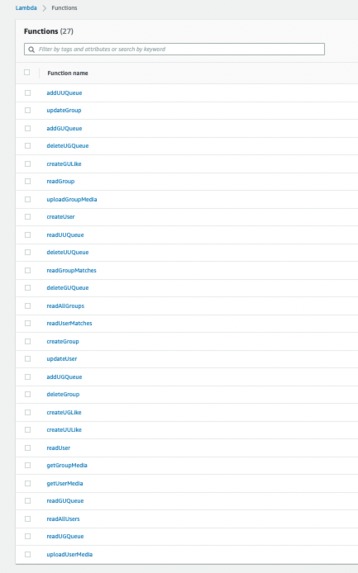
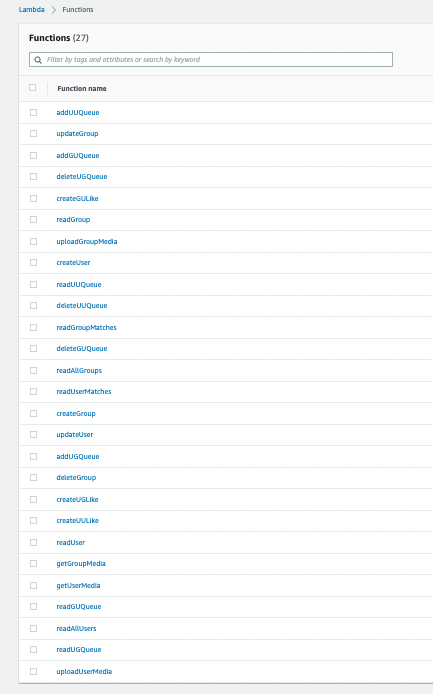
Lambda Functions
-
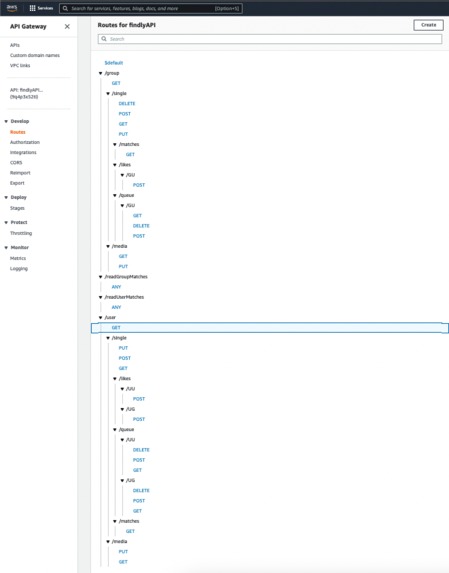
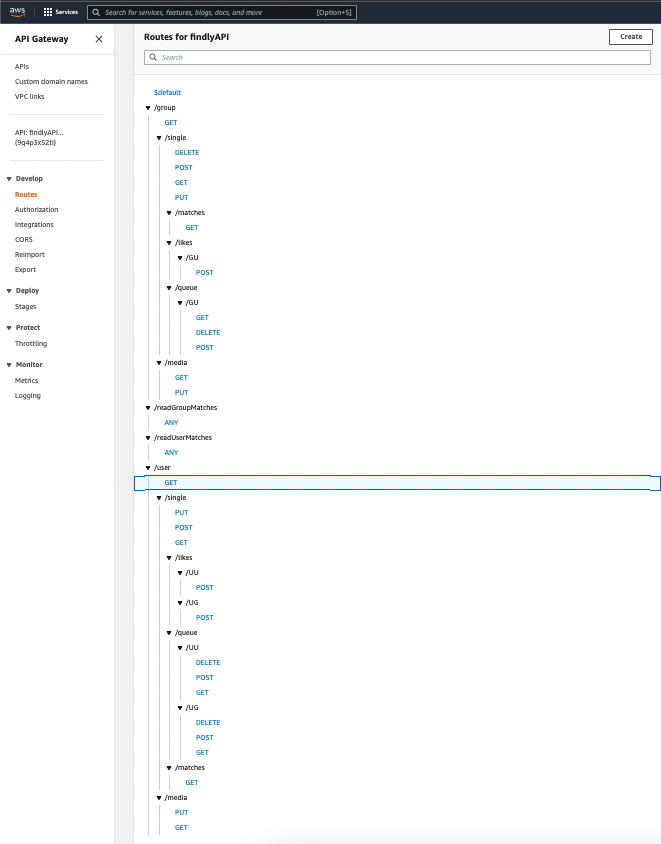
-
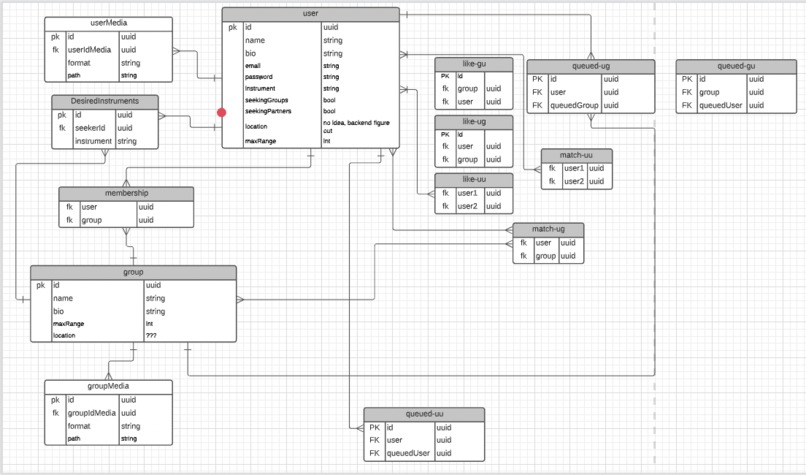
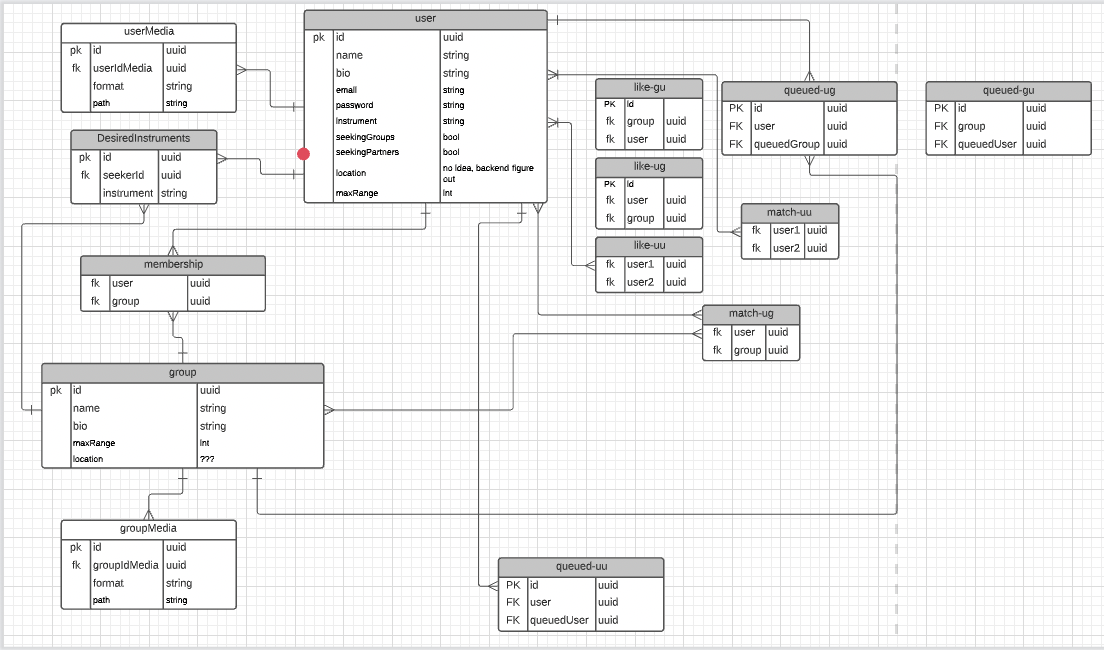
Database Architecture Workflow
-
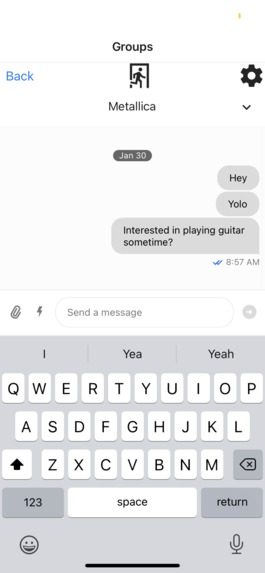
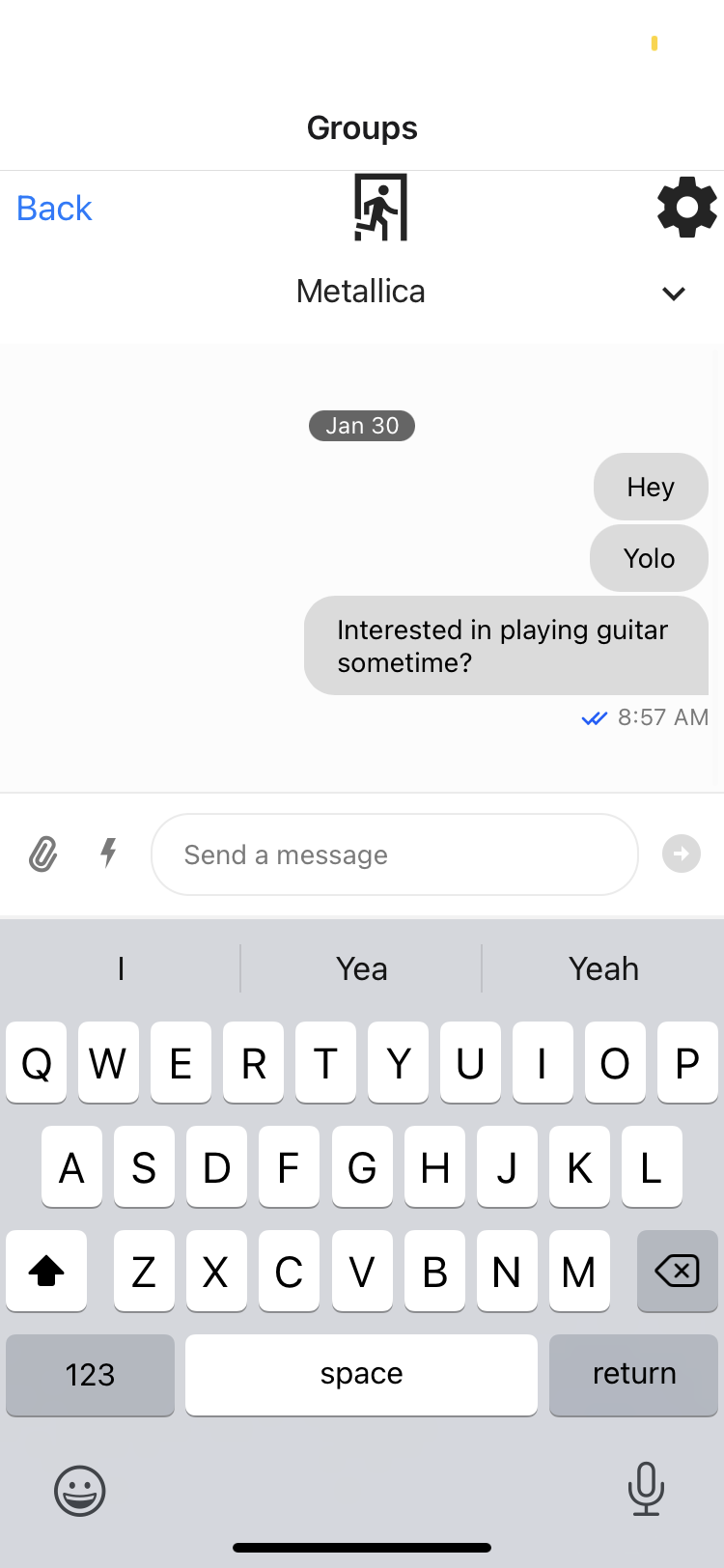
Chat Box Functionality
-
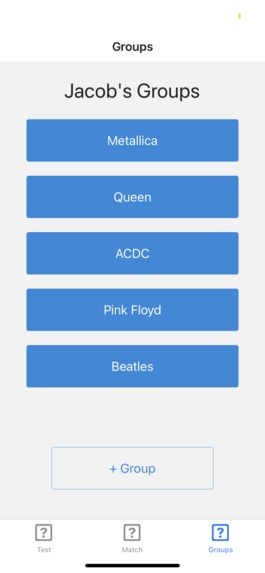
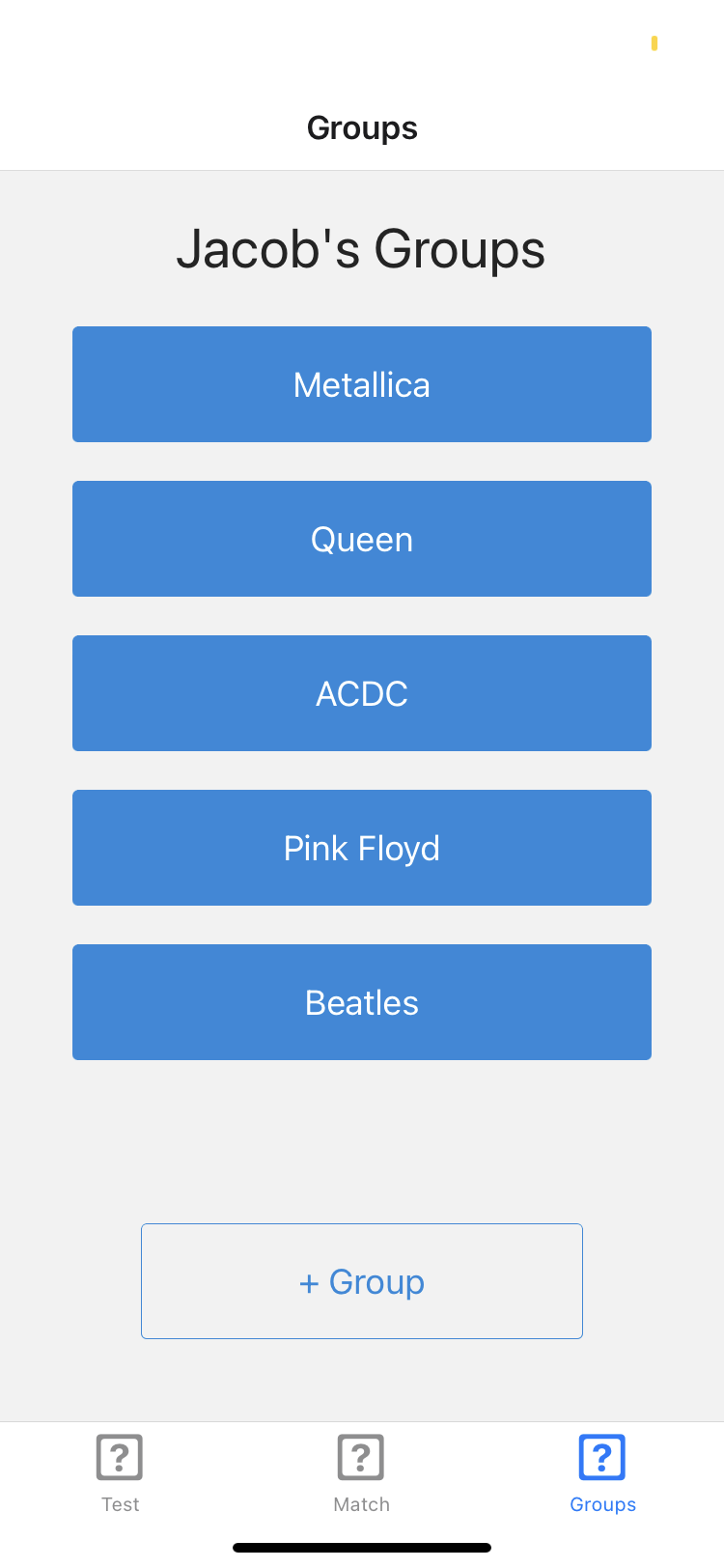
Group Page Screen
-
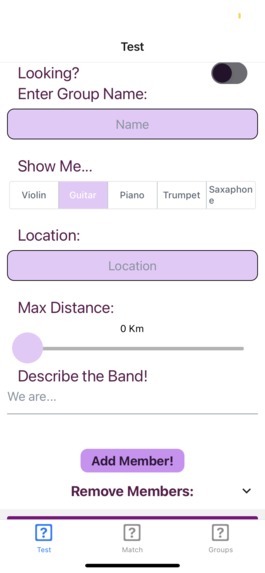
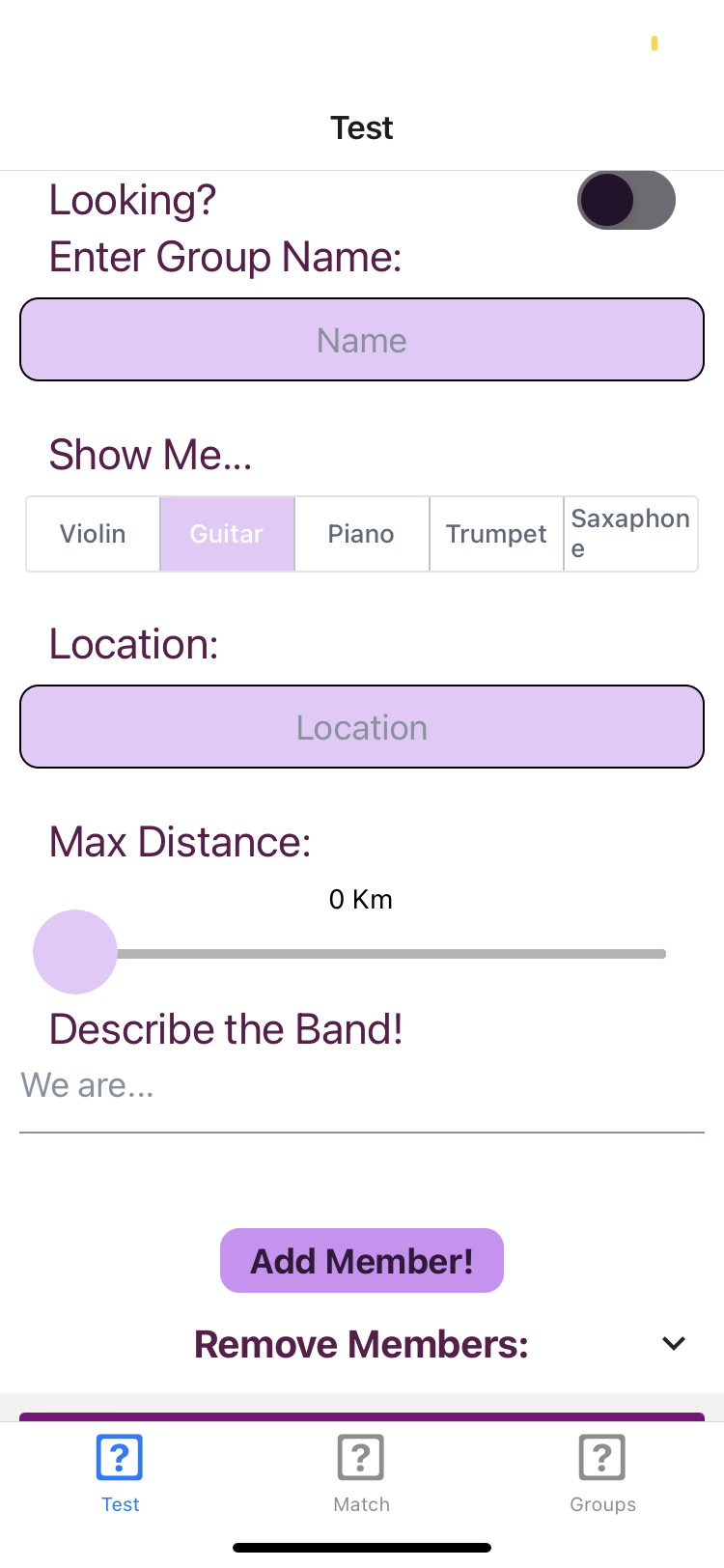
Create Group Profile
-
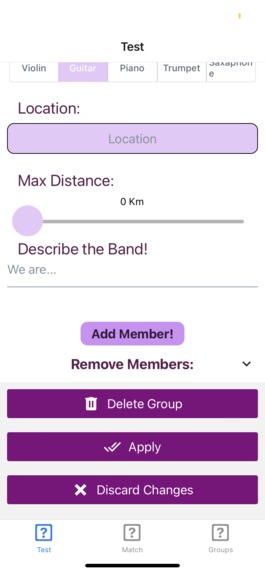
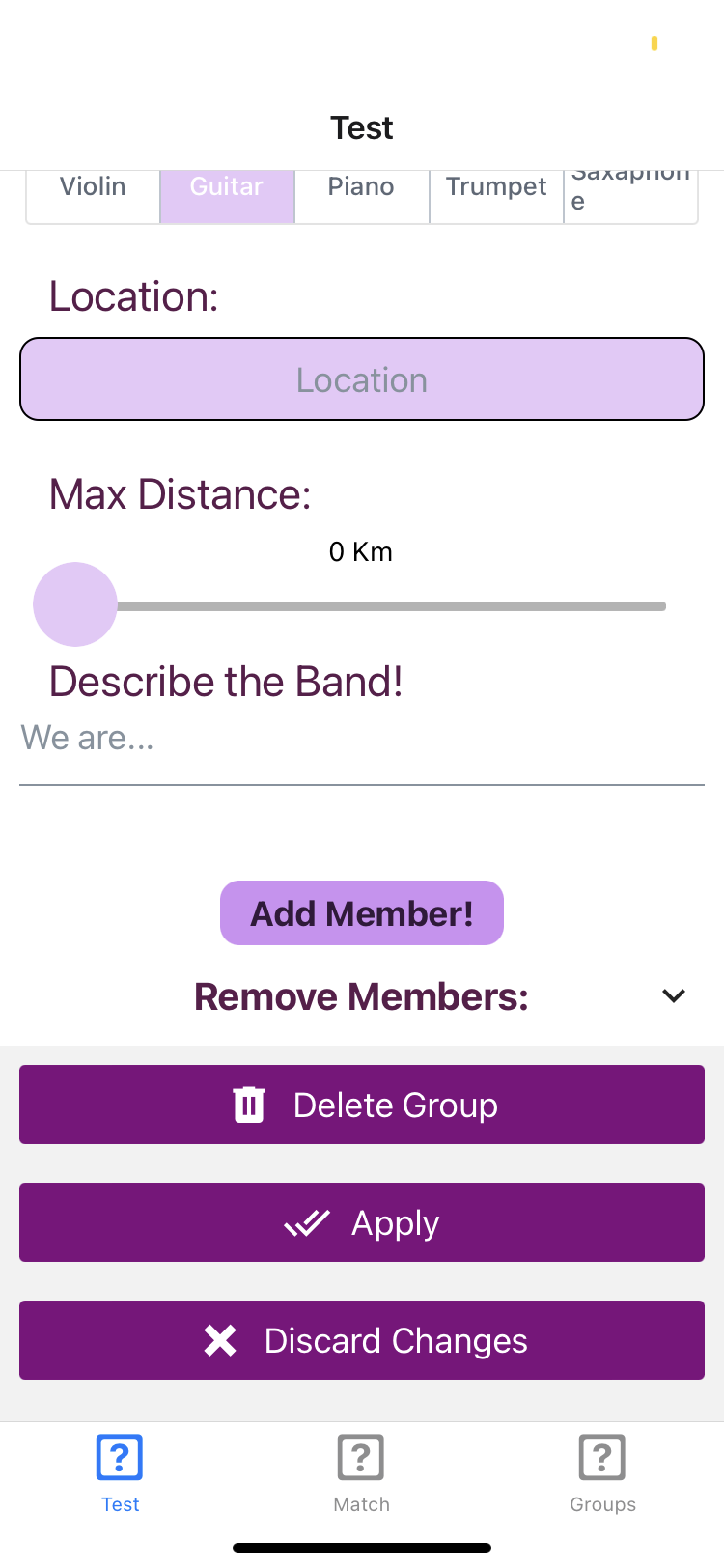
Create Group Profile Pt. 2
-
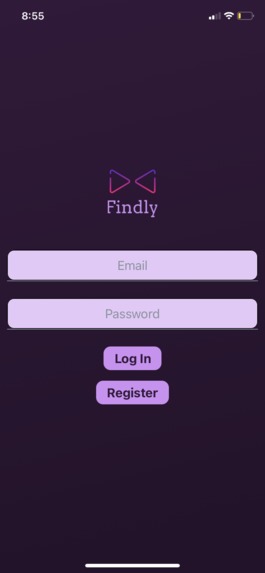
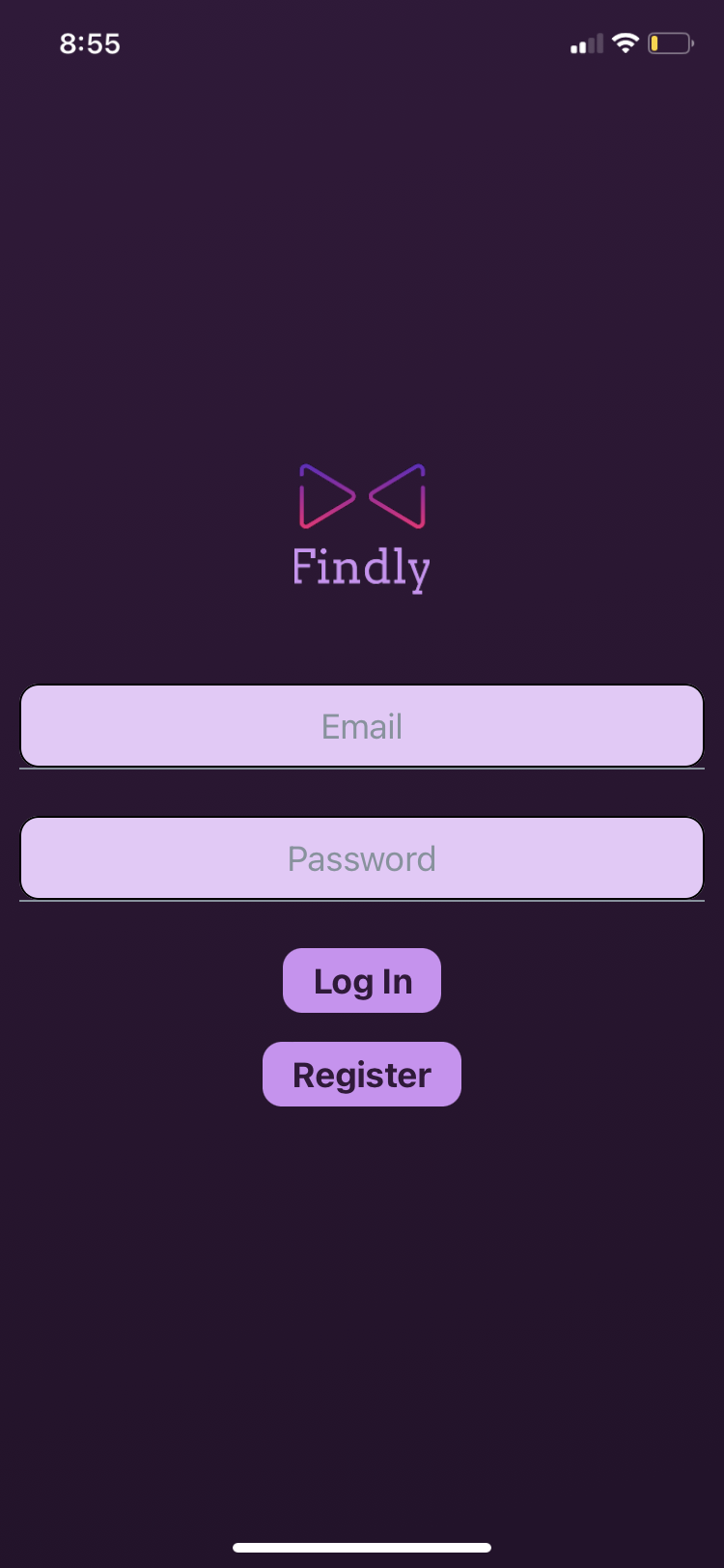
Sign Up/Log In Screen

Inspiration:
The pandemic saw many people discovering new interests and hobbies, but not communities to share their newfound passions with. Findly is an app that aims to address this problem by connecting likeminded people with similar interests. The Findly app is simple and easy to use.
A user just needs to sign up for an account on their mobile and fill out their profile to begin looking for a group to join. Findly can be used to find any type of group such as sports teams, bands or even Hackathon groups!
What it does:
Findly works by displaying group profiles to users and vice versa. If both the user and group like each other, a chat app will be unlocked and the two can begin talking to meet up. In addition, users can see other users and can interact with them through the same mechanism allowing them to form their own groups. A user profile consists of a series of photos, videos and written prompts. Profiles will show up on a queue page and users can interact with profiles in their queue as they please by liking or disliking them.
How we built it:
In order to take on the ambitious task of creating Findly, production was split into between a Frontend & Backend team, wehre . The initial design of the graphical interface was designed in Figma. After this was complete, the Frontend was created using the React Native library in JavaScript. React Native was used because the development team had experience with the library, and it allows for iOS and Android applications to be developed in the same codebase. The frontend portion of the project was tested with Expo, which allows for React Native devices to be run on mobile devices.
Challenges we ran into...
During the development of the app, multiple challenges were encountered. Setting up the development environments was challenging, especially coordinating environments between the backend and fronted teams as different team members have different operating systems. In addition, using AWS proved to be challenging. AWS recently updated its console and nearly every online tutorial was no longer relevant as a result. Setting up AWS had to be done largely through trial and error which was a frustrating process. Setting up the database portion of AWS was especially difficult.
Accomplishments that we're proud of!
The project was a success on the whole despite the challenges encountered. The development goals set out at the beginning of the QHacks were achieved and all the core functionalities of the app were successfully created. The app was a success because the development team was able to effectively communicate and utilize new technologies. The creation of a full application with a complex Frontend and Backend over a QHacks weekend stands as a significant achievement.
What we learned
The main takeaways from the Hackathon were:
- Building an app in a single weekend is really hard.
- Communication between Frontend and Backend teams is critical.
- Any major project started without the necessary planning is bound to fail.
- Choosing development tools with lots of documentation drastically speeds up progress and reduces frustration.
What's next for Findly - Find a Band
After QHacks, the team will continue to work to develop Findly, albeit it at a slightly slower pace. The development team believes that there is truly a need for an application like Findly and that it will succeed in the marketplace. Technical development of Findly will focus on generating a user-friendly experience paired with a secure and robust backend system for handling data management. In addition to technical development, the team will begin to look at the business side of Findly by beginning to perform market research on potential users of the app. Finally, a business model for the app will be created.
The team is extremely proud of the final product created. Findly will allow people to connect with others who share similar passions and truly find their place.

Log in or sign up for Devpost to join the conversation.