-
-
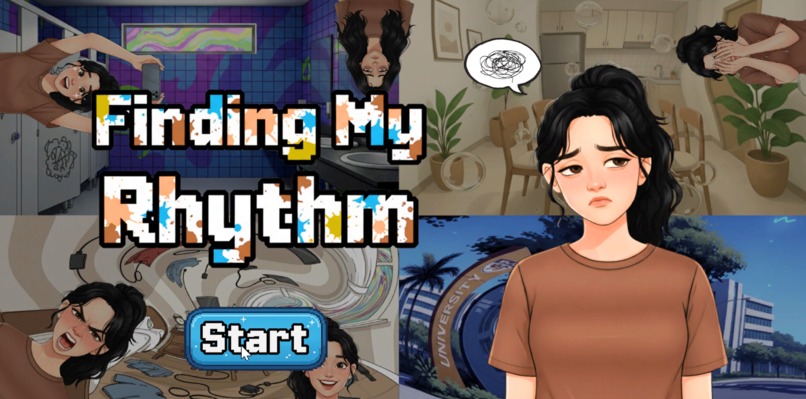
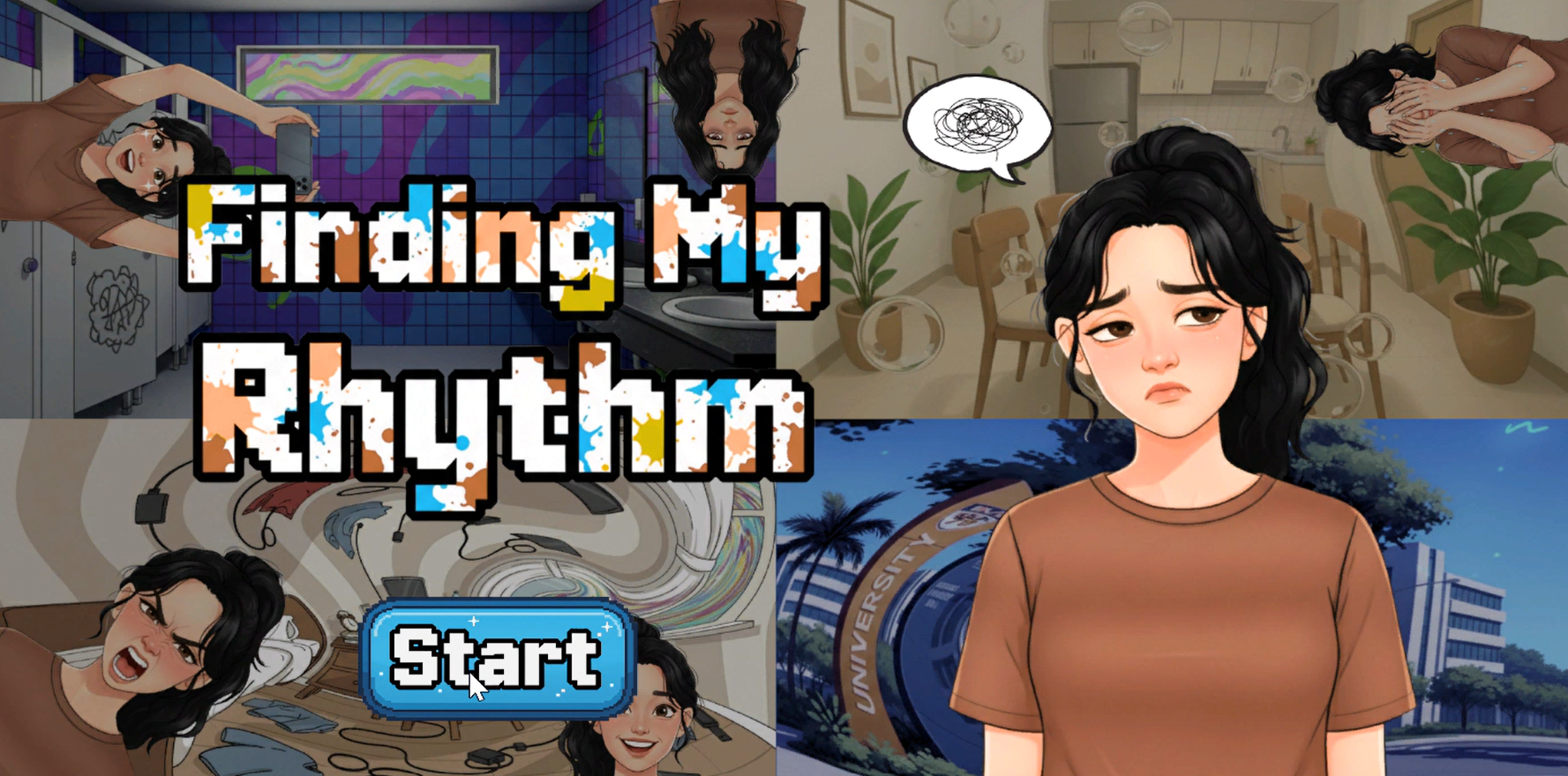
Start screen
-
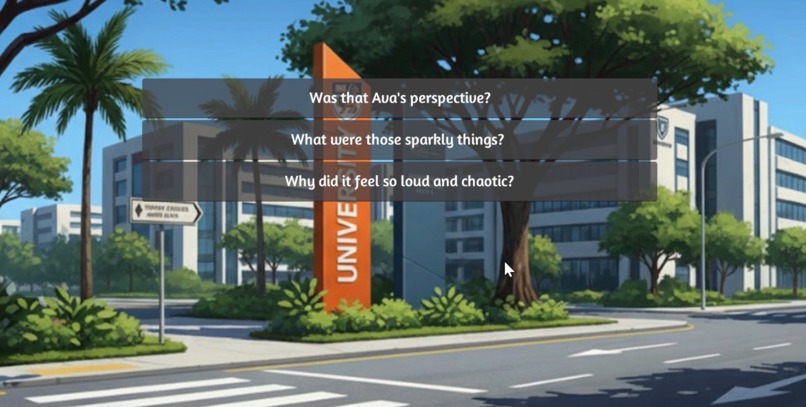
Players experience ADHD symptoms and understand what people with ADHD go through
-
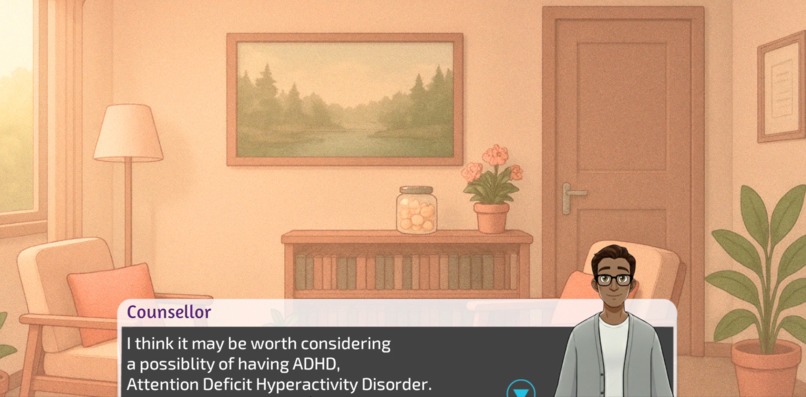
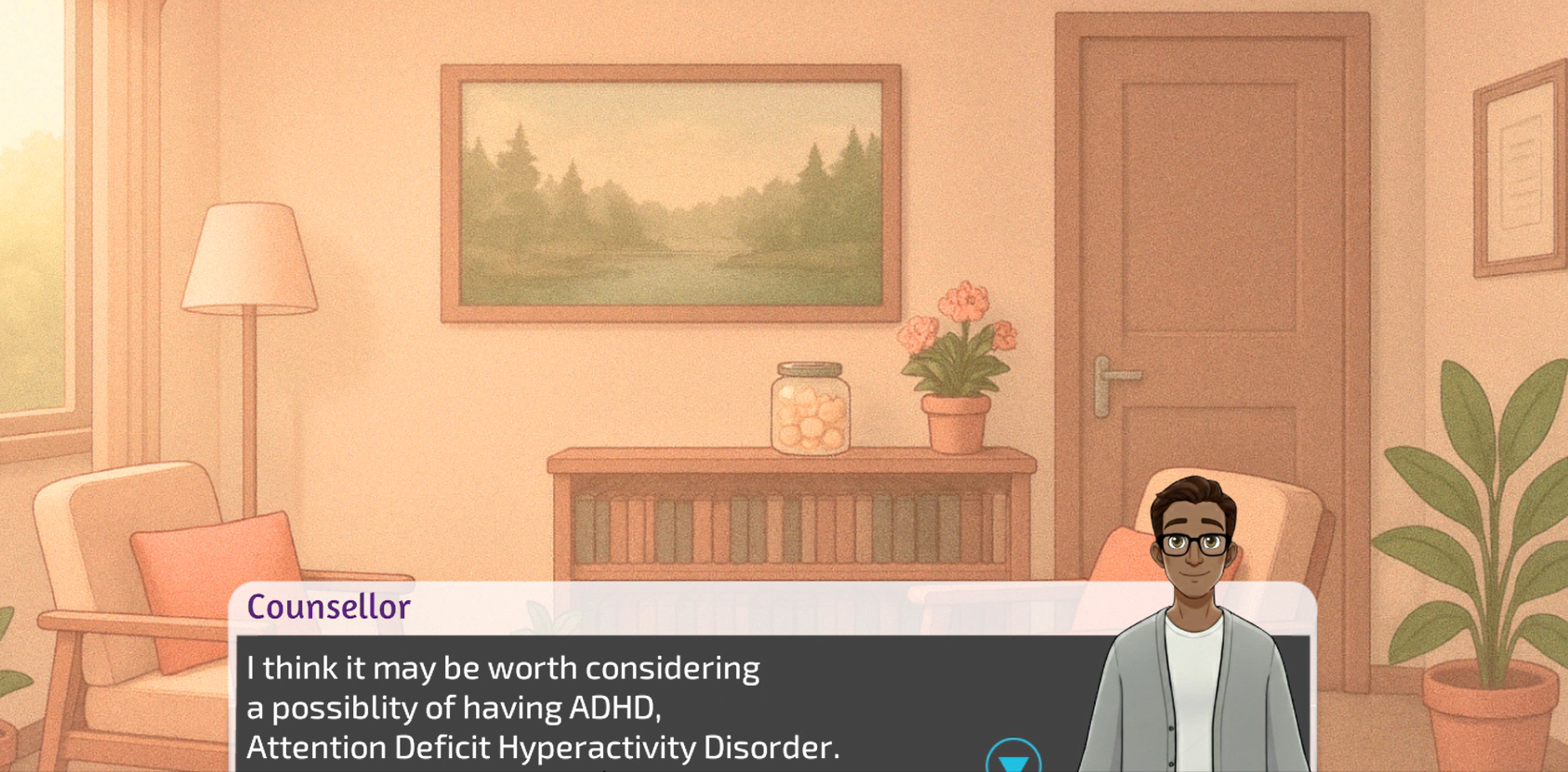
Through the narrative, players learn that there is nothing wrong with going to the counsellor to seek help for their stuggles
-
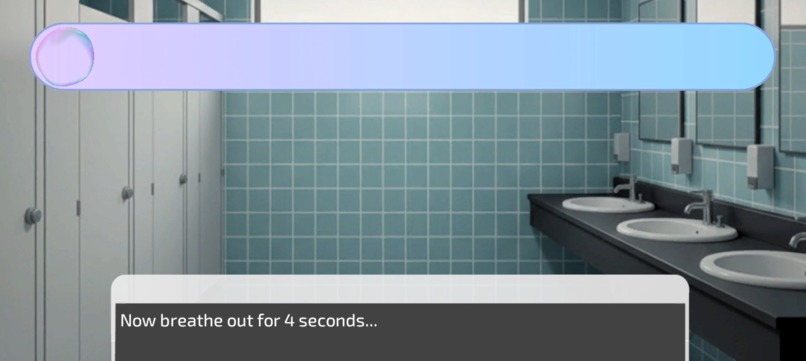
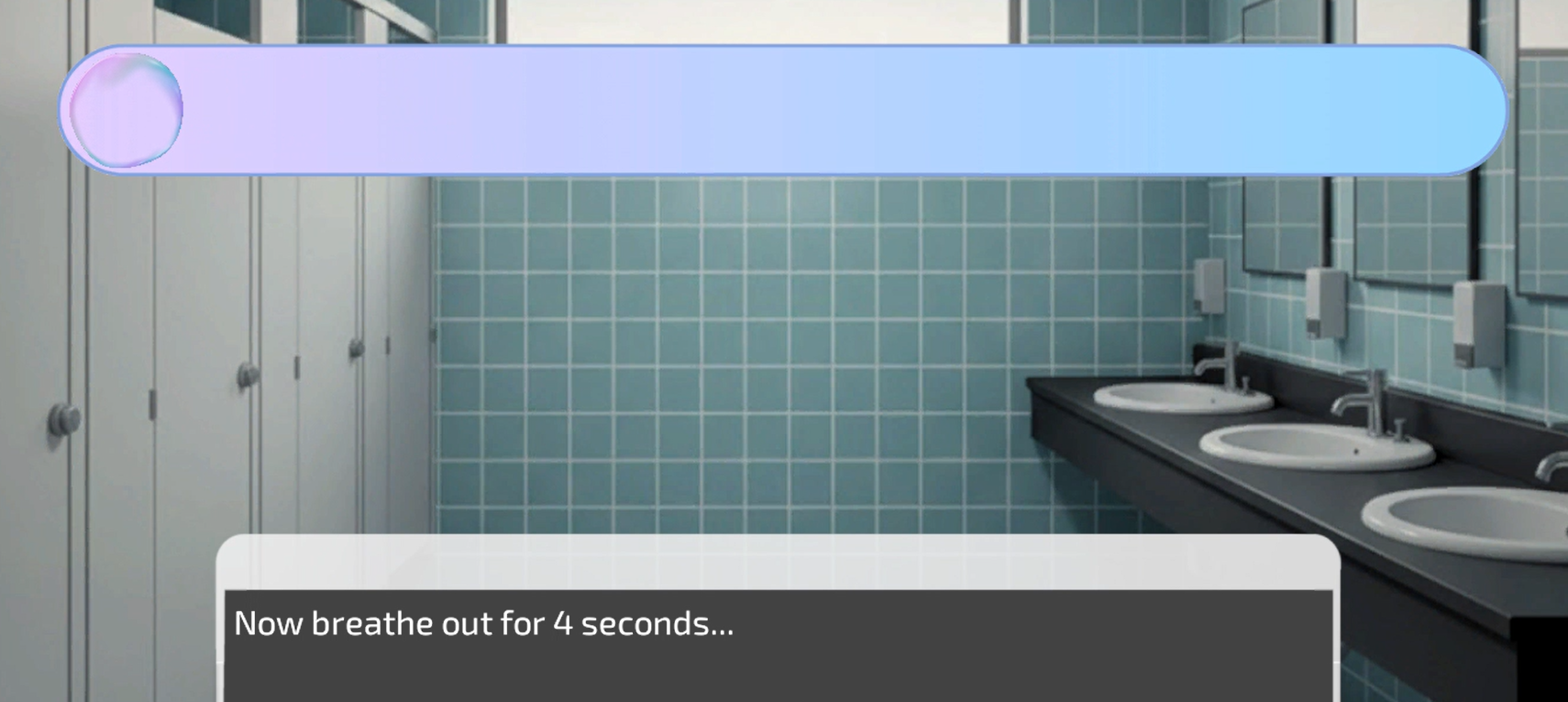
Players learn coping mechanisms such as breathing techniques to cope with ADHD
-
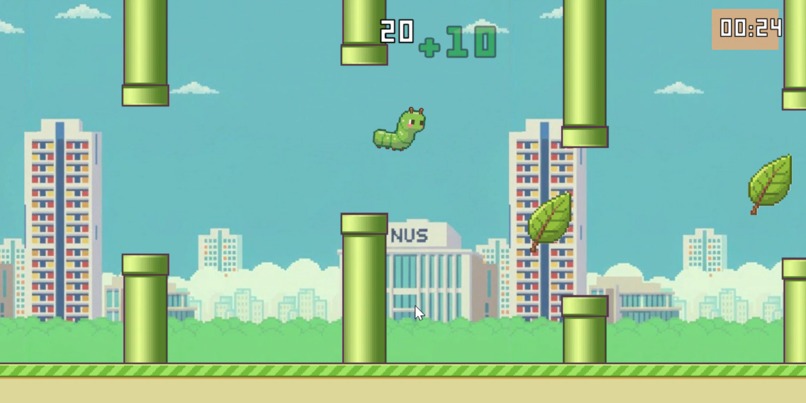
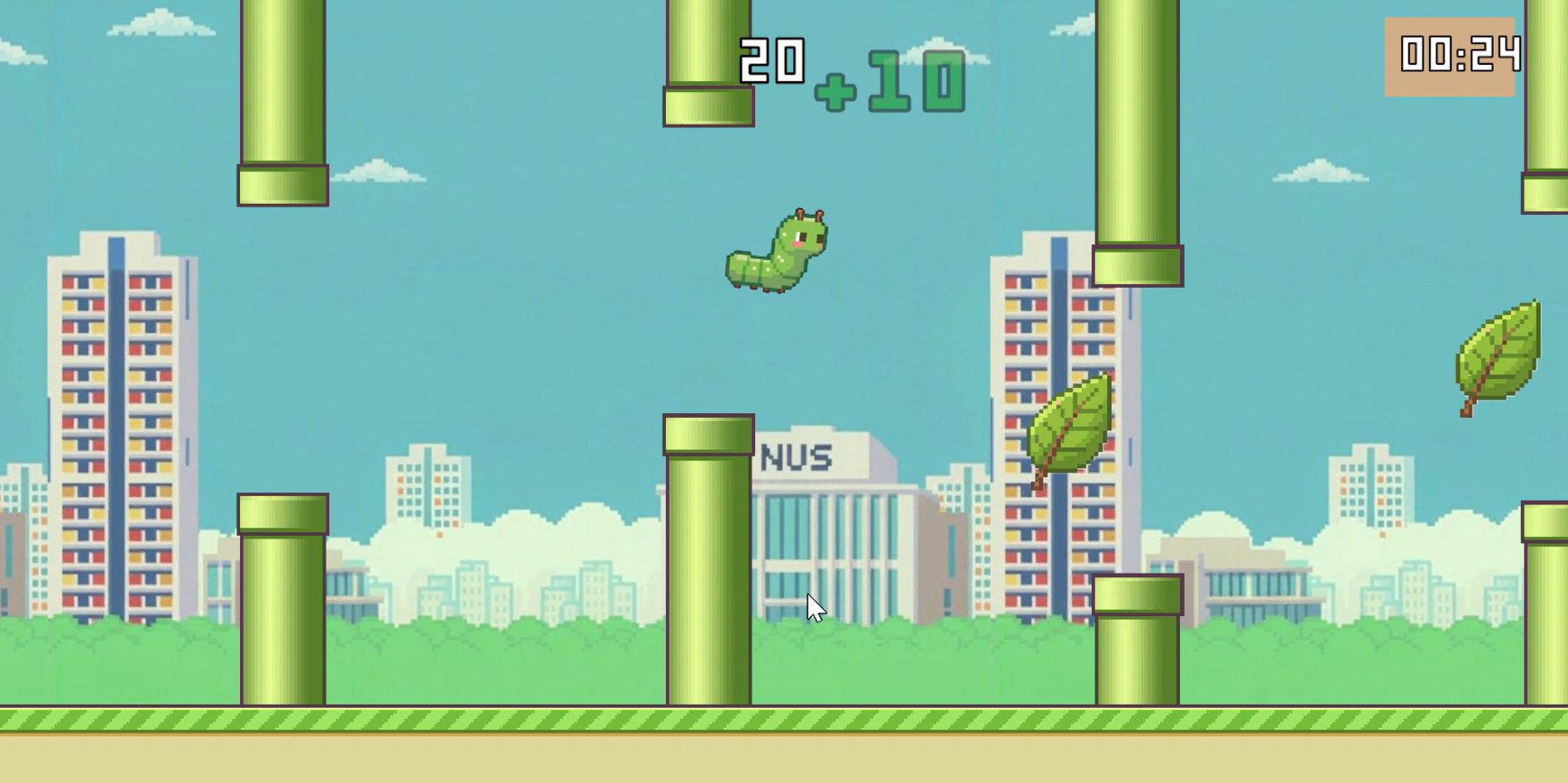
Mini-games in the narrative for players to learn coping mechanisms
-
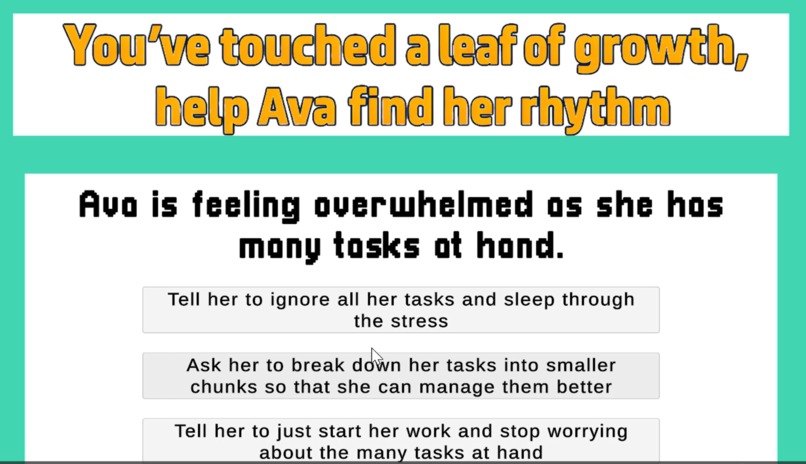
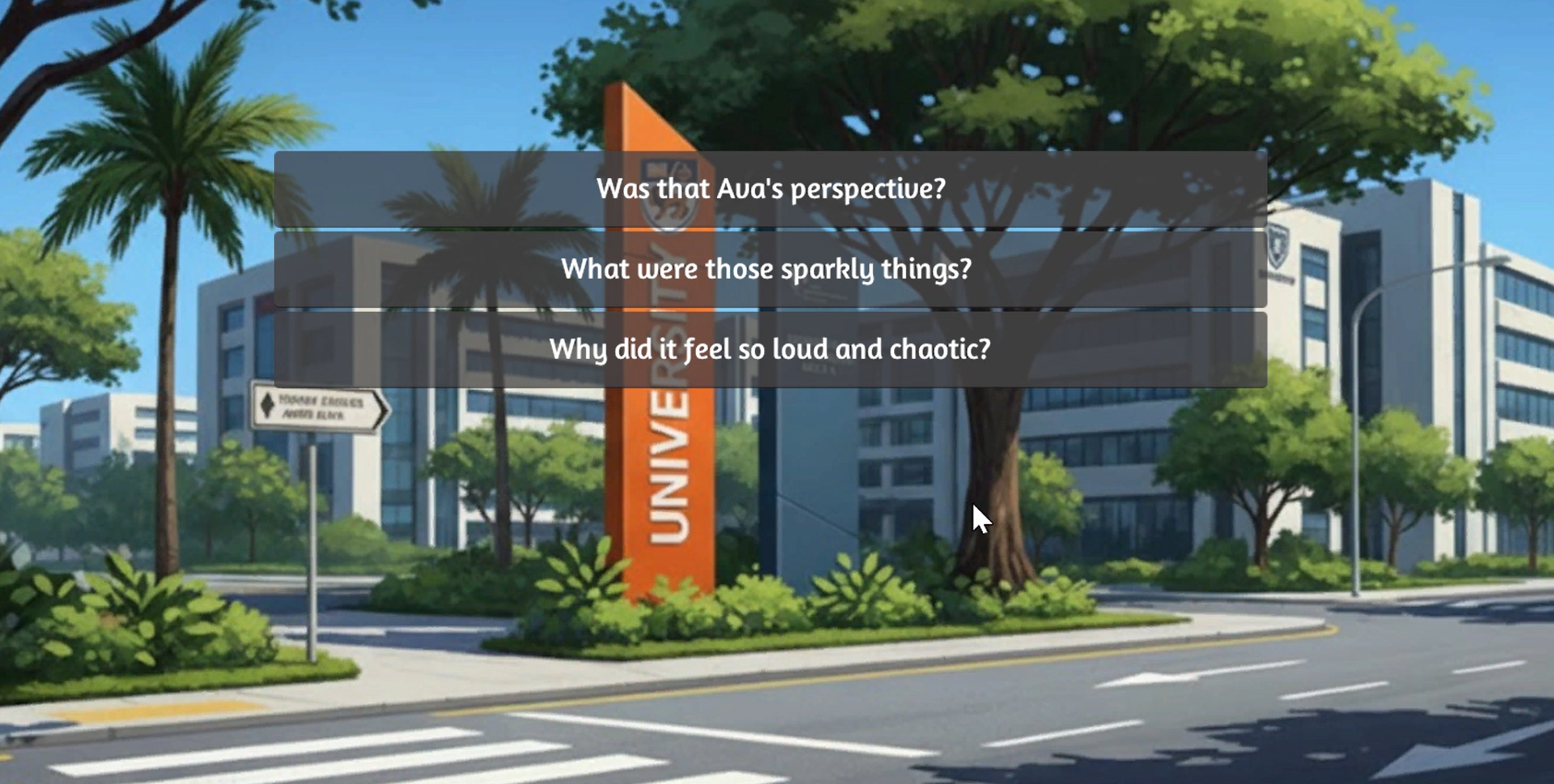
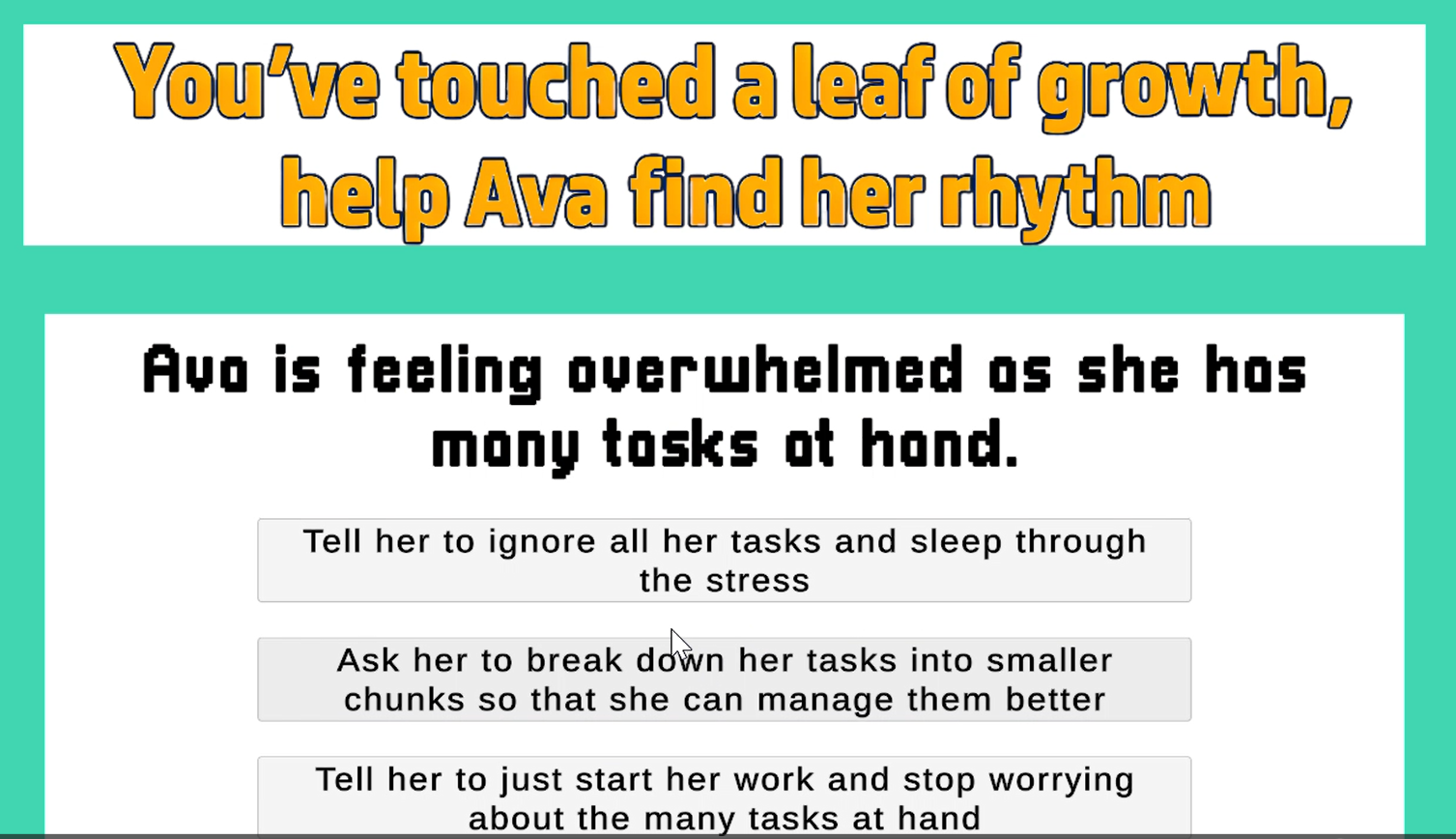
Example of how qustions in the game looks like
Inspiration
We were inspired by the real experiences of friends and peers living with ADHD who often shared a common struggle: feeling misunderstood, labelled as “lazy,” or overwhelmed by expectations. Despite ADHD being widely discussed, its lived experience is rarely understood.
We asked ourselves: “What if we could let players feel what ADHD is like, instead of just explaining it?”
That question became the foundation of Finding My Rhythm: a serious game built to foster empathy, challenge misconceptions, and highlight that ADHD is not a flaw, it is simply a different rhythm of thinking and feeling.
What it does
Finding My Rhythm is a narrative-driven game where players step into the world of Ava, a 21-year-old student navigating life with undiagnosed ADHD. Through interactive storytelling and three mini-games, players experience:
Cognitive overload and difficulty focusing Task paralysis during simple chores Emotional overwhelm from social and academic pressure Coping strategies such as grounding, breathing exercises, and seeking help
The game uses branching choices that shape Ava’s relationships, emotional state, and long-term growth. By the end, players gain a deeper understanding of ADHD, its stigma, and the coping tools that support mental wellbeing.
How we built it
We built Finding My Rhythm in Unity, combining narrative storytelling with interactive gameplay using custom C# scripts. Unity’s scene management, UI canvas system, and animation tools allowed us to create smooth transitions between dialogue scenes and the three mini-games. We scripted branching dialogue logic, NPC emotional states, scoring systems, drag-and-drop mechanics, and physics-based movement for the side-scroller. Visual distractions were created using particle effects and audio mixers, while a central GameManager handled scene flow and player data. By integrating narrative elements with mechanic-driven mini-games, we created an experience where the story and gameplay work together to simulate ADHD challenges authentically.
Challenges we ran into
Simulating ADHD realistically without stereotyping Balancing authenticity with playability required significant research and iteration.
Complex branching storylines Player choices affected long-term emotional states of NPCs, requiring complex conditional scripting.
Technical issues in Unity We struggled with scene loading errors, UI overlays blocking transitions, and synchronization between animations and dialogue pacing.
Handling sensitive themes Portraying ADHD, anxiety, and emotional breakdown responsibly required careful framing and constant team alignment.
Accomplishments that we're proud of
Building a game that genuinely resonates with players and fosters empathy Designing three educational mini-games that reflect real ADHD experiences Creating a meaningful narrative that adapts based on player decisions Overcoming major technical challenges in Unity to deliver a smooth experience
What we learned
Through this project, we gained a deeper understanding of ADHD beyond common stereotypes, including how cognitive overload, emotional dysregulation, and task paralysis affect daily life. We learned how to design gameplay that naturally teaches emotional regulation through mechanics like breathing exercises, grounding techniques, and help-seeking behaviours. We also developed skills in structuring branching dialogue and emotional memory systems, and in blending narrative, game mechanics, and educational value into a cohesive experience. Overall, we discovered how powerful games can be as tools for building empathy and improving mental health awareness.
What's next for Finding my Rhythm
Moving forward, we aim to collaborate with counsellors and psychologists to refine the accuracy of our content, and conduct playtesting sessions with youth who may relate to Ava’s experiences. We also plan to improve accessibility through dyslexia-friendly fonts, colorblind-safe palettes, and adjustable text sizes. Additional story arcs, new ADHD scenarios, and more characters are in development, alongside a mobile version to reach a wider audience. Ultimately, our goal is to expand Finding My Rhythm into a widely accessible empathy tool that supports mental health literacy among young people.


Log in or sign up for Devpost to join the conversation.