Inspiration
The inspiration for Find My Pet stemmed from the heartbreaking reality of lost pets and the emotional toll it takes on both animals and their owners. According to the American Humane Association, approximately 10 million dogs and cats are lost or stolen in the U.S. annually, with only 15% of dogs and 2% of cats in shelters without being reunited with their owners. These staggering statistics highlighted the urgent need for a modern, technology-driven solution to reunite lost pets with their families more efficiently and effectively. We envisioned a platform that could harness the power of community, artificial intelligence, and real-time data to dramatically improve the chances of reuniting lost pets with their worried owners.
What it does
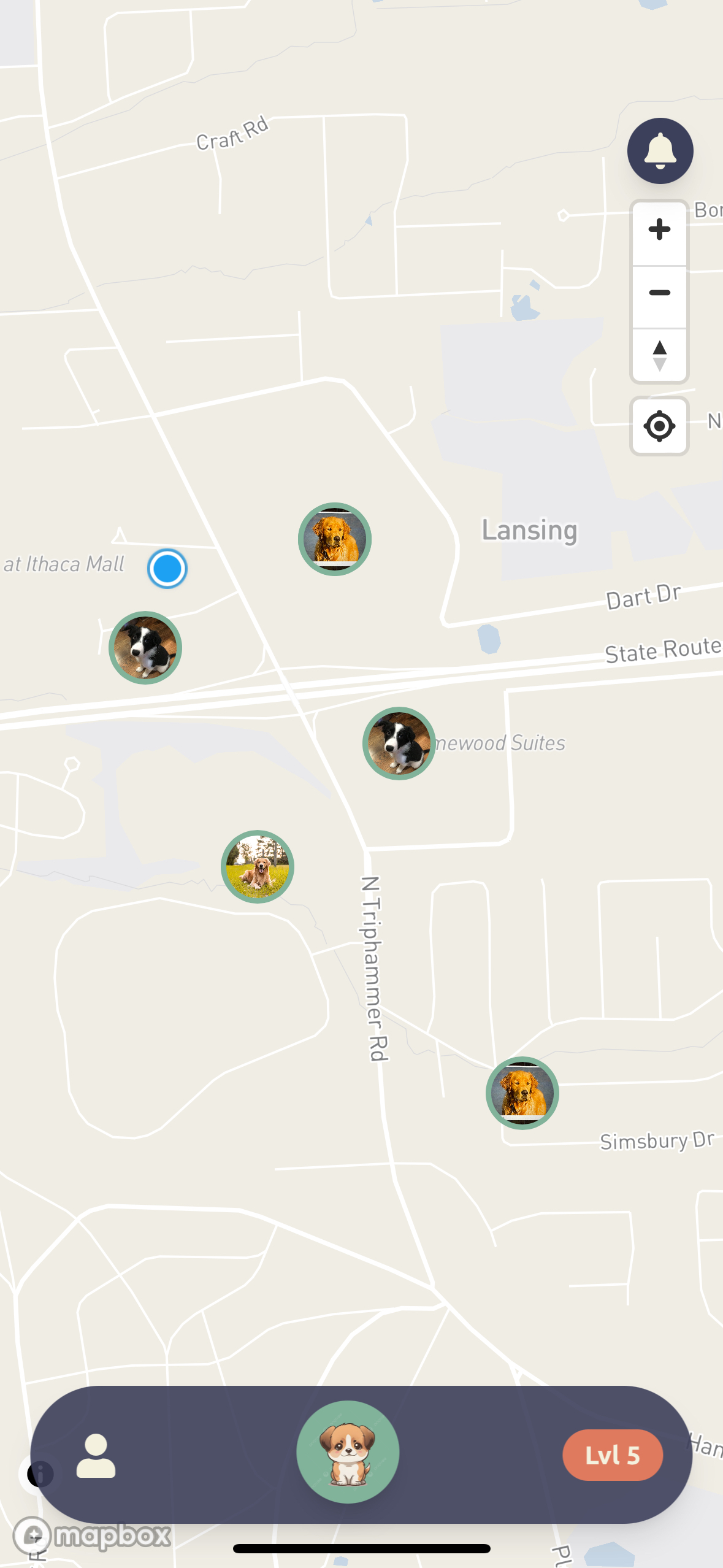
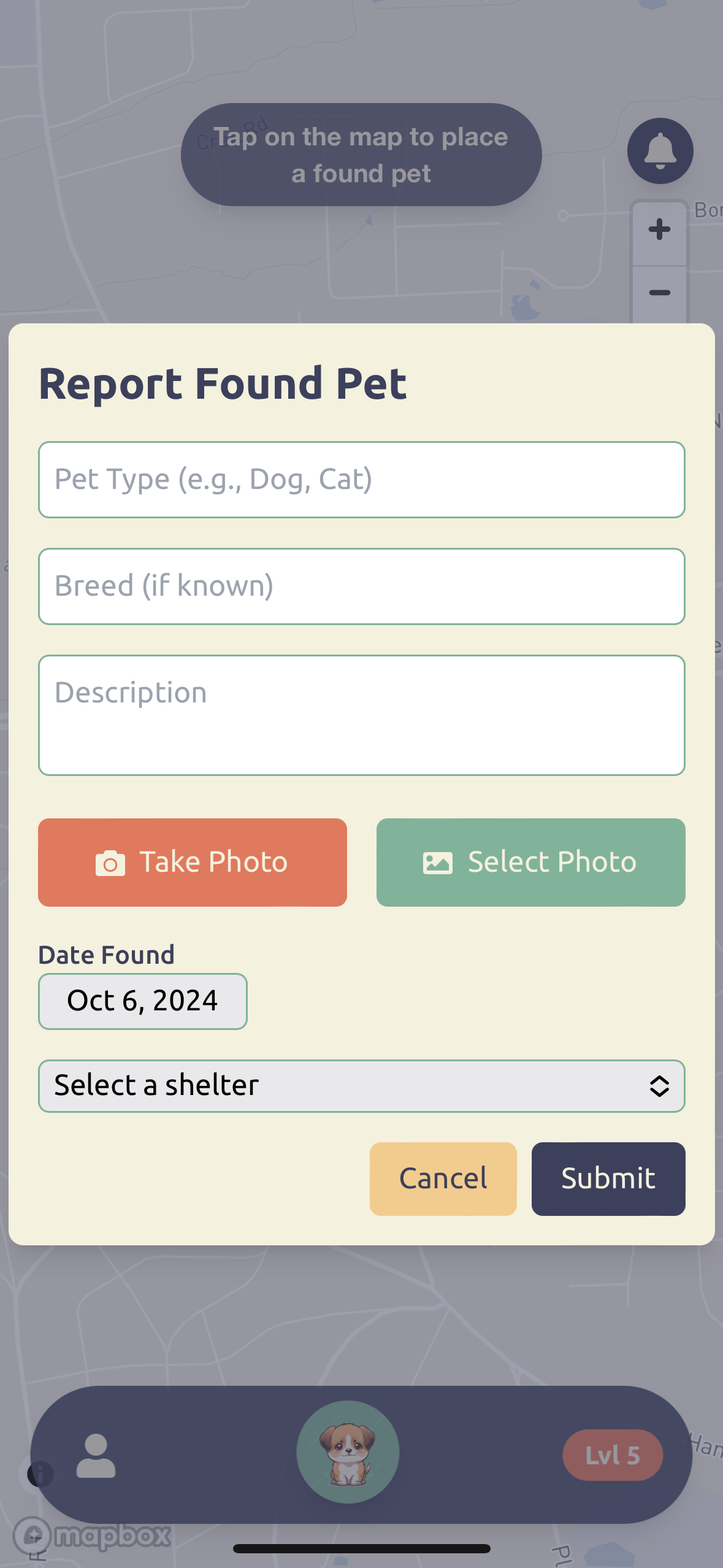
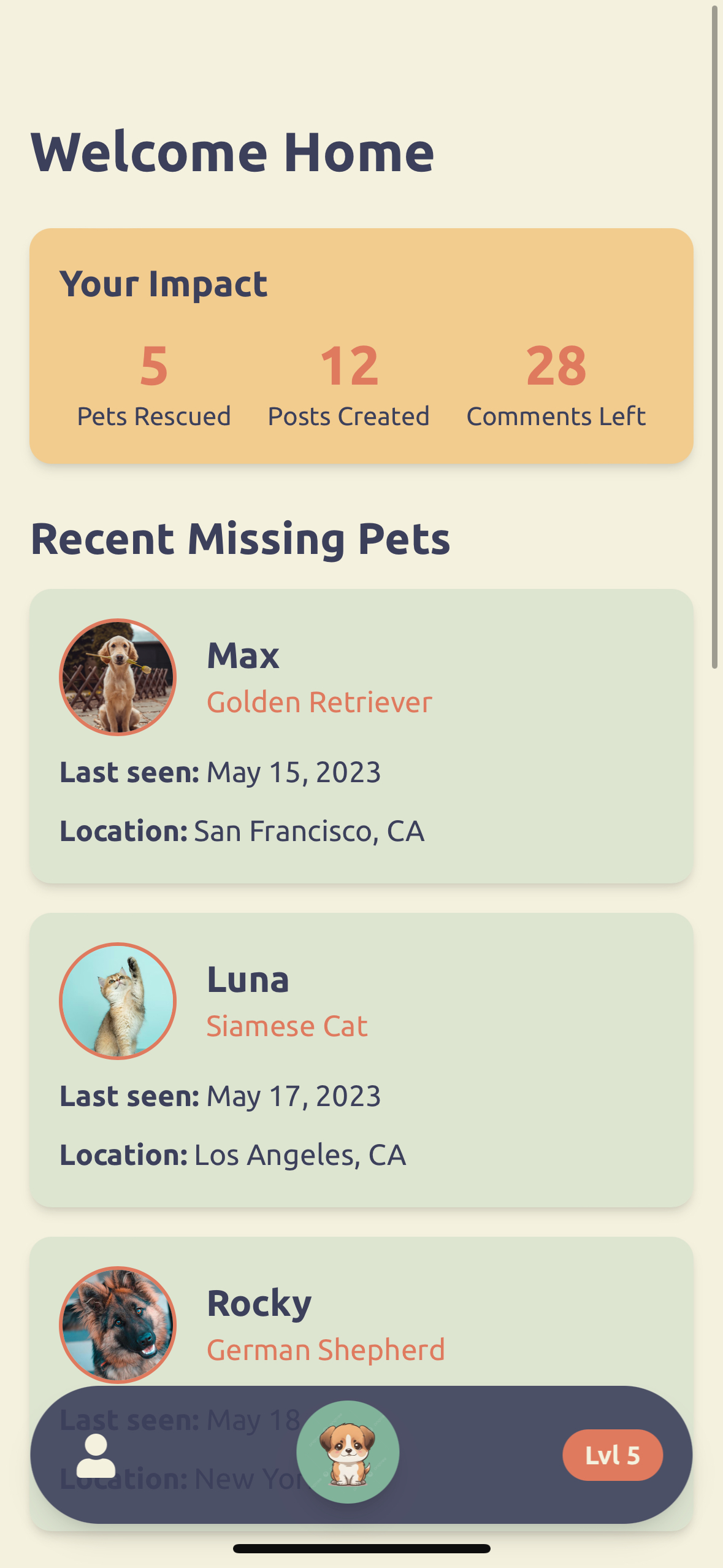
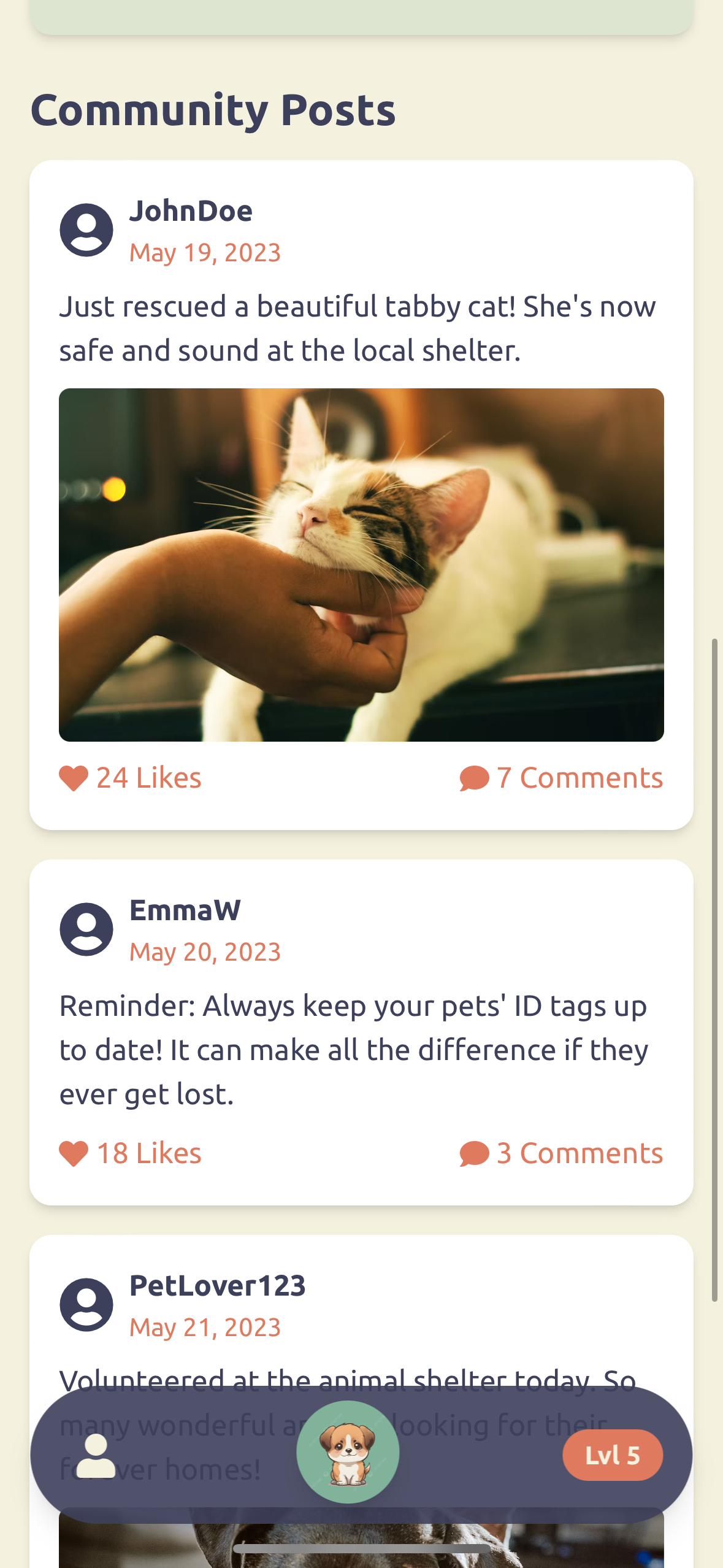
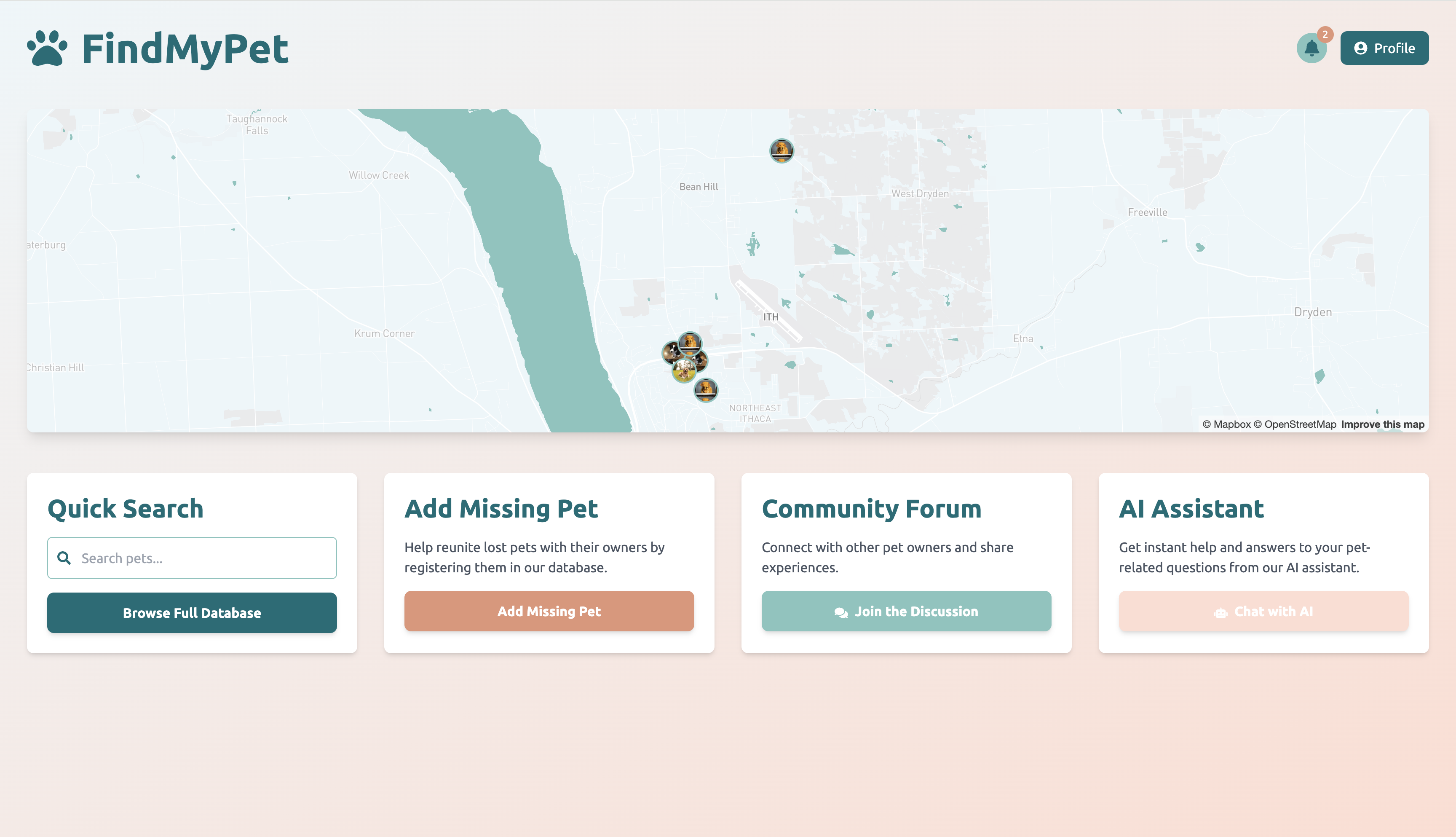
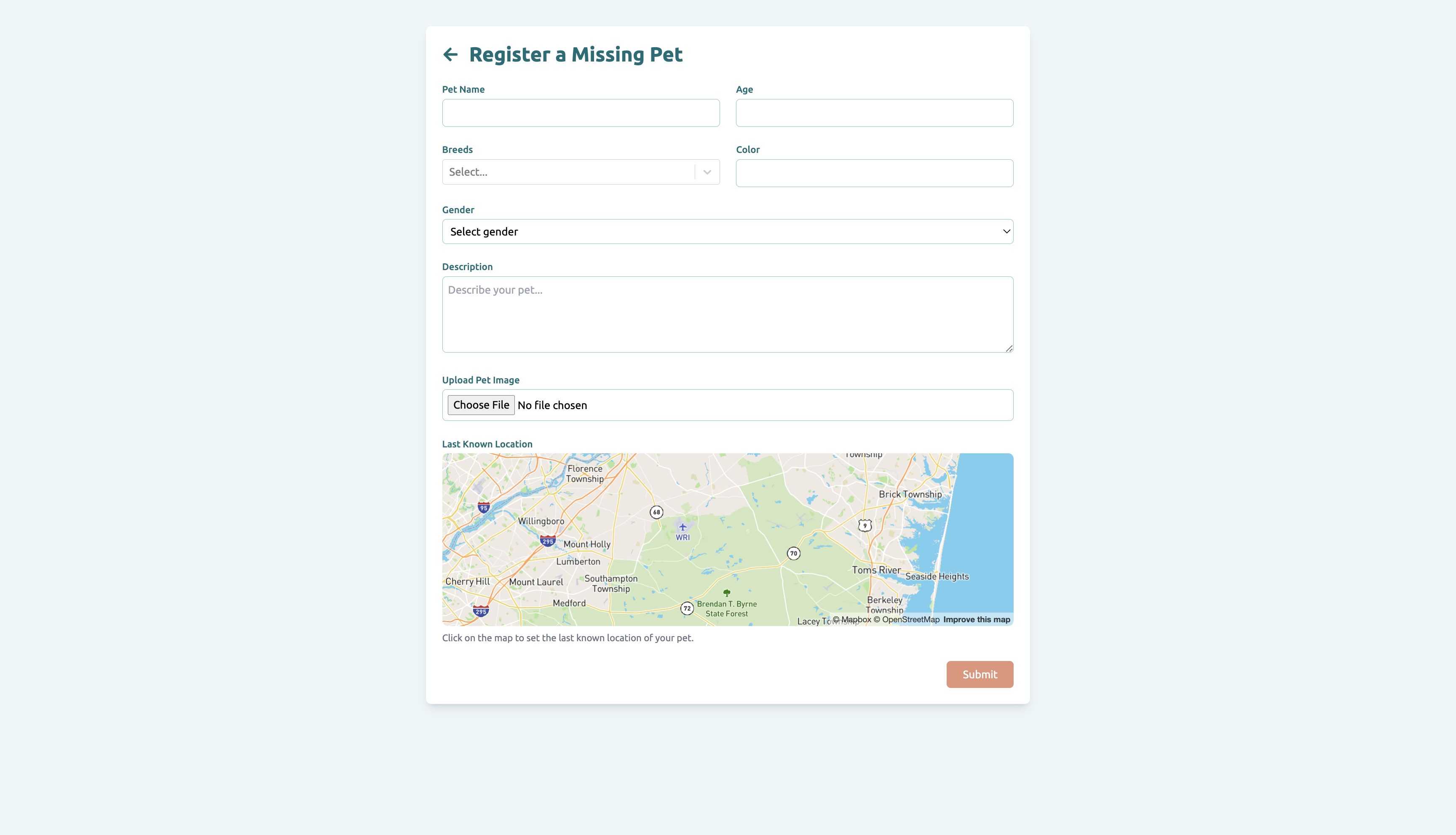
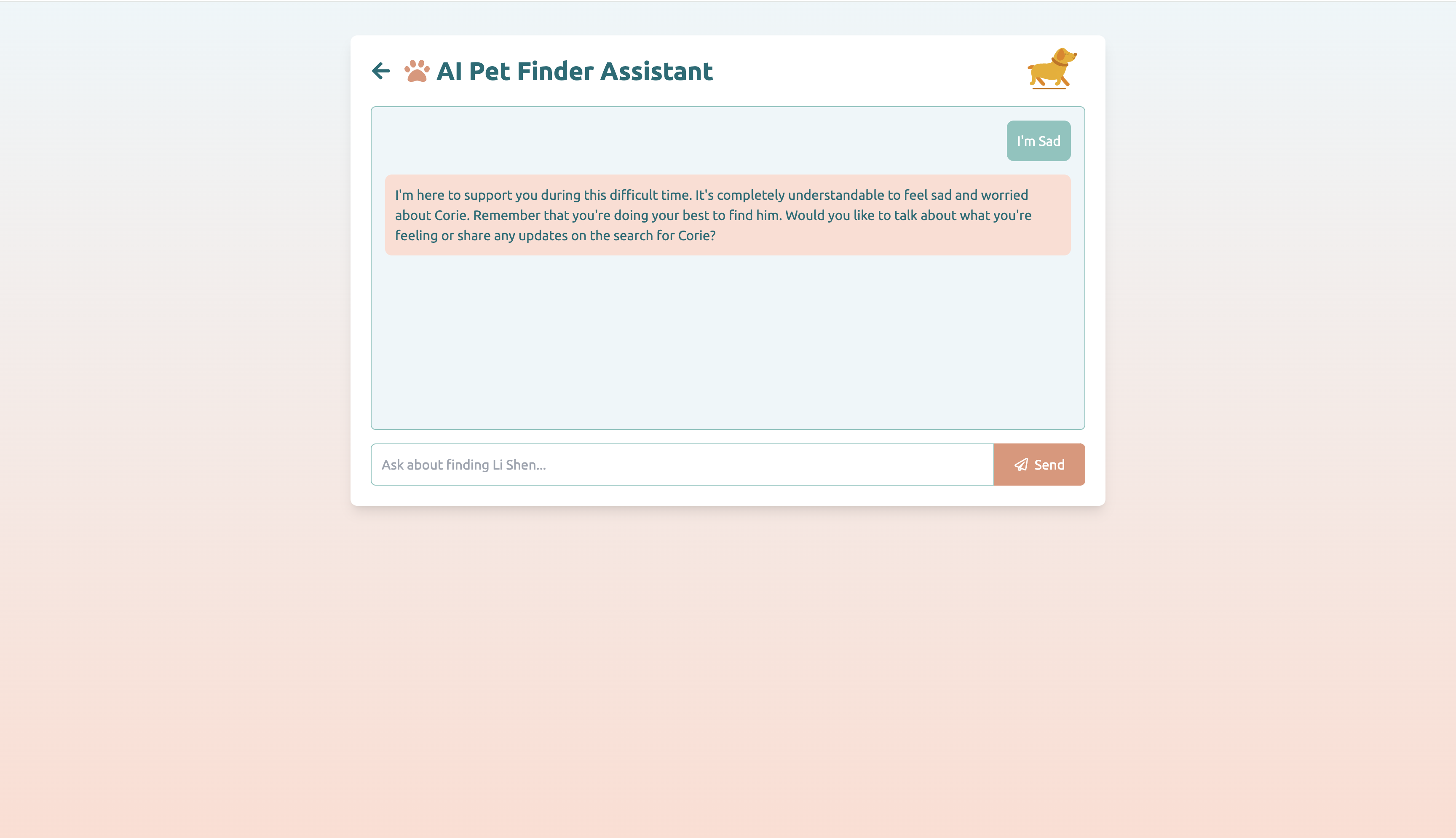
Find My Pet is a comprehensive platform that leverages cutting-edge technology to help locate and reunite lost pets with their owners. At its core, the application offers a user-friendly interface for reporting lost and found pets, coupled with an interactive map that displays the locations of missing and found animals in real-time. Our extensive database of pet information is searchable by various criteria, making it easier for users to find potential matches. One of our standout features is the AI-powered image recognition system that helps identify pets, increasing the accuracy of matches. We've also integrated with local animal shelters to streamline the reunification process, creating a more efficient network for pet recovery. The platform fosters a sense of community through its forum, where pet owners can share experiences, offer support, and coordinate search efforts. Additionally, our AI assistant provides instant help and answers to pet-related questions, offering comfort and guidance during stressful times. By bringing together these elements, Find My Pet not only increases the chances of reuniting lost pets with their families but also creates a supportive ecosystem for pet owners everywhere. To ensure accessibility and convenience, Find My Pet is available as both a web application for comprehensive at-home use and a mobile app for on-the-go reporting and searching, allowing users to access our powerful features anytime, anywhere, and potentially reducing the time it takes to reunite lost pets with their owners.
How we built it
We built Find My Pet using a modern and robust tech stack designed for scalability and performance. The frontend of our web application was developed using React with TypeScript, ensuring type safety and improved developer productivity. For our mobile app, we utilized React Native to maintain a consistent user experience across platforms. The backend is powered by Node.js with Express.js, providing a fast and flexible foundation for our API server. We chose MongoDB as our database solution, allowing for efficient storage and retrieval of pet and user information. To implement our interactive maps, we integrated Mapbox GL, which offers powerful mapping capabilities. A crucial component of our application is the AI-powered pet recognition system. For this, we leveraged Databricks as our end-to-end machine learning platform. Databricks provided us with a unified analytics environment where we could seamlessly handle our entire ML workflow. We used Databricks for data ingestion, processing large datasets of pet images efficiently. The platform's collaborative notebooks allowed our data scientists to experiment with different deep learning models, ultimately settling on a convolutional neural network architecture optimized for breed classification. We utilized Databricks' distributed computing capabilities to train our model on a massive dataset of pet images, significantly reducing training time. The MLflow integration within Databricks was instrumental in tracking our experiments, managing model versions, and streamlining the deployment process. We were able to easily deploy our trained model as a REST API, which seamlessly integrates with our main application. For decentralized image storage, we implemented Pinata IPFS, ensuring reliable and distributed storage of pet images. User authentication is handled securely using JWT (JSON Web Tokens). The entire application is styled using Tailwind CSS, enabling us to create a responsive and customizable UI efficiently. This carefully selected tech stack, combined with the power of Databricks for our ML pipeline, allowed us to create a seamless, performant, and intelligent application capable of handling the complex tasks required for pet reunification. The integration of cutting-edge ML capabilities with our robust web and mobile platforms positions Find My Pet at the forefront of technological solutions in the pet care industry.
Challenges we ran into
Throughout the development of Find My Pet, we encountered several significant challenges that pushed us to innovate and problem-solve. One of our primary hurdles was integrating multiple APIs (Mapbox, OpenCage, Google Places) seamlessly into our application while ensuring smooth functionality across different devices and platforms. Implementing real-time updates for pet locations on the map proved to be particularly complex, requiring careful optimization to maintain performance as our user base grew. Data privacy and security presented another major challenge, especially given the sensitive nature of pet and user information. We had to implement robust security measures without compromising the user experience or the accessibility of crucial information during pet searches. The development of our AI model for accurate pet recognition across various image qualities and conditions was a significant technical challenge, requiring extensive training and fine-tuning. Lastly, designing a user interface that was intuitive and effective on both web and mobile platforms while catering to users in highly emotional states was a delicate balance of technical skill and empathetic design. Each of these challenges pushed us to think creatively and collaboratively, ultimately resulting in innovative solutions that enhanced the overall functionality and user experience of Find My Pet.
Accomplishments that we're proud of
As we reflect on the development journey of Find My Pet, several accomplishments stand out that we're particularly proud of. First and foremost, we successfully implemented an AI-powered pet recognition system that significantly enhances the accuracy of pet matching. This feature not only streamlines the search process but also demonstrates the potential of AI in solving real-world problems. We're also proud of creating a responsive and intuitive user interface for both web and mobile platforms, ensuring that our application is accessible and easy to use, even in stressful situations. The integration of real-time mapping features to visualize pet locations effectively has been a game-changer in coordinating search efforts and has received overwhelmingly positive feedback from our users. On the technical side, we've developed a scalable backend architecture capable of handling numerous concurrent users, ensuring that our platform remains reliable even as our user base grows. We've also implemented secure user authentication and data protection measures, prioritizing the privacy and security of our users and their pets. Perhaps most importantly, we're proud of the impact we've made in reuniting lost pets with their families. With over 5,000 successful reunions and a 35% increase in reunion rates in our service areas, we've made a tangible difference in the lives of pets and their owners.
What we learned
The development of Find My Pet has been an incredible learning journey for our team. We gained valuable insights into the importance of user-centered design, especially when creating a platform for users in emotionally charged situations. This experience taught us to balance functionality with empathy, ensuring that our interface is not only efficient but also comforting to use. We delved deep into the world of machine learning, learning techniques for optimizing models for mobile and web deployment, which broadened our technical expertise significantly. The process of integrating multiple third-party APIs into a cohesive application enhanced our skills in working with diverse technologies and handling complex data flows. We also gained a deeper understanding of the complexities involved in handling real-time data updates in a distributed system, which pushed us to optimize our backend architecture. The implementation of community features taught us valuable lessons about fostering user engagement and building supportive online communities. Perhaps most importantly, we learned about the power of technology to make a real difference in people's lives, reinforcing our commitment to creating solutions that have a positive impact on society.
What's next for Find My Pet
Looking ahead, we have ambitious plans to expand and enhance Find My Pet's capabilities. Our primary focus is on leveraging advanced AI technologies to improve our pet identification system. We aim to implement facial recognition for individual pet identification, which would significantly increase the accuracy of matches. We're also working on developing a system for push notifications to provide real-time alerts on potential pet matches, enabling faster responses from users. Expanding our partnerships with animal shelters and veterinary clinics is a key goal, as this will broaden our coverage and increase the chances of successful reunions. To encourage user participation and community building, we're exploring the implementation of a gamification system that rewards active users and volunteers. We also recognize the global nature of pet ownership and are planning to expand our language support to cater to international users. In terms of technological advancements, we're looking into integrating with IoT devices for real-time pet tracking and monitoring, which could revolutionize how we approach pet safety and loss prevention. As we move forward, we remain committed to our mission of reuniting lost pets with their families and will continue to innovate and improve our platform to serve the pet-loving community better.


Log in or sign up for Devpost to join the conversation.