-
-
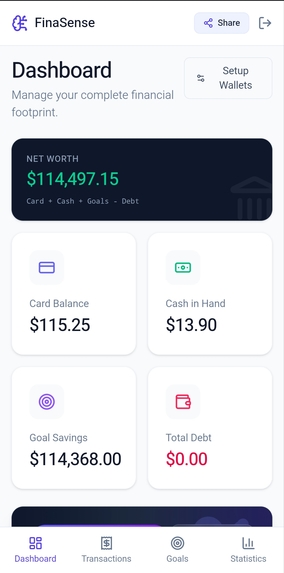
Dashboard
-
-
-
-
Inspiration
Managing personal finances is fundamentally broken and directly drains a user's daily productivity. We noticed that tracking expenses and analyzing spending patterns is a tedious, manual process that leads to financial anxiety and mental fatigue. Traditional dashboards display dry numbers without actionable guidance. We built FinaSense to eliminate the friction between spending capital and understanding it, completely revitalizing the life-management ecosystem by replacing manual data entry with autonomous AI intelligence.
What issue are you solving?
The core issue is data entry friction and the complete lack of dynamic financial intelligence that helps people make better daily decisions. Traditional tracking platforms force users to waste time and cognitive energy manually categorizing every small expense, causing burnout. Furthermore, existing apps fail to proactively process unstructured financial data, such as bank SMS alerts or physical receipts, into meaningful, real-time insights across various global and localized merchant formats, preventing users from staying organized.
How does your project address it?
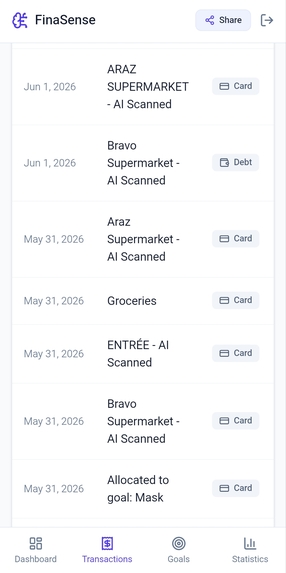
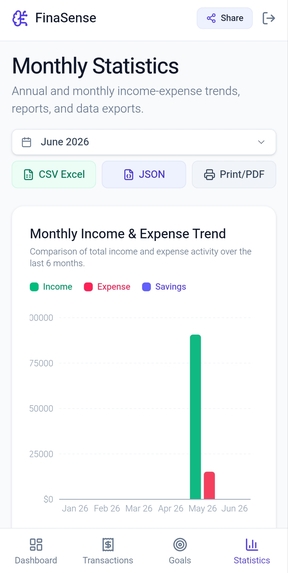
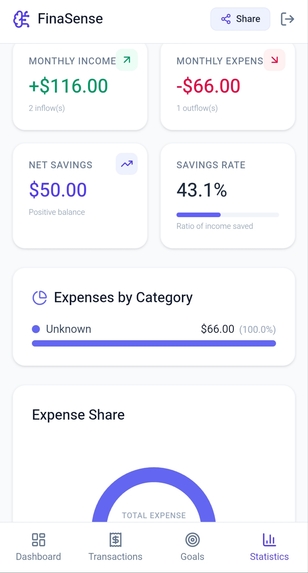
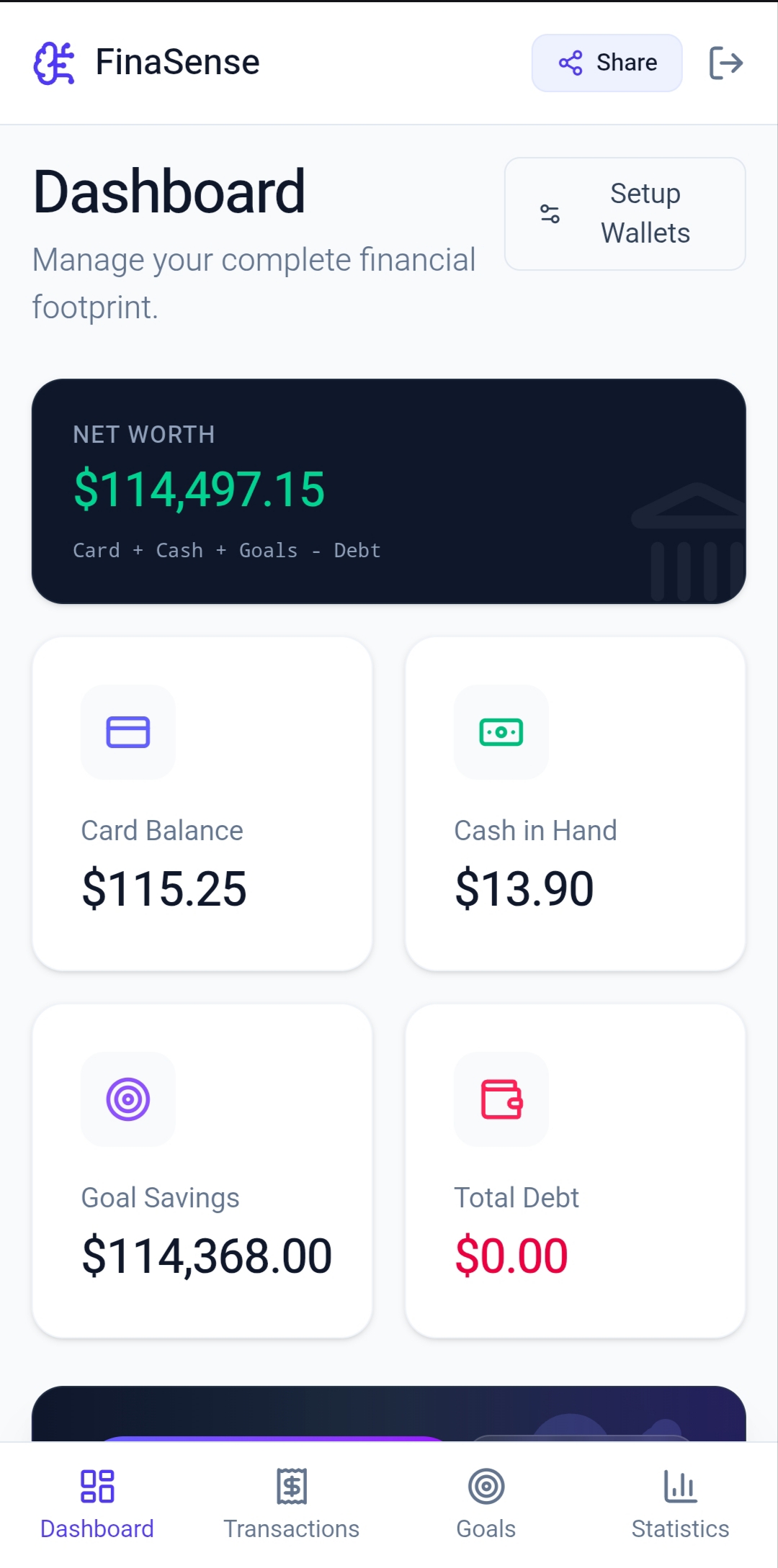
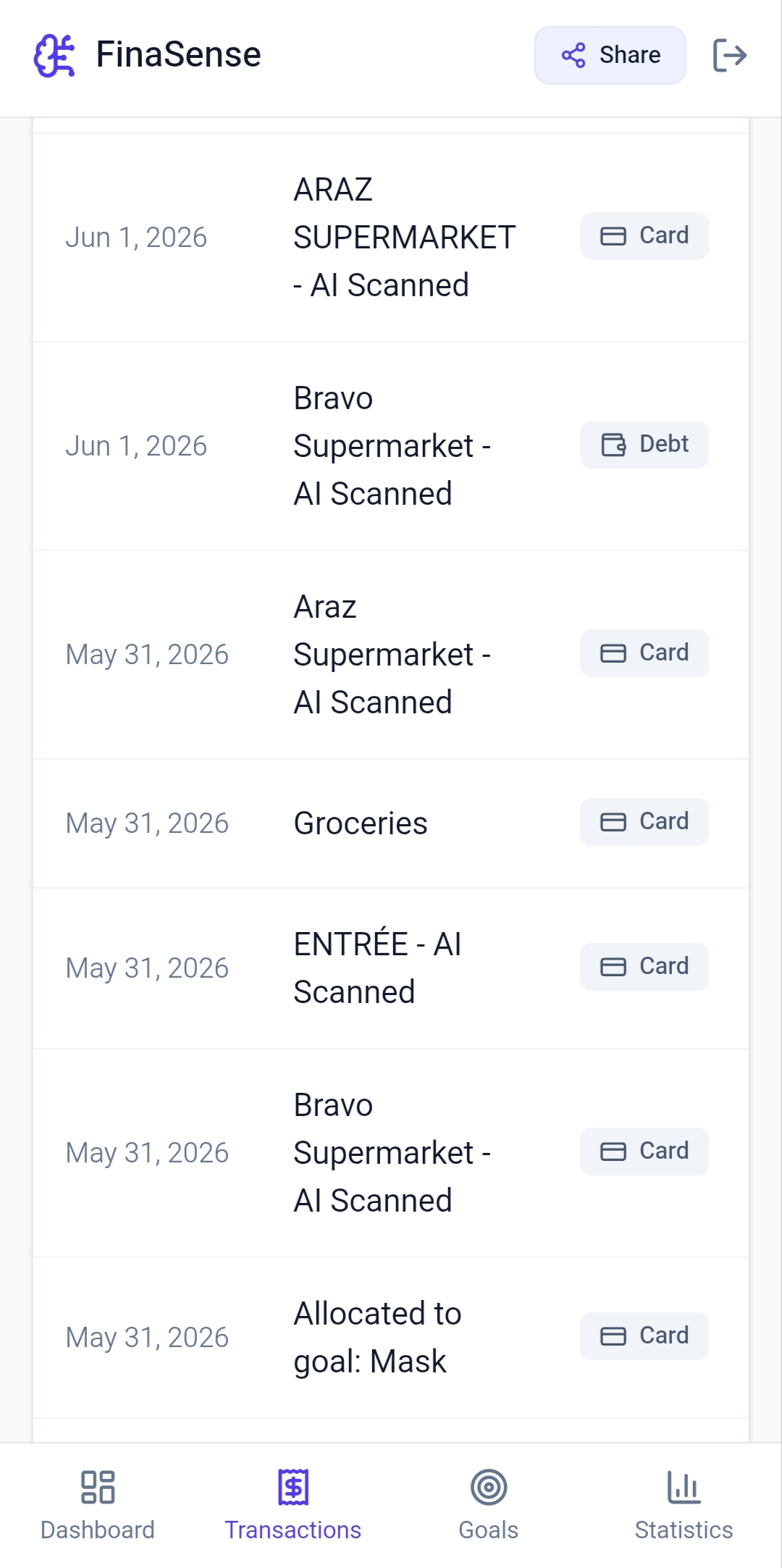
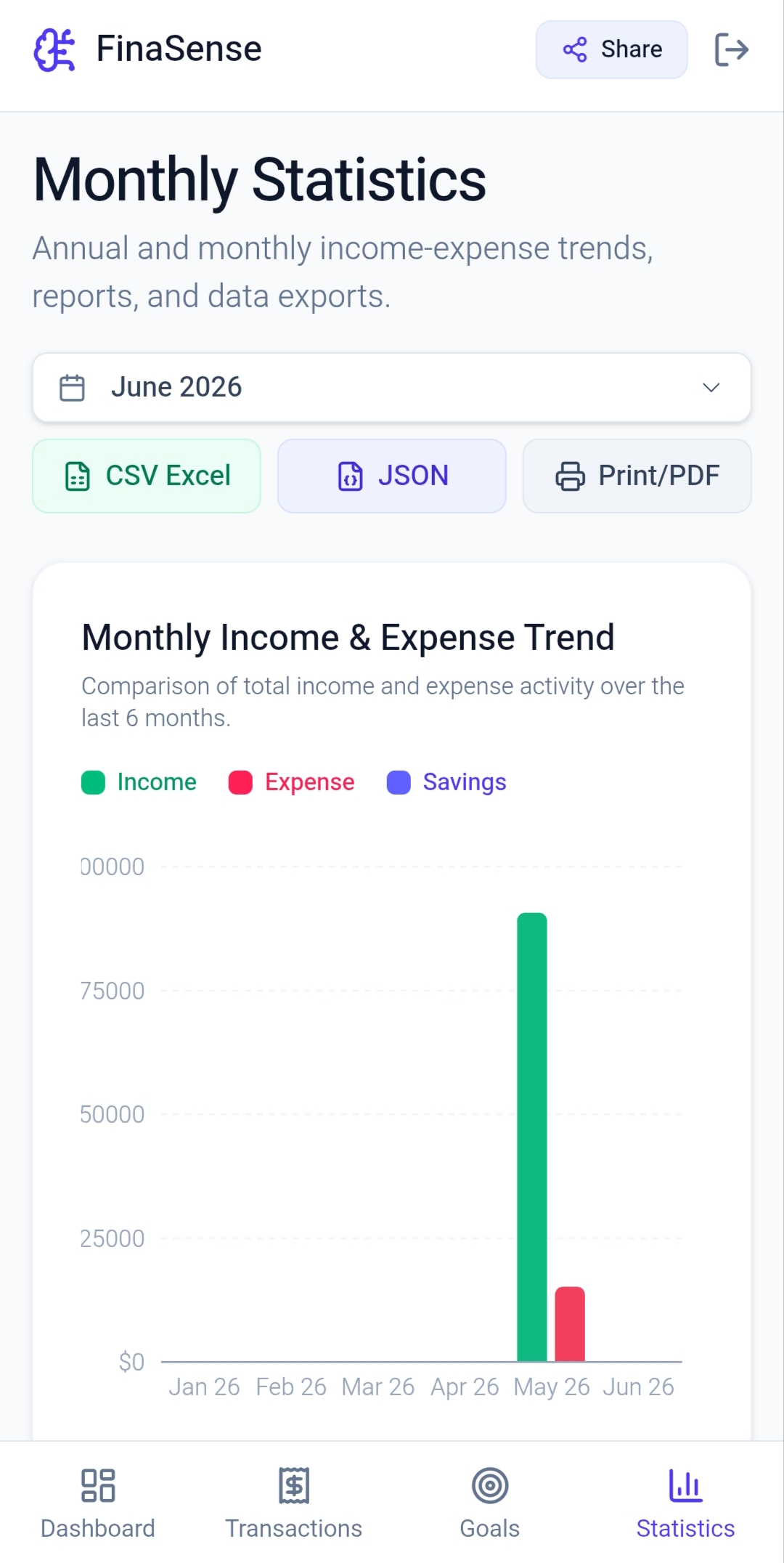
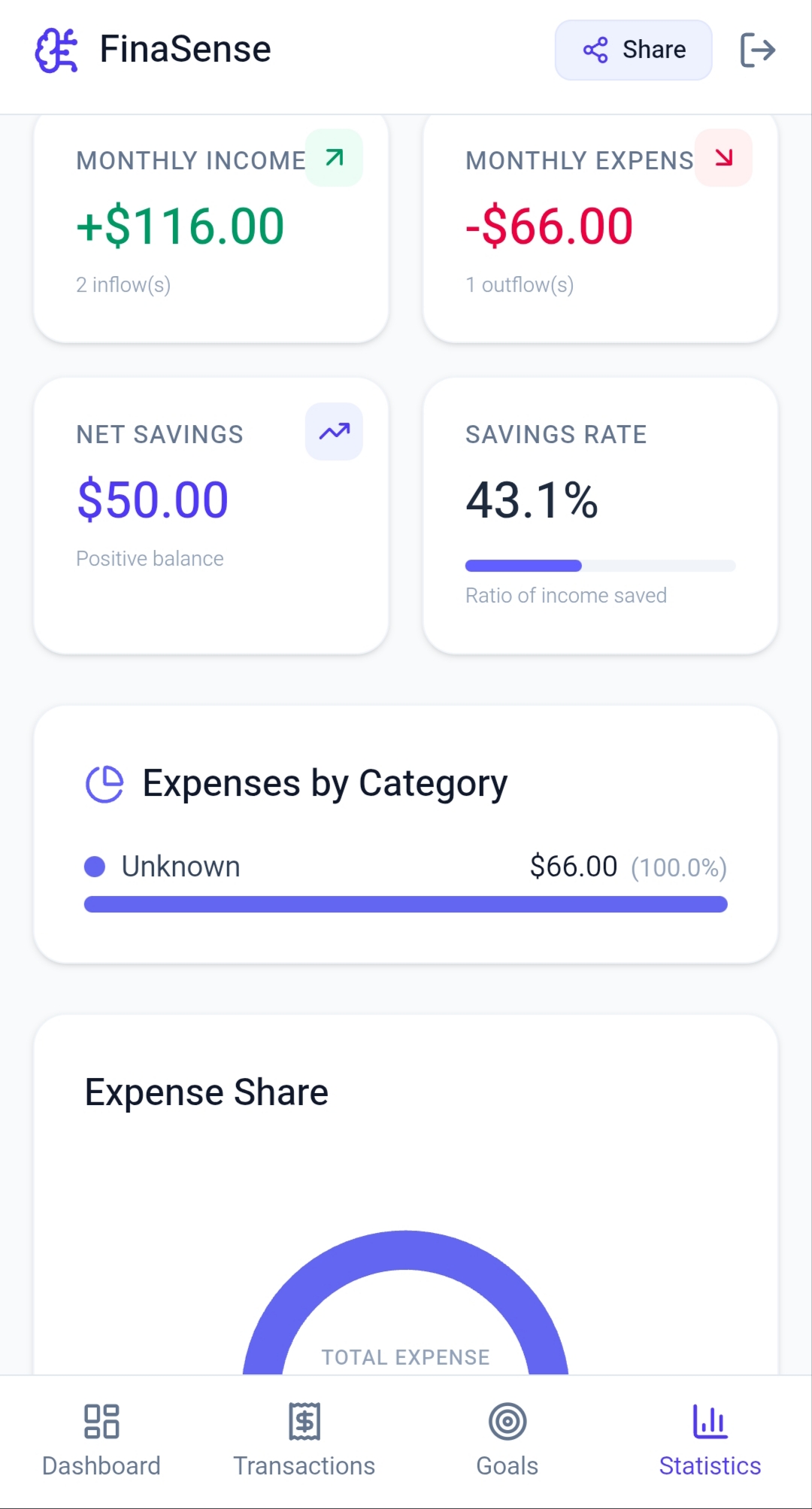
FinaSense acts as an intelligent productivity system by completely automating the financial input and analysis layers. We engineered an AI Smart Scan pipeline using multimodal OCR and Large Language Models. Users simply snap a picture of a receipt or paste a raw bank SMS. The platform automatically extracts the text, categorizes the payment, reads the exact amount, identifies global/local merchants, and updates wallet balances autonomously. Following this, our adaptive statistics engine acts as a virtual CFO, instantly running sub-second diagnostics on spending trends to deliver concise, real-time capital optimization advice—helping users take immediate action and stay on track.
What was the hardest part of the build?
The most formidable challenge was architecting the AI Smart Scan multimodal pipeline to reliably process unstructured, messy receipt structures and highly specific bank SMS data on a global scale. We built a multi-stage fallback system utilizing complex vision models hosted on Hugging Face (such as Qwen variants) combined with Groq’s Llama 3.1 Inference SDK, which required intricate prompt engineering. Forcing the LLM to output highly strict JSON schemas natively without markdown wrapping, while intelligently mapping completely random store names into our pre-selected categories in milliseconds to ensure a zero-jank, seamless flow, was an intense engineering challenge.
What is next for FinaSense?
Our immediate next milestone is launching the FinaSense Mobile Application natively for iOS and Android. Releasing a dedicated mobile app will allow us to leverage OS-level hardware integrations, such as advanced camera utilization for instantaneous receipt scanning and real-time push notifications for our Virtual CFO insights. This transition will bring our zero-friction financial intelligence directly to users worldwide, ensuring their productivity, daily organization, and capital optimization are always accessible on the go.
Built With
- ai
- css
- face
- groq
- hugging
- llama
- postgresql
- qwen
- react
- tailwind


Log in or sign up for Devpost to join the conversation.