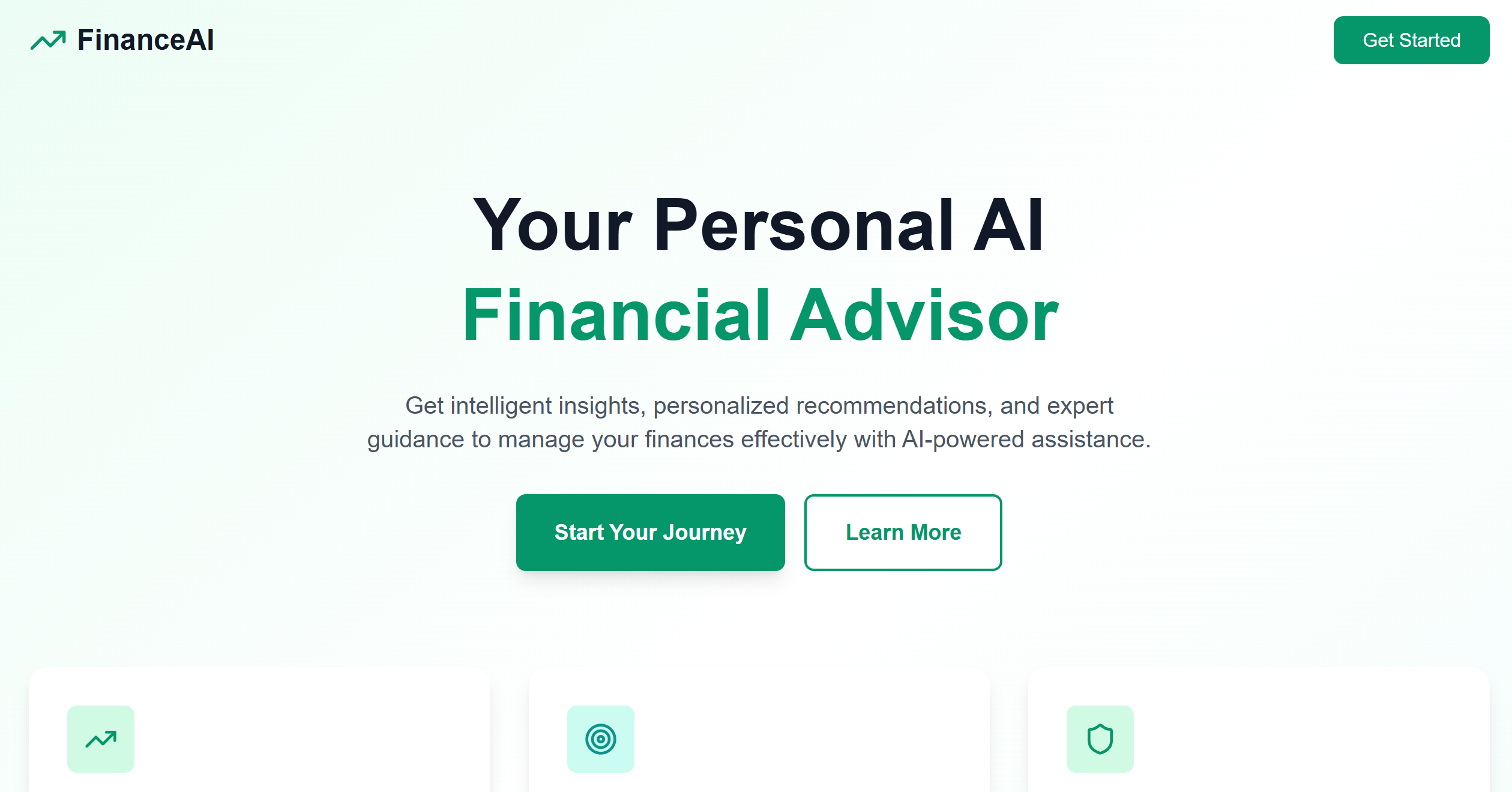
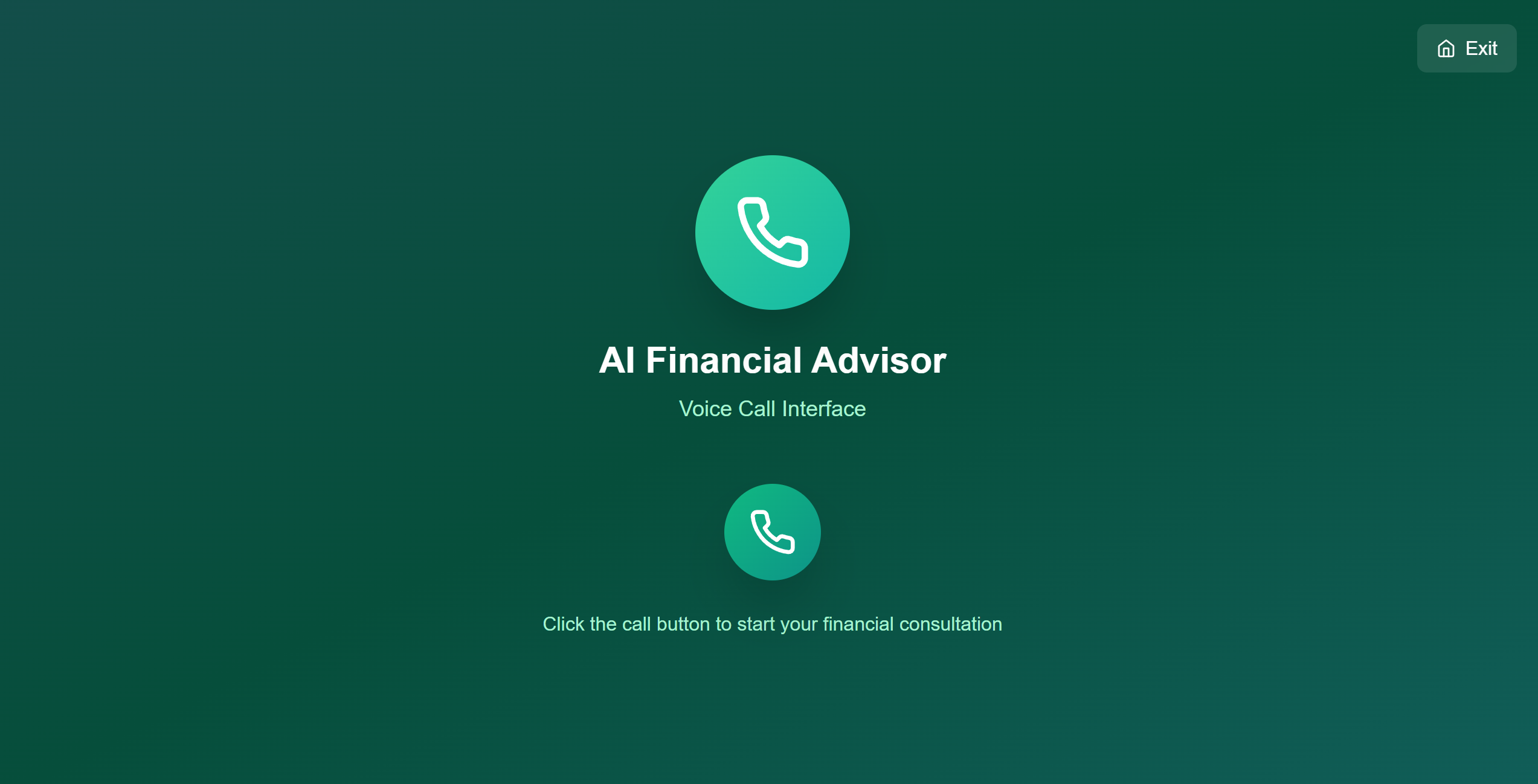
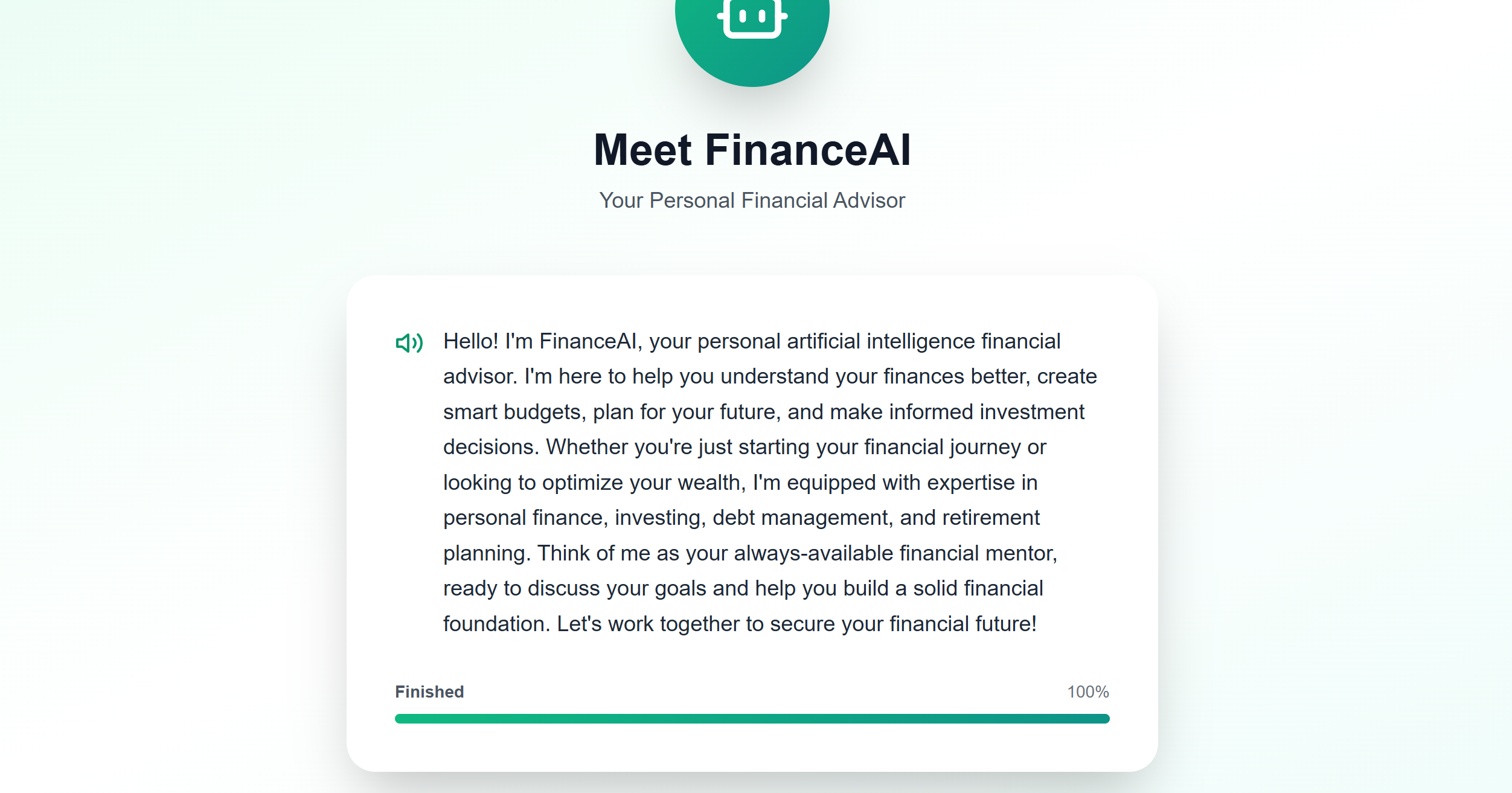
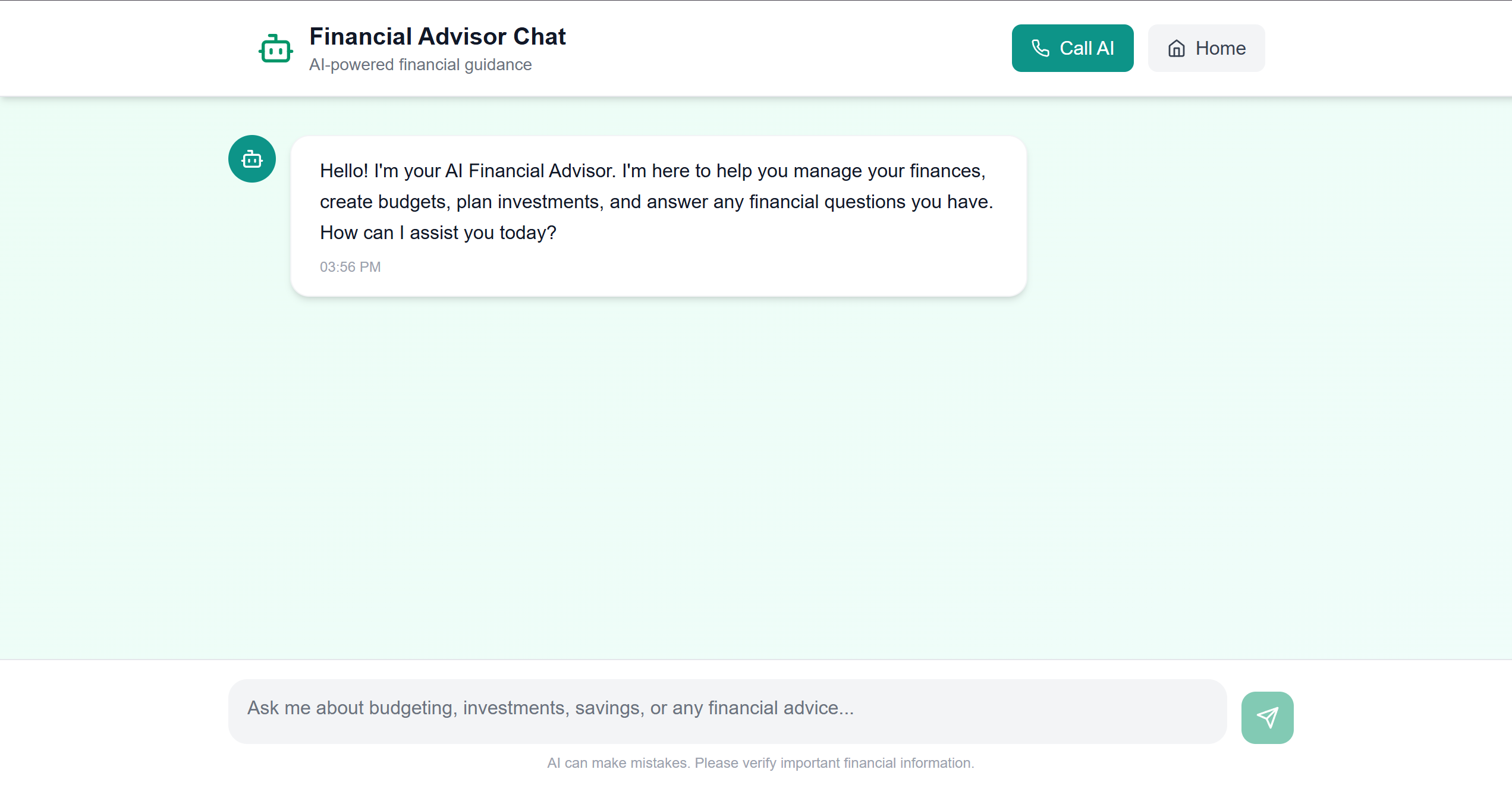
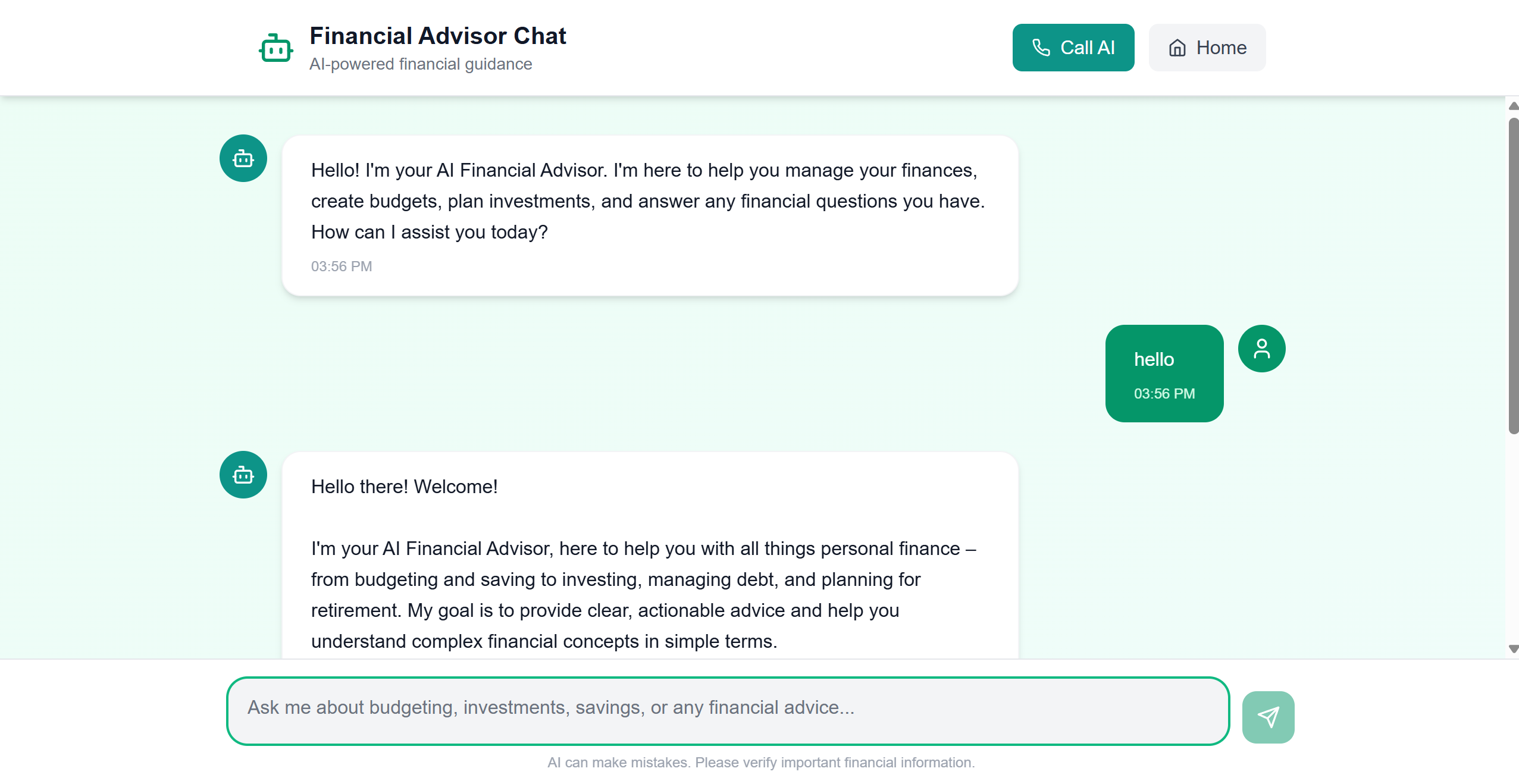
Democratizing Financial Advice: Making personalized financial guidance accessible to individuals who cannot afford traditional human financial advisors.
Automation of Routine Tasks: Automating budgeting, expense tracking, and investment rebalancing to save users time. Data-Driven Insights: Leveraging AI to analyze spending patterns and market trends to provide smarter, data-backed recommendations.
Expense Tracking: Categorizes and logs transactions to show where money is being spent.
Budgeting: Helps users set spending limits for different categories (e.g., groceries, entertainment) and alerts them when they are close to the limit. Financial Q&A: Uses an AI model (like an LLM) to answer questions about financial terms, investment strategies, or tax rules.
1. The Backend (The Brain)
Language: Python is the standard choice due to its strong libraries for data analysis and AI. Framework: FastAPI or Flask to create API endpoints that the frontend can talk to. AI Integration: LLMs: Integration with OpenAI (GPT-4), Anthropic (Claude), or local models (Llama) via libraries like langchain or openai. RAG (Retrieval-Augmented Generation): Using a vector database (like Pinecone or ChromaDB) to let the AI "read" financial documents or transaction history before answering.
- The Frontend (The Interface) Web: React, Vue, or Next.js for a responsive dashboard.
Challenge: Handling sensitive financial data (bank balances, transaction history) requires strict security.
The Struggle: Ensuring API keys for banking services (like Plaid) or AI providers (like OpenAI) aren't exposed in code repositories. Implementing encryption for user data at rest.
- AI Hallucinations (Accuracy) Challenge: Large Language Models (LLMs) are good at language but bad at math.
1. Bridging Unstructured Language with Structured Data
The Win: Successfully getting an AI (which speaks English) to query a database (which speaks SQL/JSON). Why it's hard: It requires robust prompt engineering or function calling to ensure the AI understands that "How much did I spend on food?" translates to SELECT sum(amount) FROM transactions WHERE category = 'Food'.
- Real-Time Financial Insights The Win: Building a system that doesn't just store data, but actively interprets it to give actionable advice.
Prompt Engineering: You learned how to craft specific instructions to stop the AI from hallucinating financial advice.
Function Calling / Tool Use: You likely learned how to connect an LLM to external tools (like a calculator or database) so it can perform actions, not just generate text. Context Management: You learned the limitations of token windows and how to feed just enough data (e.g., the last 5 transactions) for the AI to be useful without crashing.
- Backend Development & API Design API Structure: How to build endpoin
1. Advanced Data Input
Receipt Scanning (OCR): Integrate computer vision to allow users to snap photos of physical receipts. The AI would automatically extract the merchant, date, and total amount. Voice Commands: Add speech-to-text functionality so users can log expenses on the go (e.g., "I just spent $12 at Starbucks").
- Proactive Intelligence Anomaly Detection: Instead of just tracking, the AI could alert users to unusual activity, such as a double charge or a subscription price increase. Smart Forecasting: Use predictive models to warn users: "Based on your current spending velocity, you will run out of budget by the 22nd of this month."
- Deeper Financial Integration Investment Tracking: Expand beyond cash flow to track stock portfolios or crypto wallets, giving a complete "Net Worth" view.
Built With
- geminiapi
- javascript
- react.jsx


Log in or sign up for Devpost to join the conversation.