-
level
Finance FunHouse
🧠 Inspiration
The inspiration for Finance FunHouse came from the need to make financial education more engaging for younger audiences. Traditional methods of teaching finance often fail to capture the attention of children, and yet, it's crucial for them to understand basic financial concepts early on. The idea was to gamify financial education, turning lessons about saving, budgeting, and investing into an interactive, fun experience — much like popular mobile games. By doing this, I hoped to build a platform that would both entertain and educate children, preparing them for future financial decisions.
💡 What it Does
Finance FunHouse is an interactive platform where children can learn key financial concepts through games and quizzes. Here's what the platform offers:
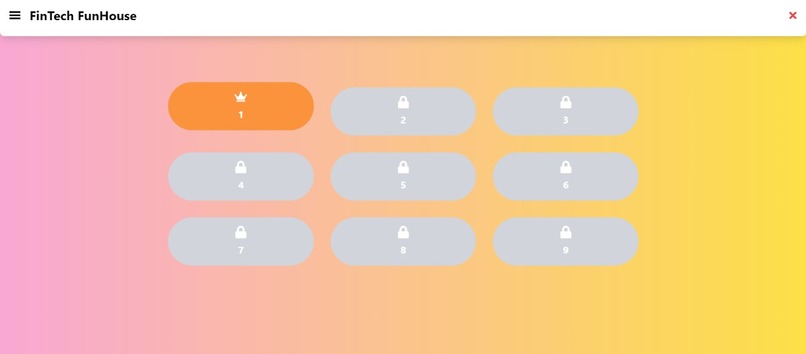
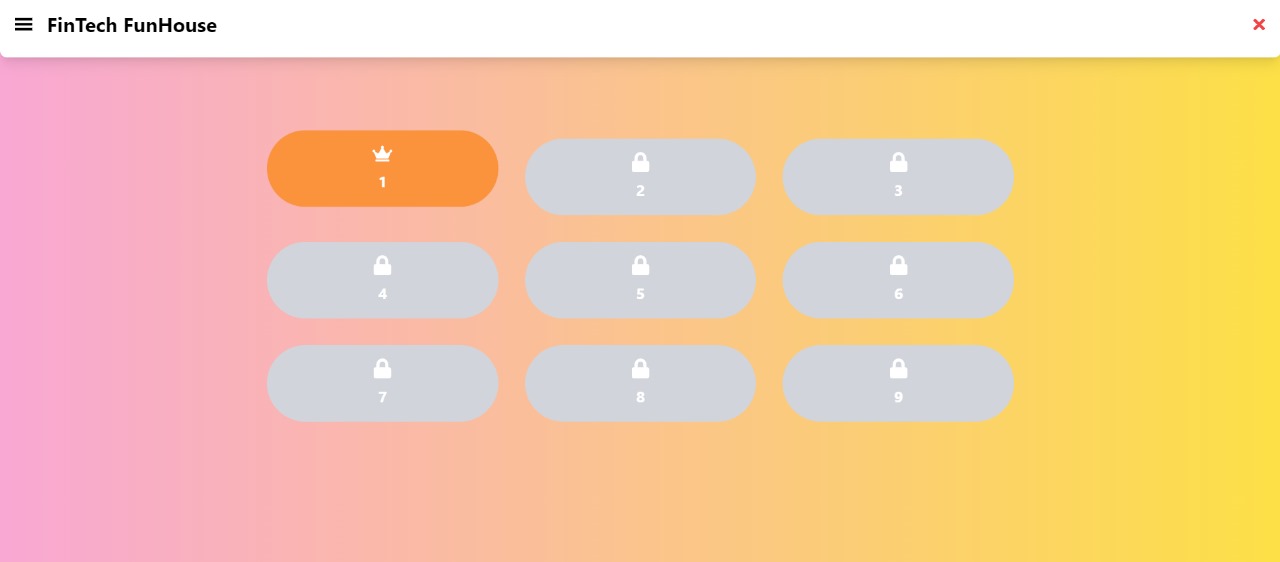
- Interactive Modules: Children progress through levels, learning about different topics like budgeting, saving, and investing. Each module ends with a quiz to test their understanding.
- Reward System: Players earn points and badges as they complete lessons, unlocking new levels and achievements.
- Financial Tips: Integrated AI provides simple, personalized financial tips based on the child’s progress.
- Progress Tracking: The platform tracks the player's progress, allowing them to resume lessons and quizzes from where they left off.
🛠️ How We Built It
We used the MERN stack to develop the platform, ensuring it was fast, scalable, and capable of handling a dynamic game environment:
- Frontend: We developed the frontend using React.js and Tailwind CSS. The game's user interface was designed to resemble popular games like Candy Crush, making it appealing and easy to navigate for children. React hooks, useState, and useEffect were used for dynamic state changes, while React Router handled the navigation.
- Backend: Node.js and Express.js powered the backend, providing an API to manage game data, user progress, and quiz results. MongoDB was used for database management, ensuring data persistence.
- AI Integration: Financial tips were generated using an API that provides age-appropriate advice tailored to each child's level of understanding.
- State Management: We used Redux Toolkit to handle state across the app, ensuring that user progress, scores, and rewards were updated and saved properly.
🚧 Challenges We Ran Into
- Game Progression Logic: Implementing level-based progression and ensuring only unlocked levels could be accessed posed a challenge. Managing game state dynamically across multiple components, especially with session persistence, required in-depth debugging and refactoring.
- Educational Balance: Ensuring that financial concepts were simplified for a younger audience, while still maintaining their educational value, was tricky. We needed to make the lessons fun without losing the core lessons.
- Responsive Design: Designing a responsive, game-like interface that worked smoothly across mobile and desktop devices was challenging. Tailwind CSS made it easier, but we had to fine-tune the layout and interactivity to ensure an optimal experience on all screen sizes.
- AI Integration: Getting the AI to provide tips in a language simple enough for children was difficult. We had to tweak the API's data and build custom rules to ensure the tips made sense for our target audience.
🎉 Accomplishments That We're Proud Of
- Successfully building a fun and educational platform that combines financial education with interactive gameplay.
- Implementing a fully responsive and visually appealing game interface that works smoothly on both desktop and mobile devices.
- Integrating AI-driven personalized tips, adding value to the learning experience by providing real-time advice and feedback.
- Completing a reward and progression system that engages children and motivates them to continue learning.
📚 What We Learned
- State Management in Large-Scale Projects: Managing complex state for multiple components, especially in a game-like environment, taught us the importance of efficient state handling using Redux.
- UI/UX for Children: We learned how to design an interface that’s intuitive and engaging for younger users, ensuring both educational value and user retention.
- AI Integration: Incorporating AI into educational platforms requires careful planning to ensure the output is appropriate for the target audience, particularly children.
- Collaboration and Testing: This project also highlighted the importance of collaboration and consistent testing, especially when dealing with interactive elements and multiple user types.
🚀 What's Next for Finance FunHouse
We have exciting plans to expand Finance FunHouse:
- Multiplayer Mode: Introducing a multiplayer mode where children can compete with their friends or classmates on financial quizzes and challenges.
- Expanded Curriculum: We aim to expand the curriculum by adding more advanced topics, such as investments, loans, and taxes, for older children.
- Parental Dashboard: Creating a dashboard for parents to track their child’s progress and get insights into their learning habits.
- Mobile App: We plan to build a mobile app version of Finance FunHouse, making the game even more accessible to children on the go.


Log in or sign up for Devpost to join the conversation.