Why we built it
Young people get their first bank account, BLIK payments and tempting investment offers before anyone teaches them how to handle those situations. Financial education often starts with definitions, while real life starts with choices.
Finance Flow began during a 36-hour Econverse startup sprint. We wanted to build a product where users could practise financial decisions, see the consequences and learn without risking real money.
What Finance Flow does
Finance Flow is a Polish, mobile-first financial education app for young people, mainly ages 16 to 19. The current pilot includes:
- short interactive lessons built for a phone
- decision scenarios based on situations such as a suspicious BLIK request or planning a first salary
- an educational investing simulator using virtual money and illustrative prices
- XP, streaks, achievements and daily or weekly challenges
- friend connections and privacy-first leaderboards
- calm feedback that explains mistakes without shaming the user
The app never connects to a bank account and does not handle real investments. Investing content is educational, not financial advice.
How we built it
The first prototype had to communicate the full learning loop in a few screens: learn something, make a decision, see the consequence and feel progress. After Econverse, I continued developing that idea into a working pilot.
The mobile app uses Expo, React Native and TypeScript, and it also runs as a PWA in the browser. Supabase provides authentication, Postgres and row-level security. The public website and admin dashboard use Next.js. The project is organised as a pnpm monorepo with shared types and content.
The pilot currently contains nine fully playable lessons with ten different tap-based mechanics, plus two multi-step Decision Missions. The lessons cover where money comes from, needs versus wants, the cost of choices and the value of work. The scenarios focus on BLIK fraud and planning a first salary.
The hard parts
The broad topic was the first challenge. Personal finance can become an endless content catalog, so we narrowed the pilot to a small number of complete lessons and scenarios that demonstrate the core learning loop.
Designing for younger users also required care. The app has to be engaging without turning money into a casino-like game. XP and streaks reward learning and consistency, never investment profit.
Privacy was another important constraint. Friends can support one another, but they never see quiz answers, mistakes or private financial information. The global leaderboard is opt-in and only shows pseudonymous progress data.
Finally, the same product had to work well as a mobile app and as a PWA. Interactive mechanics, animations, authentication and responsive layouts all had to behave consistently across platforms.
What we learned
A convincing prototype needs one clear loop more than a long feature list. Finance Flow works best when every screen helps the user learn, decide or understand a consequence.
The project also taught me to treat product design, learning design and engineering as one problem. A lesson can be technically correct and still fail if the interaction feels like homework or the feedback makes the user feel judged.
Result
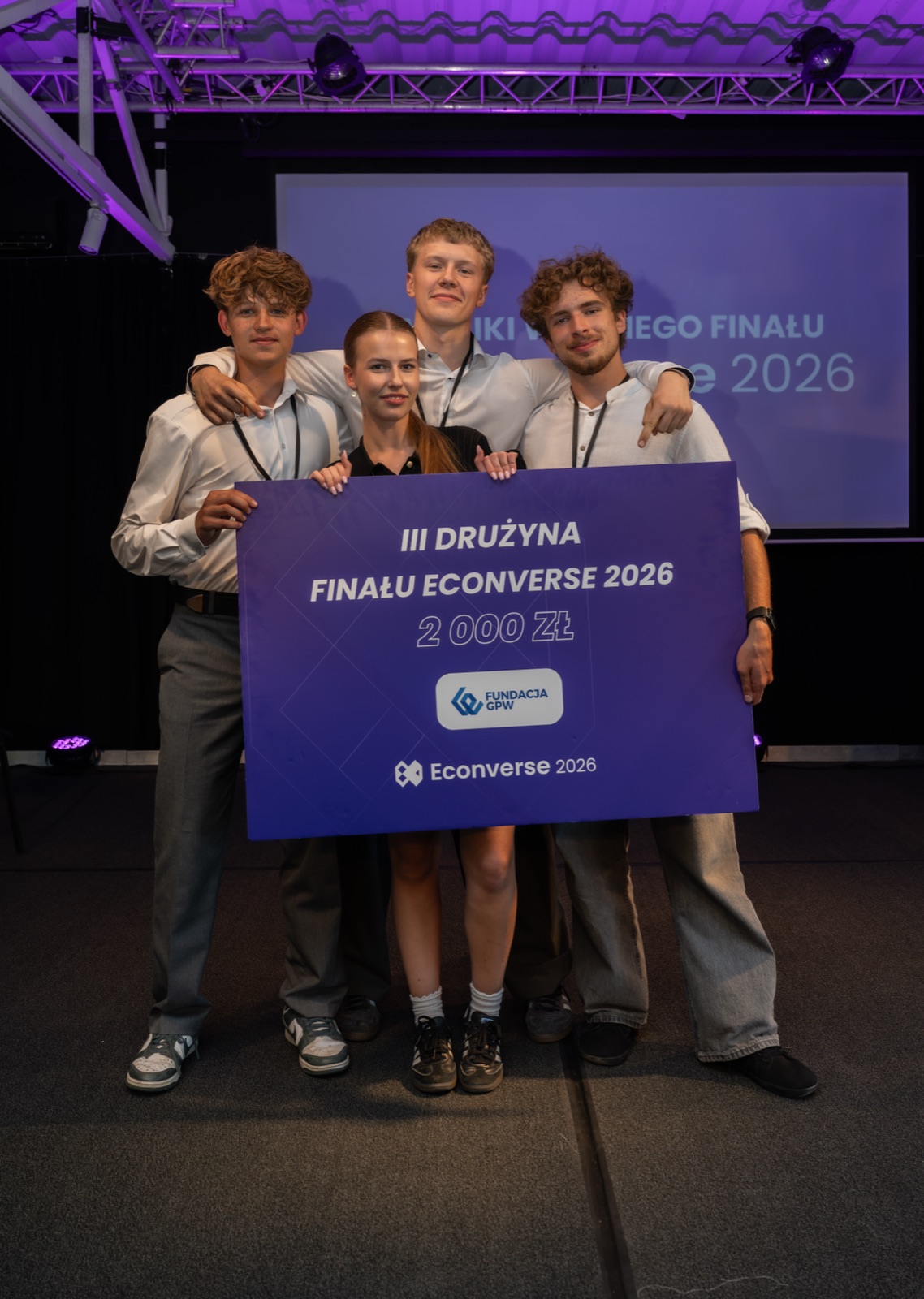
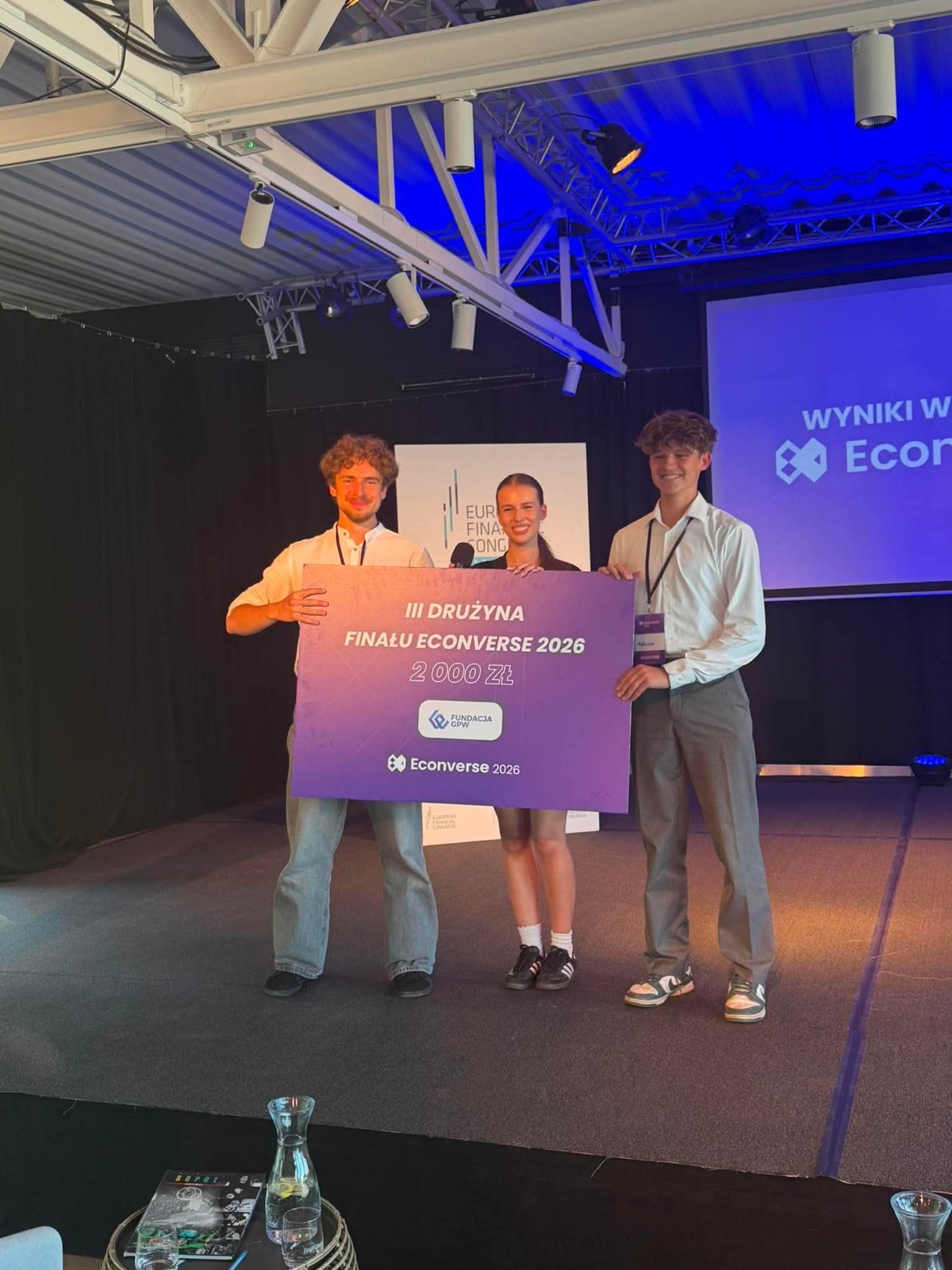
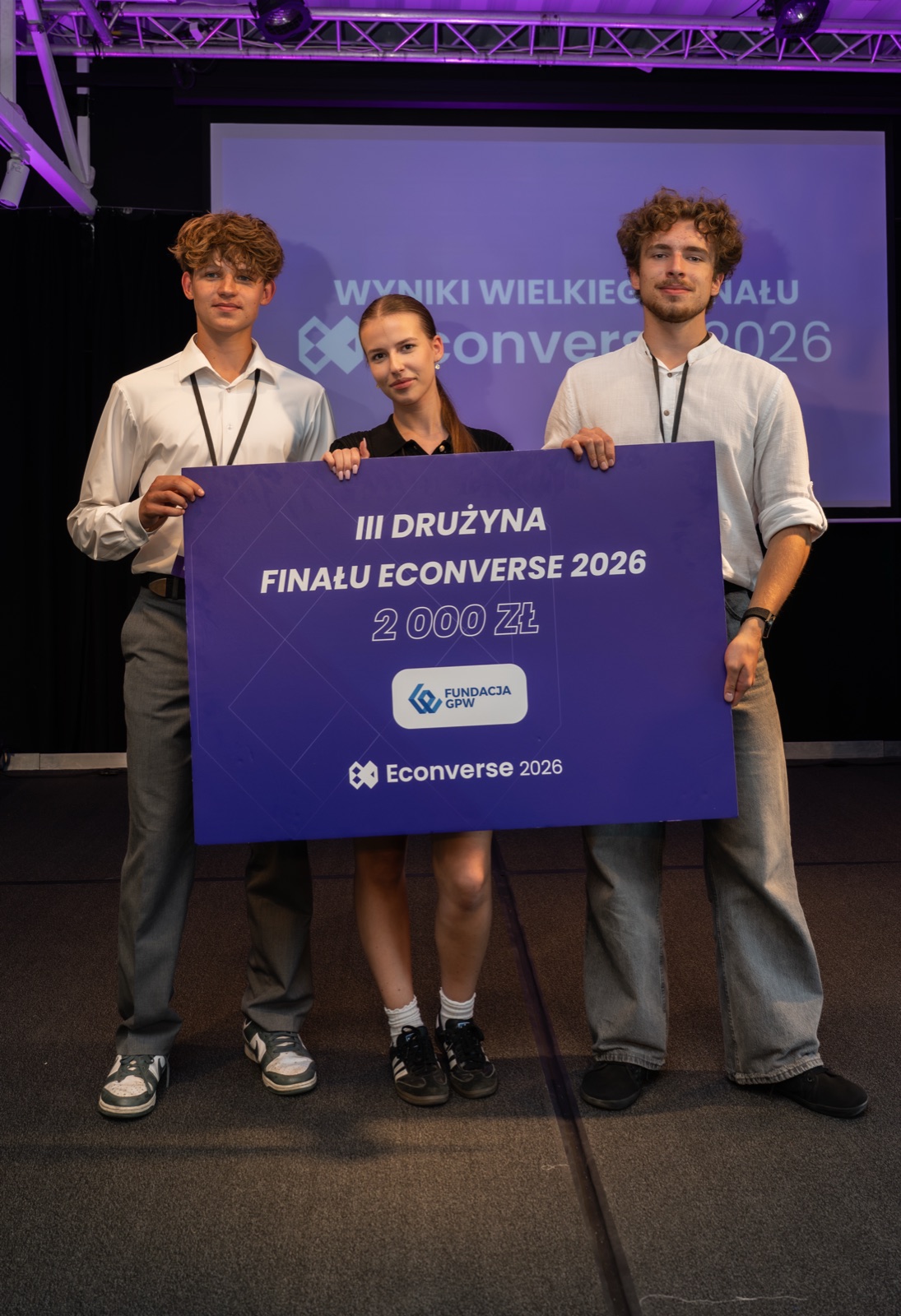
Finance Flow reached the Econverse national grand final at the European Financial Congress. Our team finished third and received PLN 2,000.
The original sprint prototype has since grown into a working pilot with a public website and browser-based app.
Next steps
The next step is testing the pilot with real users and measuring whether they finish lessons, return and feel more confident about everyday money decisions. That feedback will decide which learning paths and scenarios we build next.
Built With
- expo.io
- next.js
- postgresql
- react
- react-native
- supabase
- typescript
- vercel

Log in or sign up for Devpost to join the conversation.