-
-

Screenshot of title image.
-

Screenshot of demo user image.
-

Screenshot of demo user image.
-

Screenshot of demo user image.
-

Screenshot of demo user image.
-

Screenshot of demo user image.
-
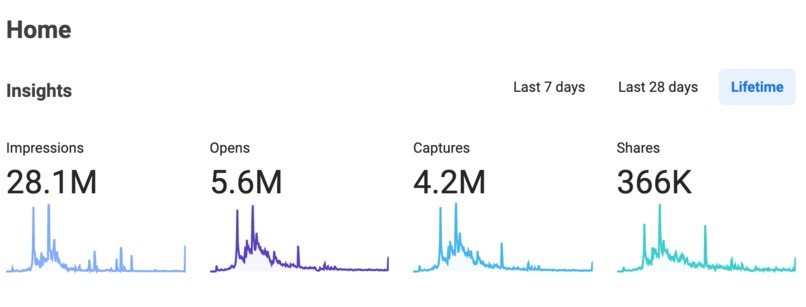
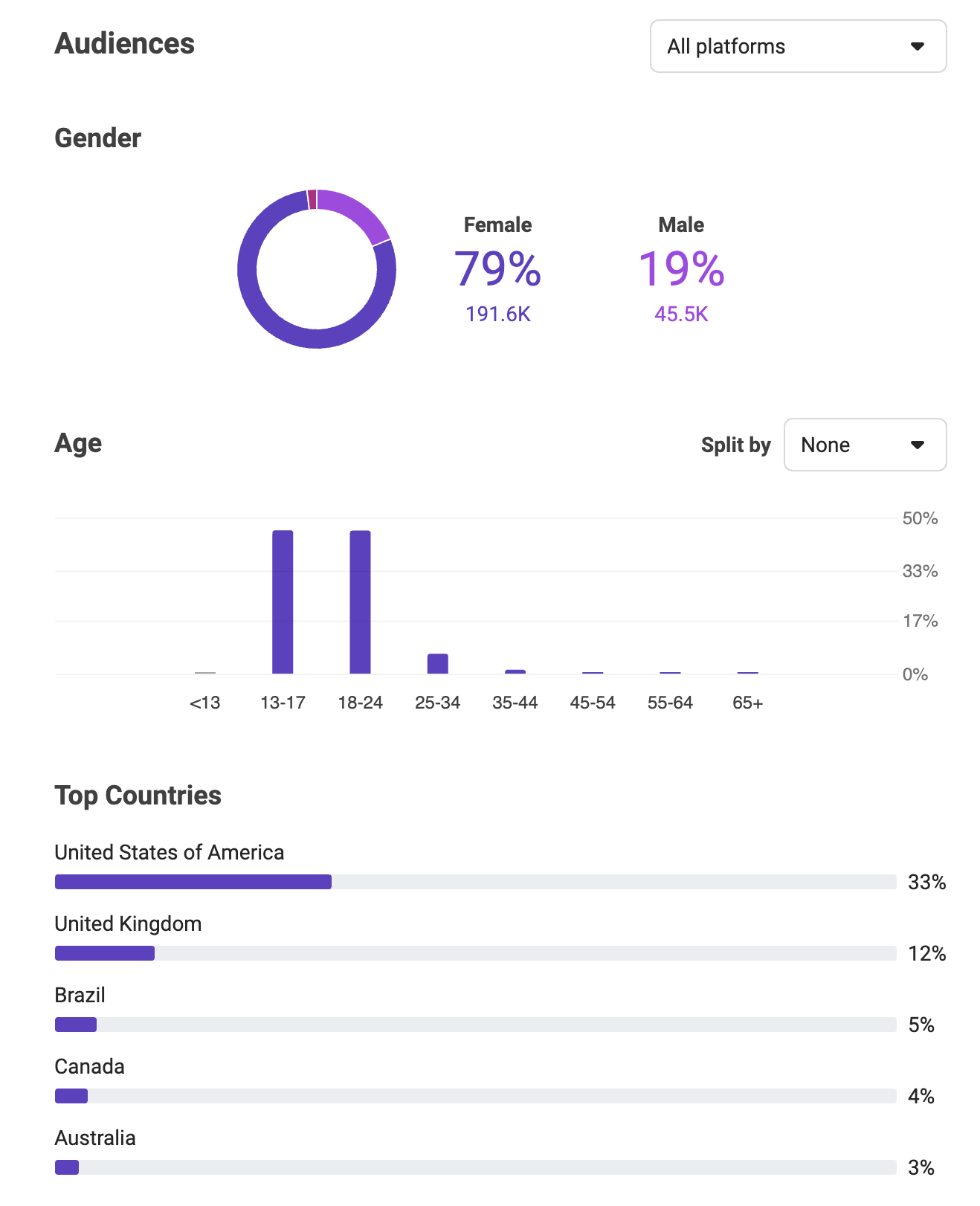
Example of the analytic data collected via social media platforms.
-
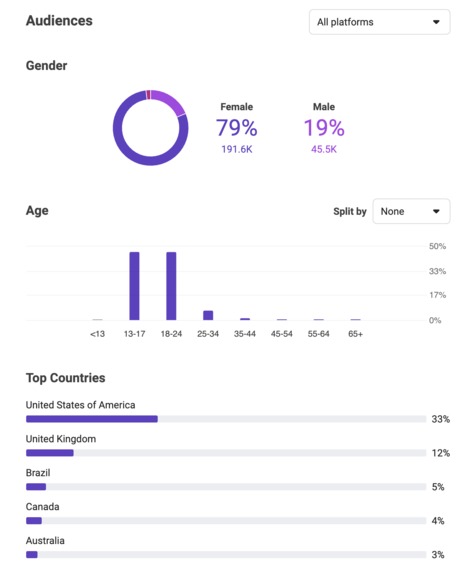
Example of the analytic data collected via social media platforms.
-

Example or AR QR integration.






Inspiration
I wanted to create an inclusive and interactive Augmented Reality experience for learners. Aiming to disrupt educational technologies, improve knowledge retention, and combat accessibility limitations. Recently, I’ve created a demo for a game that prompts users to answer questions about financial terminology. Millennials and Gen Z have embraced using social media daily, so instead of judging them for what they deem important, I’ve used Augmented reality technology to create games that integrate with Instagram and Facebook allowing users to post their answers and garner more attention to a topics that they find interesting. I have a working demo as proof of concept. Once published, it can be shared via weblink or can searched for in the instagram filter search bar. (Attached are an example of the data set’s the game collects using instagram and facebook’s built in analytics systems).
Attached is a QR code that links to the game’s test link. The link can be printed and customised to specific logos or colours if needed and is a way to bridge the physical and digital worlds, acting as an example of how we can implement gamification into traditional printed learning materials.
What it does
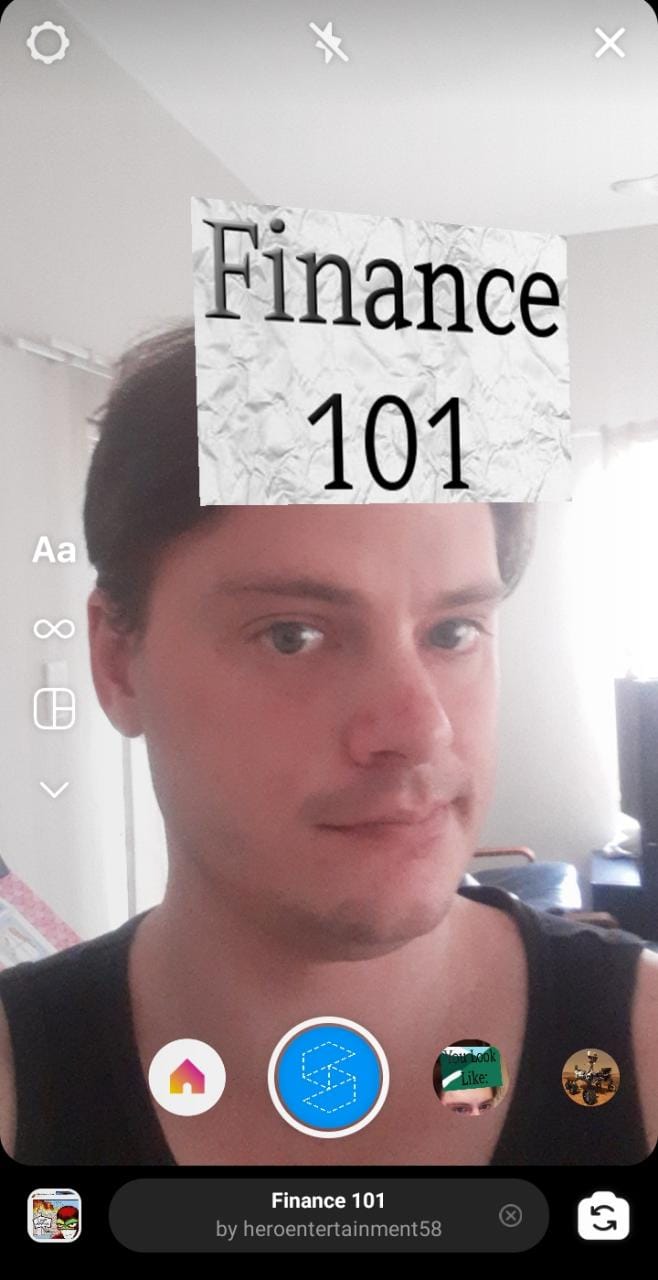
The Filter randomises a set amount financial terms and then prompts the user to answer to the best of their abilities. If they don’t feel happy with their answer they can simply not post it to their accounts stories, or try again. It is a game that doesn’t keep score so the goal is to participate to the best of their ability. It’s a forgiving game design opposed to a punishing one.
How we built it
I have an arts degree, not a computer or engineering one. Everything I learnt about AR is from youtube tutorials, which I think is a testament of how using a visual patch layout opposed to scripting is easily accessible. The functionality of the patch is linking 1 function to the next: Find a face>Show the title>Press record>Delay randomising for 1.5 seconds>Randomise through the assets for 1.5 seconds>Stop. The whole time this occurs it is told to track the user's face (how to identify a face is a separate patch altogether). The graphic assets are in 2 categories: The Title and Slides. Upon recognising the face the filter will show the Title, and upon pressing record the Slides will randomise then stop. On the back end user analytics are recorded.
Challenges we ran into
Trying to get people to embrace a technology that the aren't used to is a general problem I find myself trying to navigate around when introducing interactive AR as an educational tool. Usually a working demo has to be presented first before clients recognise the value of the project. Once we physically show clients how AR utilising social media works as well as the analytics involved, it becomes a lot easy to get them to pay for tailor made development of interactive solutions as well as a monthly licensing fee to regularly receive analytic reports of their users.
Accomplishments that we're proud of
About 3 years ago I decided to learn game design, I taught myself C#, Unity, SparkAR, music editing, graphic design and started my own game design company. I published games on The Apple app store (where my one game made it to the number 1 spot in its category) as well as the Google Playstore. My Instagram filter profile currently has 90 million impressions, which is insane for a self-taught theatre major on a 2012 Macbook.
What we learned
That the lack of accessibility of educational resources, (be it Language, financial, social, geographic, disability restrictions) is a real issue that tends to be overlooked. Also, traditional educational resources seem to be un-engaging or outdated. A lot of teaching methods and practices seem to add a blanket approach assuming all learners have the same learning experiences and access to materials. Which, living in a country with a massive classist and socio-economic divide, see the need to address that. Simply having digital resources opposed to books aren't a solution because computer access and internet access can be a factor, however smartphone penetration in South Africa is at an all time high at 93% with a push for private companies to provide wifi hotspots to impoverished areas. Source: ItWeb "SA’s smartphone penetration surpasses 90%": https://www.itweb.co.za/content/xA9PO7NZRad7o4J8A
What's next for Finance 101 in AR.
I'm recently was involved in the Global Young Innovators programme, where South African and UK developers partner up to solve global issues. Over the next couple months my UK counterpart and I will be coming up with solutions to help aid inaccessibility issues that come with traditional learning materials.
Built With
- analytics
- augmented-reality
- facetracking
- sparkar

Log in or sign up for Devpost to join the conversation.