-
-
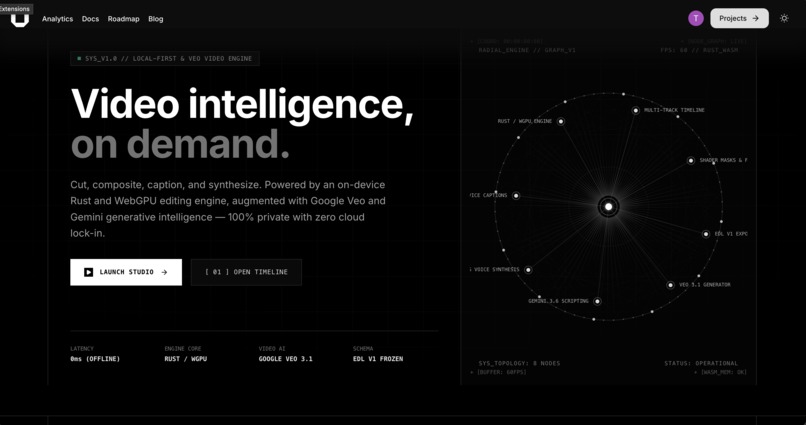
Home
-
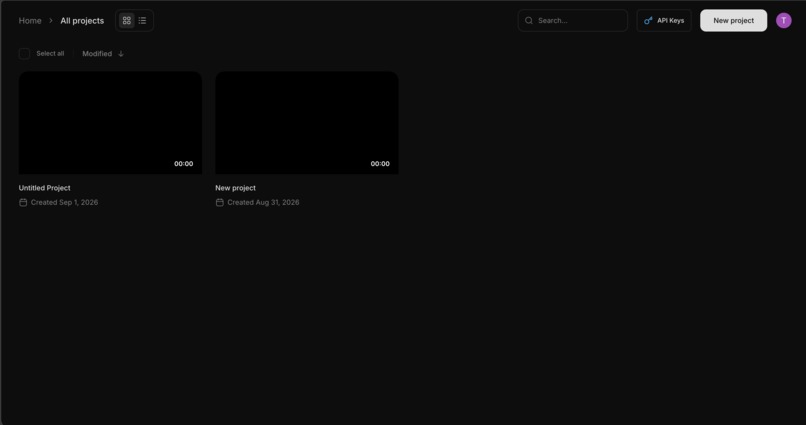
Projects
-
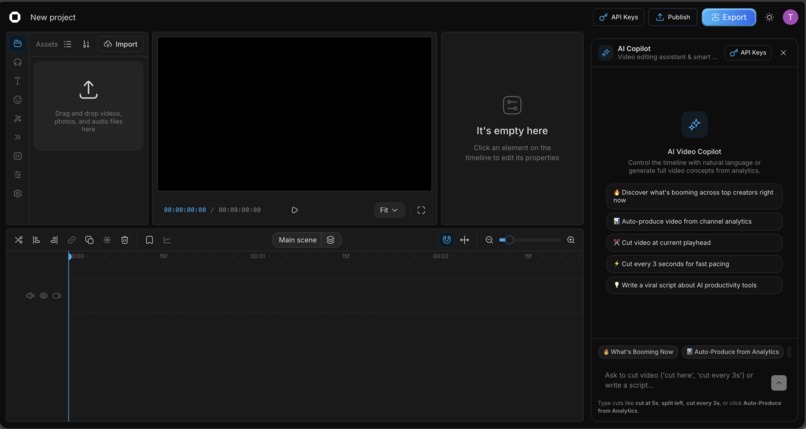
Editor
-
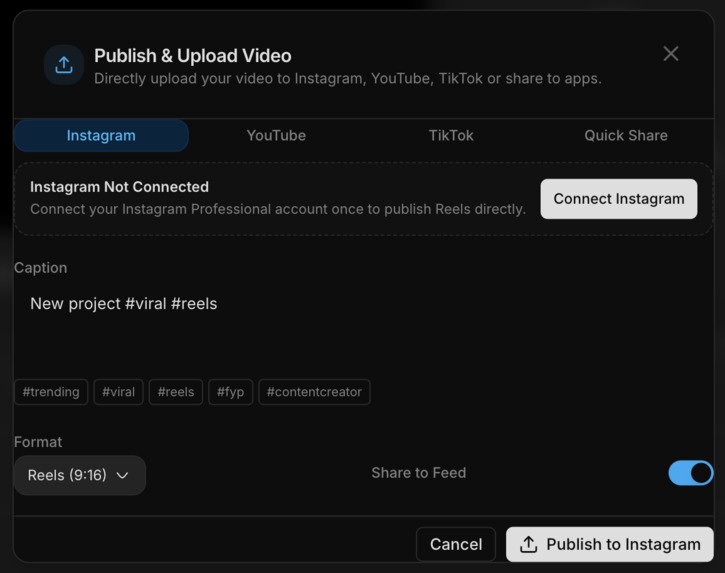
Publish Popup
-
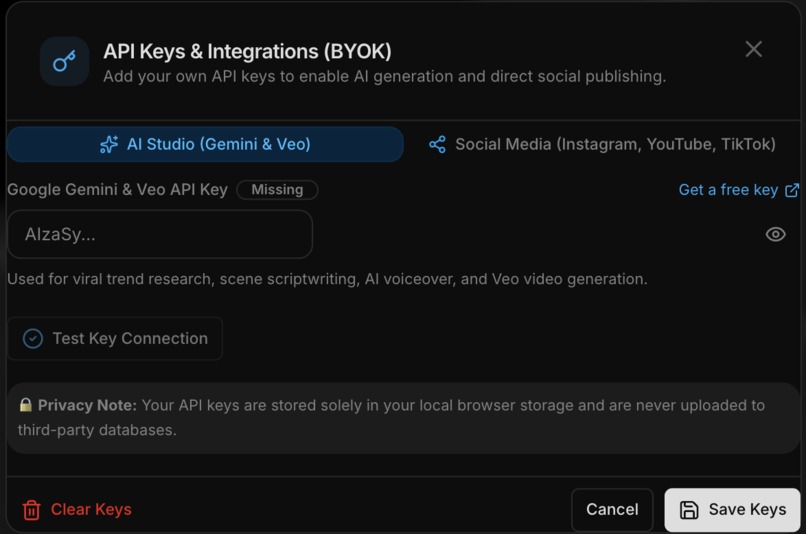
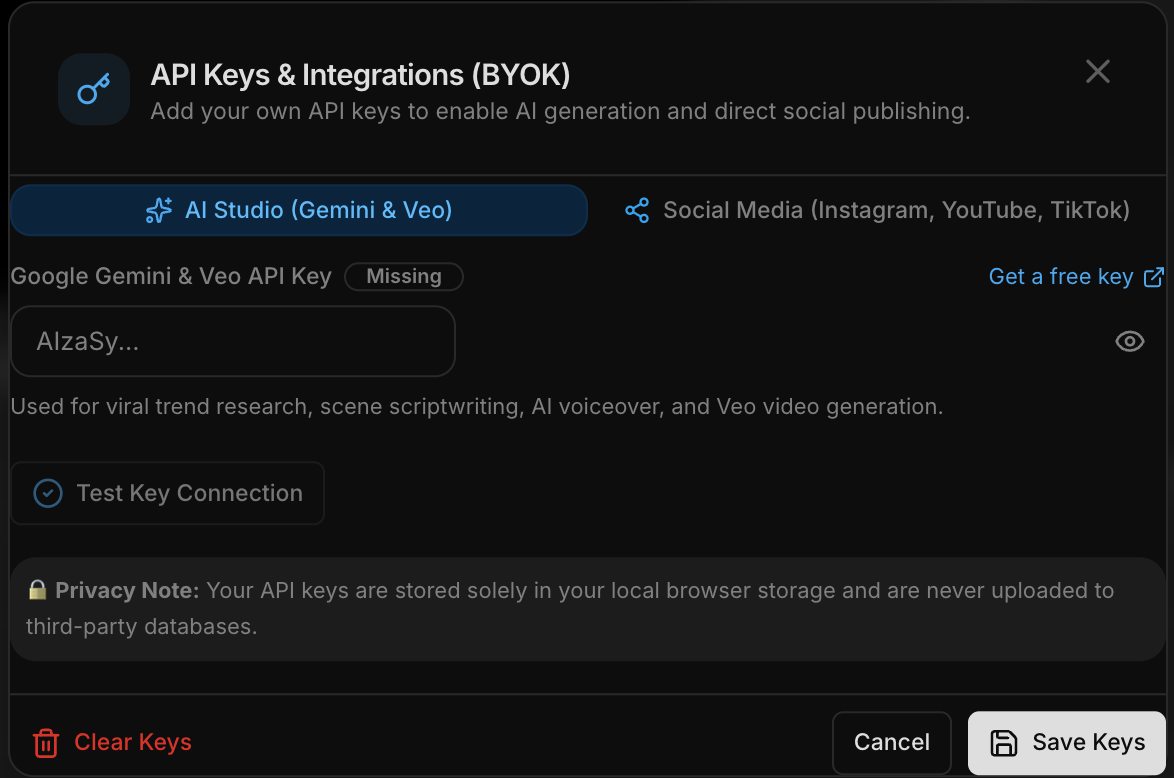
Api Key Popup
-
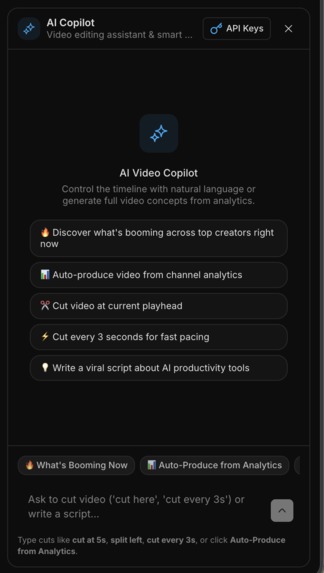
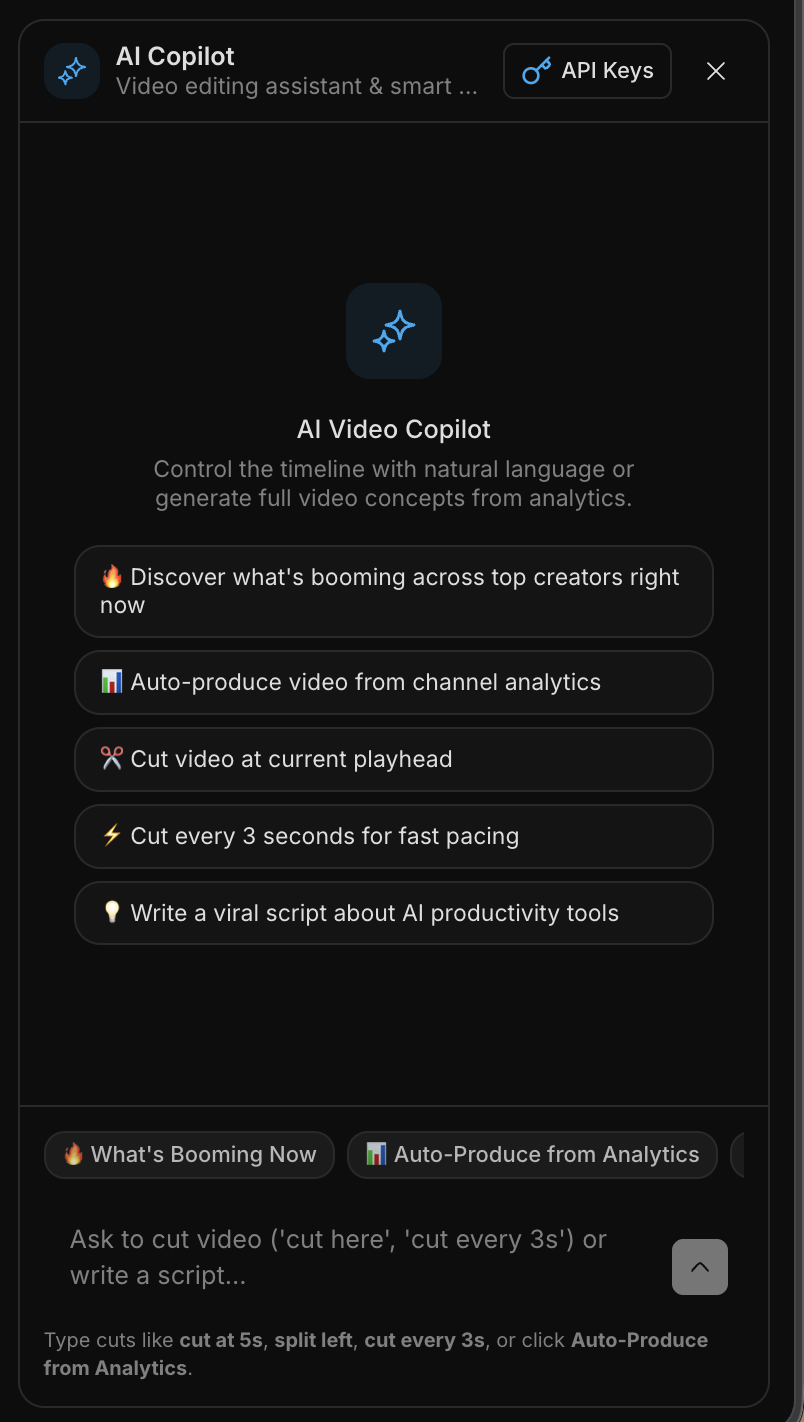
AI Video Copilot
-
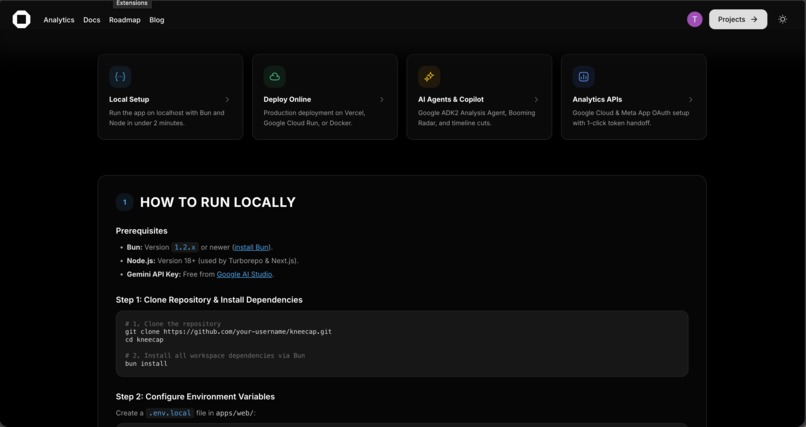
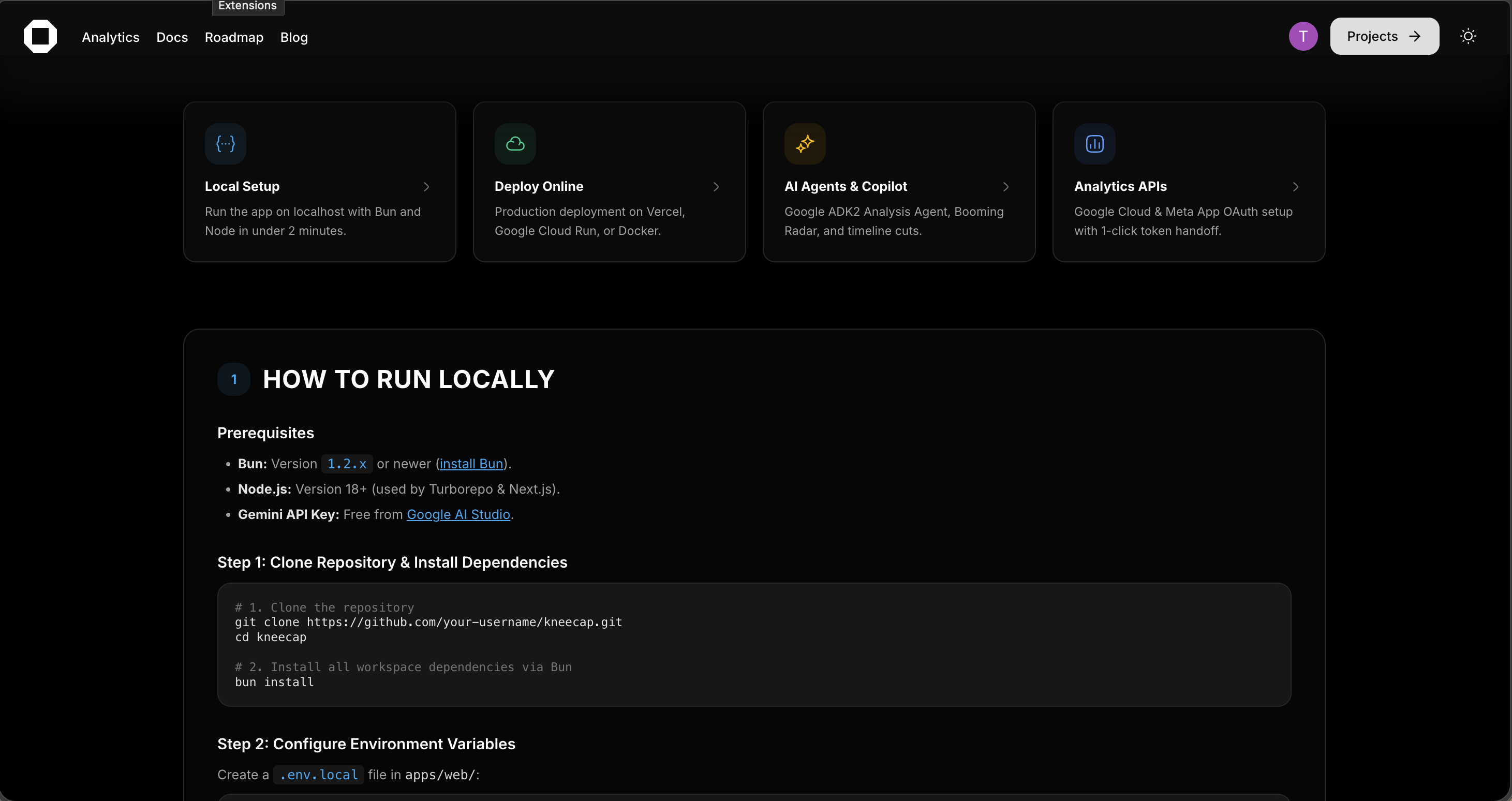
Docs
-
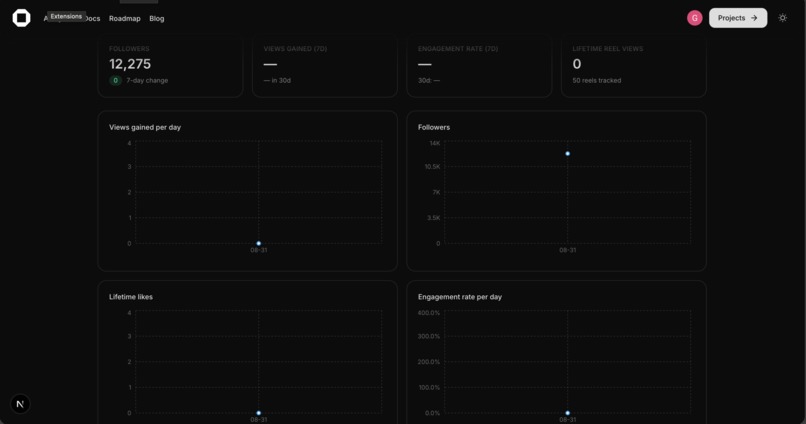
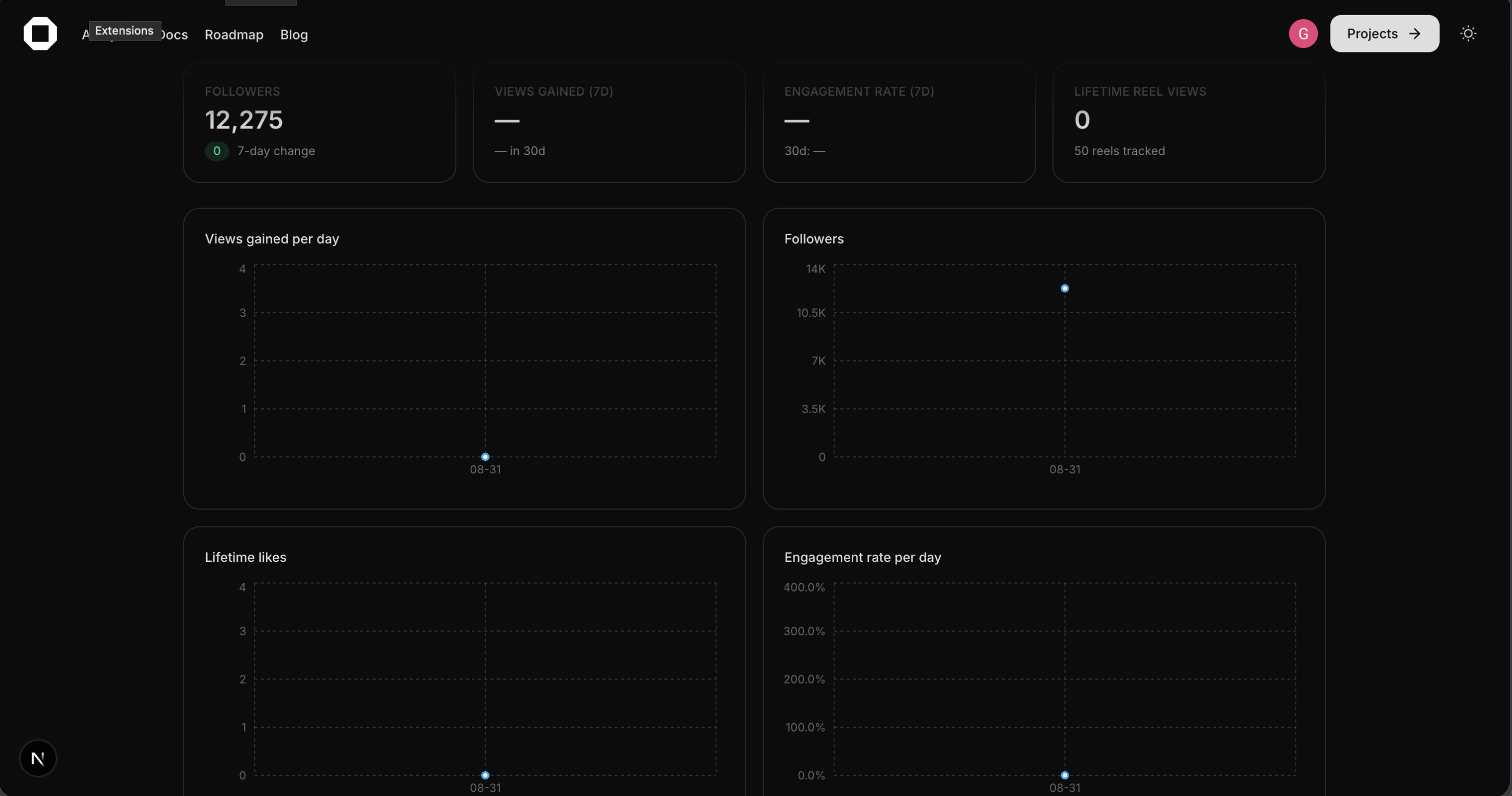
Analytics
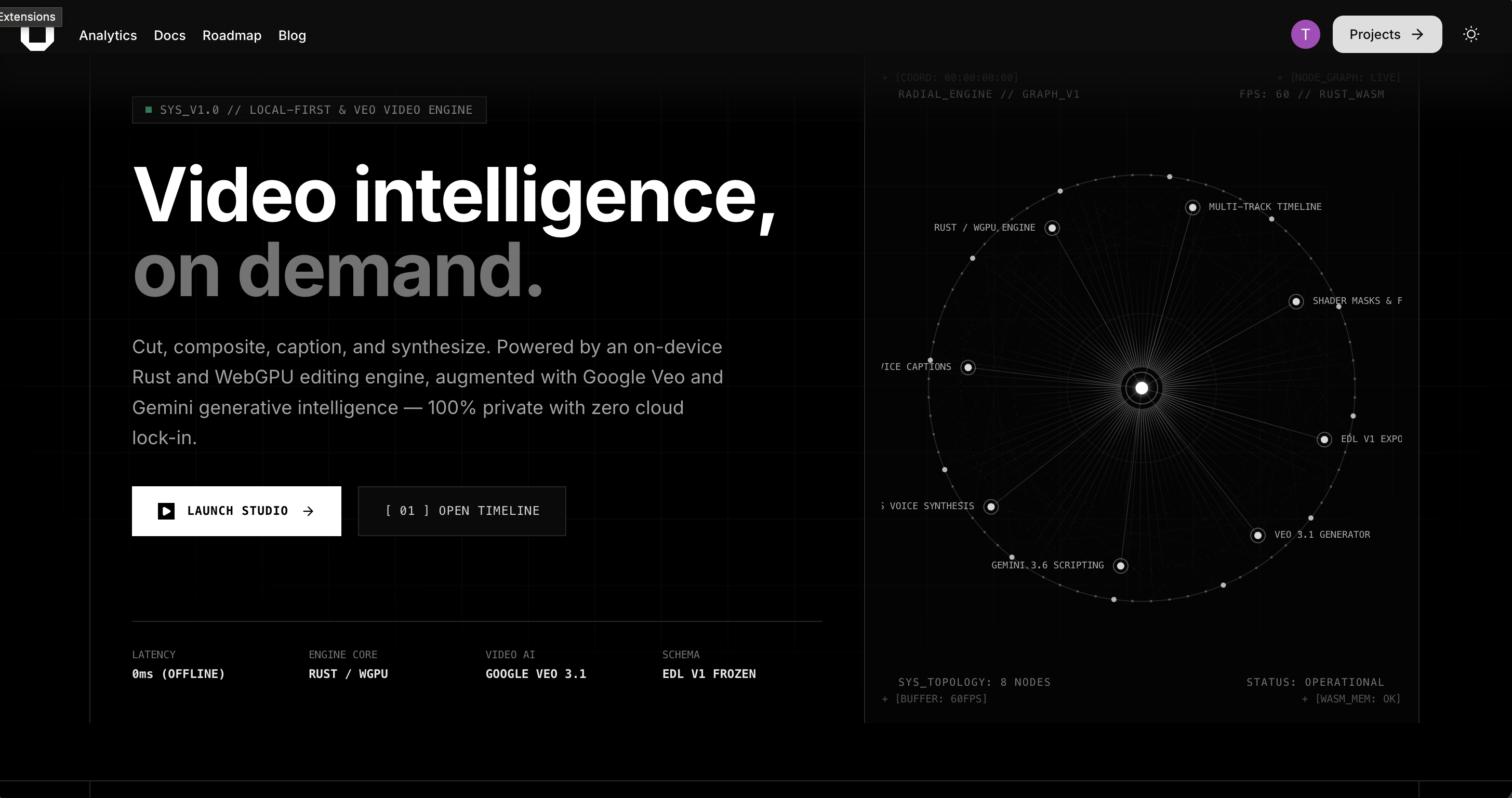
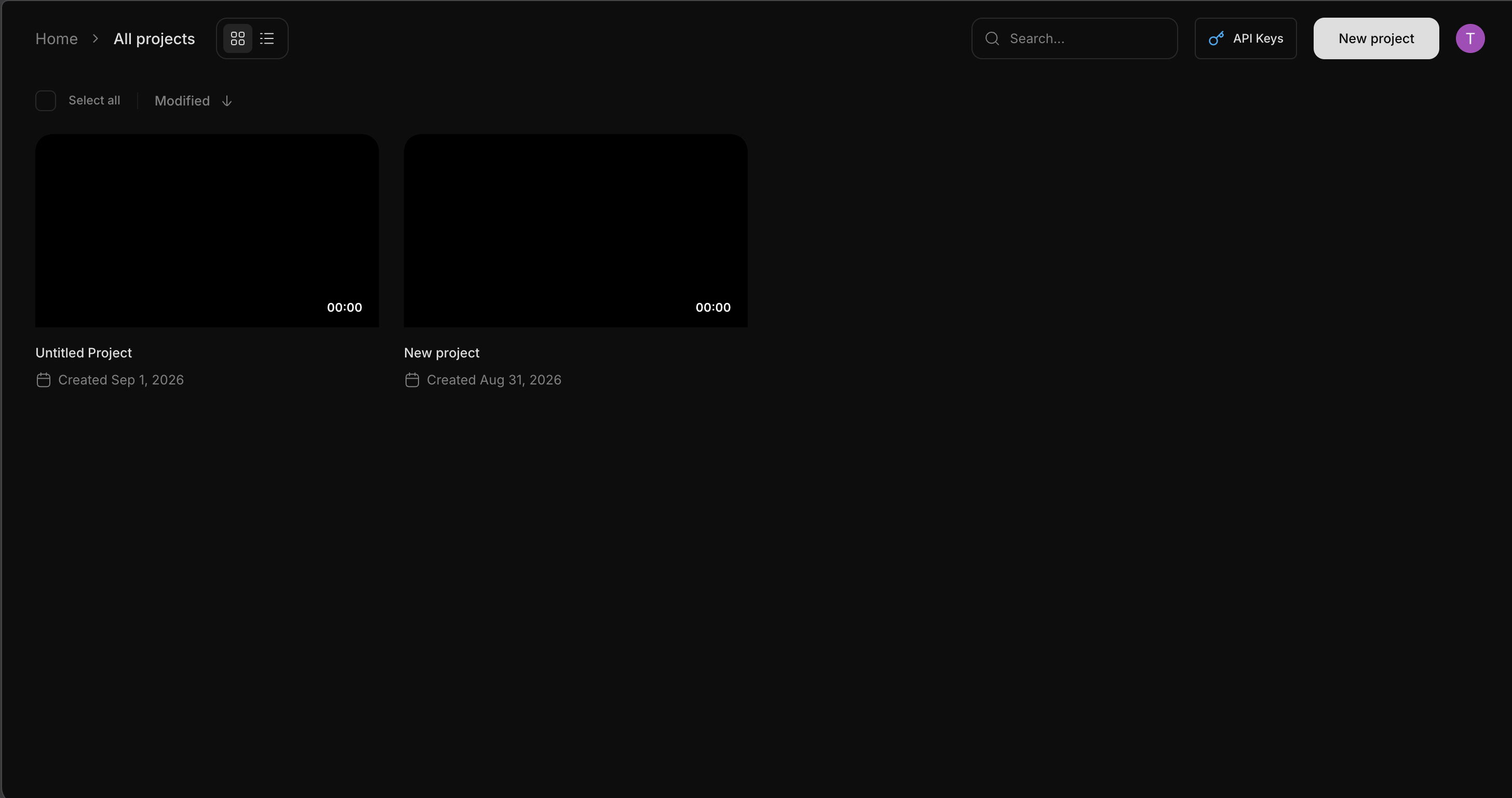
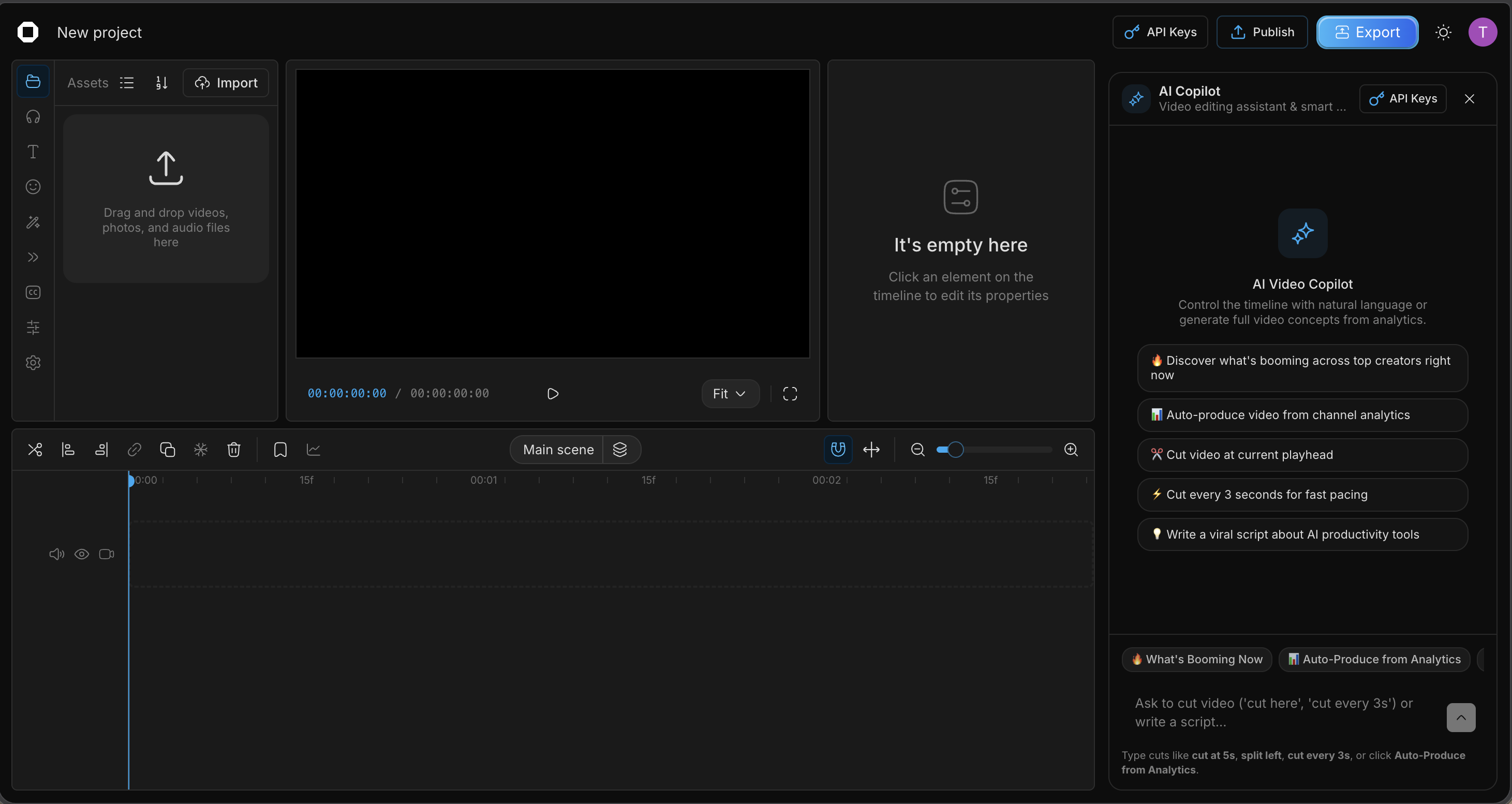
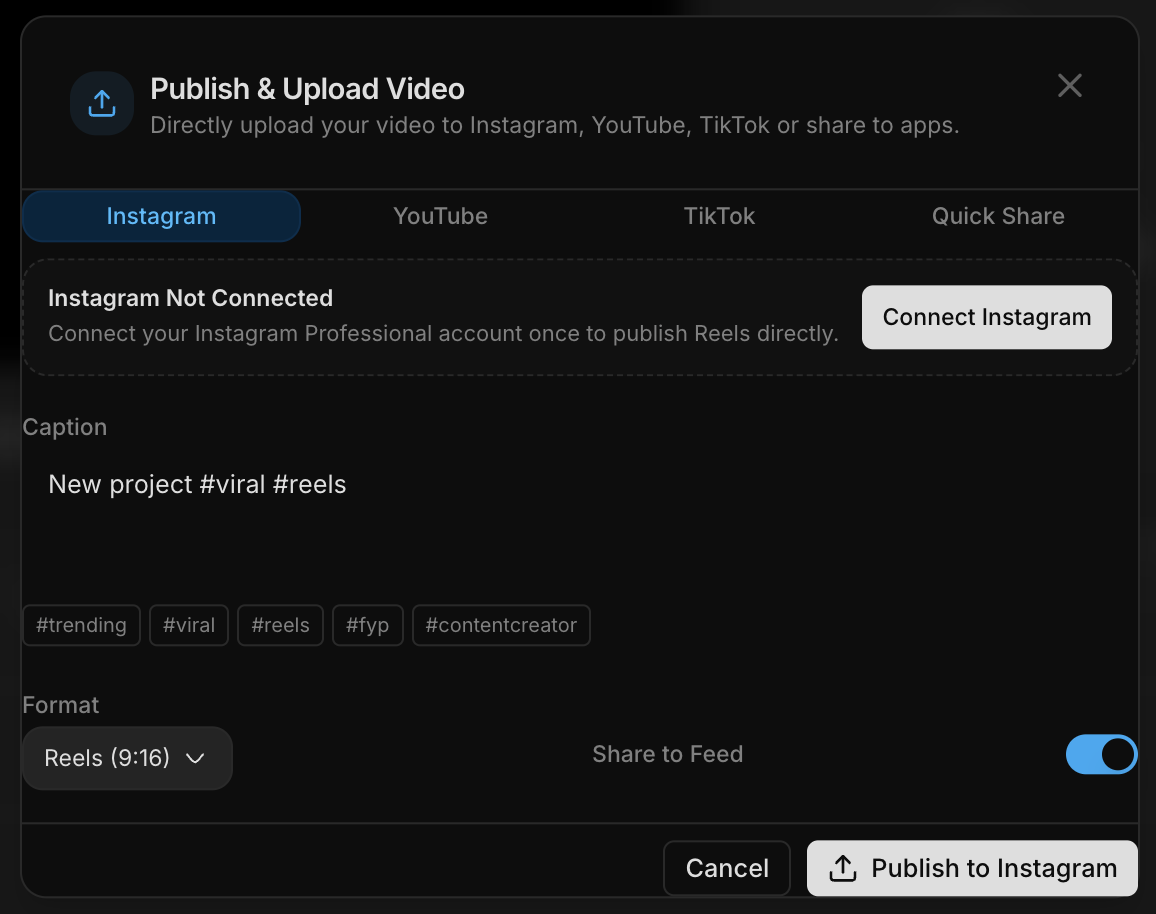
FinalCliper AI — Autonomous Video Editing Agent
From raw footage to a production-ready edit — autonomously.
Inspiration
Video editing is one of the most creatively rewarding yet tedious tasks in modern content creation.
Creators, educators, podcasters, and media teams routinely spend hours scrubbing through footage, finding meaningful moments, removing pauses, aligning audio, generating captions, adding B-roll, and adapting videos for multiple aspect ratios.
Most AI video tools still behave like chat assistants: the user asks for an edit, receives suggestions, and then manually executes them.
We asked:
What if an AI agent wasn't just a chatbot, but an autonomous editor that could understand raw footage, reason about narrative structure, plan a timeline, and execute the edit?
That question led us to build FinalCliper AI.
What it does
FinalCliper AI is an autonomous video editing agent powered by Gemini and Google Cloud.
Instead of requiring the creator to micromanage every editing step, the agent analyzes raw media, reasons about the desired output, creates an editing plan, and converts that plan into an executable multi-track timeline.
🎬 Autonomous Scene & Narrative Reasoning
FinalCliper analyzes video and audio to identify:
- Key moments
- Hooks
- Speech boundaries
- Pauses and dead air
- Pacing changes
- Relevant scenes
- Narrative structure
It uses this information to determine what should stay, what should be removed, and how the story should flow.
✂️ Multi-Track Timeline Orchestration
The agent doesn't simply return timestamps.
It constructs a structured editing plan containing:
- Video cuts
- Audio synchronization
- B-roll overlays
- Background music
- Audio ducking
- Transitions
- Multi-track sequencing
The resulting plan is compiled into an Edit Decision List (EDL) and passed to our editing engine.
💬 Context-Aware Animated Captions
FinalCliper transcribes speech and analyzes the transcript for emphasis.
It can generate:
- Word-level timing
- Animated subtitles
- Emphasis styling
- Caption positioning
Captions become part of the storytelling instead of simply displaying a transcript.
📱 Intelligent Auto-Framing
The same content can be prepared for:
- 16:9 — YouTube
- 9:16 — Shorts, Reels, TikTok
- 1:1 — Social feeds
Multimodal visual analysis identifies the focal subject and adjusts framing to keep the important content visible.
⚡ Asynchronous Background Execution
Long video analysis and timeline generation can be computationally expensive.
FinalCliper offloads heavy workloads to Google Cloud Run, allowing the creator to continue working while the agent executes in the background.
Once processing is complete, the resulting timeline can be brought directly into the FinalCliper editing environment.
How we built it
FinalCliper combines an agentic reasoning layer, Google Cloud infrastructure, and a high-performance Rust/WASM editing engine.
                    RAW MEDIA
                        │
                        ▼
              ┌──────────────────┐
              │  Google Cloud    │
              │      Run         │
              │   Agent Backend  │
              └────────┬─────────┘
                       │
                       ▼
              ┌──────────────────┐
              │ Gemini Multimodal│
              │     Analysis     │
              └────────┬─────────┘
                       │
                       ▼
              ┌──────────────────┐
              │ Scene + Speech + │
              │ Narrative Analysis│
              └────────┬─────────┘
                       │
                       ▼
              ┌──────────────────┐
              │ Reasoning &      │
              │ Timeline Planner │
              └────────┬─────────┘
                       │
                       ▼
              ┌──────────────────┐
              │   Rust / WASM    │
              │  Editing Engine  │
              └────────┬─────────┘
                       │
                       ▼
              ┌──────────────────┐
              │ Multi-Track EDL  │
              │       v1         │
              └────────┬─────────┘
                       │
                       ▼
              ┌──────────────────┐
              │  Next.js Studio  │
              │  Interactive UI  │
              └────────┬─────────┘
                       │
                       ▼
                  EXPORT / PUBLISH
Agentic Architecture
The key idea behind FinalCliper is the separation between reasoning and execution.
The agent follows:
UNDERSTAND
     ↓
ANALYZE
     ↓
REASON
     ↓
PLAN
     ↓
EXECUTE
     ↓
VERIFY
1. Understand
The agent receives the creator's objective and raw media.
2. Analyze
Gemini processes multimodal video and audio information to identify relevant scenes, speech, visual context, and important moments.
3. Reason
The system determines narrative structure, pacing, important moments, and the edits required to achieve the creator's objective.
4. Plan
The reasoning layer converts those decisions into a structured timeline.
5. Execute
The structured plan is passed to the Rust/WASM editing engine and compiled into an EDL.
6. Verify
The resulting timeline is checked before being surfaced to the creator.
This makes FinalCliper closer to an AI worker that performs a task rather than a chatbot that only provides suggestions.
Google Cloud + Gemini
Google Cloud provides the infrastructure required for asynchronous agent execution.
Google Cloud Run
Cloud Run hosts the backend workloads responsible for agent execution and heavy processing.
Gemini
Gemini provides multimodal reasoning over video and audio.
It helps FinalCliper understand:
- Visual scenes
- Speech
- Narrative context
- Important moments
- Editing intent
This allows the agent to reason over both what is being said and what is happening visually.
Editing Engine
The AI agent does not directly manipulate the browser timeline.
Instead, FinalCliper uses a deterministic execution pipeline:
AI Reasoning
     ↓
Structured Edit Plan
     ↓
EDL v1
     ↓
Rust / WASM Core
     ↓
FinalCliper Editor
The AI decides what the edit should be.
The deterministic editing engine handles how the edit is executed.
This separation improves reliability and keeps the final timeline editable.
Why this is agentic
A traditional AI video workflow looks like:
User
 ↓
Ask AI
 ↓
Receive suggestions
 ↓
User performs edits
 ↓
Repeat
FinalCliper aims for:
Creator
   ↓
Provide goal + footage
   ↓
AI Agent
   ↓
Analyze
   ↓
Reason
   ↓
Plan
   ↓
Execute
   ↓
Production-ready timeline
   ↓
Creator reviews
The creator remains in control, while repetitive production work is delegated to the agent.
What makes FinalCliper different?
Traditional AI video tools
Generate suggestions.
FinalCliper
Executes an editing workflow.
The shift is:
AI-assisted editing → Agentic editing
Instead of only answering:
"How should I edit this?"
FinalCliper attempts to answer:
"What should the final edit look like, and how do I construct it?"
Demo
Our demo follows a complete editing workflow.
1. Upload raw footage
The creator provides a long-form recording.
2. Define the goal
The creator tells the agent what they want to produce.
3. Analyze
Gemini identifies important scenes, speech segments, hooks, pauses, and pacing.
4. Plan
The reasoning layer generates the editing structure.
5. Compile
The structured edit plan becomes an EDL.
6. Open in FinalCliper
The creator receives an editable multi-track timeline.
7. Review and export
The creator can make final creative decisions before publishing.
Technical Stack
AI & Agent
- Gemini multimodal models
- Agentic orchestration
Cloud
- Google Cloud
- Cloud Run
Frontend
- Next.js
- React
- TypeScript
Editing
- Rust
- WebAssembly
- Multi-track EDL v1
Media Intelligence
- Video analysis
- Audio analysis
- Speech transcription
- Caption generation
- Auto-framing
- Aspect-ratio transformation
Challenges we ran into
Making AI decisions executable
Generating an editing suggestion is significantly easier than converting that suggestion into a deterministic timeline.
We solved this by separating:
AI reasoning → structured edit plan → deterministic EDL execution
Long-running workloads
Video processing can be computationally expensive and unsuitable for synchronous browser execution.
We moved heavy workloads into asynchronous Google Cloud execution.
Maintaining creative control
We didn't want an autonomous system to become a black box.
The final result is therefore an editable timeline that the creator can inspect and modify.
What's next?
Our long-term vision is to evolve FinalCliper from an autonomous video editor into a Content Intelligence & Creation Agent.
Future capabilities include:
- Persistent content memory
- Content knowledge graphs
- Content opportunity discovery
- Audience intelligence
- Multi-agent content strategy
- Automated experimentation
- Performance-driven learning
- Autonomous content missions
- Creator-specific content recommendations
The ultimate goal:
FinalCliper doesn't just edit what you already recorded.
It helps you decide what you should create next.
Impact
For creators, FinalCliper reduces repetitive production work and gives them more time for creative decisions.
For educators and podcasters, it can transform long-form recordings into multiple formats more efficiently.
For media teams, it provides a path toward automating repetitive editing workflows while keeping humans in control of the final creative result.
More broadly, FinalCliper demonstrates how agentic AI can move beyond content generation toward real-world creative task execution.
FinalCliper in one sentence
FinalCliper is an autonomous AI video editing agent that understands raw media, reasons about the story, plans the edit, and executes the timeline for you.
Don't just create more content.
Create what's next.
Built With
- bun
- gemini-3.5-flash
- google-adk
- google-cloud
- google-cloud-run
- next.js
- react
- rust
- tailwindcss
- typescript
- vertex-ai
- webassembly
- webassembly-(wasm)
- webgpu


Log in or sign up for Devpost to join the conversation.