-
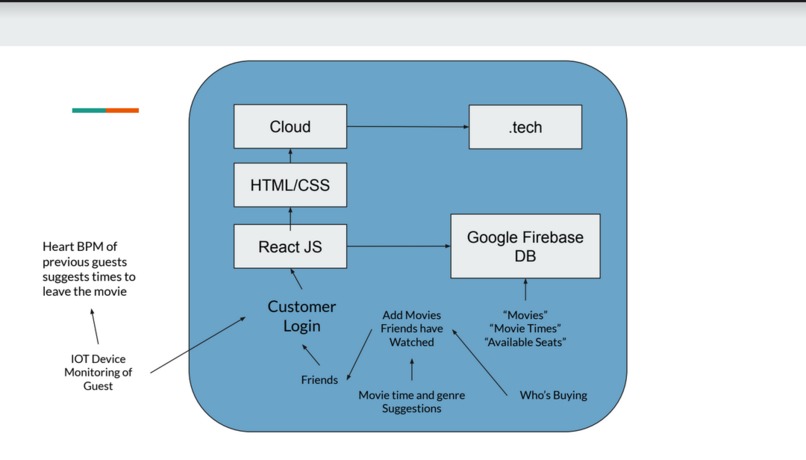
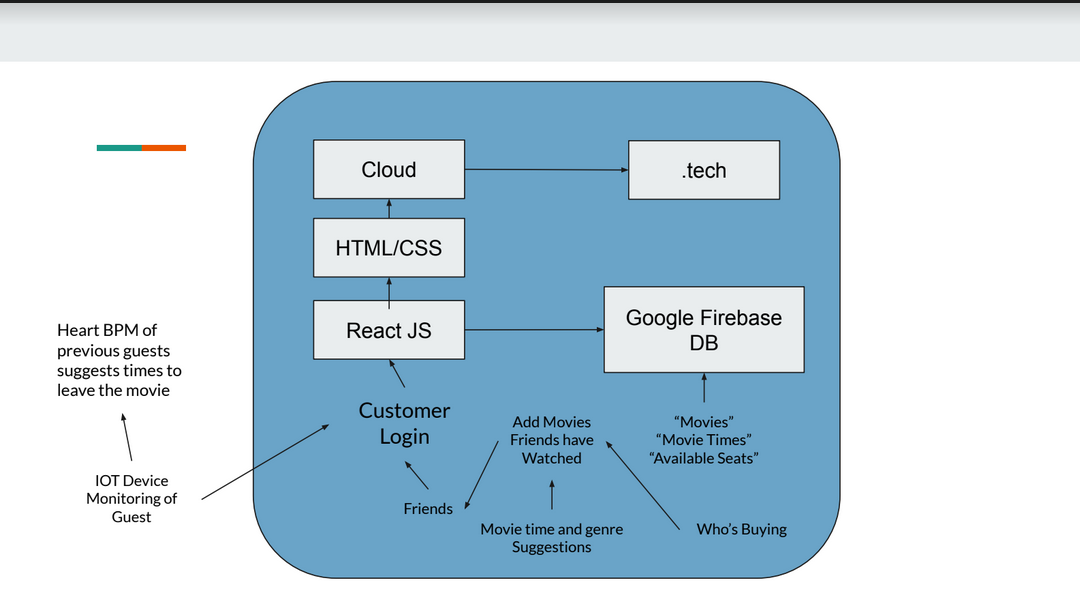
Revised Project Diagram
-
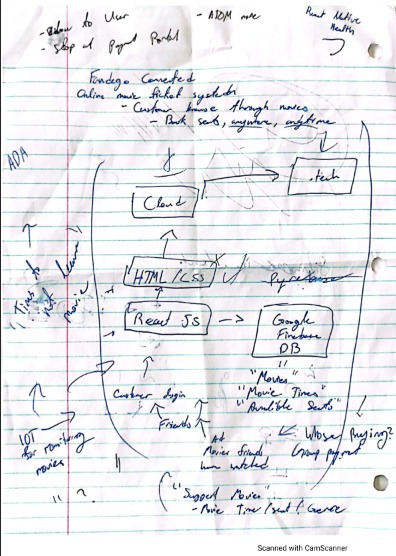
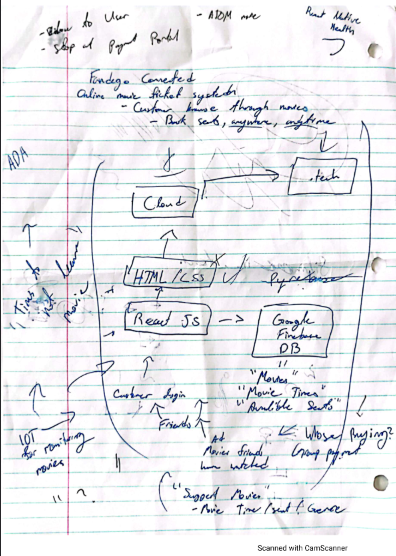
Initial Project Diagram
-
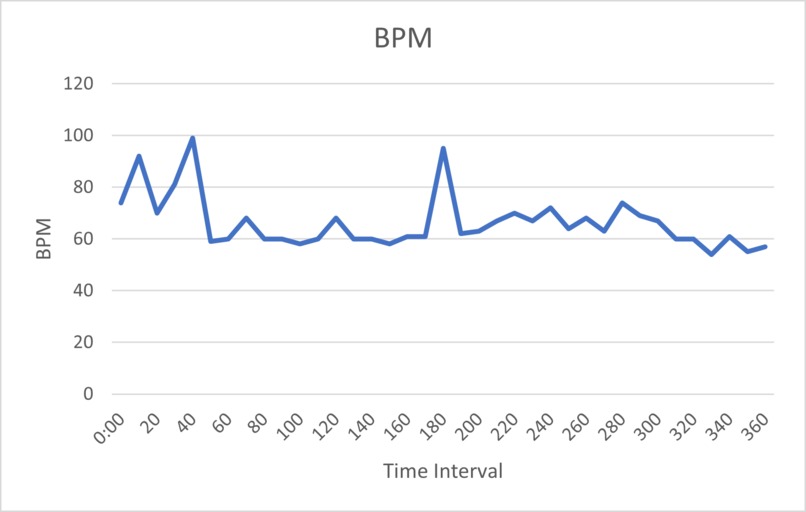
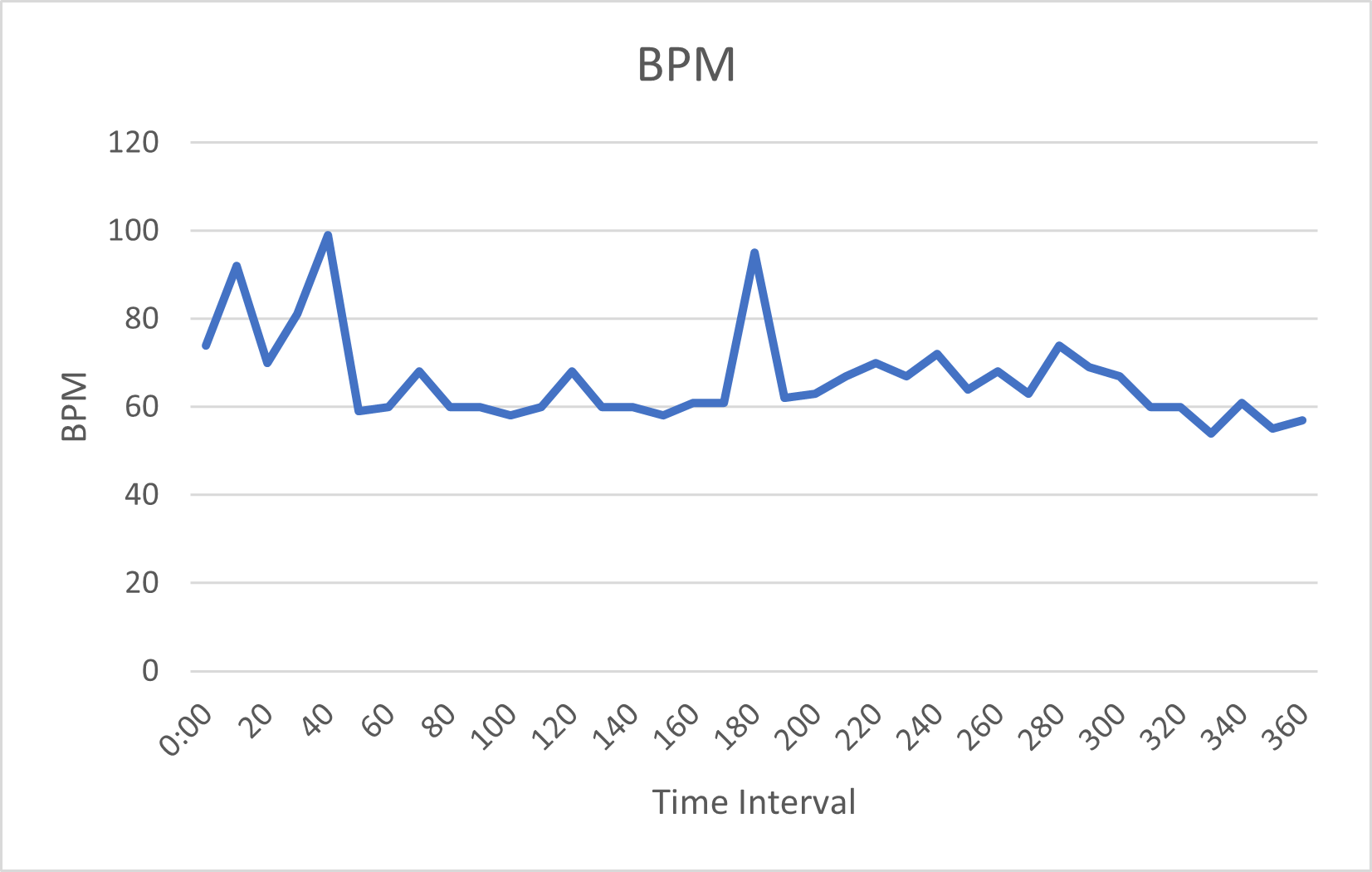
Example Refrence BPM Data from Google Fit
-
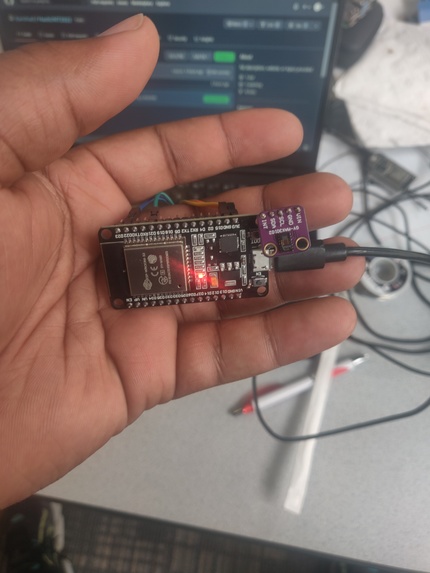
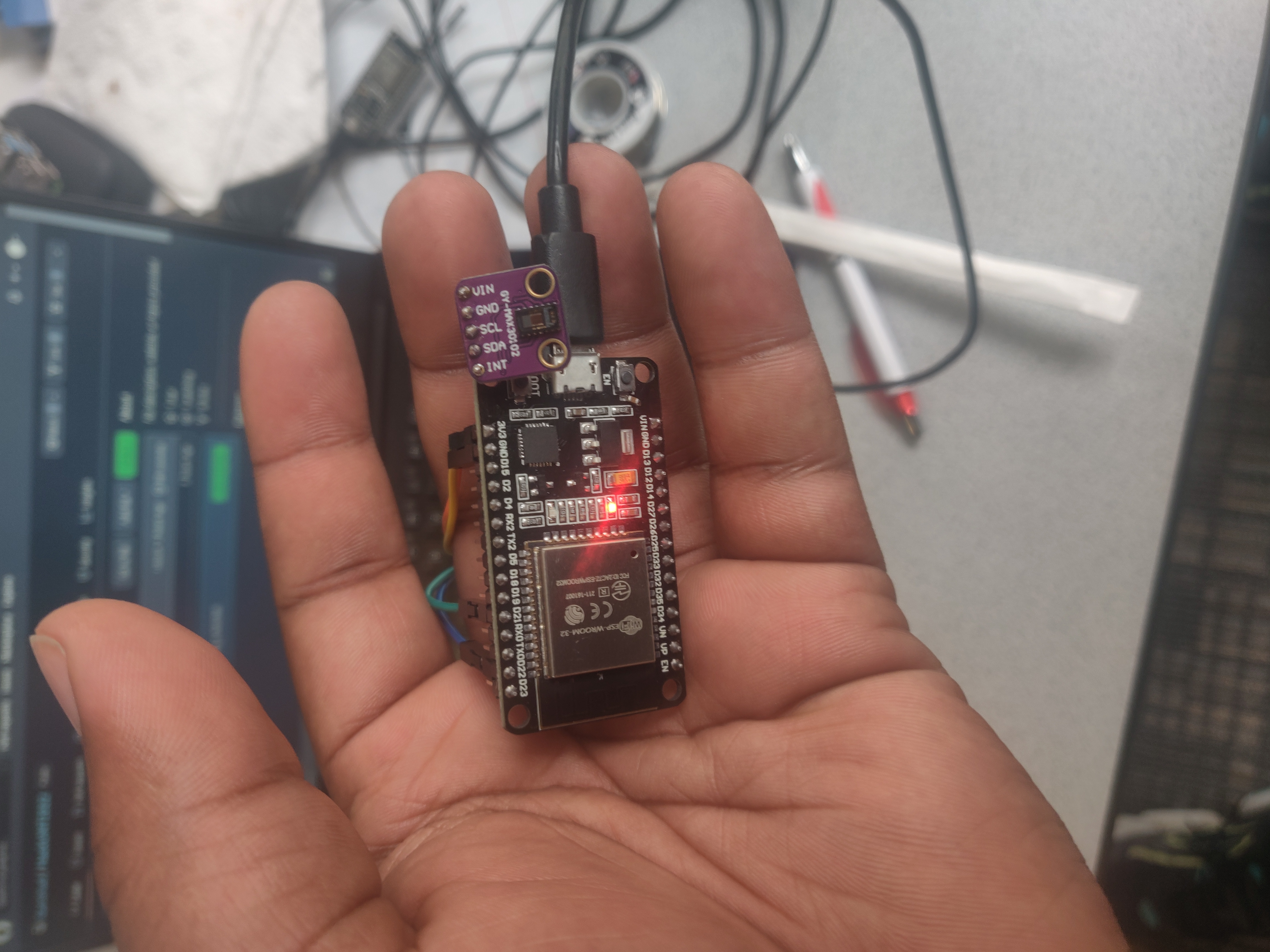
ESP32 with Heart Rate Monitor
Inspiration
Movie ticket booking systems such as Fandango are great service platforms for acquiring tickets conveniently. What they lack however is a social networking system which allows friends to connect to one another through the booking application. Our goal is a fusion of the two paradigms into one streamlined application.
What it does
Online movie and event ticketing system that links together the tickets and seats of friends using their existing preferences and ticketing reservations in order to streamline the process of reserving ticketing systems. Once the customer has purchased their ticket they have to option to record their heart rate in bpm and have it compared against a previously recorded data. using group trends of spikes and lulls recommendations for when it is safe to leave the there based on the previous audience's bpm data paired with movie time stamps indicating film interactions.
How we built it
The react application portion of the project focused first on building a framework similar to the functionality of Fandango. Here the application was intended to run off the Google Cloud infrastructure with the backend of the project intended to be hosted on Firebase DB. We created a base node js project to work our application off of, from there we intended the home application to function as the sign_in sheet. Some user loggin data was hardcoded to a database located within the sign_in.jsx file to verify, once verified the user is then intended to move on to a movie selection webpage.
IoT portion of the project was incidentally created using an ESP32 and the MAX10102 hear rate and oxygen sensor and its library. The sensor would scan the user's BPM with a finger or other bodily appendage placed on the base of the sensor. This data would then be compared to a baseline set of data extracted from google fit, designed to mimic audience average data. The device will make recommendations to the user on weather it is safe to leave your seat based on audience engagement indicated from higher or lower measured bpm values when compared to the baseline.
Challenges we ran into
We ran into issues of routing the sign_in button which halted our progress in testing the functionality of our other webpages. Additionally, our application team struggled in creating effective front_end interfaces and this lead to poor routing and eventually a poor completion of the project.
While the wiring for the initial BPM sensor was operational at some point in the project, the sensor died when attempts to rewire the breadboard prototype where made in order to make the device easier to handle as the rest of the prototyping process continued.
Accomplishments that we are proud of and what we learned
Being able to practice implementing front_end in a full stack application is an accomplishment that we are proud of. We learned of the library https://codepen.io/ which features a large collection of downloadable and implementable front_end CSS. While we unable to add any CSS, it is something that we will take forward for other projects.
Additionally we are proud of being able to run our application on the Google Cloud as well as route the domain through a .tech domain.
While I was not able to record the data from the ESP heart rate sensor before it died, we are happy with the fact that we where able to get get the sensor working, despite it being my first time with both this development board and sensor in the Arduino IDE as well as get data pulled from the Google fit app.
What's next for Film Me In
We look forward to implementing a fully functioning base application for Film Me In. This will include the webpage for when a user logs in: displaying booked movies, available movies and movie suggestions. Adding a friend feature to assist in movie recommendations. And lastly but most importantly, integrating IoT responsiveness to a movie: such as recording and analyzing data from when a heart monitor spikes in a horror movie. This data will be used to recommend to patrons when a good time to leave a movie is and when it is not.
Integration into real-world IoT devices such as a Fitbit and apple watch. Here these purpose build everyday carry IoT devices will be able to read in consist and accurate sensor readings for our application purpose.

Log in or sign up for Devpost to join the conversation.