-
-
-
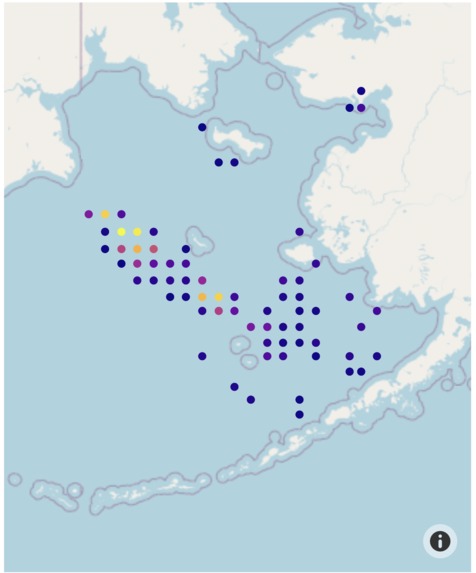
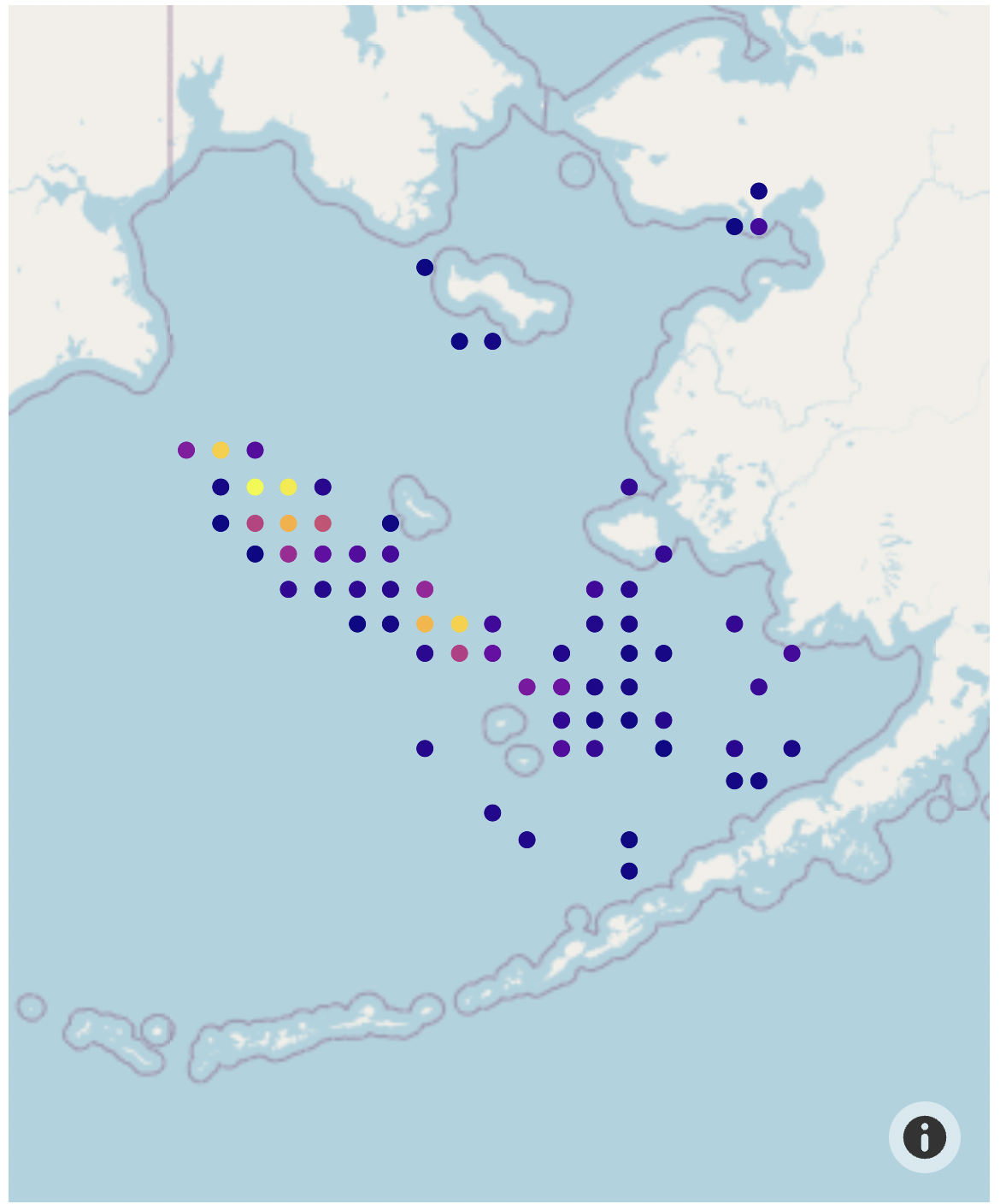
Sparse chlorophyll data.
-
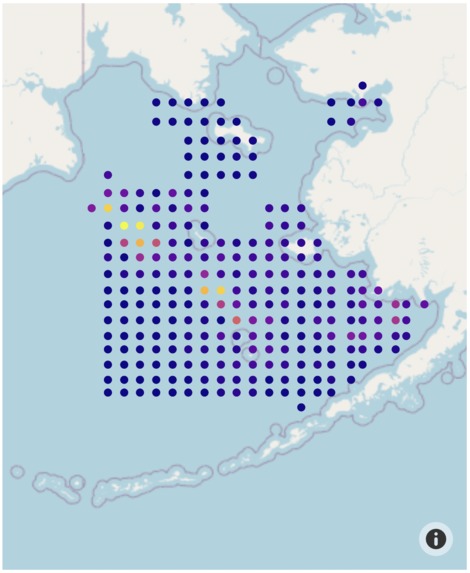
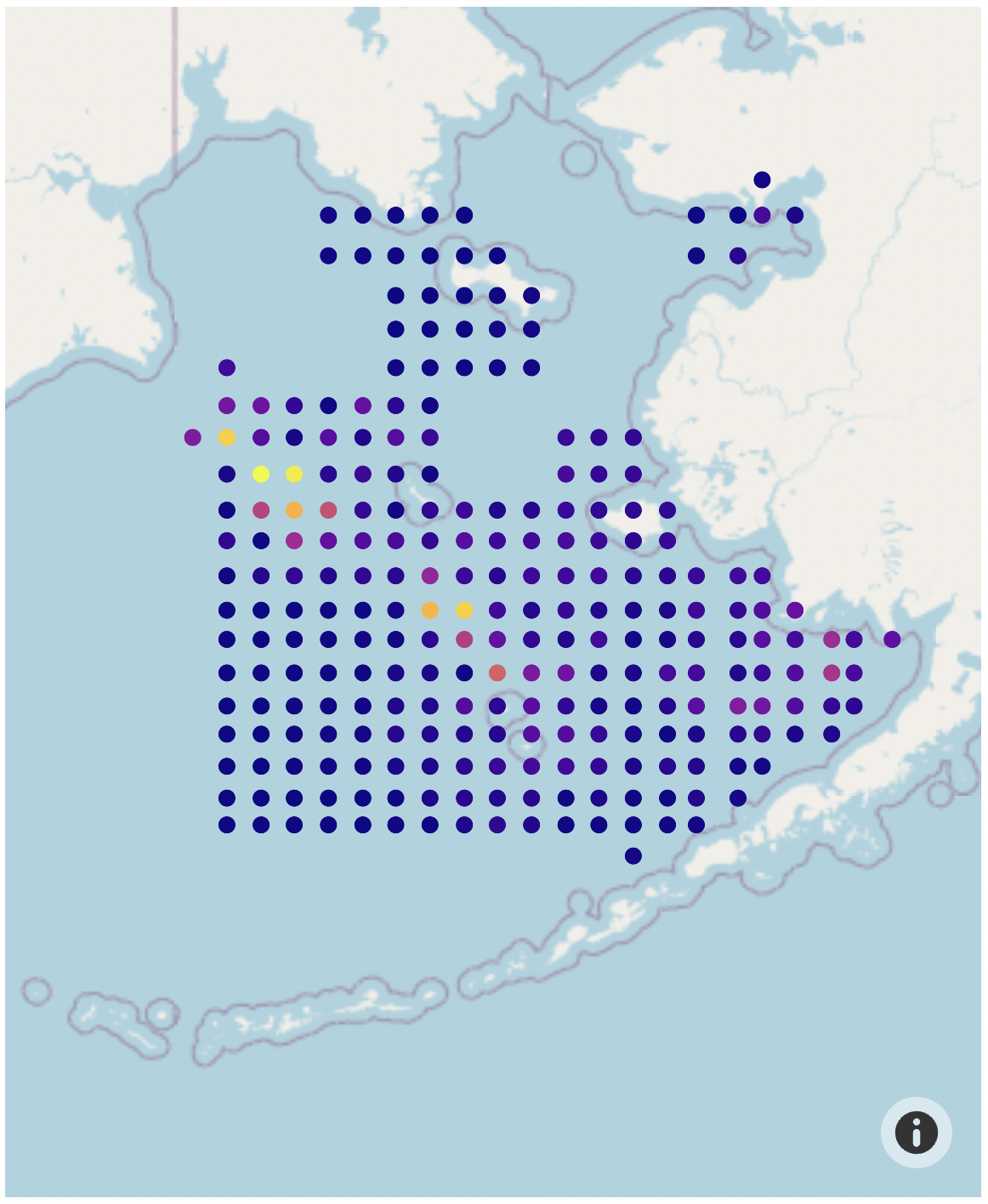
Chlorophyll data populated with RNN model.
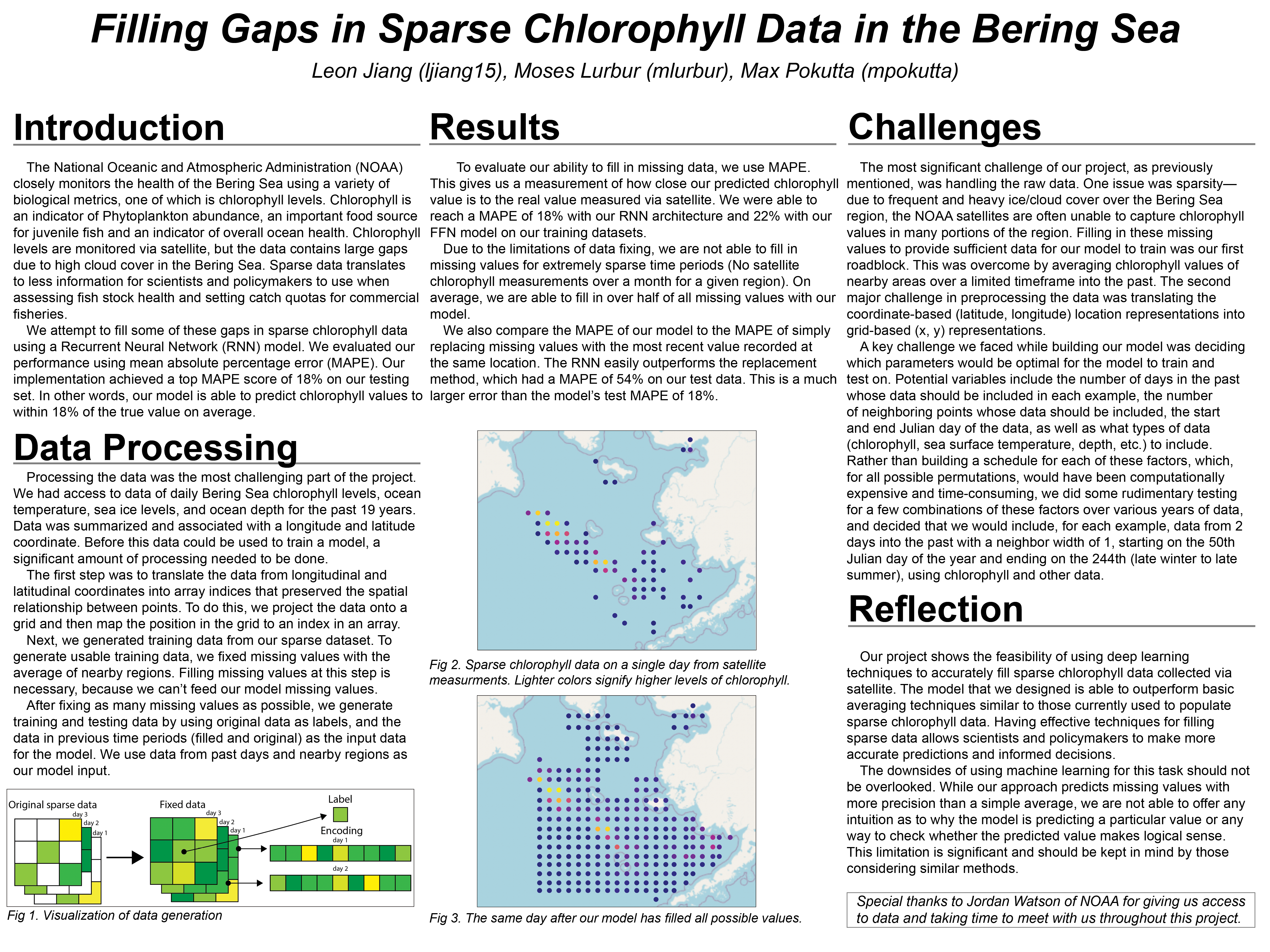
Filling gaps in sparse spatio-temporal chlorophyll data in the Bering Sea
Moses Lurbur (mlurbur), Max Pokutta (mpokutta), Leon Jiang (ljiang15)
Check out our final report
Introduction:
- The National Oceanic and Atmospheric Administration (NOAA) closely monitors the health of the Bering Sea using a variety of biological metrics, one of which is chlorophyll levels. Chlorophyll is an indicator of Phytoplankton abundance, an important food source for juvenile fish and indication of overall ocean health.
- Chlorophyll levels are monitored via satellite, but the data contains large gaps due to high cloud cover in the Bering Sea.
- Our project will attempt to implement some form of structured prediction to fill the gaps in Chlorophyll data. This topic by discussions about applications of DL with some of Moses’s past colleagues at NOAA. This project is an opportunity to apply DL to a highly relevant issue with potential impacts on fisheries regulations, policy and overall understanding of ocean health and dynamics in the Bering Sea.
- We will be consulting with a scientist at NOAA during the project to ensure we have a strong understanding of the problem, deliver meaningful results and have access to data.
- Concretely, we are aiming to solve a regression problem, predicting chlorophyll levels, under a supervised learning framework using historical data to train and test our model.
Related Work:
- A Spatiotemporal Prediction Framework for Air Pollution Based on Deep RNN
- This paper compares a variety of techniques for predicting air pollution levels using a data set with missing values. They found that a deep recurrent neural net (LSTM) had the best performance. They detail ways to handle missing data values and work with spatio-temporal data using LSTMs.
- Using Deep Learning to Fill Spatio-Temporal Data Gaps in Hydrological Monitoring Networks
Data:
- We are using data that has been shared by NOAA. The data contains Chlorophyll, temperature, light, depth and ice data summarized over time and area intervals. The data is from 2003-present.


Log in or sign up for Devpost to join the conversation.