-
-
Fijelly app icon — 1024 × 1024
-
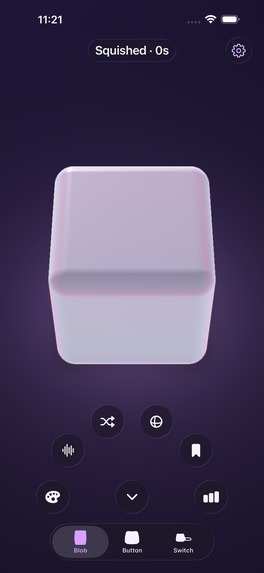
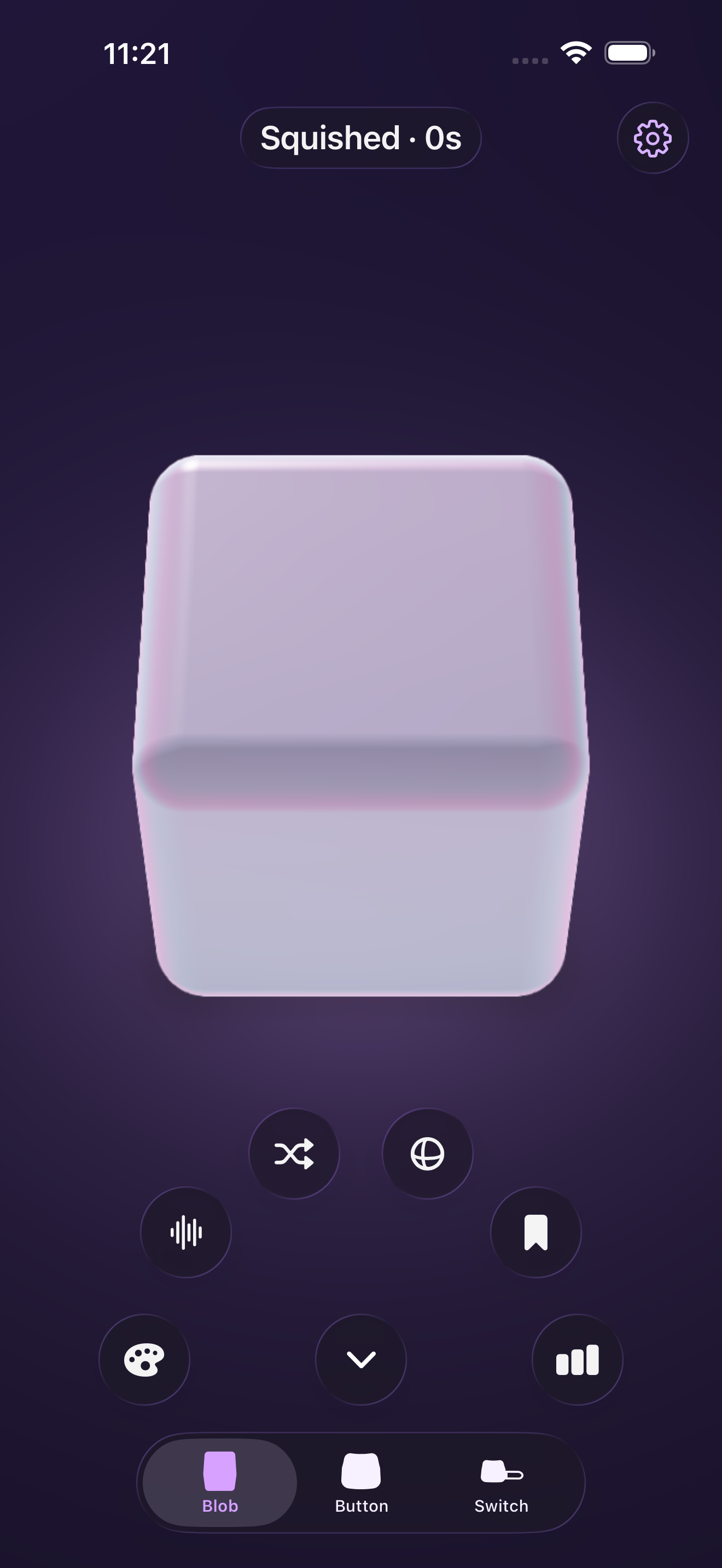
Make it yours: Pearl finish, colour and sound customisation.
-
-
-
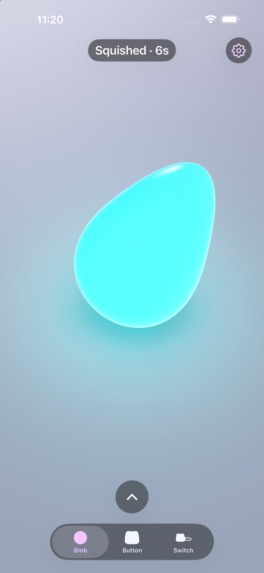
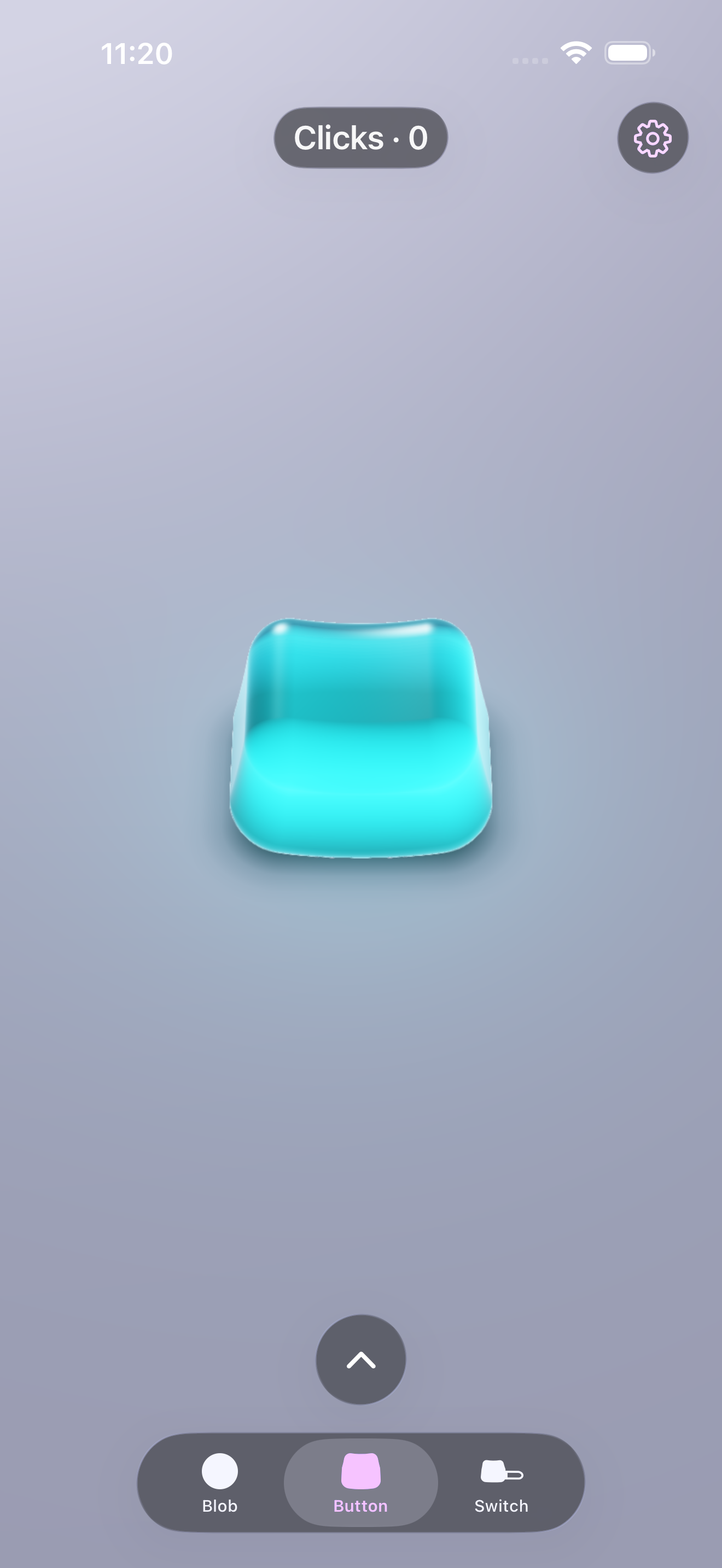
Inspiration
Fijelly explores a small question: how satisfying can a digital toy feel? The aim is to give busy hands a little space to play, with immediate feedback and room to find a favourite look, sound and feel.
What it does
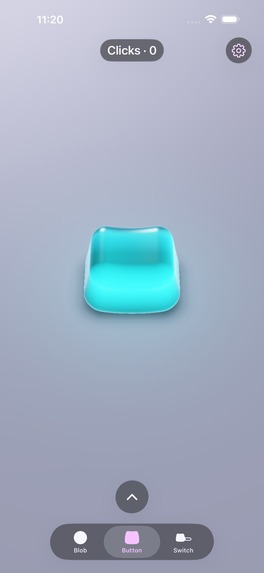
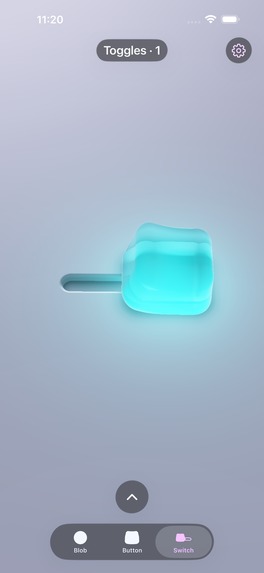
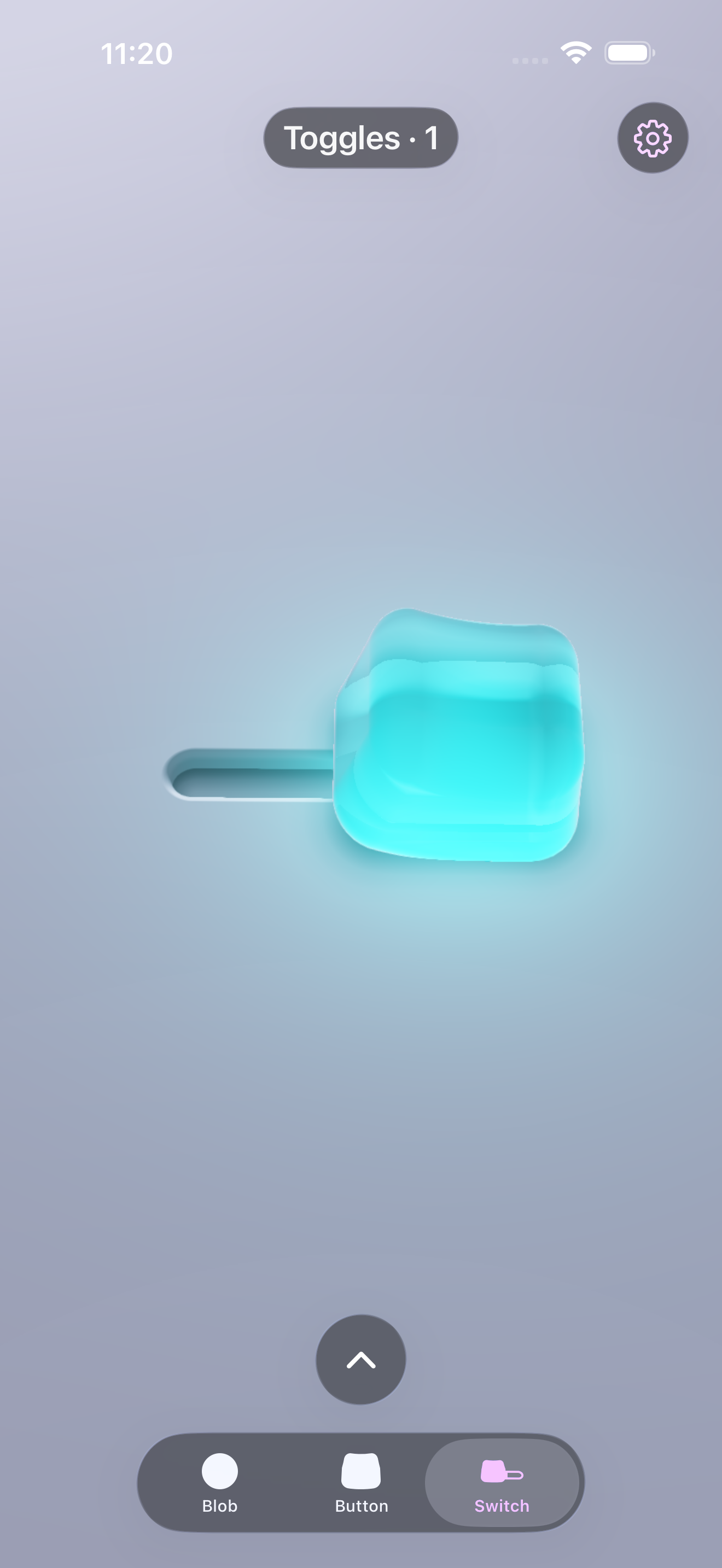
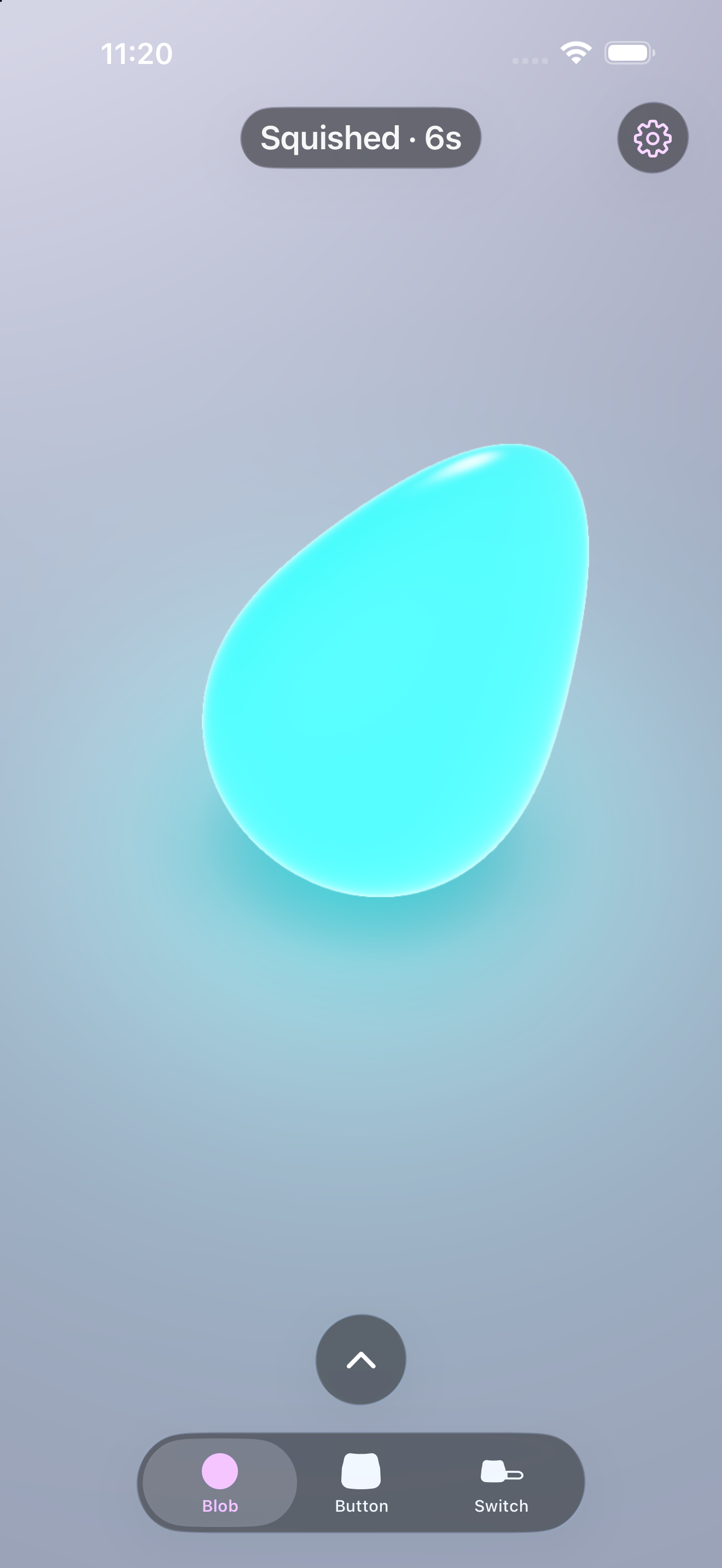
Fijelly brings three free jelly fidget toys to iPhone. Stretch and squish the Blob, press the Button, or flick the Switch. Each responds with animated movement, sound and haptic feedback on supported devices.
Players can change colours, backgrounds and sound profiles, rotate their view, save a favourite setup and discover achievements. Selected achievements unlock additional sounds.
Fijelly Plus is an optional lifetime purchase. It adds all built-in colours, custom colour pickers, Pearl and Frosted finishes, all included sounds, 27 alternate app icons and unlimited saved custom presets. All three toys remain free.
How we built it
The app uses Swift and SwiftUI, Metal rendering, Core Haptics and AVFoundation. Deformation events connect what a toy is doing on screen with its audio and tactile response. Each toy has its own interaction character, from a stretch and rebound to a press or a switch snapping into place.
RevenueCat powers the lifetime purchase and entitlement management. Saved presets and play statistics use local persistence with iCloud sync when available; current device settings remain local.
Parts of the Button and Switch rendering build on MIT-licensed ShaderKit and TypeGPU work, adapted and extended for Fijelly. Attribution is included in the app's third-party notices.
Challenges we ran into
A convincing toy needs more than a pleasing image. Coordinating touch, deformation, rebound, sound and haptics required careful timing. Customisation also needed to remain consistent across the playable toys, saved presets and purchase access.
Accomplishments we're proud of
Three distinct interactions share one playful visual language. Players can explore the core experience for free, earn selected sounds through play, and choose a lifetime upgrade for deeper personalisation.
The purchase model follows the experience: first discover a favourite toy, then decide whether to expand its character and save more combinations.
What we learned
The smallest interactions can carry the identity of an app. The timing of a release, the character of a sound and the response of a material matter as much as the number of features.
What's next
We want to use feedback from real players to refine the toys, discover which combinations people return to, and guide future additions.

Log in or sign up for Devpost to join the conversation.