-
-
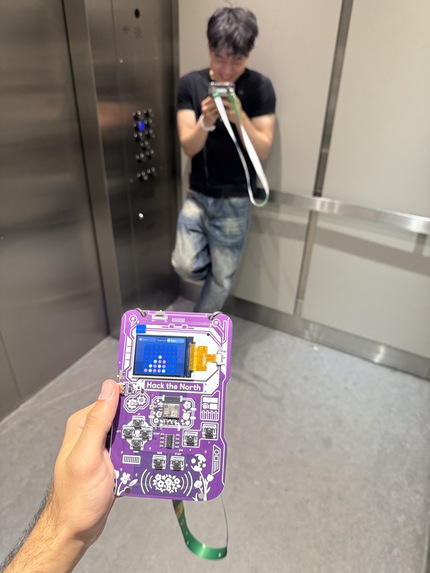
fun connect 4 experience
-
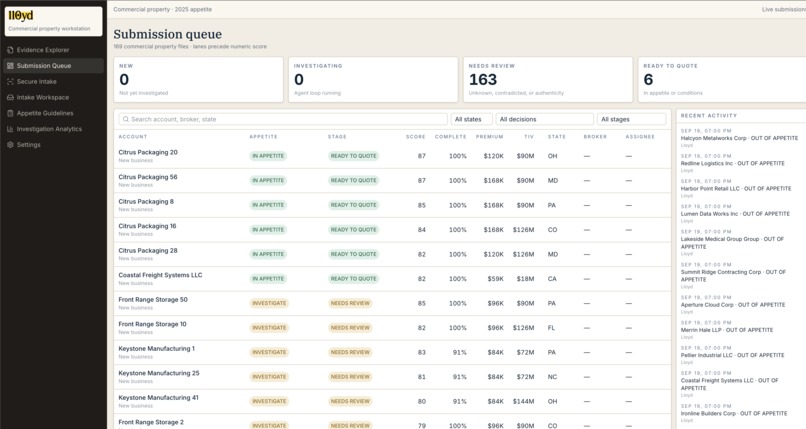
dashboard of submissions
-
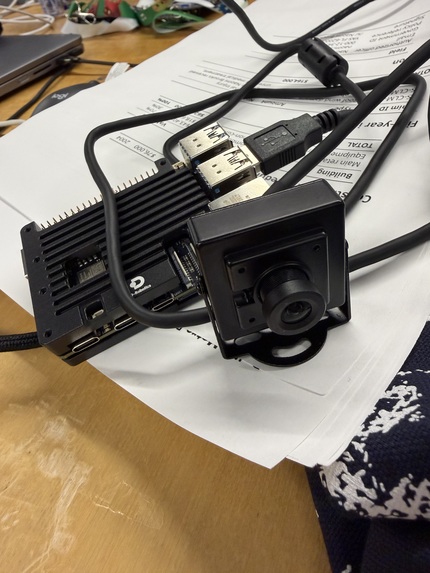
hardware
-
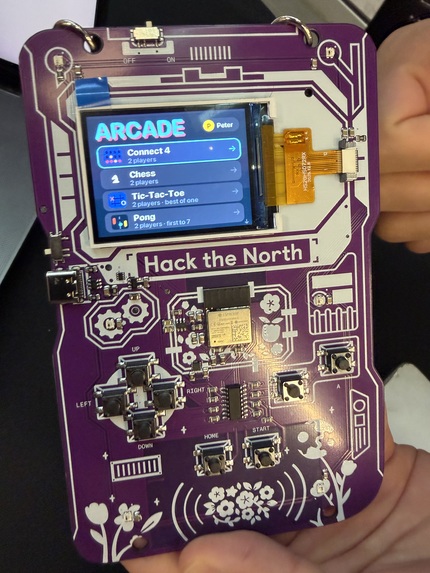
badge hack
-
ocr tech on the rdk x5
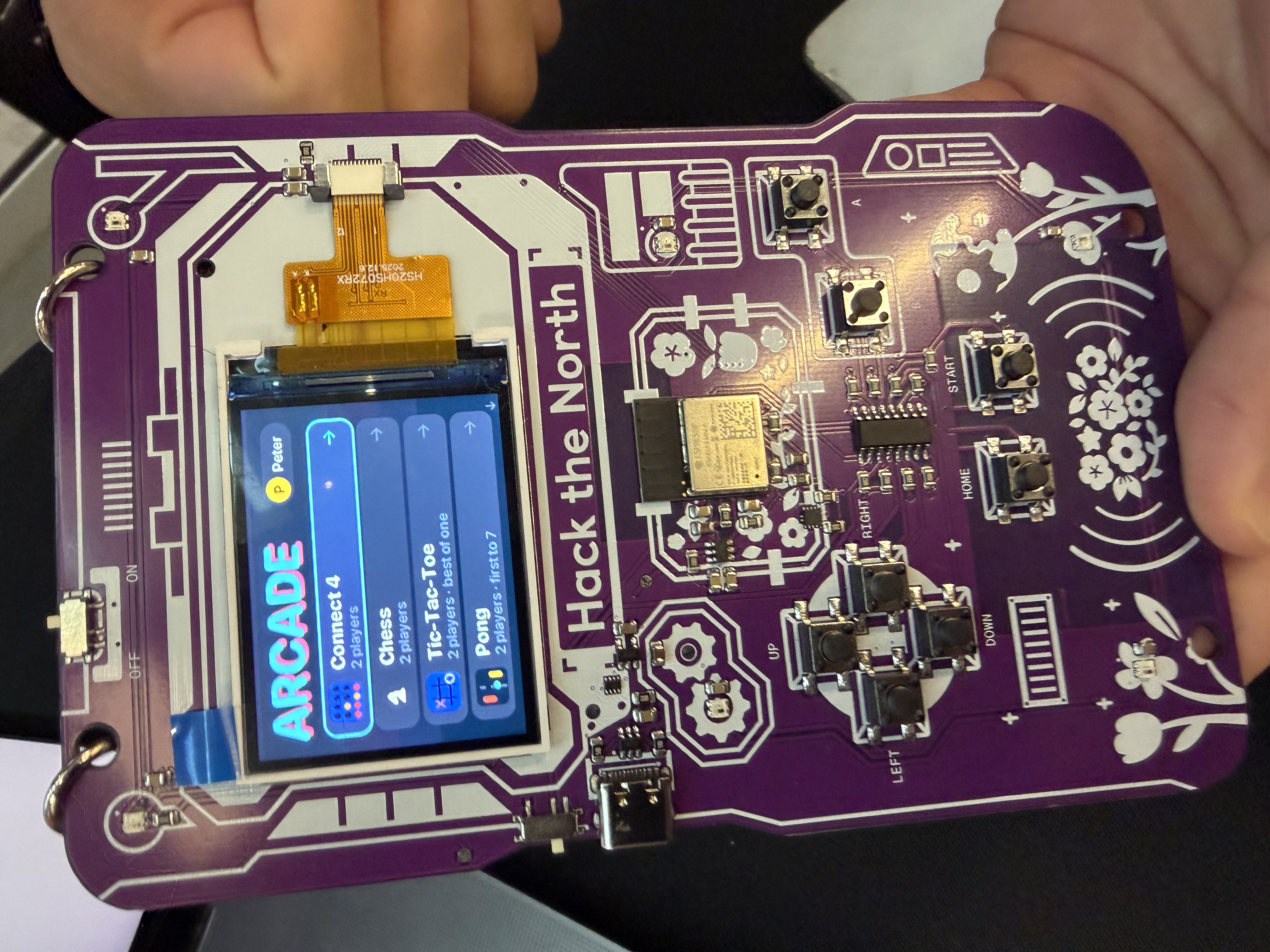
We have two projects, one main one called Lloyd, and then a badge hack as well. Badge hack is at the end.
Inspiration
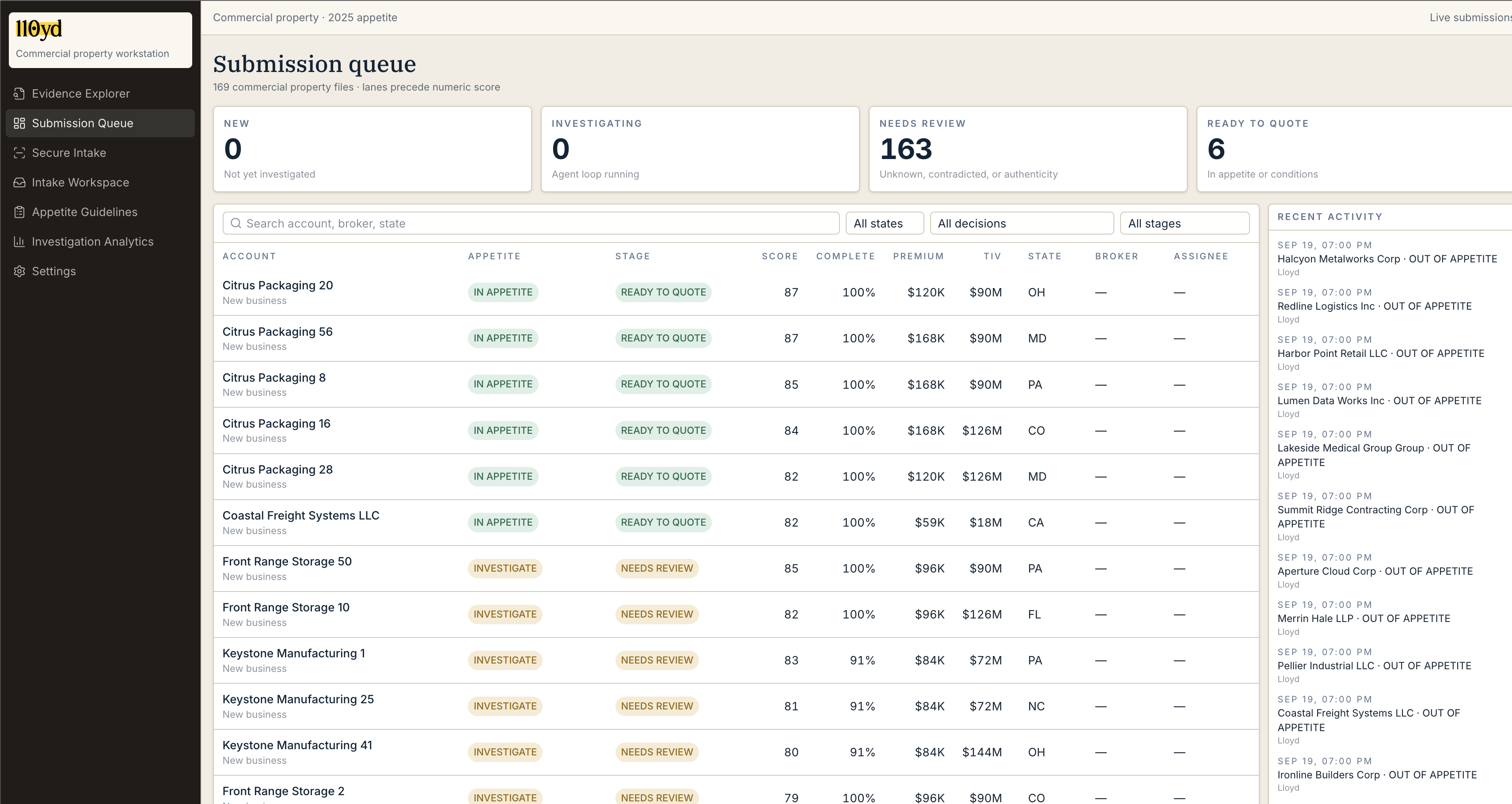
Insurance underwriters spend hours searching across policy records, loss runs, inspection reports, and appetite guidelines before they can make a decision. We built Lloyd to turn that fragmented information into an explainable recommendation without exposing sensitive submission data.
What it does
Lloyd:
- Ingests structured records from Federato
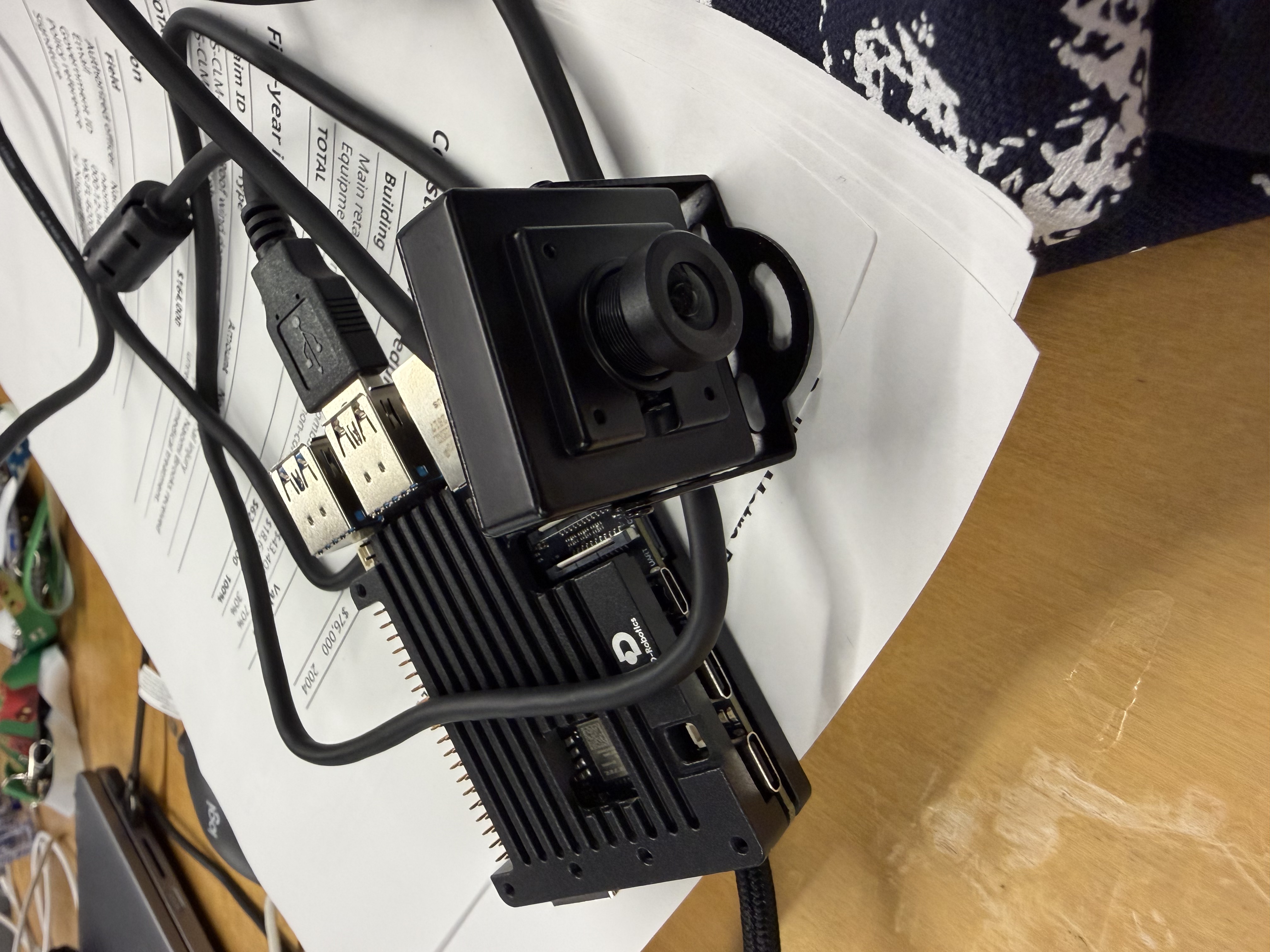
- Scans documents through an RDK X5 privacy gateway
- Extracts underwriting facts from sanitized documents
- Checks each fact against carrier appetite rules
- Detects missing or contradictory evidence
- Answers natural-language questions with citations
- Recommends the next best investigation action
For example, Lloyd can detect when a questionnaire says a building is fully sprinklered while an inspection report says an annex is unprotected. Instead of producing a generic summary, it marks the case Investigate, explains the contradiction, and requests the evidence needed to resolve it.
How we built it
The RDK X5 performs local OCR, sensitive-field detection, redaction, and tokenization. Original documents and identity mappings remain local.
Gemini extracts candidate facts from approved document pages. OpenAI plans bounded investigations and produces cited explanations. GPTZero provides AI-authorship signals and checks generated answers for unsupported claims.
Elasticsearch retrieves relevant evidence using lexical and vector search. MongoDB Atlas stores normalized cases and supports similar-case retrieval. Tiger Data stores pseudonymous operational telemetry and powers real-time analytics.
A deterministic appetite engine makes the actual classification. AI models cannot change verified facts, weaken carrier rules, or make binding underwriting decisions.
Challenges
Our largest challenge was preserving useful context without exposing private information. We created separate policies for redaction, tokenization, generalization, and cloud-approved data.
We also had to keep our two vector systems distinct: Elasticsearch retrieves supporting passages, while Atlas retrieves comparable cases. Finally, we designed the agent to take useful actions without giving it unrestricted control over underwriting decisions.
What we learned
We learned that trustworthy AI depends as much on boundaries as intelligence. Each service should receive only the information it needs, every conclusion should link back to evidence, and uncertainty should be visible instead of hidden.
Lloyd does not replace the underwriter. It removes repetitive evidence gathering so the underwriter can focus on judgment.
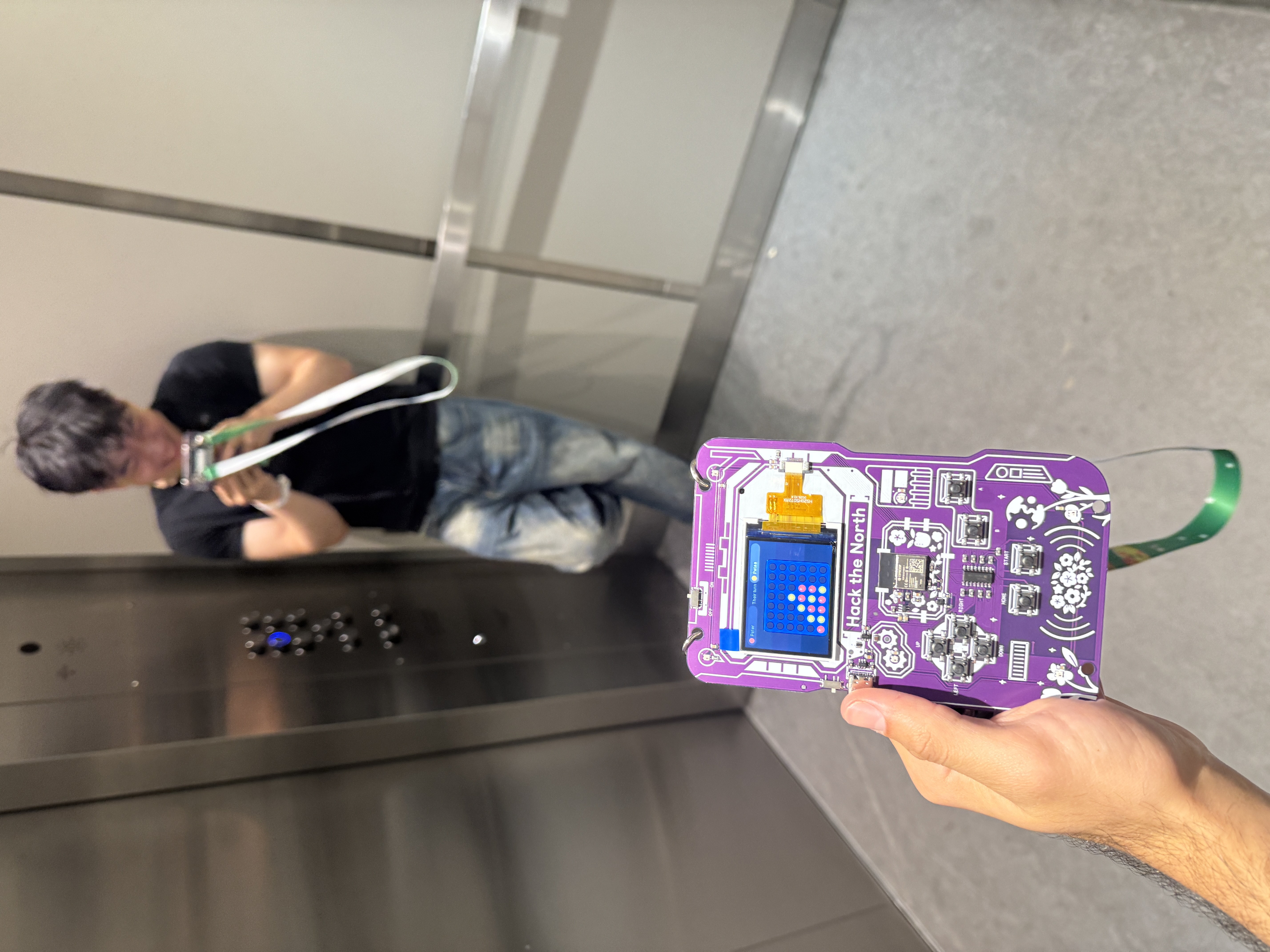
Badge hack: We can steal other hacker's identities whenever they bump with someone else. We also have games.
Built With
- elastic
- esp32
- mongodb
- tiger-cloud


Log in or sign up for Devpost to join the conversation.