-
-
-
-
Showcase
-
-
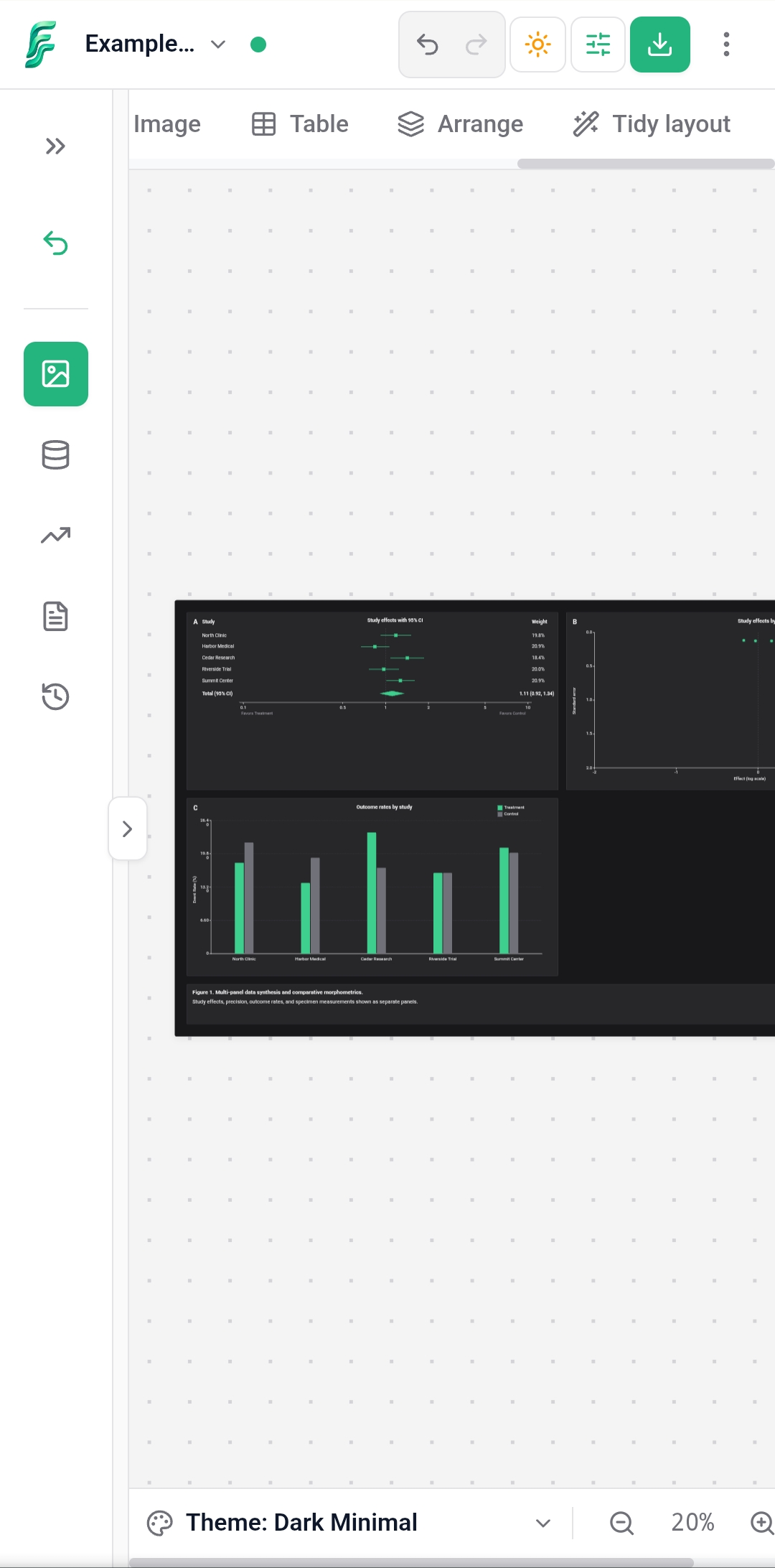
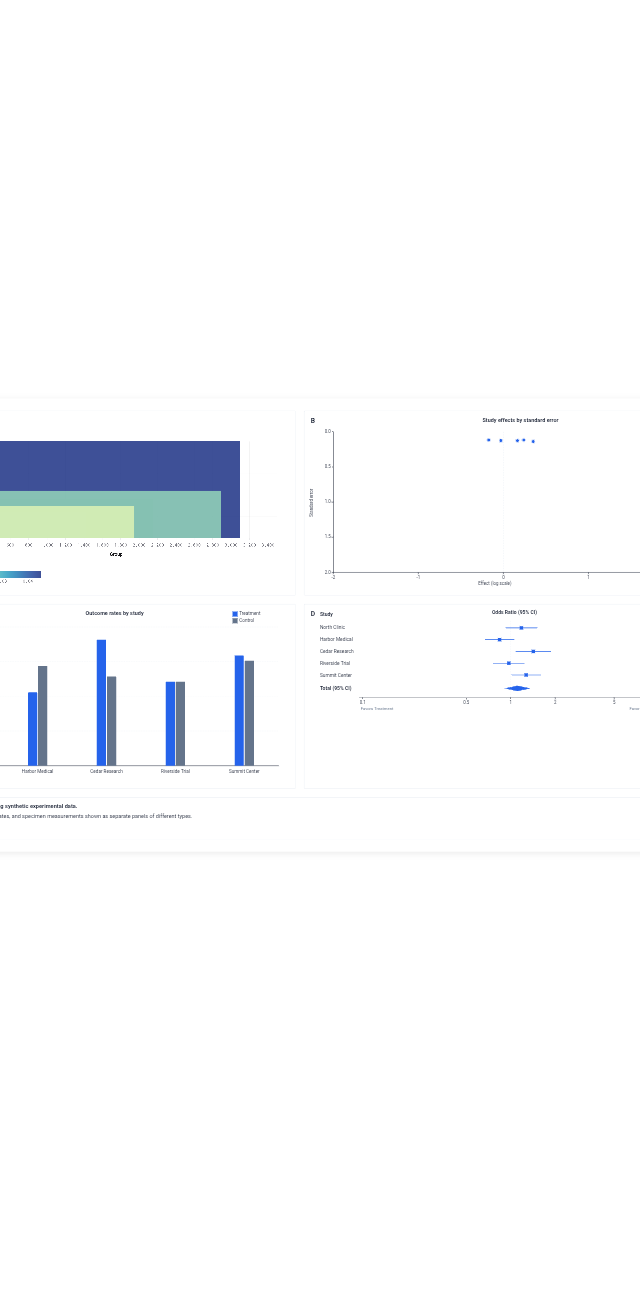
Why FigureFoundry Is a Strong Fit for WebMCP
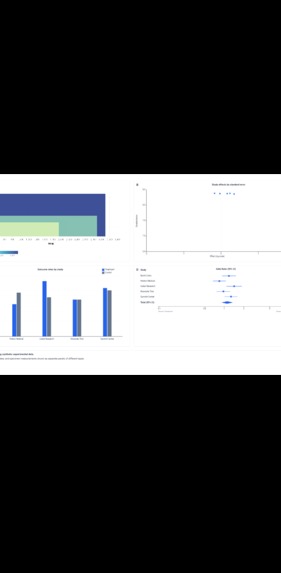
Scientific figure editors are exactly the kind of dense, form-heavy applications where agents currently struggle. Agents are often forced to navigate these interfaces by clicking through an unfamiliar DOM, while researchers spend excessive amounts of time manually performing tasks that an agent could draft in seconds.
FigureFoundry addresses this directly. It registers seven document.modelContext tools:
inspect_dataset_cataloginspect_dataset_fieldsinspect_figure_workspaceanalyze_datasetanalyze_group_comparisonpropose_figure_revisionapply_figure_revision
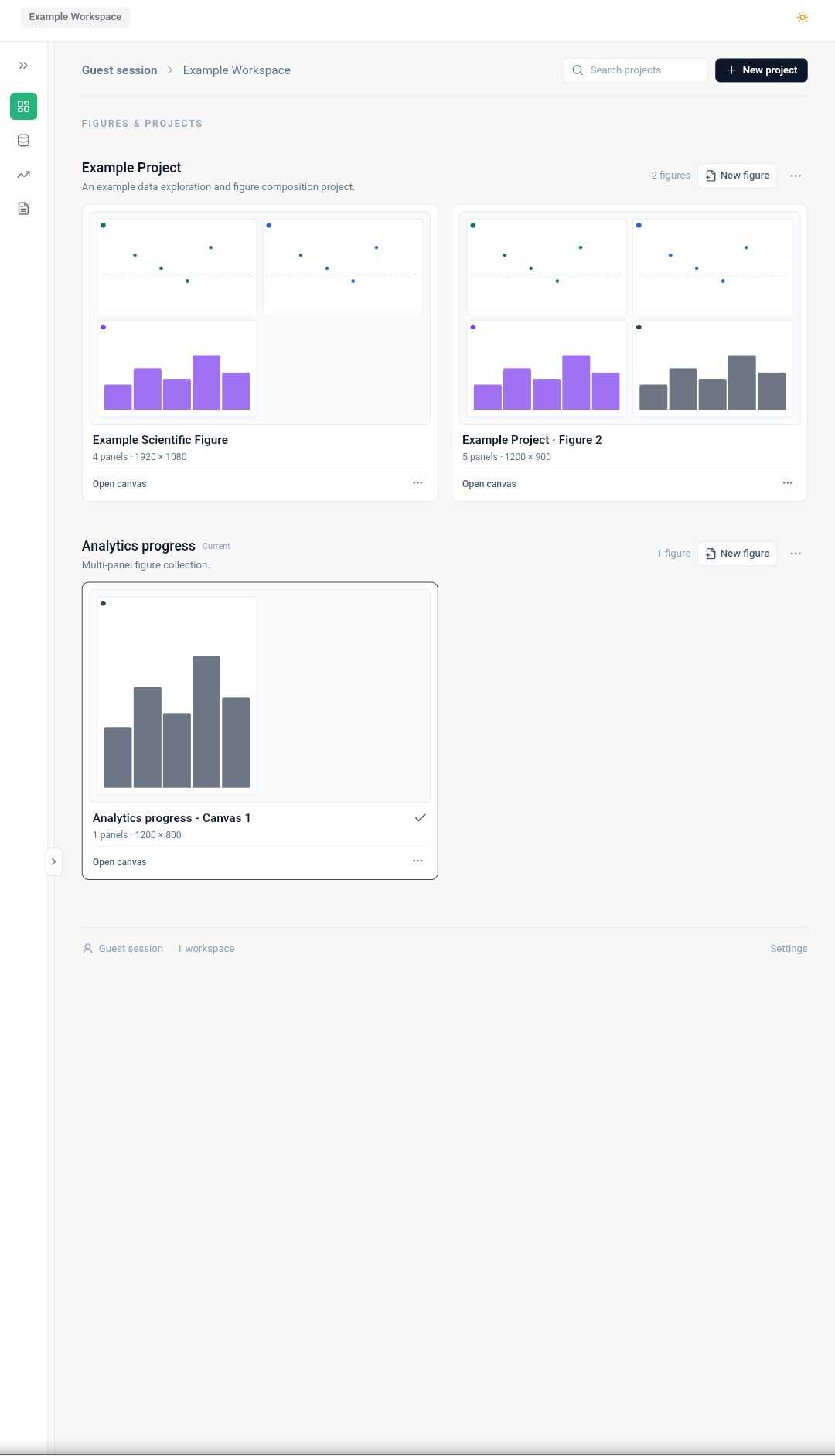
This allows an agent to inspect the actual dataset schema and current figure state rather than guessing at the interface structure. The agent can then propose a structured revision that FigureFoundry itself validates.
How It Creates a Better User Experience
A researcher can request something as simple as:
"Compare body mass by species, colored by island."
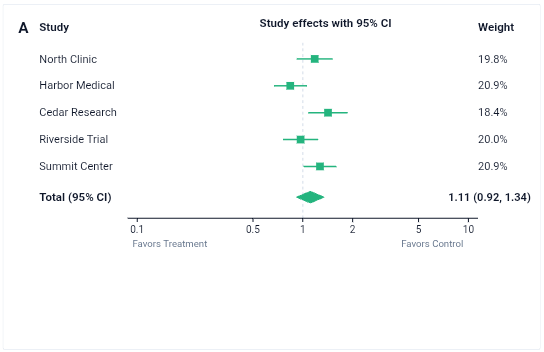
Instead of blindly interacting with the editor, the agent inspects the bound dataset's actual fields, runs a deterministic analysis, and stages a typed Figure Spec diff against the relevant panel.
Nothing immediately changes on the canvas. Every proposal is presented as a preview, and applying it requires explicit user confirmation showing both the target panel and the revision being applied.
The result is an agent that assists with the tedious work without taking scientific control away from the researcher.
What's Newly Possible
Previously, turning a request such as "compare these groups" into a correct, publication-ready panel required manual field mapping, chart-type selection, and statistical setup.
With WebMCP, the agent can perform the data inspection and analysis steps first. The researcher remains responsible for the scientific judgment: approving, discarding, or editing the proposed revision.
Every applied change is also recorded in an append-only provenance ledger, including the revision it was based on. This keeps the figure's history reproducible even when an agent contributes to its construction.
How We Implemented It
The tools are schema-bound to the active dataset, meaning an agent cannot propose a field that does not actually exist.
apply_figure_revision uses optimistic concurrency control through basedOnRevision and rejects proposals that are stale, unapproved, or target an invalid panel.
This makes the agent integration operational rather than cosmetic: the model is given structured access to the application's actual state, while the application remains responsible for validation and state changes.
Why FigureFoundry
There is no doubt that FigureFoundry is a straightforward concept. That is precisely why I chose to build it.
Its value is not in being a flashy novelty application. The efficiency implications are the point. Scientific figure editing contains exactly the kind of repetitive, structured interaction where WebMCP can have a meaningful impact: the agent can understand the data and application state, prepare the work, and explain what it intends to change, while the researcher retains control over the final scientific decision.
That is where I believe WebMCP has the greatest potential: not replacing the user, but removing the friction between what the user wants to accomplish and the interface they currently have to operate manually.
Built With
- react
- typescript
- vega
- vite
- webmcp

Log in or sign up for Devpost to join the conversation.