Inspiration
As students in multiple clubs, we often get tired of being in a sterile setting. We wanted people to be able to change their environment in one sitting.
What it does
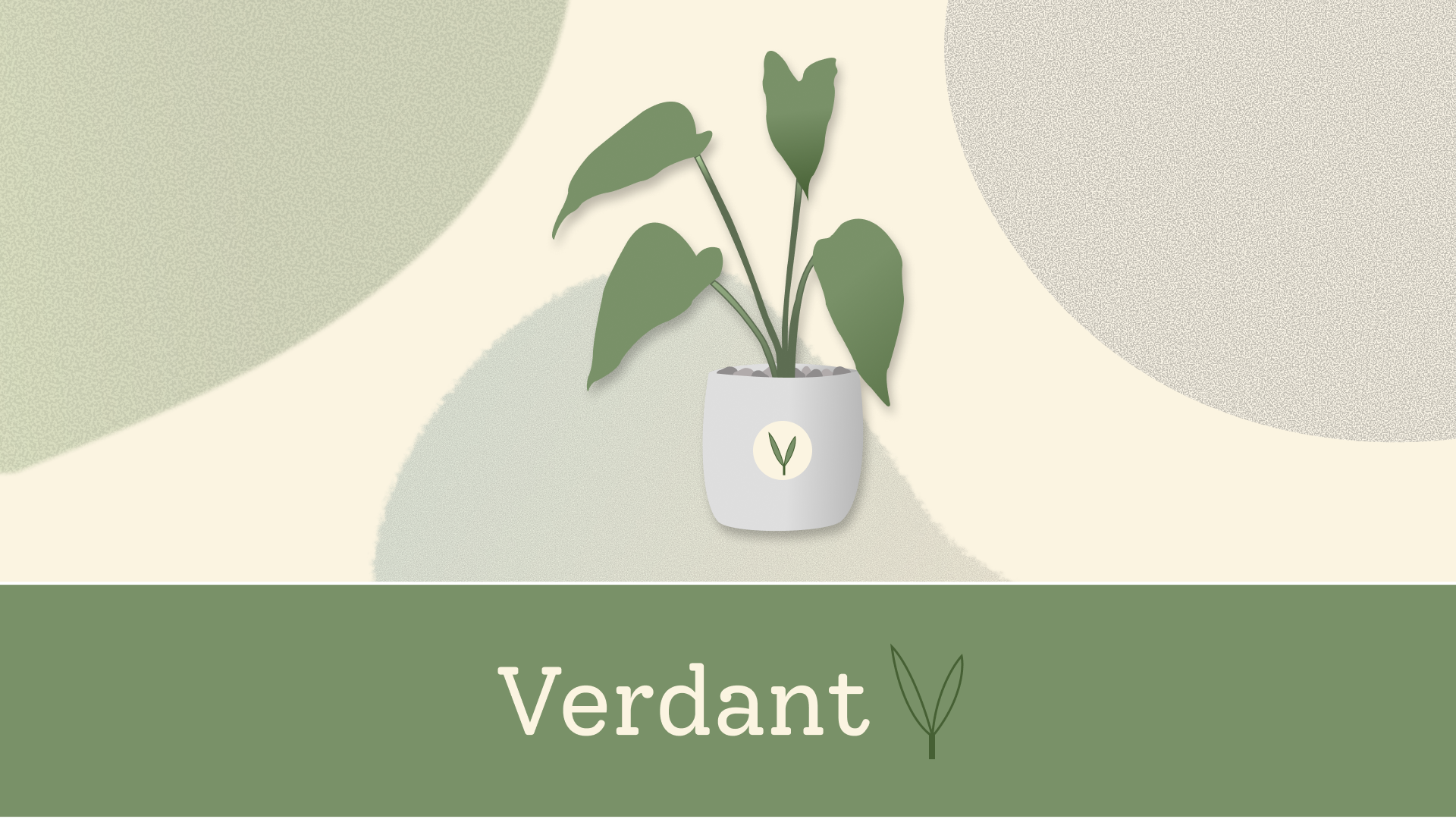
Vérdant is a living sensor node — a plant-inspired object that permanently roots into a shared space and responds to the collective energy of the people inside it. Using Bluetooth presence detection from users' phones, Vérdant senses when a room is depleting, tense, or energized and shifts its physical state in response — changing light color, surface texture, and ambient sound in real time. A shared tablet on the wall lets anyone in the room suggest a mood shift across four modes: Rain, Focus, Restore, and Energize. Everyone votes from their phone. When consensus is reached, the room changes. No admin required. No individual tracking. Just a space that responds to the people inside it — together.
How we built it
We used Meshy.ai to generate the physical object and personally design the digital interface. We designed every screen of the tablet and mobile experience, and developed the ambient mode system with corresponding light, texture, and sound. We also created a personalization onboarding quiz to help users find their leaf profile.
Challenges we ran into
The hardest problem was designing for collective experience without making anyone feel surveilled. Most wellness tech is very individualized. Vérdant had to work at a group level while still feeling personal and safe. We spent a lot of time on the consent model, the anonymity layer, and making sure the interaction felt like shared agency rather than someone controlling the room for everyone else. Getting the voting mechanic to feel natural and not like a productivity tool was a real design challenge.
Accomplishments that we're proud of
We're proud that Vérdant doesn't look or feel like anything that exists. It lives in a genuine white space — between environmental sensing, wellness tech, and collective experience design — and we think that gap is real and underserved. We're also proud of the object itself. Making technology feel alive, warm, and trustworthy rather than clinical and extractive was core to everything we designed, and we think Vérdant achieves that.
What we learned
We learned that the hardest part of designing for wellbeing isn't the sensing — it's the trust. People are willing to let a space respond to them if they feel like they have control and nothing is being extracted from them.
What's next for Vérdant
We want to build out the real product and place it in settings that would actually be used.
Built With
- claude
- figmamake
- gemini
- meshy.ai


Log in or sign up for Devpost to join the conversation.