-
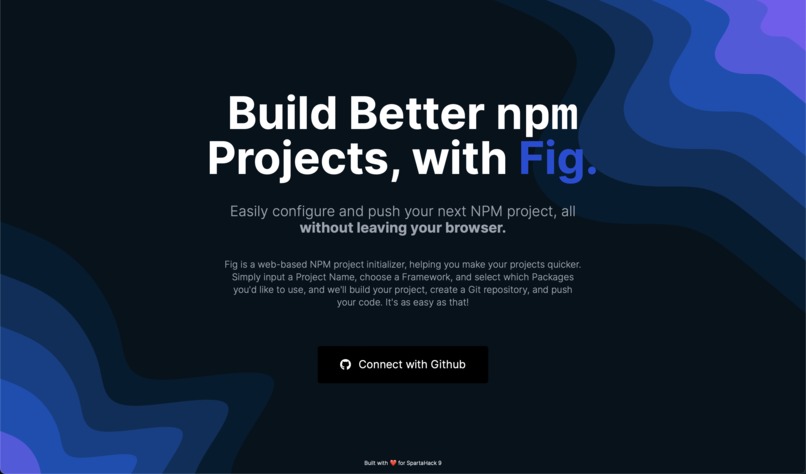
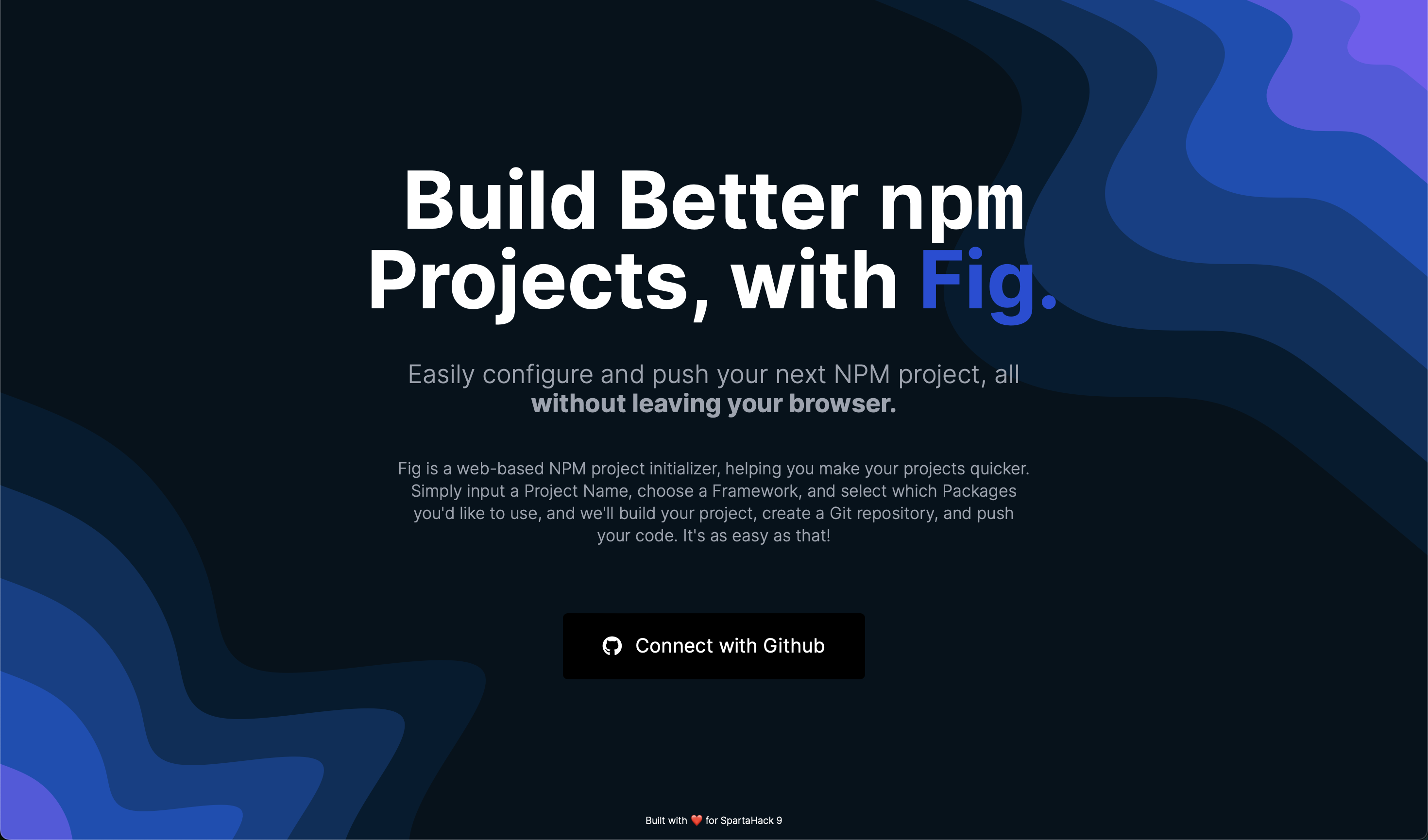
Fig's landing page, by Connecting with Github, Fig can seamlessly configure and build new NPM projects entirely online, and deploy to Git.
-
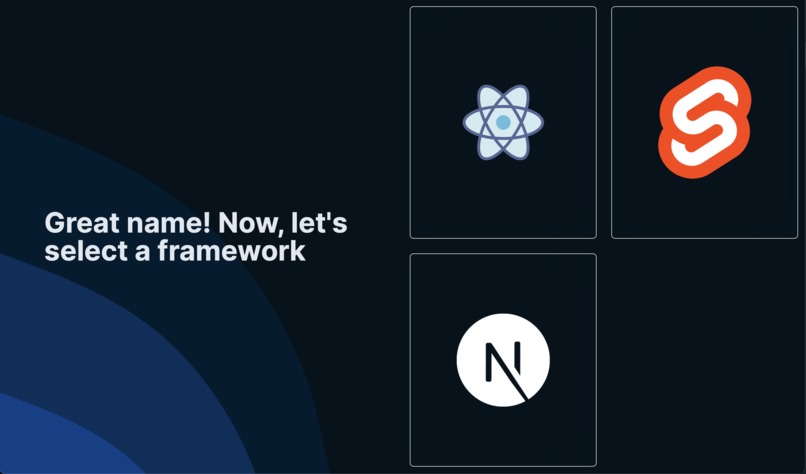
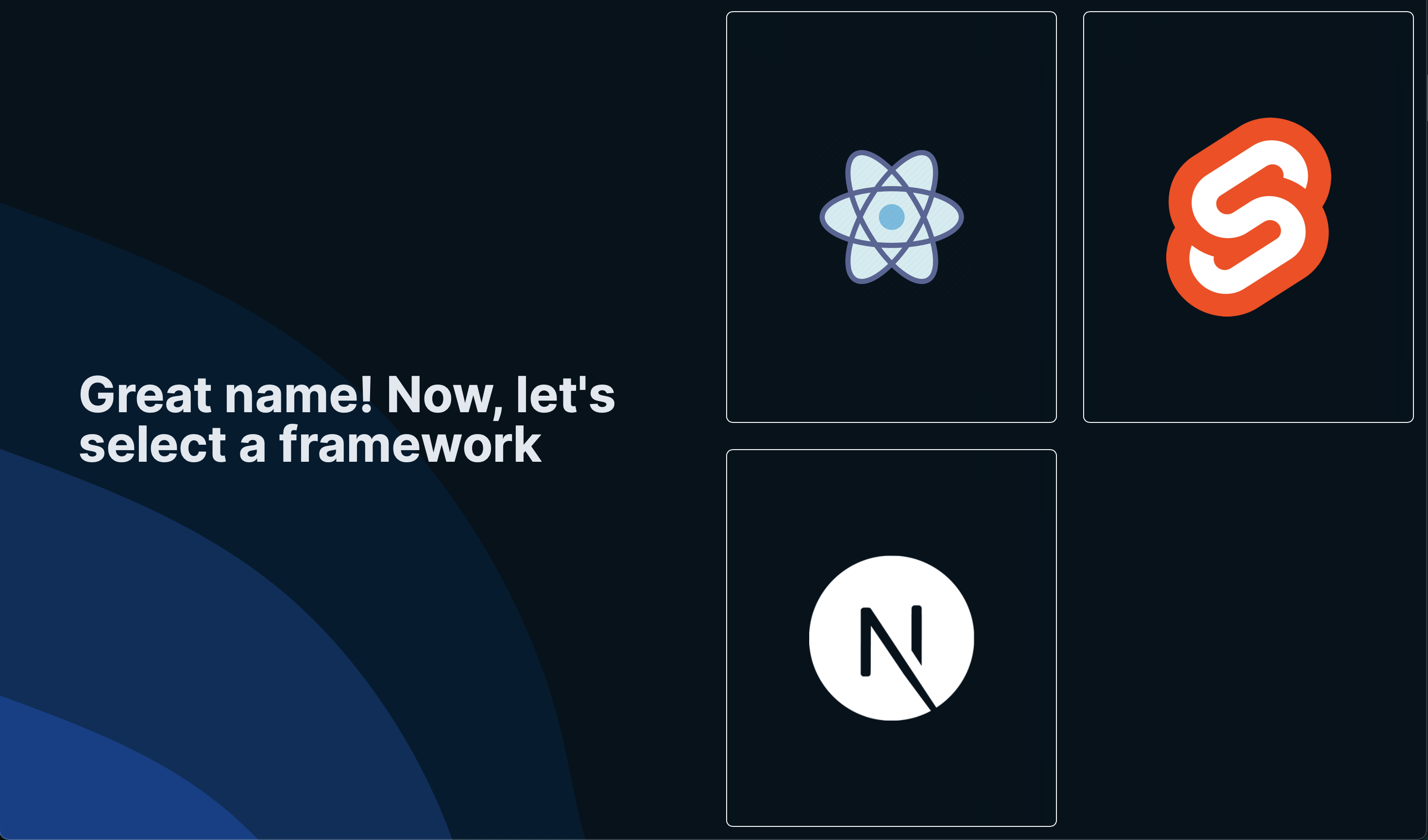
Fig allows you to select one of several popular web frameworks. Selecting a framework also automatically restricts available Packages.
-
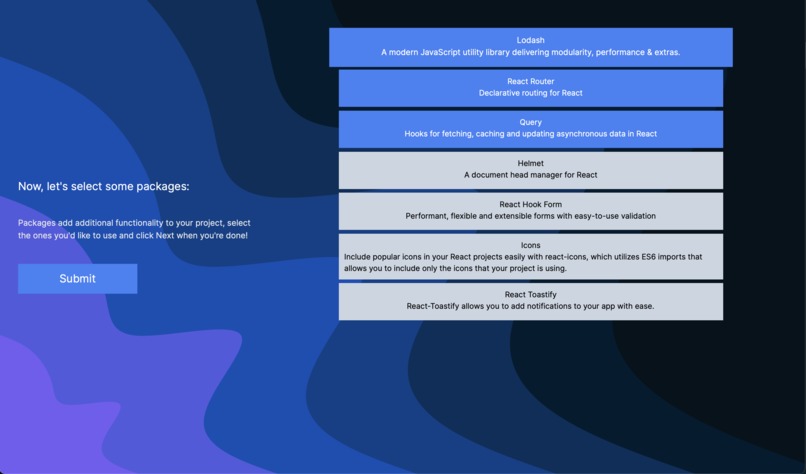
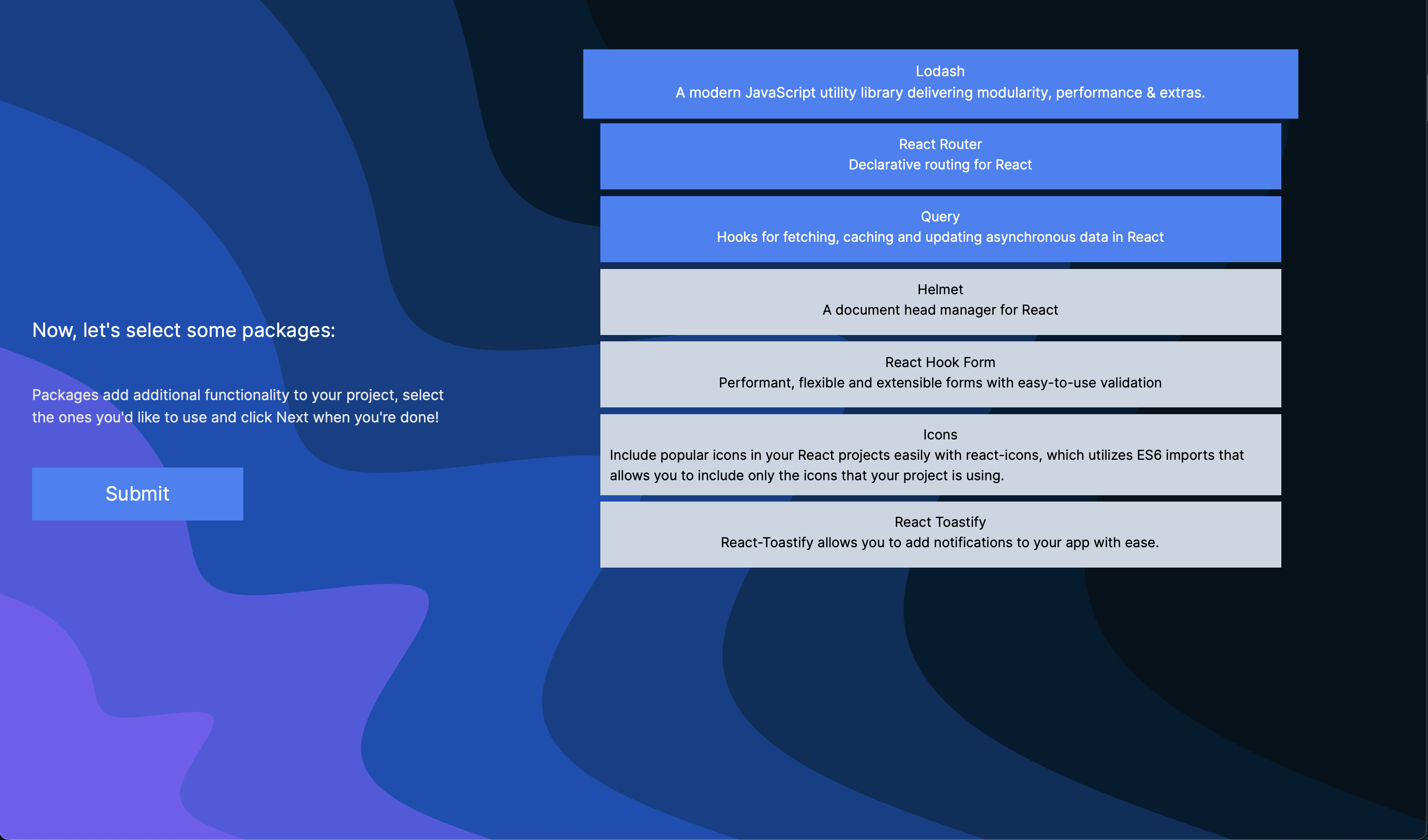
In this stage, the user can select some of several compatible popular NPM Packages to supplement their new project.
-
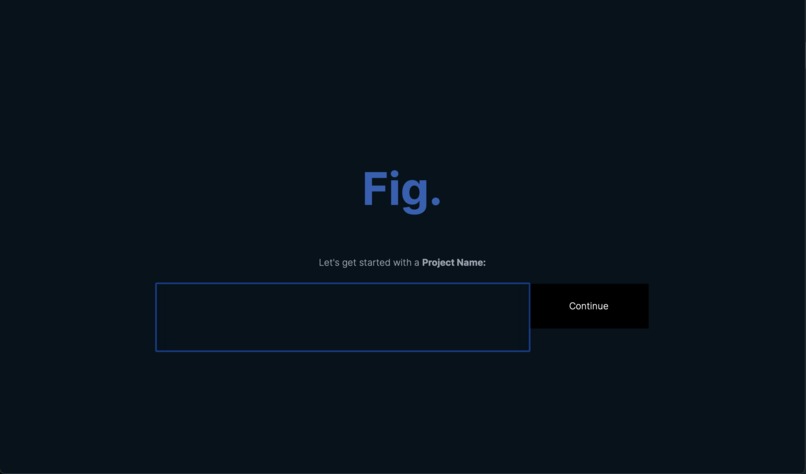
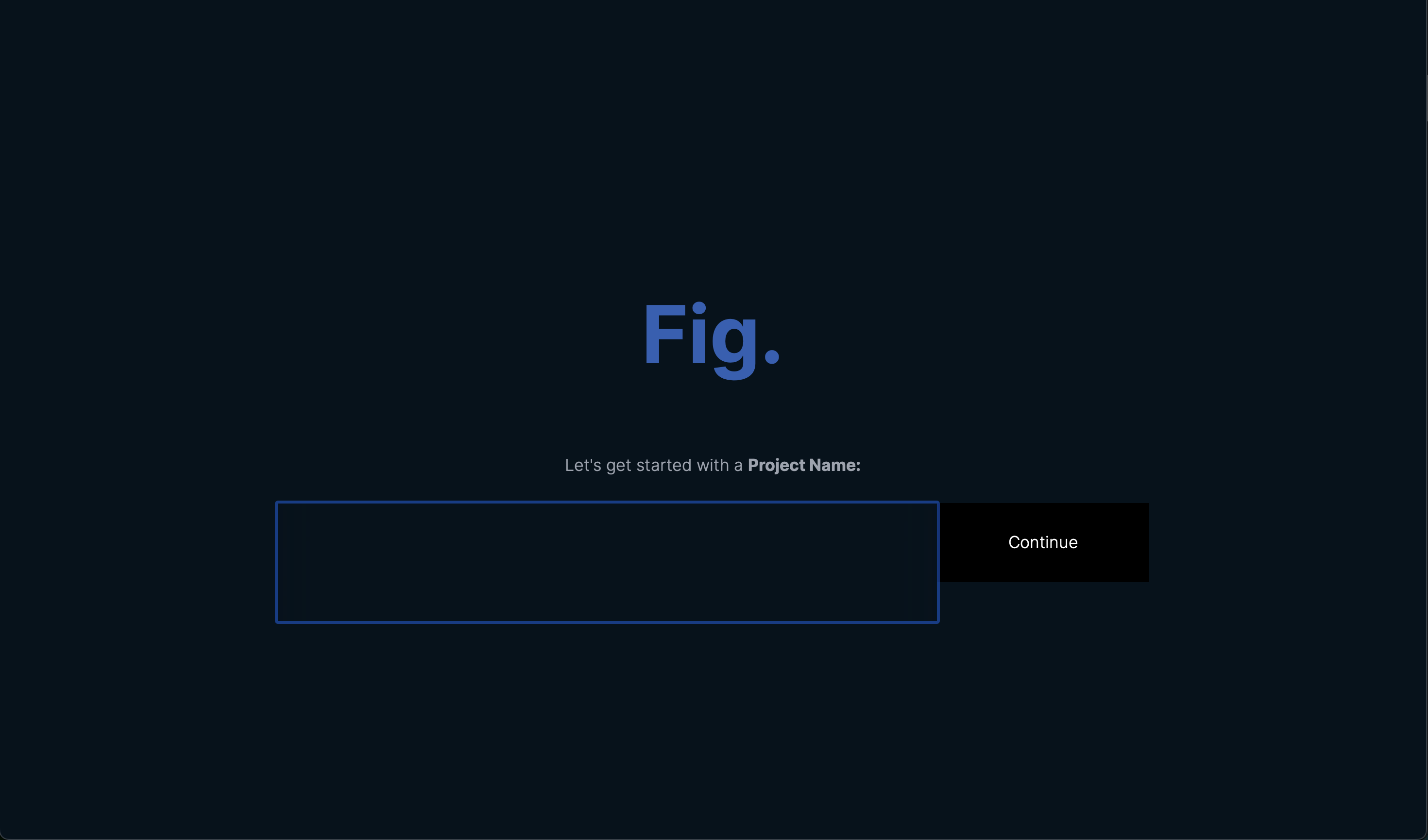
The last step in the conFiguration process is to input a Project Name. This name will eventually become the name of the Github repo.
-
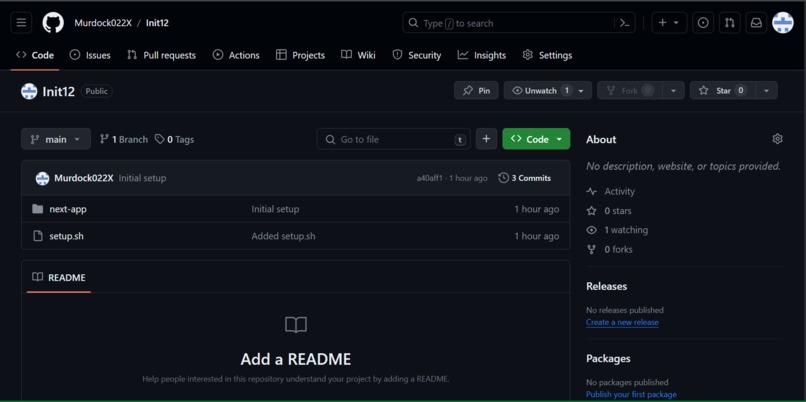
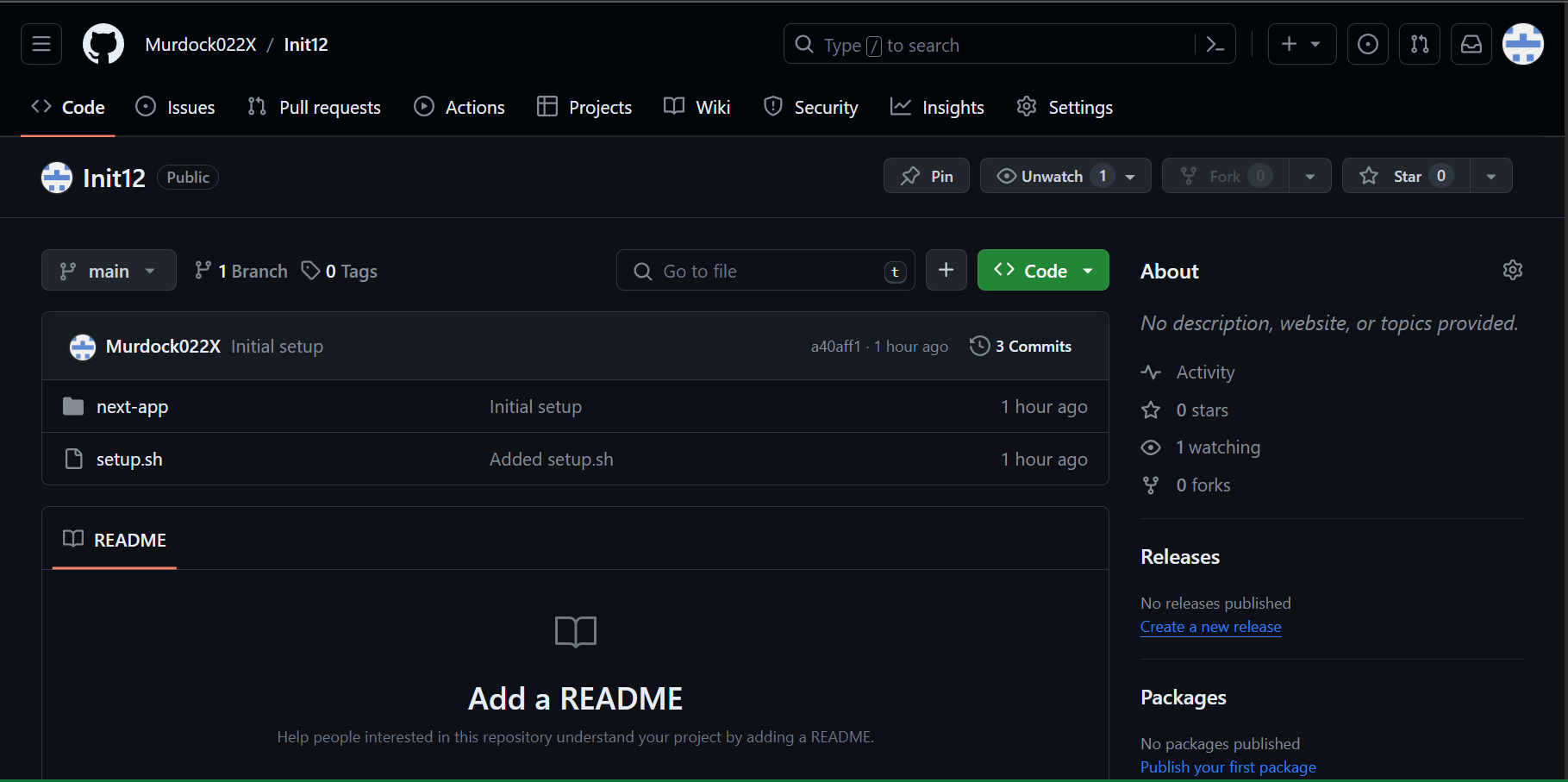
After finishing the conFiguration process, a Git repo is automatically created under the user's account, with the requested Packages.
What it does
Fig is a tool that allows developers to quickly configure and build new NPM projects. Users can select from popular frameworks like React, Svelte, or Vue, and add necessary packages like Express, Lodash, or Axios. The tool then automatically generates and builds a ready-to-use GitHub repository with the selected stack, entirely within the browser.
Inspiration
Inspired by the need to simplify the setup process for various development projects, Fig was born out of our team's own experiences with the time-consuming task of configuring new NPM repositories. We realized that a tool that could automate this would be an invaluable asset to developers everywhere.
How we built it
Our team utilized a combination of NextJS, Node.JS, and GitHub's CodeSpaces API to create Fig.
Challenges we ran into
Integrating various packages and ensuring compatibility was a major challenge. We overcame this by conducting thorough research and implementing rigorous testing for each framework and package integration. Each available framework has curated additional package lists to ensure end-to-end compatibility and ease of use for the end user.
Accomplishments that we're proud of
Our team is proud of this tool as it can genuinely help web and NPM-focused developers, especially those who are not familiar with existing packages and protocols. Our team is proud of the end-to-end testing to ensure compatibility throughout a wide spectrum of packages and frameworks. We are also proud of the user interface and experience, which we wanted to be as seamless as possible.
What we learned
Through this project, we've gained deeper insights into API integration, improved our collaborative coding skills, and learned more about the nuances of different development frameworks. This project tested our abilities in cloud computing and system compliance as well throughout our efforts to maintain compatibility between packages and frameworks within the application.
What's next for Fig
Looking ahead, we plan to incorporate more frameworks and packages, enhance the UI/UX, and potentially integrate with other version control systems beyond GitHub. We're also exploring the possibility of adding a feature for custom configuration scripts, and the ability to save previously made configurations to a personal account for easy sharing between users and devices.


Log in or sign up for Devpost to join the conversation.