Inspiration
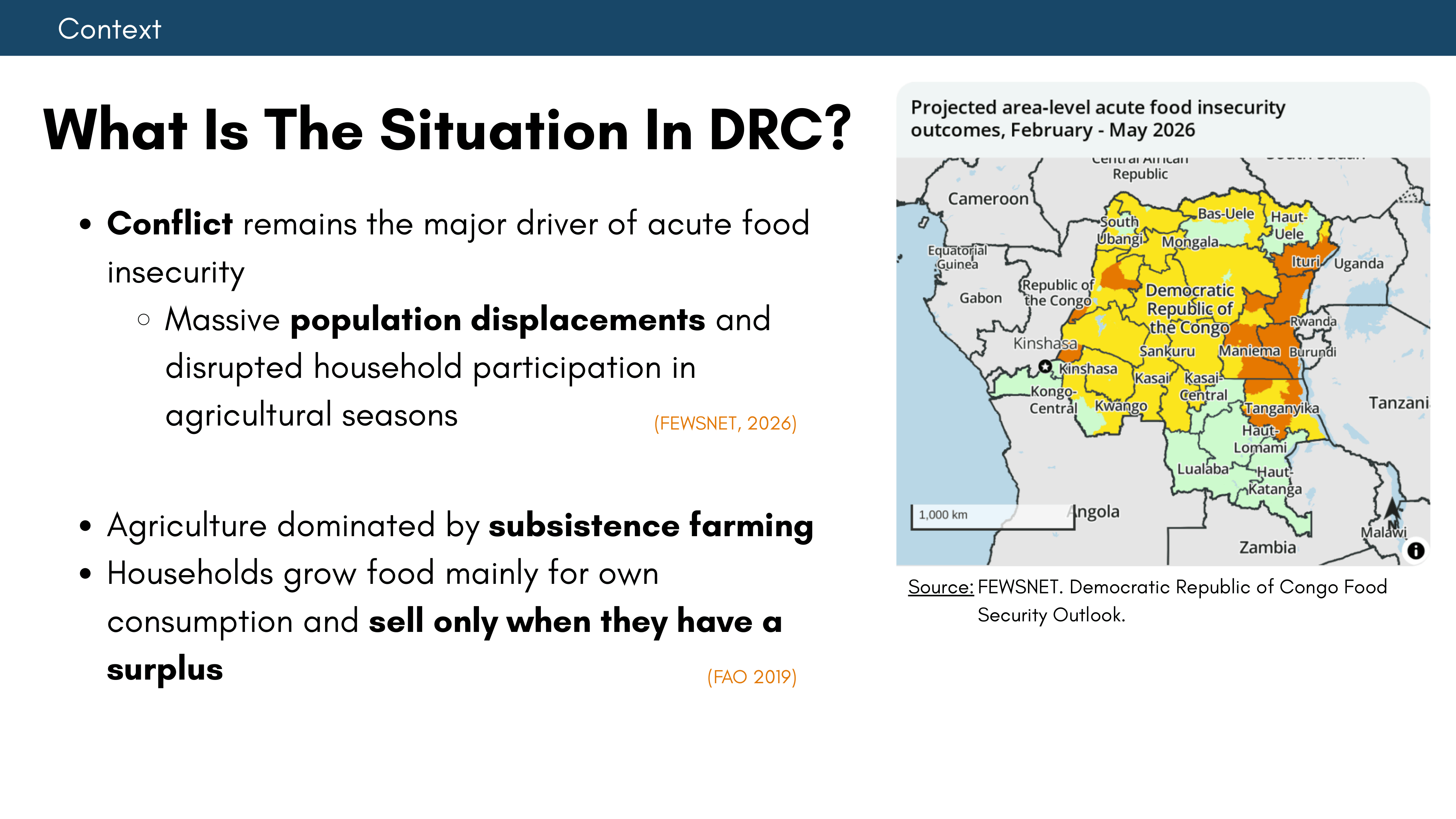
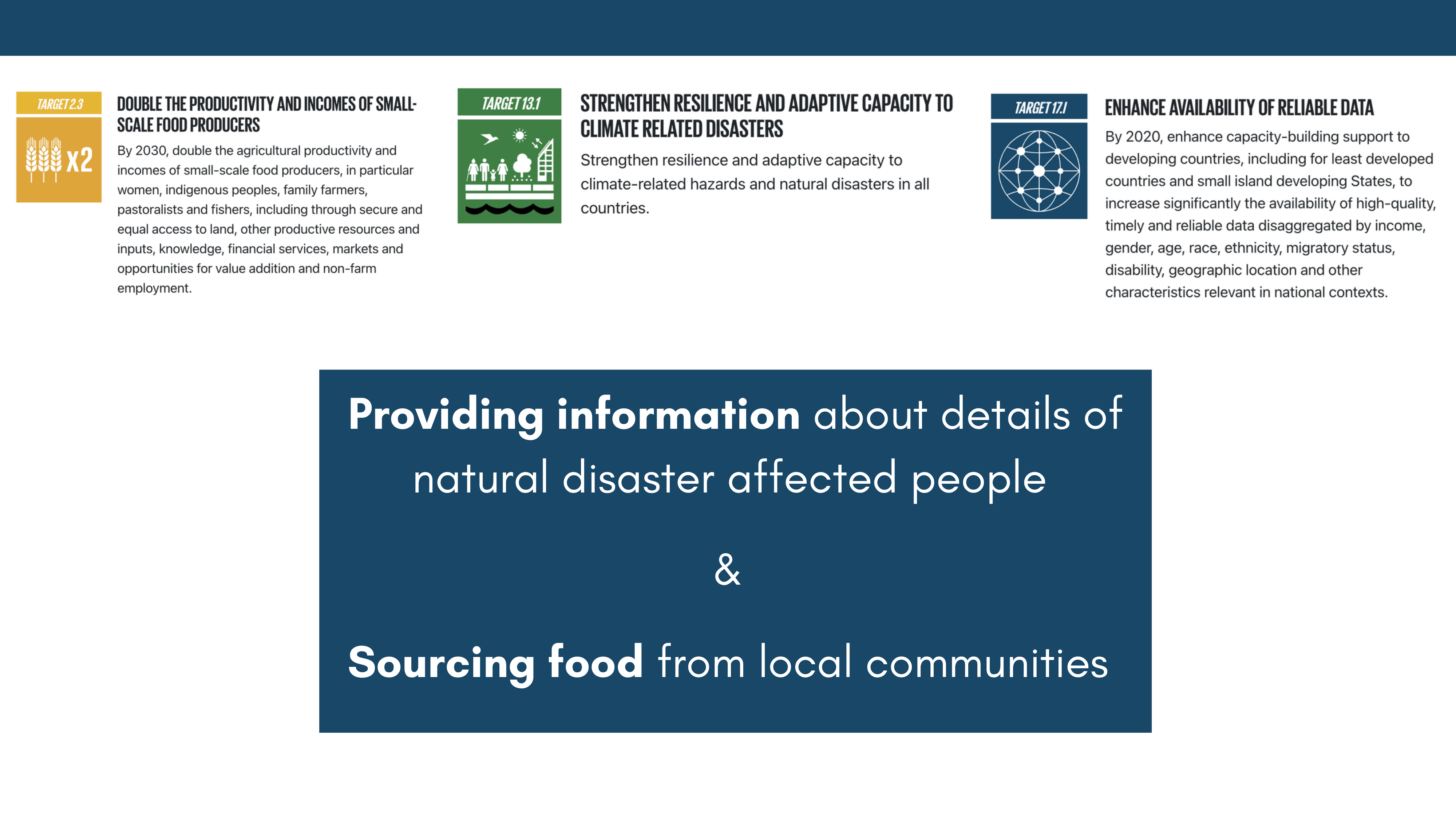
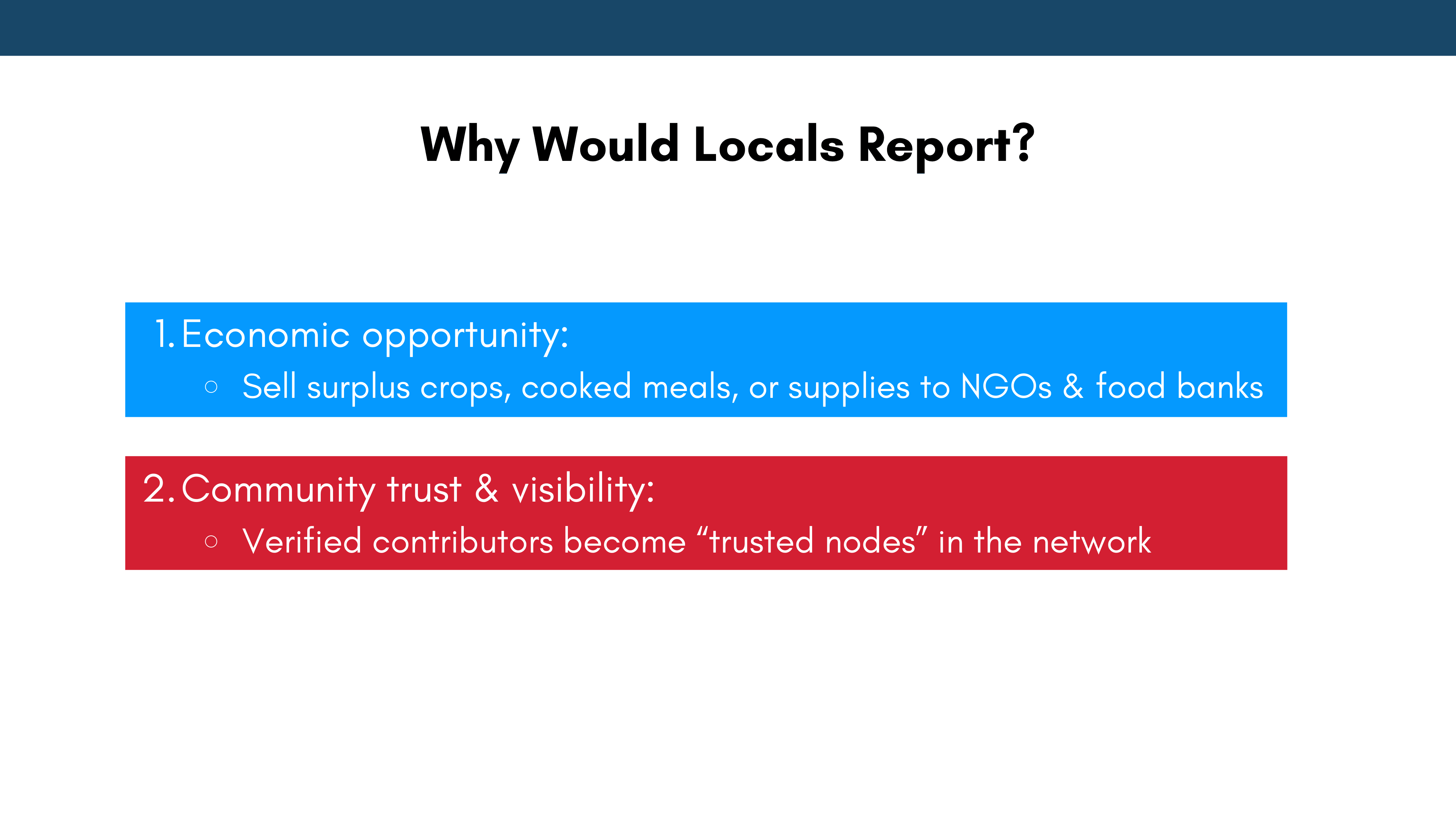
FiFood was inspired by the ongoing food insecurity crisis in the Democratic Republic of the Congo, where conflict, displacement, and limited infrastructure make access to food unreliable before, during, and after disasters.
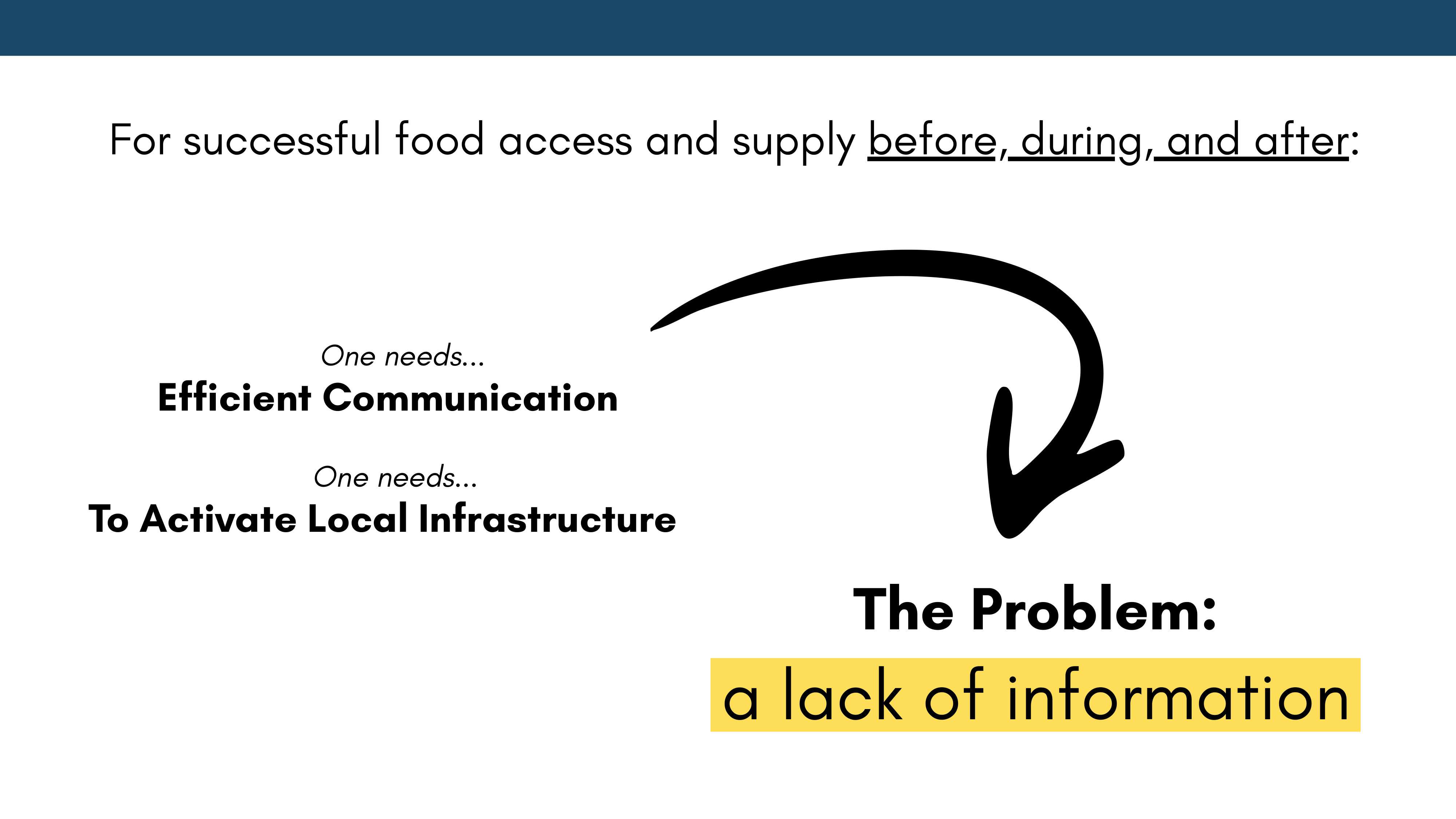
We wanted to address one core problem: during humanitarian emergencies, communities and responders often lack timely, accurate, and localized information. That information gap slows coordination, increases waste, and makes it harder for food to reach the people who need it most.
What it does
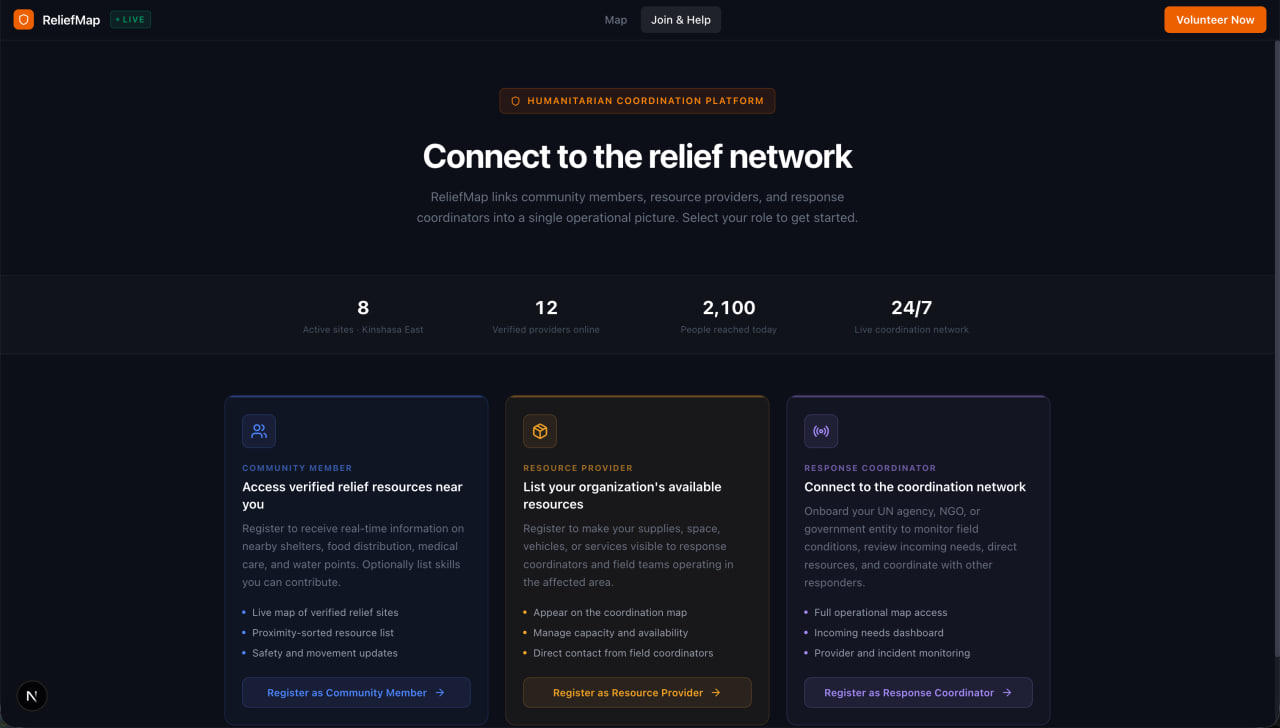
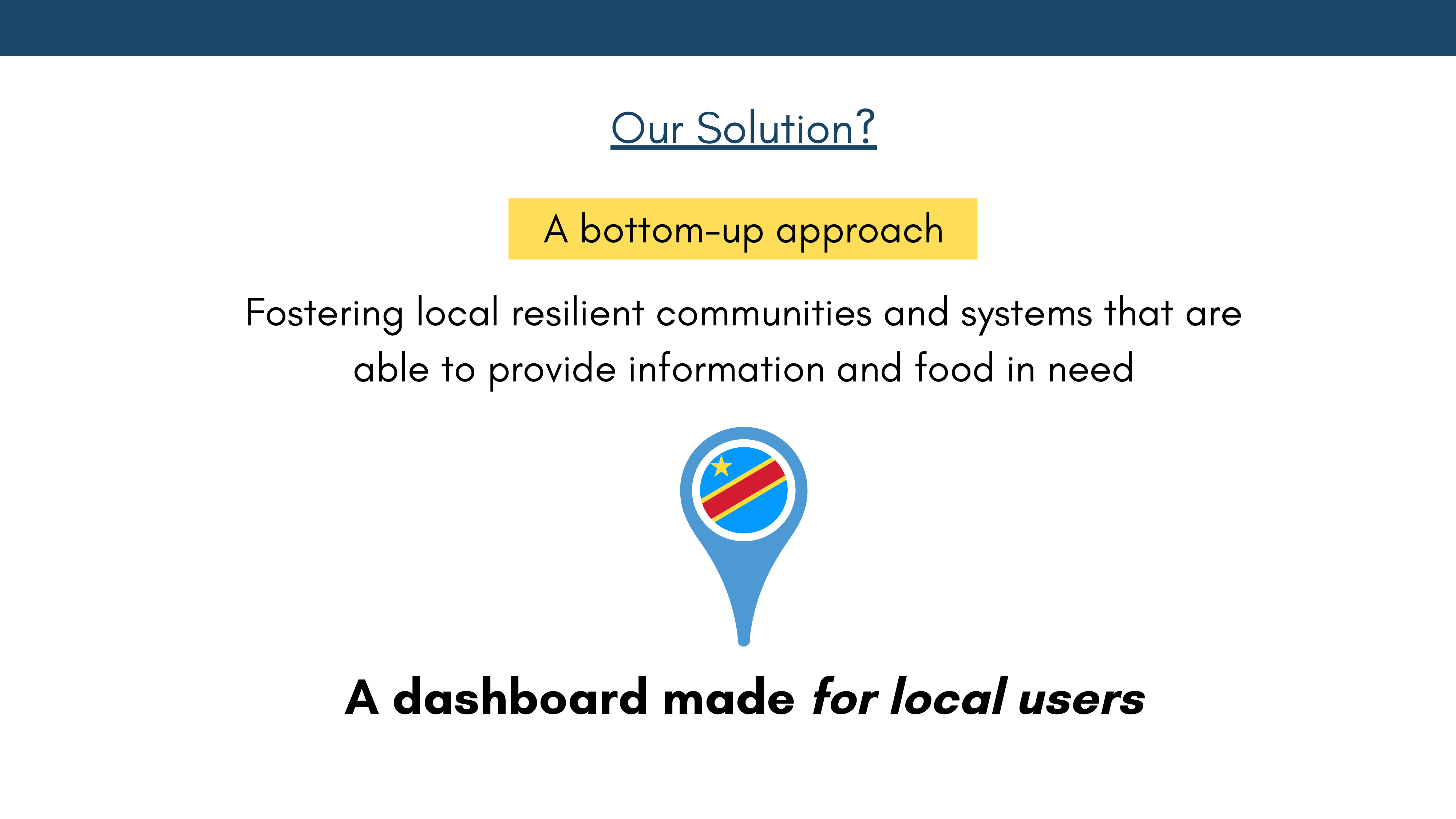
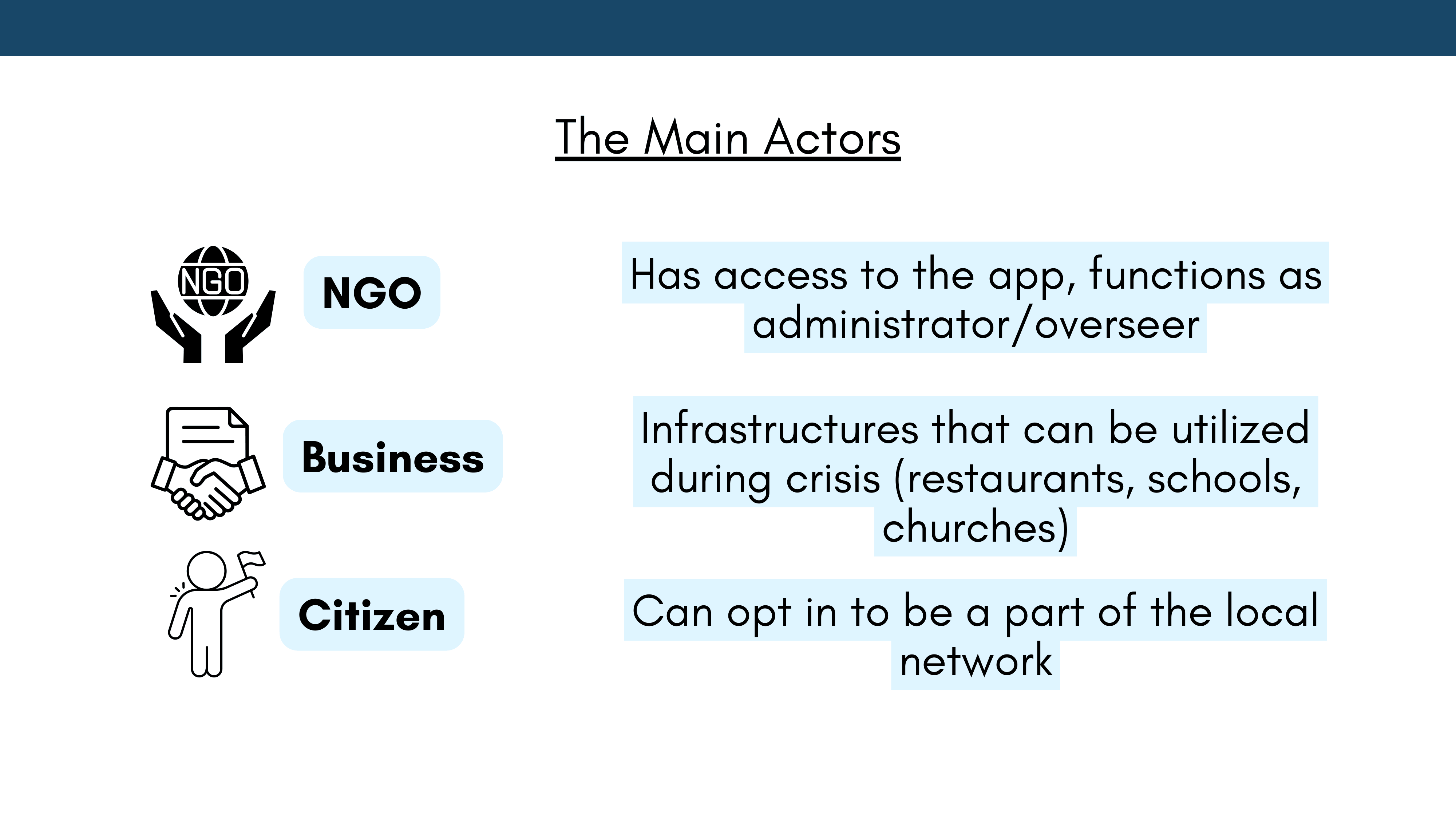
FiFood is a disaster-response food access platform that connects citizens, NGOs, and local businesses through one shared system.
The platform helps communities:
- report real-time local conditions such as food shortages, blocked roads, and urgent needs
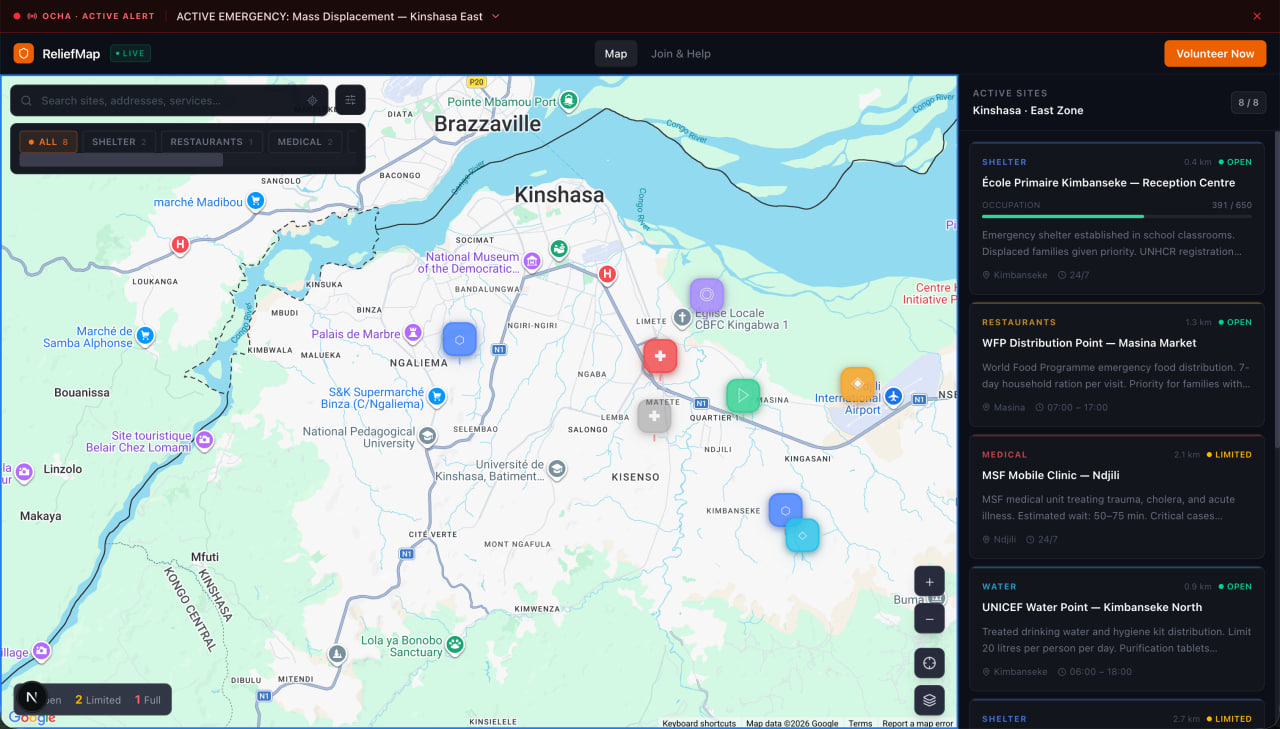
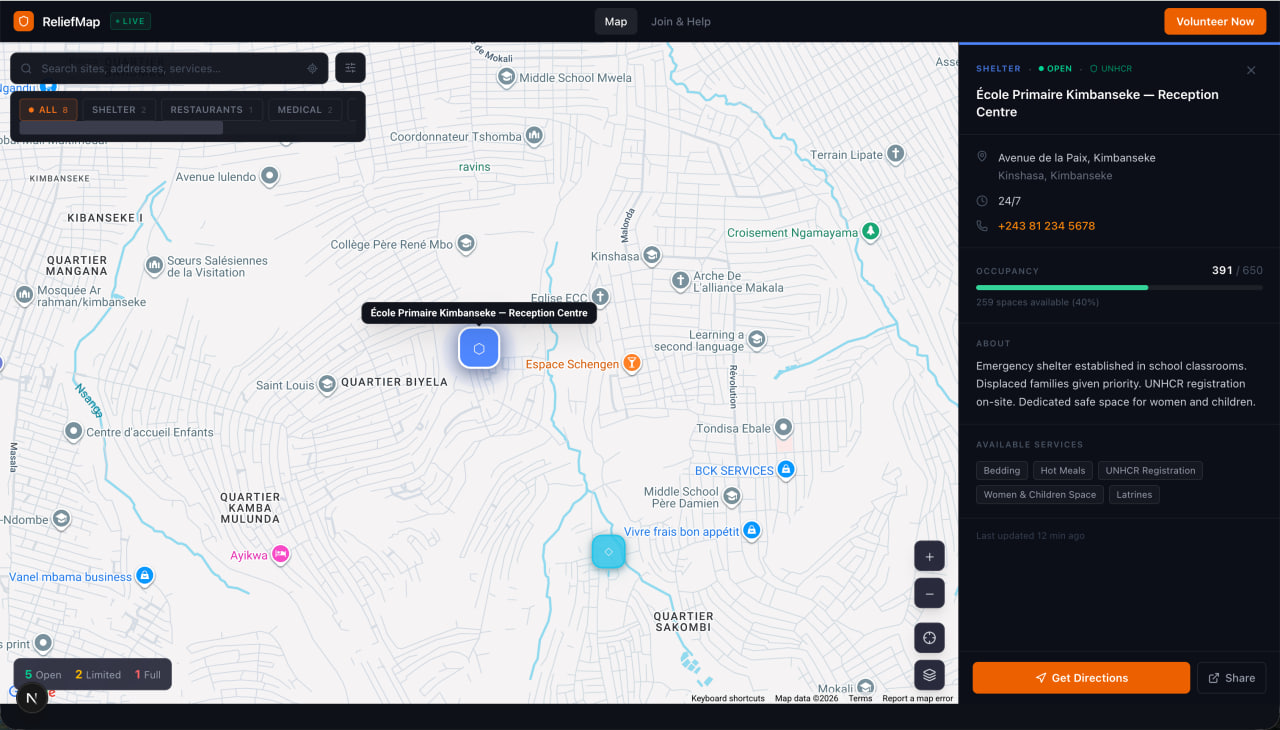
- identify available food sources within nearby communities
- support coordination between responders, suppliers, and affected residents
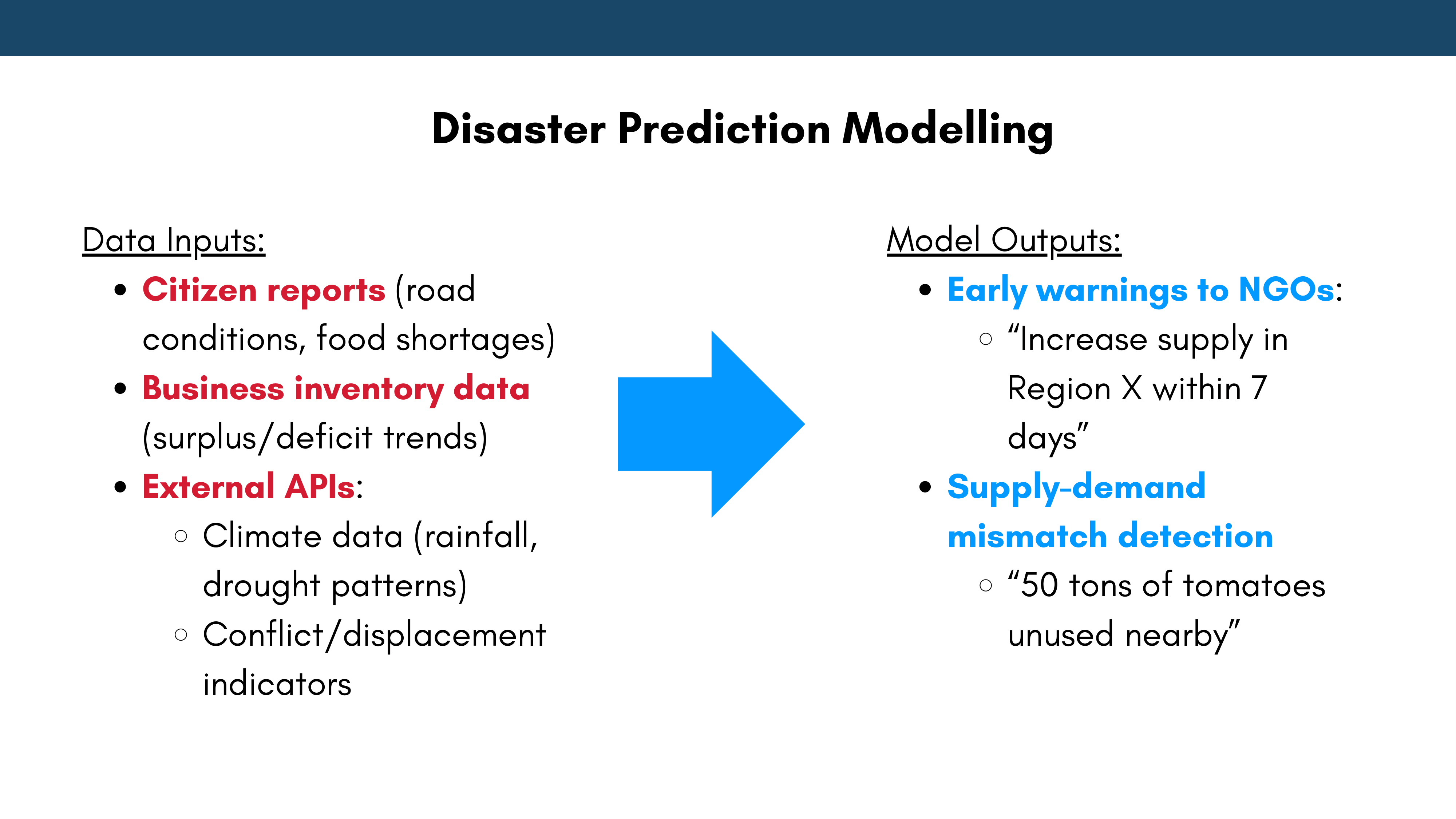
- generate predictive insights to improve disaster response planning
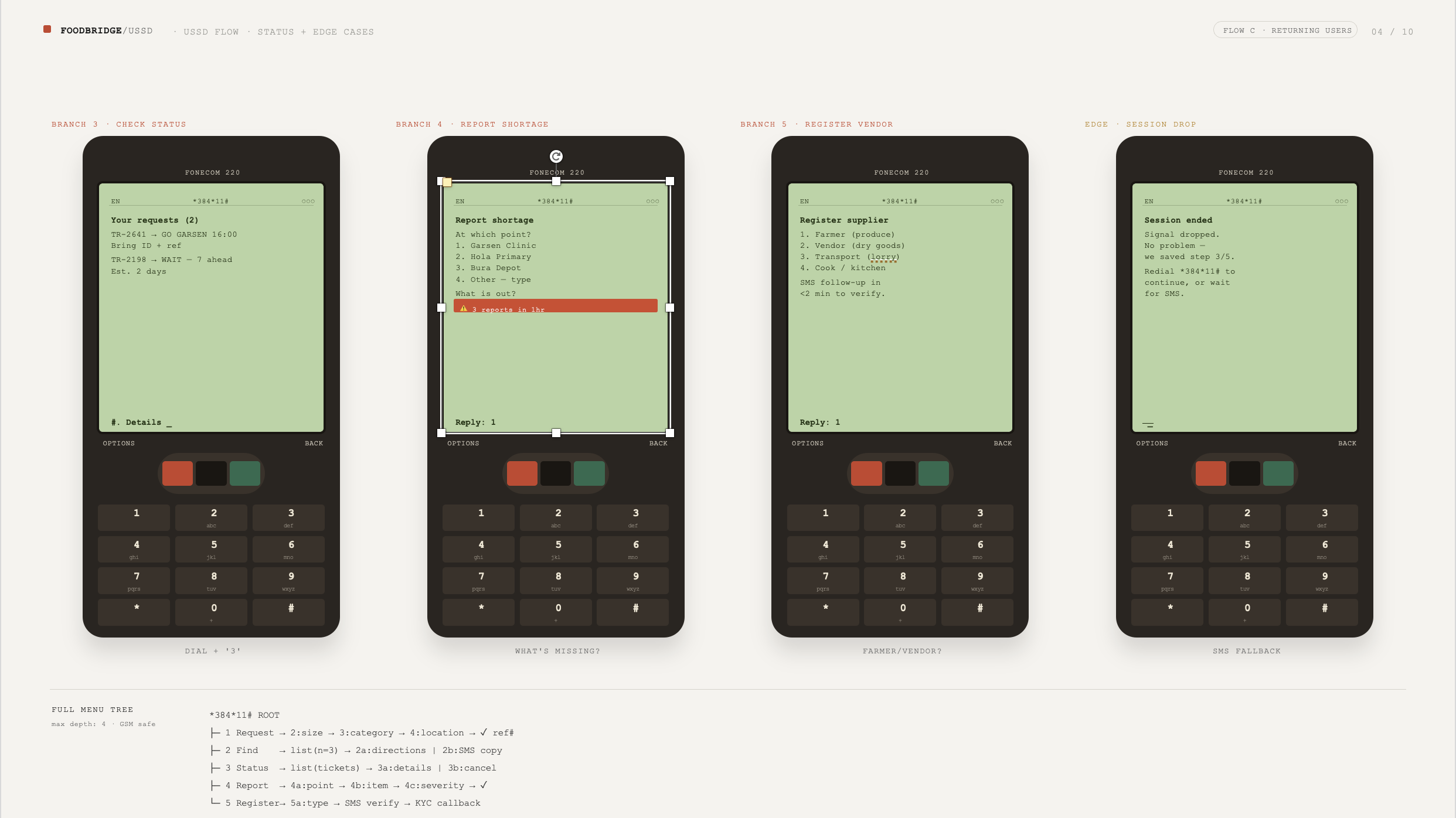
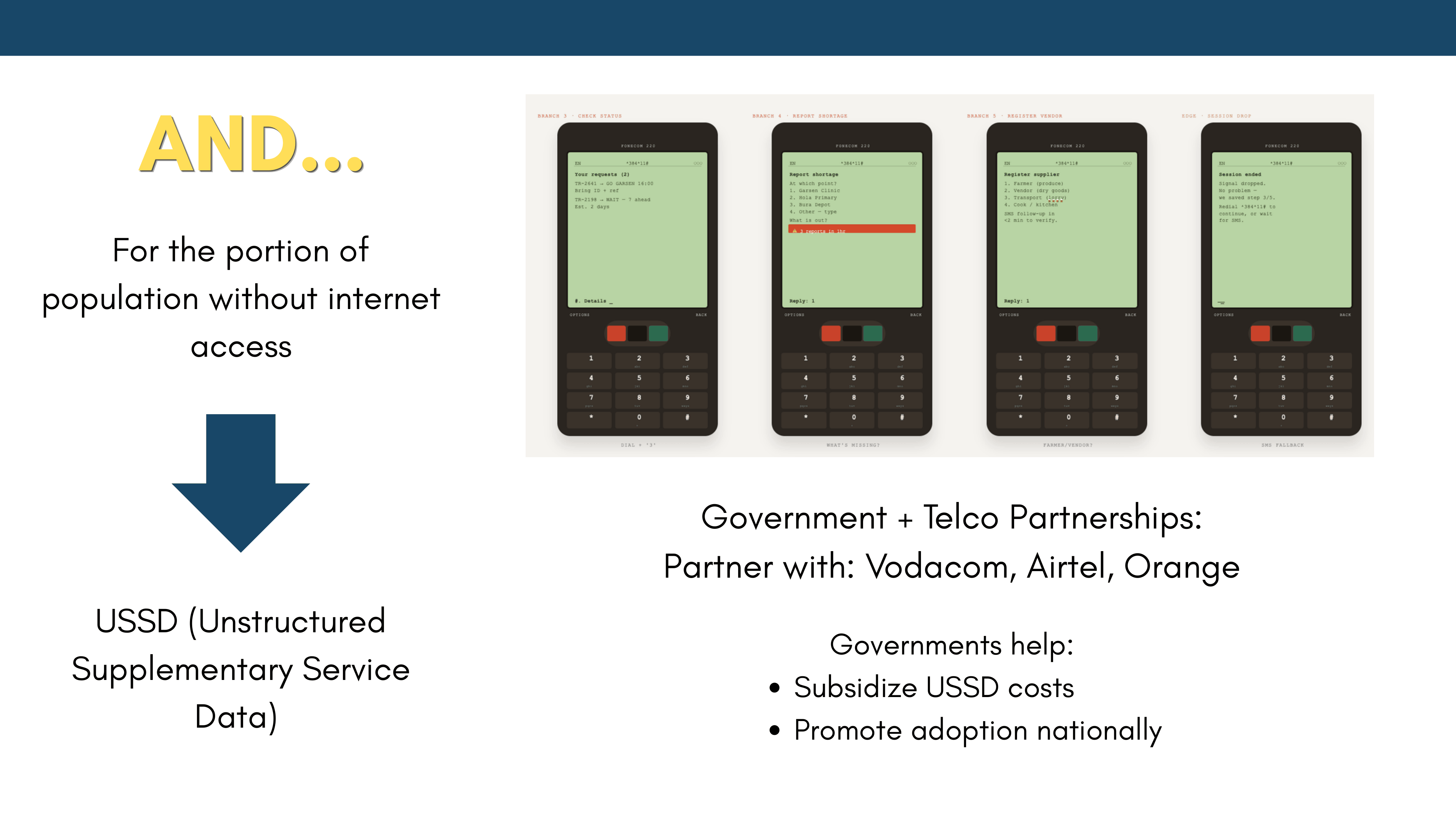
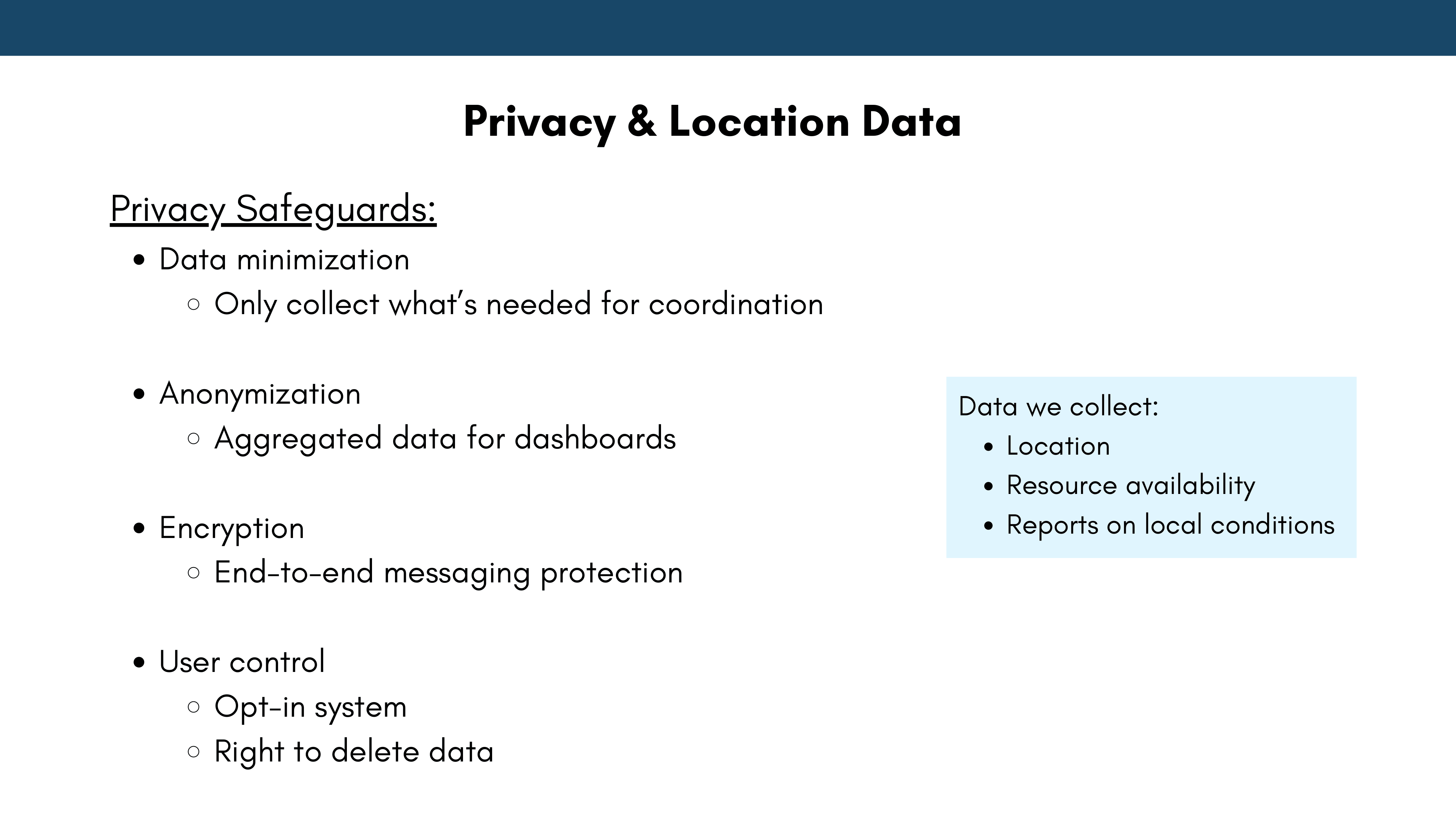
FiFood also includes a USSD-based access flow, allowing people without stable internet access to still report needs and participate in the system.
How we built it
We built FiFood as a web-based platform designed for clarity, speed, and coordination during crisis situations.
Our approach combined:
- a clean dashboard interface for viewing needs and available resources
- map-based visibility for local conditions and food access points
- structured reporting flows for citizens and organizations
- a low-connectivity USSD concept for offline-inclusive participation
- a GitHub-based development workflow for rapid MVP collaboration
Challenges we ran into
One of the biggest challenges was designing a solution that works in both high-connectivity and low-connectivity environments. In disaster settings, many affected users may not have reliable internet, smartphones, or up-to-date information.
Another challenge was balancing simplicity and usefulness. We needed the product to feel intuitive for citizens while still being valuable for NGOs, organizers, and local suppliers.
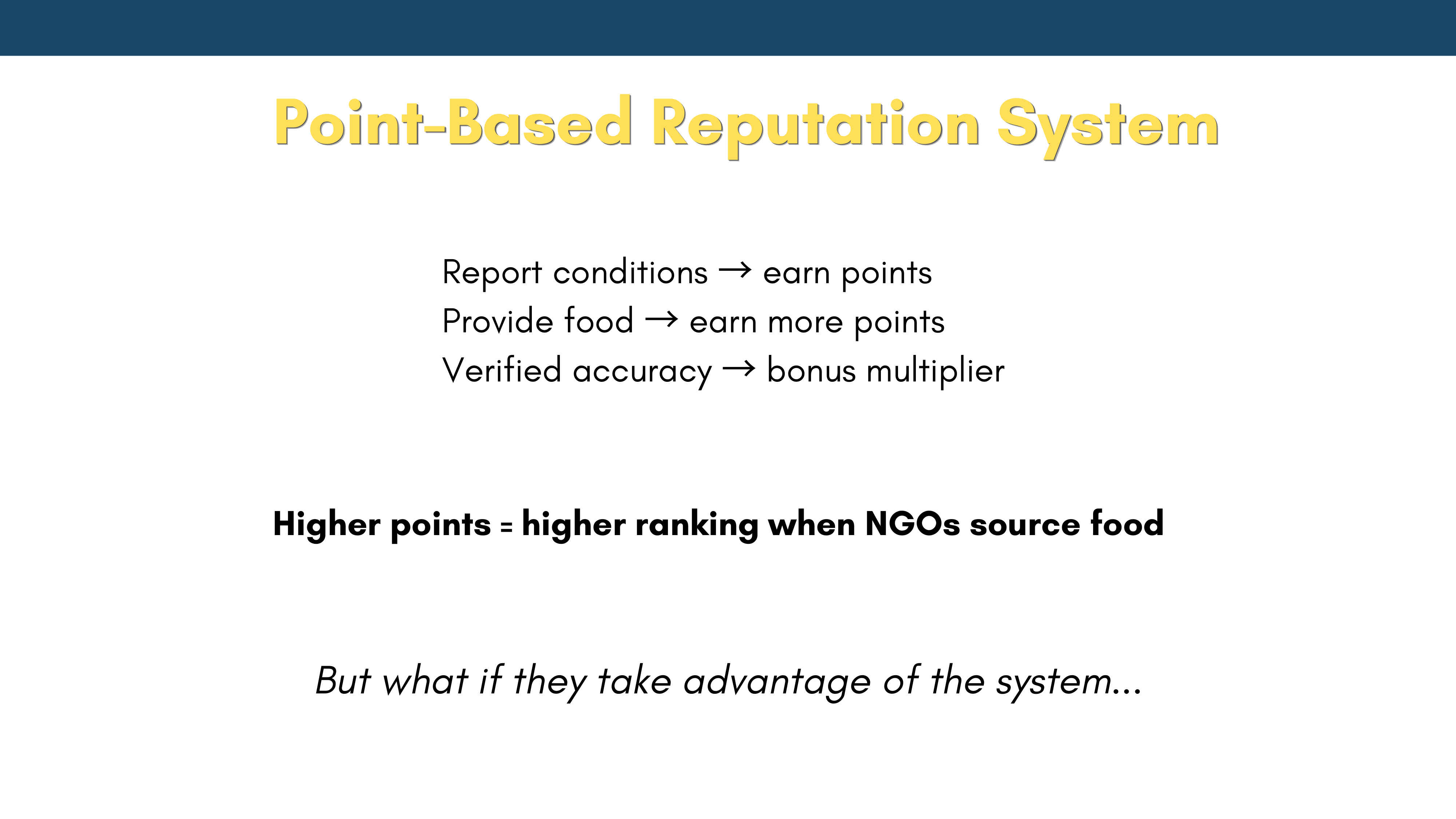
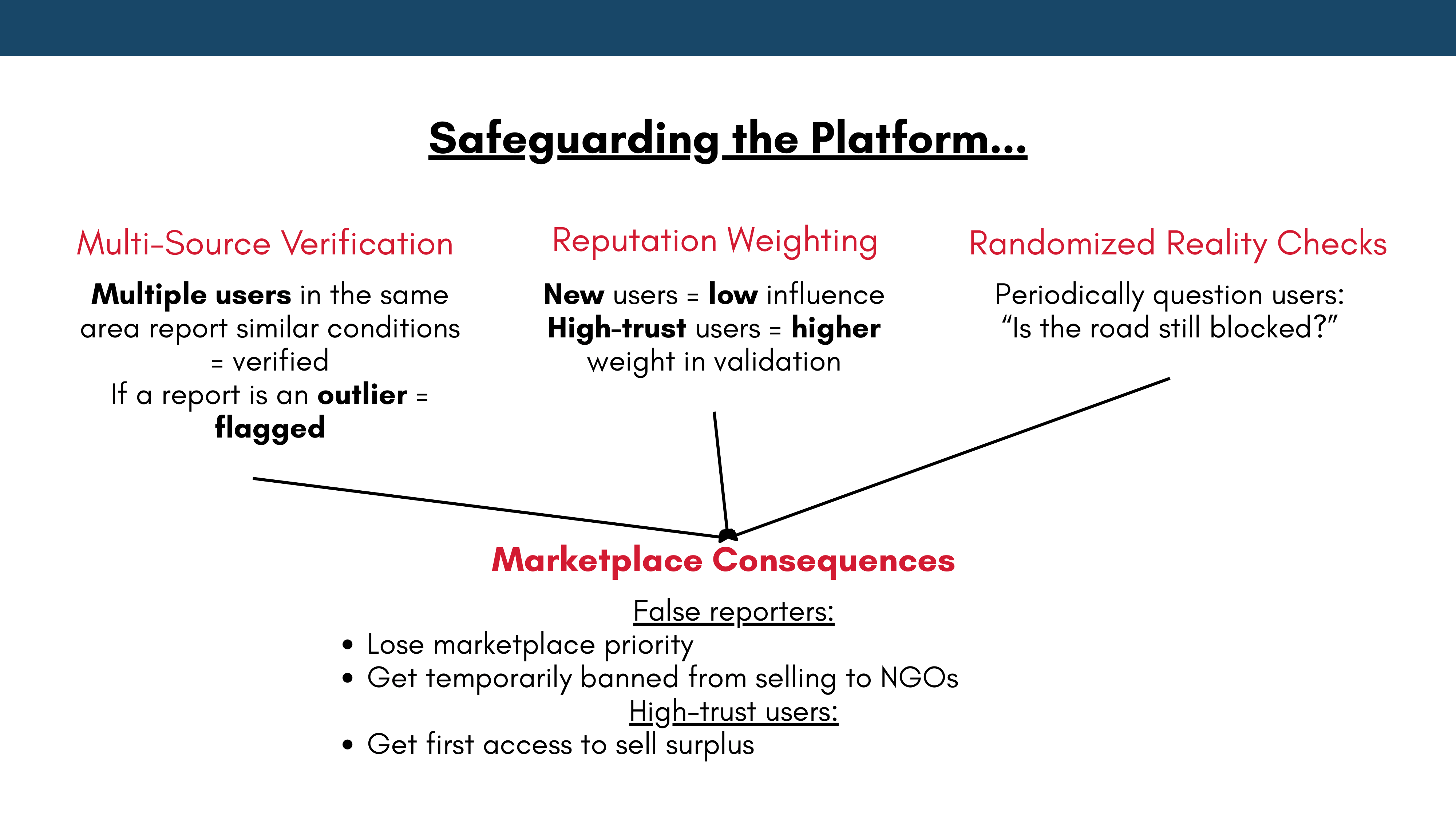
We also had to think carefully about trust, coordination, and data accuracy, since disaster-response systems are only useful when the information is actionable.
Accomplishments that we're proud of
We are proud that FiFood is not just a dashboard idea, but a practical coordination concept built around real crisis conditions.
In particular, we are proud of:
- designing the platform around real humanitarian food-access problems
- including a USSD pathway for accessibility beyond internet users
- creating a cleaner and more professional MVP direction
- shaping the project around multiple stakeholders instead of a single user type
What we learned
Through building FiFood, we learned that disaster-response technology must be designed for constraints, not ideal conditions.
We also learned that effective humanitarian tools need more than data visualization. They need accessible reporting, clear coordination flows, and practical ways for different actors to contribute in real time.
What's next for FiFood
Next, we want to expand FiFood into a more complete operational platform by adding:
- verified stakeholder roles for NGOs, suppliers, and community organizers
- live resource tracking and prioritization
- stronger mapping and routing logic
- SMS/USSD integration for broader accessibility
- more robust predictive and coordination features for disaster response
Built With
- claudecode
- javascript
- typescript

Log in or sign up for Devpost to join the conversation.