-
-
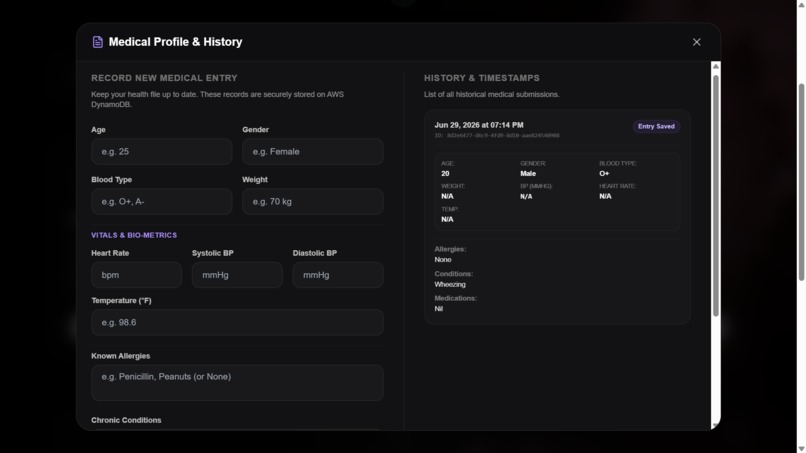
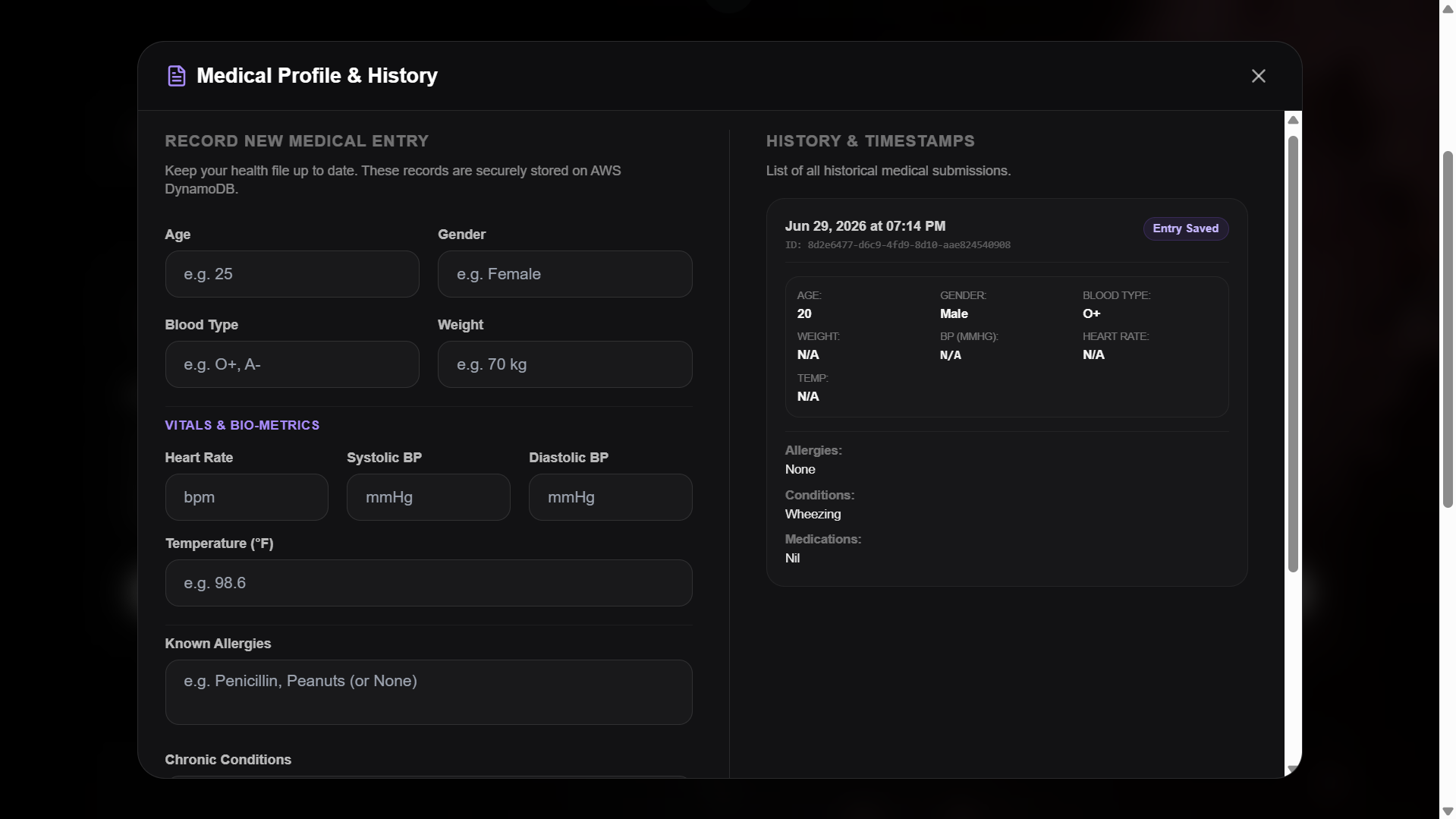
Medical Data entry
-
-
-
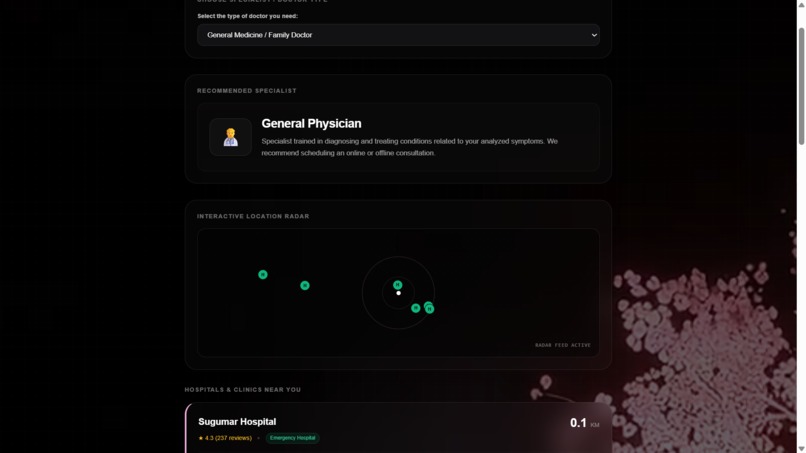
Nearby hospitals by geo radar
-
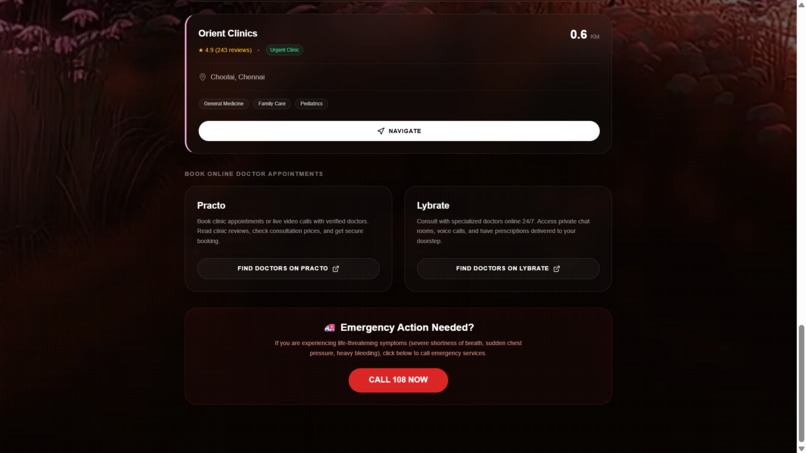
Emergency contact
-
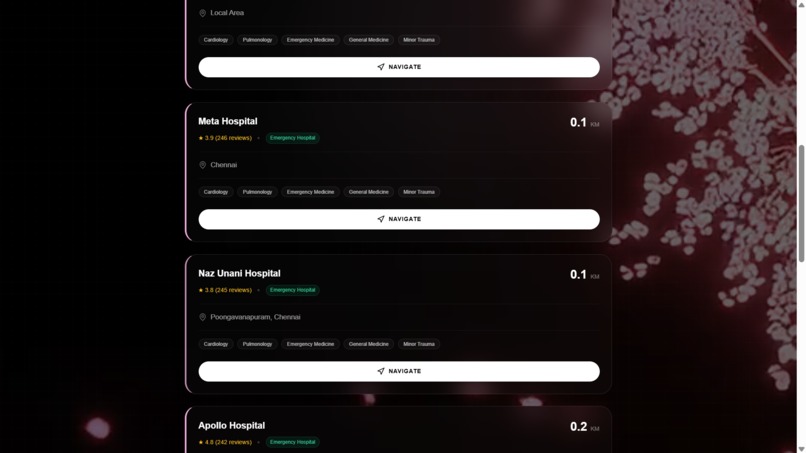
Hospitals name and location
-
-
-
-
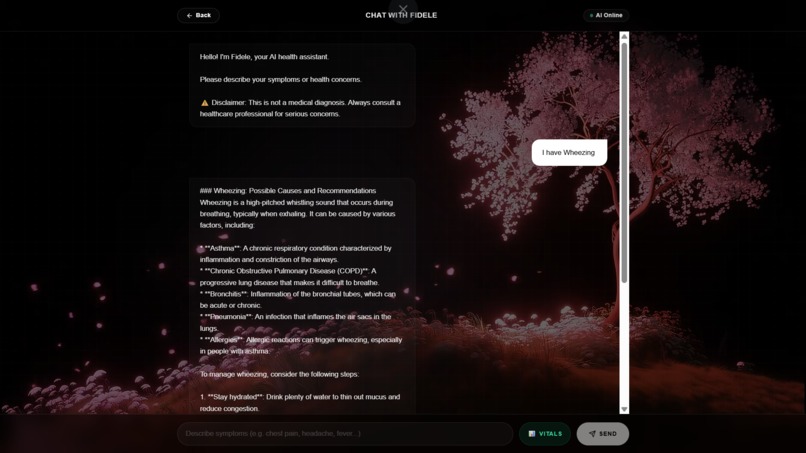
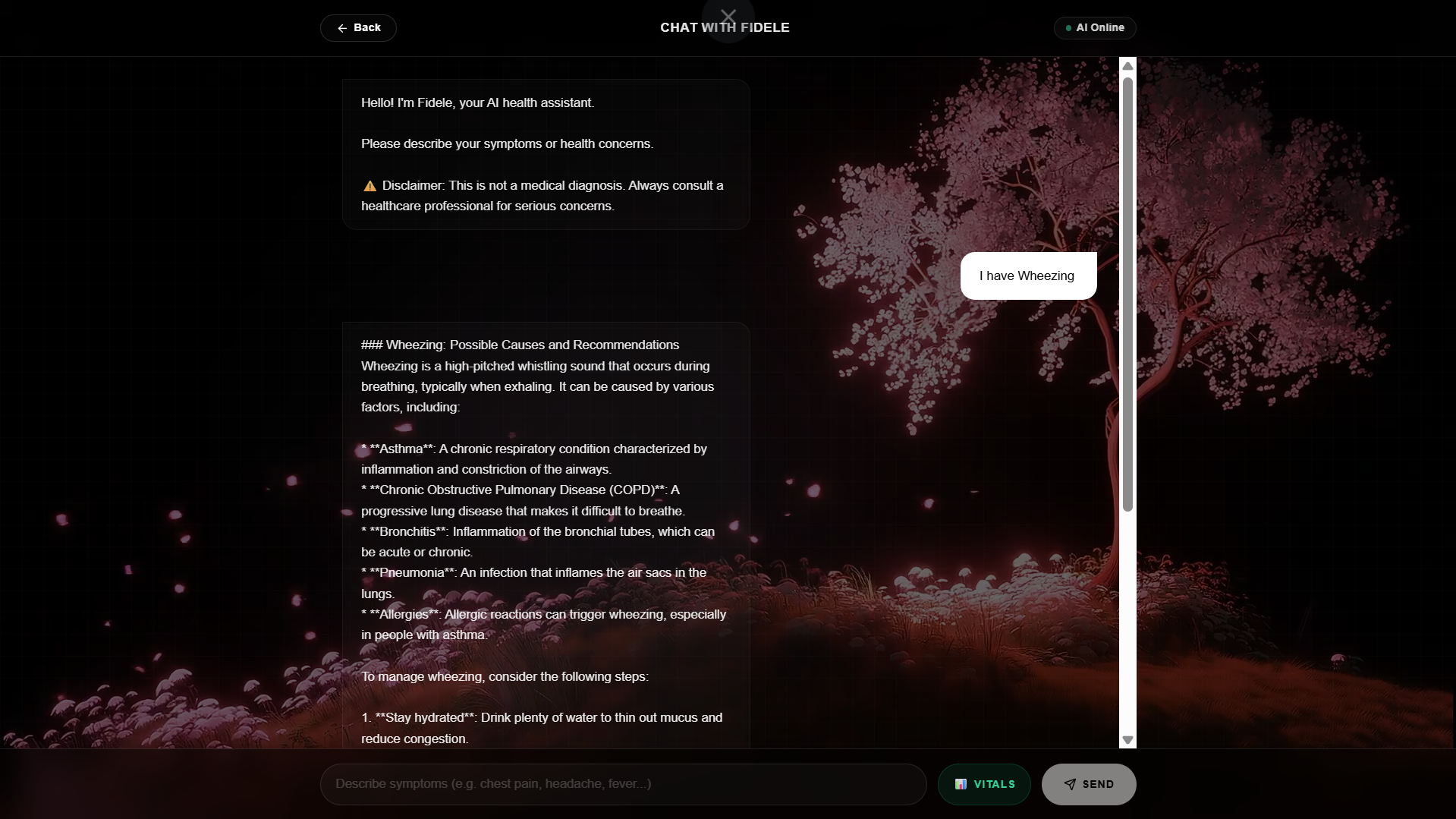
Chatbot for clarification
-
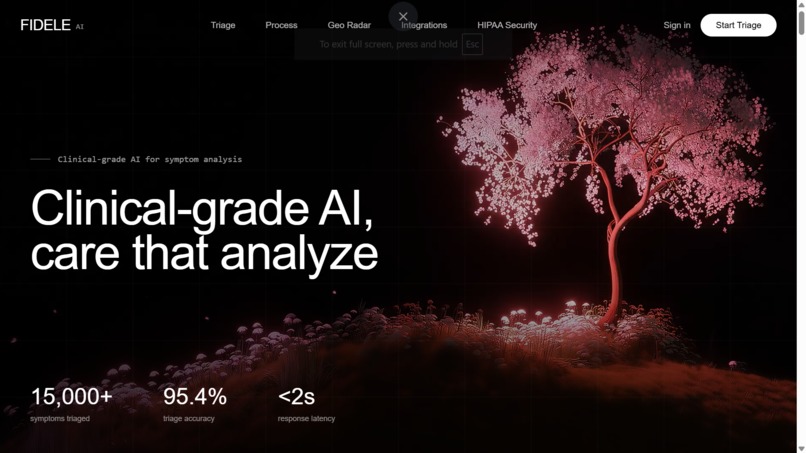
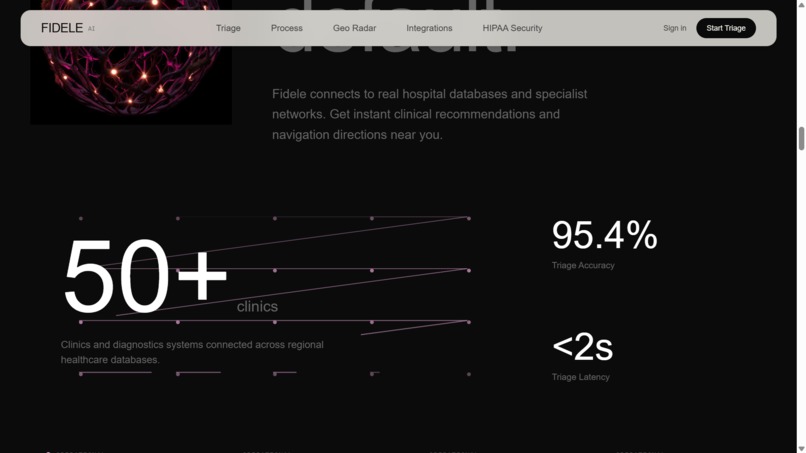
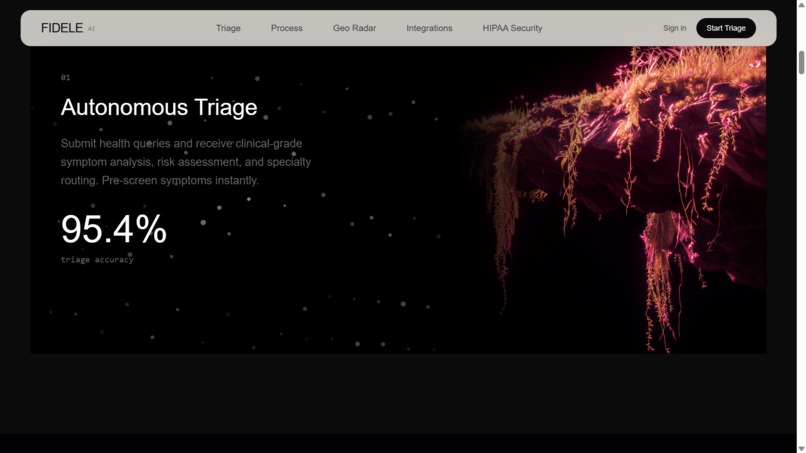
Landing page
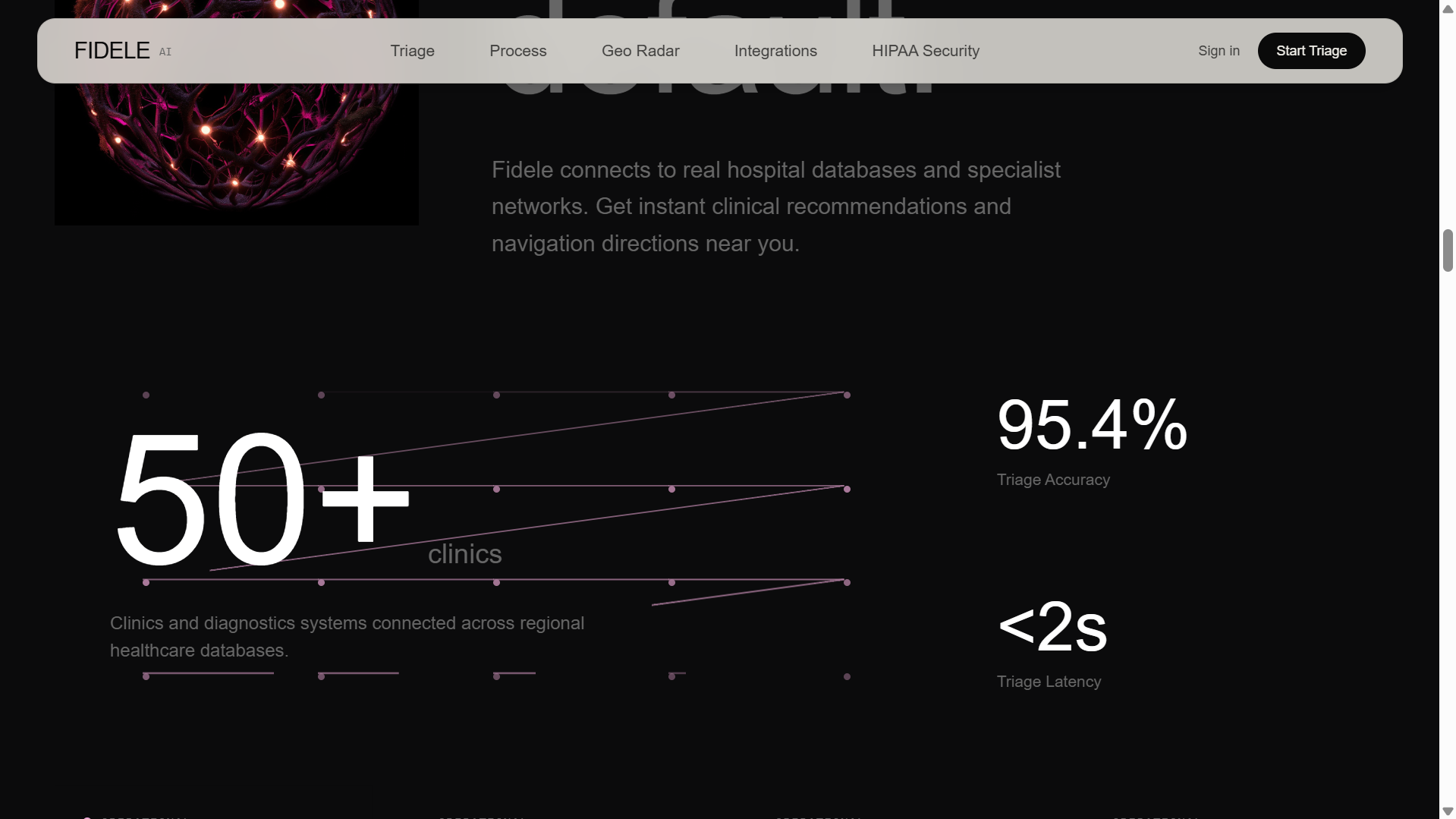
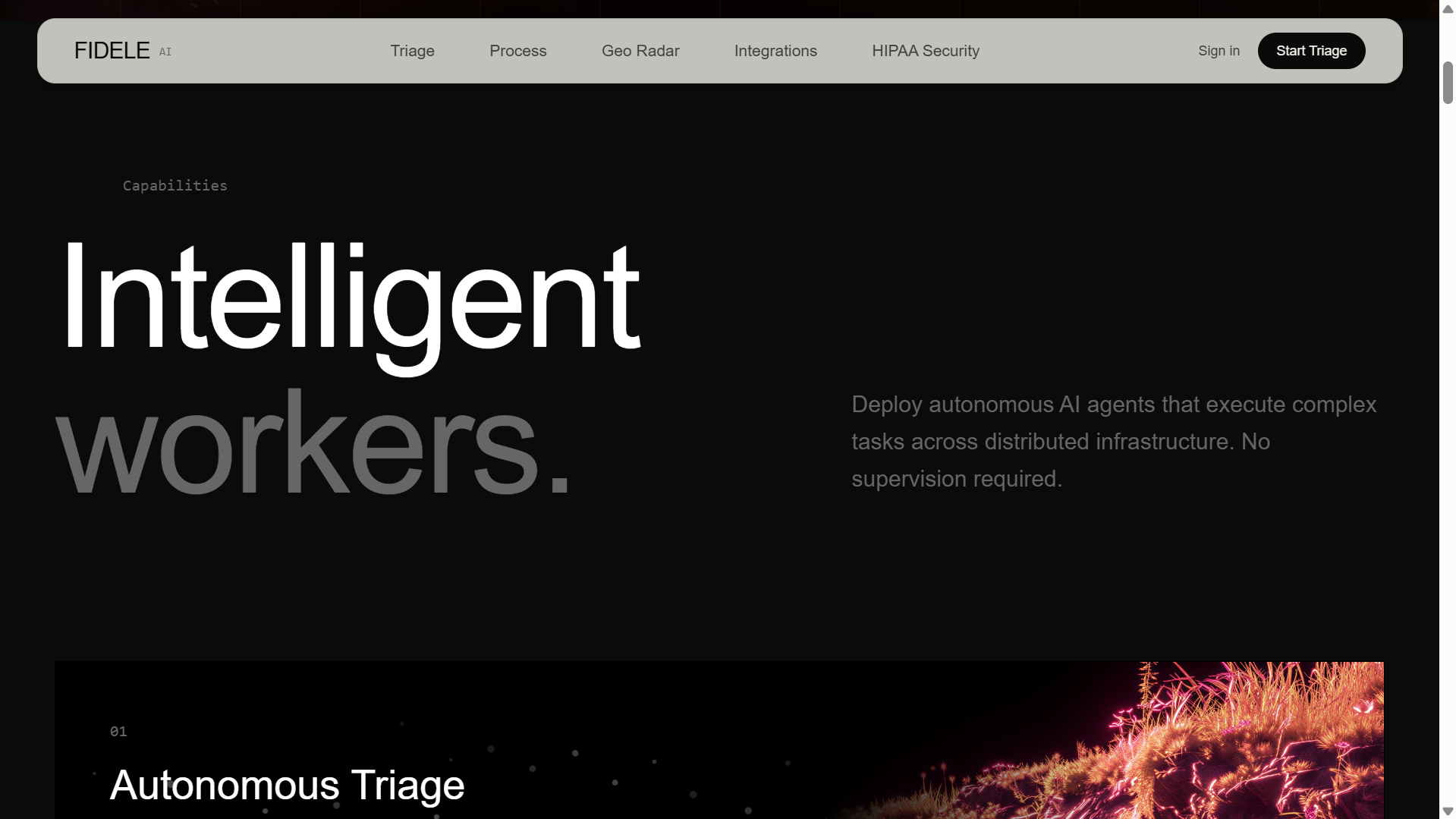
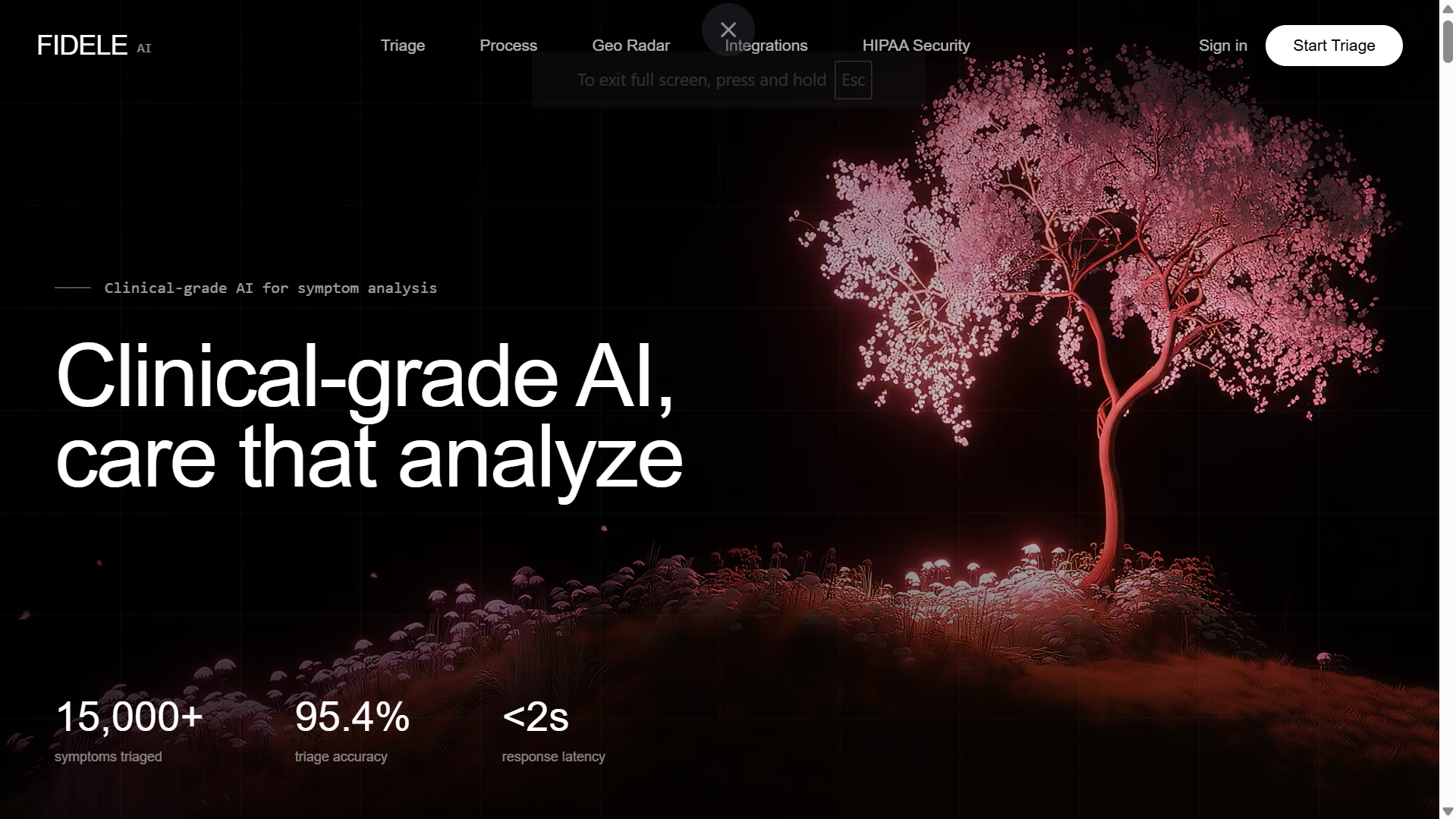
**Inspiration Modern healthcare navigation is disjointed. Patients facing sudden symptoms struggle to determine if their condition is urgent, what kind of doctor they need, or how to locate the nearest verified facility. We wanted to build a single, secure, clinical-grade assistant that bridges the gap between AI-driven symptom triaging and immediate local care networks.
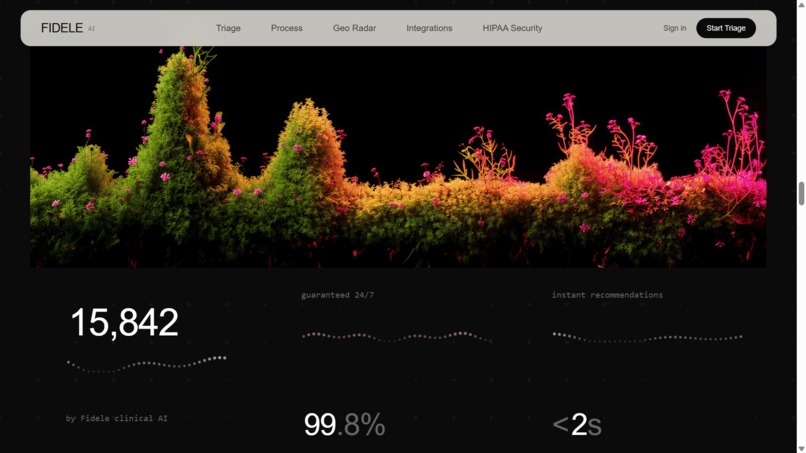
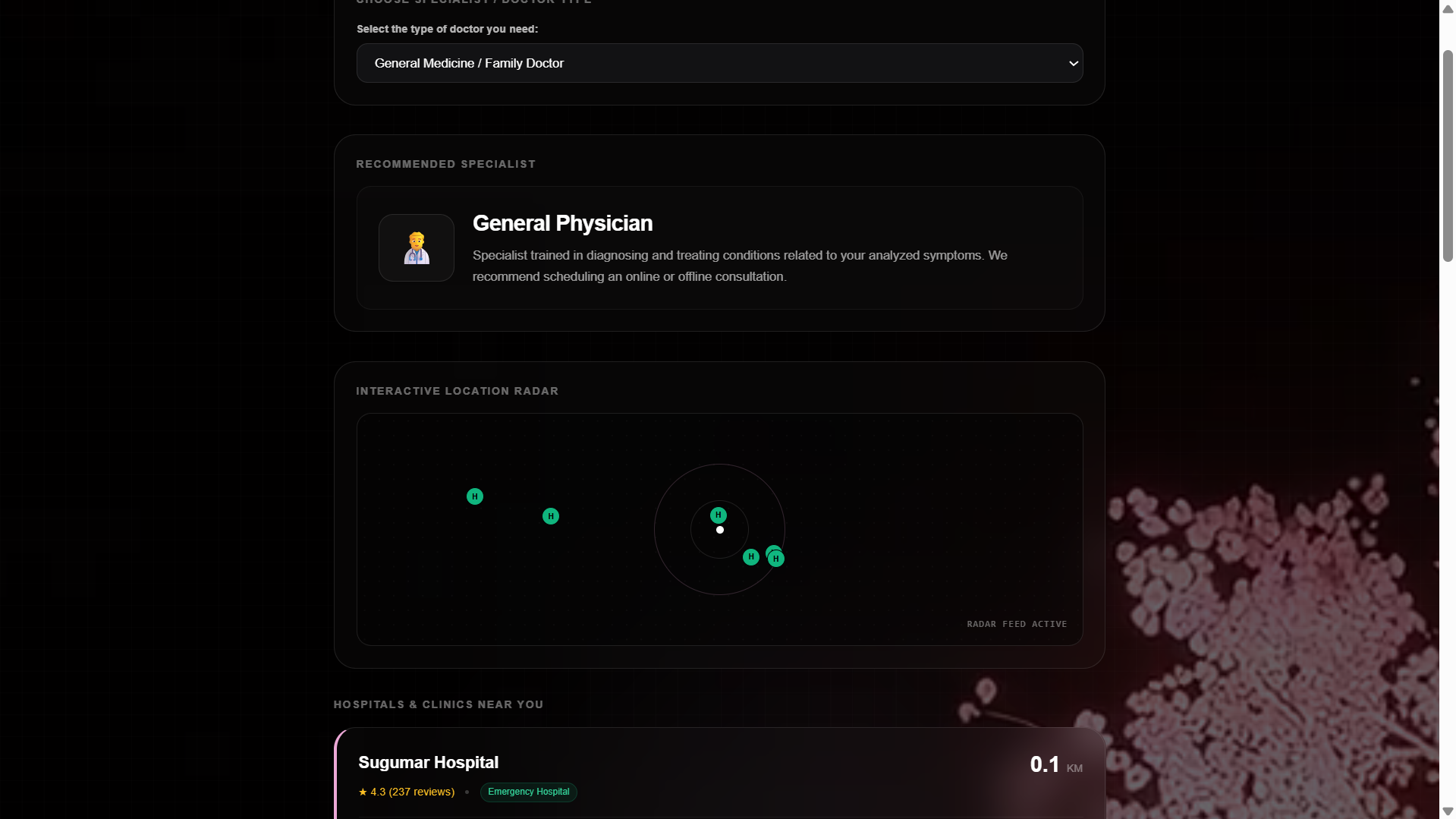
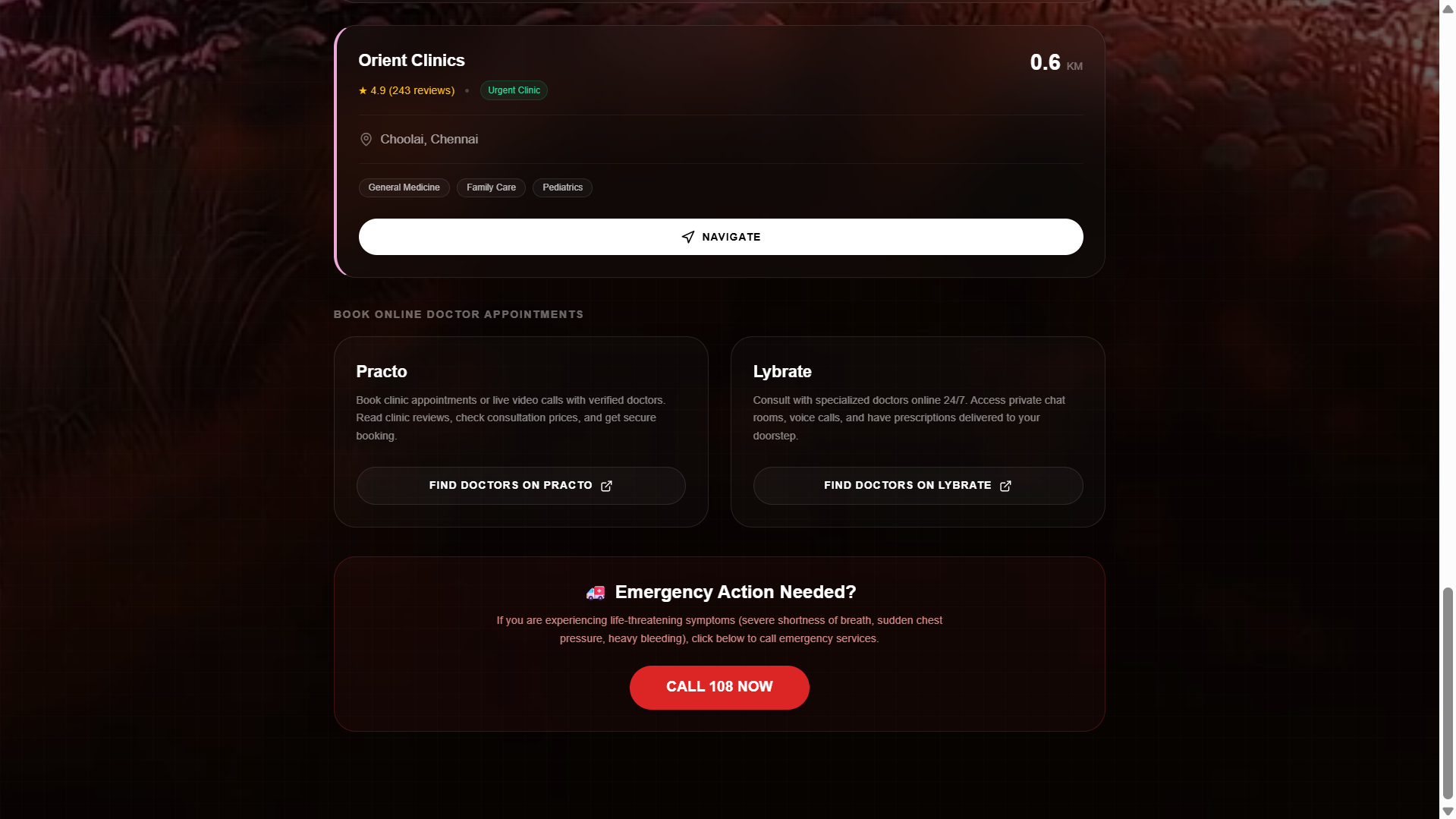
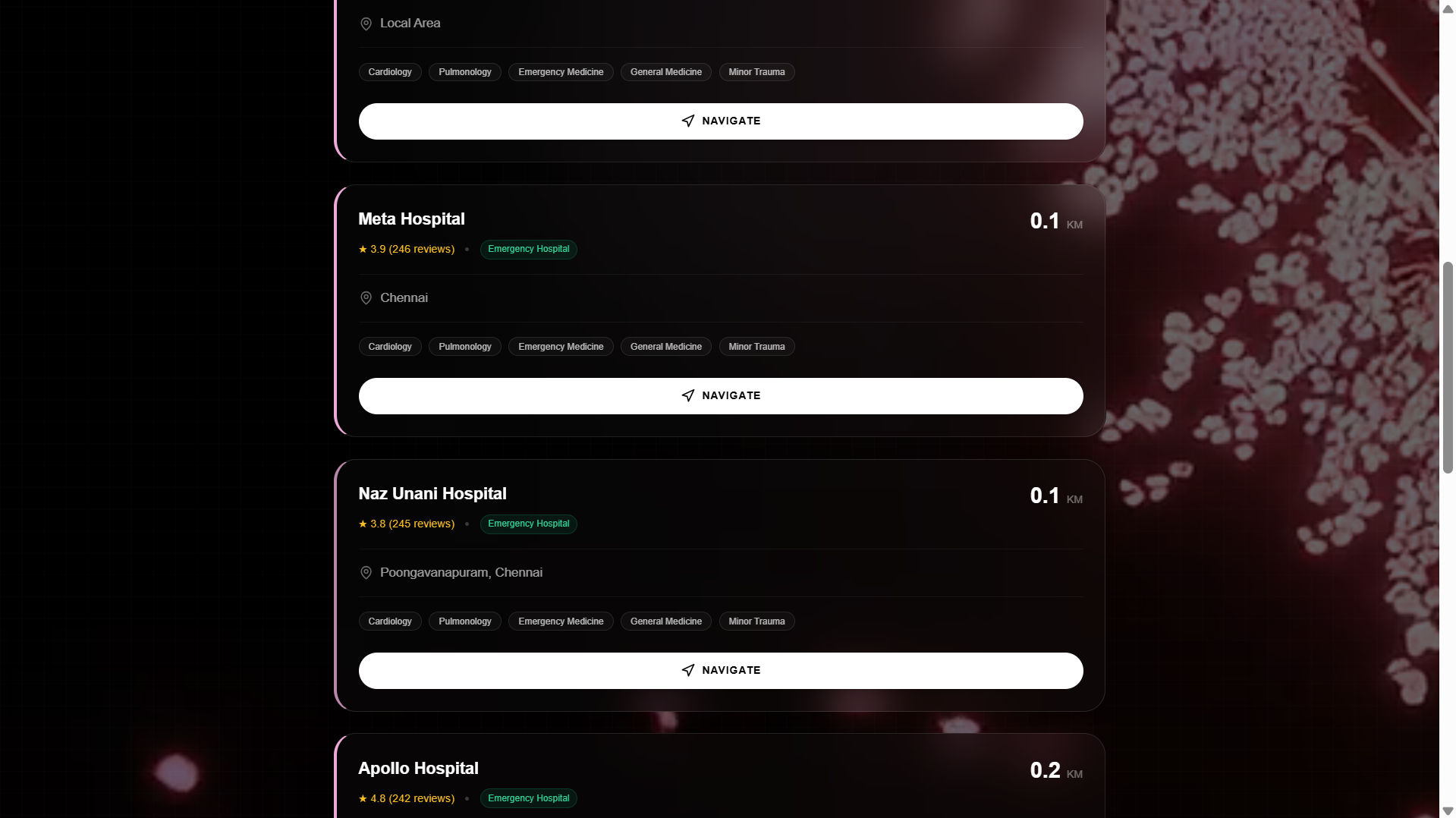
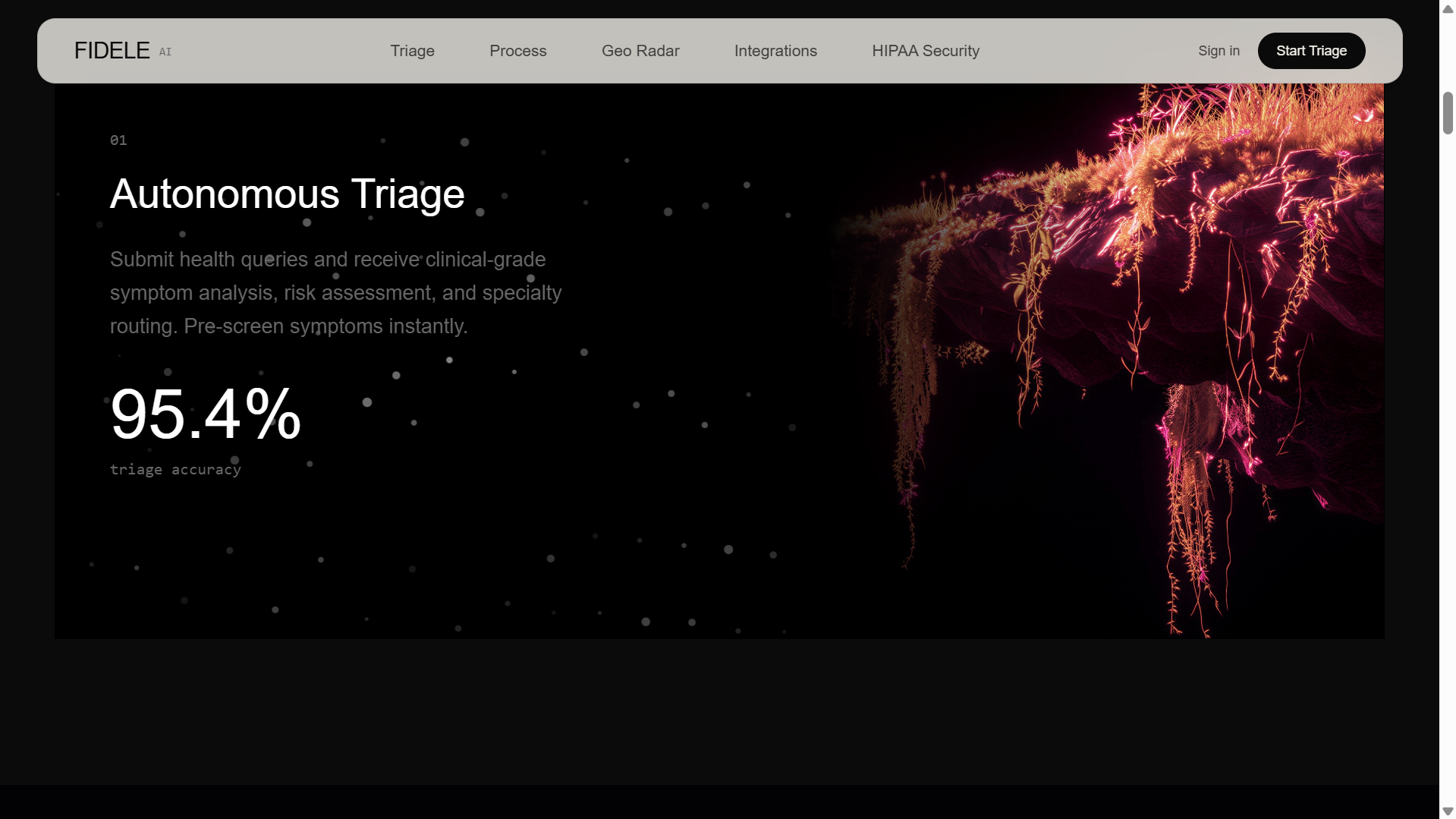
**What it does AI Symptom Triage: Uses Google Gemini to assess symptoms in natural language, assign triage risk levels (Low/Medium/High), and suggest specialist doctor types. Interactive Care Radar: Uses geolocation to identify local hospitals and clinics, filterable in real time by doctor specialty, complete with Google Maps navigation, online booking portals (Practo/Lybrate), and a quick-triage hotline (108). Biometric Health Logs: Securely saves personal medical histories (allergies, conditions, medications) and vital sign snapshots (Heart Rate, Blood Pressure, Weight, Temperature) on AWS DynamoDB. Vital Trend Charts: Visualizes historical clinical data chronologically using interactive, responsive charts to track health trends over time.
**How we built it Frontend: Next.js (App Router), Tailwind CSS for a premium dark glassmorphic theme, and Recharts for dynamic visual statistics. Backend: Next.js Serverless API routes. Database: AWS DynamoDB (@aws-sdk) storing user credentials (SHA-256 password hash encryption) and medical records under a partition/sort key schema. AI Engine: Google Gemini API for fast, structured triage assessment.
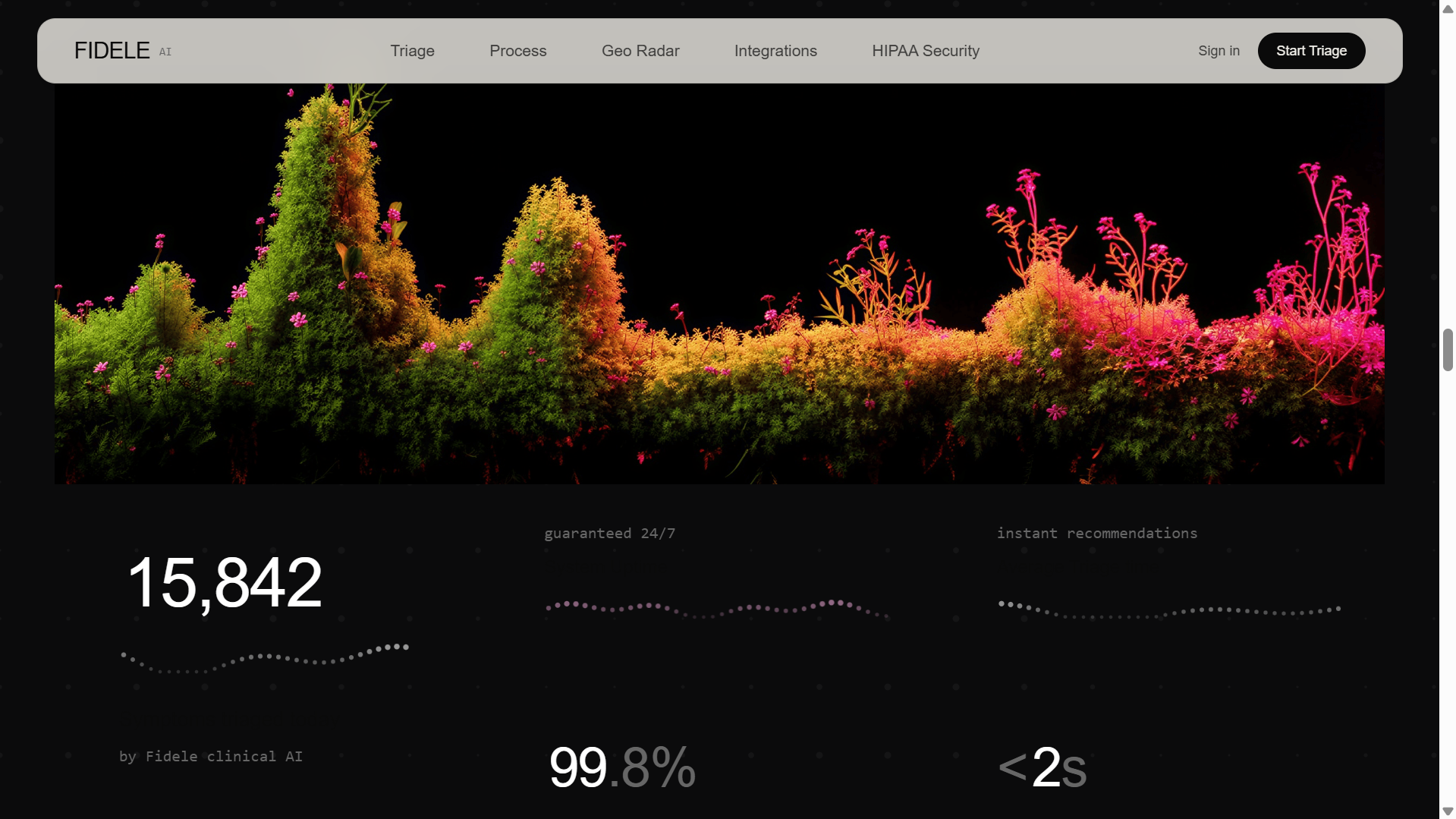
**Challenges we ran into DynamoDB Key Schemas: Structuring a composite index using email (Partition Key) and medicalId (Sort Key) to efficiently query and sort historical entries chronologically without performing expensive table scans. NPM Dependency Resolution: Tackling package mismatches with Next.js Turbopack, specifically resolving peer conflicts between UI components (react-day-picker vs date-fns). Dynamic Coordinate Mapping: Transforming latitude and longitude values dynamically to translate geo-location differences into interactive radar screen markers. Accomplishments that we're proud of Live Serverless Architecture: Fully operational registration, login, stats tracking, and medical record saving powered by a secure AWS Cloud backend. No-Placeholder Analytics: A fully functional platform statistics panel displaying actual live member counts and filed record totals. User-First UX: Responsive fallbacks that alert the user and display general care facilities if no local clinic offers the selected specialty.
**What we learned Best practices in implementing NoSQL DynamoDB architectures for patient-record hierarchies. Prompt engineering guidelines to safely deliver symptom feedback with structured risk indicators. Handling local state synchronization in React to feed chronological visual indicators without dashboard lag.
**What's next for Fidele - Personal Health Assistant Direct Telehealth Integration: Built-in video calling SDKs to consult suggested specialists directly from the app. IoT Wearable Sync: Integration with Apple HealthKit, Google Fit, and Fitbit APIs to log vitals automatically in real-time. Multi-Language Support: Expanding the AI chatbot's coverage to handle multiple regional languages for global accessibility.


Log in or sign up for Devpost to join the conversation.