
Inspiration
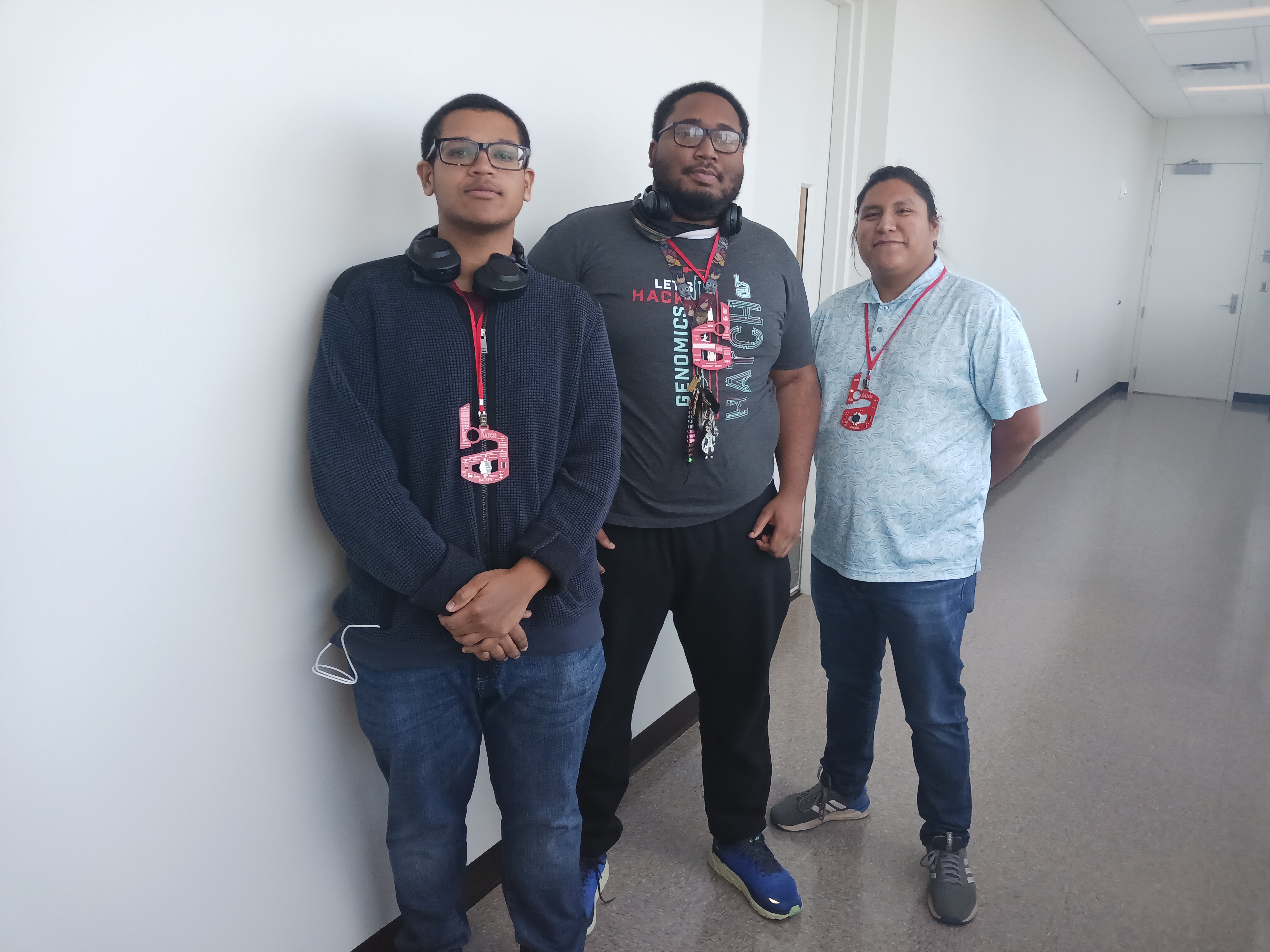
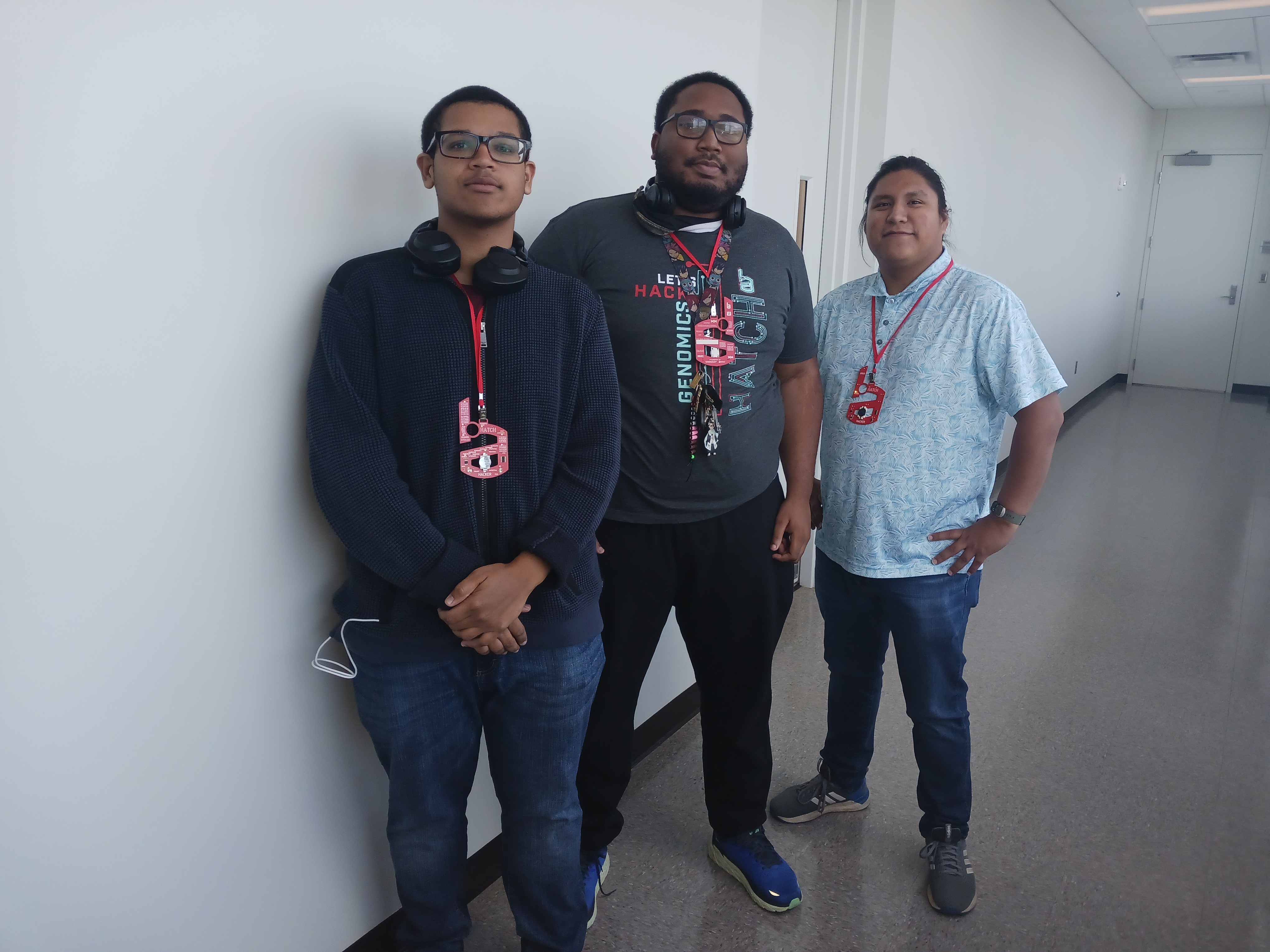
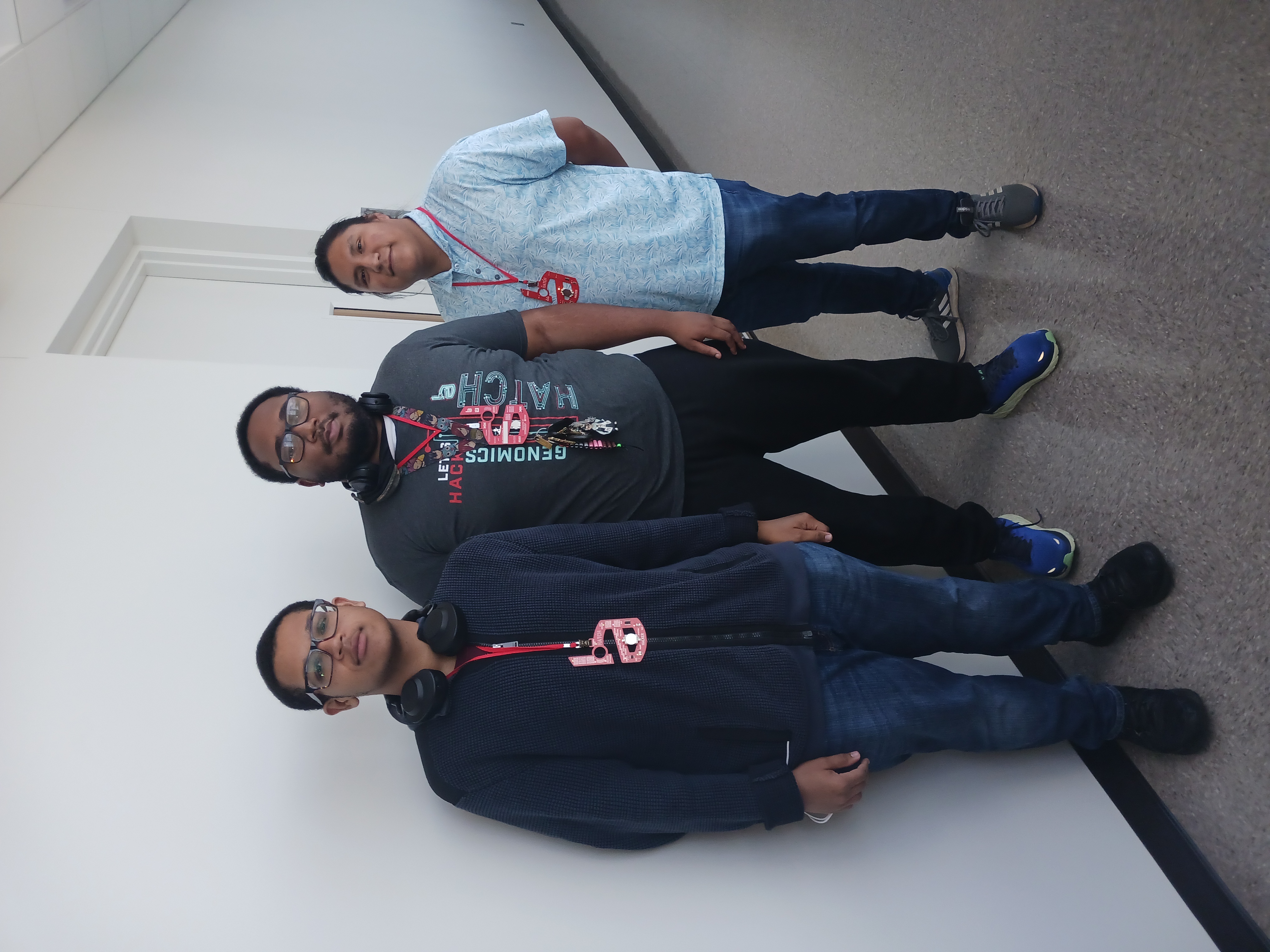
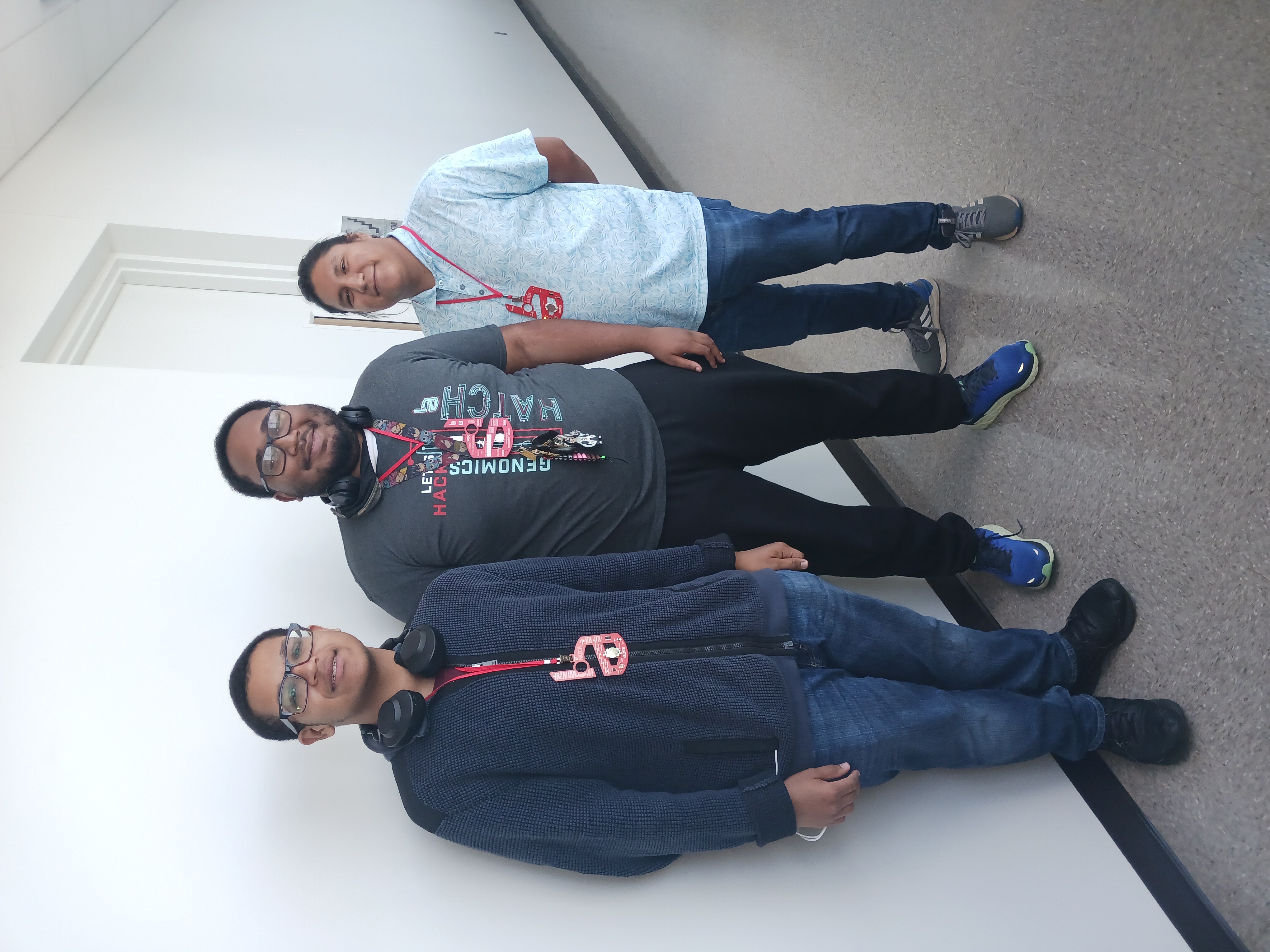
Our team has a common interest in human health and the nature of this project allowed us to express our passion towards the subject matter. We all know at least one family member that have a hereditary disease and it felt very easy for us to get pumped up about it!
What it does
Our program builds upon the previously established EHRs in a way that will lower the amount of time that a doctor/nurse would have to spend in front of the computer. We have made the process simpler and easier to learn for new people in the field, as well as those who are already well established. After connecting to the database, we expedite the process for data retrieval. Once the data is retrieved, we format it in a way that even if a patient accessed the web application only their data would be visible. We also verify that all files that are available do in fact belong to the person in question and take in any new files that are sent over from the lab.
How we built it
We took various approaches going into this project, and we ended up deciding on using python with streamlit. The reason we settled on this approach was because python would be simpler to use, and the tools for building web apps are very intuitive. We were able to build a working software in a matter of hours, and there weren't (too) many problems that arose while we were using it. We also ran into some of the same issues, but thanks to python being a lot easier than the other languages we fixed them.
Challenges we ran into
We had a couple failed attempts before we settled on using streamlit in python. Those attempts will be chronicled below:
Attempt 1: Html web application. We followed the guides given in the SMART FHIR Documentation that we were given, and we were able to create a presentable application. However, we ended up tabling this idea when we started running into errors in the form entries. We tried to remedy the problems with JavaScript scripts and other supplementary materials, but we ended up scrapping the idea to go in other ways.
Attempt 2: C# Form application. We created a Forms app that would be split into different forms to meet the needs of patient and providers alike, but it did not interact with FHIR or follow the format. This would have been the simplest, but it would not have satisfied the challenge that was given as much as we would like. This approach would run on a database that we created to store the data and in turn export it out into a .csv file as we made changes to the database.
Accomplishments that we're proud of
After all of the time we spent thinking, scrapping ideas we thought were not good enough, building software that we enjoyed making, and re-thinking ideas that we thought were going in the wrong direction; we managed to build something that we are proud of and can show off in our portfolios. We also managed to break down the question enough to help other teams, and each other understand the prompt well enough to create software/presentations.
What we learned
We learned that we should trust our instincts when we attempt to tackle a problem. We had a lot of moments where we were on track and began to second guess ourselves, but we learned from the experience. We also picked up a few skills in database manipulation with python and learned to use the streamlit python library.
What's next for FHIRed Up
We will continue to grow together and seek out more projects and hackathons to build our portfolios and hopefully gain meaningful employment in the near future.

Log in or sign up for Devpost to join the conversation.