-
-
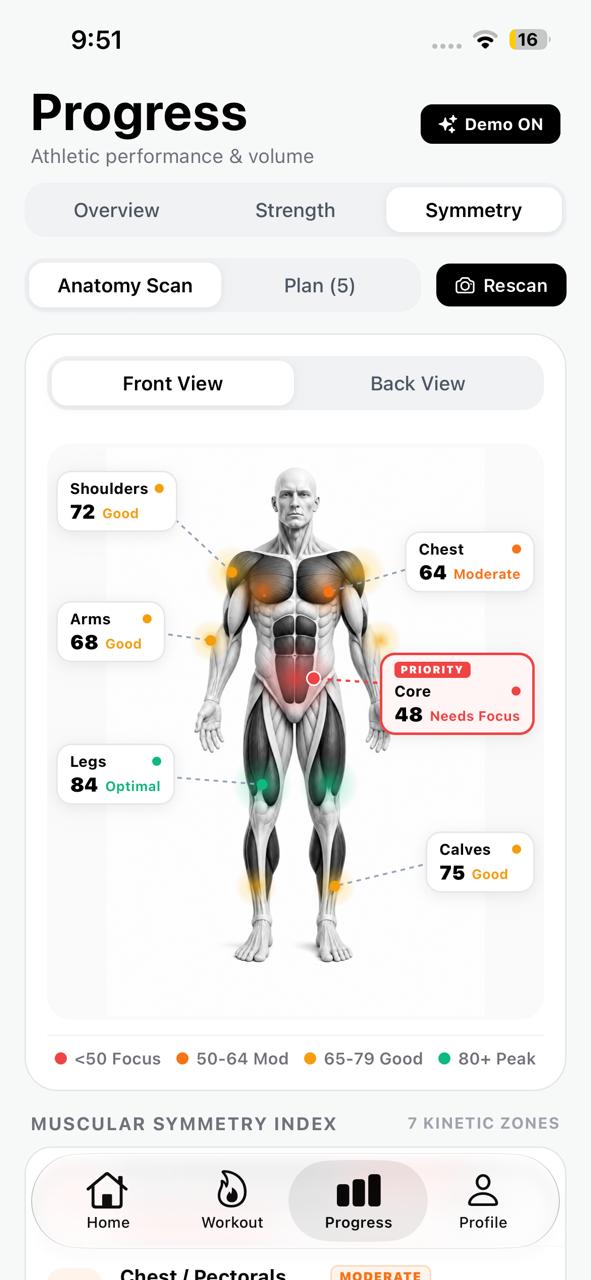
App Screen without Device Frame 1
-
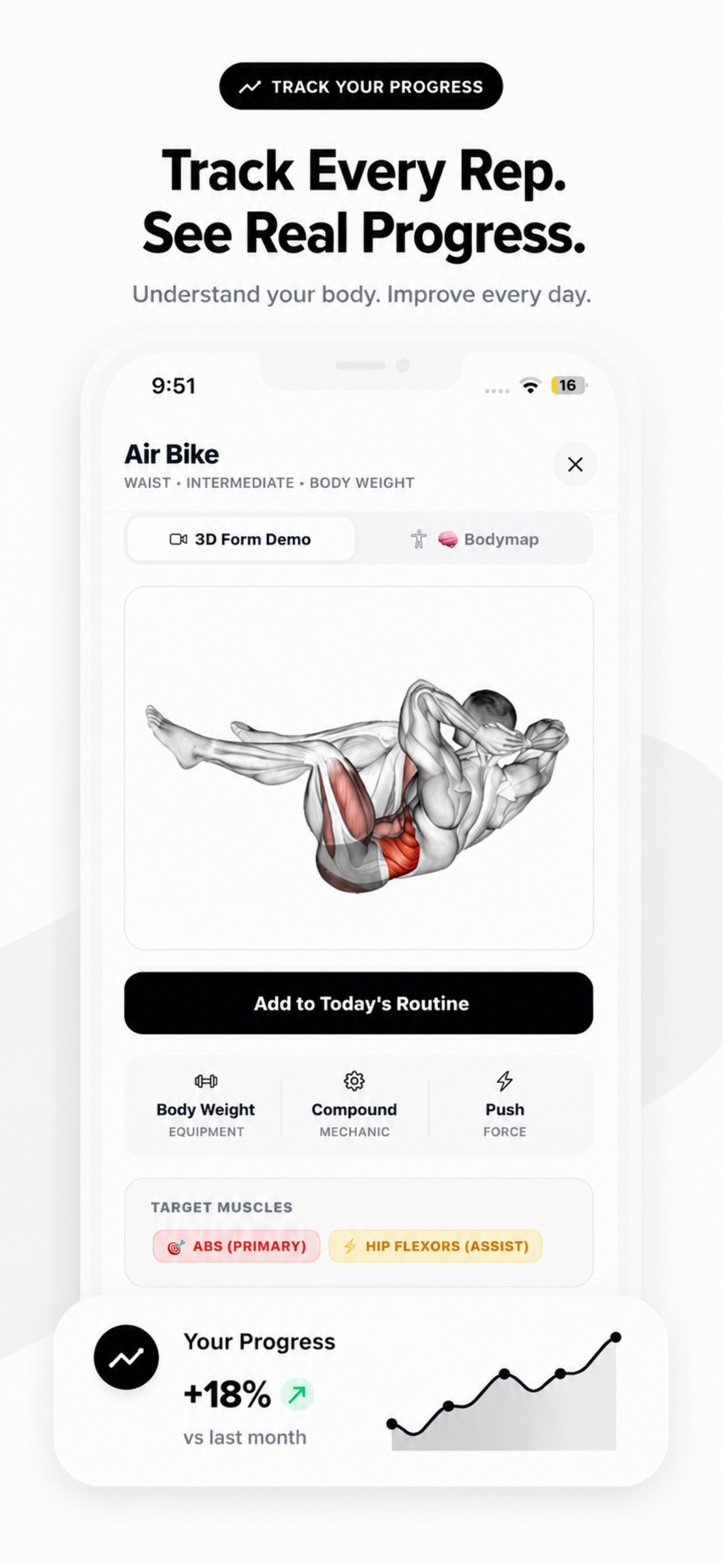
App Screen without Device Frame 2
-

Fettlr Fit Icon 1024x1024
-
-
-
-
-

Inspiration
Getting fit should be simple. Yet most fitness apps make it feel complicated.
Existing workout apps often give users huge exercise libraries, rigid plans, or dashboards full of numbers. They can tell you what an exercise is, but they do not always help you answer the question that matters most:
"What should I do today, based on my goal and my progress?"
That gap inspired me to build Fettlr Fit.
I wanted to create a fitness experience that feels less like using a spreadsheet and more like having a personal training system in your pocket. Instead of forcing everyone into the same routine, Fettlr Fit is designed around the individual, their goals, their workouts, and their progress.
What I Built
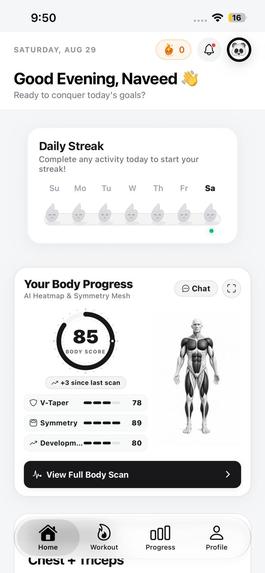
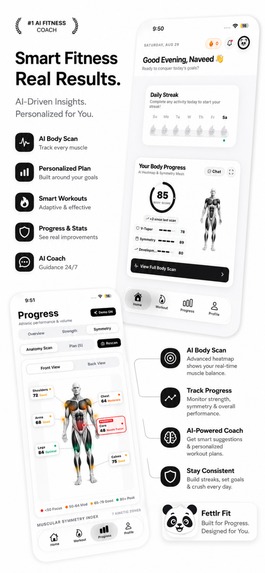
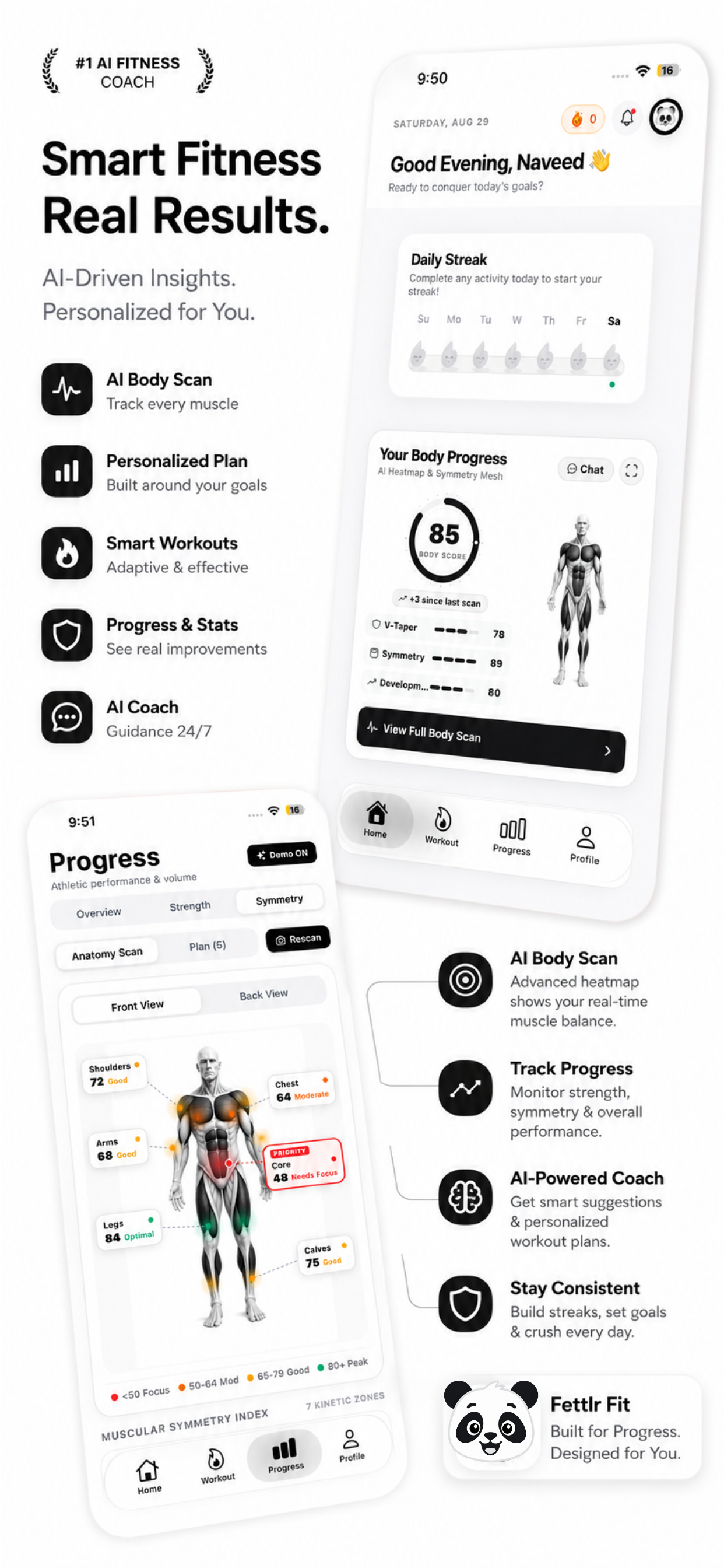
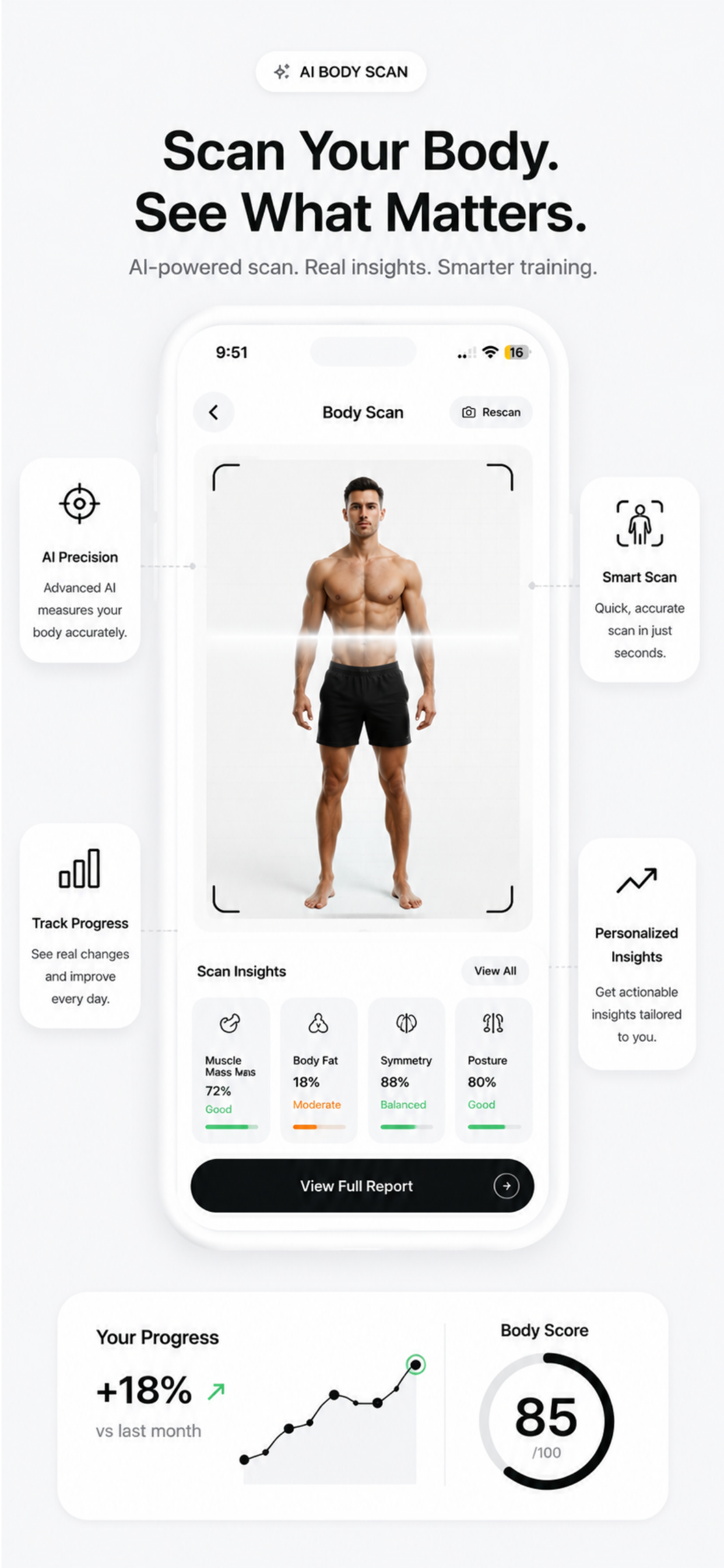
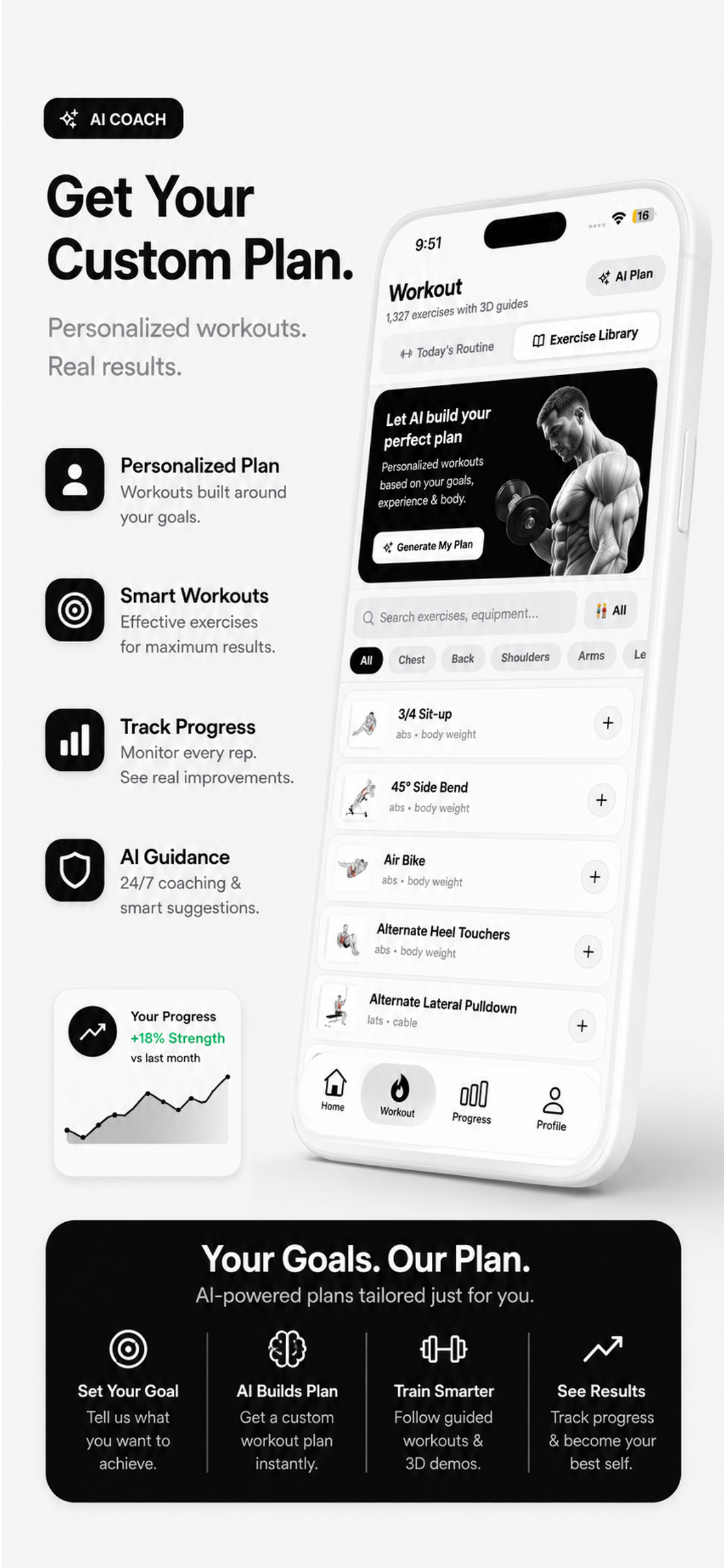
Fettlr Fit is a modern workout planner and fitness companion designed to make training easier to understand and easier to stick with.
Users can plan workouts, track exercises, monitor their progress, and build a consistent training routine without being overwhelmed by unnecessary complexity.
The goal is simple:
Open the app, know what to train, complete the workout, and see yourself getting better.
I focused heavily on the experience. Every part of the product was designed to make fitness tracking feel fast, clean, and motivating rather than like filling out a database.
Why Fettlr Fit Is Different
The fitness market already has thousands of apps, so building another exercise tracker would not be enough.
The opportunity was to rethink the experience.
Instead of asking users to spend time figuring out how the app works, Fettlr Fit puts the workout experience first.
The product combines:
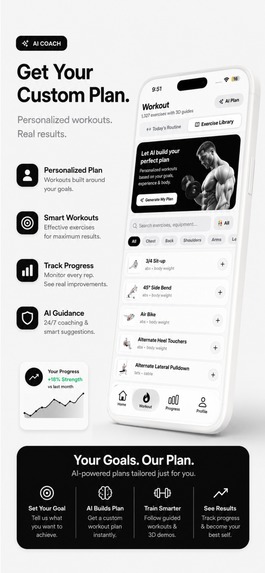
- Workout planning so users can organize their training
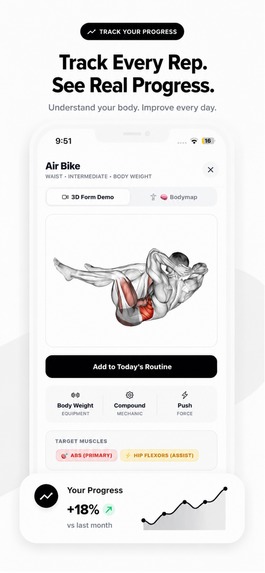
- Exercise tracking to record sets, reps, weight, and performance
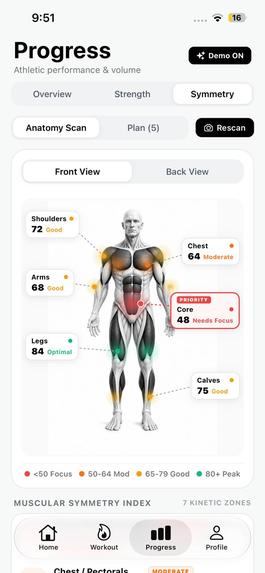
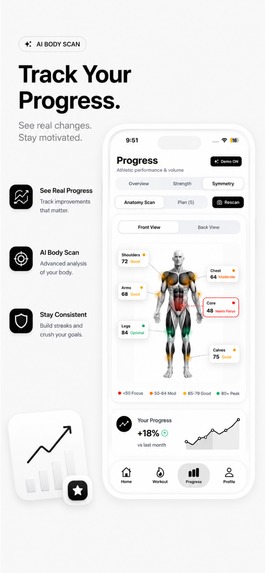
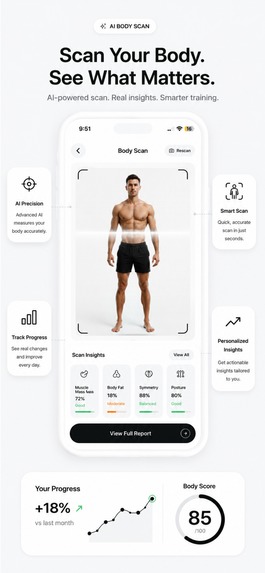
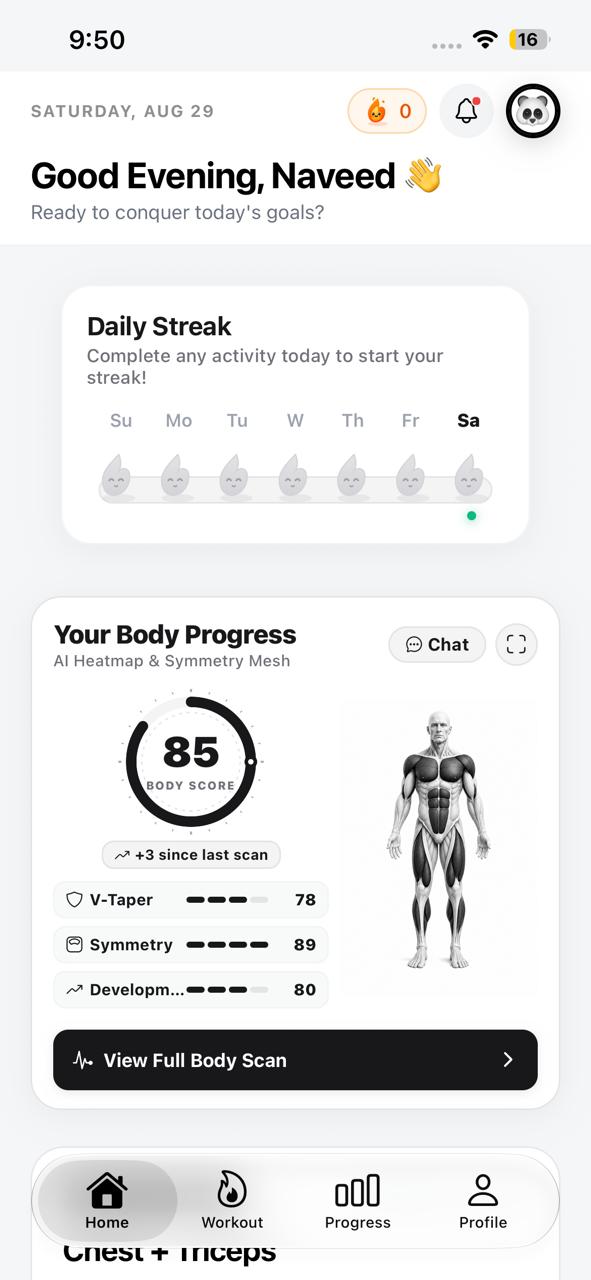
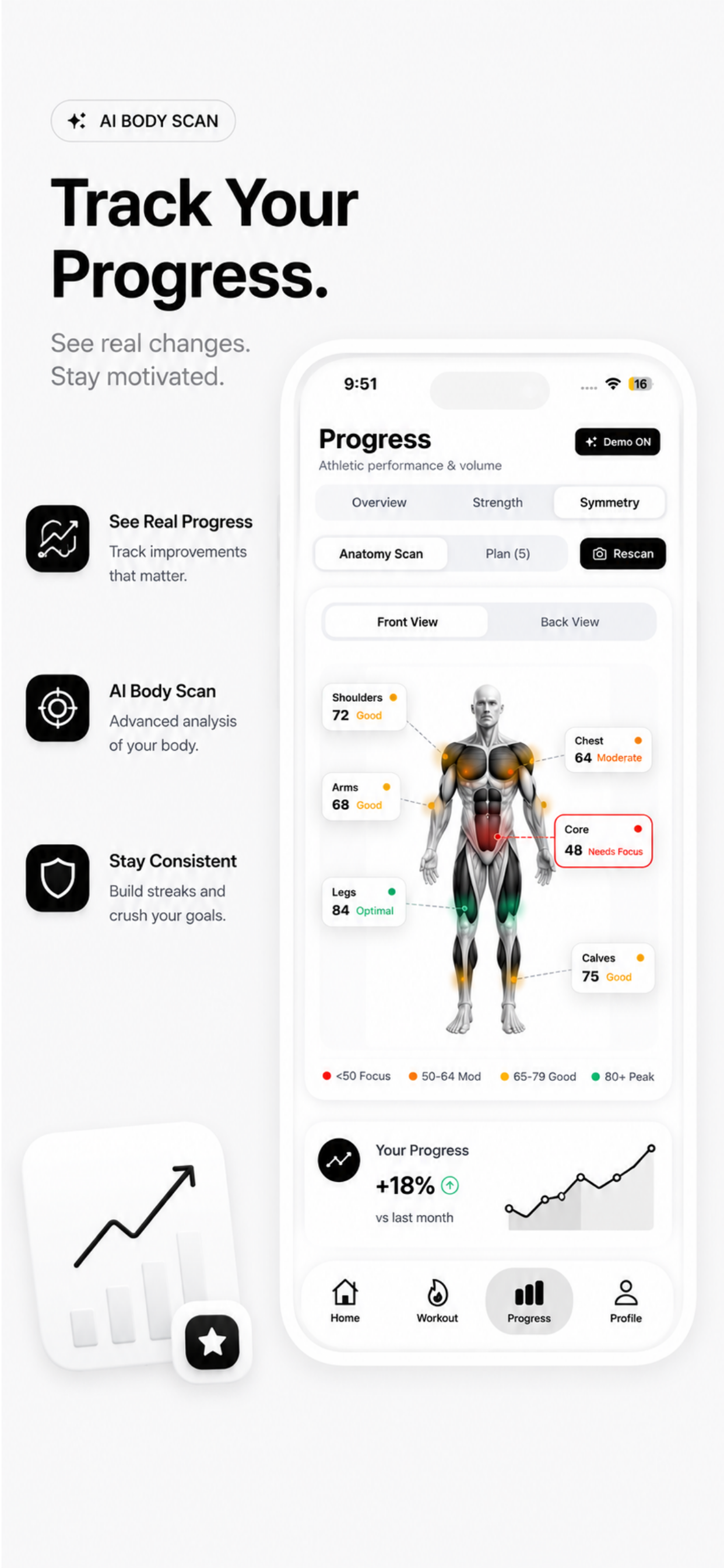
- Progress tracking to make improvement visible over time
- Personalized training workflows built around the user's goals
- A clean, distraction-free interface designed for use inside the gym
- Smart guidance to help users make better training decisions
The philosophy behind Fettlr Fit is:
Less complexity. More training. Better progress.
How I Built It
I built Fettlr Fit as a product from the ground up, focusing on the complete experience rather than simply adding features.
I started by looking at how people actually use fitness apps during a workout. A gym is not the place for complicated navigation. Users are moving between exercises, resting between sets, checking their previous performance, and recording data quickly.
That led me to prioritize a fast and minimal interface.
I designed the product around the workout loop:
Plan → Train → Track → Review → Improve
Every feature has to support that loop.
I also designed the visual language around a strong black and white aesthetic. The interface is intentionally minimal so that important information such as the current exercise, sets, reps, and progress remains easy to understand at a glance.
Challenges
The biggest challenge was not building another workout tracker.
It was deciding what not to build.
Fitness apps can easily become overloaded with exercises, charts, social features, nutrition tools, complicated onboarding, and endless settings. Adding more features does not automatically create a better product.
I had to constantly ask:
Does this actually help someone have a better workout?
Another challenge was designing an experience that works both for someone starting their fitness journey and for someone who already trains consistently. The product needed to be powerful enough for serious tracking while remaining simple enough to understand immediately.
Getting that balance right required a lot of iteration across the product, from the information architecture to individual workout screens.
What I Learned
Building Fettlr Fit taught me that a good product is not necessarily the one with the most features.
It is the one that removes the most friction.
I learned to think about every interaction from the user's perspective. In a gym, every extra tap matters. Every confusing screen breaks focus. Every unnecessary decision makes it harder to stay consistent.
I also learned that building a product is an iterative process. The first version is rarely the best version. You build, use it, identify friction, improve it, and repeat.
Why Fettlr Fit Matters
Fitness is not about completing one perfect workout.
It is about showing up repeatedly and making small improvements over time.
Fettlr Fit is built around that idea.
The product is not trying to replace the gym, a coach, or the user's own discipline. It is trying to make the process of training more organized, measurable, and sustainable.
Plan better. Train consistently. Track everything. Keep improving.
That is the experience I wanted Fettlr Fit to deliver.
Built for Shipathon 2026
For Shipathon 2026, I wanted to build something that was not just a concept or a polished prototype, but a product designed around a real problem.
Fettlr Fit represents that approach.
I took a familiar category, looked at where existing experiences create friction, and built a simpler alternative with a strong focus on the actual moment that matters: the workout.
The result is Fettlr Fit, a fitness app designed to turn training from something users have to organize into something they can simply follow.
Fettlr Fit is not about doing more. It is about making every workout count.
Built With
- cloudflare
- expo.io
- gemini
- layers
- onesignal
- react-native
- revenuecat
- stripe

Log in or sign up for Devpost to join the conversation.