-
-
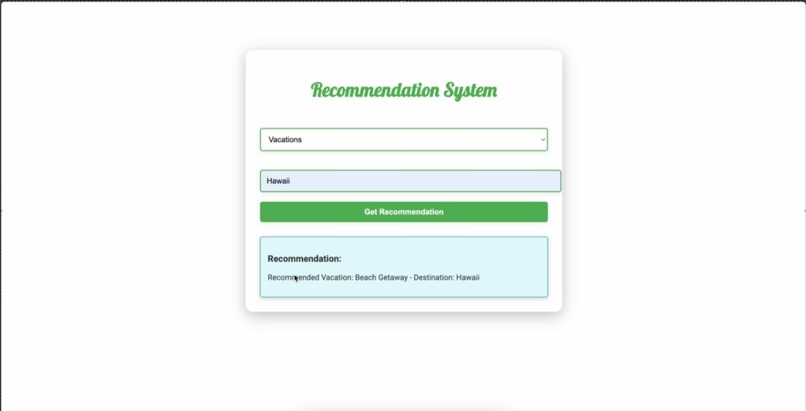
Project Interface
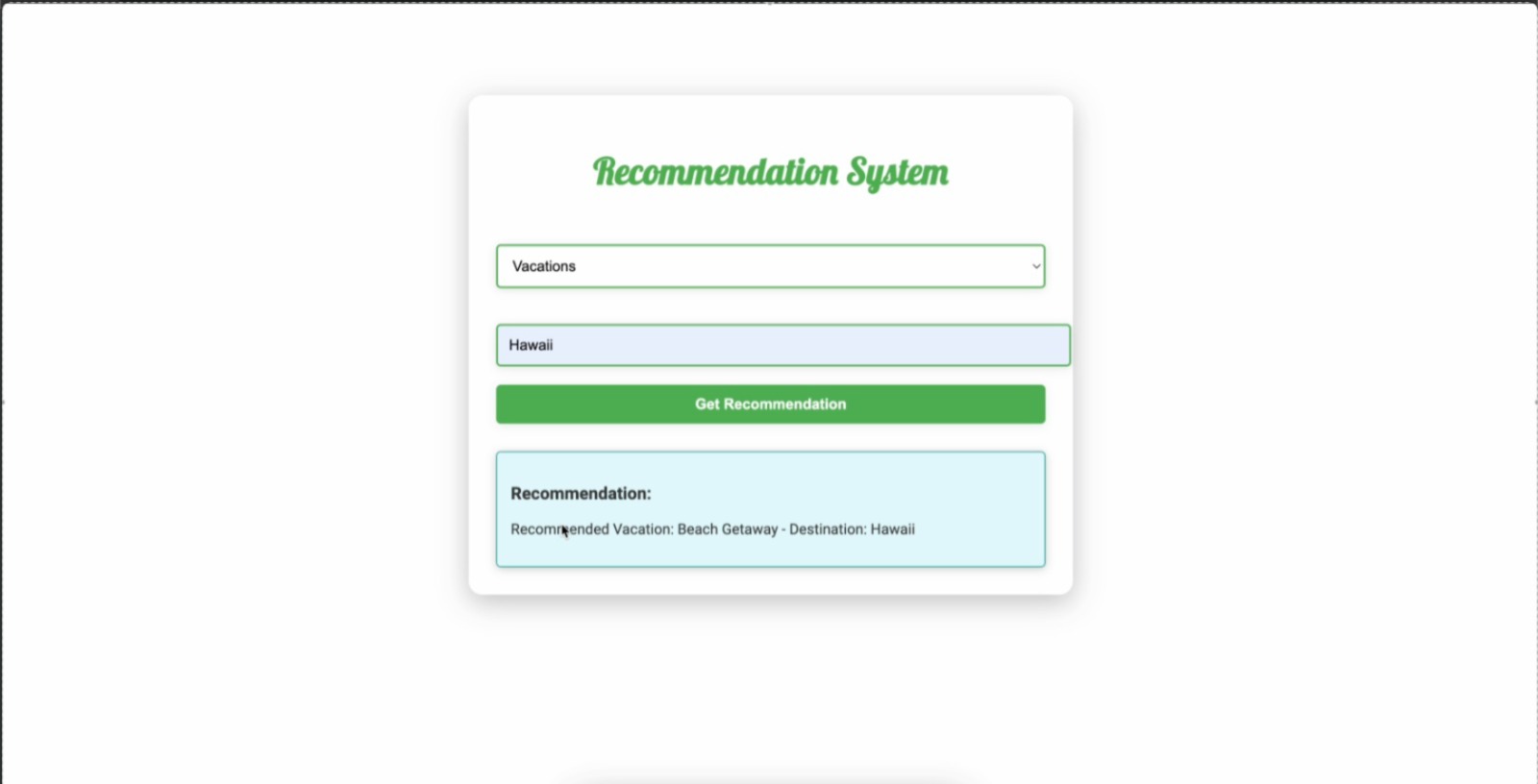
ABOUT THE PROJECT
About the Project: FetchSensei
Inspiration
FetchSensei was inspired by the growing need for smarter, context-aware applications that can understand user preferences and provide relevant recommendations in real time. With the advancement of AI, particularly in the field of autonomous agents like Fetch.AI, we saw an opportunity to create a tool that could help users make informed decisions, whether it's selecting the next movie to watch, picking the best meal, or choosing a new book. The idea came from our interest in building more intelligent systems that go beyond static suggestions and truly adapt to user context and behavior.
What We Learned
Throughout the development of FetchSensei, we gained a deeper understanding of how Fetch.AI technology works and its potential for creating real-time, autonomous systems. We also learned the intricacies of combining Flask for the backend with HTML and CSS to create a dynamic and visually engaging user interface. This full-stack approach allowed us to efficiently handle requests and deliver personalized recommendations in a user-friendly way.
We also learned:
- How to simulate and handle context-aware recommendations.
- The importance of well-structured APIs and agent-based systems.
- Best practices in front-end design using HTML and CSS for responsive user interfaces.
- The seamless integration of Flask for server-side processing with Fetch.AI technology.
How We Built the Project
- Fetch.AI Integration: We began by integrating Fetch.AI’s agent technology into the backend to simulate context-aware decision-making, allowing us to generate personalized recommendations based on user input.
- Flask for Backend: We used Flask as the backend framework to manage user requests, handle the recommendation logic, and interface with Fetch.AI. Flask provided a robust yet lightweight foundation for connecting the user interface with our AI-powered recommendation system.
- HTML/CSS for Frontend: We built the frontend using HTML and CSS, ensuring that users have an intuitive and visually appealing interface. HTML structured the content, while CSS added design elements that made the user experience smooth and responsive.
- Testing and Refinement: After building the initial version, we tested the project to refine both the recommendation engine and the frontend design. We focused on ensuring that the recommendations were relevant, context-aware, and displayed in a clean, user-friendly format.
Challenges We Faced
One of the primary challenges was integrating Fetch.AI with Flask in a way that was efficient and could handle real-time, dynamic requests. Additionally, ensuring that the front-end design remained responsive and intuitive while managing the complexity of real-time data was a learning curve. Another significant challenge was balancing the performance of Flask as a lightweight web server with the real-time recommendations generated by Fetch.AI agents. Ensuring that all components — Flask, Fetch.AI, and the HTML/CSS frontend — communicated seamlessly was another hurdle.
Finally, designing an effective UI that showcased personalized recommendations in an engaging way, while keeping the code modular and scalable, was a challenge we successfully overcame through iterative development.
Conclusion
FetchSensei is a full-stack solution that bridges the power of AI with a simple, interactive user experience. By combining Fetch.AI’s autonomous agents with Flask and a custom-built HTML/CSS interface, we’ve created a tool that can deliver personalized recommendations in any domain. Despite the technical challenges, we successfully built a robust and scalable platform, and we are excited about the potential to further enhance the application in the future.


Log in or sign up for Devpost to join the conversation.