-
-
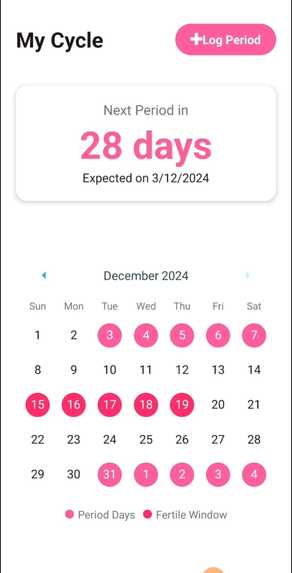
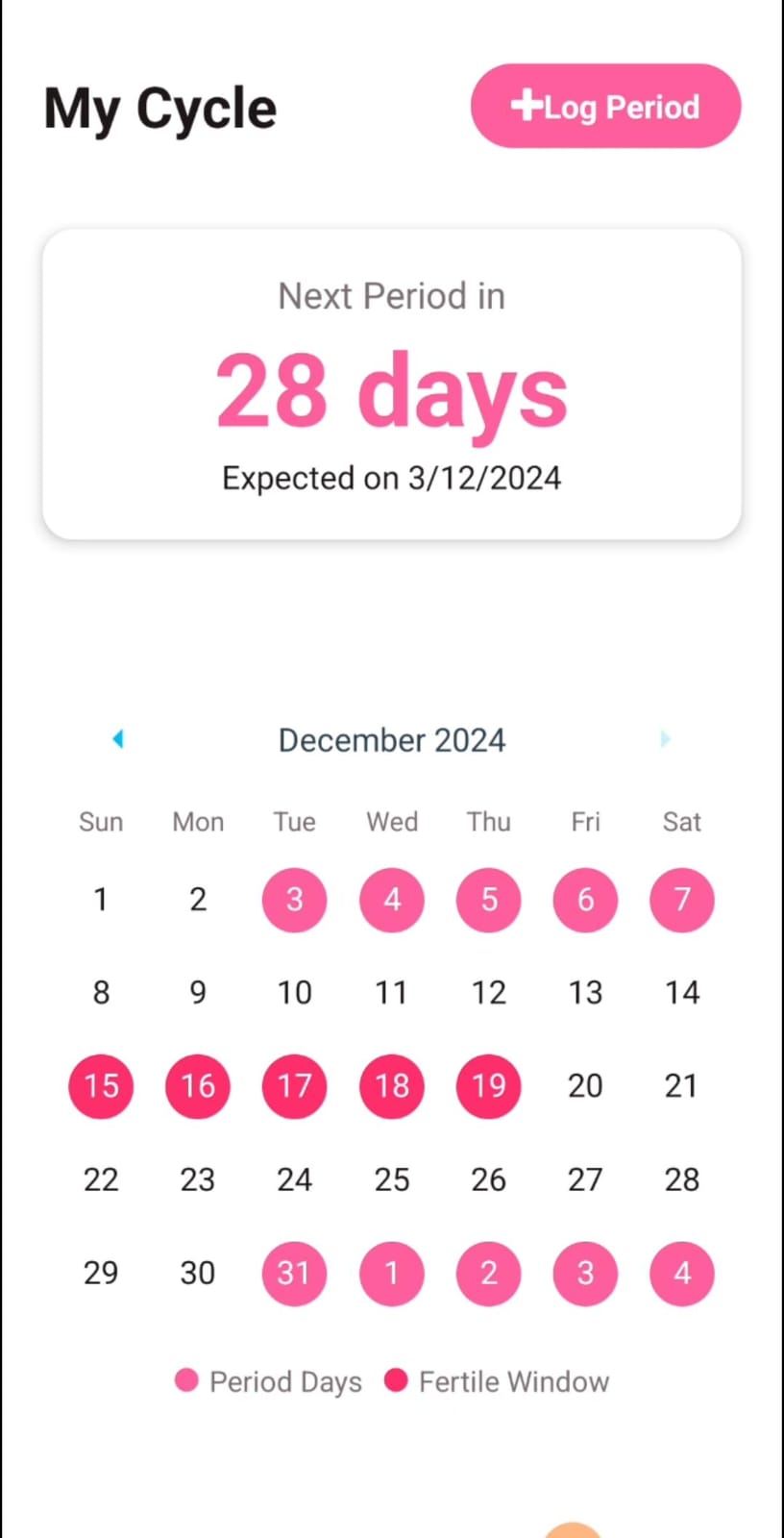
Period Calender
-
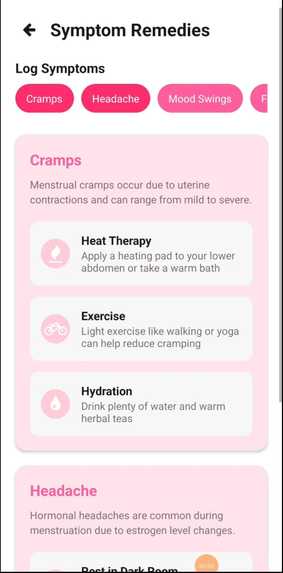
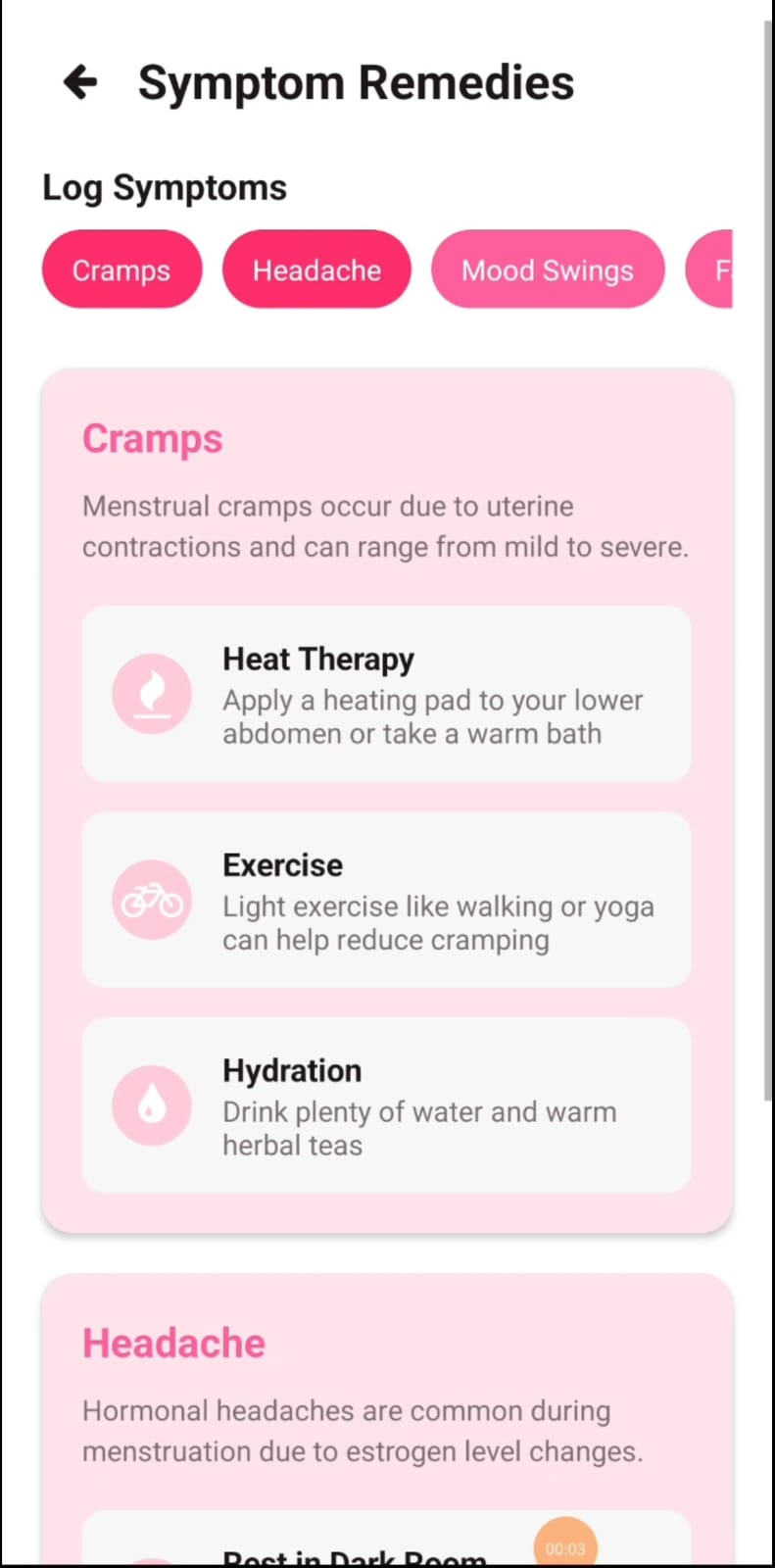
Symptom Remedies
-
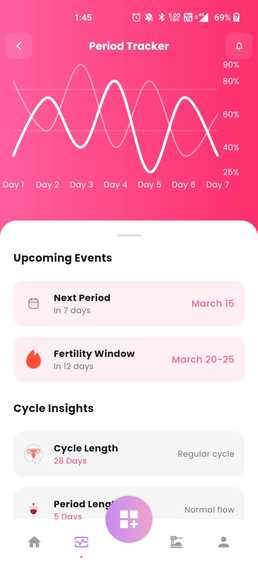
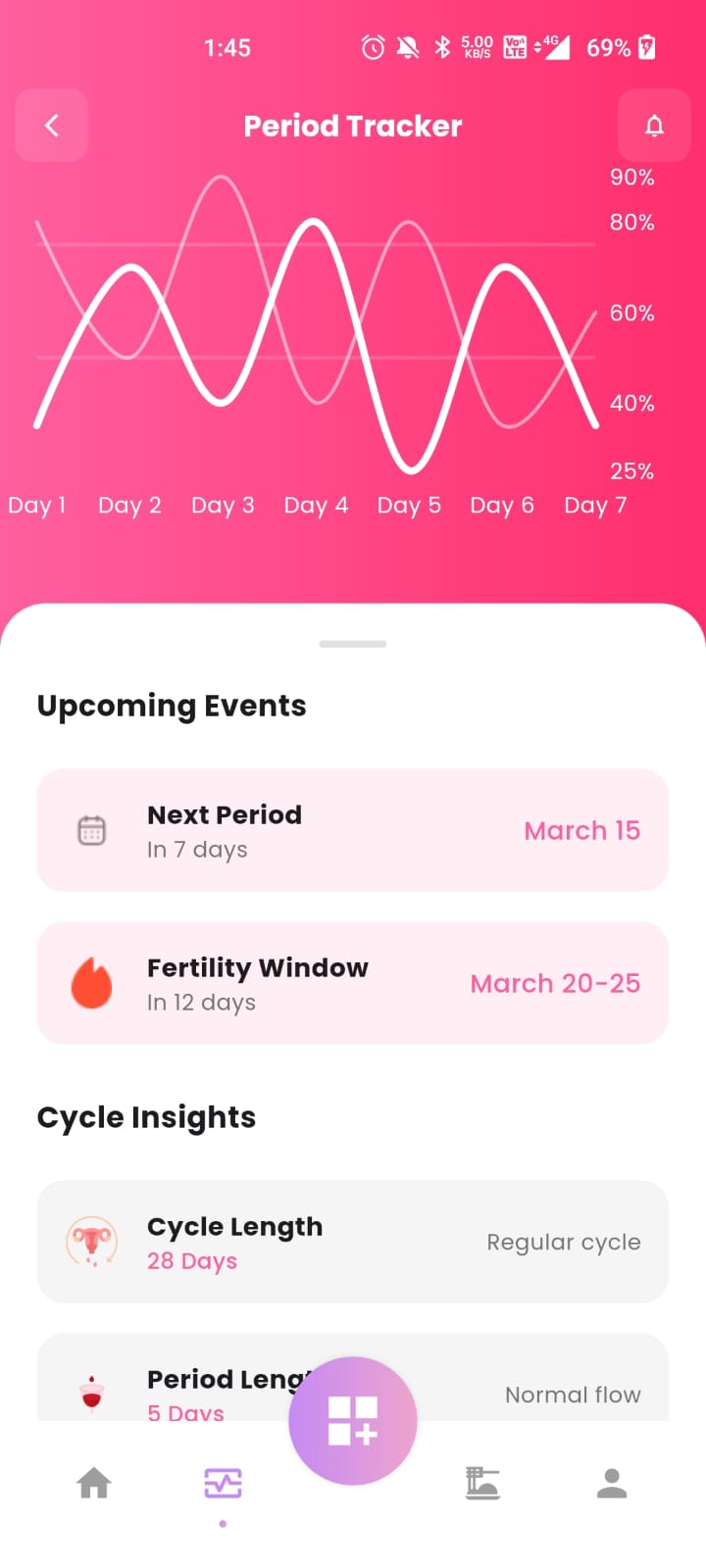
Period Tracker
-
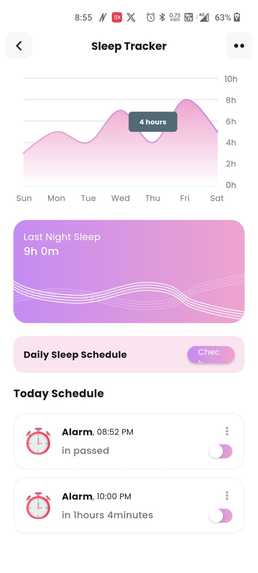
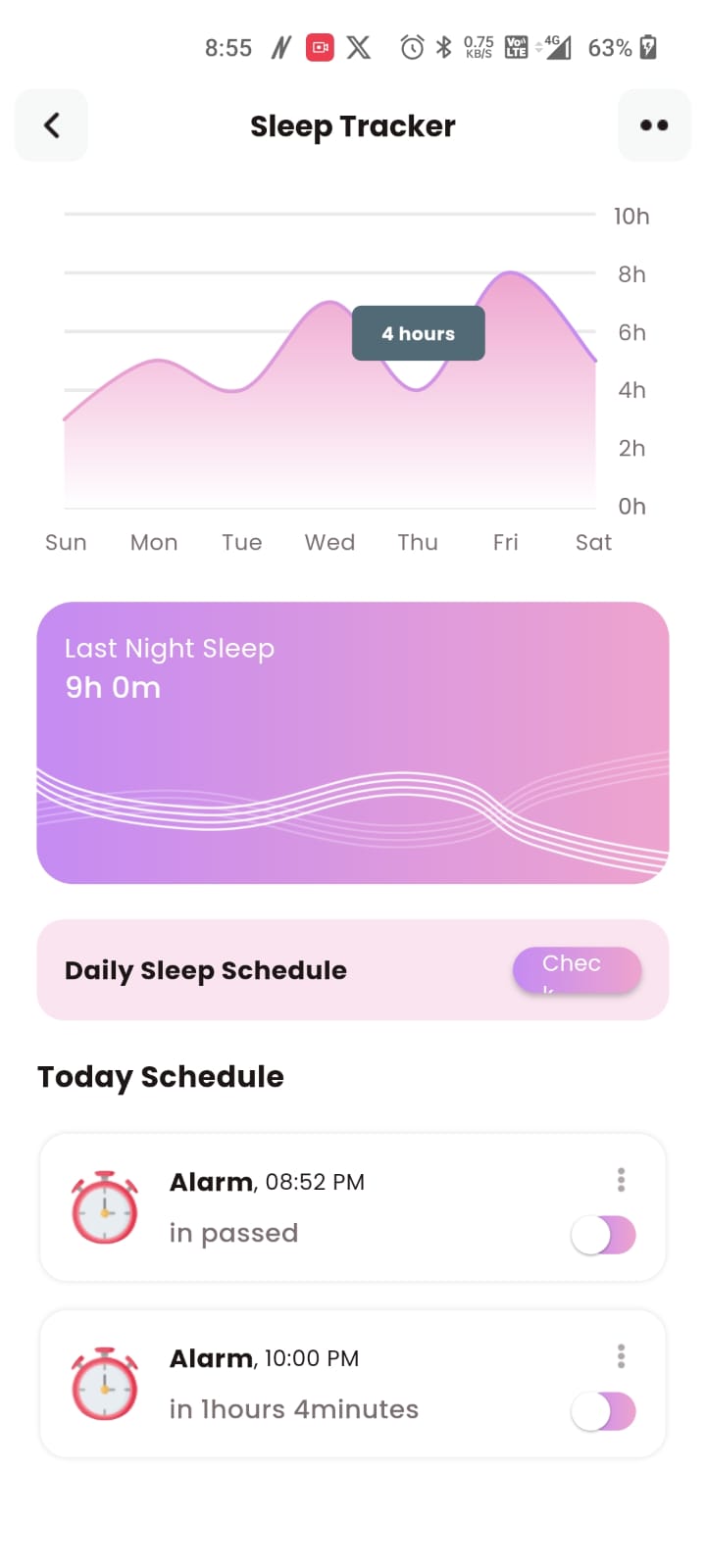
Sleep Tracker
WellHer Portal
Inspiration
The WellHer Portal was inspired by the pressing need for accessible and comprehensive healthcare resources tailored to women. Observing the gaps in health education and provider accessibility, I wanted to create a platform that empowers women to take charge of their health through knowledge, support, and community.
What I Learned
Throughout the development of this project, I gained valuable insights into several areas:
- User-Centric Design: Understanding the importance of creating an intuitive and user-friendly interface for diverse audiences.
- Healthcare Knowledge: Researching various women’s health topics allowed me to appreciate the depth and complexity of issues faced by women, such as reproductive health, mental well-being, and preventive care.
- Technical Skills: Building the portal enhanced my skills in using Streamlit for web applications, as well as implementing secure user authentication and data storage solutions.
How I Built the Project
Framework Selection
I chose Streamlit and Flutter for their simplicity and efficiency in creating interactive web applications. They allowed me to rapidly prototype and iterate on the design.
Backend Development
I implemented user authentication and data storage using JSON files for user profiles and health resources. This provided a straightforward approach to managing user data.
Integration with AI
I incorporated generative AI features to provide personalized health education content, using native APIs to ensure seamless interaction. This involved crafting prompts that elicited comprehensive, culturally sensitive information.
Provider Matching System
Utilizing native data handling capabilities in Pandas, I built a filtering system to help users find healthcare providers based on their preferences, including:
- Specialty
- Language
- Location
User Interface Design
I focused on creating a clean, welcoming interface that encourages users to explore different sections of the portal, from health education to mental health support.
Features
- Period Tracker: Data extraction through wearable OS to monitor menstrual cycles.
- Water Intake Monitoring: Track daily hydration levels.
- Period Craving Log: Record and analyze cravings during menstrual cycles.
- Meal Generation: Personalized meal plans based on dietary preferences and health needs.
- Women-Related Schemes and News: Stay updated on initiatives and news relevant to women's health.
- Emergency Tracker: Quick access to emergency contacts and resources.
- Mood Tracking: Record mood changes and patterns throughout the month.
Challenges Faced
- Data Privacy: Ensuring user data security and privacy was a significant challenge. I implemented hashing for passwords and carefully considered data storage practices.
- Content Accuracy: Generating accurate and relevant health content required thorough research and constant updates to ensure information remained trustworthy.
- User Engagement: Encouraging users to interact with the platform and utilize the resources effectively took time. I learned the importance of user feedback and iterative design improvements.
- Technical Limitations: As I worked with various APIs and libraries, I encountered technical limitations that required creative problem-solving to overcome.
Conclusion
The WellHer Portal is more than just a project; it’s a commitment to fostering a supportive environment for women's health and wellness. As I continue developing and refining the portal, I aim to create a thriving community where women can easily access the information and support they need to lead healthy lives. Integrating these technologies not only enhances functionality but also ensures a more cohesive user experience.


Log in or sign up for Devpost to join the conversation.