Problem
According to Built In, only
🔶 26% of tech-related jobs are held by women.
🔶 3% of those jobs held by African-American women, 6% held by Asian women, and 2% held by Hispanic women.
🔶 48% of women in STEM jobs face discrimination in the hiring process.
🔶 50% of women said they have experienced gender discrimination at work
🔶 22% women are more likely to experience Imposter Syndrome in the workplace
These are just few of many statistics that describe the gender and racial disparity in employment within the tech industry.
Inspiration
👩💻 We wanted to build an application that addresses these issues and inspires young generations to embrace their uniqueness and feel confident in their skin. We created Femtor to #BridgeGaps and build genuine professional mentor-mentee relationships amongst women of color.
What it does
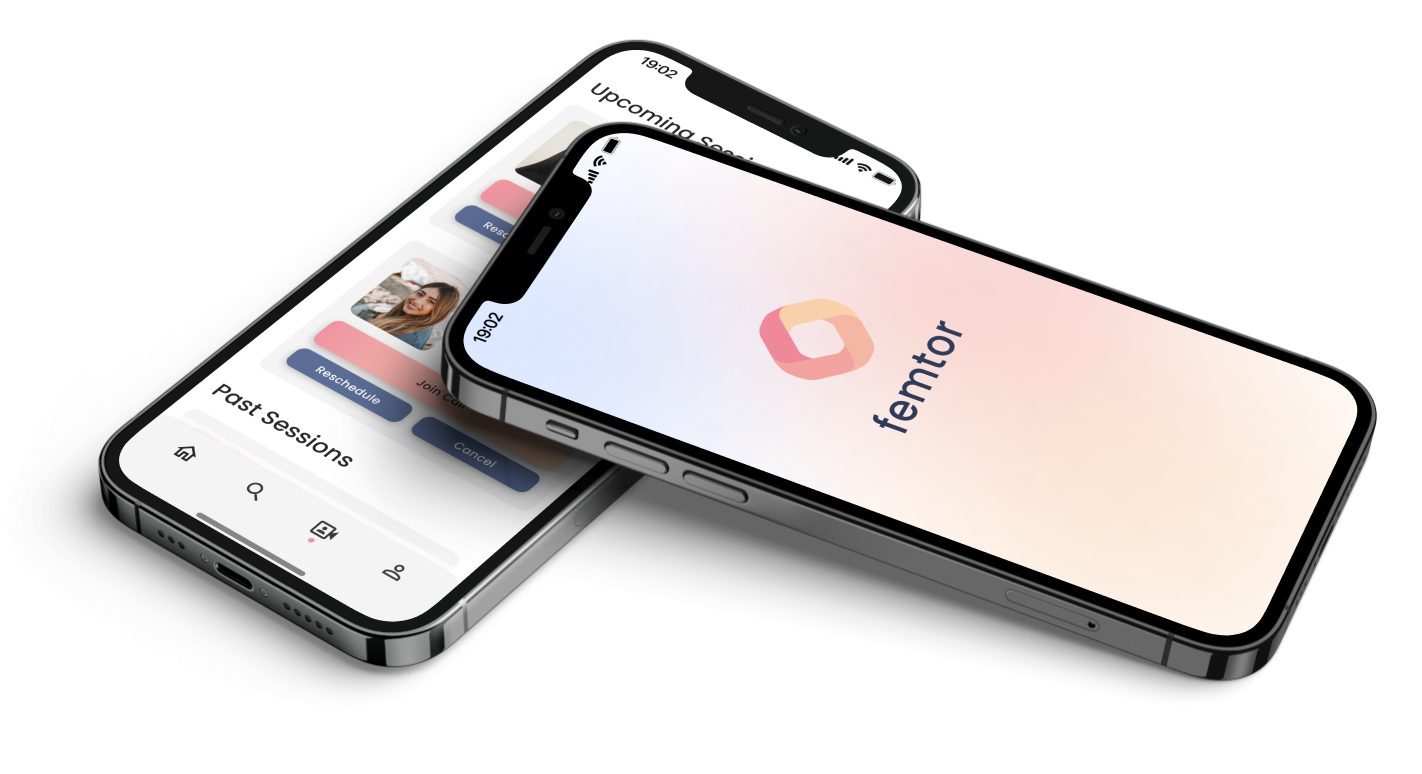
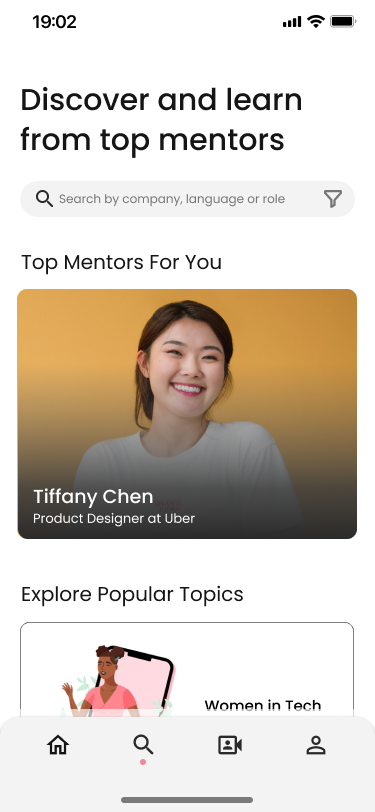
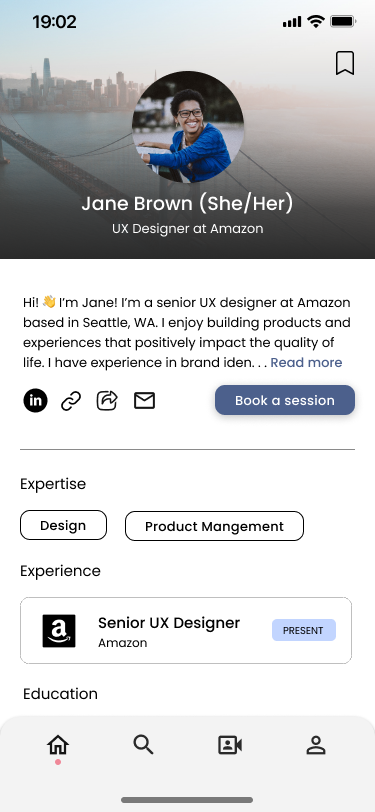
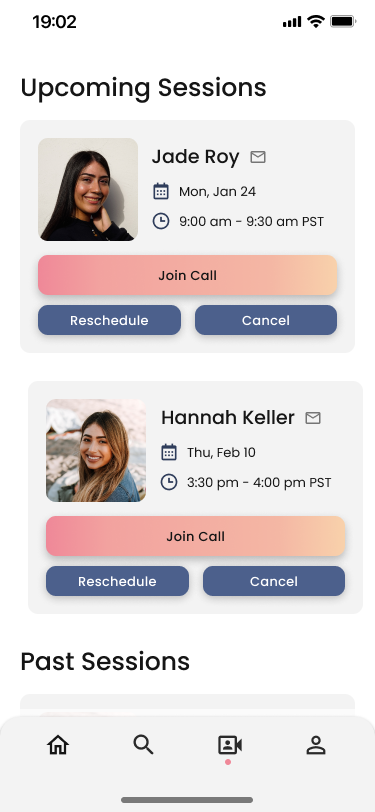
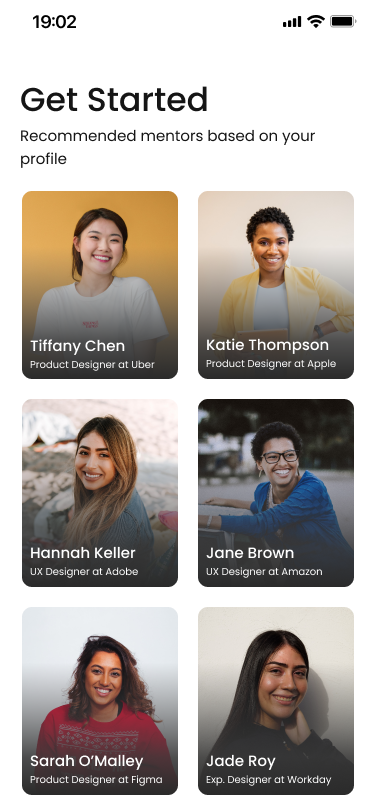
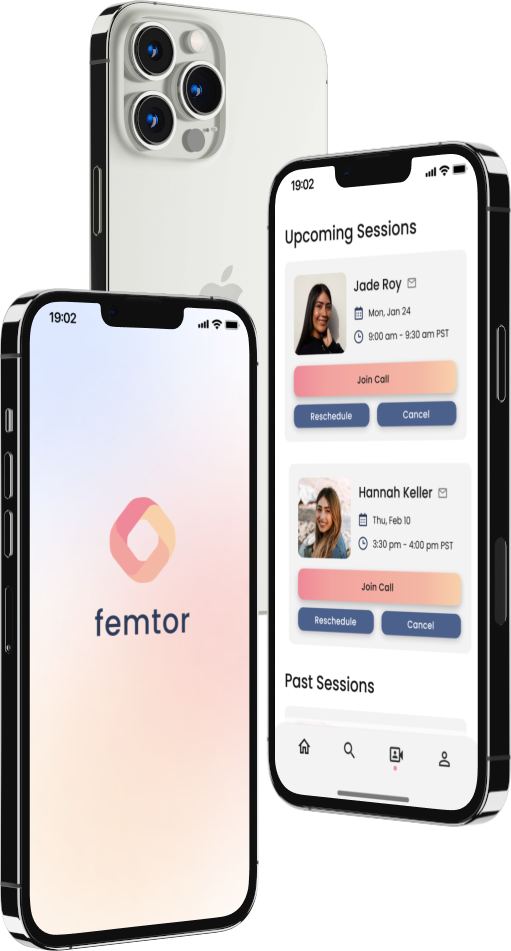
📌 We built a clickable prototype of our app Femtor. Through the app, we aim to bridge the employment and technology gap by creating an app that connects current industry professionals and young women who identify as a Black, Indigenous Person of Color (BIPOC) in a mentor-mentee relationship.
💬 Specific features of the app include chat and video call, feed, search page, mentor and mentee profiles, ability to save and share posts and mentor profiles. The direct forms of communication in the app provide a less intimidating environment and aims to reduce the intimidation and imposter syndrome that may be experienced during networking especially for women with less experience in the field.
How we built it
🔨 To maximize our workflow, all of our documentation was in Figma and shared Google Drive. We met regularly over Zoom to brainstorm on FigJam and to communicate the next steps in our process.
🗣 We began by conducting user research with 3 individuals who fit our audience criteria. In these interviews, we were able to understand and uncover the motivations, frustrations, and potential business and design opportunities from the participants.
🖌 With these research insights, we then affinity mapped the data into themes and began to ideate solutions to address those problems. We also created a design system robust with type, color, icons, and buttons in various states to help keep the vibe of the app consistent all across. The feel we wanted to go after was: genuine, professional, supportive, and inclusive.
🎨 After brainstorming many ideas, we moved on to wireframing in Figma, starting with lo-fidelity and working together to create clickable interactions on the high fidelity prototype.
Challenges we ran into
🔹 All four of us were in different time zones, so there was a learning curve with figuring out our workflow at the beginning.
🔹 It was everyone's first time participating in a hackathon and although that is a challenge, it is one we gladly took on to create something we are passionate about!
🔹 A few of us were well versed in Figma, and for some, it was their first time. We overcame this challenge by helping each other out when we ran into roadblocks and learning along the way.
Accomplishments that we're proud of
✅ User Research with 3 individuals
✅ Creating a robust design system
✅ App Concept
✅ Clickable Prototype
✅ Completing our first hackathon
What we learned
How to develop an app from scratch on Figma. From our interviews, we noticed that a software like Femtor is much needed as there is a significant unfair distribution of opportunities. Current mainstream platforms available for career development and seeking opportunities are not the best they could be. For, example Linkedin along with its benefits also has negative impacts on users (as evident from our interview responses)
What's next for Femtor
◼️ Handoff to a developer to build Femtor and to see if our features are feasible.
◼️ Developing business goals that would help increase conversion and retention.
◼️ Add in more features that help establish more genuine professional relationships such as group mentor sessions, consulting sessions, and review system of mentors.
Built With
- figma


Log in or sign up for Devpost to join the conversation.