-
-
App
-
-
-
-
-
Inspiration
Global Maternal Mortality: Every day, approximately 800 women die from preventable causes related to pregnancy and childbirth. In low-resource settings, 94% of these deaths occur, underscoring the need for improved maternal health services (WHO, 2023).
Access to Reproductive Health Services: Around 214 million women in developing countries still have an unmet need for modern contraception, leading to unintended pregnancies and increased health risks (UNFPA).
Gender-based Violence: 1 in 3 women worldwide experiences physical or sexual violence in her lifetime, often resulting in mental health issues, sexually transmitted infections, and bodily injuries (UN Women, 2023).
Early Marriage and Childbirth: Approximately 12 million girls under 18 marry each year, and child marriage is linked to higher risks of complications during pregnancy and childbirth, as well as limited access to health education and services (UNICEF, 2023).
Gender Gaps in Healthcare Access: Women and girls, especially in rural and underserved communities, often face significant barriers to accessing healthcare, including limited financial resources, transportation challenges, and cultural restrictions (World Bank).
Mental Health Disparities: Women are more likely than men to experience depression and anxiety, yet mental health services are often inaccessible due to stigma and lack of resources, particularly in low- and middle-income countries (WHO, 2023).
Cervical Cancer: Cervical cancer, preventable through regular screenings and vaccination, remains one of the leading causes of cancer death among women in developing countries, with 90% of deaths occurring in low- and middle-income nations (WHO).
Health Literacy and Education: Limited health literacy impacts women's ability to make informed health decisions. In many regions, cultural norms and gender discrimination limit access to education on reproductive health, nutrition, and preventive care (UNESCO).
COVID-19 Impact: The COVID-19 pandemic exacerbated gender inequities, with women losing access to essential health services. A report found that 70% of sexual and reproductive health services in low- and middle-income countries experienced disruptions during the pandemic (UNDP, 2022).
"At FemHealthHub, we aim to empower women and girls worldwide by ensuring accessible, personalized healthcare, aligned with UN Sustainable Development Goal 5. Our app leverages AI and data-driven insights to address the unique health needs of women and girls, breaking down barriers to access and offering tailored resources and health education, answering health-related queries, and providing reliable information at their fingertips.
How we built it
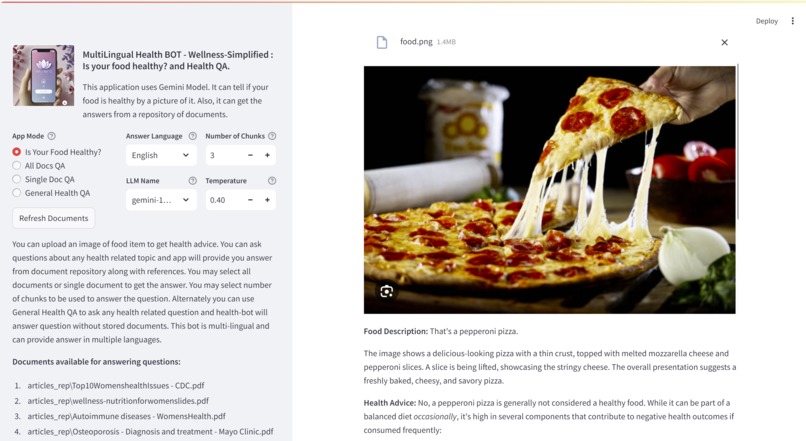
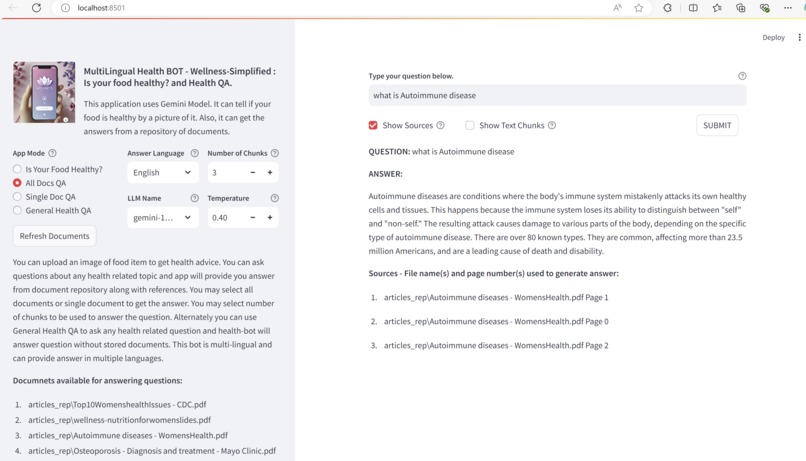
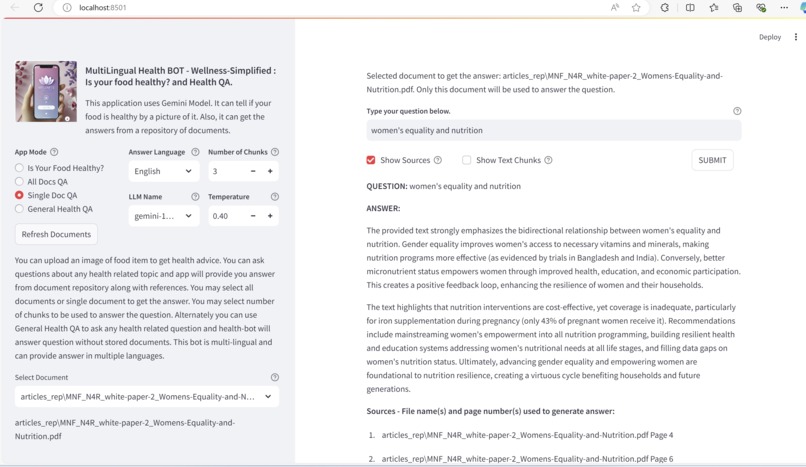
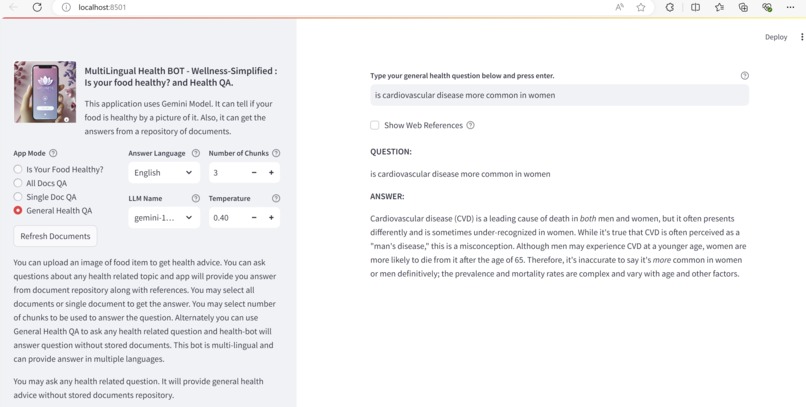
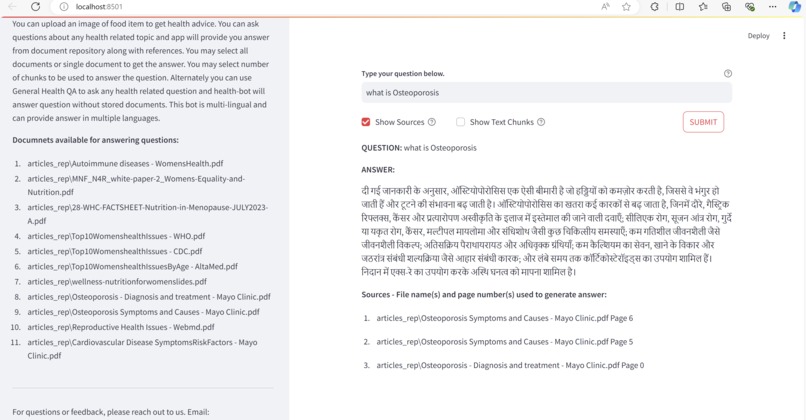
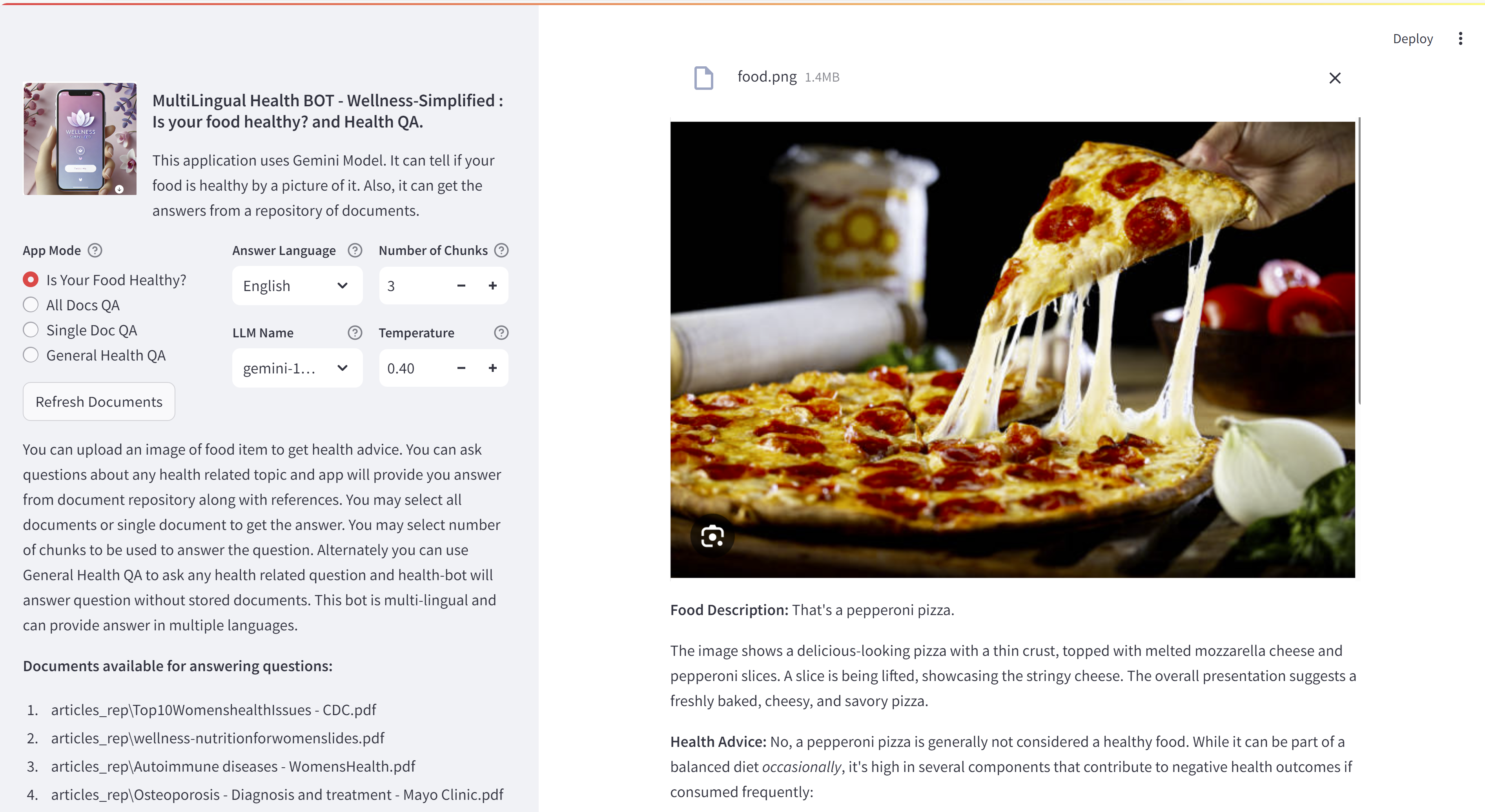
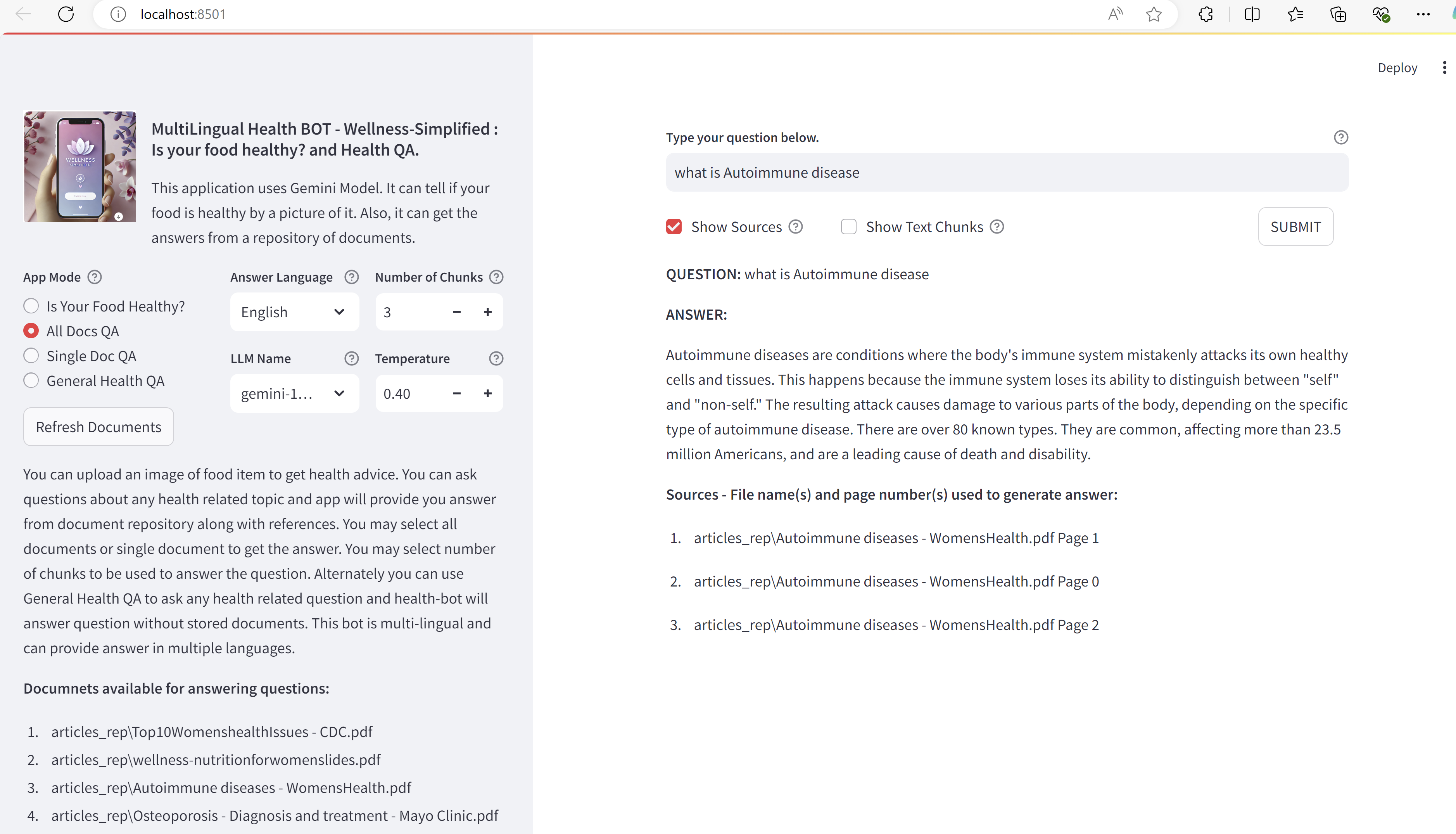
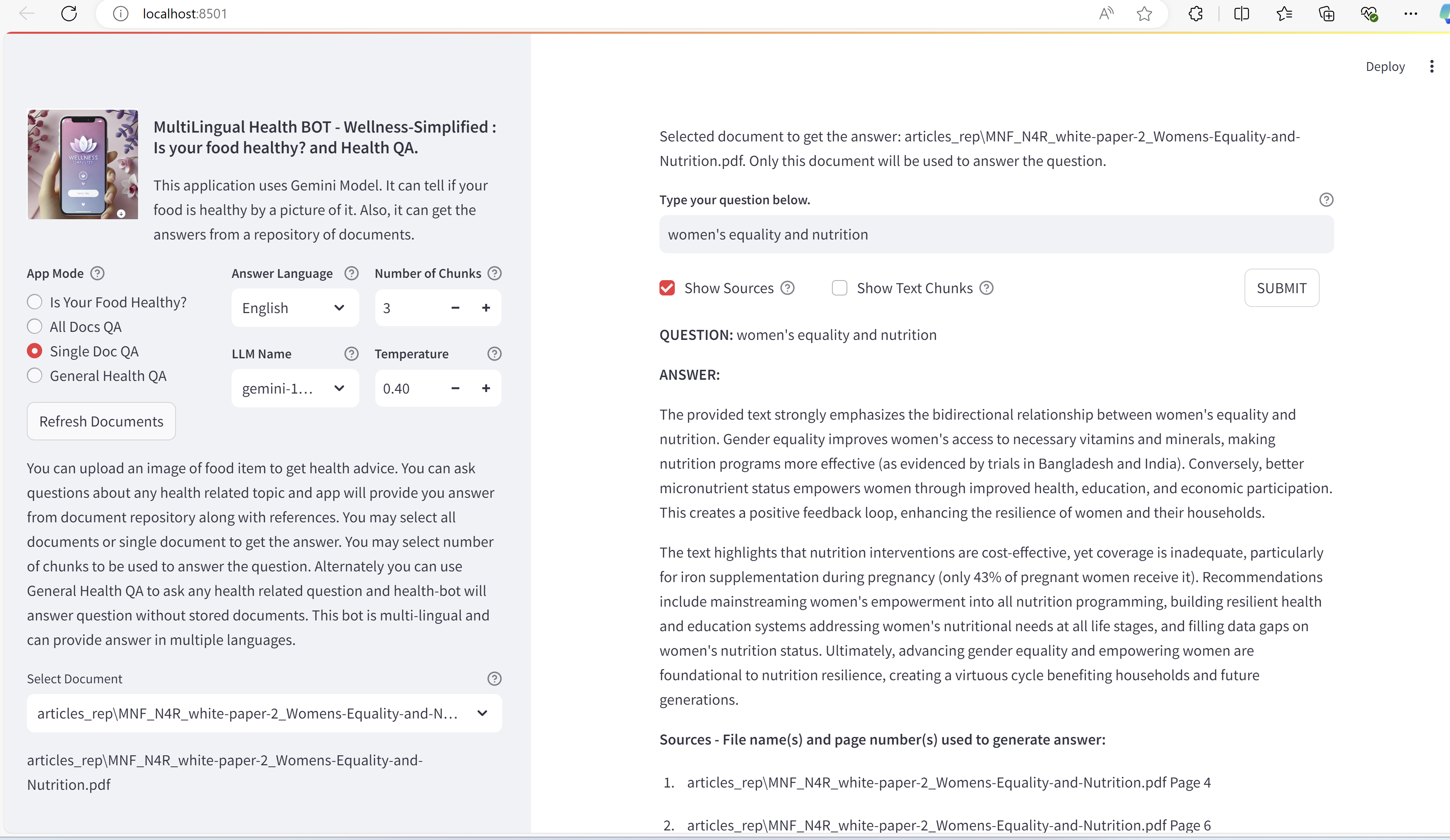
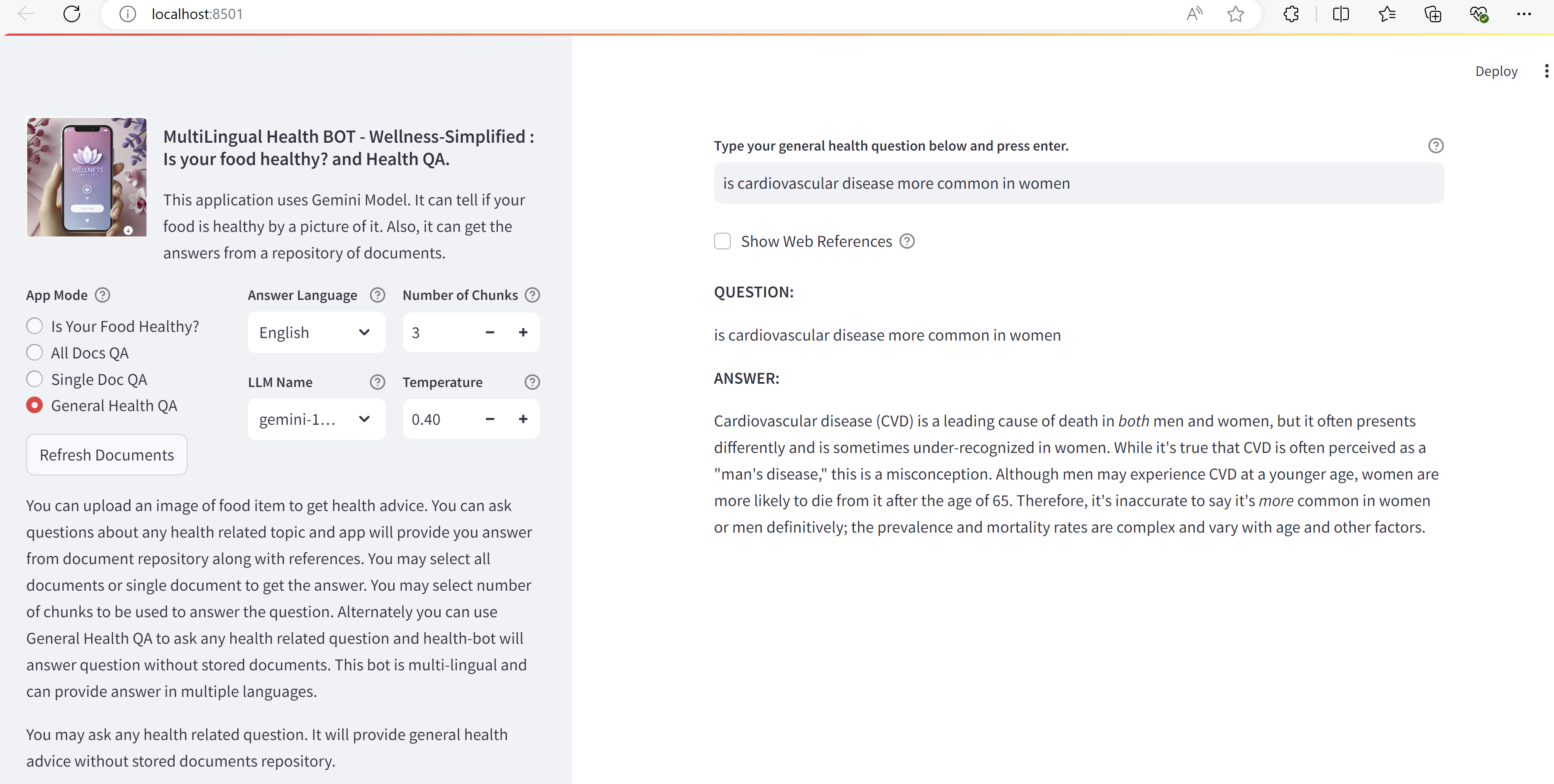
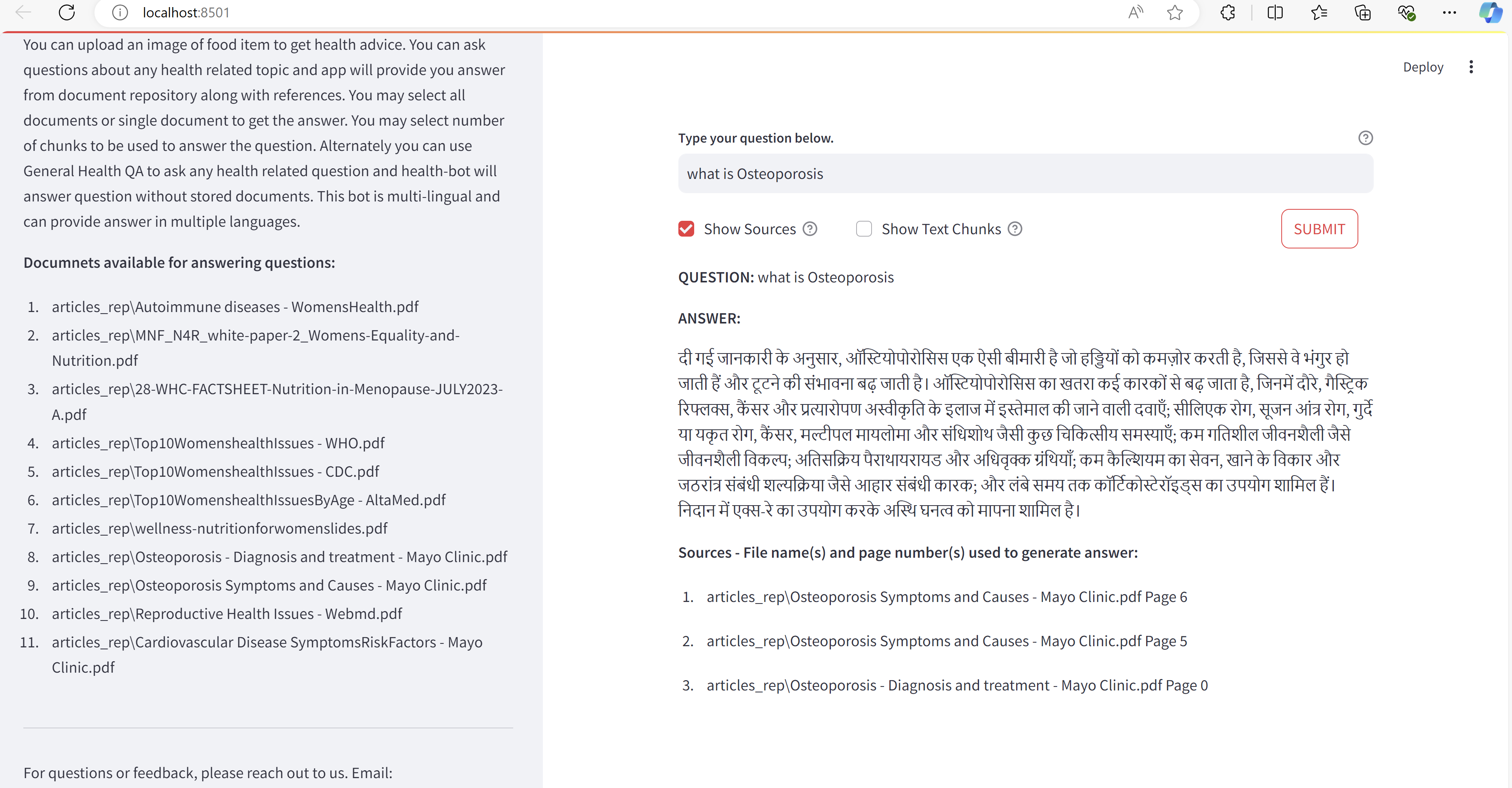
We developed this app using Gemini's multi-modal capabilities, integrating LangChain, vector embeddings, and Chroma DB for efficient data storage and retrieval. With Retrieval-Augmented Generation (RAG), our app powers a multilingual, multi-modal chatbot that provides accurate and accessible healthcare information to users in multiple languages and formats.
Challenges we ran into
collecting the relevant documents Understanding the Challenges for women's health issues Resolving errors while deploying the app into the app engine Prompt engineering
Accomplishments that we're proud of
Our app ensures 24/7 access to Health Literacy and Education. Gives importance to women's mental health For non-English speaking users, our app breaks down language barriers by providing health information in multiple supported languages. Addresses the top health issues that women face. Tries to address : Gender Gaps in Healthcare Access
What we learned
- Gemini s multi-modal capabilities
- GCP App Engine does not support Streamlit natively. We had to leverage the App Engine flexible environment to successfully deploy our application on GCP.
- Using the slim version of the Python image reduces the size of the Docker image.
- The older gemini models are deprecated and we need to use the latest ones ## What's next for FemHealthHub Enhancing Health Advice Accuracy Continuous Model Training and Fine-tuning: Ongoing refinement of the Gemini LLM model to boost the accuracy of health advice, especially in recognizing and analyzing food images. Expanded Data Integration: Adding new data sources and up-to-date research to ensure users receive the latest, most reliable health information. Expanding Language Support Enhanced Language Translation: Continued development of LangChain’s translation capabilities to increase the app’s language range. Culturally Informed Translations: Collaborating with language experts to ensure health advice is accurately translated and culturally sensitive. User Feedback and Personalization User-Driven Improvements: Implementing feedback mechanisms to capture user insights, improving functionality and usability. Personalized Health Options: Providing customization features, like setting individual health goals and preferences, for tailored health recommendations. Integration with Wearables and Health Tracking Platforms Seamless Data Integration: Collaborating with wearable device manufacturers and health platforms to incorporate real-time health data into the app. Data-Driven Health Insights: Enabling more personalized and comprehensive health advice based on real-time user data. Partnerships with Healthcare Professionals and Organizations Medical Alignment: Working with healthcare professionals to ensure advice aligns with established medical guidelines. Access to Authoritative Information: Partnering with healthcare organizations to tap into expert insights and contribute to ongoing health research. Expansion into Holistic Health and Wellness Additional Health Features: Exploring new features for exercise, mental health, sleep, and other wellness areas. Collaborations with Experts: Partnering with domain experts to develop evidence-based recommendations across various wellness aspects. User Education and Awareness Health Literacy Resources: Creating educational materials to help users understand the health advice and the science behind it. Empowering Informed Choices: Focusing on promoting health literacy to empower users in making informed health decisions. Accessibility and Voice-Enabled Interaction Voice-Activated Q&A: Introducing a voice-enabled question-and-answer feature, enhancing accessibility and ease of use for all users.


Log in or sign up for Devpost to join the conversation.