-
-
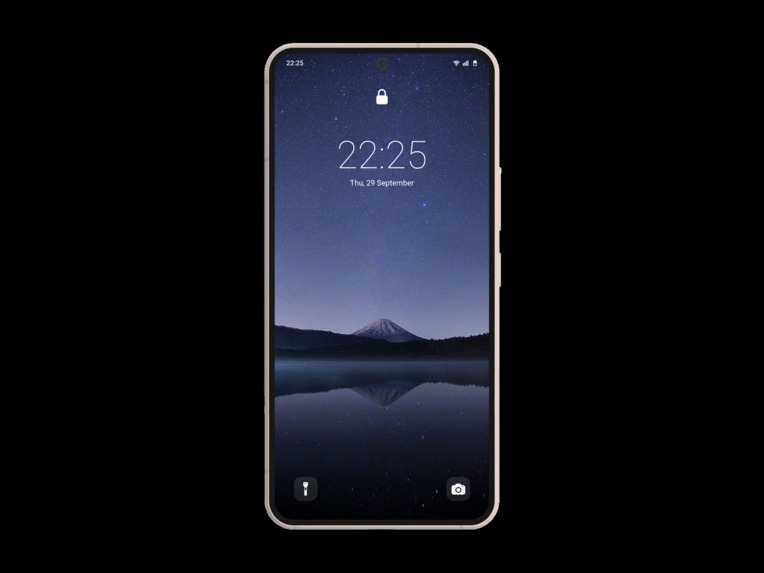 GIF
GIF
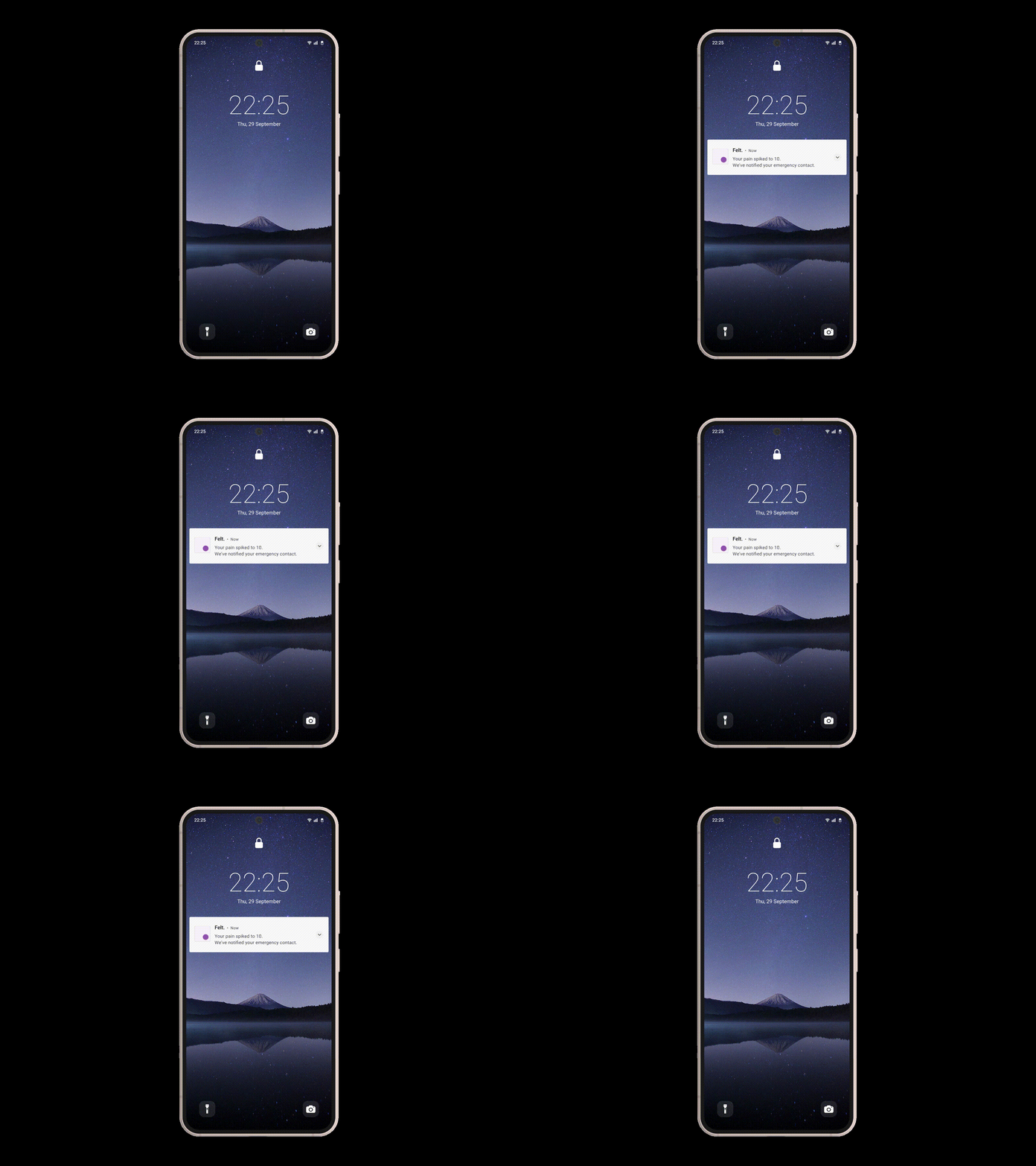
Alert notification for pain spikes, sent to emergency contact.
-
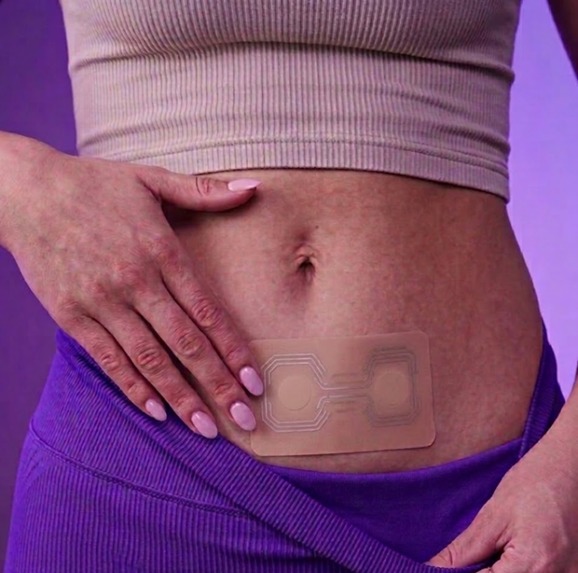
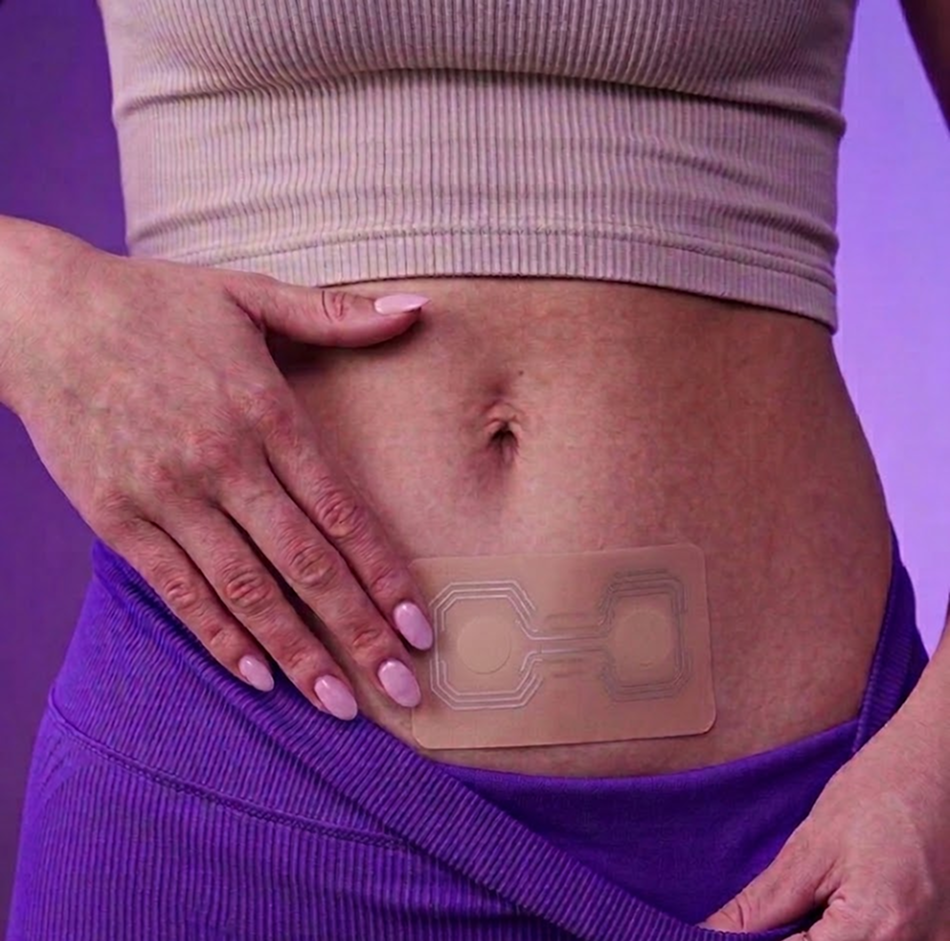
Convenient bluetooth stick-on patches, a pain tracking device.
-
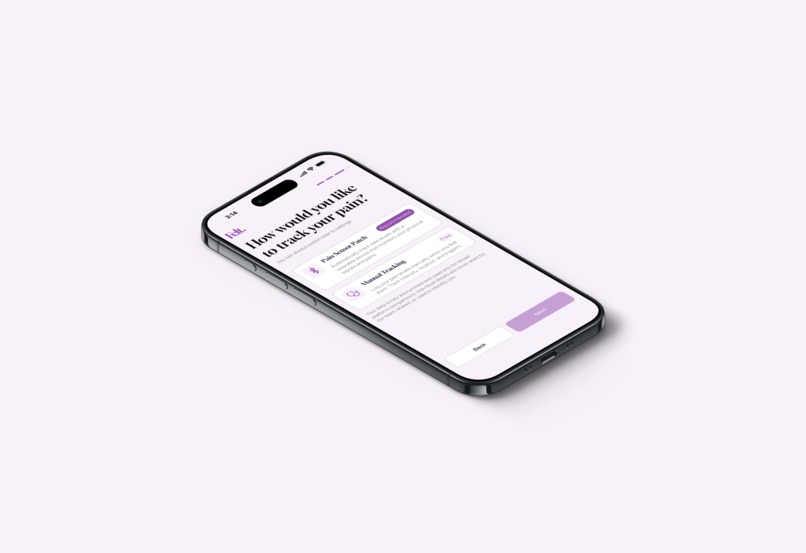
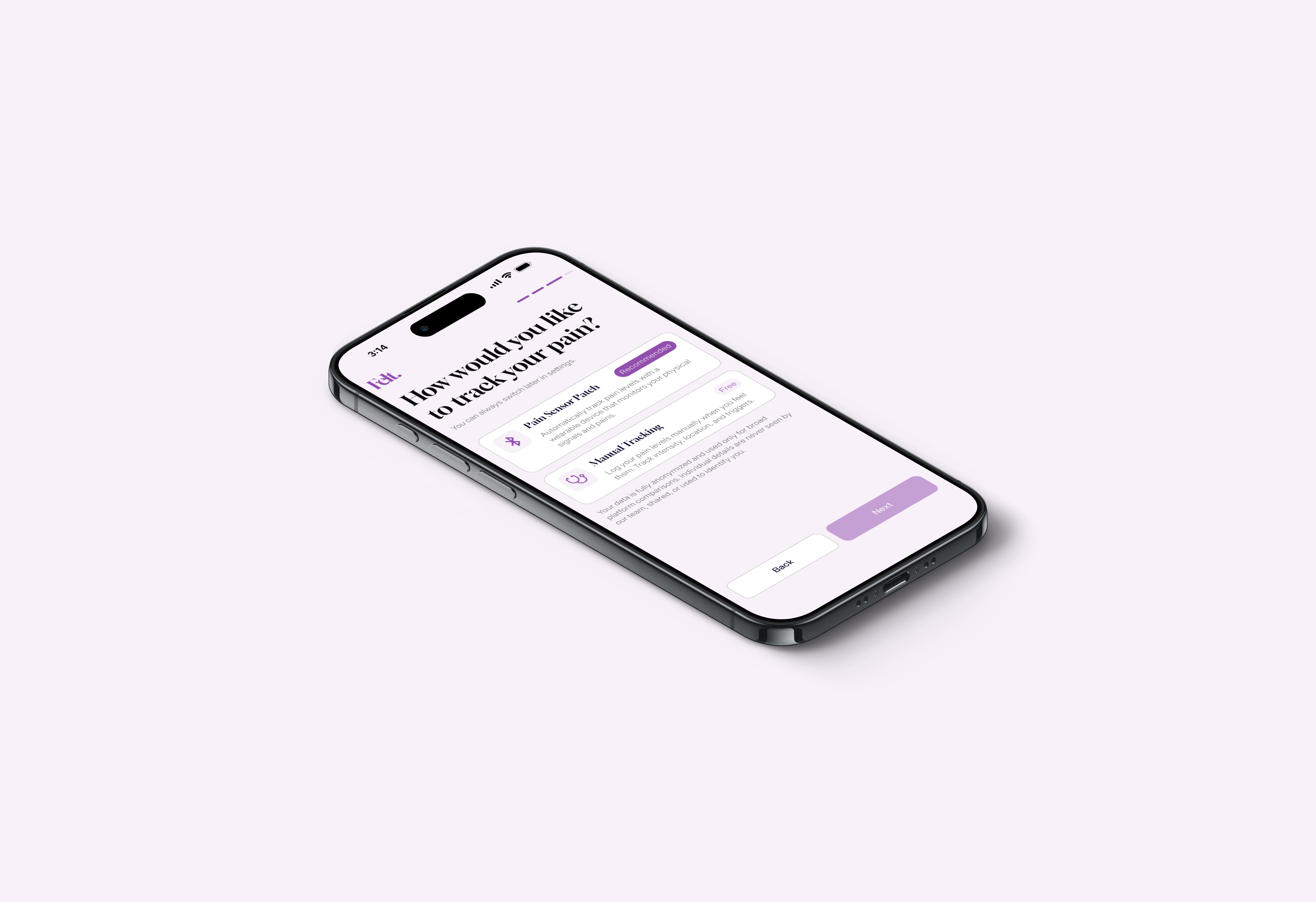
Onboarding screen for selecting between patch device tracking or manual pain logging.
-
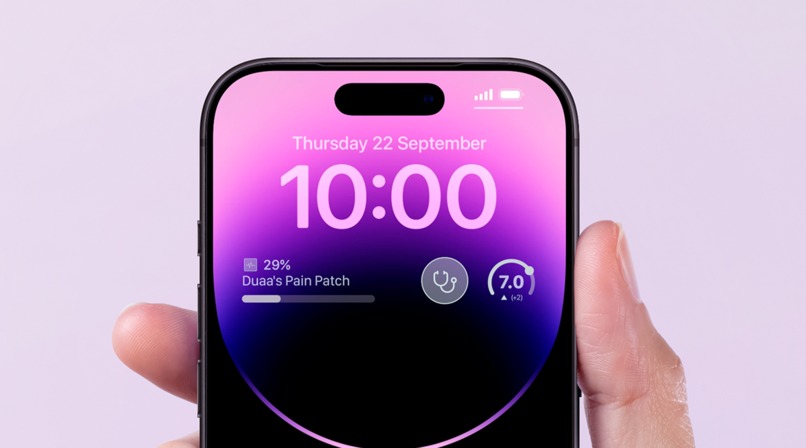
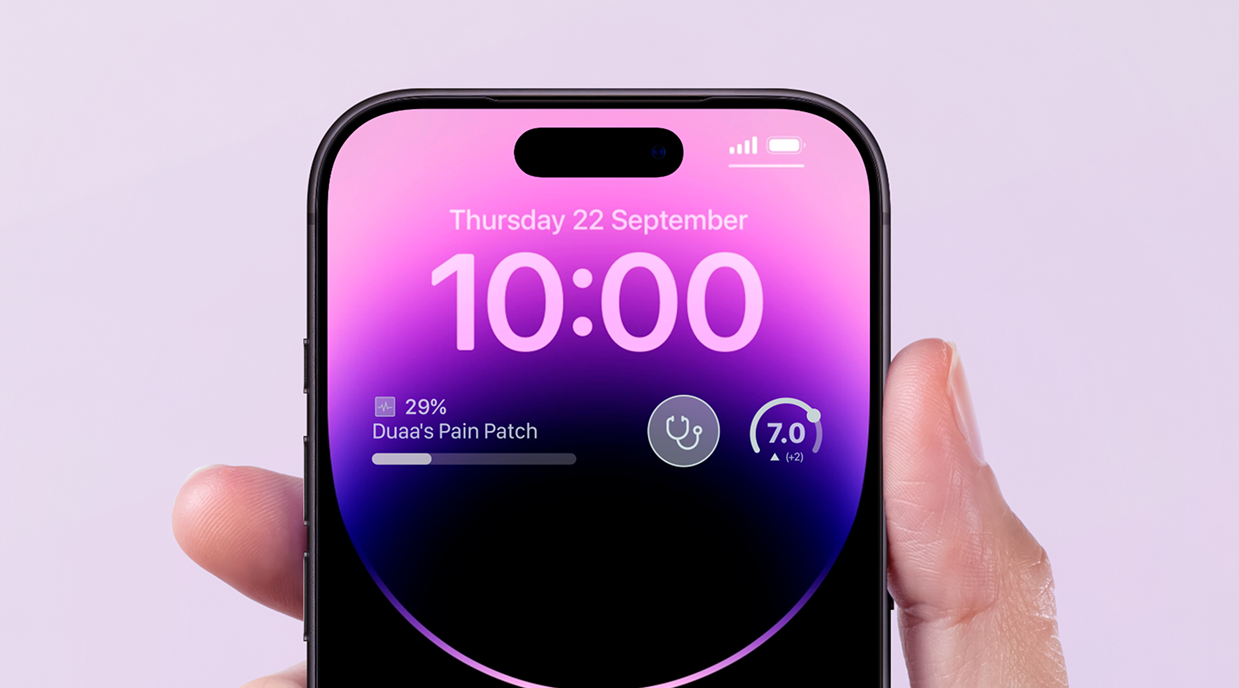
Mobile widgets featuring patch battery level and pain levels.
-
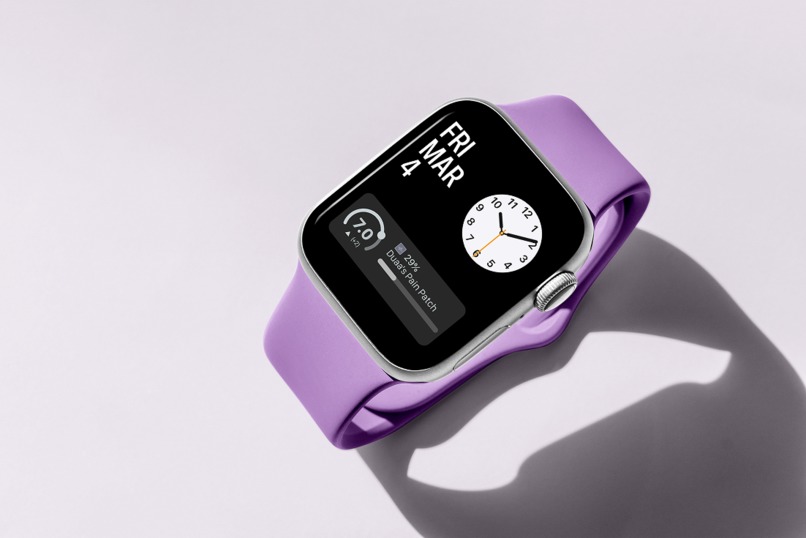
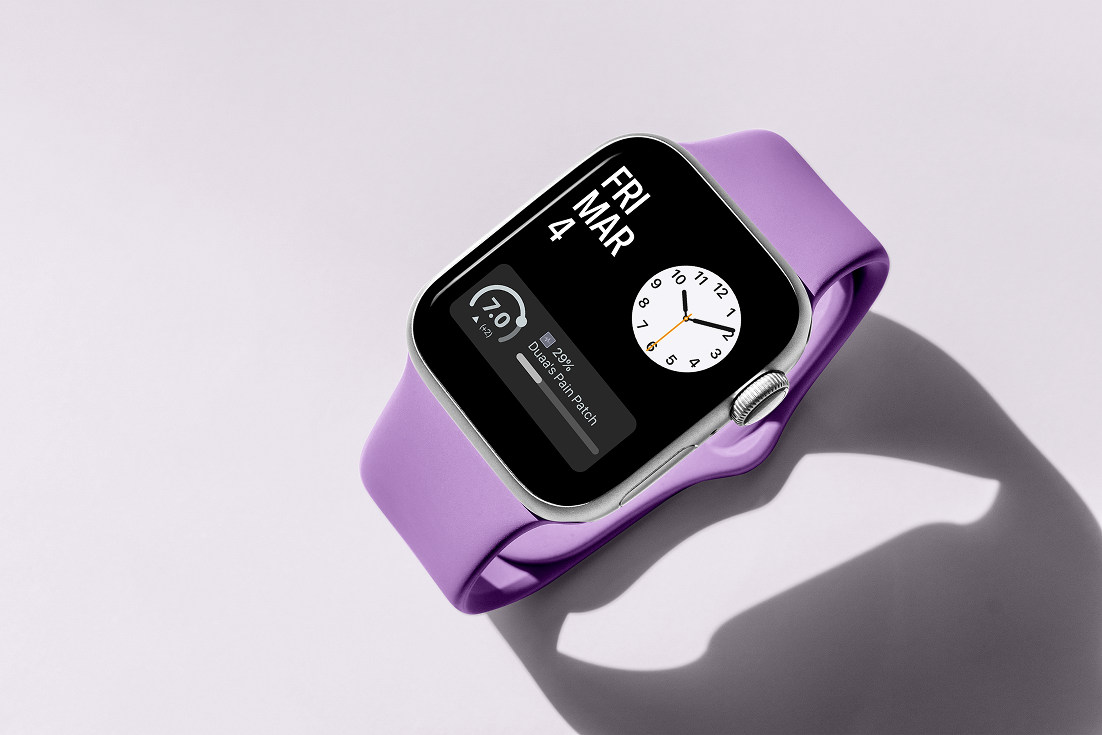
Integration with Apple watch widgets featuring pain and battery status.
-
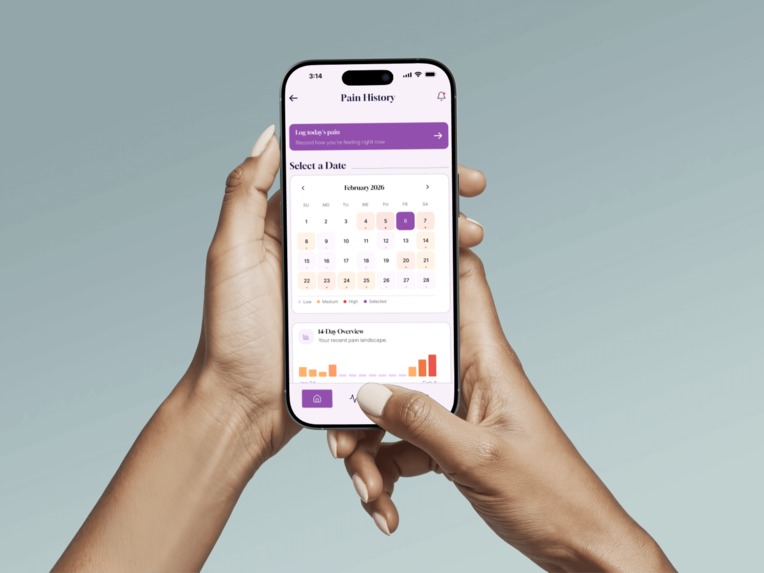
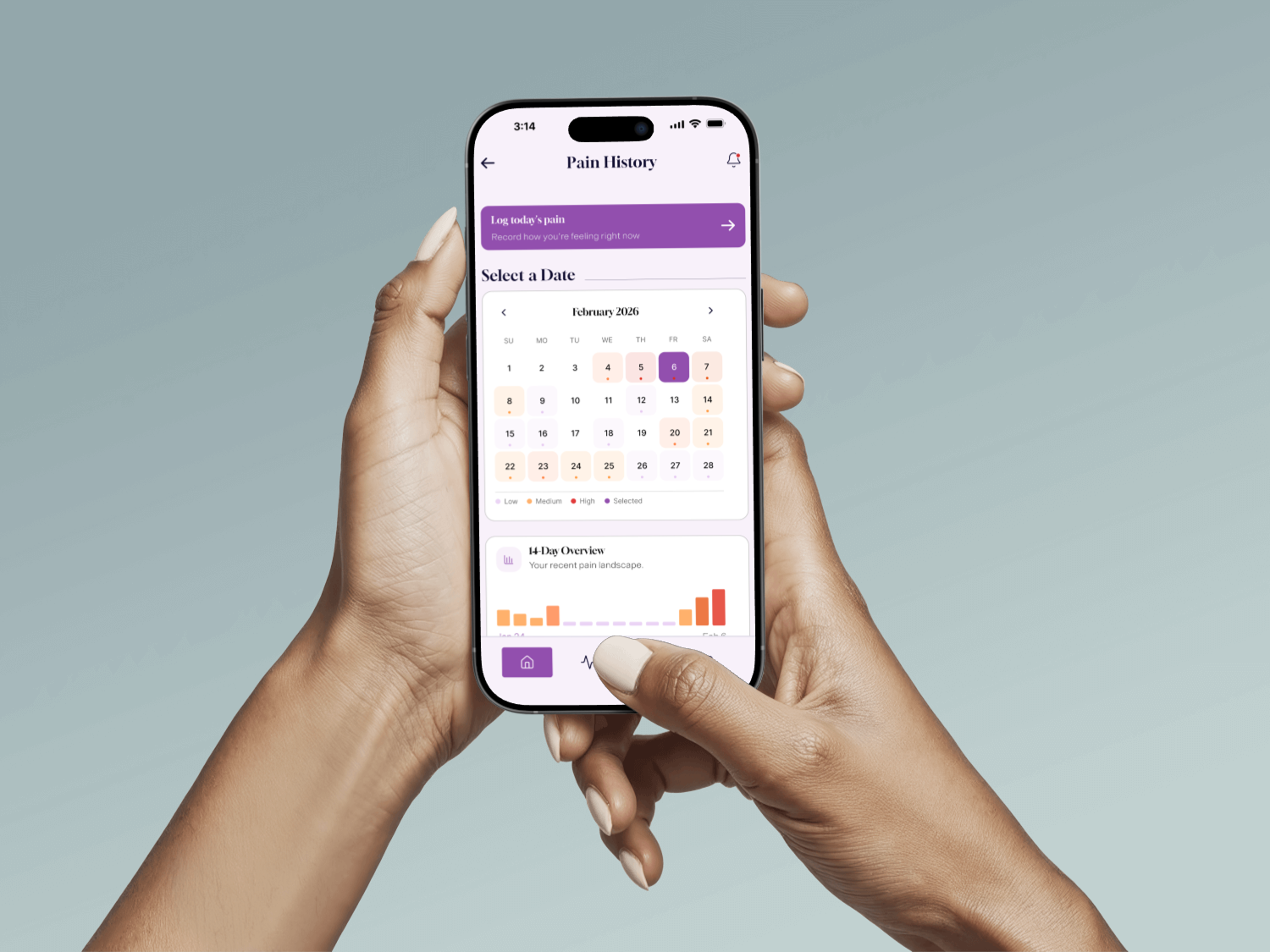
Pain history dashboard with calendar tracking and pain trend visualization.
Inspiration
We know about periods, but have non-menstruators ever thought of how bad it can get?
One of us is a menstruator and has always felt we were overlooked or called dramatic when it came to that time of the month. Especially when it's normal, and 1 in 5 people go through it. Yet with the rise of articles exposing the systemic neglect of AFAB (Assigned Female At Birth) bodies in healthcare, it has become impossible to ignore the lack of attention to menstrual pain, especially with recent studies showing that menstrual cramps can be as intense as a heart attack.
What it does
Felt is a sensor patch and application duo that sticks to a menstruator’s abdomen and tracks muscle contractions, temperature changes, and physiological signals in real time, then translates that internal pain into visible, shareable data.
The app allows users to log exactly where their pain is on a 3D body map as well as how intense that pain is. They can track symptoms and emotional states, as well as build a personal pain history over time. The app will automatically show patterns and alert the user (and, if preferred, an emergency contact) when pain levels are too high. If the user wants solid proof of their pain, they can print a full pain report automatically created by the app, with dates, an intensity score, symptom breakdowns, and everything to ensure they won’t be overlooked.
The focus is no longer on their flow, but the way menstruation effects ones entire body and mind.
How we built it
We started with secondary research, going over scholarly sources and creating a Google Form, collecting 52 responses to further validate our findings. From our findings, we identified and developed a problem statement, personas, that highlighted the key aspects of our product that we would need to create.
After researching, we began a collection of inspiration and mobile ui references from both Figma Make and online collections for our mobile app. For our physical patch, we used Gemini to AI-generate a mockup for our envisioned pain patch tracker. From Figma Make, we developed many styles and UI ideations that worked best with our vision, and created a high-fidelity prototype of a single screen, our homepage, on Figma Design. We then fed Figma Make with our high-fidelity prototype and created general UI flows and guidelines for our other screens. Finally, we refined the rest of our screens and prototyped interactions and animations within Figma Design.
Challenges we ran into
After manually finishing the high-fidelity prototype of our desired screens for the MVP, we tried to instruct Figma Make to apply navigation, animations, and functional tools between our screens.
The first problem we encountered was the file limit on Figma Make of 10 per prompt. The second problem was that it distorted pixel-perfect auto-layout formats, spacings, styles, and colours. It also had rough animations and interactive buttons. Finally, we quickly ran into the problem of available Figma Make credits, as we had many screens and interactive elements.
In the end, we manually prototyped the app, but also took inspiration from some of the interactive animations from the Figma Make output, even if it wasn’t fully refined
Accomplishments that we're proud of
This was our first time working with Figma Make outside of simple testing. We’re extremely proud of how far we've tested the software. Starting with Make and building prototypes to then refine them to our liking, saving us so much time and speeding up our workflow by hours.
Our research is also something we take pride in. Outside of talking to menstruators, we sent a forum out and got 52 responses. Getting raw, human, and extremely personal responses representing those who have to suffer monthly. Reading responses like “barbed wire wrapped around my stomach and tightened" or “Like someone was taking a ring of knives and squeezing it around my abdomen,” reminded us why this problem was something that deserved a solution and attention.
What we learned
We learned the power and potential of Figma Make, especially with how much we trialled and errored through our process and prompt making. Instead of just writing one-line responses into the chat, we learned to create long pages of information to feed the AI.
We also learned how to focus on what’s right in front of you instead of overthinking concepts and pushing yourself to create something so complicated and different. Things that are right in front of you can more often than not be the strongest ideas.
What's next for Felt.
We would love to experiment and add more features, especially possibly trying to make this prototype come to life as an actual product. We truly believe this is something that can help menstruators voice their concerns about their body. So, designing the complete app and attempting to talk to engineers to see how the patch itself could be a feasible tool alongside the app.
Something interesting we want to test is the possibility of an AI self-diagnosis. Like how humans self-diagnose themselves before they go to the doctor, we want to see if AI can do something similar, especially with the pattern summary feature we have already implemented.
Built With
- figjam
- figma
- figma-make
- google-forum
- google-gemini
- posemyart


Log in or sign up for Devpost to join the conversation.