-
-
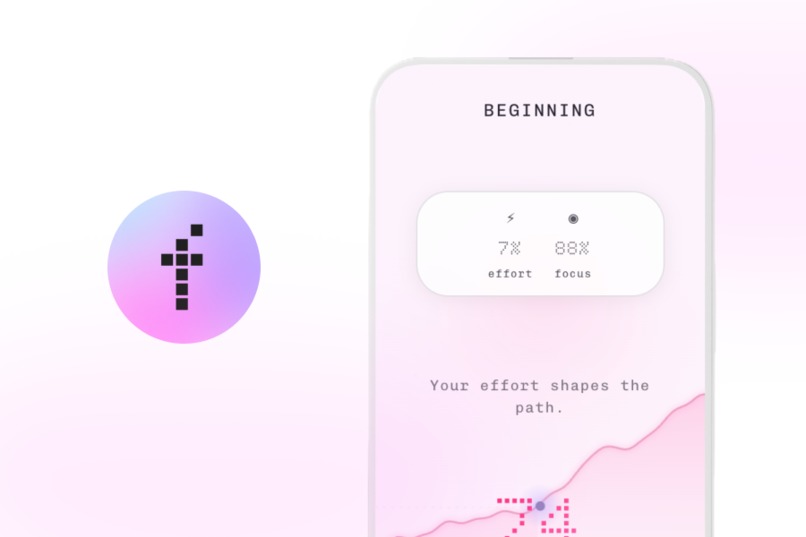
App Hero Image
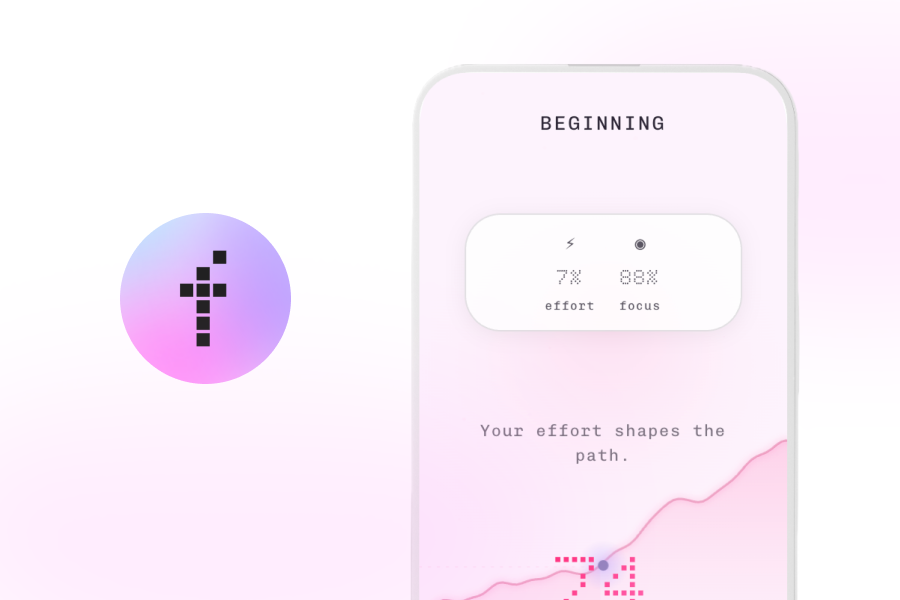
Inspiration
We were inspired by the idea that time is not only measured by clocks, but also deeply felt by people. Waiting, exercising, working, or being stressed can all make the same amount of time feel completely different. We wanted to explore chronoception and turn this invisible perception into something visible, relatable, and useful.
What it does
FELT transforms the way time feels into a landscape users can navigate. Moments that feel slow, heavy, repetitive, or intense are represented as different terrains like mountains, deserts, or trails. The app helps users reflect on their daily experiences, recognize patterns in how they perceive time, and build more awareness around moments that feel emotionally or mentally difficult.
How we built it
We built FELT as a speculative wellness app centered on chronoception. We started by defining everyday situations where time feels distorted, then translated those emotional and sensory experiences into a terrain-based visual system. We designed the experience through user flows, onboarding logic, interface concepts, and a visual language that turns abstract feelings of time into interactive maps and landscapes.
Challenges we ran into
One of our biggest challenges was designing for a concept that is deeply subjective and hard to measure. We had to find a way to make chronoception feel intuitive without overcomplicating it. Another challenge was balancing reflection with low-friction interaction, so the app felt insightful rather than overwhelming or demanding.
Accomplishments that we're proud of
We are proud that we turned an invisible psychological experience into a tangible and engaging interface concept. We created a strong metaphor that connects emotion, time perception, and navigation in a way that feels both poetic and functional. We are also proud of building a project that feels distinct, thoughtful, and grounded in a real human experience.
What we learned
We learned that people do not experience time uniformly, and that this perception can meaningfully affect stress, motivation, and wellbeing. We also learned how powerful metaphors can be in interface design, especially when explaining abstract internal states. Most importantly, we learned how to design around emotional nuance instead of only functional tasks.
What's next for FELT
Next, we would like to refine the interaction model and test how users respond to logging and revisiting their felt experiences over time. We also want to explore personalized insights, pattern recognition, and gentle interventions that help users better manage moments that feel heavy, slow, or overwhelming. In the future, FELT could become a wellness tool for reflection, self-awareness, and emotional regulation.
Built With
- ai-assisted
- css
- figma
- figma-make
- html
- interface-design
- javascript
- rapid-prototyping
- react


Log in or sign up for Devpost to join the conversation.