-
-
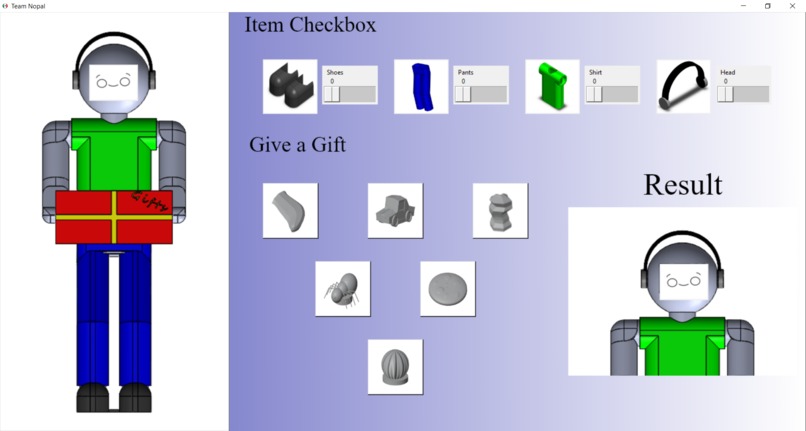
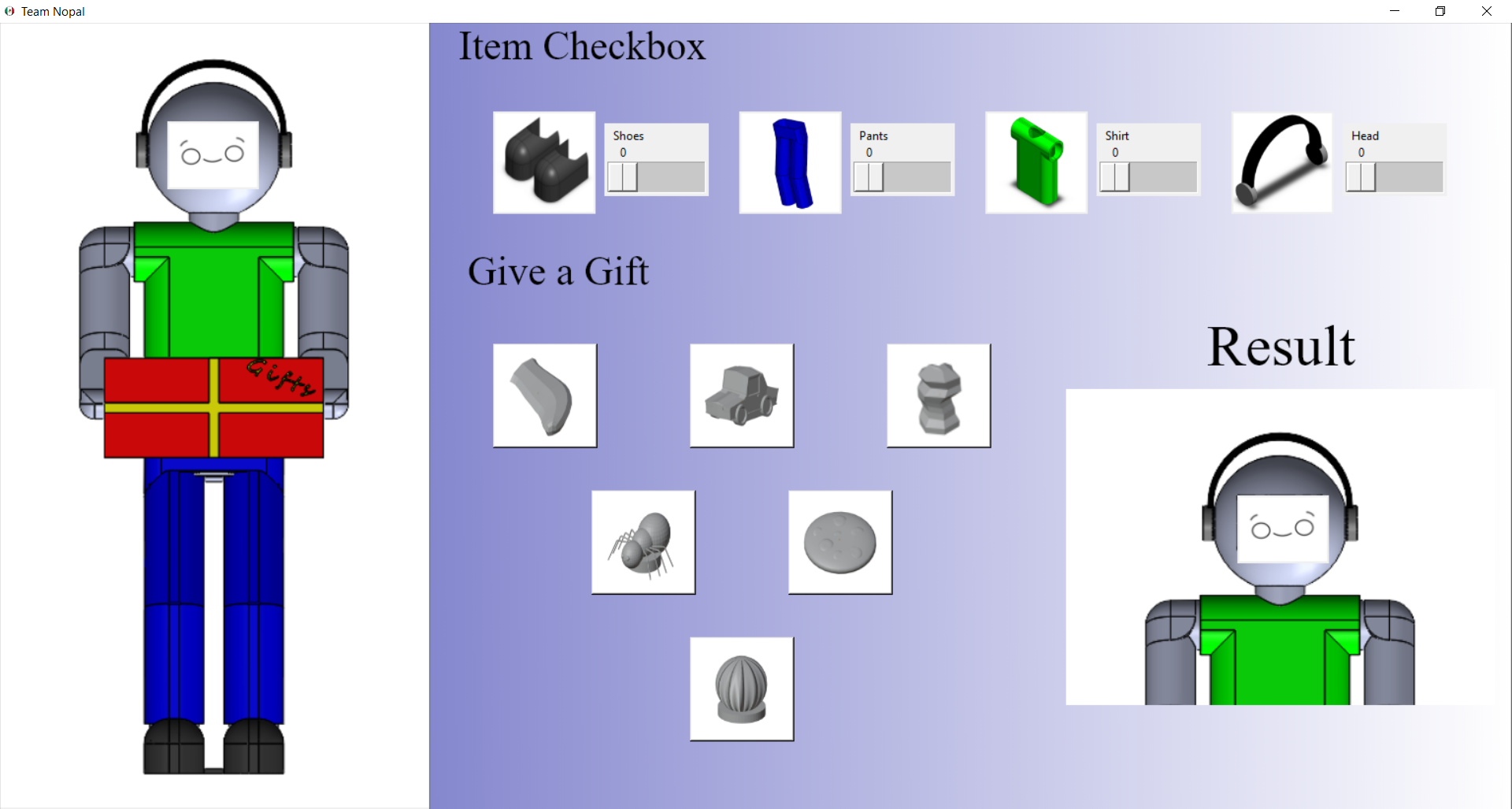
Interface that simulates the actions of the robot using Python
-
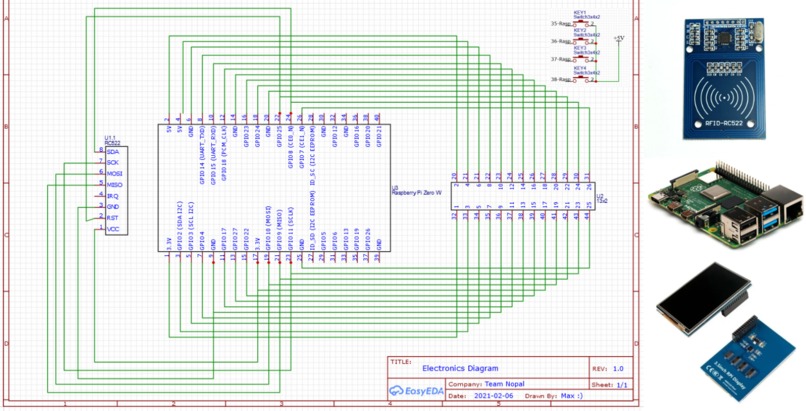
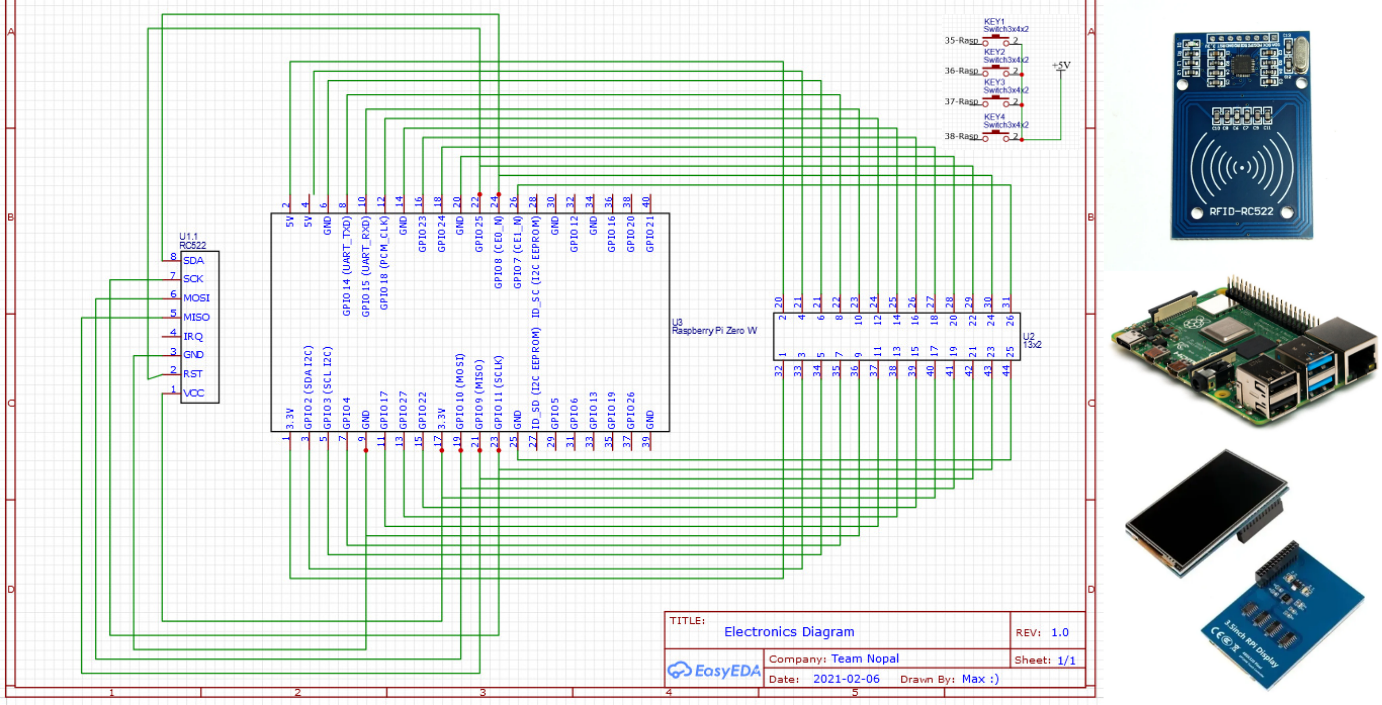
Electronics Schematic made on EasyEDA for Real Life Build
-
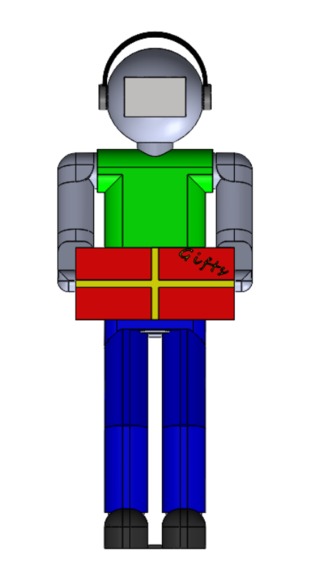
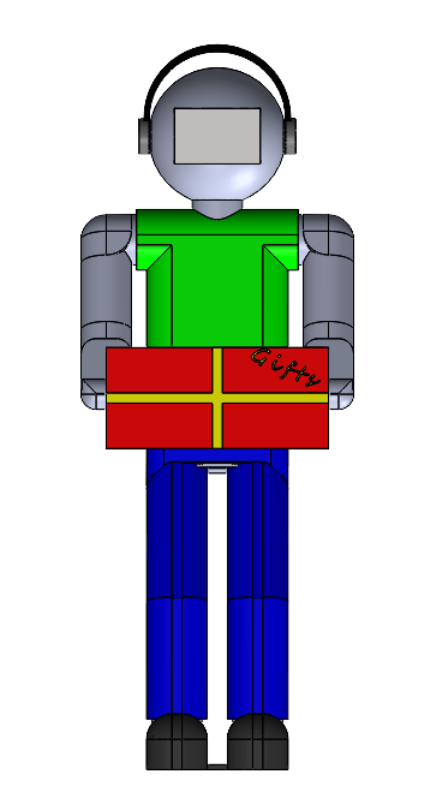
3D Model of the robot made on SolidWorks, have a NFC reader to identify the gifts and switches for identify the clothes
-

Headphones of the robot
-
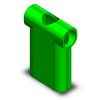
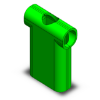
Shirt of the robot, activates a switch to be identified
-
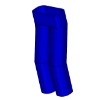
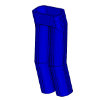
Pants of the robot, activates a switch to be identified
-

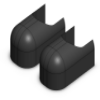
Shoes of the robot, activates a switch to be identified
-
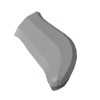
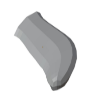
Sock-Gift uses NFC to identify the tag when you give to the robot
-
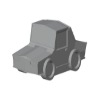
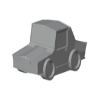
Car-Gift uses NFC to identify the tag when you give to the robot
-
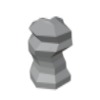
Coal-Gift uses NFC to identify the tag when you give to the robot
-
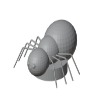
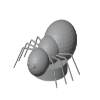
Spider-Gift uses NFC to identify the tag when you give to the robot
-
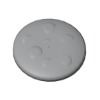
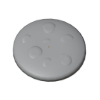
Cookie-Gift uses NFC to identify the tag when you give to the robot
-

Ball-Gift uses NFC to identify the tag when you give to the robot
-

Face of the robot, shows in Raspberry display
-

Face of the robot, shows in Raspberry display
-

Face of the robot, shows in Raspberry display
-

Face of the robot, shows in Raspberry display
-

Face of the robot, shows in Raspberry display
-

Face of the robot, shows in Raspberry display
-

Face of the robot, shows in Raspberry display
-

Face of the robot, shows in Raspberry display
-

Face of the robot, shows in Raspberry display
-

Face of the robot, shows in Raspberry display
-

Face of the robot, shows in Raspberry display
-

Face of the robot, shows in Raspberry display
-

Face of the robot, shows in Raspberry display
-

Face of the robot, shows in Raspberry display
-

Face of the robot, shows in Raspberry display
-

Face of the robot, shows in Raspberry display
-
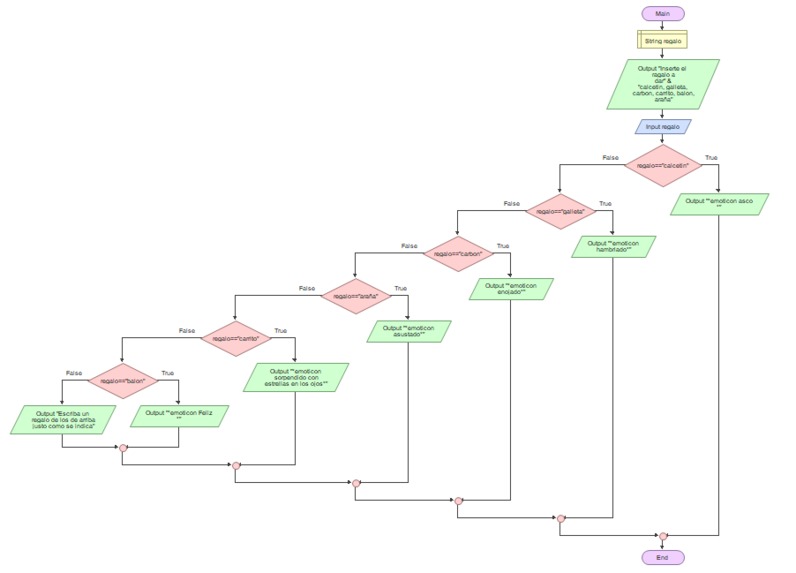
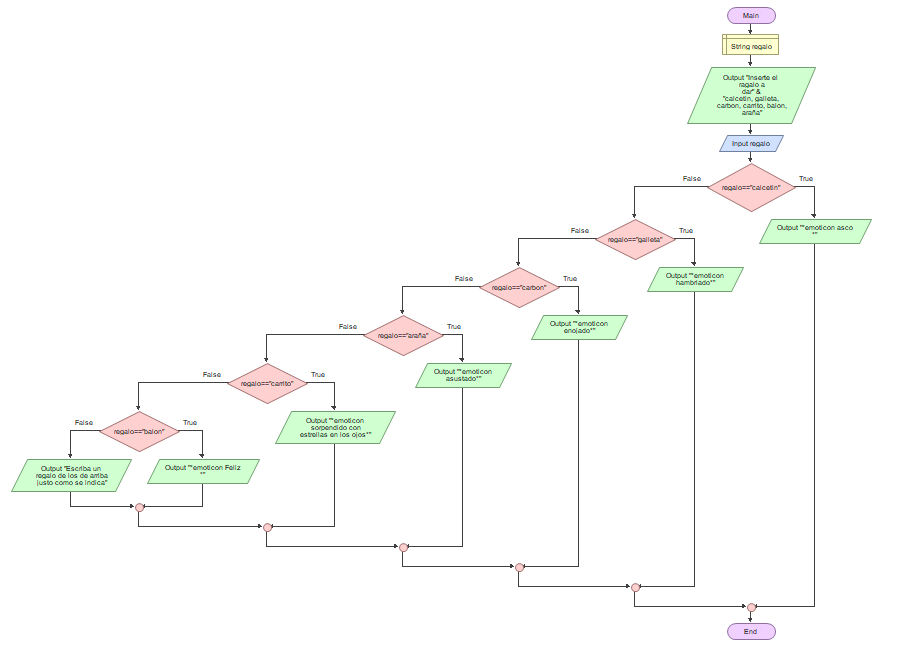
Flow Diagram for processing the Gifts
-
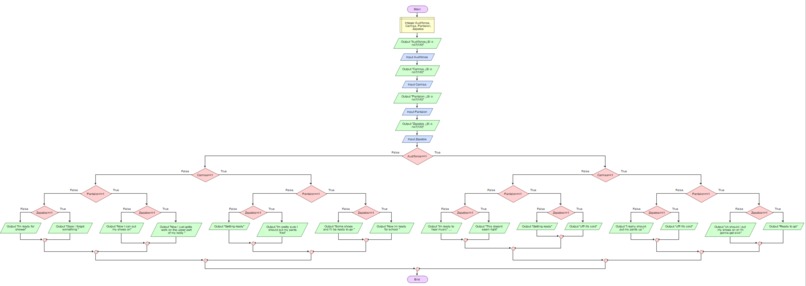
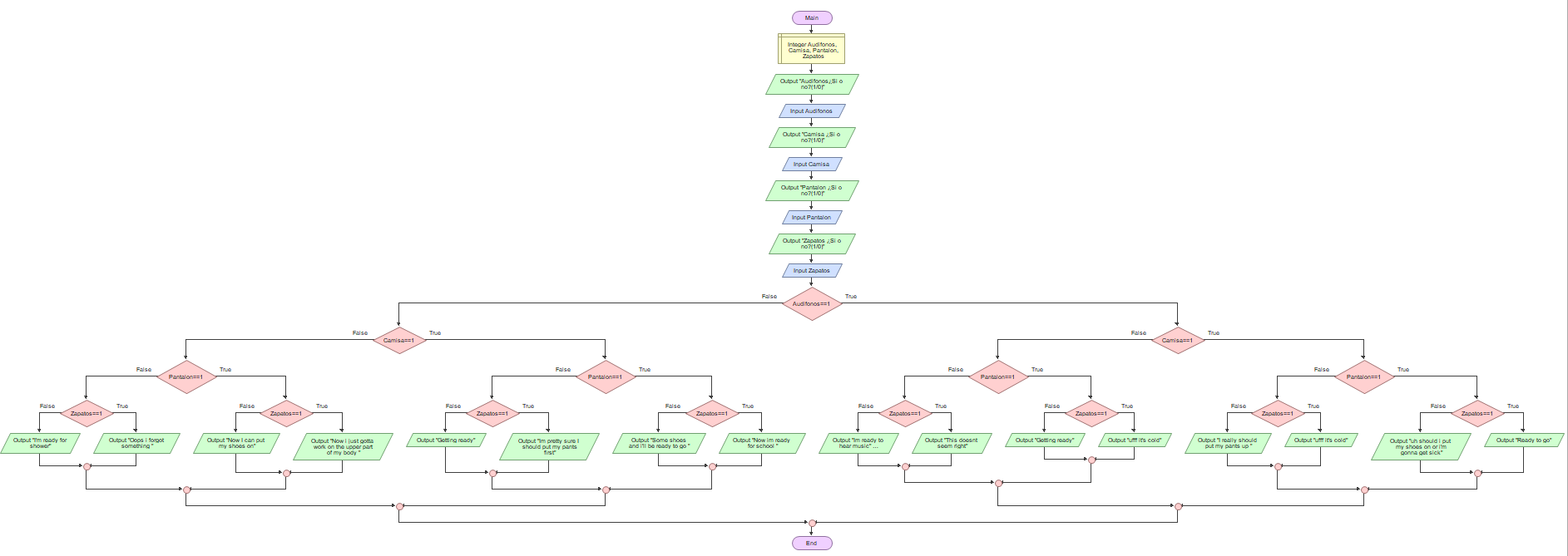
Flow Diagram for processing the Clothes





Inspiration
ASD All the young and childrens that only because of a condition have their possibility of study in danger, it's a big injustice, we all need the same possibilities than others have, to have a better future, because they should be able to manage their personal future, a condition shouldnt mark who you are and what you can do.
What it does
it’s a toy that can help identify basic human emotions and what causes them. The toy is a humanoid robot that can be manipulated by adding or removing certain accessories that will trigger a corresponding reaction displayed on a screen and audio.
How we built it
First of all yesterday at the start of the hackathon we see all the challenges, and chose one that make us happy to solve that was the challenge of “Equity, diverse and Inclusion in academics” and the challenge of hardware, because we want to use hardware for the solution, with the part of diverse we think to make a robot like a toy, and then we list the disabilities that have problems in the inclusion to academics, we see a lot of possibilities, and we choose the Autism(ASD) because of the size of the problem and because with our solution we would be able to solve or help with a big problem, then, we start to draw our ideas, mixing all the ideas and when we defined the idea, decided the electronics and the functions that the dispositive is going to have, we also saw that the best option is using a screen of Raspberry for the face, switches to be able to identify the clothes that we put to the robot, and that we are going to use NFC tags to identify the gifts that the client is able to give to the toy, then we start modeling the dispositive on Solidworks, and making Flowcharts for the work of the dispositive, then we draw all the faces, made the electronics schematic, and at last because we aren't in person, we made a simulation of the robot with python, we’re able to simulate the real work that the robot would make, finishing with this our project, knowing that we did our best.
Challenges we ran into
We faced a lot of challenges, first of all that we are mexicans and the english isn't our native language, then that we are of 1 semester of university, we start to adat to this new stage, and now with this virtual hackathon is peculiar because we usually like make the projects in physical, and now we had to make a simulation, but still we made our best, and we are sure that we made a very good project
Accomplishments that we're proud of
What we learned
We learn first of all the big problem that we have, the inequality on this part of the society, and that we can help them, the difficulty that they have in such common things like identifying human emotions, and all the possible emotions that they don't understand and the barrier that this trigger, and in the technical part, we learn about the compatibility of 3D design software’s, that the same CAD Change with the software that we use, in electronics we learn that there are a lot of technologies at our reach, to identify objects, to display images with good quality, etc. and in programing that despite the distance, programing can help us to make real simulations of projects at distance, what can a real project make can be simulated with a simple program, we have a lot of technology and we need to take advantage of it.
What's next for Feel the robot
One thing that we loved of this idea is that is has a LOT of room to work, we could easily end with an entirely new visuals with the proper time, the idea will really benefit of time to be able to polish all the details and being able to sort the specifics with an expert on our side
Built With
- adobe-xd
- blender
- easyeda
- flowgorithm
- nfc
- python
- raspberry-pi
- solidworks
- sublime-text
- tkinter

Log in or sign up for Devpost to join the conversation.