-
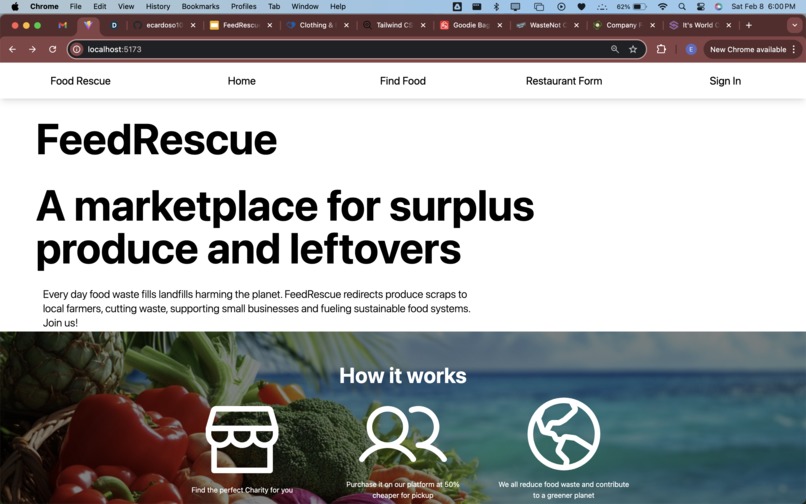
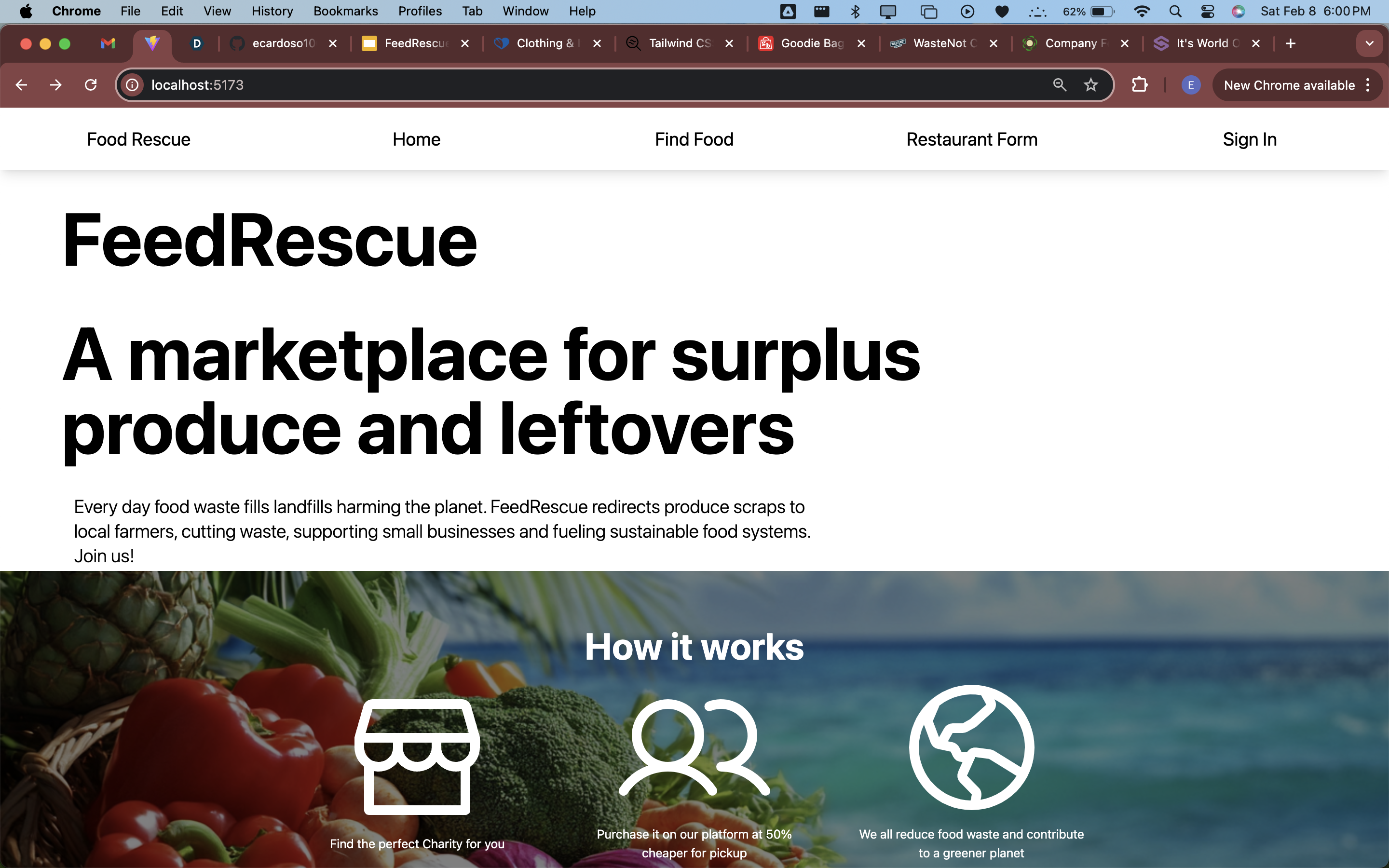
Home Screen
-
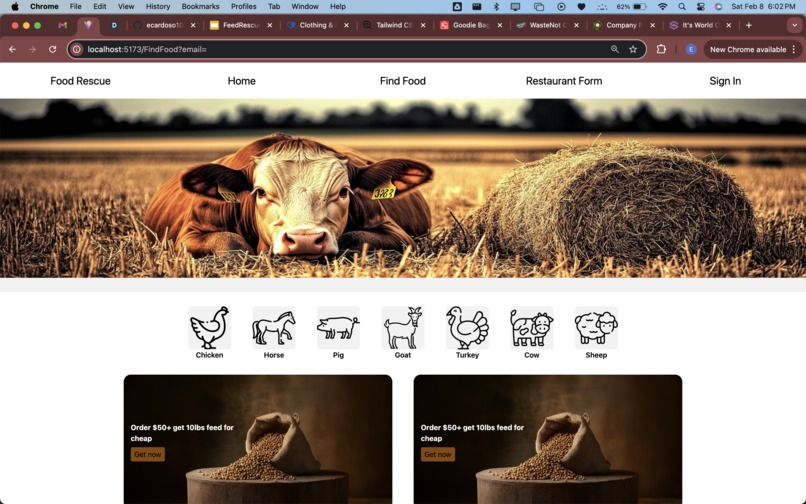
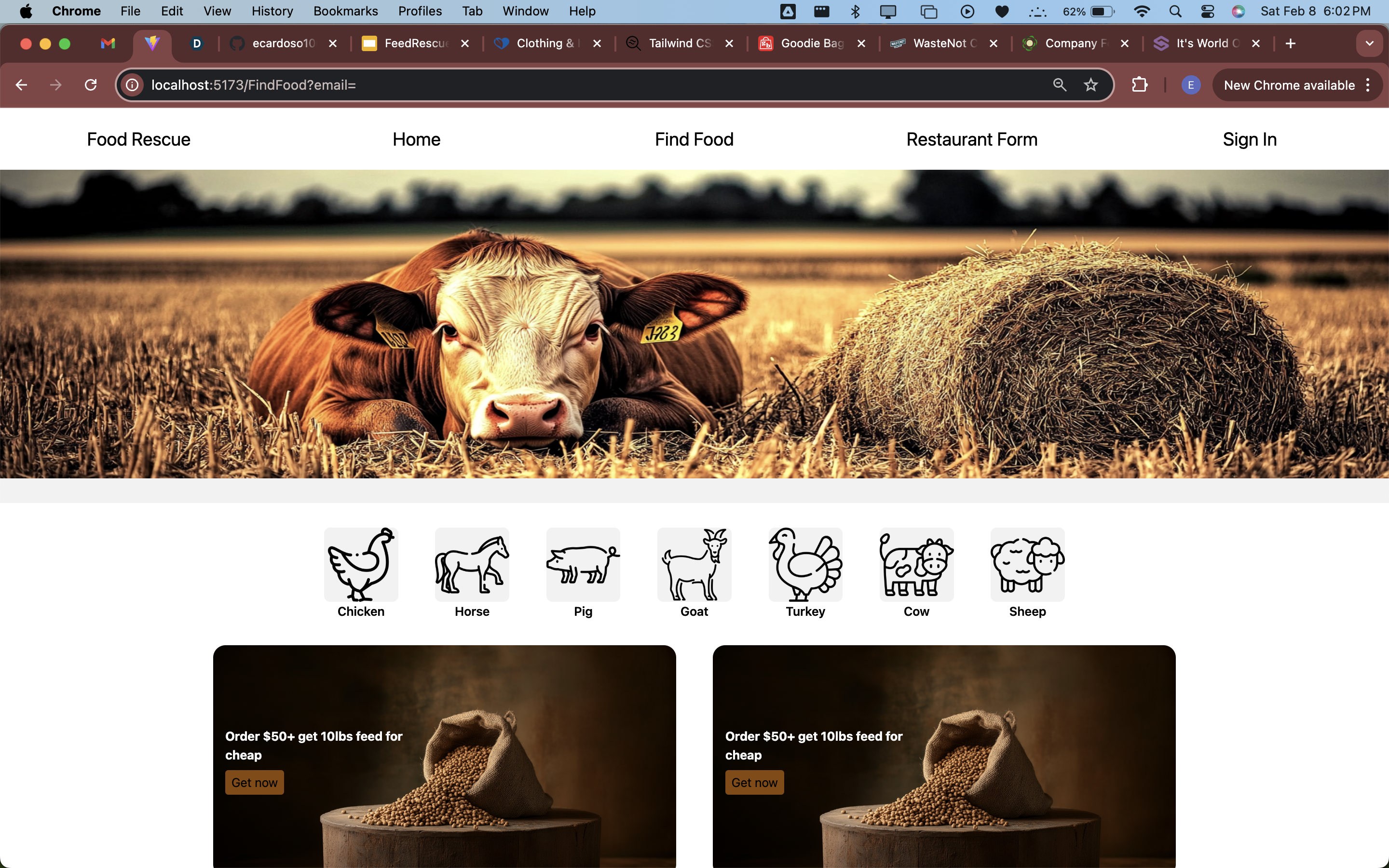
Buying Food page
-
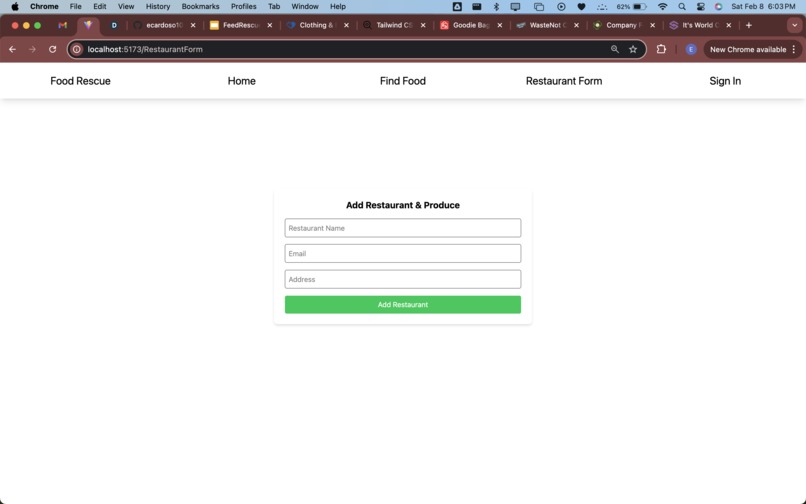
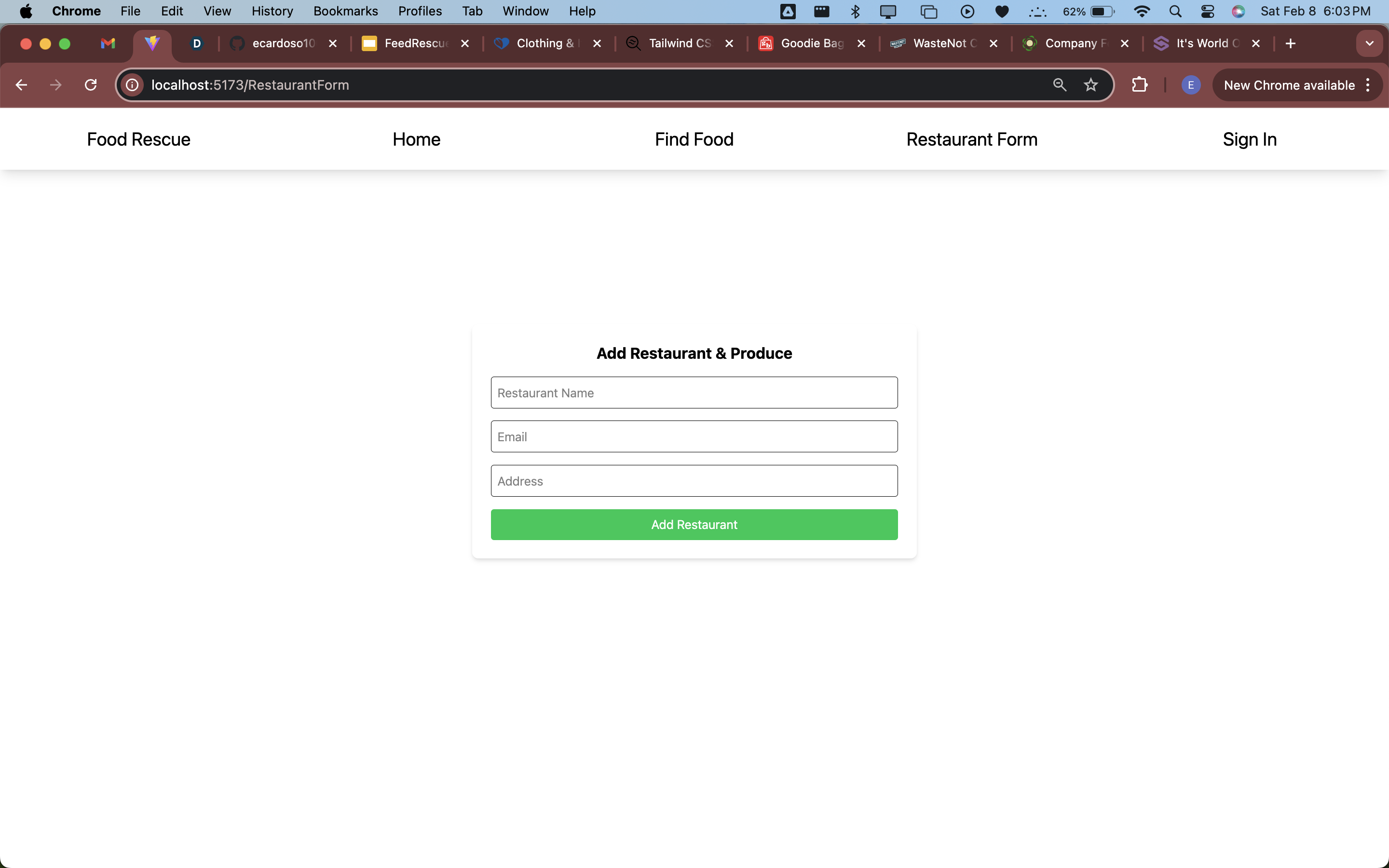
joining out team
-
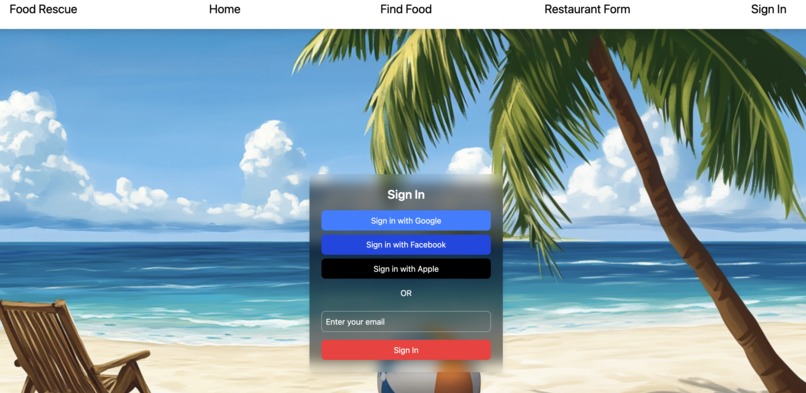
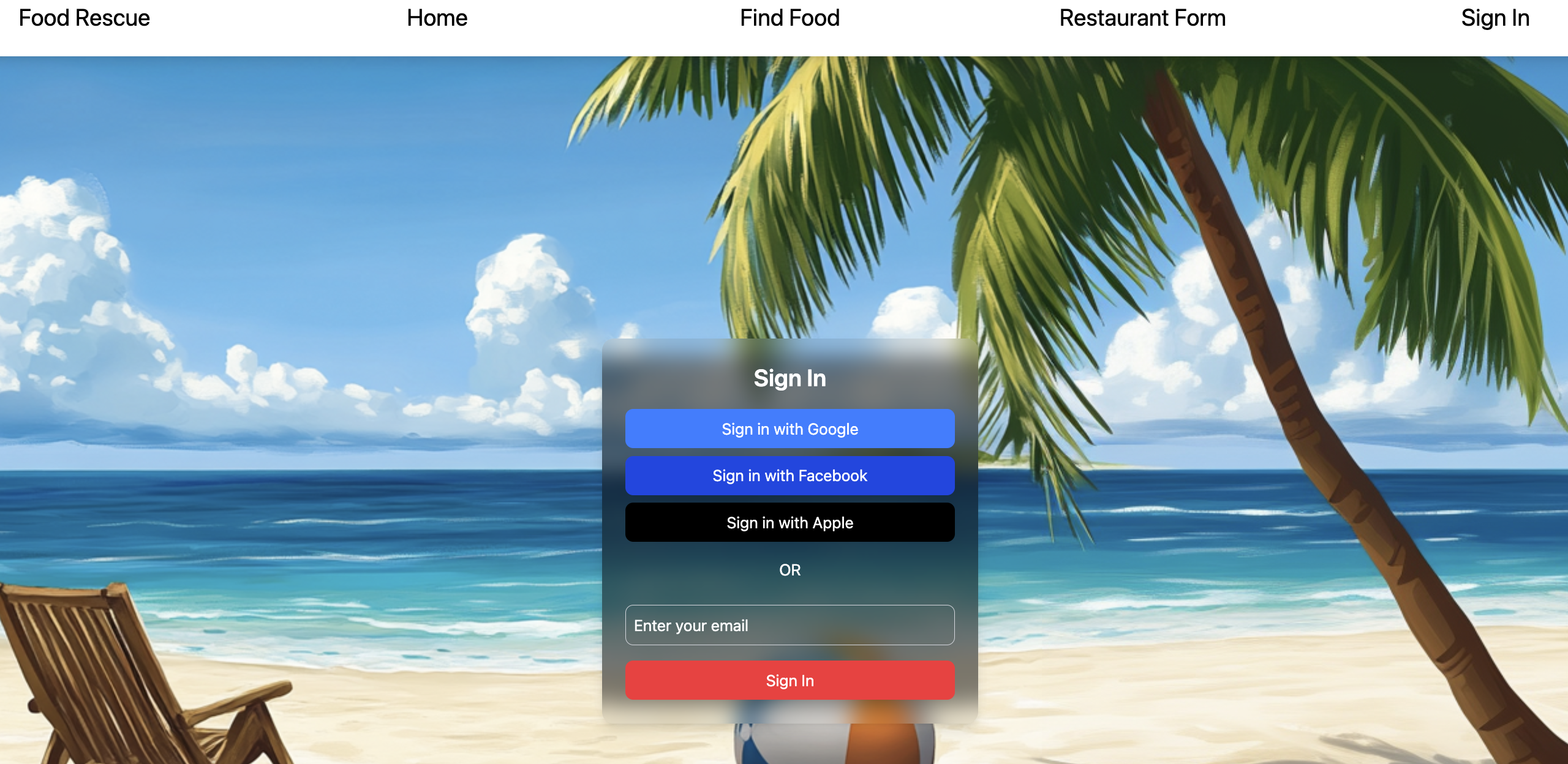
sign in page
Inspiration
Food waste is a major contributor to carbon emissions, yet so much of it—like vegetable scraps from homes and businesses—could be repurposed. We wanted to create a solution that reduces waste while supporting local farmers and small businesses.
What it does
FeedRescue connects restaurants, grocery stores, and households with local farmers to redirect food scraps that would otherwise go to landfills. These scraps become valuable feed, promoting sustainability and strengthening local food systems.
How we built it
We developed a platform that facilitates connections between waste producers and farmers. Using javascript, css, HTML, React, businesses and households can list available scraps, and farmers can claim what they need.
Challenges we ran into
We spent a lot of time fixing errors, understanding why our code wasn’t working, and learning how to debug effectively.
Creating a clean, user-friendly interface was challenging because we were still learning best practices in UI/UX design.
Collaborating on code using Git and GitHub was confusing at first, especially dealing with merge conflicts.
With a lot to learn and build in a limited timeframe, prioritizing tasks and managing deadlines was a struggle.
Accomplishments that we're proud of
Despite being new to web development, we successfully created a working platform
We adapted to new programming languages, frameworks, and tools in a short time, gaining hands-on experience.
We designed a clean and intuitive website, ensuring a smooth experience for users.
We managed to use GitHub effectively for collaboration, resolving merge conflicts along the way.
Beyond the technical side, we’re proud that our project promotes sustainability and helps local farmers.
What we learned
The importance of community collaboration in sustainability efforts How technology can drive impactful environmental solutions That small actions—like repurposing scraps—can create big change
What's next for FeedRescue
Expanding our network – Partnering with more restaurants, grocery stores, and farmers to maximize impact. Developing a mobile app – Making it easier for users to list and claim food scraps on the go. Optimizing logistics – Improving transportation and pickup coordination to streamline waste redistribution. Educating communities – Raising awareness about food waste and sustainable practices through workshops and campaigns. Exploring partnerships – Working with local governments and sustainability organizations to scale our mission.


Log in or sign up for Devpost to join the conversation.