-

FeedbackOm Logo
-
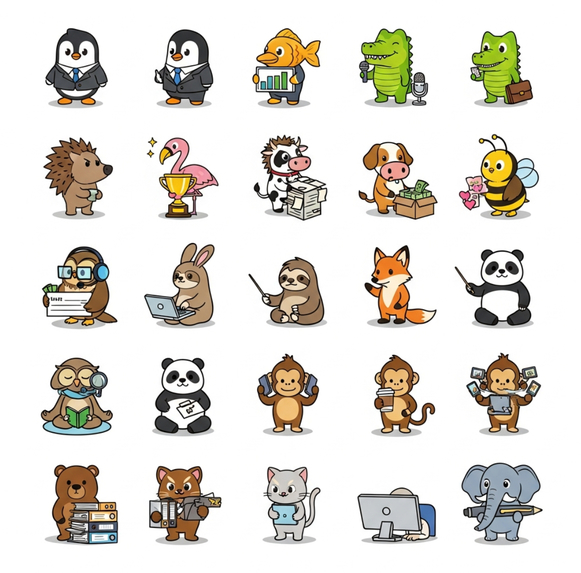
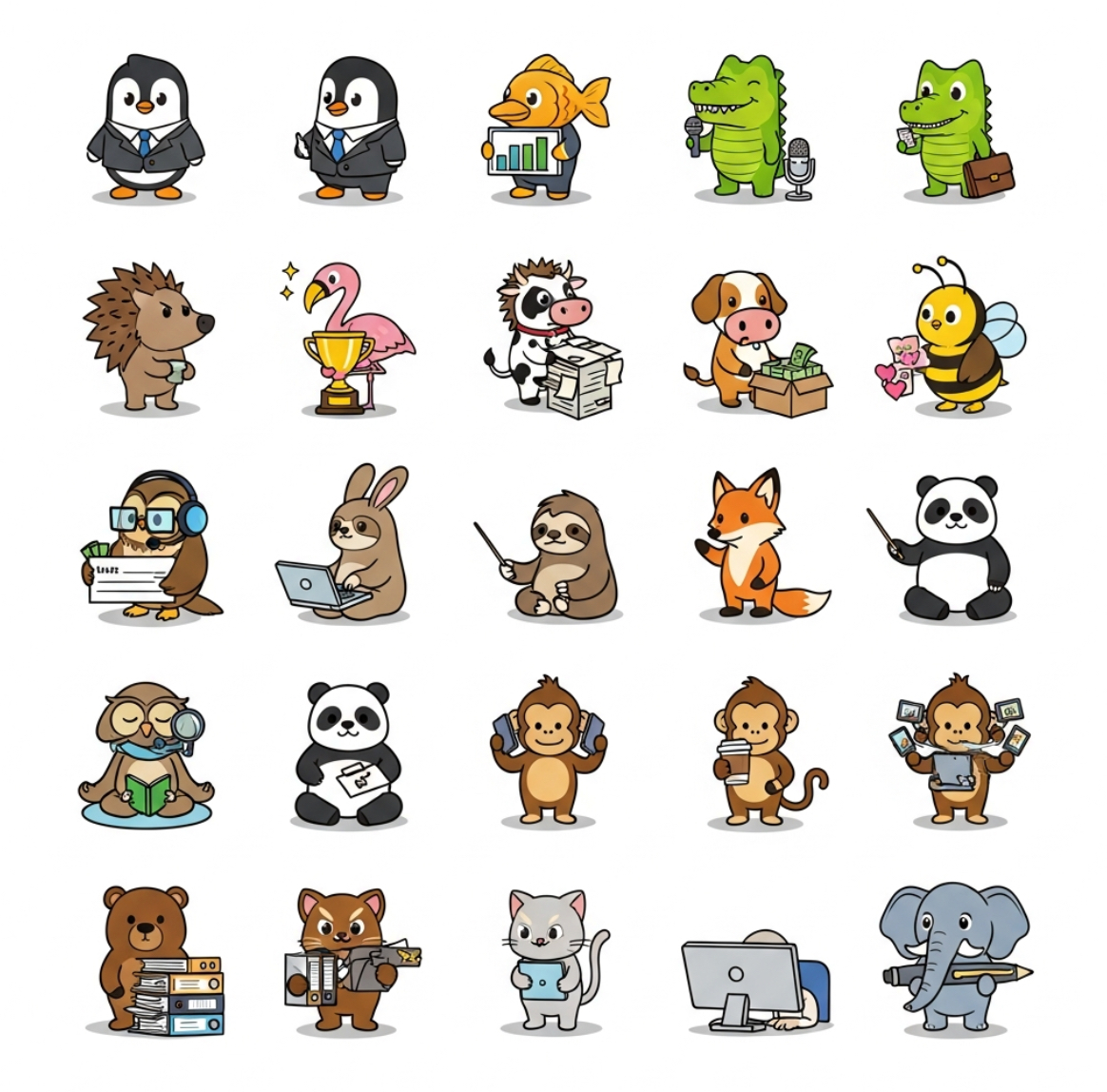
User Character Profile Options

Inspiration
Developing professionals needed an easier, more motivational way to get real-time feedback. We saw students, coworkers, and early-career leaders struggling to gather meaningful input from peers — the process was slow, awkward, or inaccessible.
We imagined something different:
A gamified, easy-to-use platform where people can instantly understand the impact they have on others in academic or professional virtual environments. Schools could use it to evaluate staff in real time. Teams on Zoom could understand how their communication comes across. Students could build confidence and self-awareness through positive, supportive peer reflections.
We also realized something important:
By taking intangibles from video data and quantifying them, we give our users the ability to leapfrog their impact, lead rooms, and change the world.
We wanted to make feedback accessible, fast, uplifting, and fun.
What it does
FeedbackOm collects video interactions and peer-written feedback in academic or professional virtual environments and produces:
- Clear, motivational performance summaries
- Strength-based reflections
- Growth opportunities written in a supportive tone
- Immediate next-step action plans
The platform is screen-reader friendly, structured for accessibility, and designed to help users understand how they show up in virtual meetings or classroom settings.
At its core, FeedbackOm turns abstract personal qualities observed in video — tone, presence, engagement — and insights from written feedback — into concrete, actionable insights, helping people elevate their influence with intention.
How we built it
- Started with a simple concept built on Wix due to differing technical experience levels.
- Switched to hosting on GitHub after Wix caused deployment issues with our GoDaddy domain.
- Built the front end to be clean, minimal, and accessible.
- Integrated an AWS API to analyze video data for emotional cues, tone, and engagement.
- Built a system to process written peer feedback and summarize it using GPT-based prompt engineering.
- Designed everything with keyboard navigation and screen-reader friendliness in mind.
Challenges we ran into
1. API Confusion
Challenges we ran into
1. API Overload & Accuracy Issues
At first, we explored several APIs — Vultur, Presage, and Google AI Studio — to analyze emotions and engagement from video. Each came with its own issues: unclear documentation, inconsistent outputs, or limited accuracy. After testing all three, Amazon Web Services’ API delivered the most reliable and interpretable data, so we ultimately pivoted to AWS for our final build.
2. Platform Limitations
We initially used Wix to support a teammate with less technical experience, but it didn’t integrate well with our GoDaddy domain, leading to unexpected deployment failures.
3. Last-Minute Rebuild
Because of the Wix–GoDaddy compatibility issues, we had to migrate the entire project to GitHub under hackathon time pressure, reorganizing our codebase and redeploying everything from scratch.
4. Balancing Accessibility With Multi-Modal Feedback
Designing a system that gracefully handled both video inputs and written peer feedback, while still being screen-reader friendly and intuitive, required significant iteration and thoughtful UX planning.
Accomplishments that we're proud of
- Successfully pivoting from Wix to a GitHub-built site under time constraints.
- Creating an AI-powered system that analyzes video and summarizes written peer feedback in an executive-coaching style.
- Turning intangibles from both video and written feedback — communication style, tone, presence, engagement — into concrete, actionable insights.
- Helping users understand and elevate their impact in academic or professional virtual settings.
What we learned
- Accessibility-first design improves clarity and usability for all users.
- Prompt engineering and multi-modal AI integration are critical for producing meaningful, motivational outputs.
- Simple, intuitive UX is essential when combining video analysis and written feedback.
- Teams with diverse skill levels can move fast by adapting and leveraging each person’s strengths.
What's next for FeedbackOm
- Audio summaries for fully voice-based feedback experiences.
- Gamification features (characters, streaks, progress meters).
- School and workplace dashboards for real-time evaluation and interventions.
- Zoom integration for instant post-call reflection.
- More advanced analytics that quantify subtler intangibles, combining insights from both video and written peer input.
FeedbackOm is just getting started — and we’re committed to helping people use multi-modal feedback to lead rooms, elevate their presence, and change the world.
Built With
- amazon-web-services
- css
- gemini
- github
- google-ai-studio
- html
- javascript
- linux
- node.js
- presage
- python
- vscode
- vultr

Log in or sign up for Devpost to join the conversation.