

Inspiration
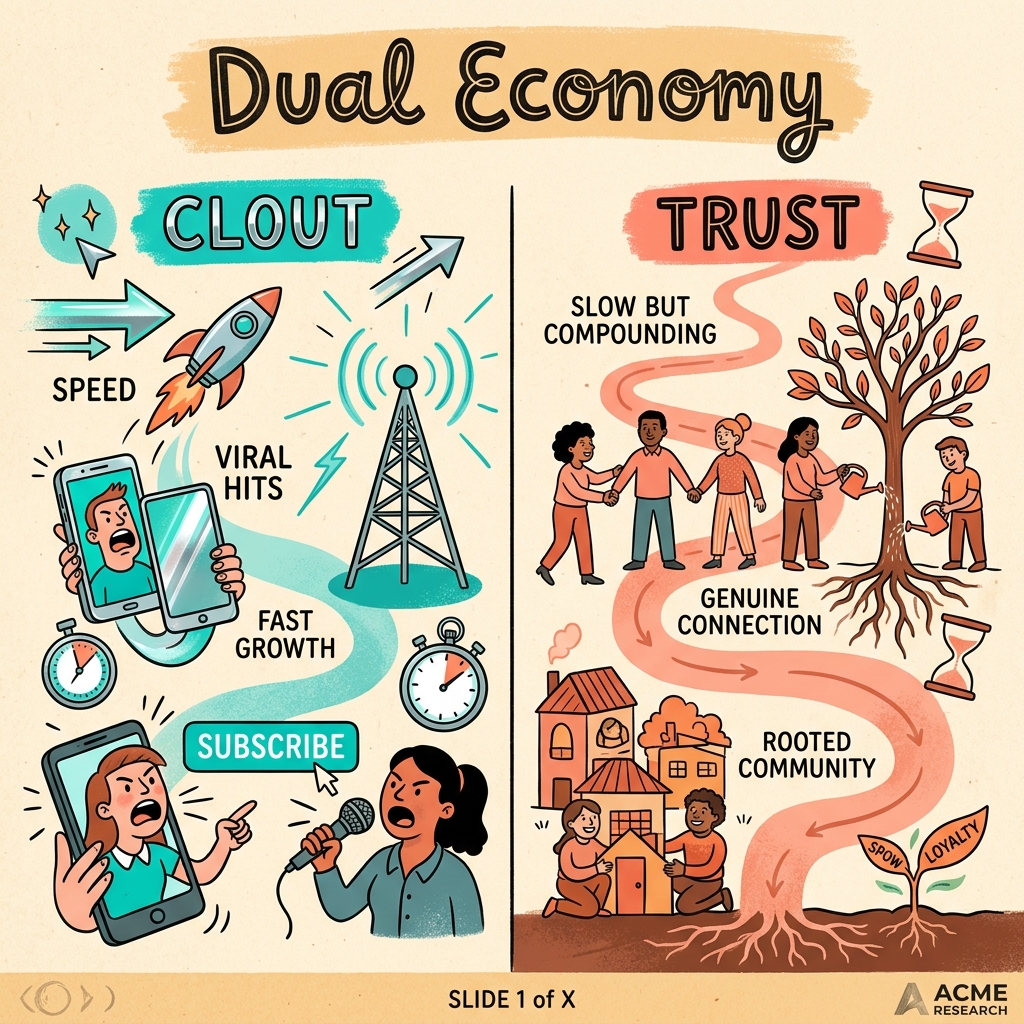
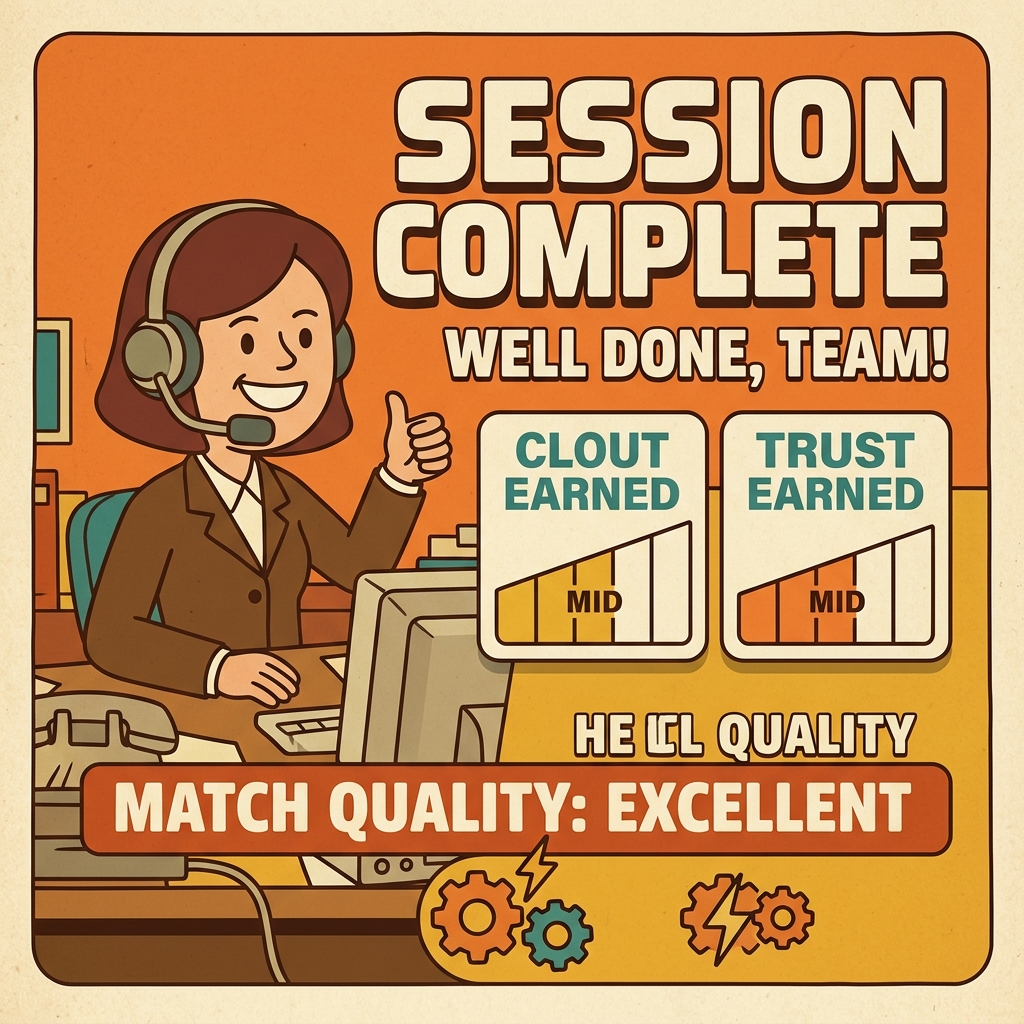
Today, social feeds reward volume and sameness. Real studios—the ones that last—win by matching the right person to the right brief and choosing how to release work to an audience. Feed the Feed started from a longer design for a boutique content studio in 2032: neurodivergent creators, environmental work conditions, and a dual economy where Clout (spendable reach) and Trust (compounding credibility) pull in different directions.
We wanted a management sim that treats empathy as strategy—not as medical drama. Mismatch and fatigue show up as business consequences: weaker posts, slower growth, harder unlocks. Get the match and the workspace right, and the studio compounds. That fantasy—running a scrappy studio the algorithm cannot flatten—drove every scope decision for this competition build.
What it does
Feed the Feed is a cozy, portrait Simulation & Management prototype. You run a boutique content studio in one sitting:
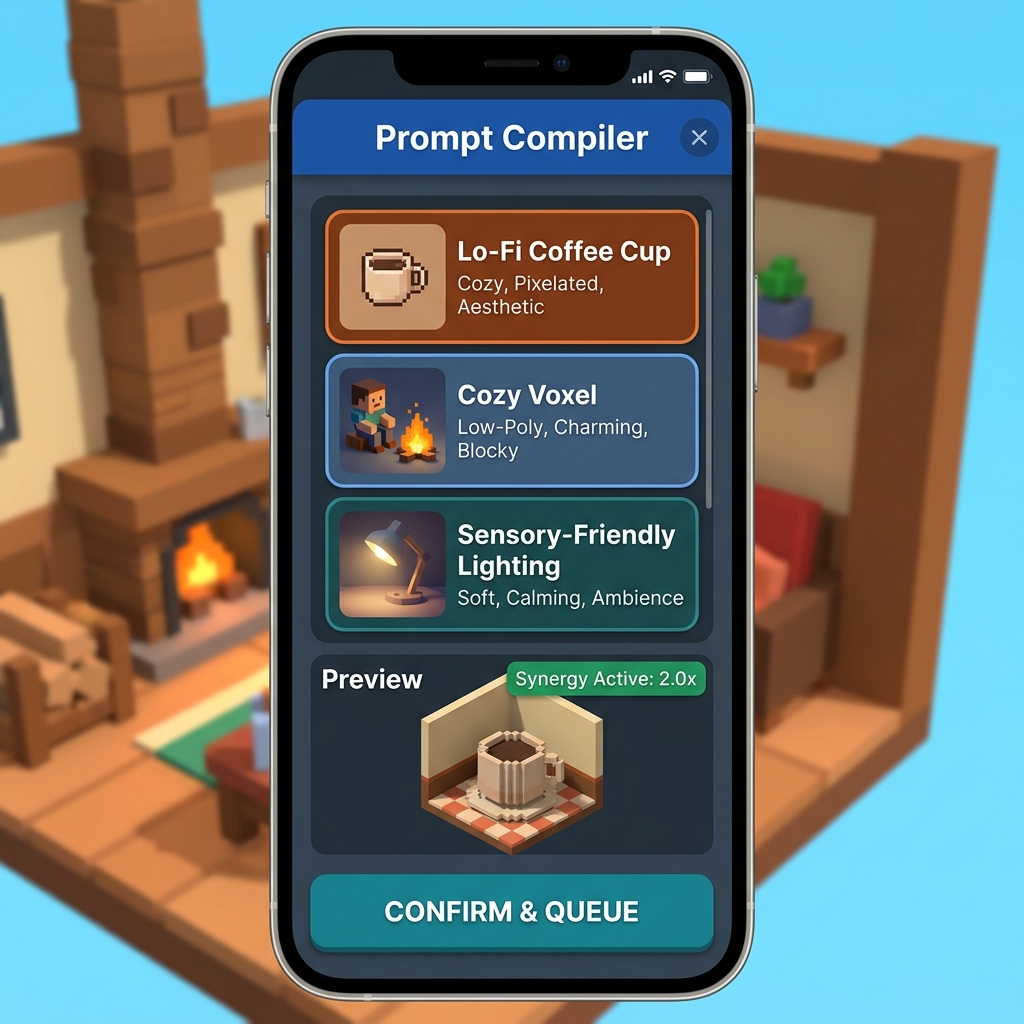
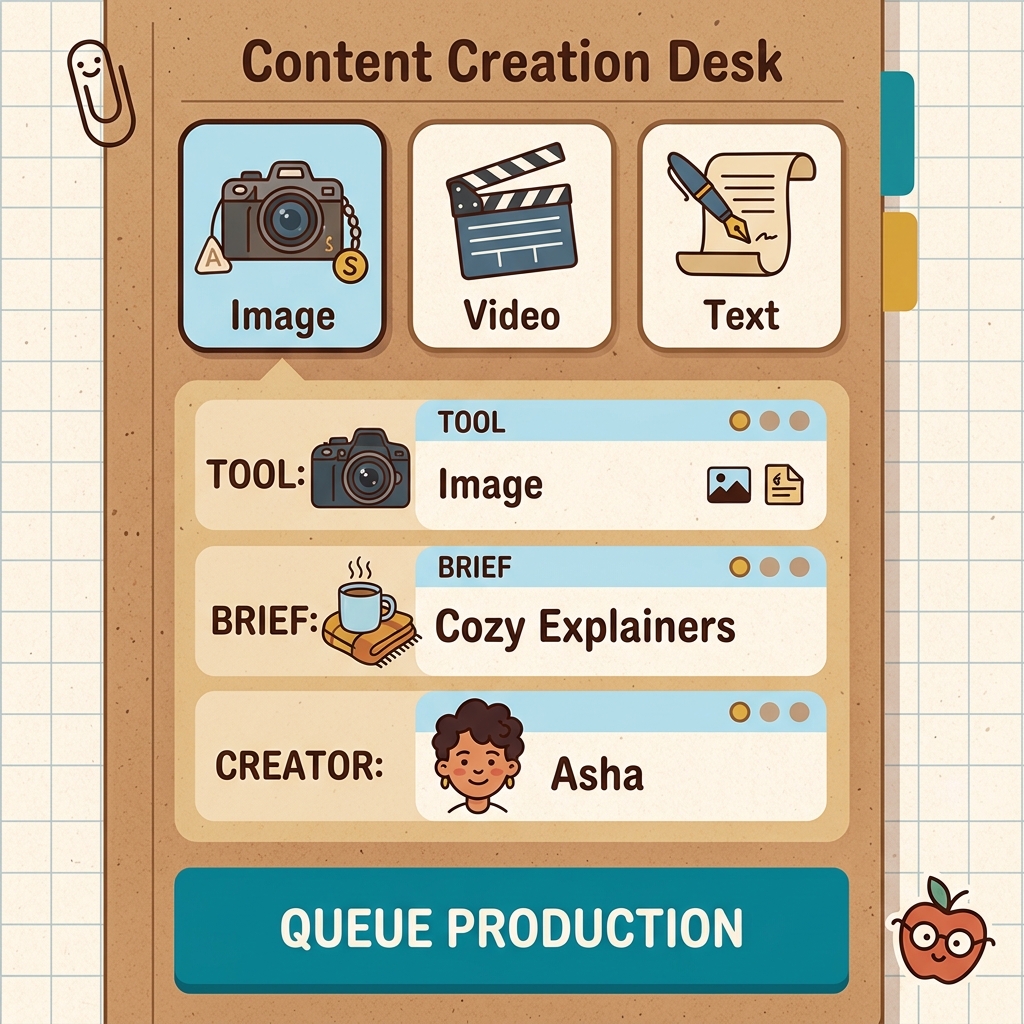
- Configure the Prompt Compiler — pick Subject, then Style when unlocked, and queue production.
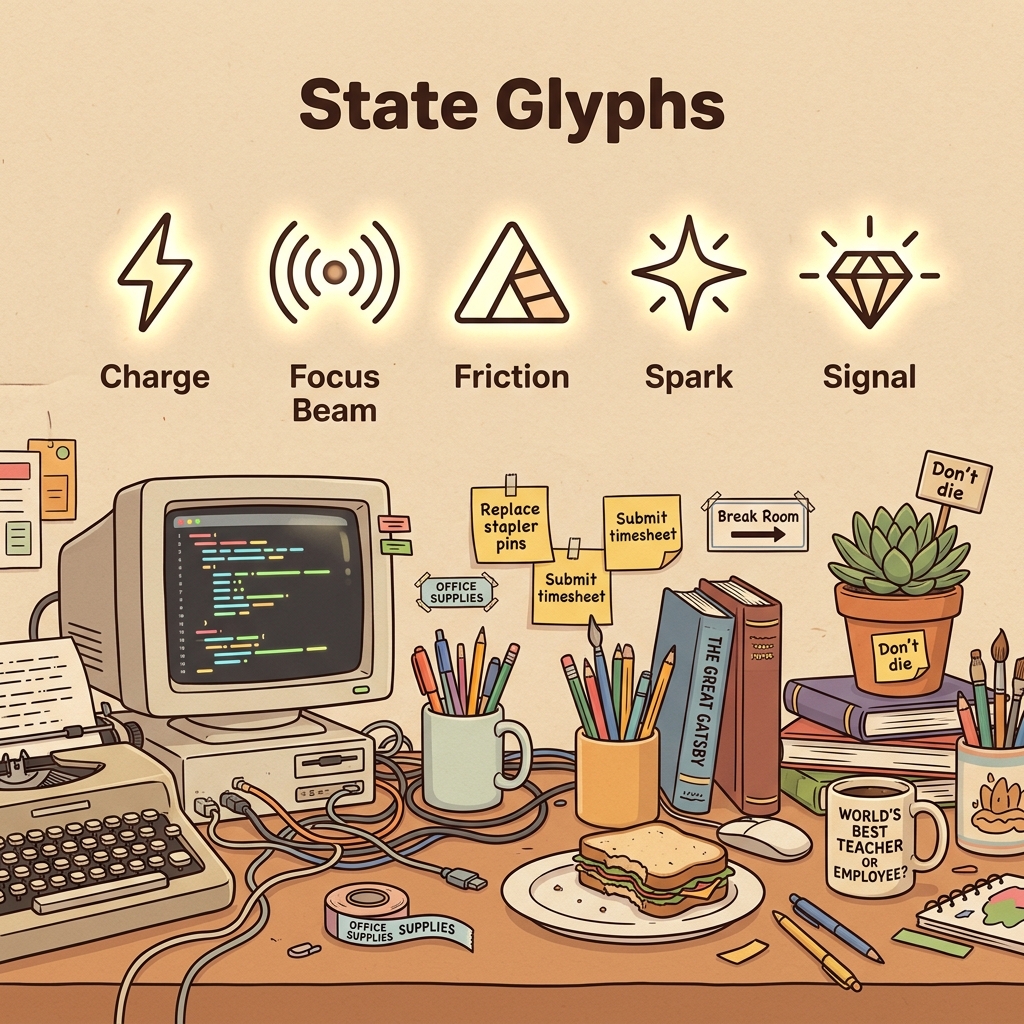
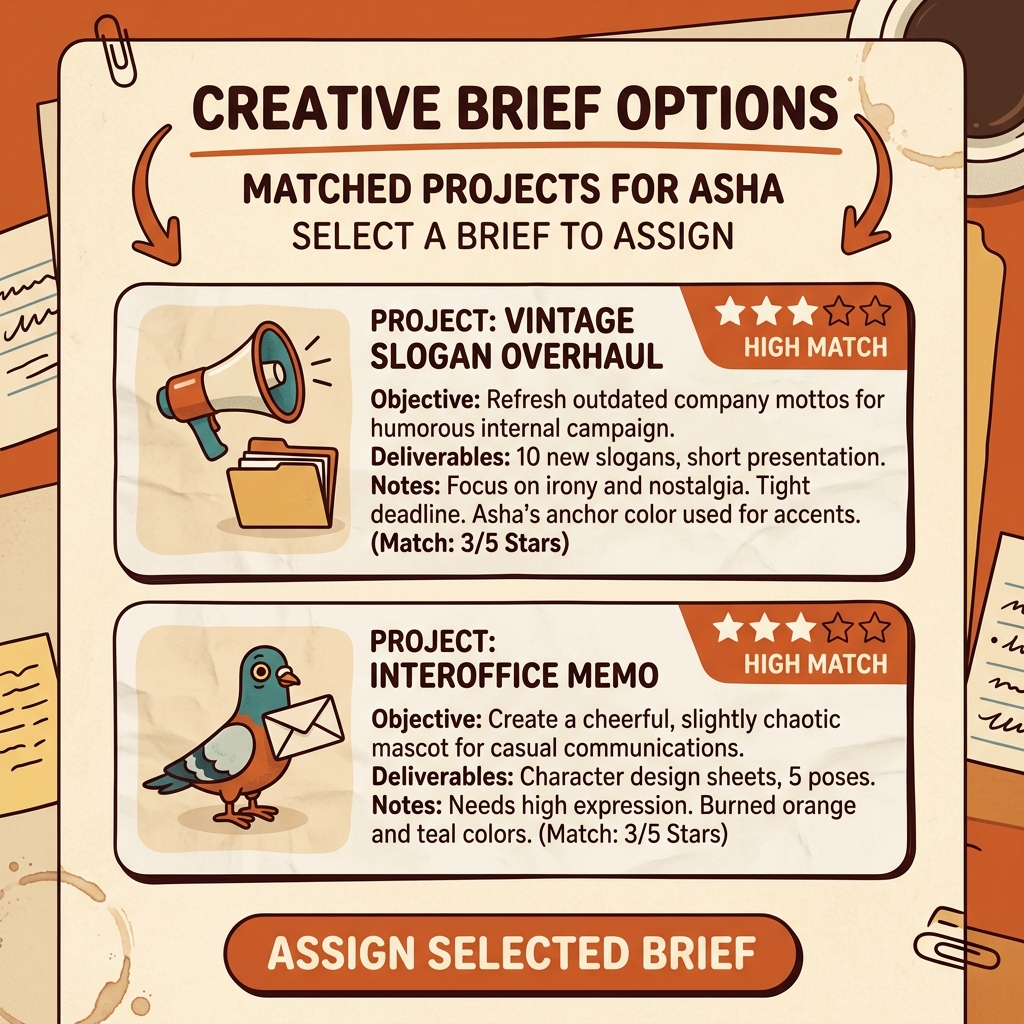
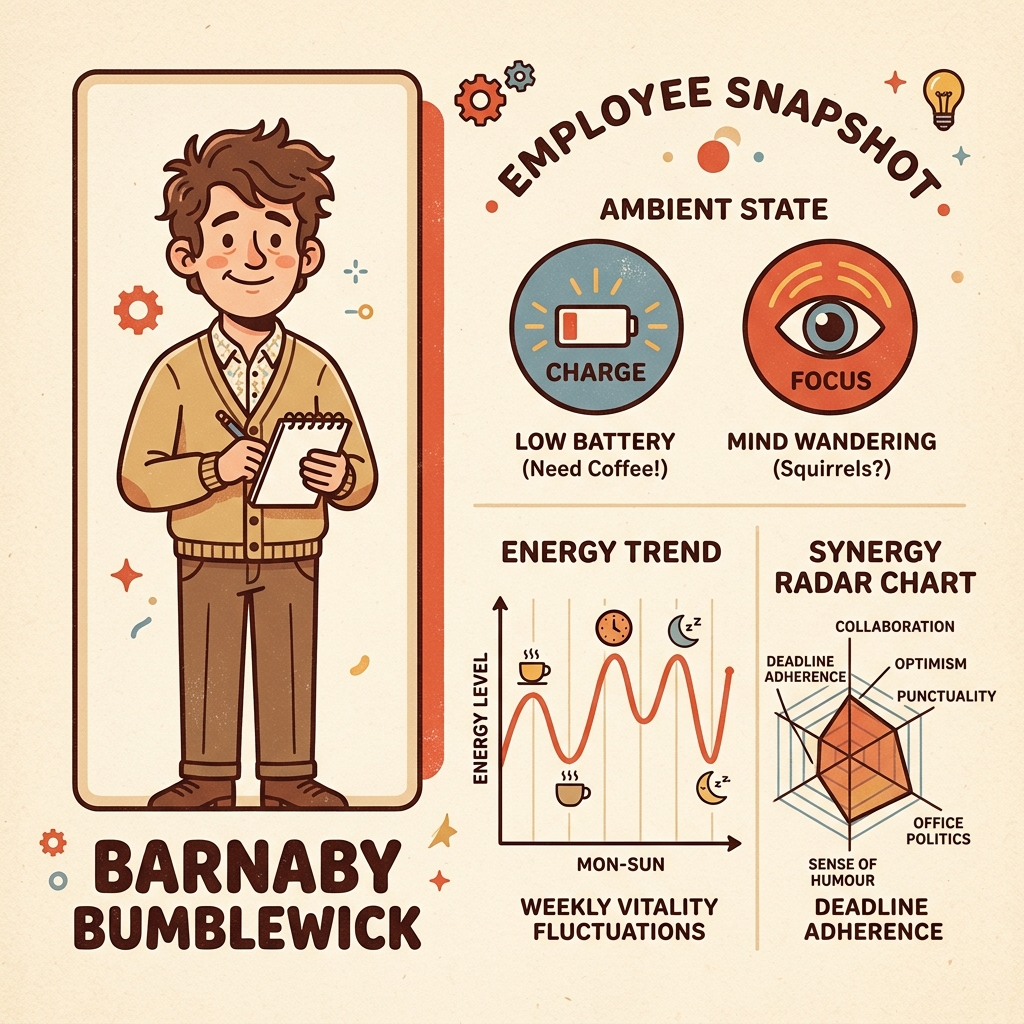
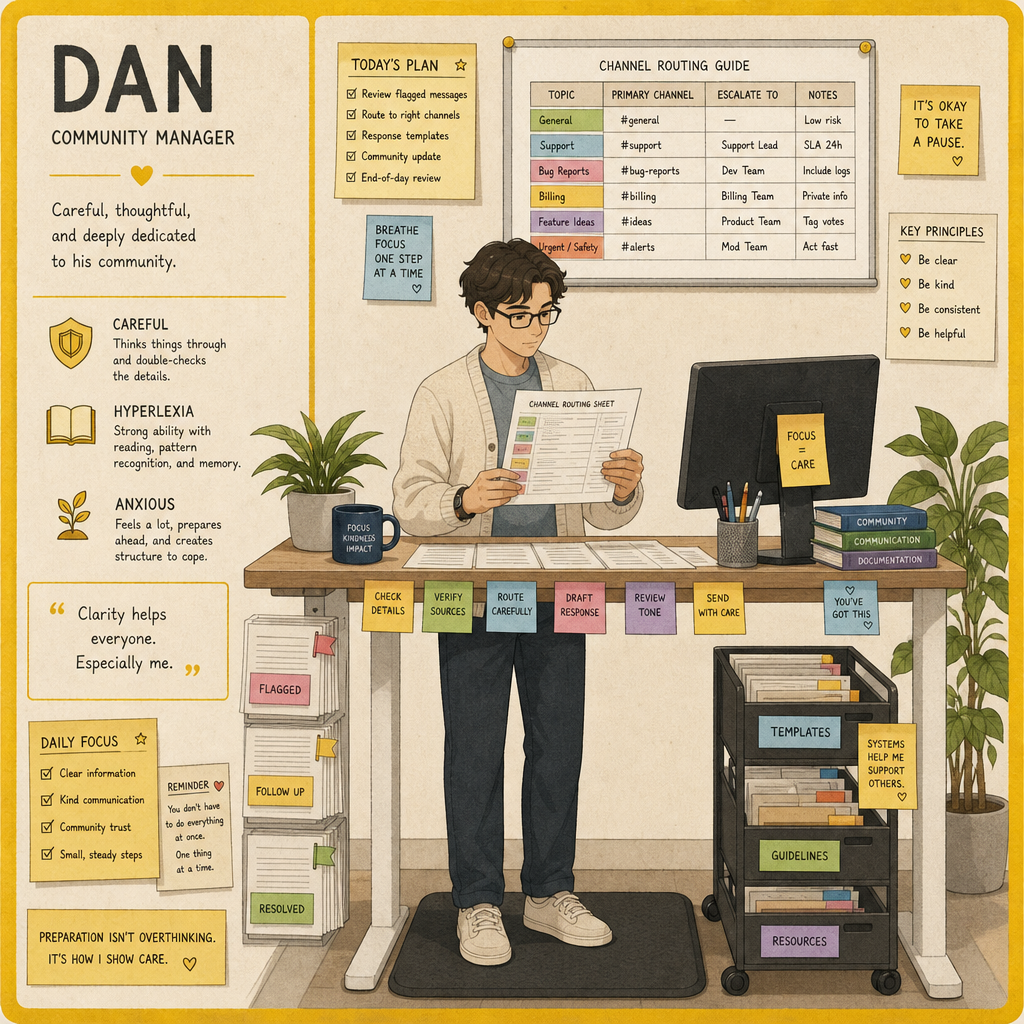
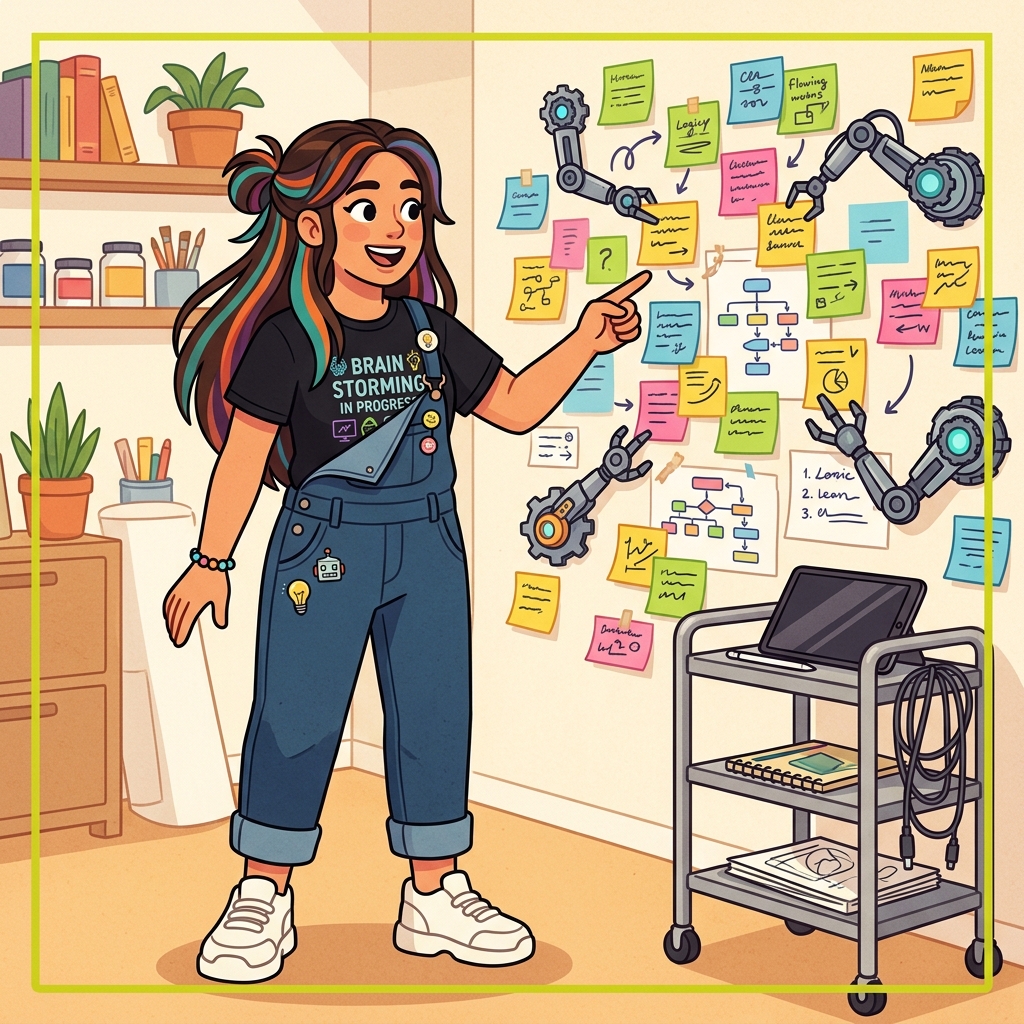
- Assign creators — read condition glyphs (Charge, Focus, Friction, Spark) and match Asha, Kai, and Dan (and other teammates in the future) to the brief.
- Release posts — choose Raw Reach for Clout or Community Seed for Trust once routes unlock.
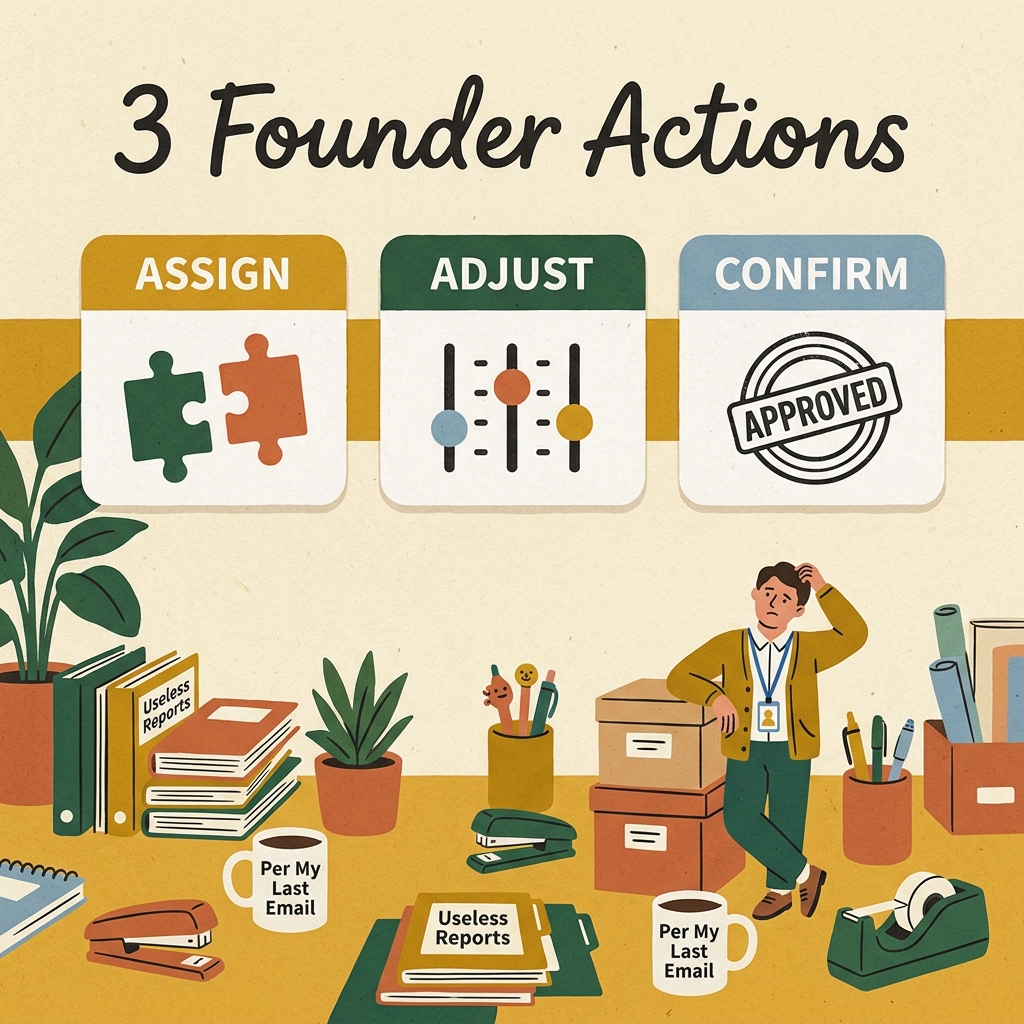
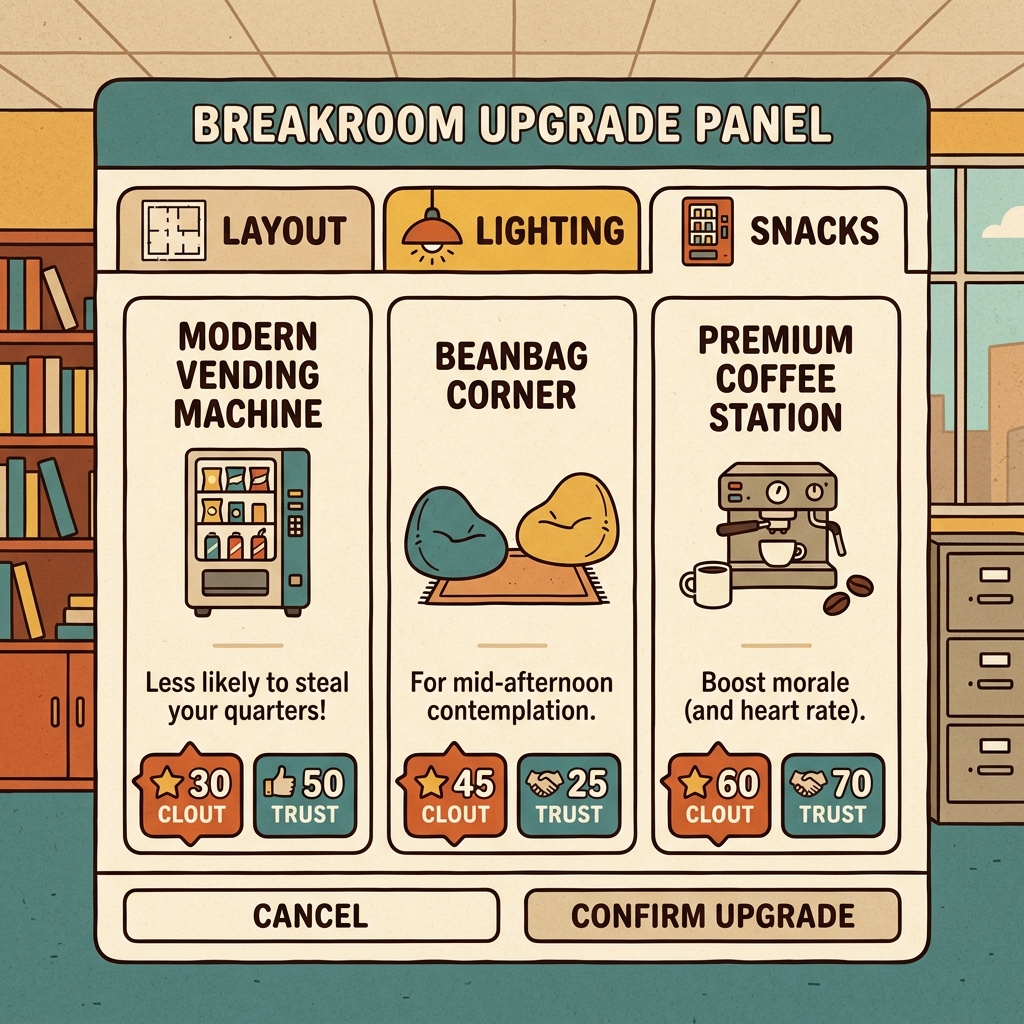
- Adjust workspace — spend founder actions to fix environmental friction and restore Charge when Workspace Adjust unlocks.
- Grow and reset — chase unlocks, trigger Hyperfocus Cascade moments, hit a soft-win milestone, then Repeat.
The experience is compressed into roughly five to eight minutes: first post within thirty seconds, then Style, release choice, workspace management, and a second and third creator with distinct specialties—all offline in a fixed portrait layout.
How we built it
We adapted the design and mechanics spec from the last competition into a Three.js / HTML5 offline prototype specifically built for the Meta Horizon Creator Competition.
Stack and packaging
- Vanilla JavaScript (ES modules during development), assembled into readable game code in
index.html - Three.js in
vendor/for atmosphere; DOM/CSS for the studio UI, Prompt Compiler, and cards - Local assets only—no runtime network—packaged with
npm run buildandnpm run packageinto a self-contained zip under the 35 MB limit
Process
- Audited the game against competition constraints and cut features like shop, scan, leaderboards, and idle multi-day systems until the core loop was deep enough
- Implemented simulation modules (catalog, creators, quality/payout math, session progression) with Node smoke tests before layering UI
- Built in phases: vertical slice → studio floor polish → unlock ladder and tutorial → Kai/Dan matching depth and Hyperfocus Cascade
- Used AI-assisted implementation sessions documented in
BUILD_LOG.md; every meaningful change was verified by playing in portrait (including iPhone-safe viewport and short-height layouts)
Representation
- Creators are skilled professionals; conditions are environmental, never medicalized
- The word neurodivergent is always written in full in player-facing copy
Challenges we ran into
Compressing a multi-day game into one sitting. The original design used wall-clock idle production and day-based unlocks. We remapped those into session timers in seconds, a 30-second founder-action regen loop, and a derived unlock ladder so judges still feel escalation without waiting.
Portrait readability on real phones. The Prompt Compiler, studio floor, three-creator roster, and result modals all had to fit without scrolling on heights down to 390×663. That meant dynamic viewport units, safe-area padding, compact button rules, and repeated layout passes—not just desktop DevTools checks.
Asset budget vs. visual clarity. We kept individual subject thumbnails and studio artwork but excluded the large combination-thumbnail set (~19 MB) from the competition build, showing resolved subject art in the production queue and release preview instead.
Dual economy teaching. Clout and Trust need to feel like a real trade-off, not a hidden optimal path. We staged unlocks so Raw Reach and Community Seed appear after the player already understands production, then gave Dan a Community Seed specialty to make the choice legible in play.
Scope discipline. Optional systems (shop upgrades, Scan Stage, boosts) were tempting but would have left stub UI. We cut them and invested in matching feedback, cascade moments, and workspace Adjust instead.
Accomplishments that we're proud of
- A complete create → release → grow loop that a fresh player can finish in one portrait session, ending at a soft win with Play Again
- Three creators with distinct roles: Asha opens the studio, Kai reads early trends, Dan amplifies Community Seed Trust payouts
- Matching as the signature twist—brief-fit hints before Confirm, Charge explanations after release, and business-only consequences for mismatch
- Hyperfocus Cascade with visible payoff when alignment hits
- An offline, self-contained build (~21 MB) with readable source, local vendor deps, and automated smoke/offline validation
- Representation guardrails held throughout: environmental conditions, no character harm, empathy framed as studio strategy
What we learned
- Session compression can preserve the fantasy if unlocks teach one new decision at a time instead of front-loading every system
- Visible glyphs beat hidden stats for management sim readability—players adjust workspace and assignments when Charge and Friction read instantly on the studio floor
- Clout vs Trust lands when both routes stay viable; specialty creators make the choice strategic rather than cosmetic
- Portrait management UI needs the same rigor as the sim math—overflow and safe-area bugs break trust faster than a wrong payout constant
- AI-assisted building works when constraints are explicit (portrait, offline, no ND shorthand, no unfinished buttons) and every session ends in a playtest note
What's next for Feed The Feed
This entry is a playable prototype, not the final Horizon experience. If we continue after the competition:
- Rebuild as a richer Meta Horizon studio or as a web game with longer retention, deeper crew knowledge, and studio upgrades (Breakroom, Server Farm, and related systems from the full design)
- Expand the roster and brief catalog while keeping matching neurodivergent creators to work and the Clout / Trust release choice at the center
- Add scan bookings, shop progression, and social feed browsing only where they deepen the core loop—not as feature sprawl
- Replace design-era public gallery shots with in-engine captures once final polish lands
- Keep the north star from the brief: a management sim where running a humane studio is the most satisfying way to beat the feed
Built With
- codex
- cursor
- github
- javascript
- node.js
- three.js


Log in or sign up for Devpost to join the conversation.