-
-
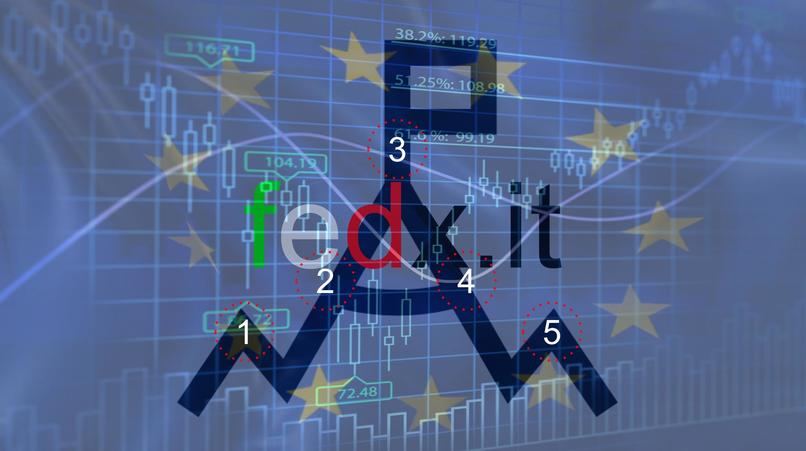
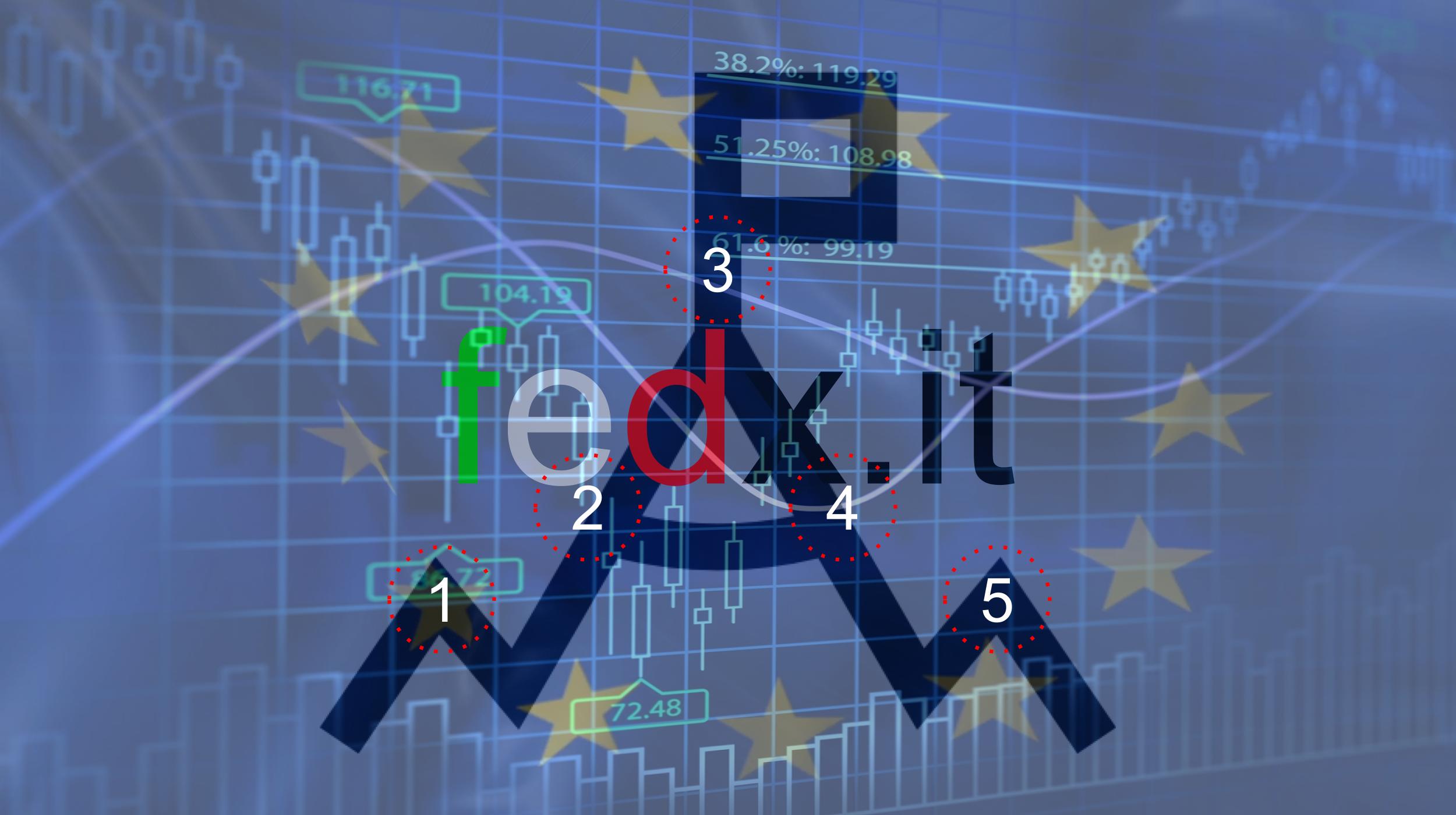
the path for the activation of FEDx direct European funds, with 5 phases, information, project, approval, contract, realization.
-
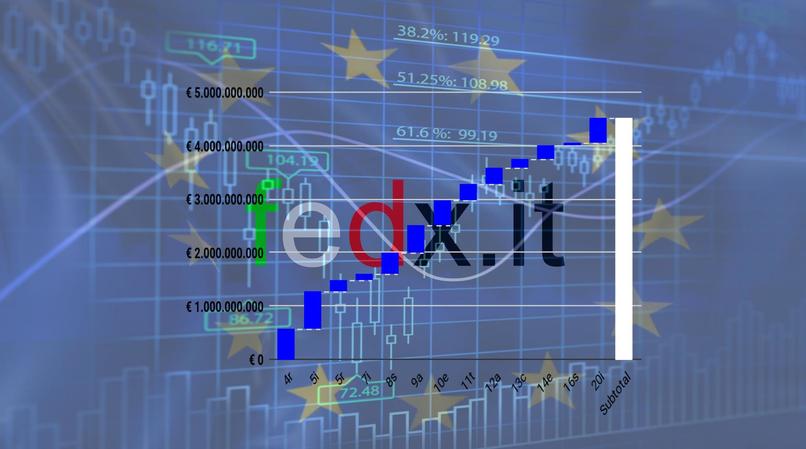
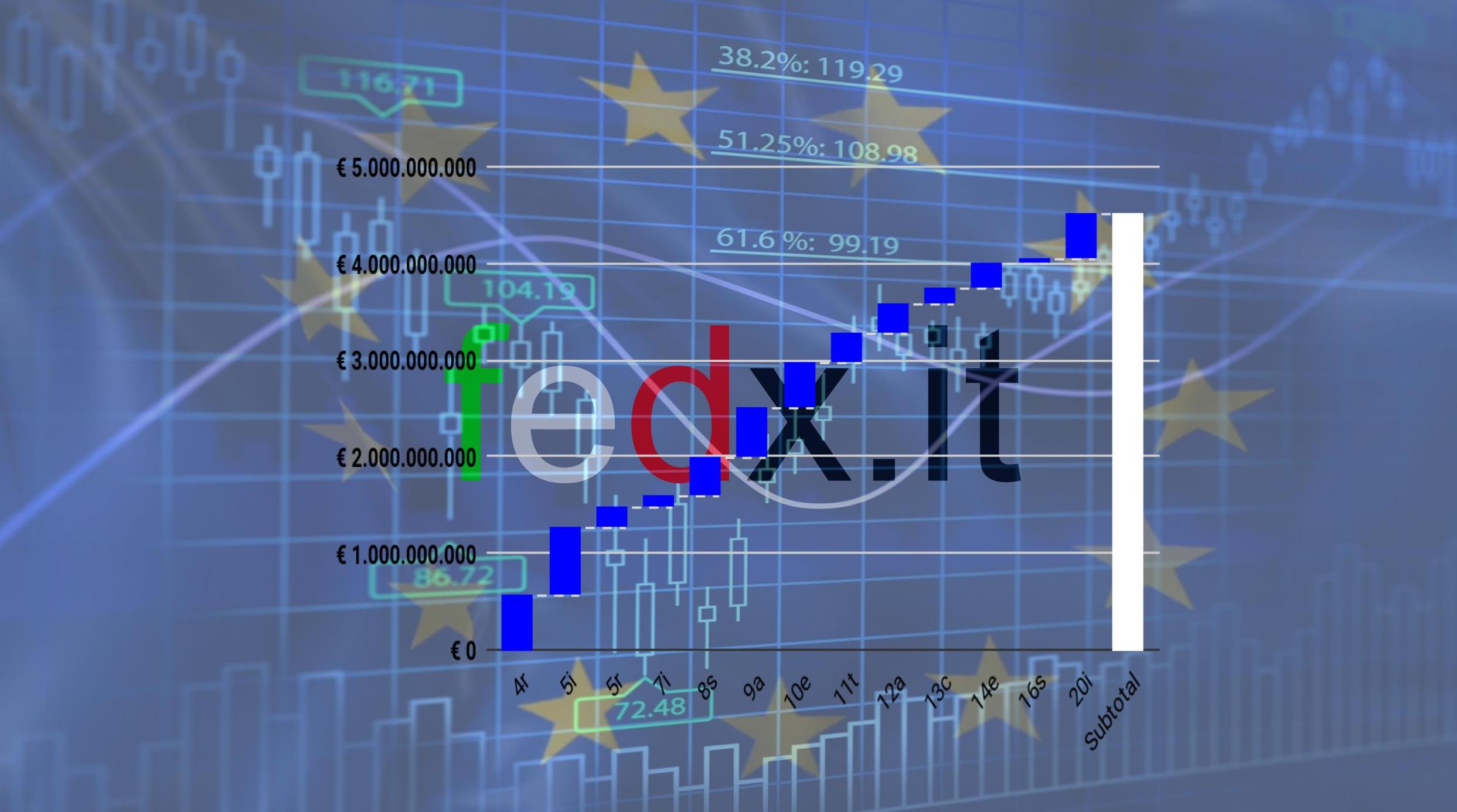
financial information on existing European resources, which the territories can activate, through the authorized structures.
Inspiration
The COVID-19 pandemic only exacerbated the financial crisis in many European territories, exponentially expanding the problem, directly to many production sectors, indirectly to the whole economy, due to the inevitable consequences of public tax revenues.
The economic model was firmly anchored to the paradigms of the past, the new context obliges it to have to seek new solutions, even if the need finds resistance in being metabolized and implemented, yesterday as today, as there is still no awareness of the moment historian.
In fact, while yesterday the problem of economic resources concerned a small minority, compared to the mass, today this paradigm has turned upside down, with the substantial difference of the unknown about the future, which forces everyone to look around and see the "desert" that advances.
For this reason, the FEDx financial initiative, started at the end of 2018, by a group of European citizens, with the aim of finding the economic resources to continue the development of the many projects started, has allowed us to overcome even the problem of not know what are the direct European funding opportunities available.
However FEDx has forced us to face numerous economic issues, making us realize that in the meantime we were activating a new digital research and financial activation infrastructure, with the need to slow down the development of numerous tools, as we were aware of the new financial market. under construction.
What it does
In this phase, FEDx allows to know which are the direct European non-repayable loans in force for research and innovation, with the possibility for all recipients also to be able to start the administrative investigation for activation, through the enabled structures on the territory.
Having created a methodology for the census and technical processing of financial data on Direct European Funds, it allows to have available for the current year, but also for the following years, the offer of non-repayable loans, which the European Commission makes available.
However, some of this information was already available in 2019, but we were faced with the criticality of not being able to present our activation proposals, despite having several projects, because the demand and the territories are not ready, so much so as to make it necessary to start the development of specific tools to overcome the critical issues encountered.
How I built it
In the beginning we were only looking for resources to finance our projects and continue development, but we realized that many opportunities, like this one, we had intercepted late, because we did not have a method, for the census and the elaboration of the technical information, which we managed to create during 2019.
However, we also had to deal with the absence of structures, administrative and technical, so as to make it necessary to prepare a scheme on how to create them, given that almost all European public and private subjects, even ignore the existence of these direct European grants, as certified by the official numbers that are registered.
Having privileged, in the initial phase, the development of the market of European Direct Funds FEDx allowed to solve the information problem and to be able to devote ourselves to phase 2, that is to the preparation and sending of the project proposals to the European Commission.
Unfortunately, we were able to present a few projects, only 4 projects, as we did not have human and financial resources to allow the updating of the technical data of the FEDx Exchange and the development of simplified functions for the preparation and sending of administrative inquiries.
The first project presented, in April 2019, had a very low evaluation, the second one overlapped with the approval of the European funding of July 2019 and we made formal errors, which made us understand the need to create dedicated structures , failing to support the heavy workload.
Therefore, in November 2019, we presented FEDx to the European Commission, as an innovative digital electronic infrastructure for research and financial activation, asking for support to develop and test the necessary tools, with the aim of creating, enabling and accrediting structures on the territory .
The European Commission, in full emergency COVID-19, has mortified our work and also our sacrifices, as it has considered the FEDx initiative a mere multilingual site for information on Direct European Funds, despite the indication of developing unique procedures simplified and electronic financial, municipal and regional research infrastructures, for Municipalities, Professions, Companies and Citizens, in order to put everyone in a position to present their proposals.
We have filed an appeal and await the outcome, although we realize that probably having presented the whole project makes it too complex, since we had also included the development of the tools to start recording the demand of the territories involved.
It is clear that FEDx is the natural evolution of innovative operating systems, which have been developed and tested since 2002, albeit with different levels and areas, but with the constant introduction of new methodologies in the condition of overcoming the critical issues that did not allow to innovate in the reference sector, which continue to use many methodologies that are not suitable for modern times.
Finally, in March 2020 we presented the TECA project, to create the Civic Assemblies of Territorial Europe, while we are about to re-submit the first project and further projects that the FEDx Committees are preparing.
Challenges I ran into
The main challenge encountered was to solve the information problem, net of subsequent difficulties in processing, aggregating and publishing the data, in order to make them available to anyone, since from the beginning there was the awareness that knowledge must be shared.
This entailed, however, different reading keys, as having had to create rules for the new FEDx financial market, based on the need to guarantee the same opportunities for all, regardless of traditional reasons, protected the initiative by not doing it run aground, allowing you to continue the path taken.
In fact, we had to measure ourselves with the diffidence of some, on the existence of direct European grants that no one knows about the territories, with others who, intrigued by the possibility of accessing them, only slowed down development, since they subordinated their commitment to approval of the first project, with still others who did not have the tenacity to overcome the obstacles encountered, with others who did not believe in the initiative considering it occasional and not methodical, while several subjects allowed to start the path.
As no reference standard was available, it was clear that it took a long time, while the deadlines of the Direct European Funds were approaching and no projects were presented, but even when the times were longer, the technicians were unable to prepare the preliminary inquiries and consequently to send requests to the European Commission.
Furthermore, the aspect of creating transparent and equal criteria for all for the allocation of the budget of the projects had to be addressed, which made the understanding of the initiative more complicated, as it added the further difficulty in understanding one of the innovations in activated innovation.
Wanting to summarize, the conditions have been created to start a financial economy where the community activates its own Direct European Fund and decides how to feed it, through the European funding available, with a non-speculative purpose, but based on the realization of projects deemed strategic.
However, one party also expressed its willingness to only want to contribute to the costs to be incurred, making it necessary to provide for additional economic features, which do not weigh on public funding, but which allow to obtain a FEDx credit or a FEDx coin.
Another challenge was that of being able to understand how the projects are presented to the European Commission and the necessary documentation, against which we are developing the standard forms, in order to simplify the preliminary investigation phase as much as possible. .
Having verified on the field the impossibility of being able to present and / or participate in all the projects that are necessary, both for the development of the territories and related production sectors, and for the achievement of European objectives, even only for the adoption of the measures already validated, we have decided in spite of ourselves to present only the projects that can allow a greater development of FEDx.
In this way, we are experimenting with the simplified procedures for starting the inquiry procedures for direct European funding, leaving the decision of which projects to support to the FEDx structures enabled.
Accomplishments that I'm proud of
We are proud to have created FEDx as it is the only entity that provides financial technical information elaborated on the Horizon 2020 European Direct Funds in force for research and innovation, making them available to all interested parties.
Furthermore, even if we do not have any approval yet, we are proud to have been able to send 4 projects as we are showing that we have the ability to do so, with the certainty that we will also be able to obtain funding, as we believe in Europe and we are confident that they have numerous solutions that can contribute to the achievement of European objectives.
We have activated a new digital economic market and are developing it, with the aim of extending it to all sectors, as financial innovations are needed in order to support the economy by creating new jobs, based on the needs and reliable data of the communities involved .
What I learned
We learned that when you walk new roads, without realizing it, you start creating what is missing, because you find yourself doing what you would not have had the courage to do, since, not having the initial information to develop the thought on the need, he considers it an unattainable goal.
Furthermore, having learned to have many of the answers to the challenges that the European Commission intends to face, even if we have not yet been in a position to propose them, it made us realize how the lack of knowledge of digital European tools does not allow to enhance and continue the our projects.
What's next for FEDx support the economy and work in European territories
FEDx intends to start the construction of the digital economic market in each territory, in order to record all the available requests and offers, contributing to the construction of the European digital single market, which like all European programs has slowed down as the initiative is unknown .
The greater knowledge of the Direct European Funds in force, allows the territories to start this path, in fact, through the presentation of the projects, the innovations necessary to activate the local innovative economic communities and by aggregation the following levels are gradually introduced.
Thus, each territory will be in a position to present its European projects, or to participate in those available, rather than using those already validated, through the use of simplified tools, which also allow the census and aggregation of the relevant sector.
In this way, the conditions are created to support the local economy and create new job opportunities, since knowledge of the supply and demand of products and services, including the necessary human resources, allows communities to have the information to the basis on which to base one's decisions and to decide independently which are the strategic programs to be launched.
Built With
- google-drive
- website

Log in or sign up for Devpost to join the conversation.