-
-
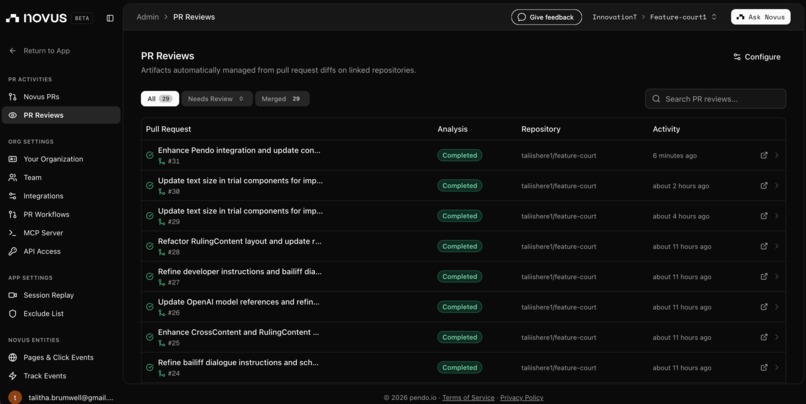
PR Reviews
-

Pages and click events
-
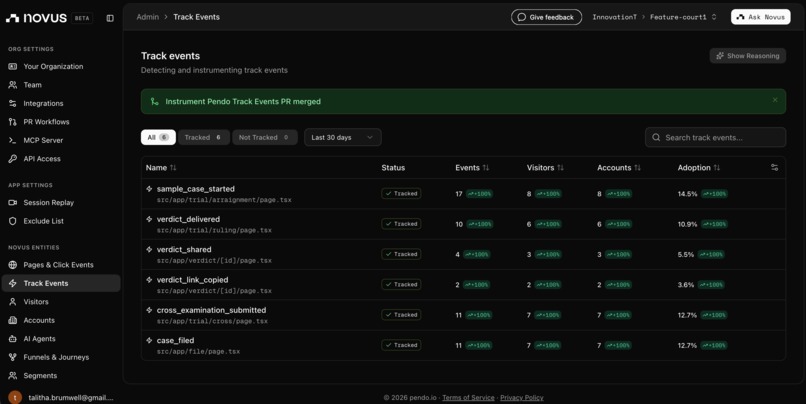
Track events
-
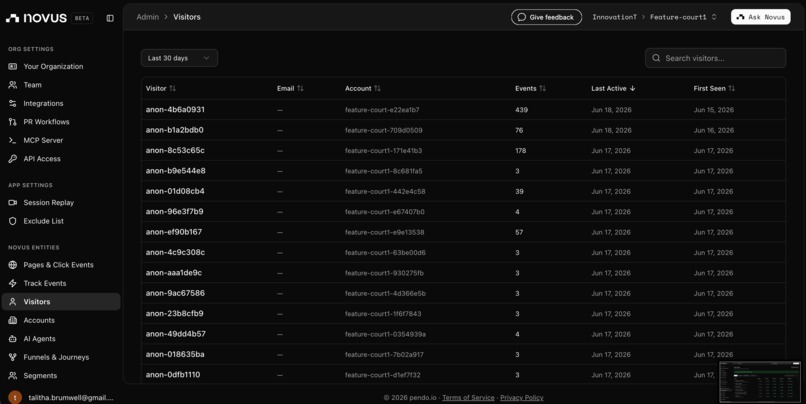
Visitors
-
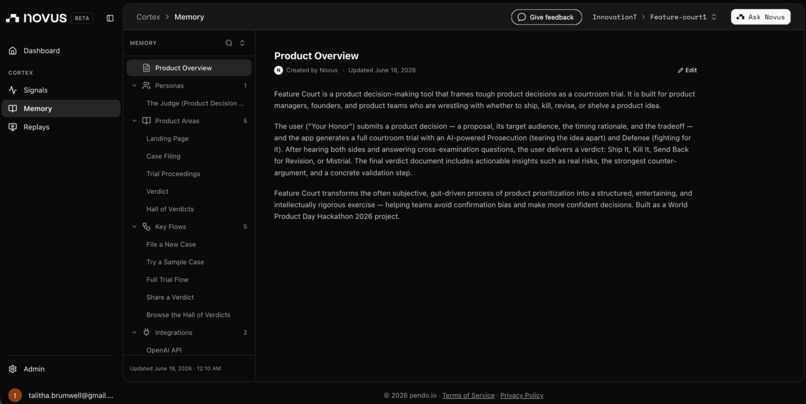
Memory
-
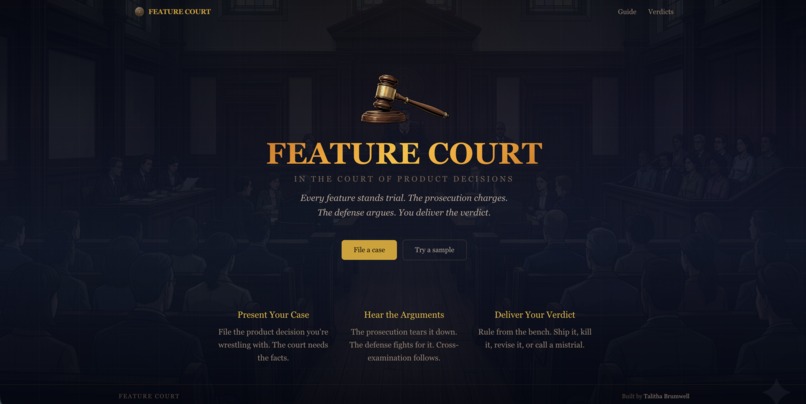
Landing Page
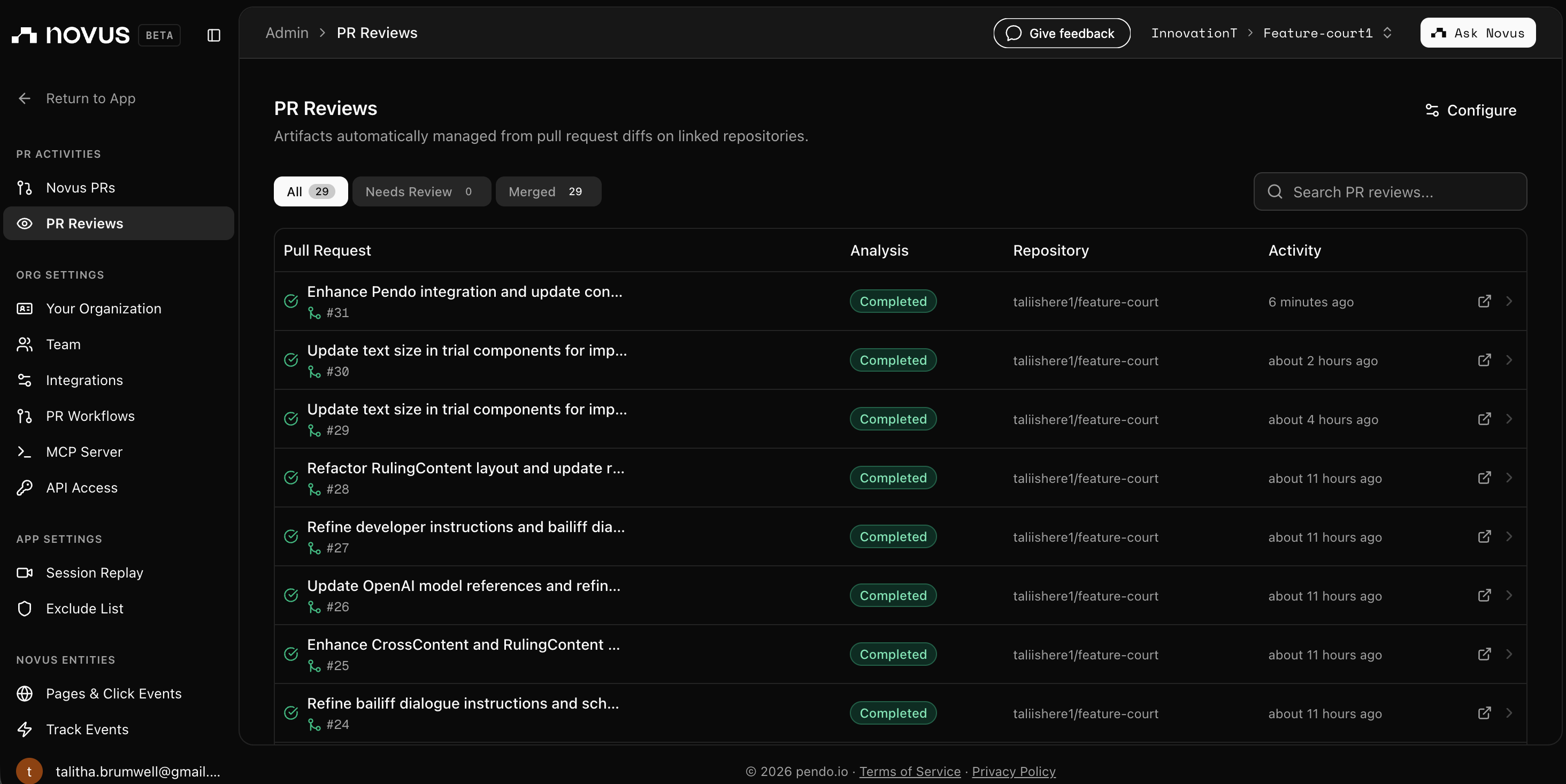

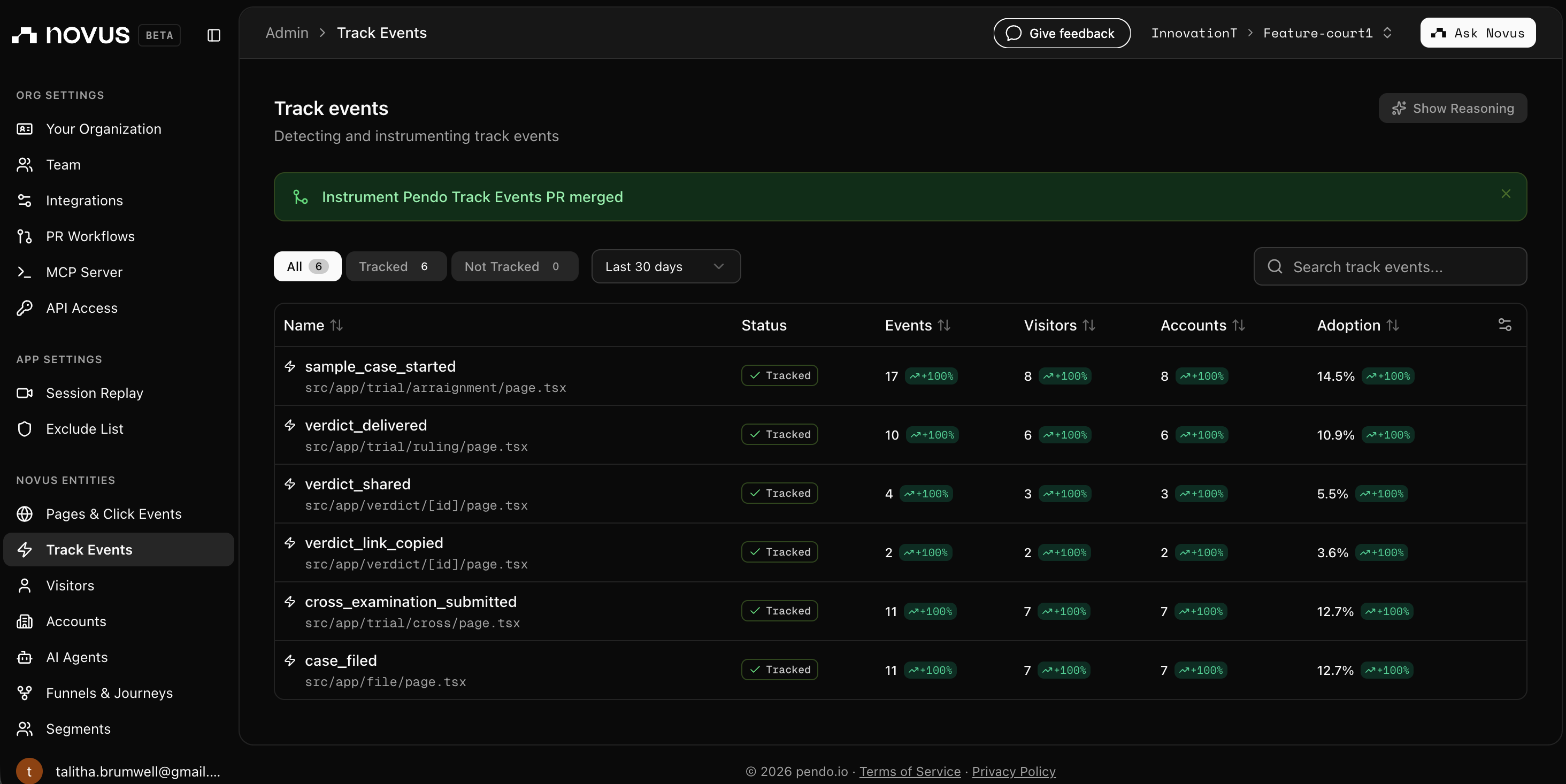
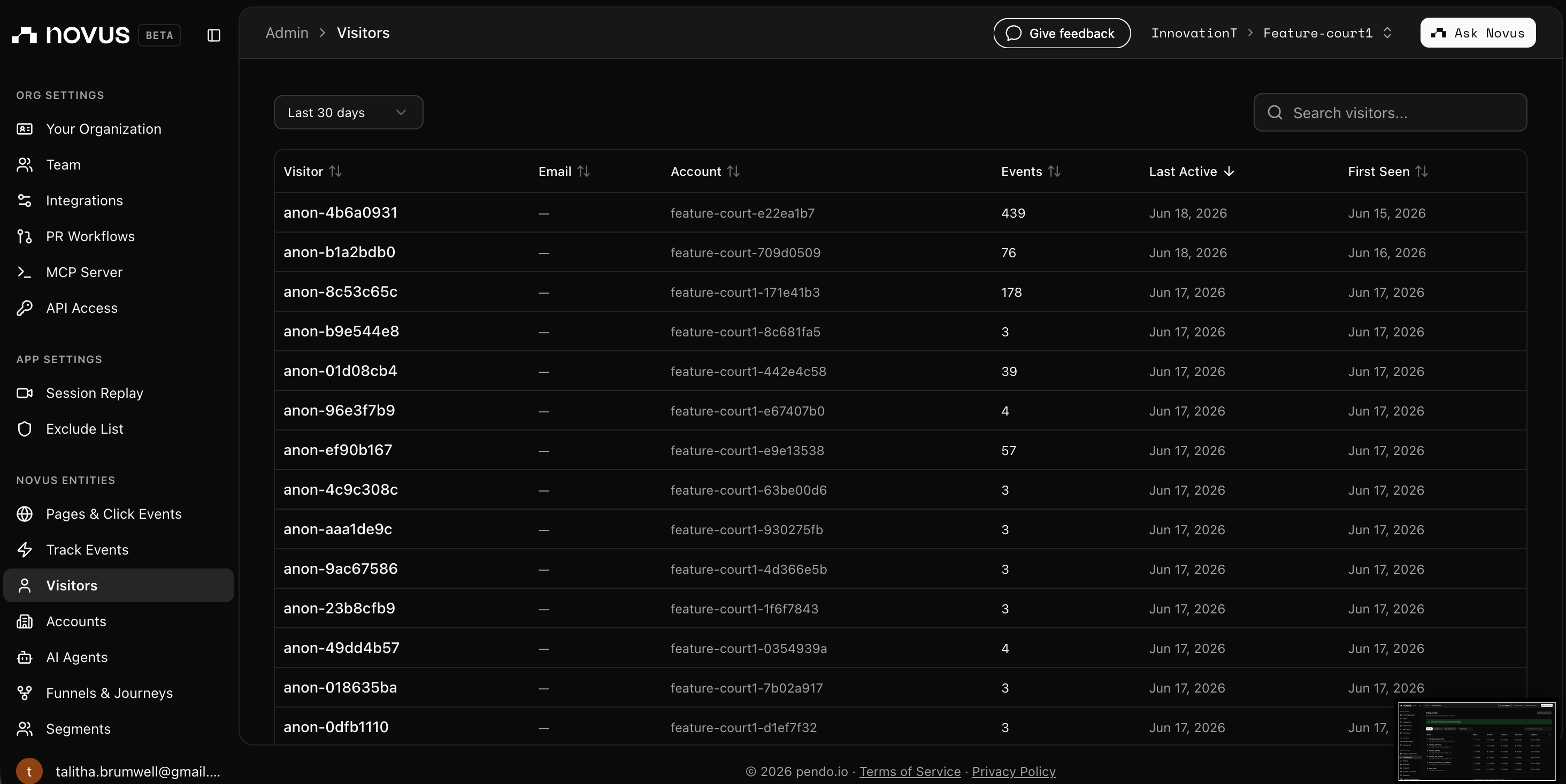
Inspiration
As someone who works in innovation, I spend a lot of time around product ideas, proposals, and planning documents. One thing I've noticed is that we often overcomplicate the process. Teams create endless documentation, fill out every template, and spend so much time explaining an idea that the original spark can get lost.
I wanted to build something different.
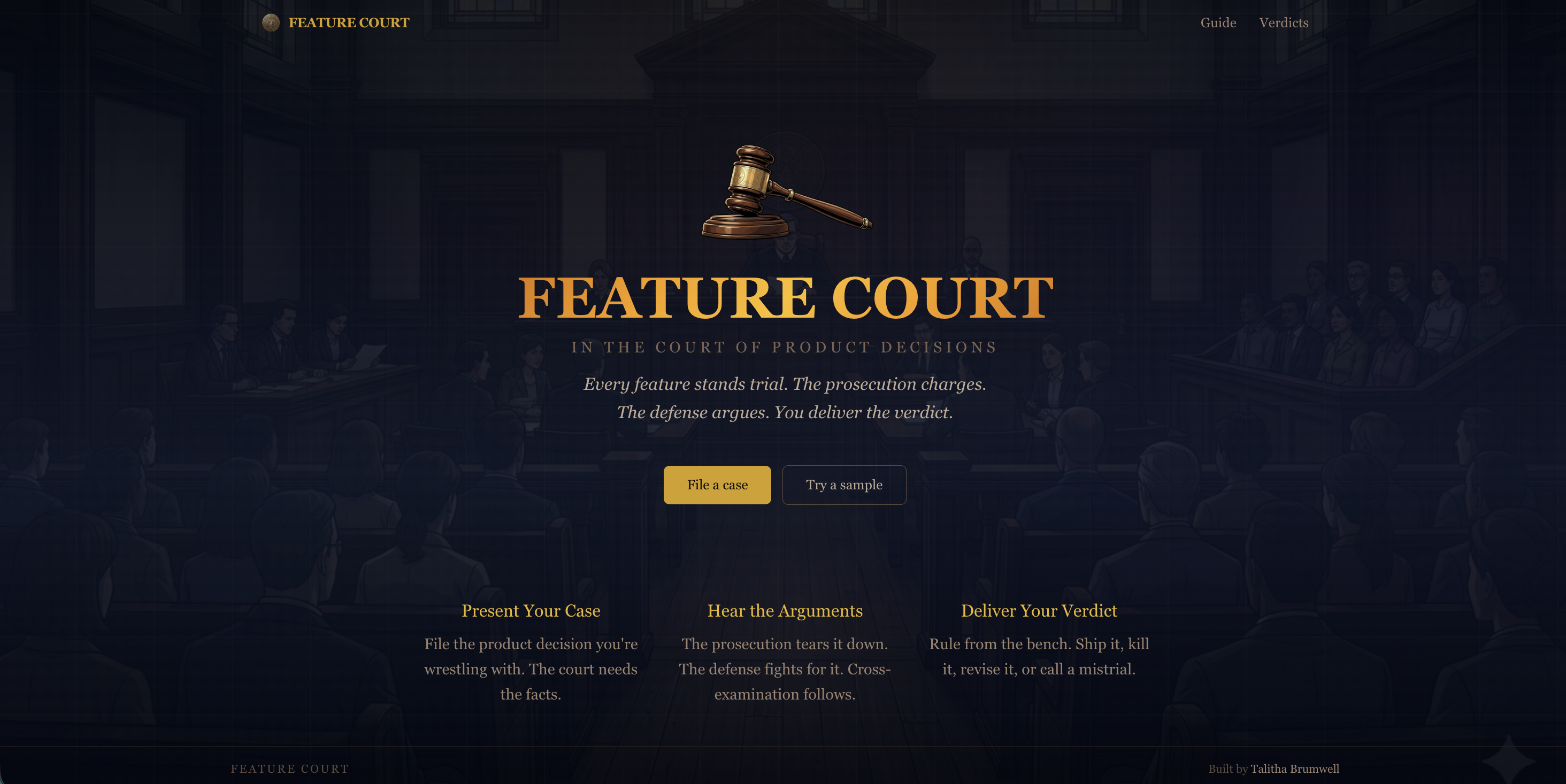
The idea started with a simple thought: what if, instead of getting validation for an idea, you got challenged? What if an AI could play devil's advocate and push you to defend your thinking? Sometimes hearing an argument against an idea is exactly what helps you discover why you care about it in the first place.
More importantly, I wanted to bring a sense of fun back into product thinking. My best work happens when I'm curious, experimenting, and enjoying the process rather than obsessing over checking every box.
What It Does
This project helps people think through ideas in a more engaging and interactive way.
Instead of forcing users through traditional product management exercises, the experience encourages exploration, debate, and discovery. By challenging assumptions and prompting deeper thinking, it helps users uncover stronger reasoning, clearer value propositions, and a more compelling vision for what they're building.
The goal isn't just to produce better outputs. It's to make the process itself more enjoyable.
How I Built It
I built the project using AI-assisted development tools and a combination of rapid prototyping techniques.
I relied heavily on AI to help generate, refine, and test different approaches. I experimented with multiple platforms and workflows, iterating quickly as I learned what worked and what didn't.
Building with AI isn't just about writing code. It's also about learning how to communicate effectively with AI systems, refining prompts, testing assumptions, and improving the interaction between human intent and machine execution. The faster I could iterate and the more clearly I communicated what I needed, the better the results:
$$\text{output quality} = f!\left(\text{clarity of intent} \times \text{iterations}\right)$$
Challenges I Ran Into
One of the biggest challenges was balancing speed, responsiveness, and accuracy.
When building with AI, two parallel challenges happen at once. The first is realizing that you may not be communicating your vision as clearly as you think. The second is dealing with the reality that AI can misunderstand requests, make assumptions, or produce unexpected results.
I spent significant time troubleshooting AI behavior and performance. At one point, the development platform I was using repeatedly changed things I hadn't asked it to change and made assumptions that created friction in the workflow. It was frustrating and slowed progress considerably.
I shifted back to Cursor, which aligned much better with my preferred development style and allowed me to move forward. That experience reinforced something I already knew but needed to be reminded of: choosing the right tools matters a lot.
What I Learned
This project reminded me that building great products isn't always about following a perfect process.
The most valuable discoveries happen when you're experimenting, playing, and exploring ideas without knowing exactly where they'll lead. AI can be a great partner in that process, but it requires patience, clear communication, and a willingness to adapt.
Creativity comes from curiosity more than certainty.
What's Next
I want to keep expanding the experience and find more ways AI can challenge assumptions, spark creativity, and help people think differently about the ideas they're building.
More than anything, I want people to have fun with it.
Innovation doesn't always have to be serious. Product management doesn't always have to feel like paperwork. Sometimes the best ideas come from pushing boundaries, trying something unexpected, and seeing where curiosity takes you.
That's where the magic happens.
Built With
- cursor
- geminiimages
- next.js
- openai-gpt-5.4-(responses-api)
- openaiapi
- orchids.app
- postgresql
- row-level-security)
- supabase-(edge-functions
- tailwind-css
- typescript
- vercel


Log in or sign up for Devpost to join the conversation.