Inspiration
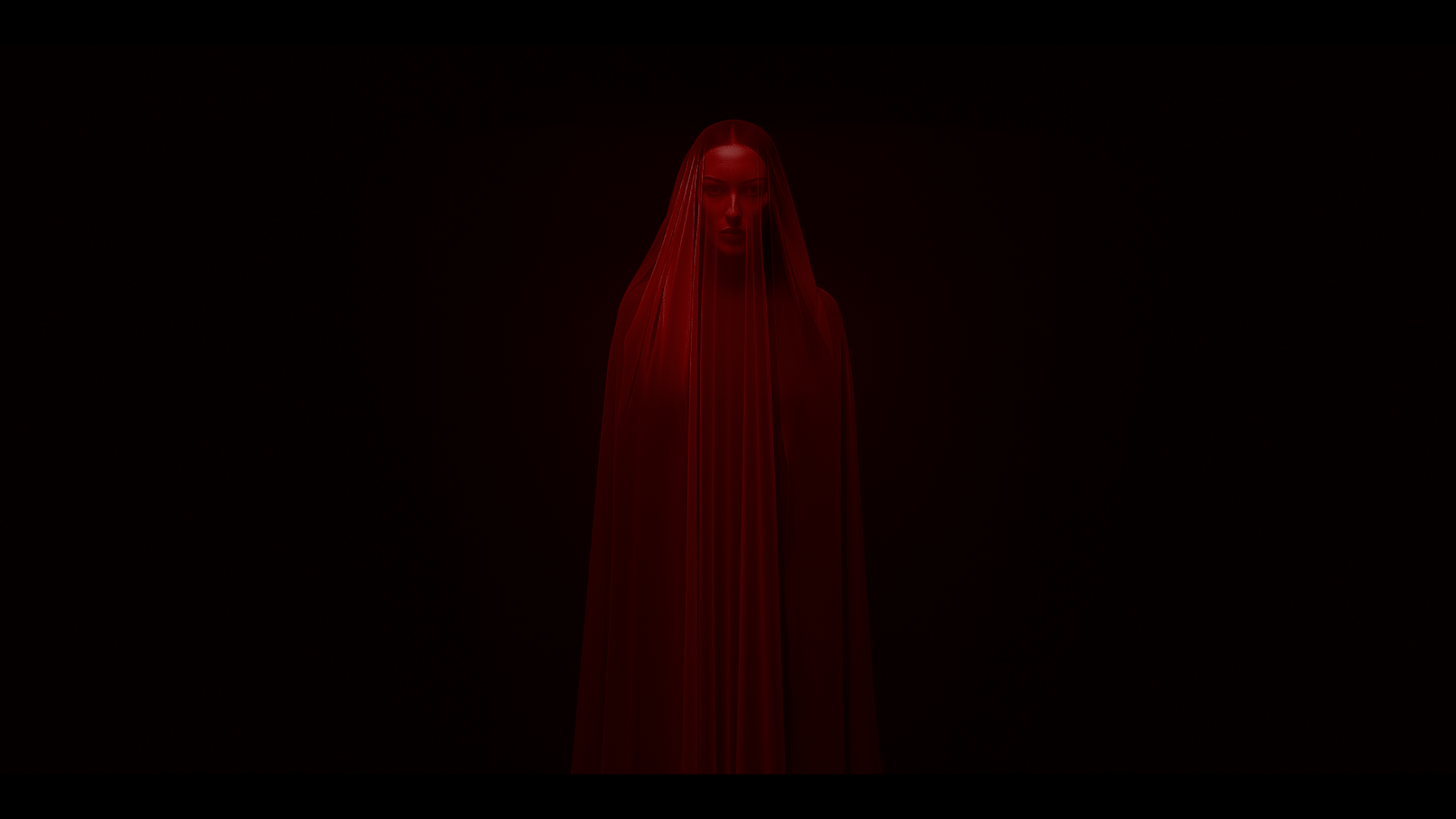
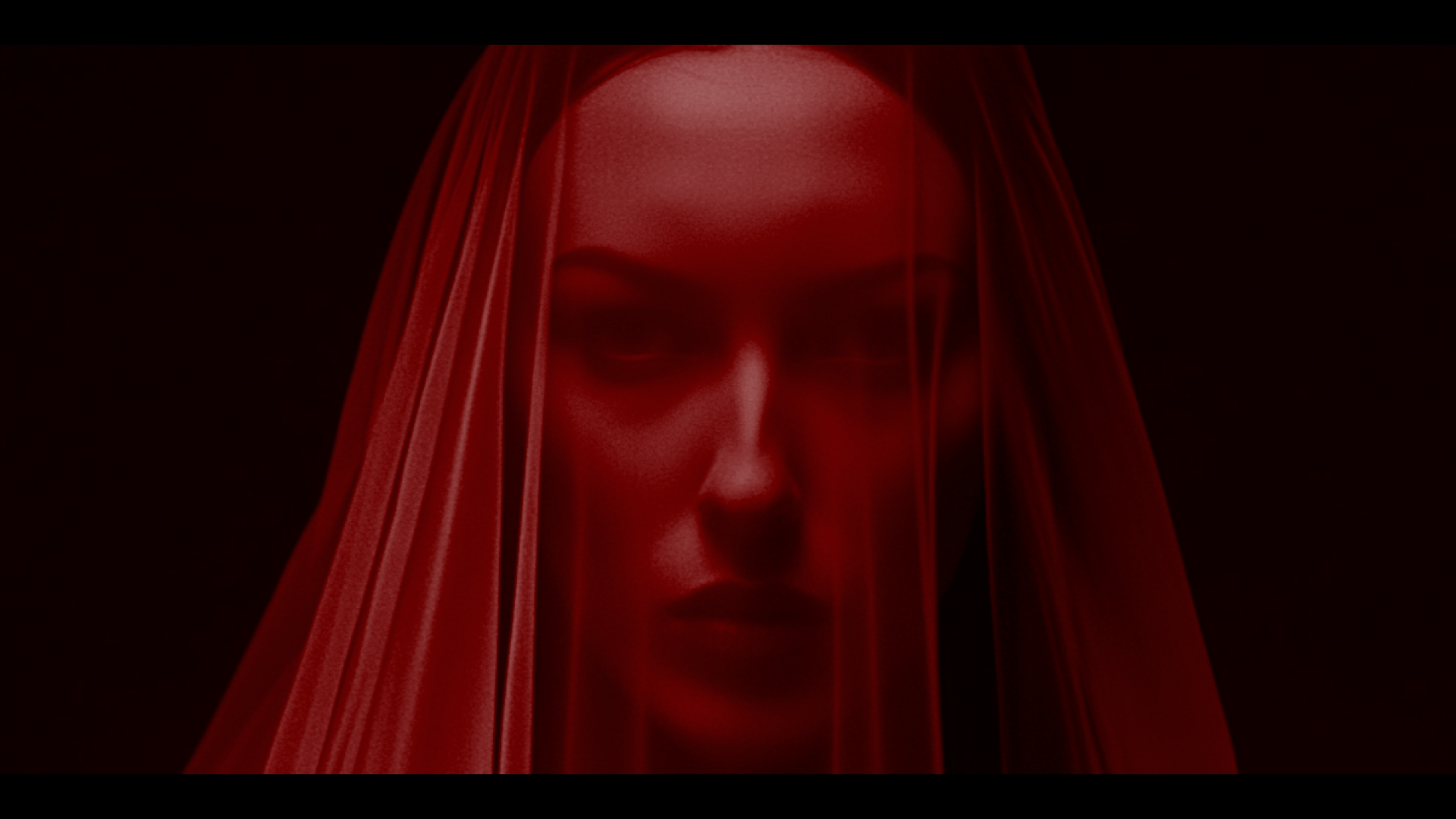
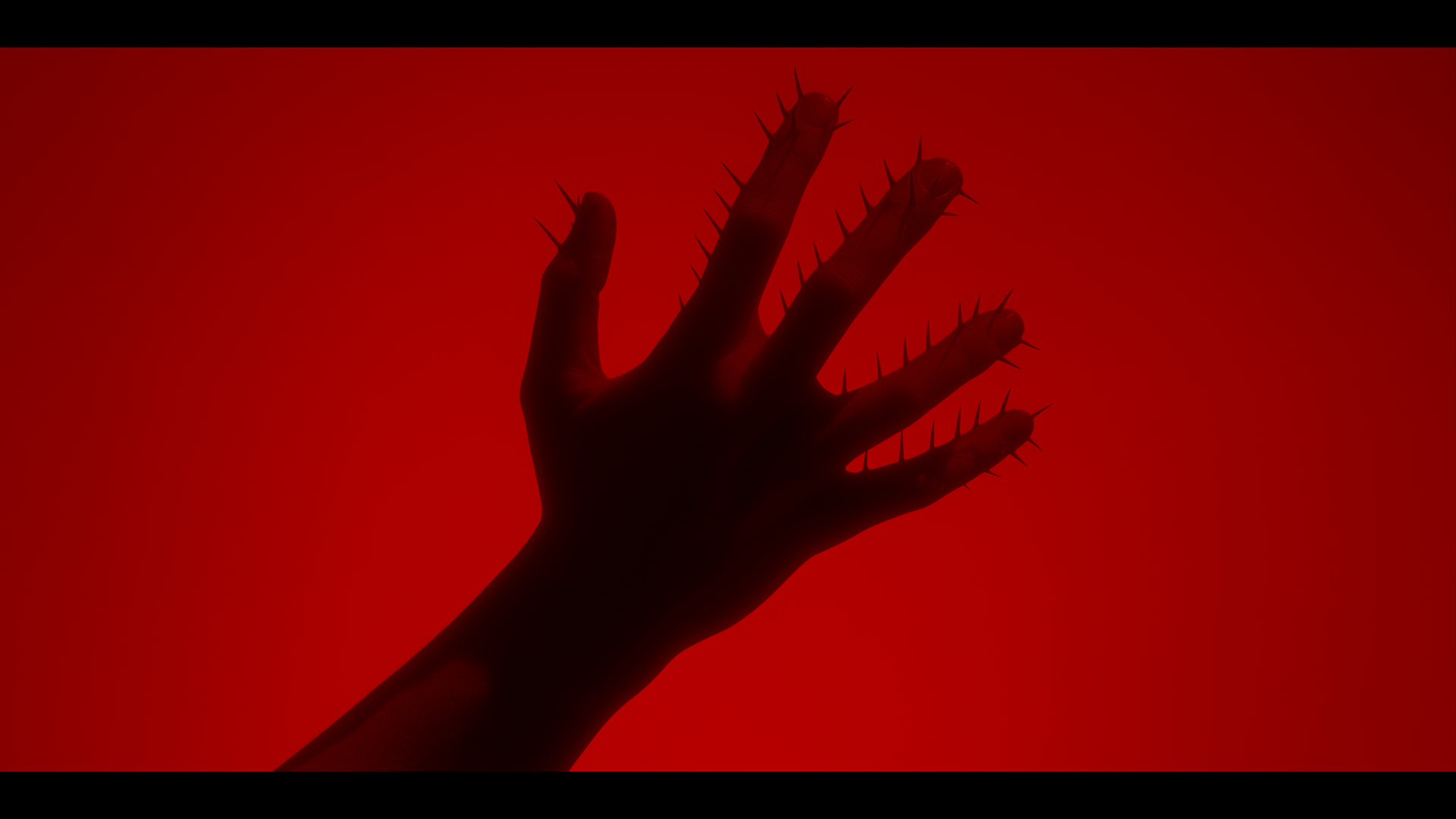
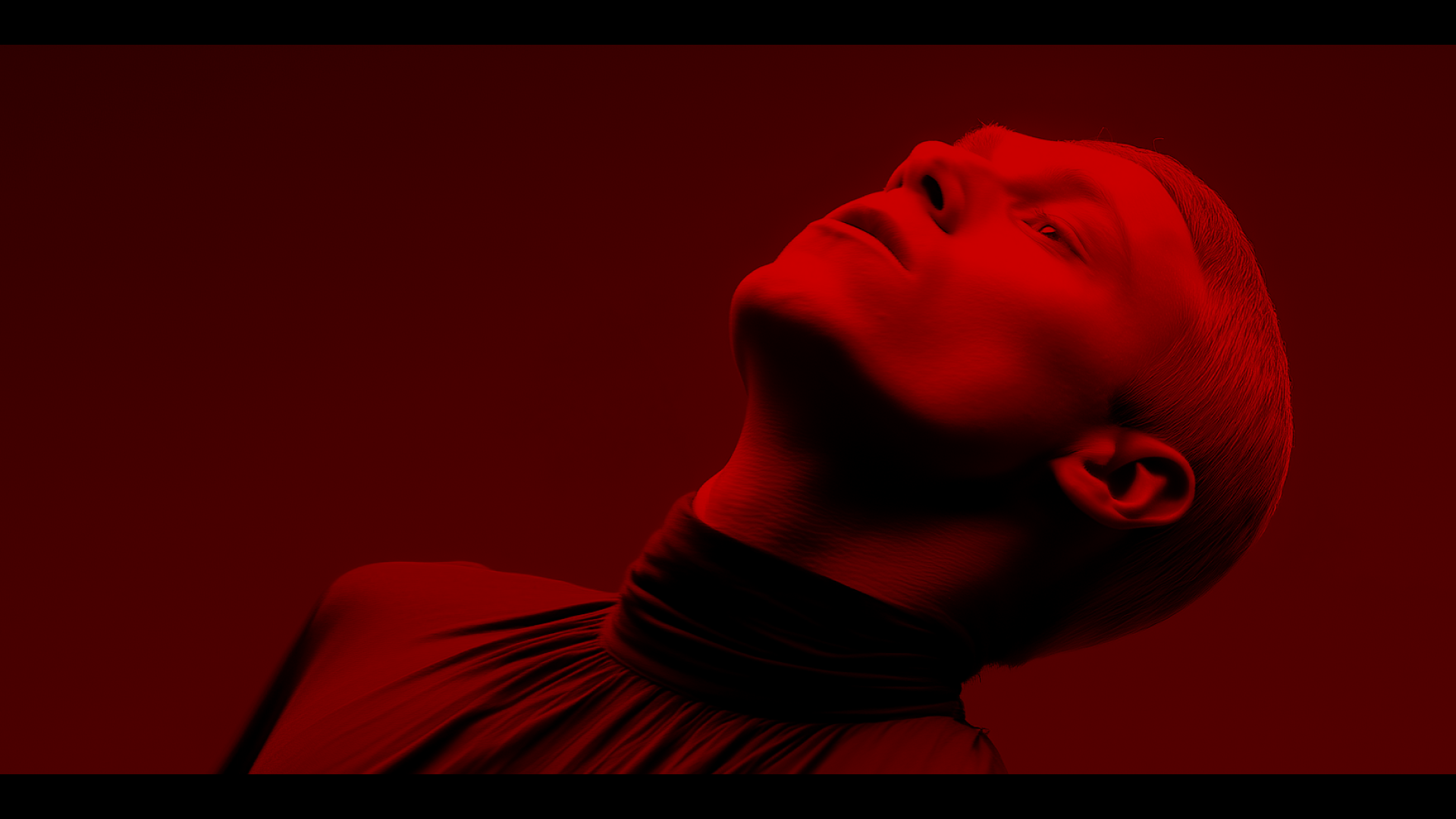
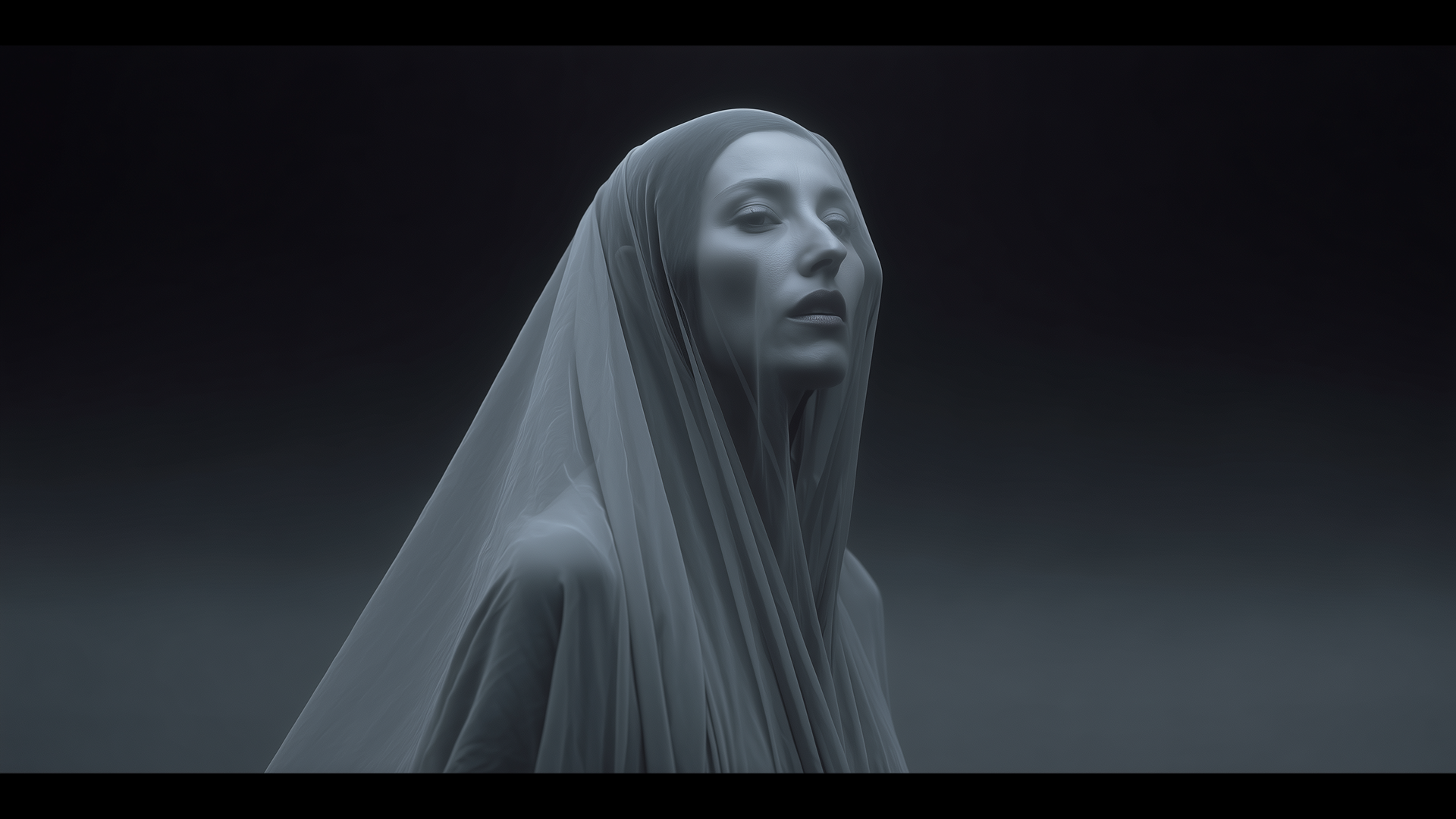
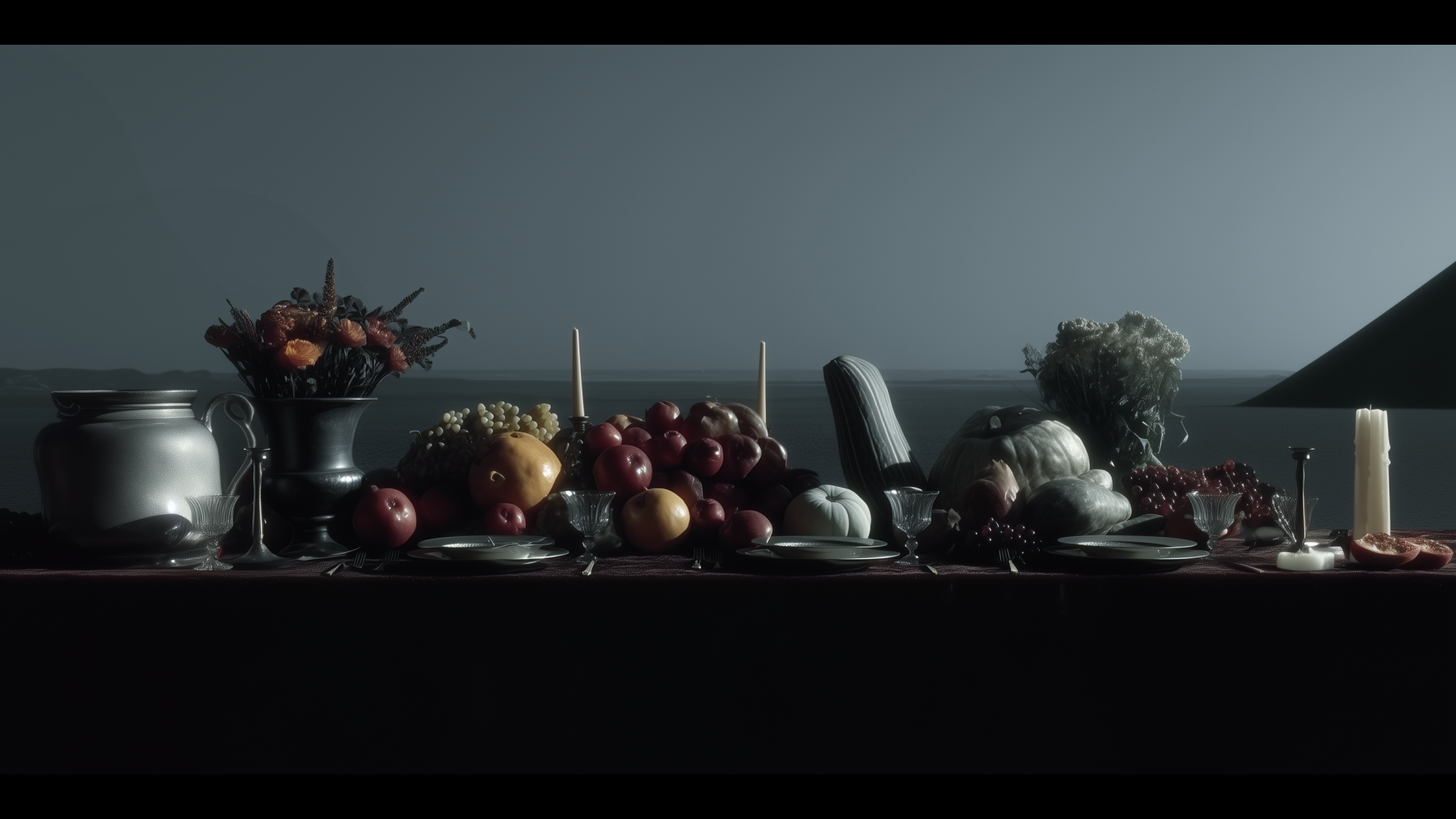
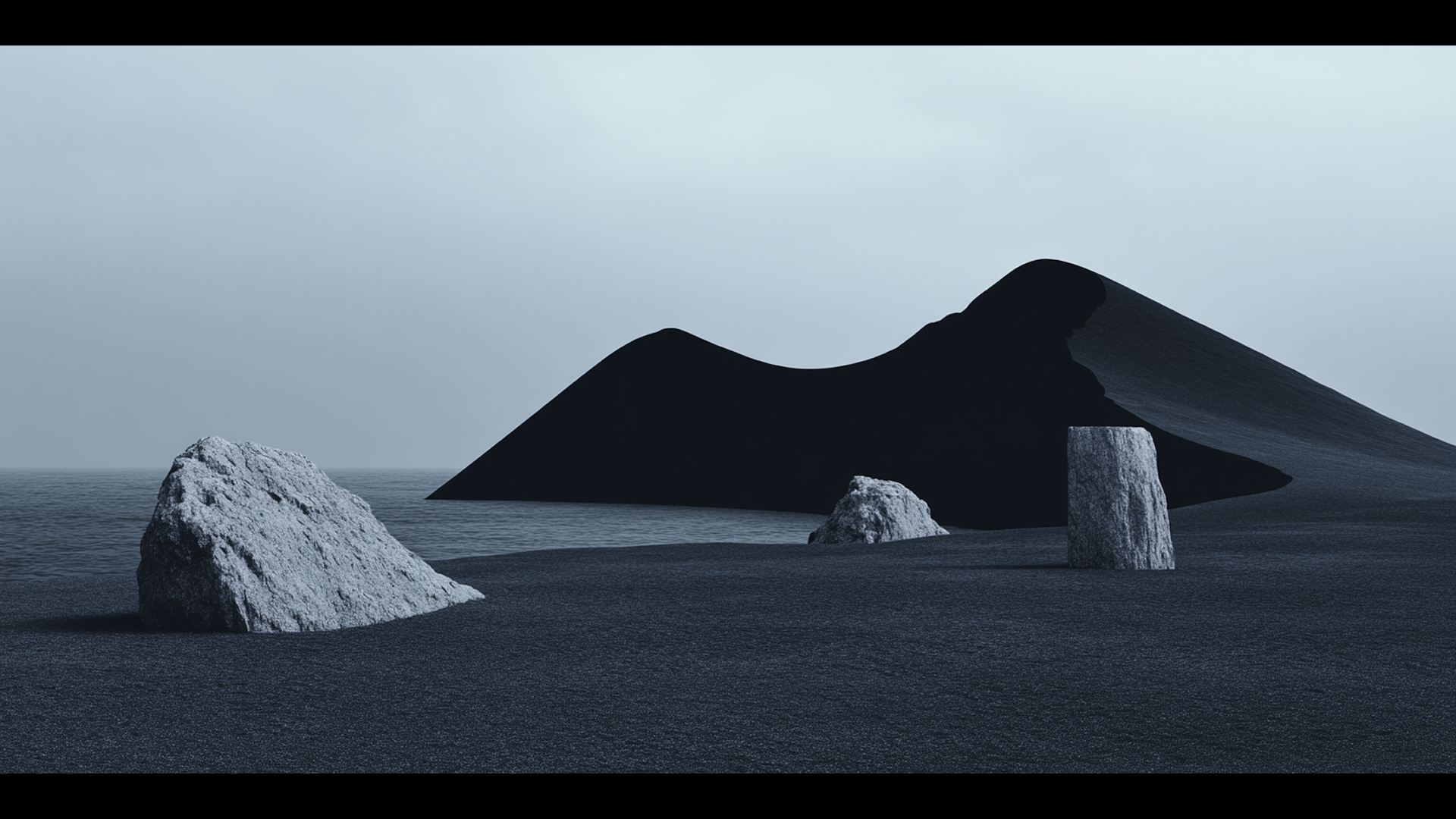
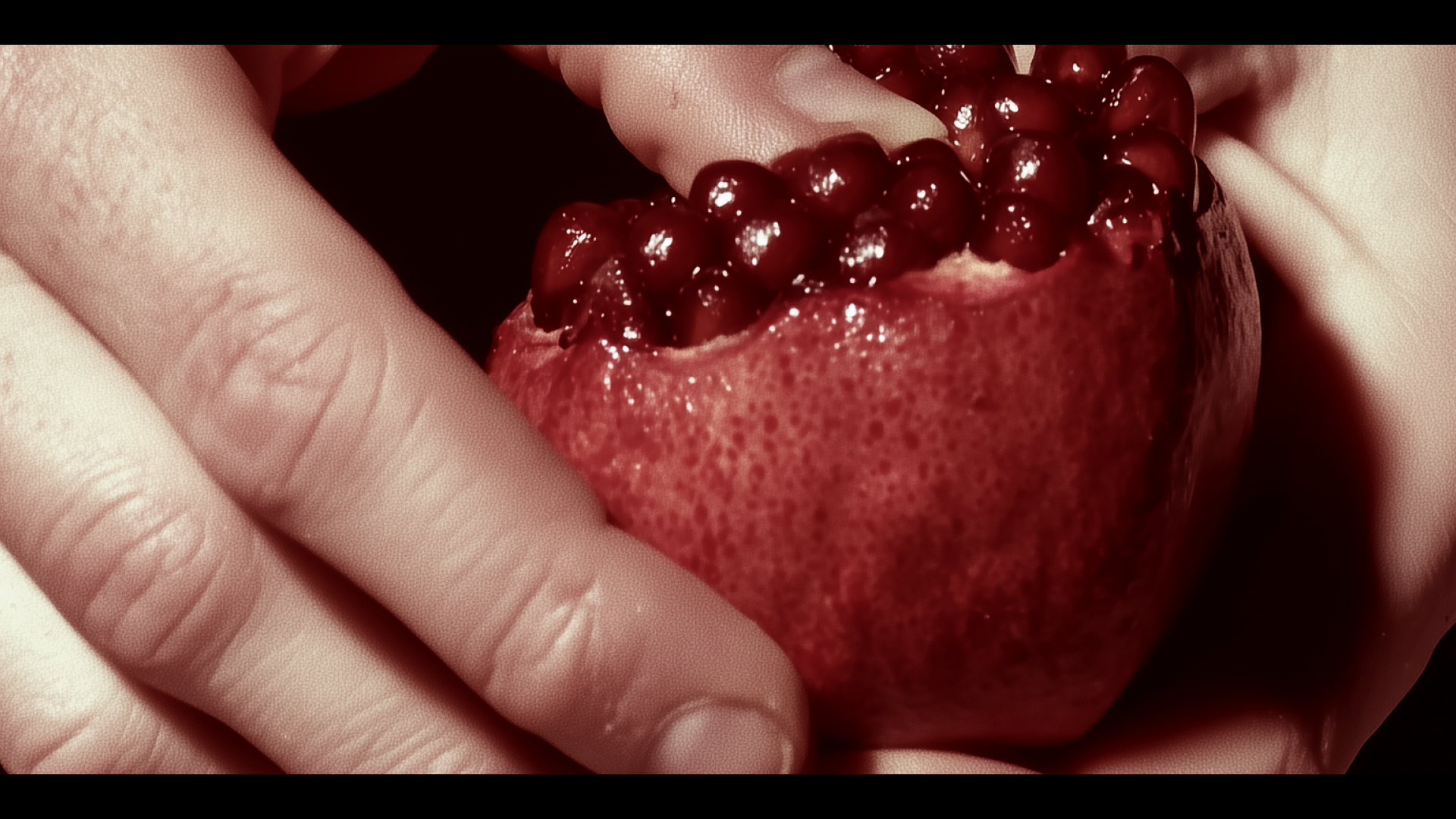
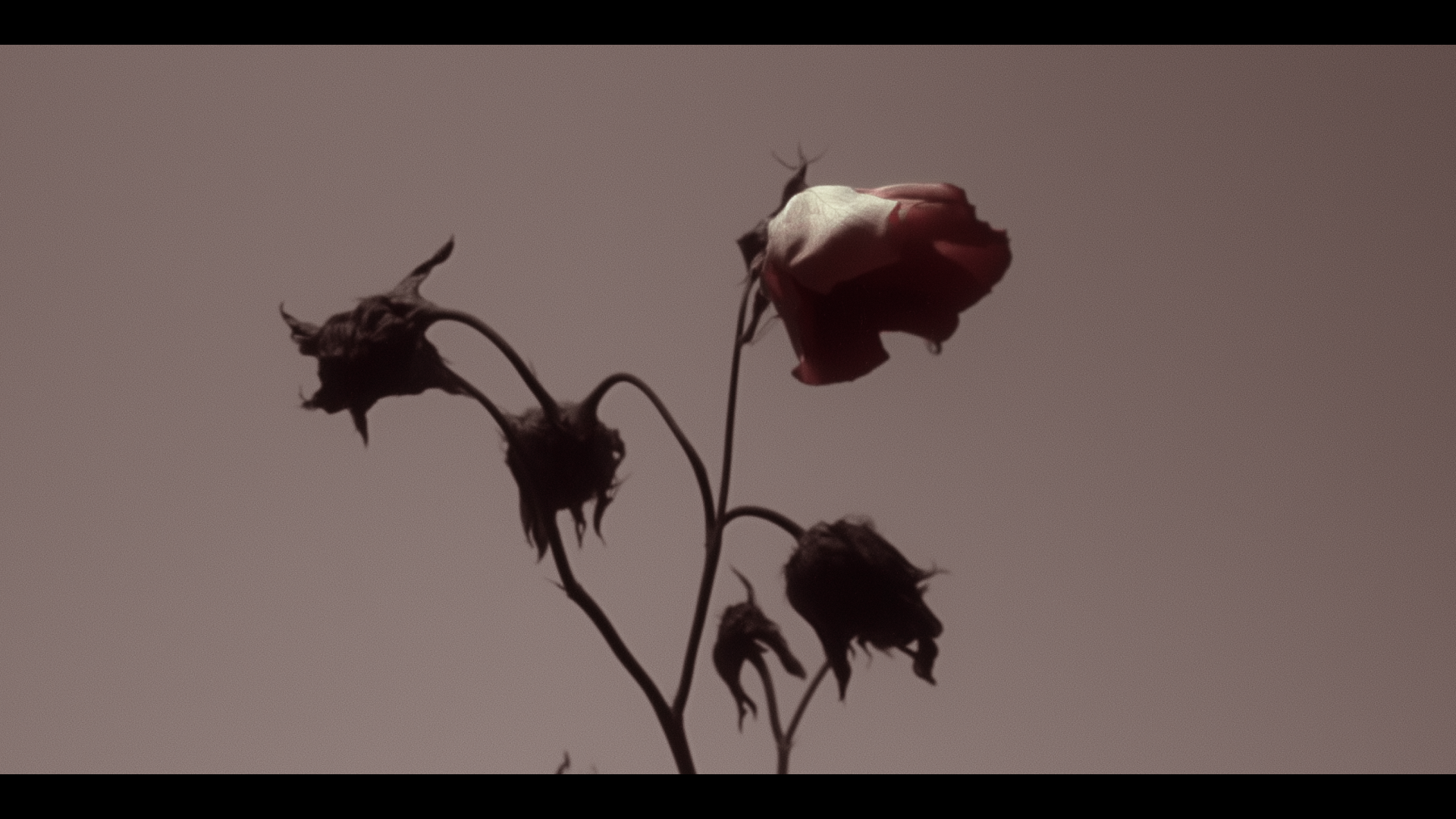
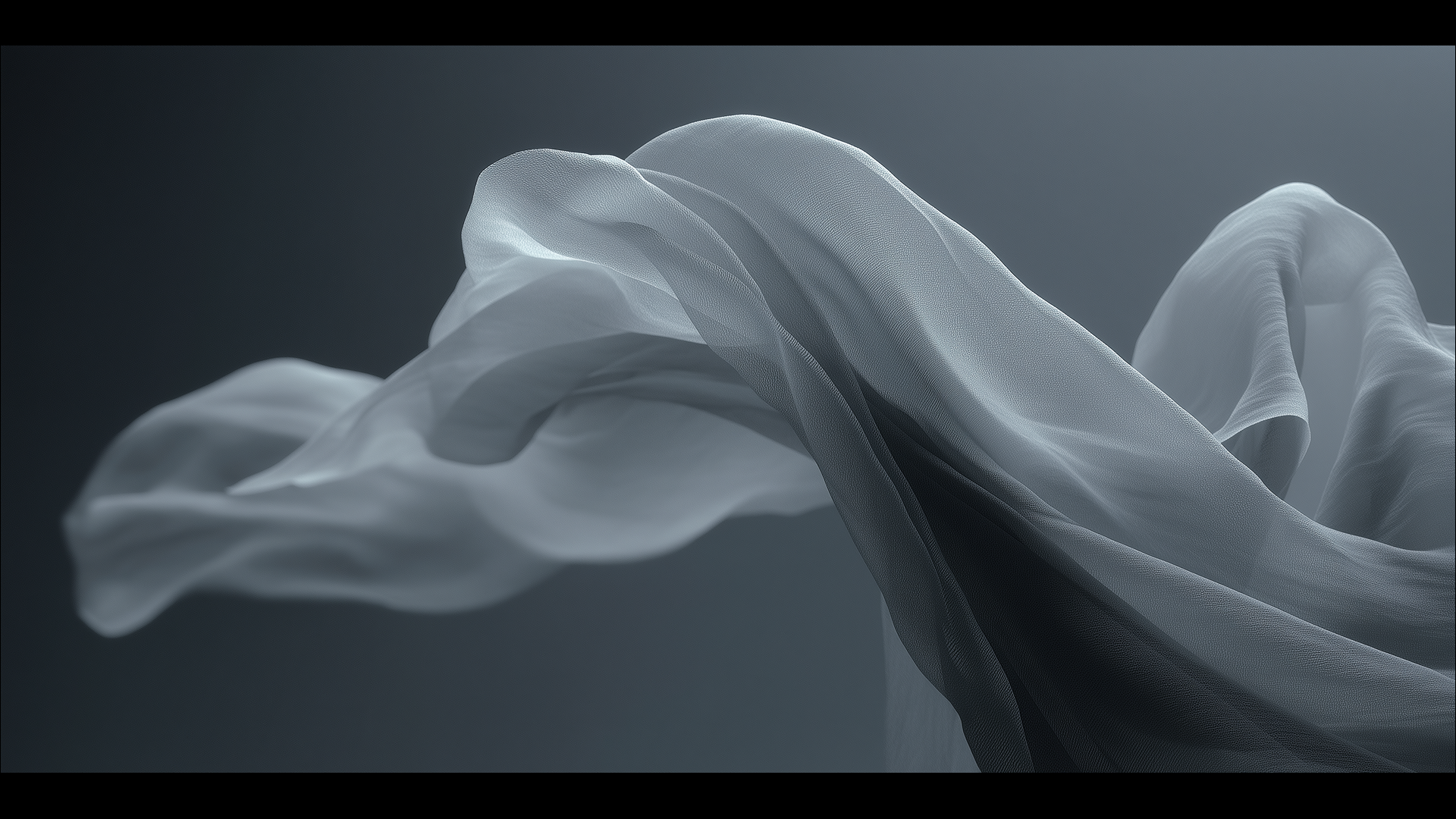
Feast began as my entry for Runway’s Gen:48 challenge, where each filmmaker is given three constraints — an object, a character, and a location — and asked to build a world around them in just 48 hours. Those prompts became the seed of the film’s atmosphere, but the emotional core came from somewhere much deeper. I used the constraints to explore a feeling I’ve carried for years: the quiet, simmering rage of feminine endurance. The story grew into a visual meditation on worth, visibility, and the moment when endless giving finally breaks. I imagined a black desert as the setting — a stripped, symbolic place where emotion has nothing to hide — and drew references from opera, Baroque and Renaissance tableaus, and religious imagery like The Last Supper, all filtered through a modern horror lens. The divine spotlight became a central motif, suggesting judgment, indifference, or something higher watching. My goal was to create a world that feels sacred but corrupted, beautiful but unsettling, and emotionally charged even in stillness.
What it does
Feast traces the moment when giving fractures into revenge. The film follows a single emotion cracking open: the point where someone who has always been generous, patient, and accommodating finally breaks. Through its imagery, pacing, and sound, the piece turns internal anger into a visual language — a meditation on worth, visibility, and what happens when someone who has been overlooked finally steps into their own power.
How we built it
Feast was created in 48 hours for Runway’s Gen:48 challenge, which meant the entire process had to be fast, instinctive, and extremely focused. I used ChatGPT to shape the initial concept, MidJourney for visual development, and Runway Gen-4 to bring the scenes into motion. Topaz was used to up-res and refine the final imagery so the world felt sharp and intentional. The edit was assembled in CapCut, while the sound design was crafted separately by hand. Every moment of the process had to serve the tone, and every frame needed to carry weight within the tight timeframe.
Challenges we ran into
The biggest challenge was time. Building a full emotional world in 48 hours required speed, intuition, and ruthless focus. Another challenge was keeping the imagery striking without losing restraint — leaning into symbolism, religious iconography, and horror aesthetics without sliding into excess. It was also difficult to maintain visual consistency across fast iterations when using multiple AI models, especially while shaping something that needed to feel sacred and unsettling at the same time. The constraint became part of the film’s language: raw, immediate, and tightly held.
Accomplishments that we're proud of
The biggest accomplishment was finishing something we were truly proud of within 48 hours. Gen:48 is intense, and the fact that the film landed exactly where we hoped — emotionally and visually — already felt like a win. But the response that followed was beyond anything we expected. Feast was named a Winner and People’s Choice Honoree in the Fourth Edition of Runway’s Gen:48, and went on to receive multiple awards on the festival circuit. It won Best Super Short Film at the East Village New York Film Festival, Best Super Short Film and Best Indie Short Film at the London Movie Awards, Best Super Short Film at the Florence Film Awards, Best Horror at the Berlin Indie Film Festival, and the Blue Moon Award at Story Machine. It was also a Semi-Finalist at the Neu Wave AI Film Festival in Los Angeles, and received official selections at the AI Film Awards in Cannes, Atlanta Immersion, AI Artist Beijing, Vast Film Festival in Buenos Aires, and the AI Film 3 Festival in Arizona, where it was also a nominee. For a film made in two days, this journey has been incredibly meaningful.
What we learned
That we can make something decent in two days! Working within such a short timeframe forced me to trust my instincts and move fast, which resulted in a rawness that actually strengthened the film. I also learned how powerful it can be to merge traditional visual references — opera, Renaissance art, religious drama — with modern AI tools. The blend created something familiar yet uncanny, which was important for exploring feminine rage in a way that felt symbolic rather than literal.
What's next for Feast
Looking ahead, I hope Feast becomes one small part of a larger wave of AI films made through a feminine lens. The horror category is still largely dominated by men and shaped by the male gaze, and I’d love to keep contributing work that expands what this space can look and feel like. My goal is to continue creating AI-driven films that explore emotion, power, and tension from a perspective that isn’t often centered — and I hope Feast helps open the door a little further for that.
Built With
- capcut
- elevenlabs
- midjourney
- runway
- topaz

Log in or sign up for Devpost to join the conversation.