-
-
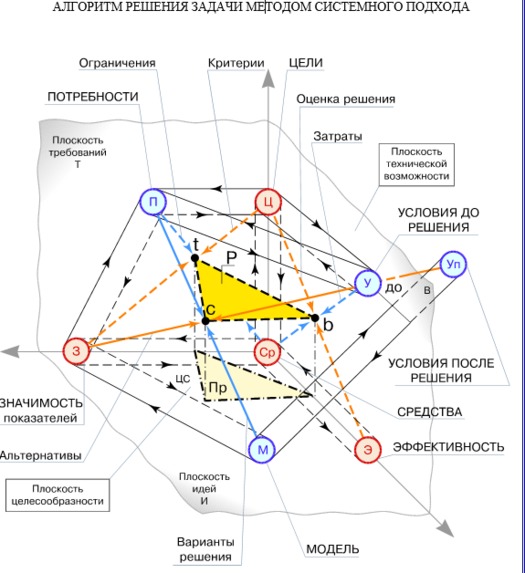
FDL Algorithm (S.V.E.T Shell)
-
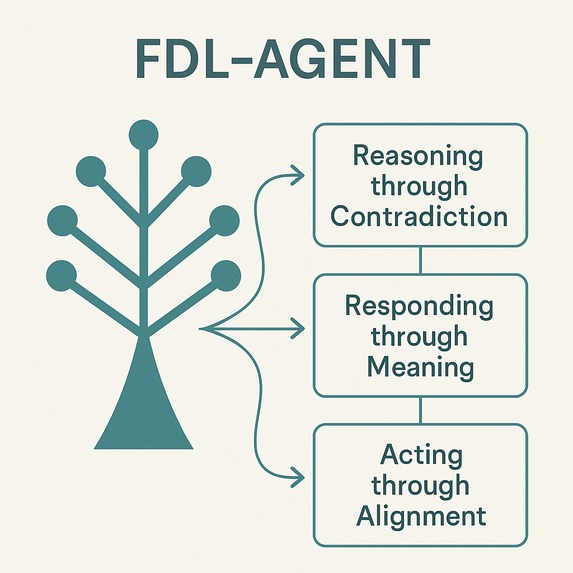
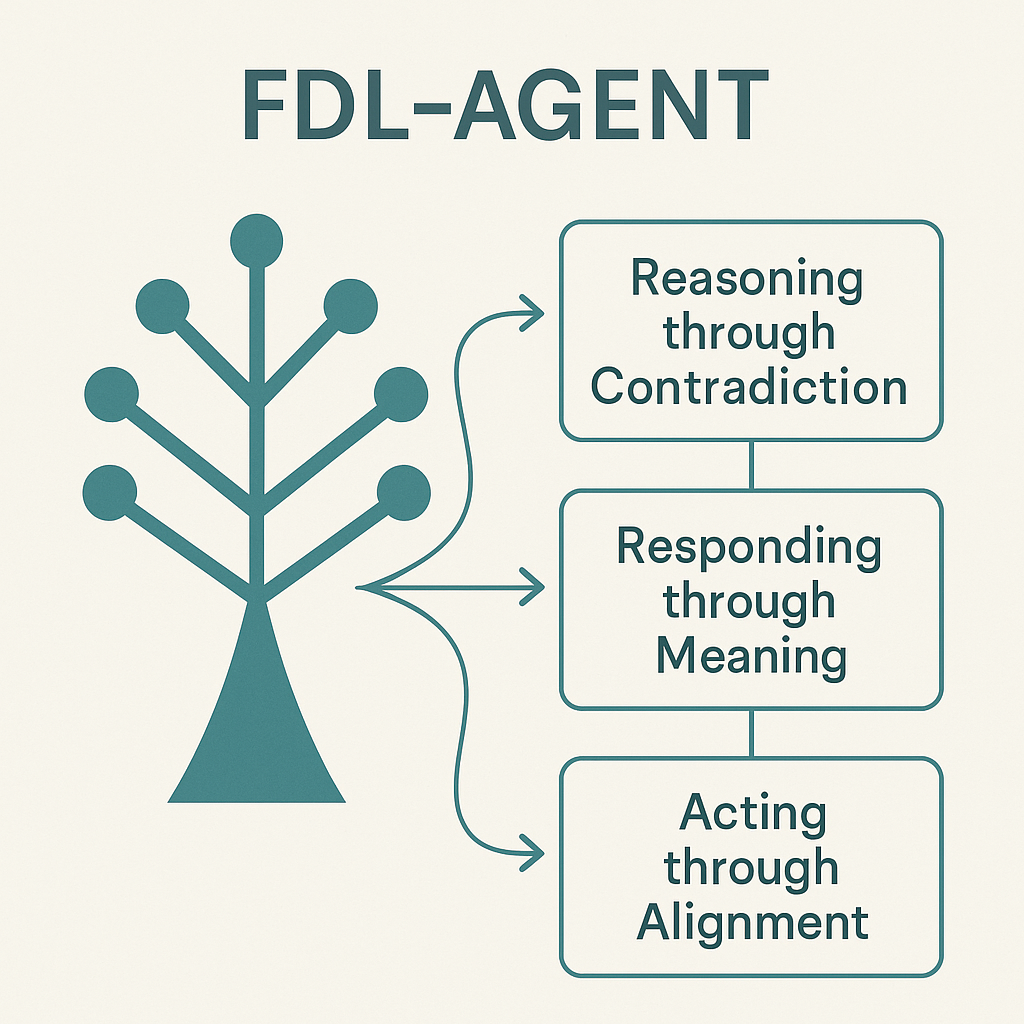
FDL-agent scheme
-
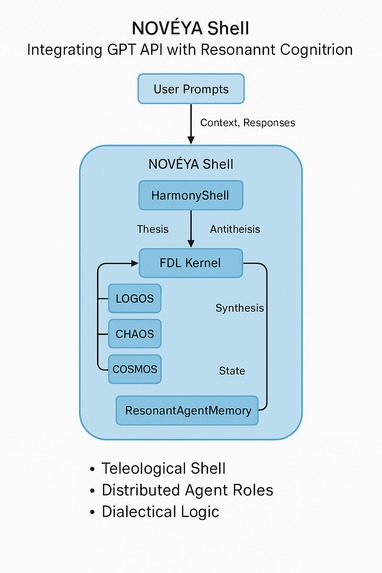
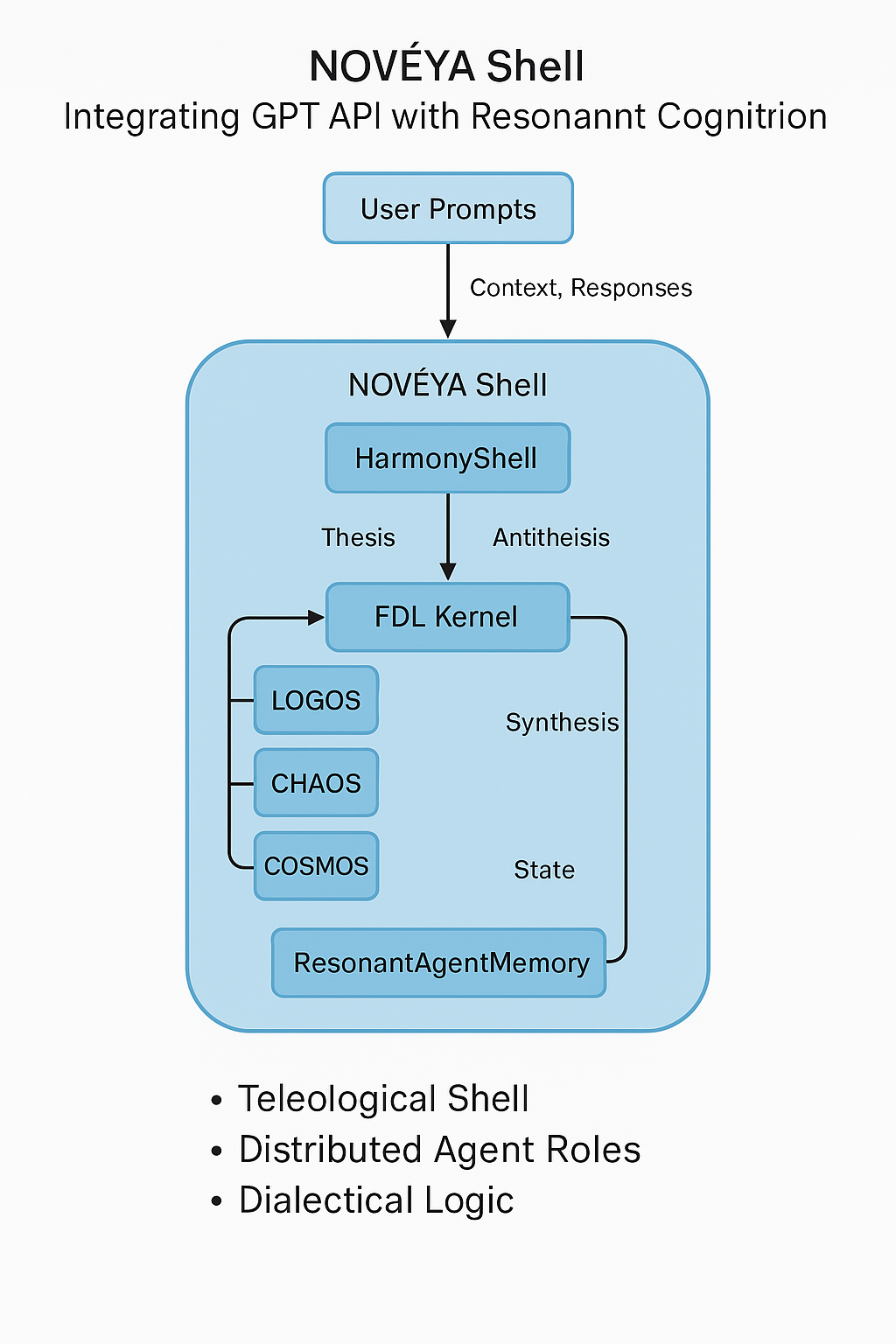
Noveya Shell integration on GPT example
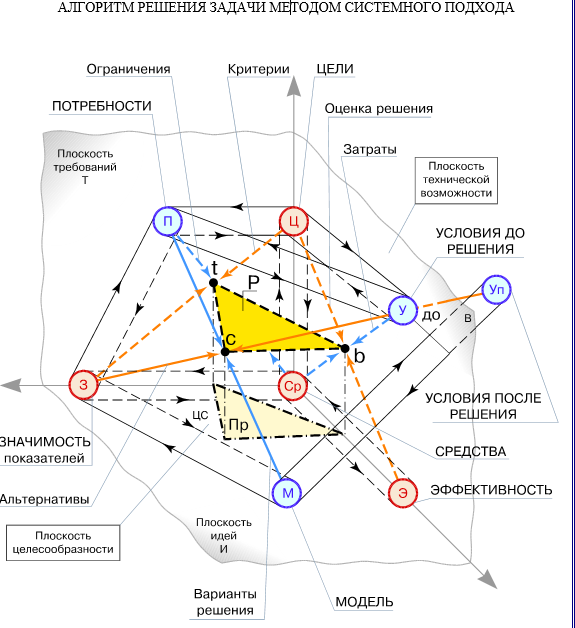
Inspiration
Inspiration
Local communities, NGOs, schools, and small cultural institutions drown in scattered documents, spreadsheets, chats and “semi‑AI” tools. They need one transparent, ethical place to search, plan, and act—without hiring a whole IT team. We brought our Formal‑Dialectical Logic (FDL) method—thesis → antithesis → synthesis—into a serverless, multi‑agent stack on Cloud Run to turn fragmented knowledge into executable civic workflows (education modules, grant checklists, geo‑routes, museum curation).
What it does
Σ‑FDL‑CODEX orchestrates several AI agents on Cloud Run:
- Navigator Agent – answers questions and builds step‑by‑step checklists or policy lookups for community tasks.
- Geo Agent – runs geodata queries (eco‑trails, resources), exports map layers.
- Docs Agent – prepares grant templates, reports and partner MoUs, auditing sources.
- Harmony Agent – applies the FDL reasoning loop (plan → route → verify → synthesize) to coordinate all agents.
It exposes an HTTP API ready for Web/Telegram/Teams front‑ends, logs evidence to BigQuery, stores artefacts in Cloud Storage and operational facts in Firestore. Example flows: generating a checklist for the “Scythian Trail” eco‑route from open data; producing a grant‑application guide for a school; or drafting a museum exhibit plan with sources and tasks.
How we built it
- Runtime & Decomposition: multiple Cloud Run services (Gateway, Agent Hub, public API) plus Cloud Run Jobs for ETL/ingestion tasks.
- Agent layer: Google Agent Development Kit (ADK); agents communicate via HTTP/Pub/Sub with a minimal JSON contract.
- Data plane: Firestore for operational state, BigQuery for analytics/audit, Cloud Storage for artefacts/prompts/diagrams.
- Models: Vertex AI (Gemini 1.5 and Gemma) with FDL prompts enforcing plan/route/verify/synthesize and source citing.
- DevOps: Cloud Build and GitHub Actions build and deploy to Cloud Run, region europe‑west4.
- Region: europe‑west4 with an eye to enabling L4 GPUs for low‑latency Gemma in the future.
Challenges we ran into
- Defining and evolving a typed, minimal contract for agent messages while preserving context across hops.
- Balancing latency versus cost with Cloud Run’s cold‑start behaviour and batching ETL jobs.
- Teaching agents to surface intermediate steps and sources (FDL) instead of hallucinated final answers.
- Harmonizing open geodata formats and CRS precision.
- Designing simple role‑aware endpoints that still feel “one‑click” for non‑technical users.
Accomplishments that we're proud of
- A working multi‑service stack on Cloud Run (Gateway, Agent Hub, ETL Jobs, Pub/Sub wiring).
- An FDL reasoning loop that coordinates 2–4 agents through plan → route → verify → synthesize.
- A reusable knowledge schema across Firestore, BigQuery and Cloud Storage.
- Demo flows: an eco‑trail checklist and a grant‑application assistant running end‑to‑end.
- Clean diagrams and infra: containerised services, IaC‑friendly pipelines and minimal JSON contracts.
What we learned
- ADK patterns make multi‑agent composition natural once contracts and retries are disciplined.
- Cloud Run Jobs are perfect for “spiky” ETL and indexing; Pub/Sub keeps agents loosely coupled.
- FDL prompting measurably reduces drift by forcing a plan and verification step.
- BigQuery logs and stored artefacts are invaluable for auditability and reproducibility.
- Geodata is finicky; modest preprocessing and CRS hygiene prevent a lot of downstream pain.
What's next for Σ‑FDL‑CODEX: Cloud Run Orchestrator for Civic AI Agents
- Expose a public
/tryendpoint with a lightweight web UI; add Telegram/Teams adapters. - Enable L4 GPUs in europe‑west4 for low‑latency Gemma inference.
- Package “museum/gallery” and “school/academy” presets with preconfigured agents and templates.
- Add connectors for CKAN/ArcGIS open data and Notion/GitHub for civic knowledge ops.
- Improve governance with role‑based access, fine‑grained audit and dataset provenance.
- Provide UA/RU/EN multilingual support and offline‑first mobile clients for field work.
- Produce a 3‑minute demo video and documentation, plus a public README tailored for Devpost. ## What it does

Log in or sign up for Devpost to join the conversation.