-
-
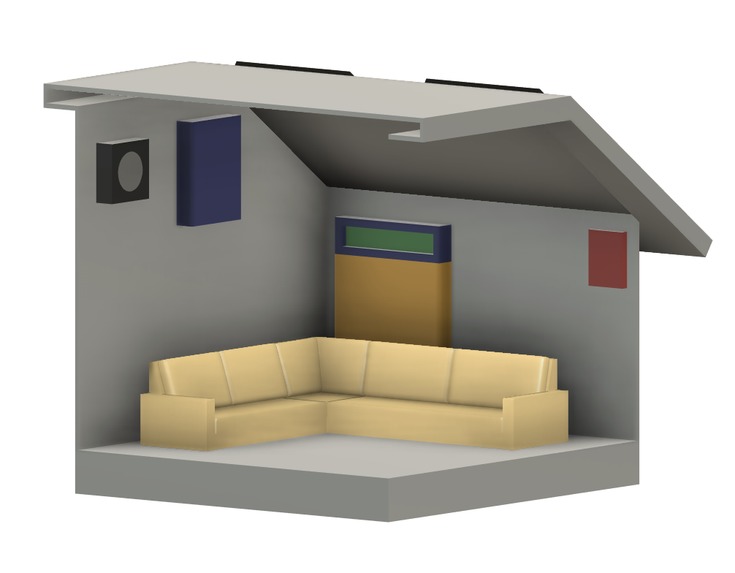
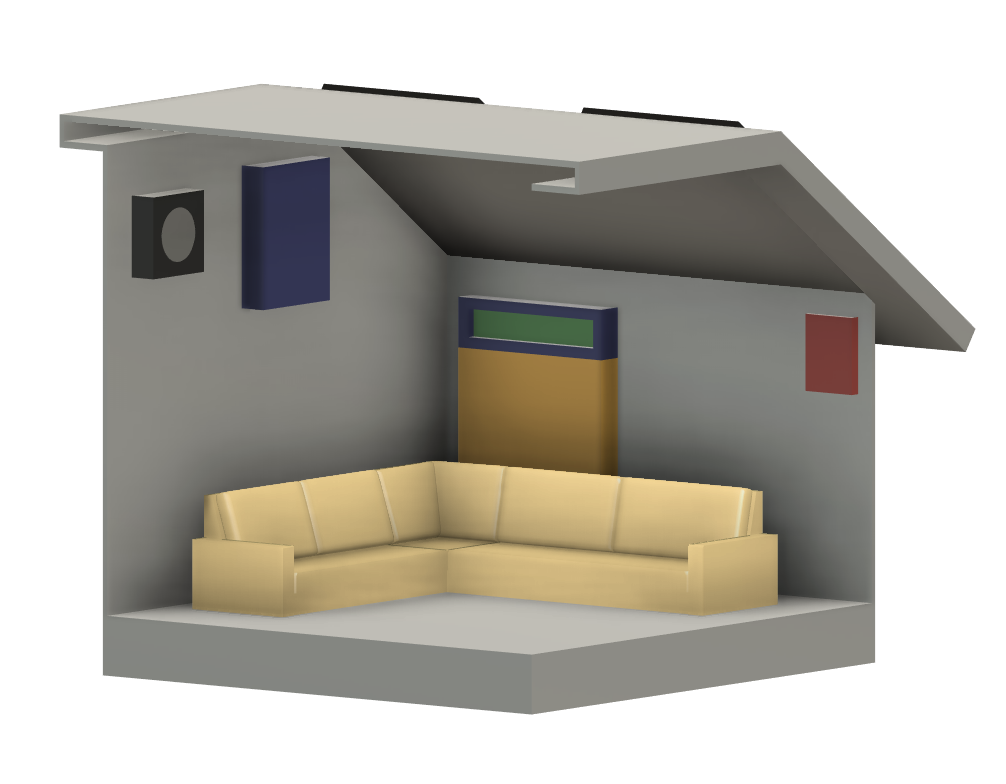
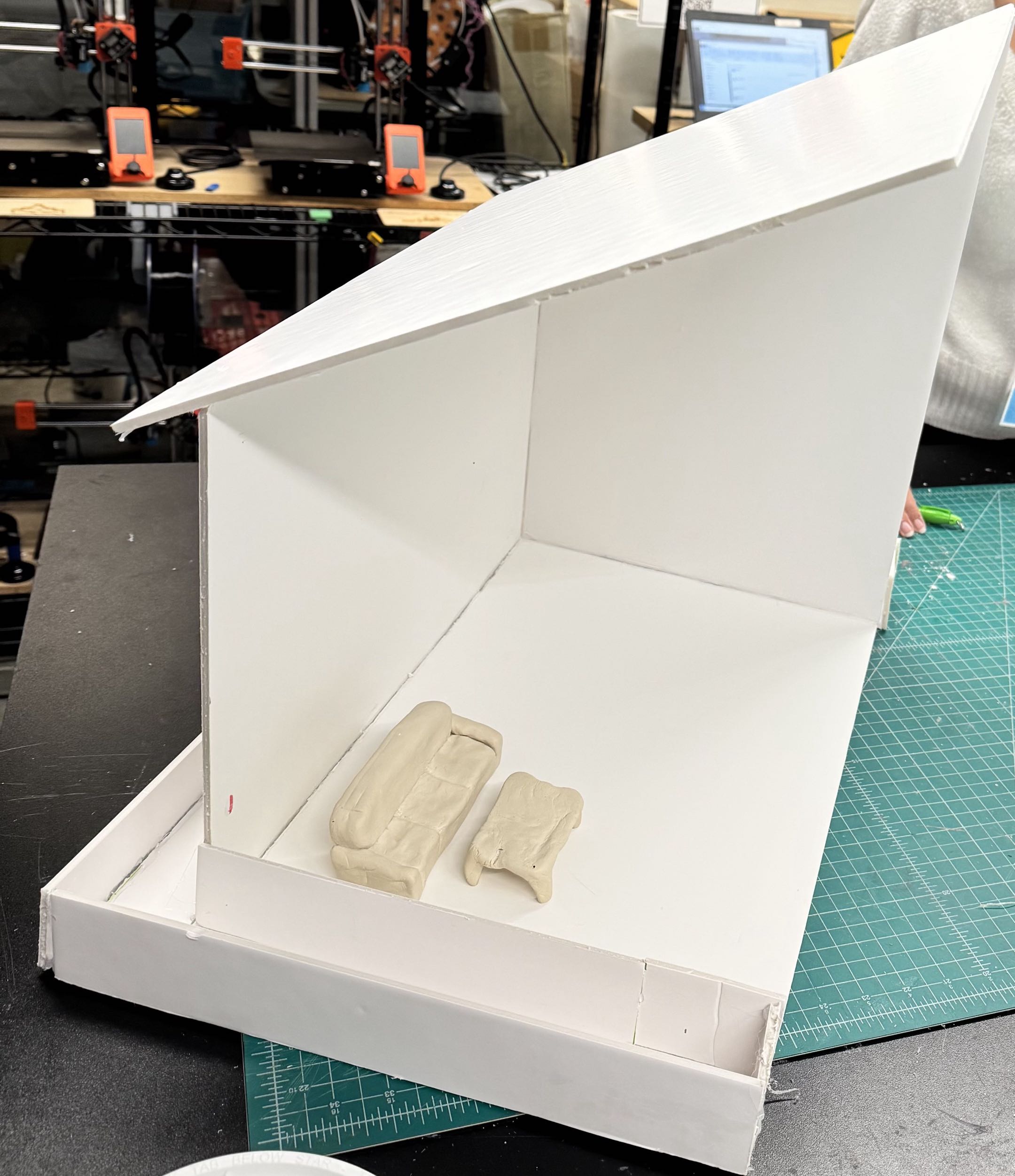
Model House
-
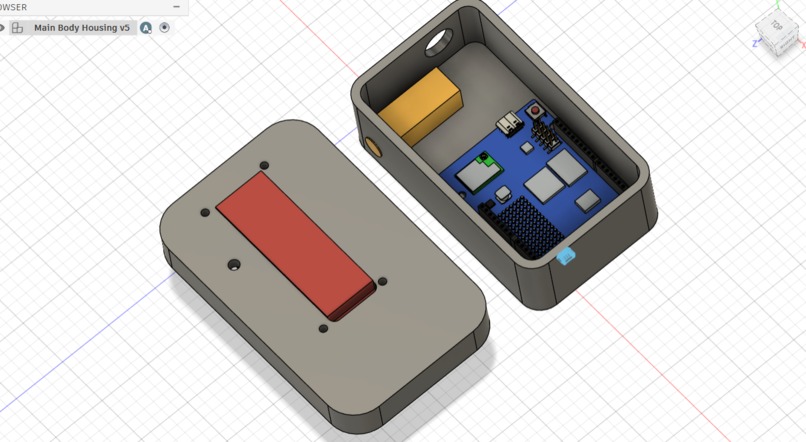
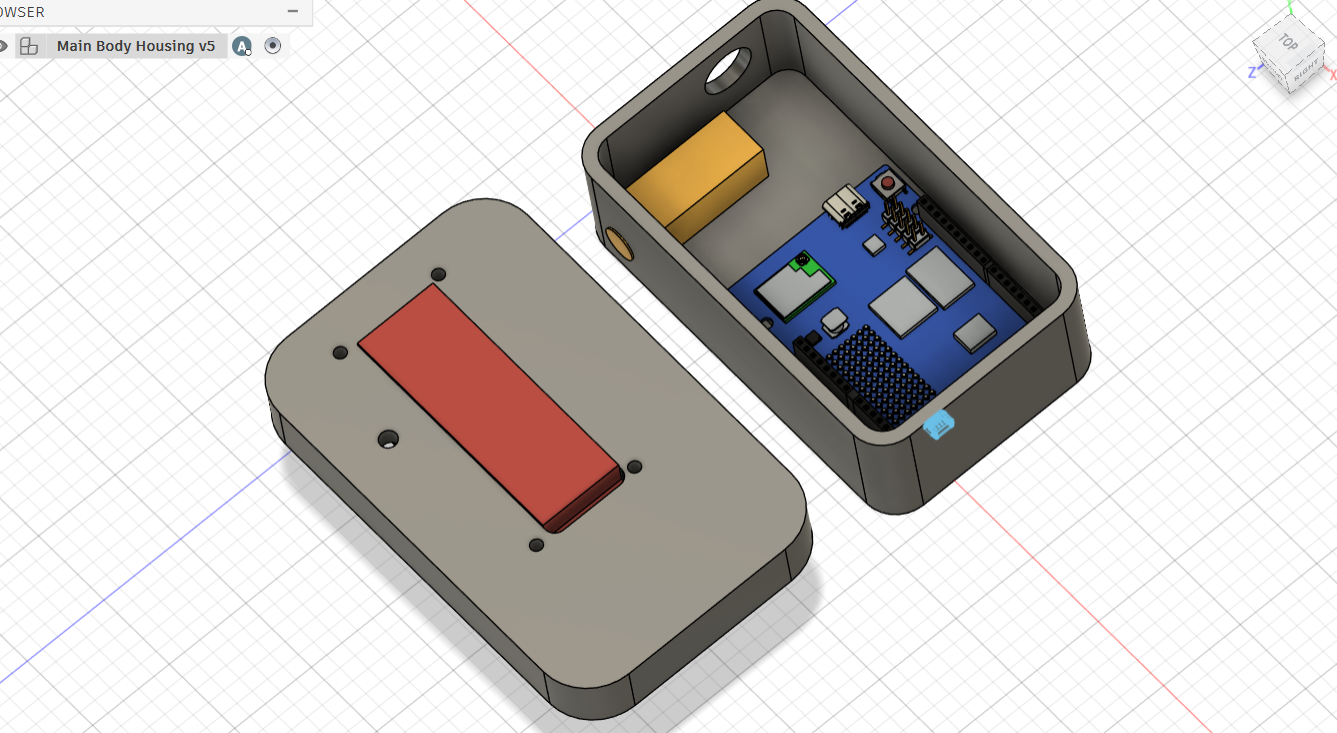
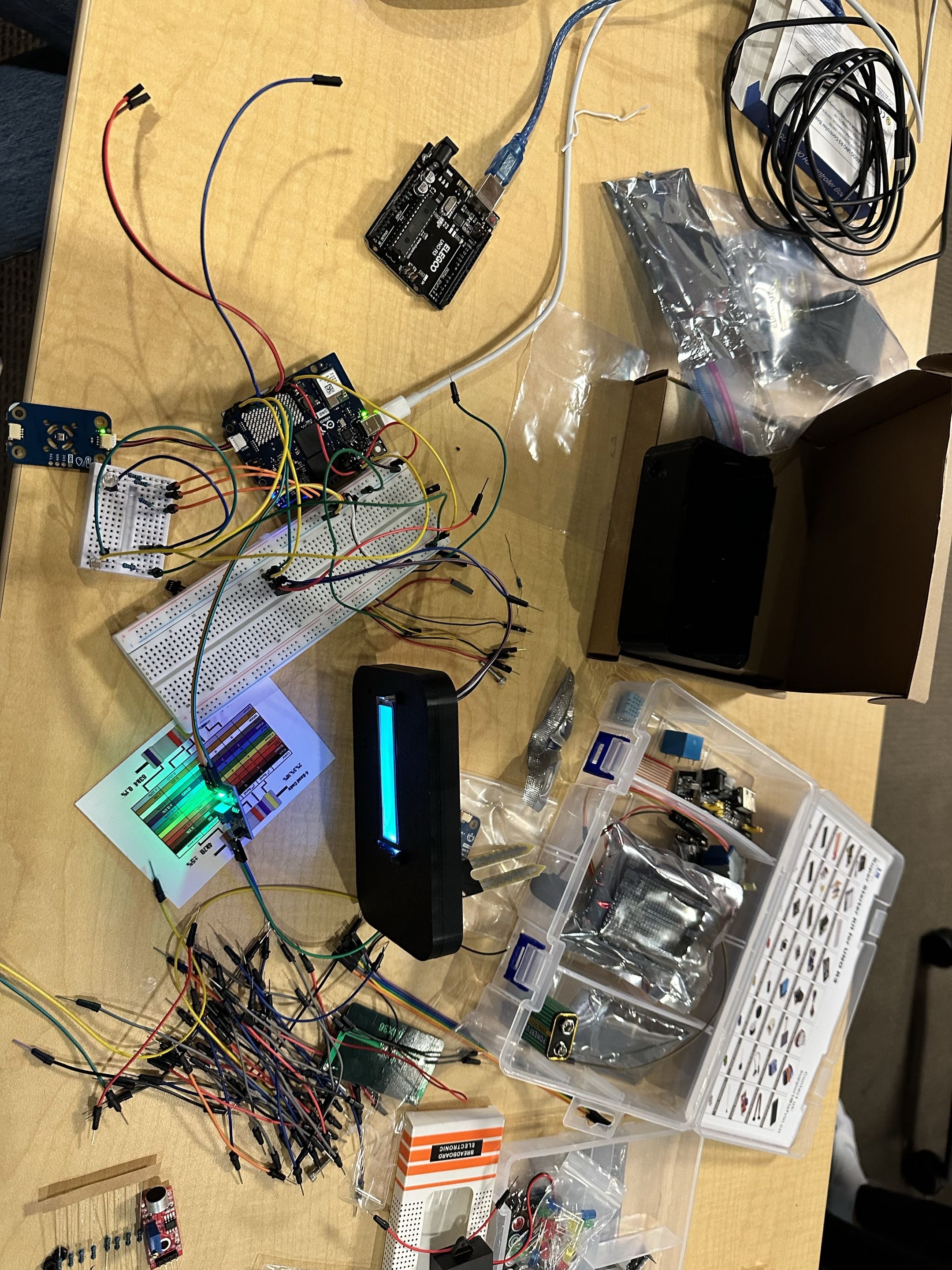
Housing Hub for LCD Sensor
-
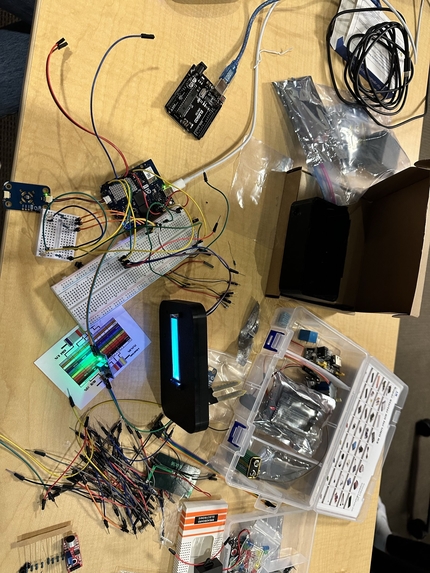
Sensor Board
-
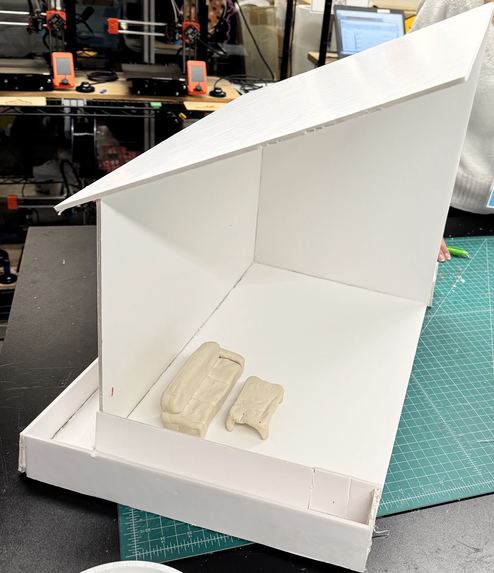
Model House physical
-
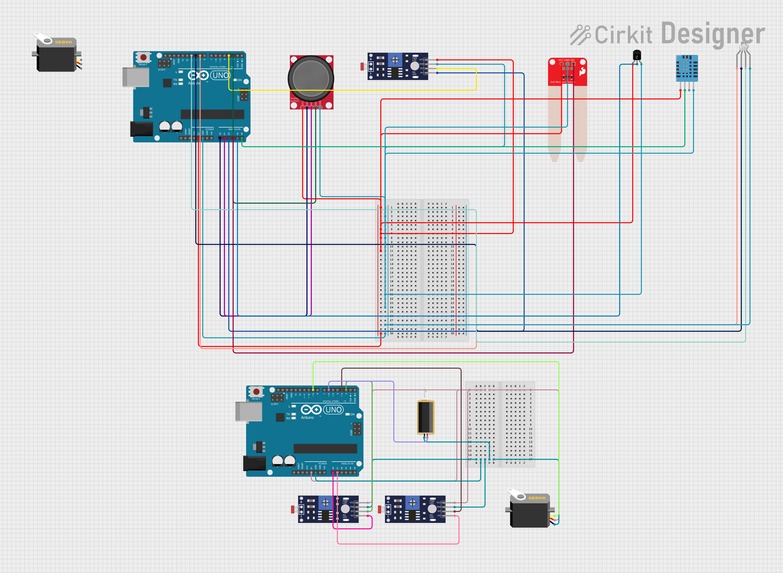
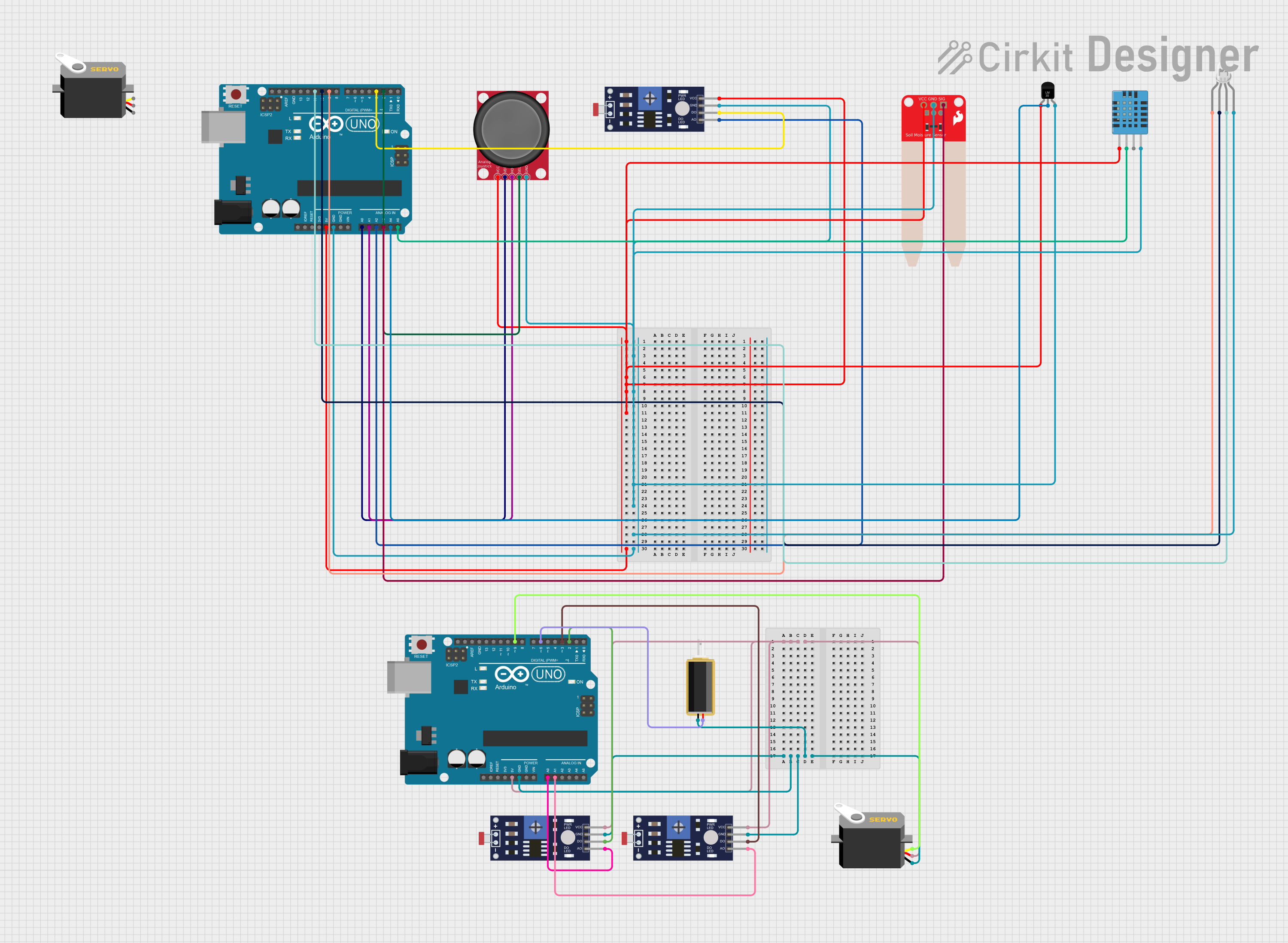
Wire Schematic
-
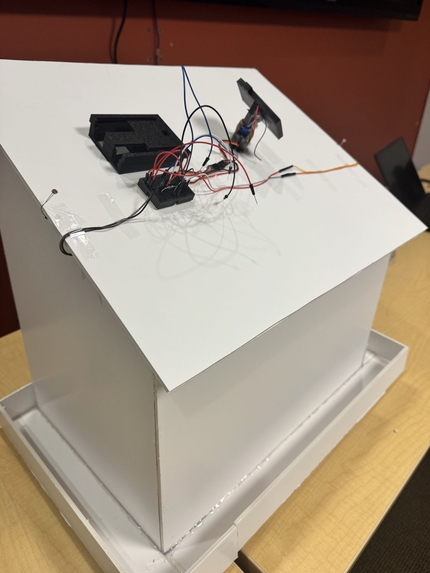
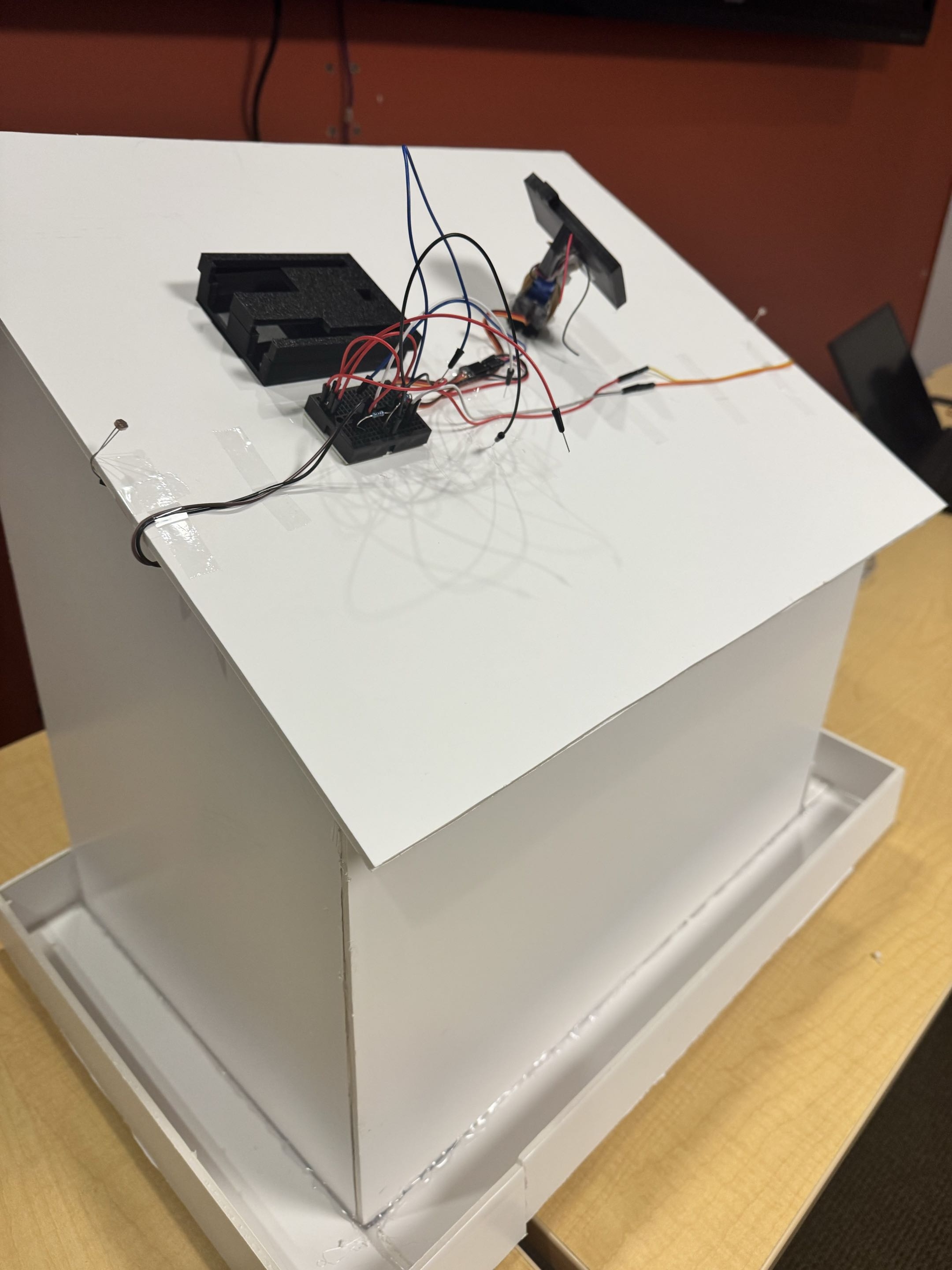
Model House w/ Solar Panel
Inspiration
FAYTe was inspired by a simple idea: the home should actively protect the people living in it. We wanted to create a system that helps people stay safe and comfortable by monitoring conditions such as humidity, heat stress, soil conditions, and light efficiency. We were also motivated by the bigger issue of sustainability, because homes use energy and resources every day, and we believed technology could help people make smarter decisions without adding complexity. Instead of treating a house as a passive space, we wanted FAYTe to act as a responsive environment that understands what is happening and provides useful feedback.
What it does
FAYTe is a smart environmental monitoring and automation system for the home. It tracks key conditions such as humidity, heat-stress risk, soil conditions, and light efficiency, then turns that sensor data into practical information for the user. The goal is to create a healthier, safer, and more resource-efficient living space.
The system is designed to eventually support real-time alerts, automated responses, and easy access to environmental data through a connected platform. In the future, it can also support AI voice interaction to help elderly users understand alerts and respond more easily, as well as improving user interactivity.
How we built it
We used a combination of hardware design, embedded programming, AI tools, and fabrication software to build FAYTe.
- Fusion 360 helped us design the physical housing and overall structure of the device.
- Arduino IDE was used to program the microcontroller and integrate the sensor system.
- Bambu Slicer helped us prepare our 3D printable parts for fabrication and prototyping.
- Claude AI, ChatGPT, and Gemini helped us brainstorm ideas, improve the design process, refine system logic, and develop clearer messaging for the project.
- ElevenLabs AI helped us explore the idea of an AI voice assistant for future versions of the system, especially for accessibility and elderly support.
We built the project by first identifying the main environmental problems we wanted to address and then designing a housing unit concept centered on a central monitoring device. From there, we connected the sensor logic, worked through the enclosure design, and shaped the overall user experience around clear, useful environmental feedback.
Challenges we ran into
One of the biggest challenges was balancing ambition with time. We had many feature ideas, including multiple sensors, AI voice support, automation, and app integration, but turning them into a polished prototype during a hackathon required staying focused.
Another challenge was making the project feel both technically strong and user-friendly. It was easy to think about the system from an engineering perspective, but much harder to make sure the final concept would actually help real people, especially elderly users. We also had to work through hardware design constraints, sensor integration planning, and how to communicate data without overwhelming the user.
Accomplishments that we're proud of
We are proud to have created a project that connects health, sustainability, and smart-home technology into a single, clear vision. FAYTe is more than just a sensor concept — it is a system designed to improve the quality of life in the home.
We are also proud of the way we combined so many tools across disciplines. We used CAD design, embedded programming, AI-assisted ideation, voice technology concepts, and 3D printing preparation within a single project workflow. Bringing all of those pieces together into a cohesive hackathon concept was one of our biggest accomplishments.
Another accomplishment is that we kept the project human-centered. Rather than focusing only on technical performance, we designed FAYTe with accessibility, elderly care, and environmental awareness in mind.
What we learned
This project taught us a lot about how hardware, software, and AI can work together in a meaningful way. We learned that building a smart-home system is not just about collecting data, it is about turning data into actions that people can understand and trust.
Most importantly, we learned that accessibility and usability should be built into the design from the beginning, not added later.
What's next for FAYTe
The next step for FAYTe is expanding the system into a more complete smart-home platform. We want to integrate more sensors in the future, such as air-quality, water-leak, and motion sensors, as well as additional environmental monitoring tools, to make the system even more useful.
We also want to develop an AI voice assistant that can guide elderly residents in real time, explain alerts in simple language, and help them respond to unsafe conditions without needing to navigate a complex interface. Another major future goal is to create a Wi-Fi-connected app so users and caregivers can easily access live data, receive notifications, and monitor trends remotely.
Long term, we want FAYTe to grow from a single smart device into a full housing improvement platform that supports healthier, safer, and more sustainable living environments.
Built With
- arduino
- autodesk-fusion-360
- bambu
- chatgpt
- cluade
- gemini


Log in or sign up for Devpost to join the conversation.