-
-
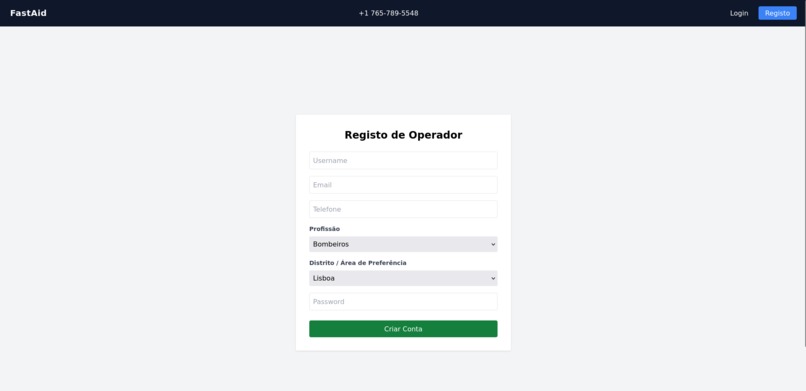
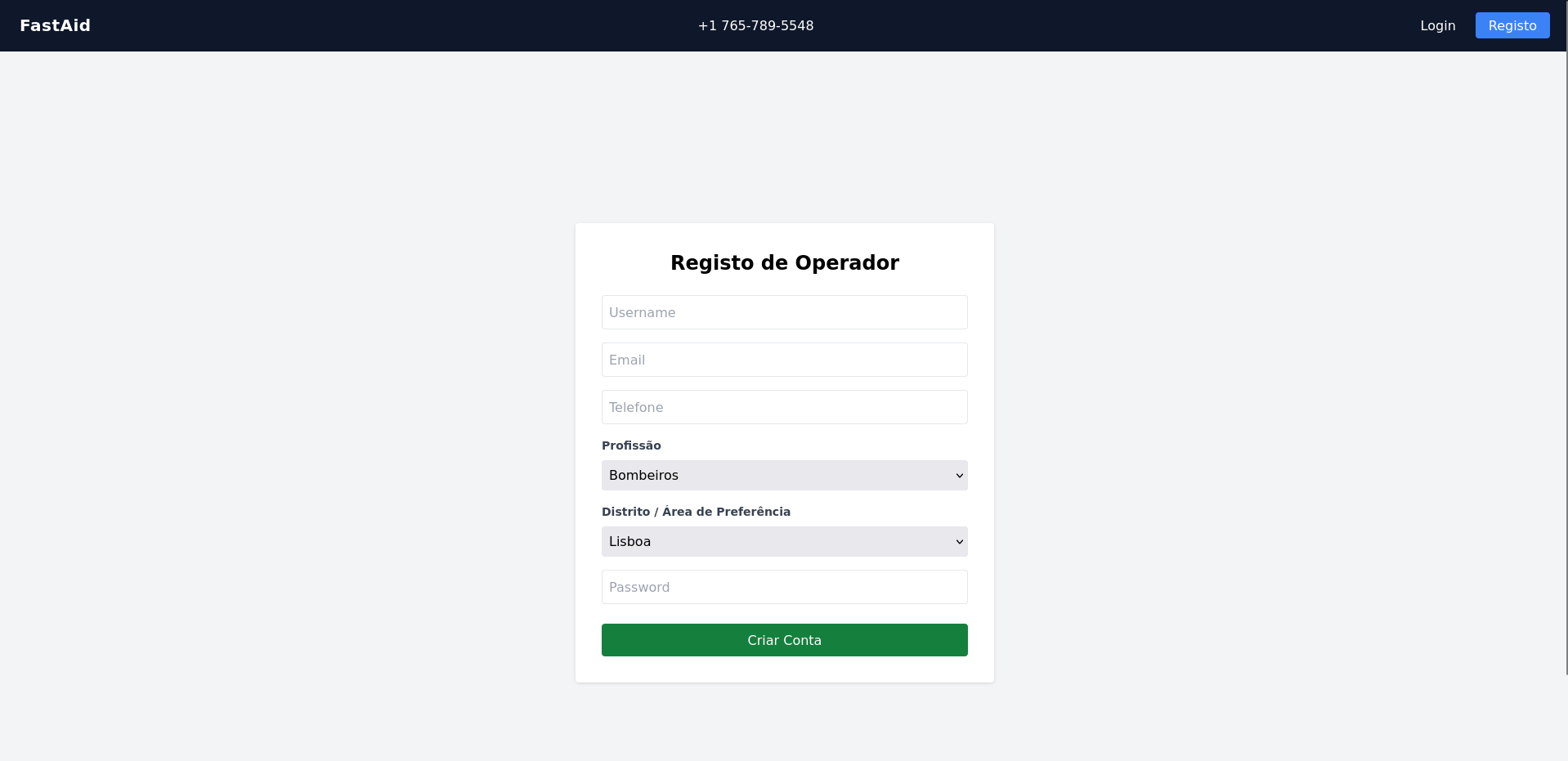
Register page for operators.
-
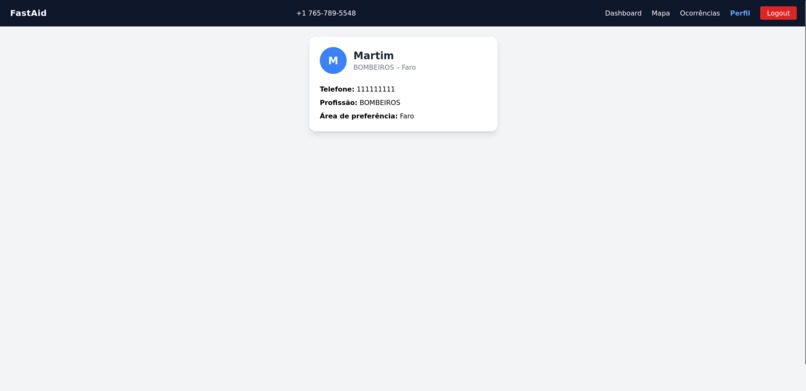
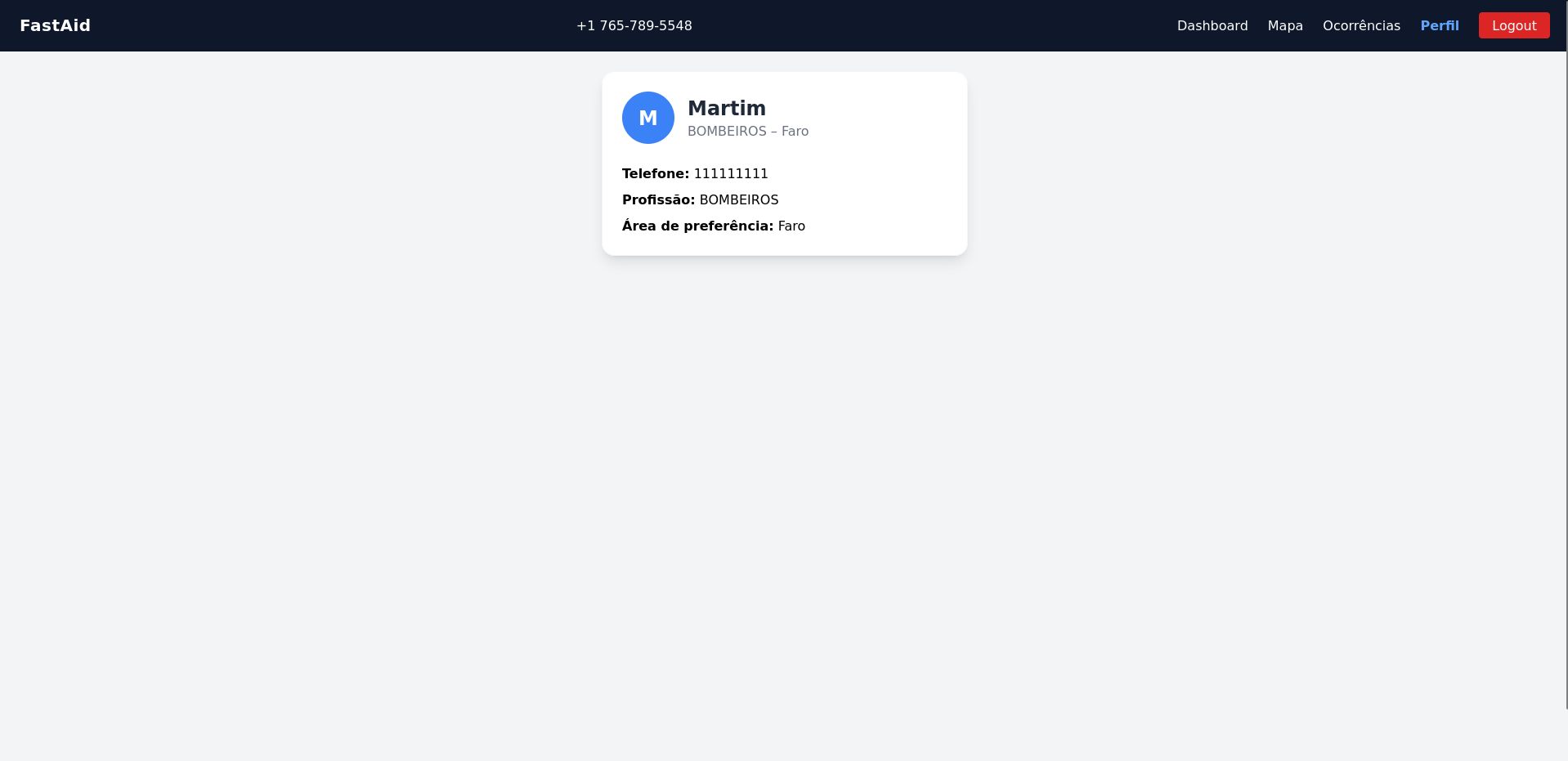
Profile page.
-
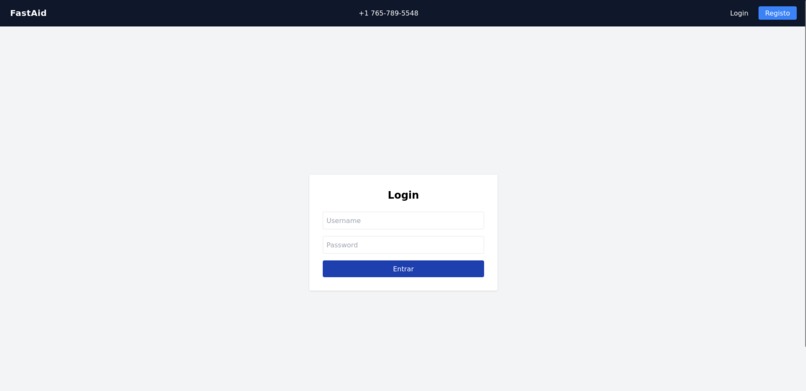
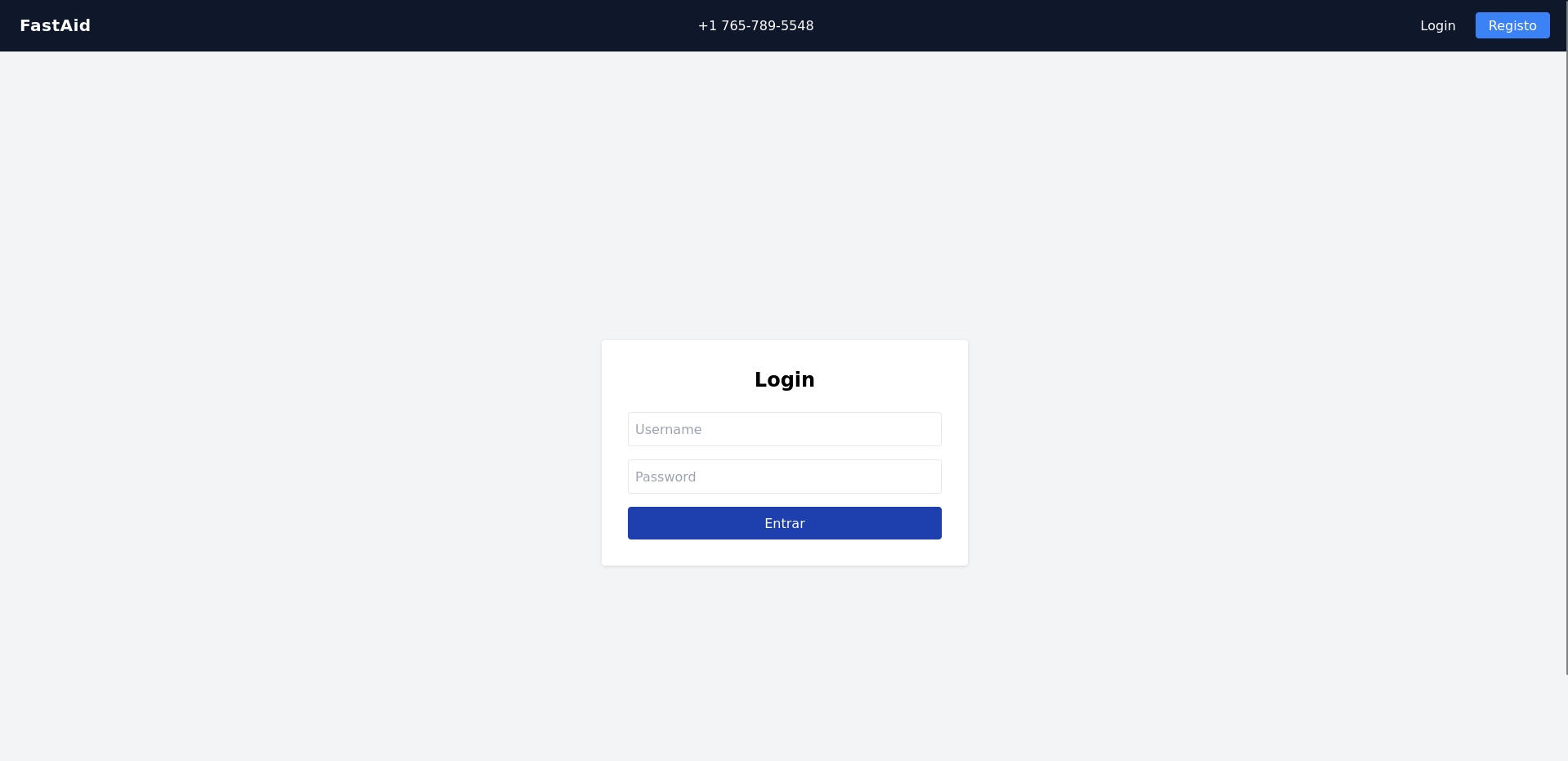
Login Page for operators.
-
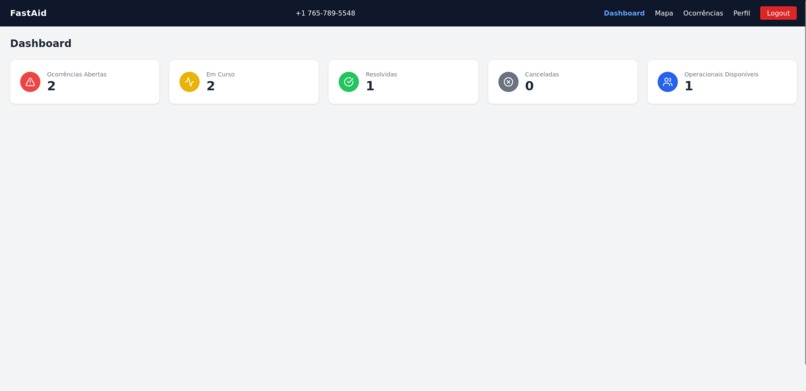
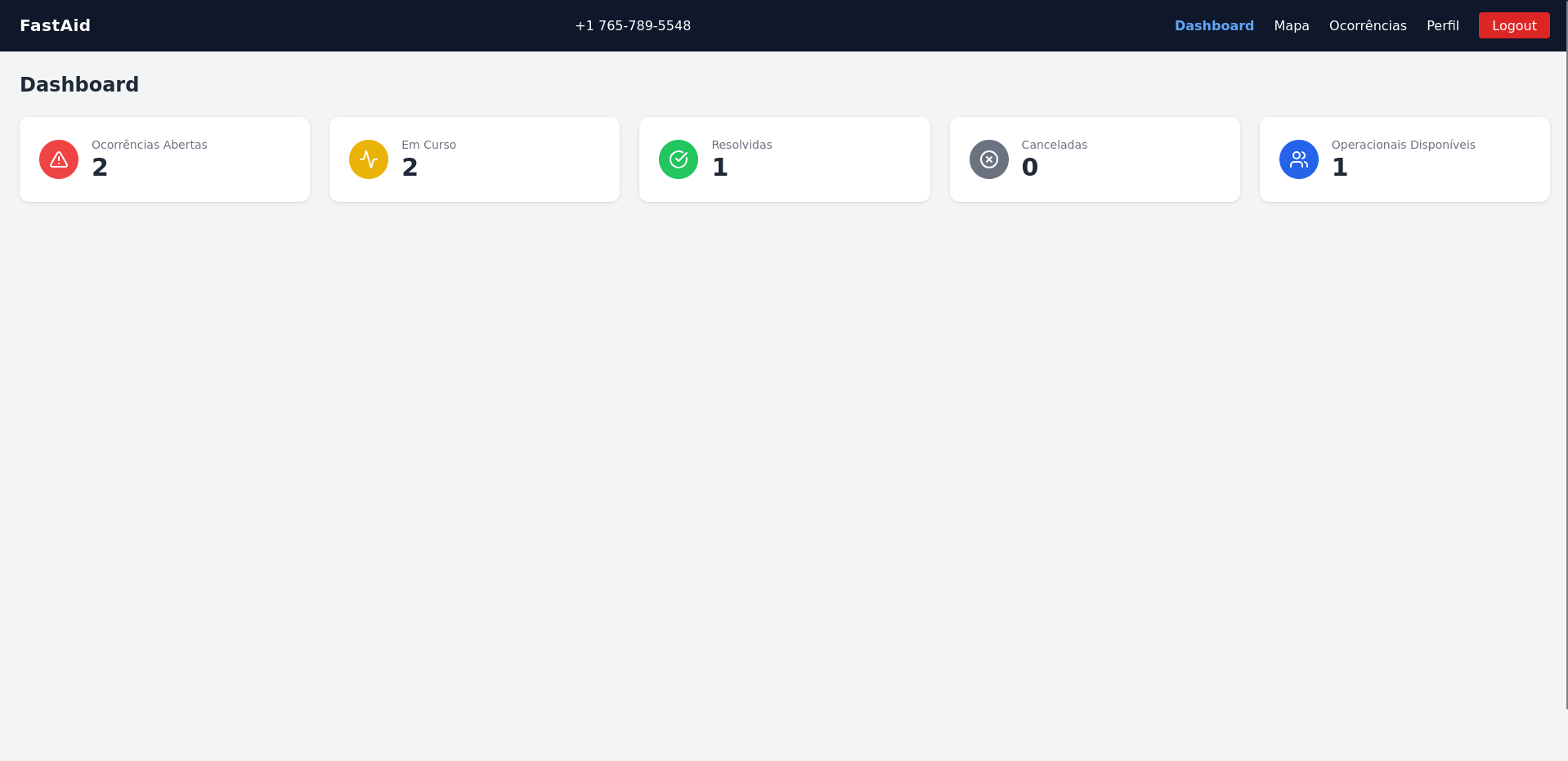
Dashboard with information about incidents and available operators.
-
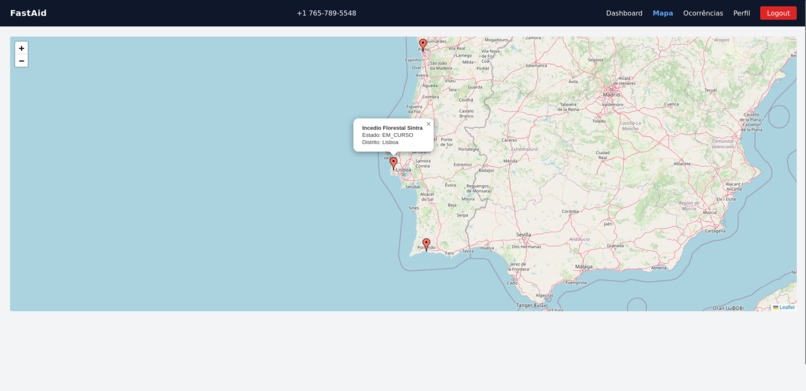
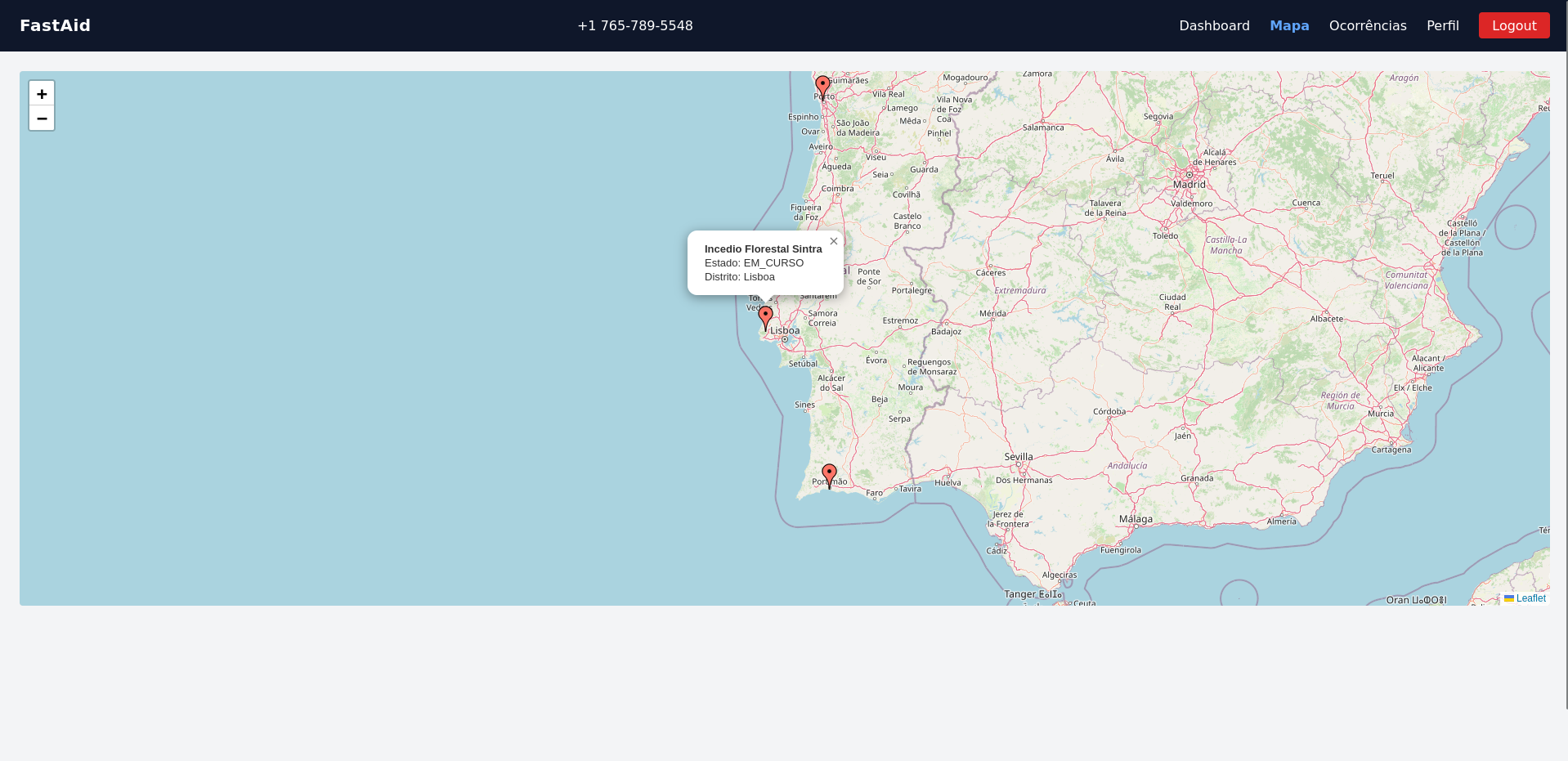
Map with the location of all the incidents and brief description.
-
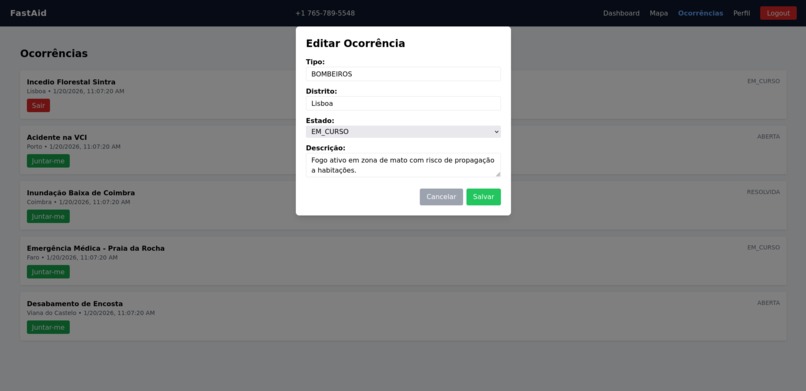
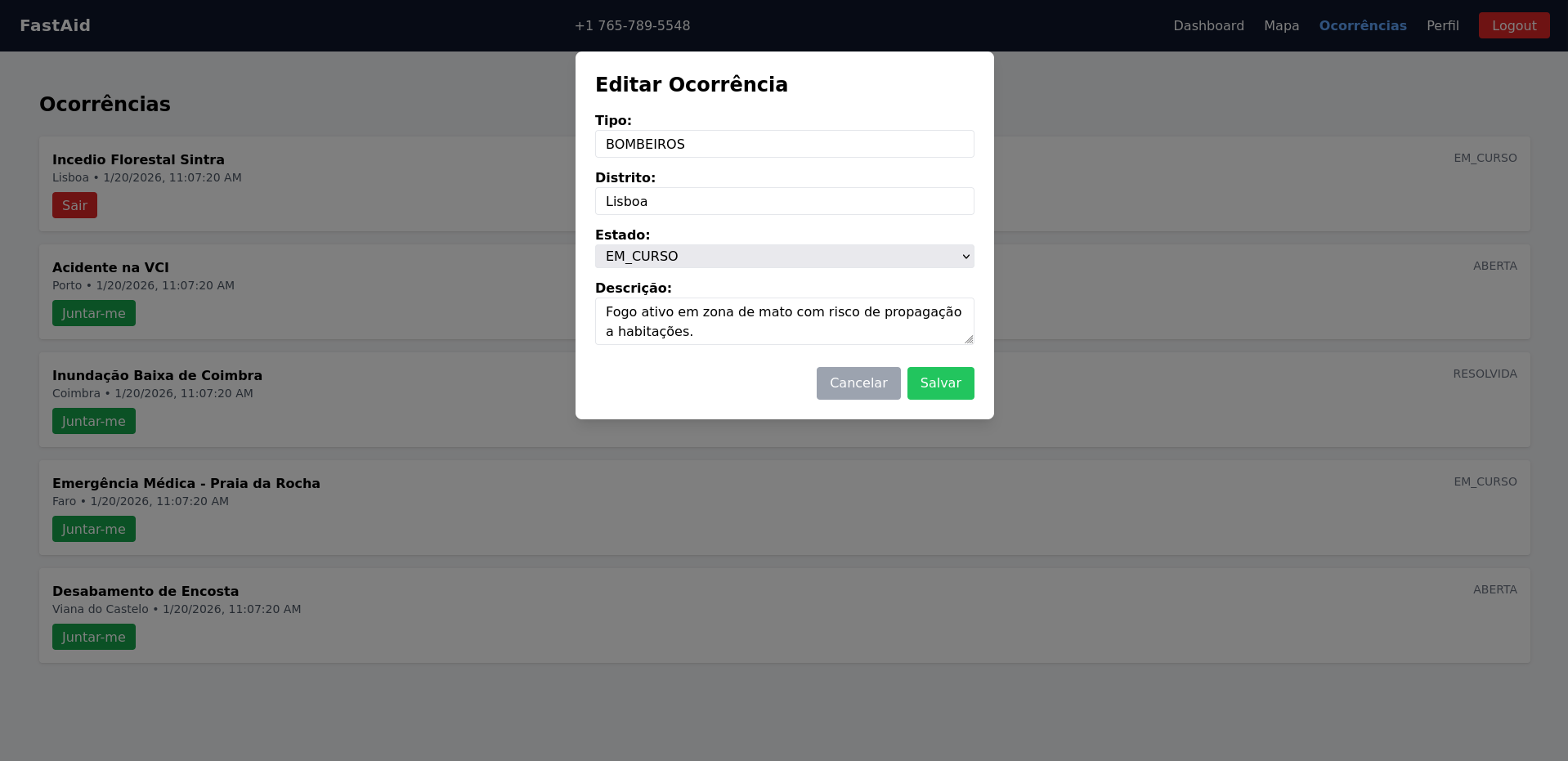
Operators are able to edit incidents.
-
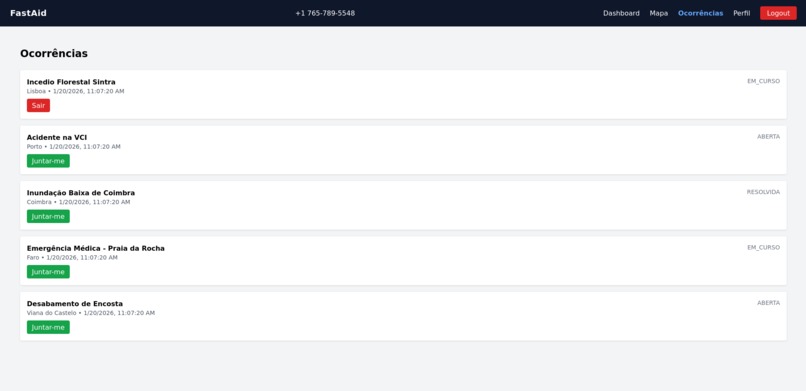
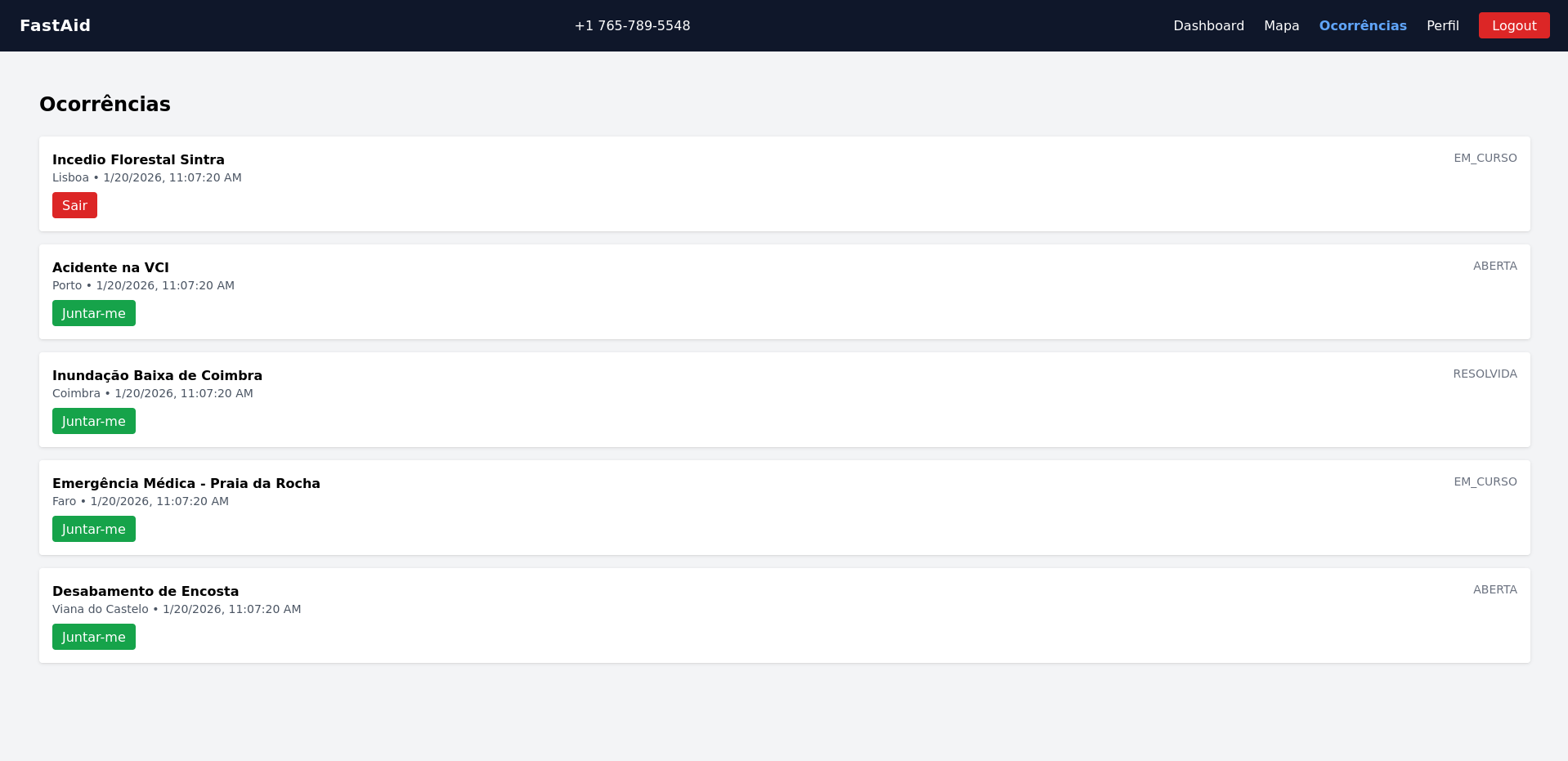
Page with the list of incidents.
-
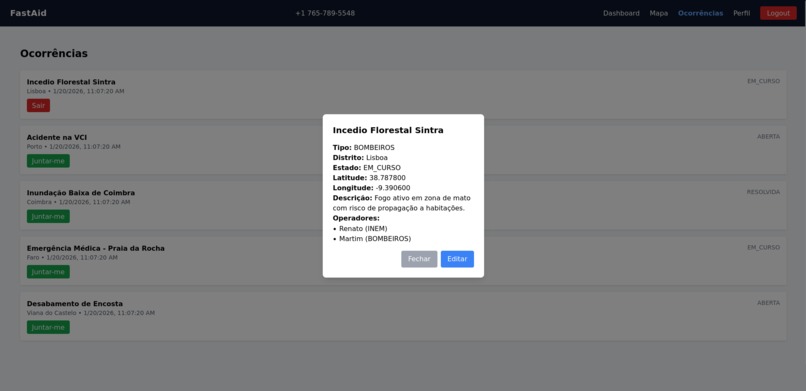
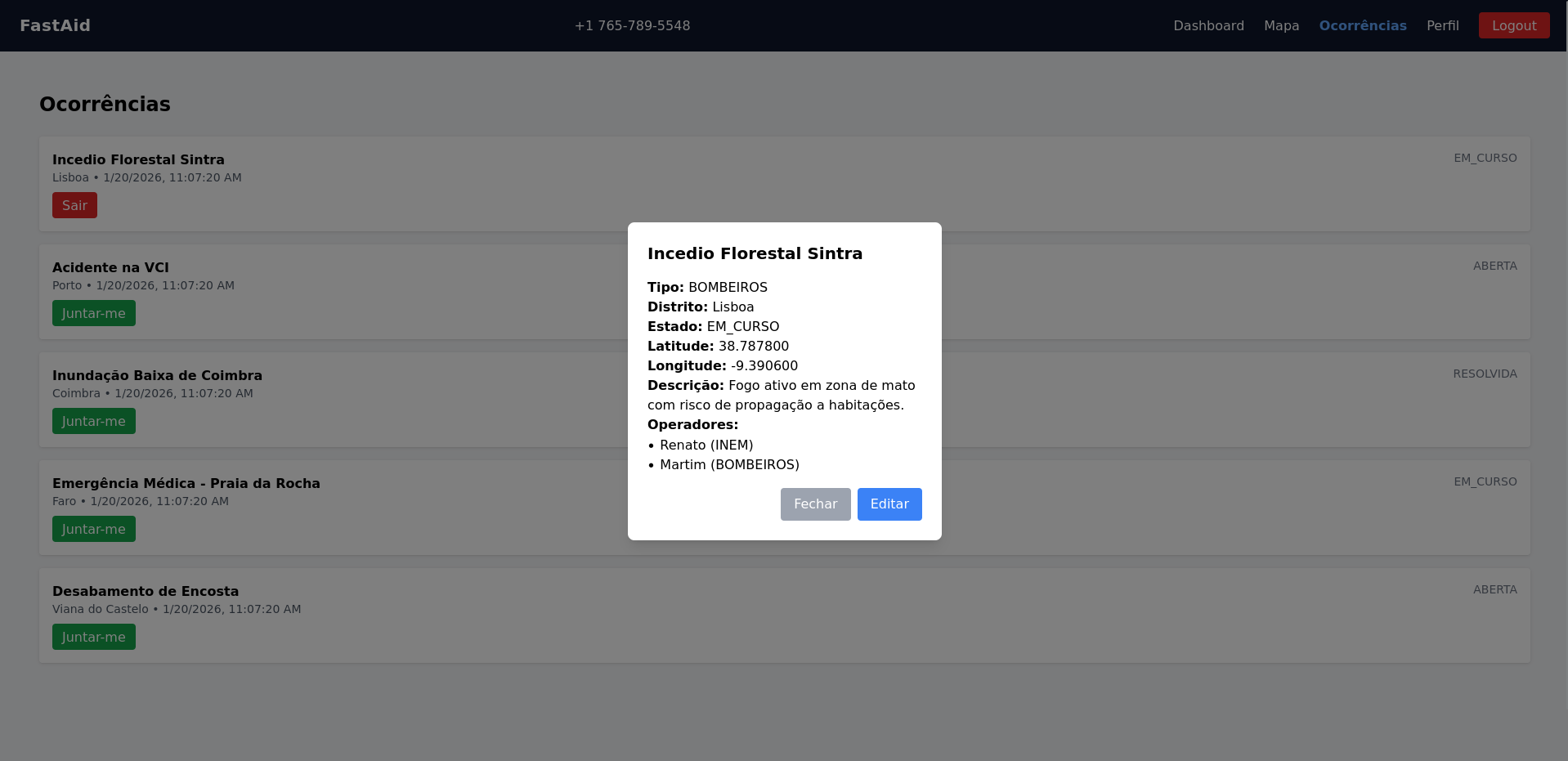
Details of an incident.
Inspiration
The national health service is in decline, which contributes to widespread dissatisfaction among the population.
What it does
The application enables easy management of national health service resources, allowing operators (Firefighters, Police, Emergency Medical Services, Civil Protection, etc.) to coordinate responses to incidents.
The application features an interactive map where all ongoing incidents can be viewed and updated in real time.
It also includes a dashboard that allows operators to quickly see the number of available personnel and the types of incidents occurring.
Additionally, the application provides a dedicated number that citizens can call in case of emergencies. When a call is made, a generic message informs the caller that the emergency services have received their request and reinforcements will be dispatched shortly. The call is recorded, and the caller then communicates with an AI system, providing all necessary information. The AI is responsible for creating the incident report and allocating the appropriate resources for its resolution.
How we built it
The backend was developed in Python using Django Rest Framework. The frontend was built with TypeScript using React. Twilio was used to handle phone call functionality. To transcribe calls and create incident reports, we integrated the Gemini Pro API with Twilio.
Challenges we ran into
Integrating the application with Twilio and the Gemini API was particularly challenging. It was necessary to create an API endpoint responsible for transcribing calls, parsing the content, analyzing it with AI, and finally creating the incident report.
Accomplishments we're proud of
We are extremely proud of the work we have accomplished! Developing this application was challenging, but we strongly believe the idea has great potential given the decline of the national health system. We see it as a solution that could improve overall societal efficiency, and successfully bringing it to life is something we take pride in.
What we learned
We gained extensive experience with REST APIs and frontend development. Additionally, we learned how to connect a frontend to a backend, and how to work with external APIs, specifically Gemini and Twilio. Integrating phone calls and artificial intelligence into the application was especially insightful.
What's next for FastAid
We believe FastAid could represent the future of the national health system. Our goal is to integrate the application across all Fire Departments, Police Stations, Hospitals, and other emergency services, centralizing the system to make it more dynamic, responsive, and efficient for all Portuguese citizens.
Built With
- ai
- django-rest-framework
- gemini
- python
- react
- twilio
- typescript

Log in or sign up for Devpost to join the conversation.