-
-
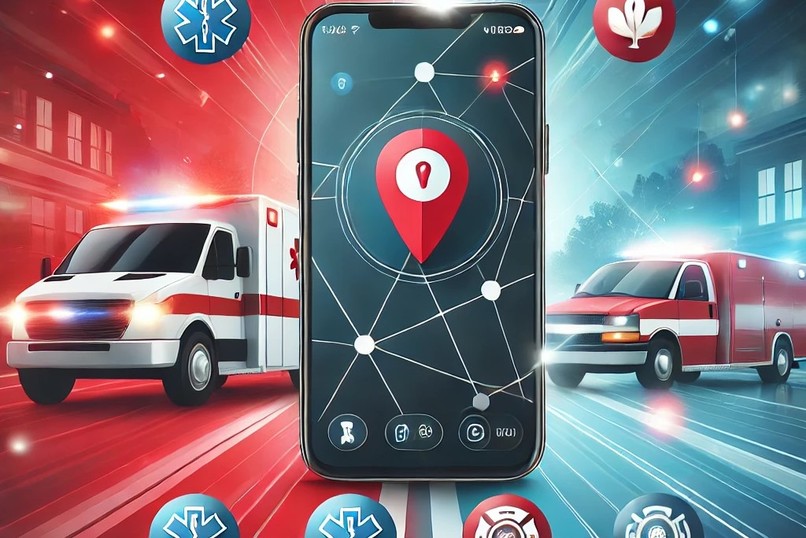
Connecting trained responders with emergency situations in real-time
Inspiration
The inspiration behind Fast Response App came from the need to improve emergency response efficiency. People die because the first responder had no clue whether his or her services are needed around, the dispatcher too had no clue whether near the incident were responders who can attend to the incident. Many responders and dispatchers struggle to get accurate and timely information, which leads to delays and miscommunication. This app aims to bridge the gap by providing a platform that seamlessly connects responders and incidents in real time.
What it does
The Fast Response App is a web-based platform designed to:
Allow responders to view, accept, and manage emergency incidents. Enable administrators to assign incidents dynamically. Provide real-time tracking of incident status. Deliver seamless communication between responders and dispatchers. Display incident analytics and history for better decision-making.
How we built it
We built the app using the following technologies:
Frontend: React for building an interactive user interface and Axios for API integration. Backend: Node.js and Express.js for the server-side logic and APIs. Database: MongoDB for storing incident data, user details, and logs. Hosting: Render for deploying both the frontend and backend services. Environment Variables: Used .env files to manage API base URLs dynamically for deployment.
Challenges we ran into
Configuring dynamic API calls during deployment and transitioning from local localhost to production URLs. Managing package installations for the backend, ensuring dependencies were correctly set up in Render. Resolving CORS issues while integrating the frontend and backend services. Structuring a unified flow for incident assignment and status updates with minimal UI confusion.
Accomplishments that we're proud of
Successfully deployed both the frontend and backend on Render with seamless integration. Implemented a clean and intuitive UI for responders to handle incidents. Created a robust backend API that supports dynamic incident assignment and tracking. Built a rating system for responders to improve accountability and service quality.
What we learned
How to efficiently debug deployment issues, especially missing dependencies and environment variable misconfigurations. Best practices for managing API base URLs across development and production environments. Enhanced understanding of full-stack development, from MongoDB schemas to React state management. The importance of real-time communication and dynamic updates in emergency response systems.
What's next for Fast Response APP
Mobile App Development: Launching a mobile version to make the app accessible on the go. Advanced Analytics: Adding smart dashboards with insights into response times, incident trends, and responder performance. Geolocation Integration: Incorporating live maps for responders to navigate to incidents easily. Notification System: Implementing SMS or push notifications to alert responders of new assignments. AI-Powered Incident Prioritization: Using AI to categorize incidents by urgency for quicker response times.


Log in or sign up for Devpost to join the conversation.