-
-
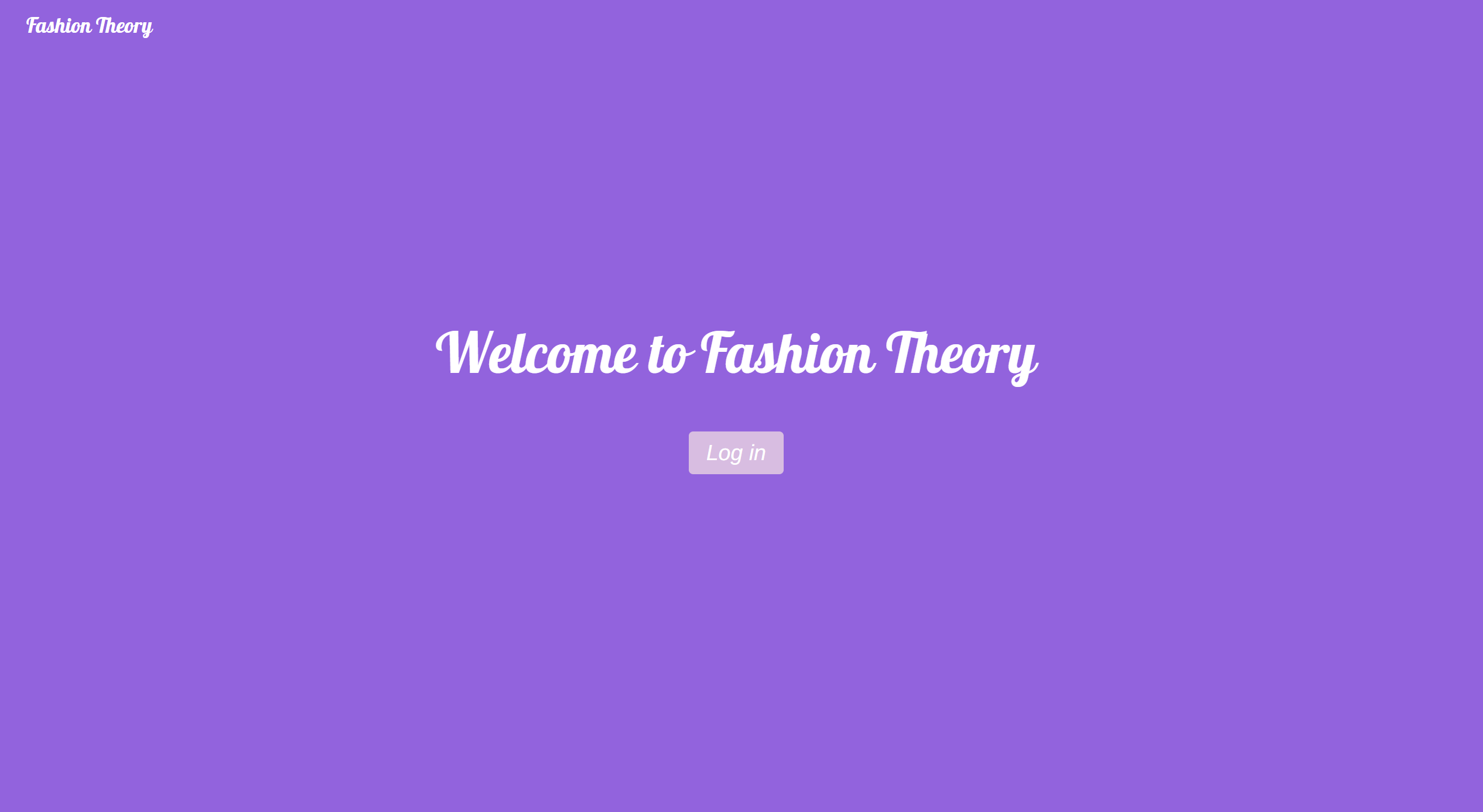
Landing Page
-

Auth0
-
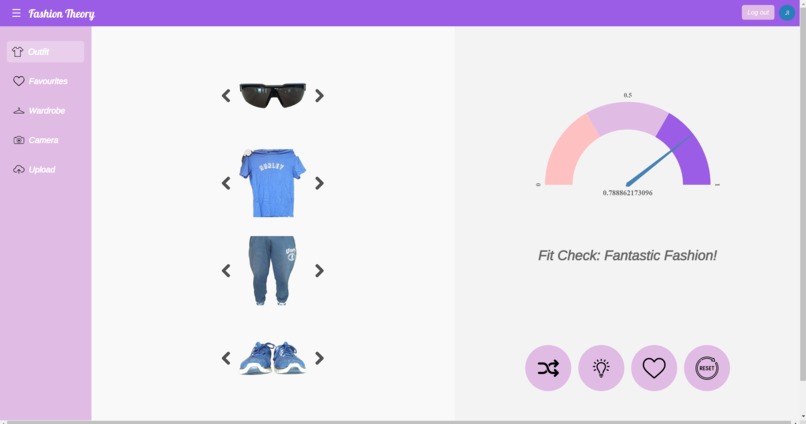
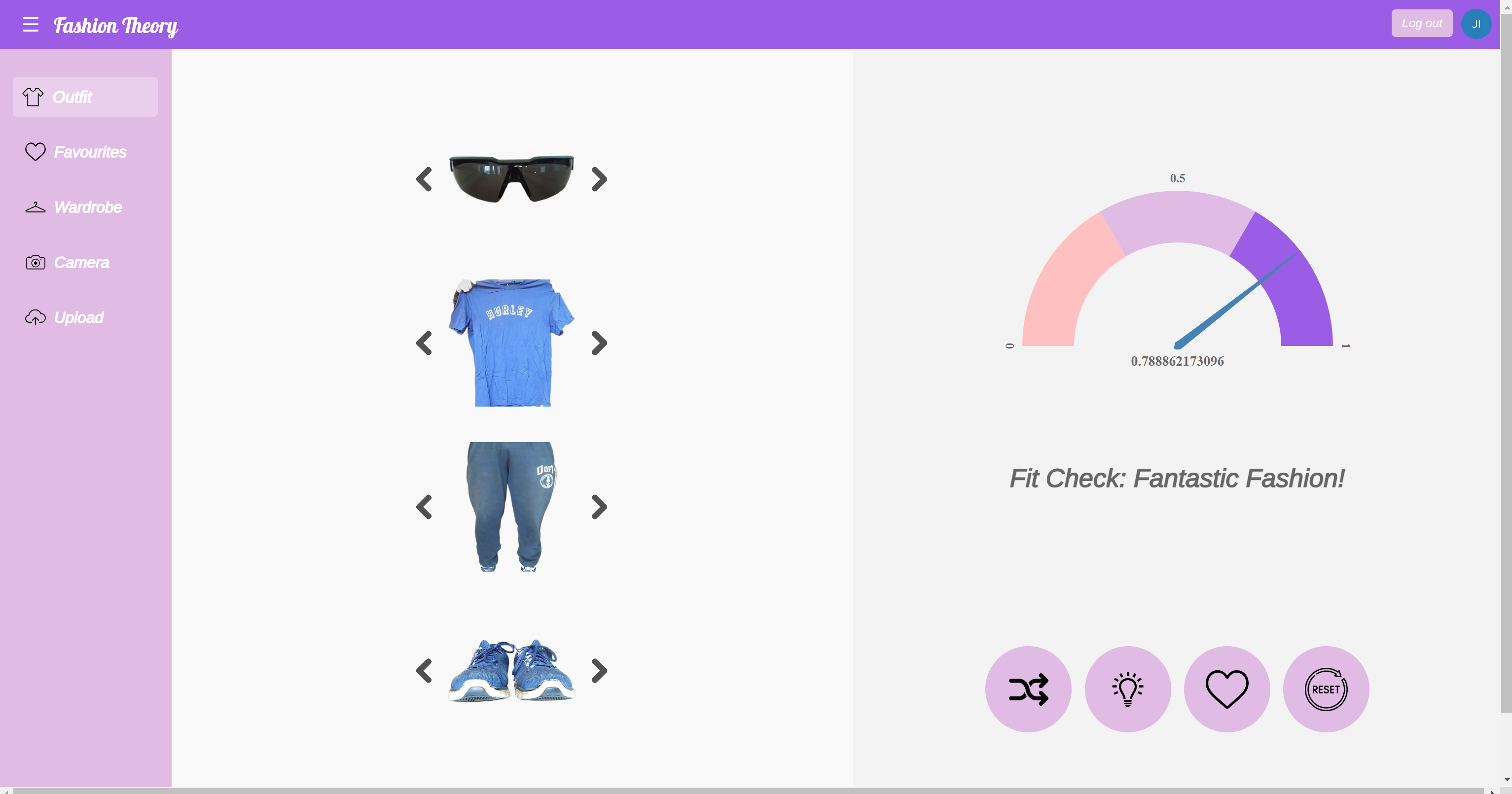
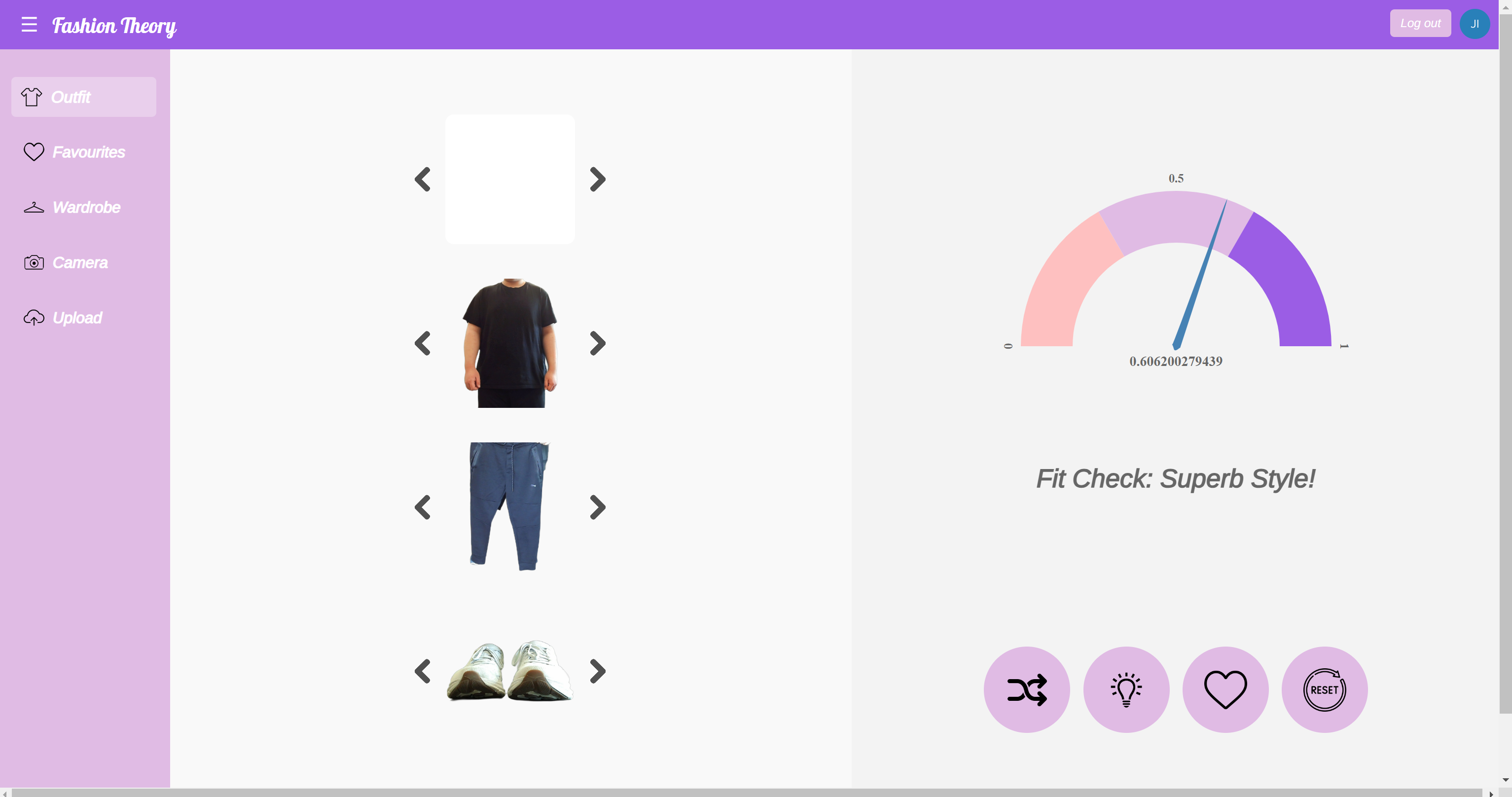
Outfit Tab
-
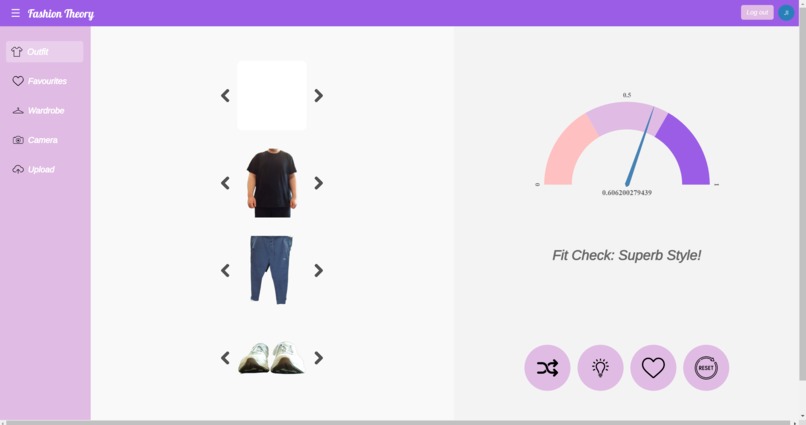
Outfit Tab
-
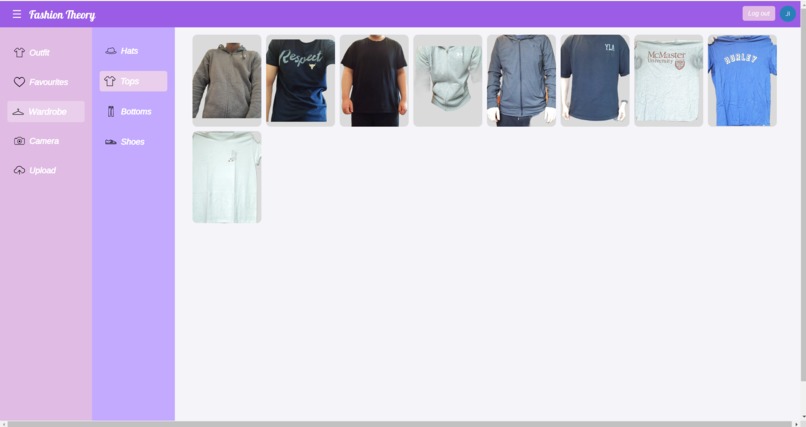
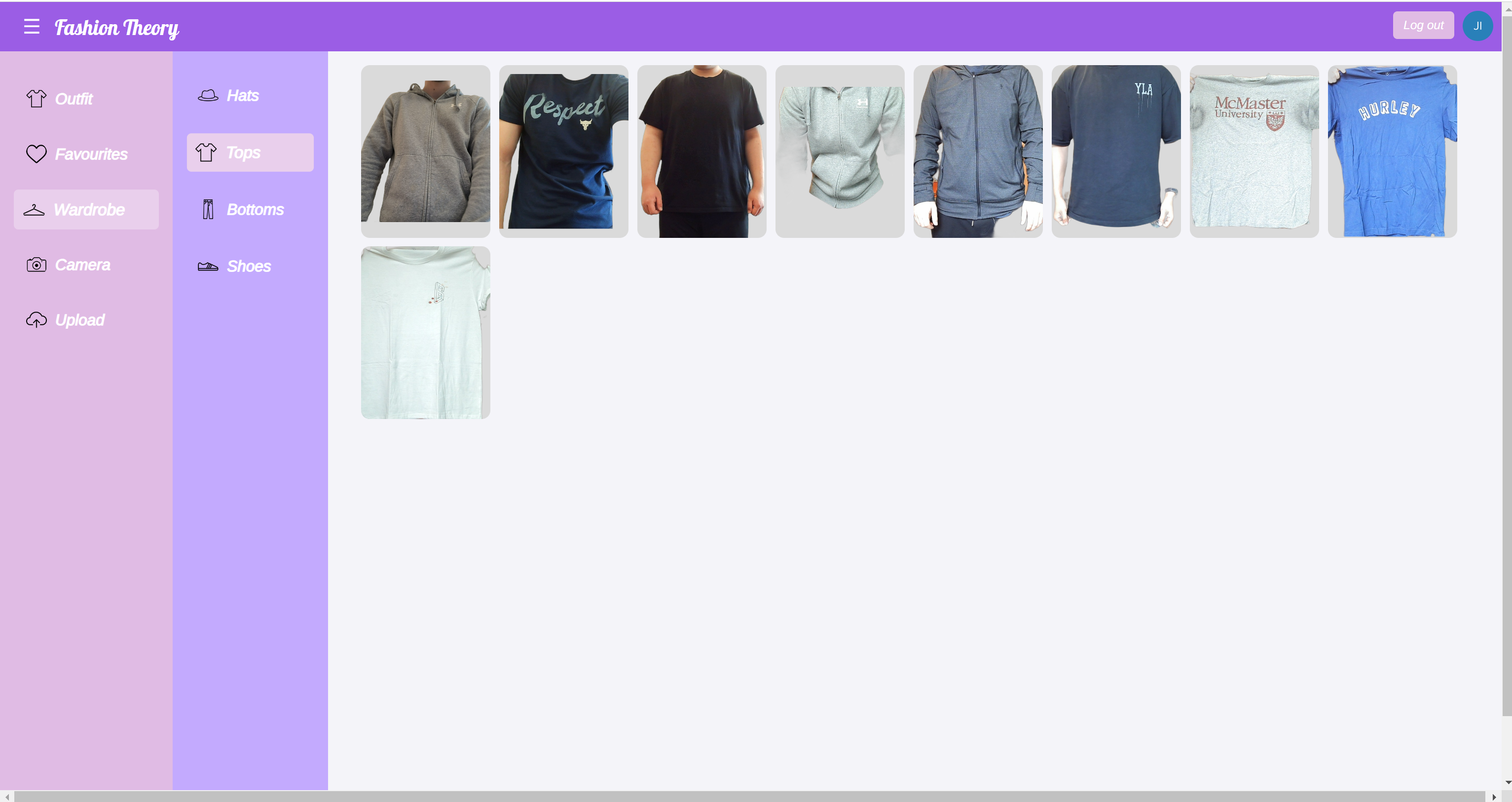
Wardrobe Tab
-
Wardrobe Tab
-
Favourites Tab
-
Camera Tab
-
Upload Tab

Inspiration
The inspiration for Fashion Theory originated from the everyday challenge of deciding what to wear and the broader desire to contribute to sustainable fashion practices. Our team wanted to create a tool that not only simplifies daily outfit selection but also empowers users to become more creative with their existing wardrobes. The idea of minimizing waste and extending the life of our clothes by finding new ways to mix and match resonated deeply with our team. We envisioned Fashion Theory as a platform where style meets sustainability, helping users look great while reducing the environmental impact of fast fashion in the modern age.
What it Does
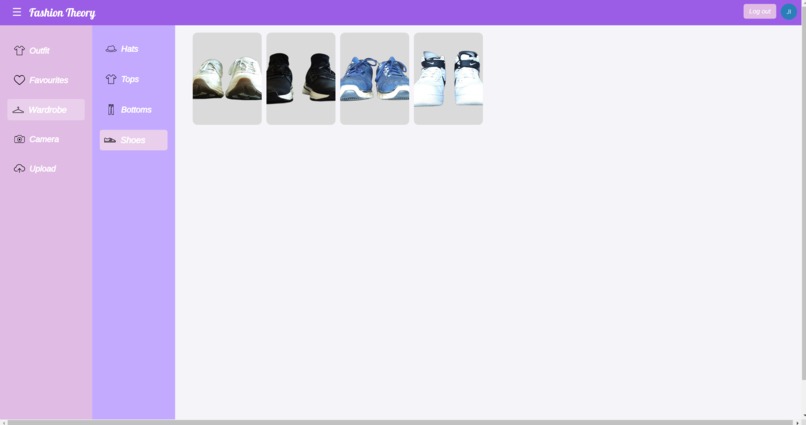
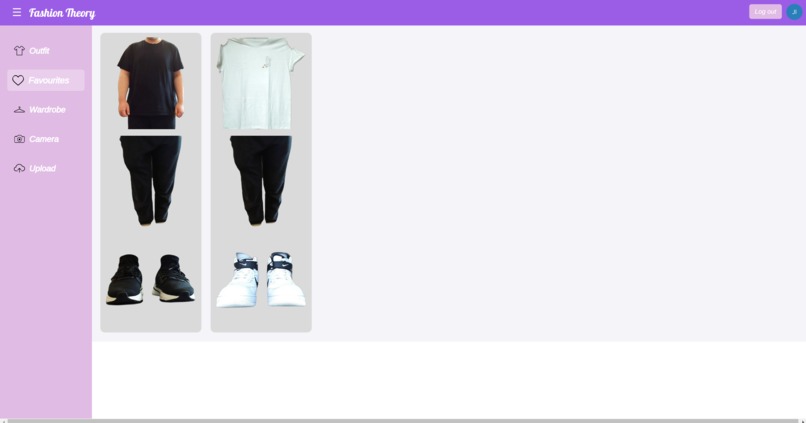
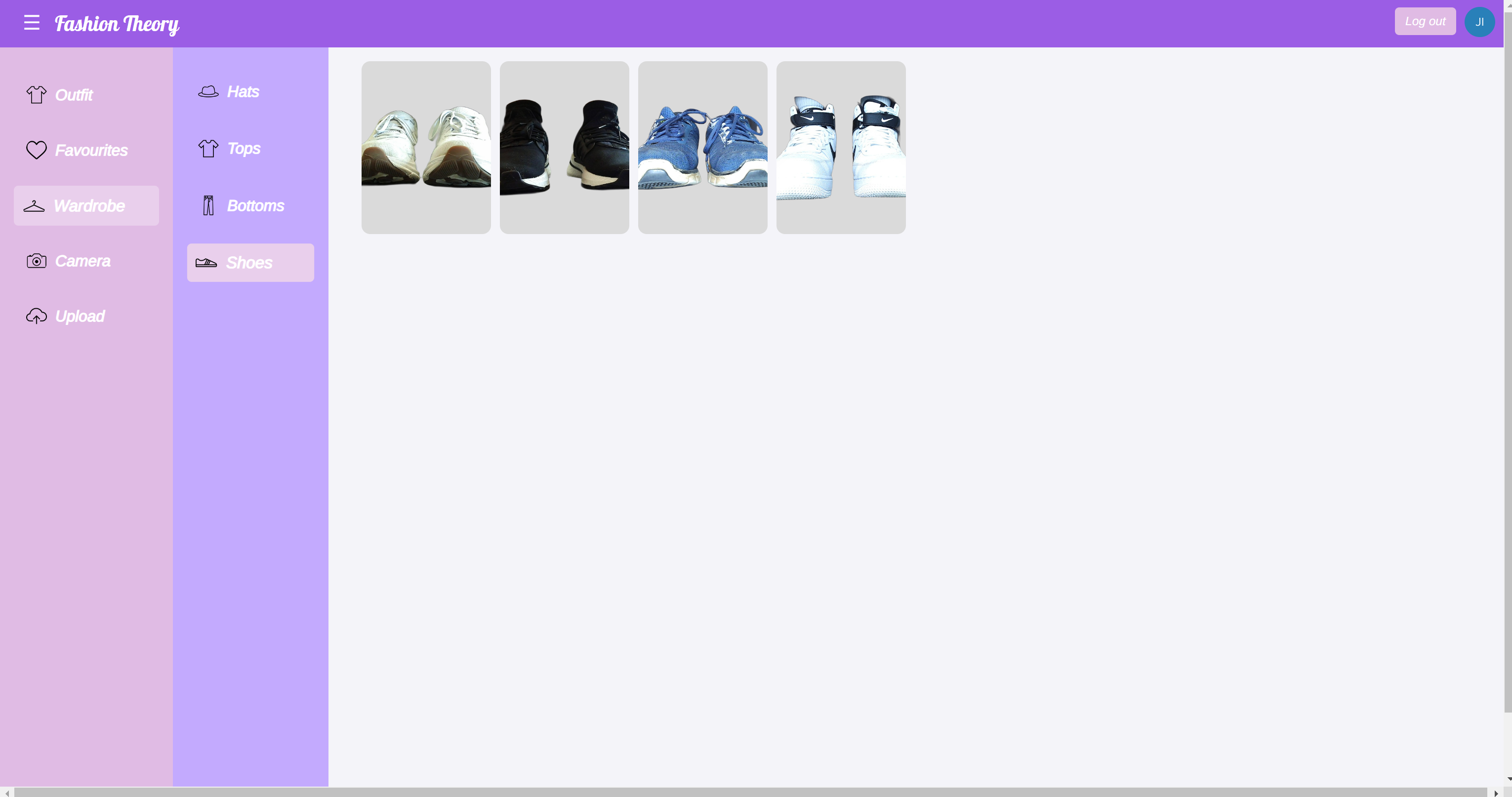
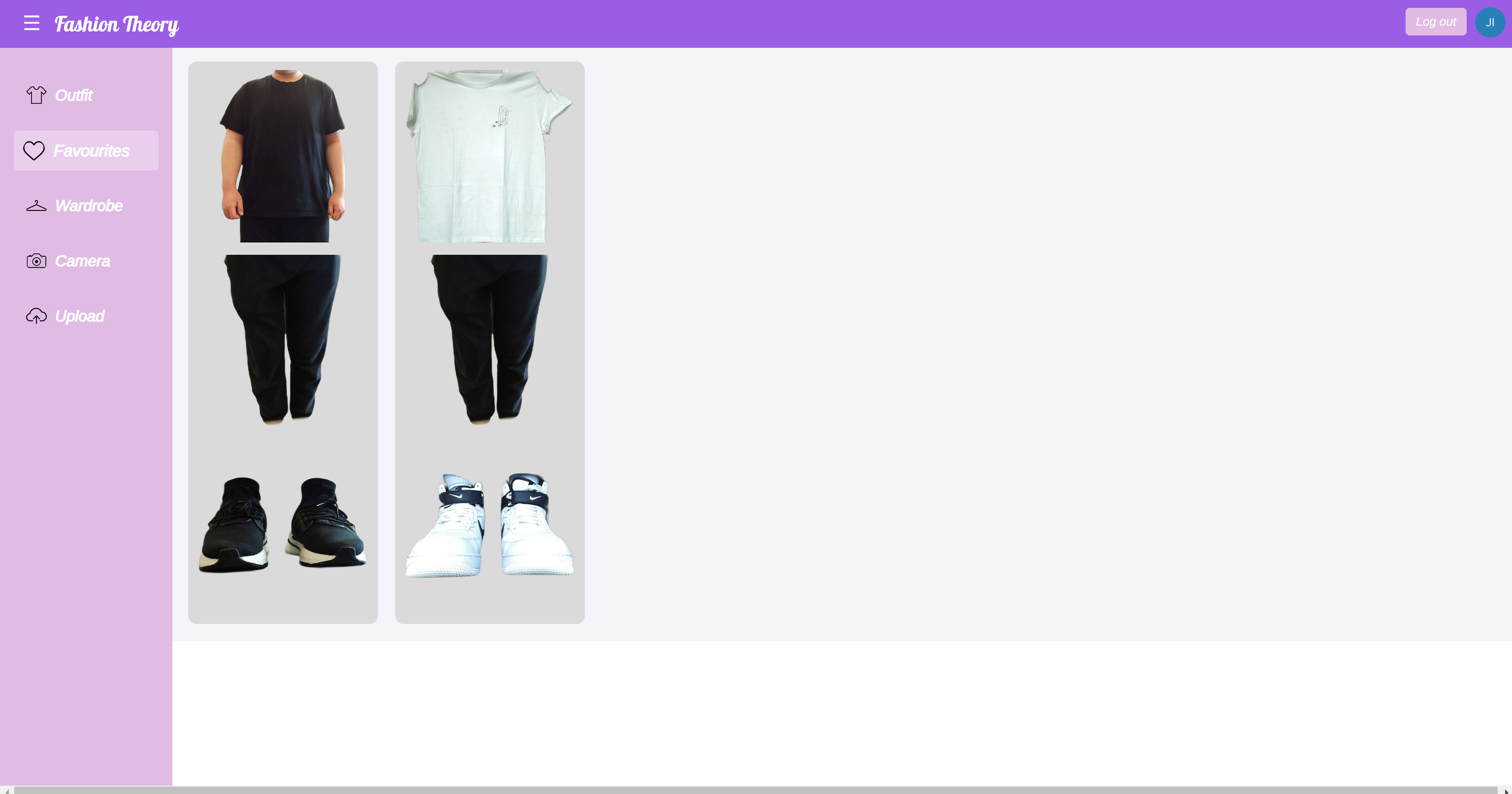
Fashion Theory is your personal wardrobe management tool that makes outfit selection effortless and fun. The app allows users to digitally organize their wardrobes, experiment with different combinations, and create new outfits using items they already own. With features like the "Outfit of the Day" generator, users can rely on smart algorithms to assess and curate stylish looks based on colour theory and user preferences. The app also encourages users to rediscover and reuse their clothing, promoting a sustainable and environmentally friendly approach to fashion by reducing the need for constant new purchases. Finally, Fashion Theory empowers users to make smarter purchasing decisions by allowing them to virtually try out new clothing options and see how well they complement their existing wardrobe, all before buying—helping to reduce waste in the process.
How We Built It
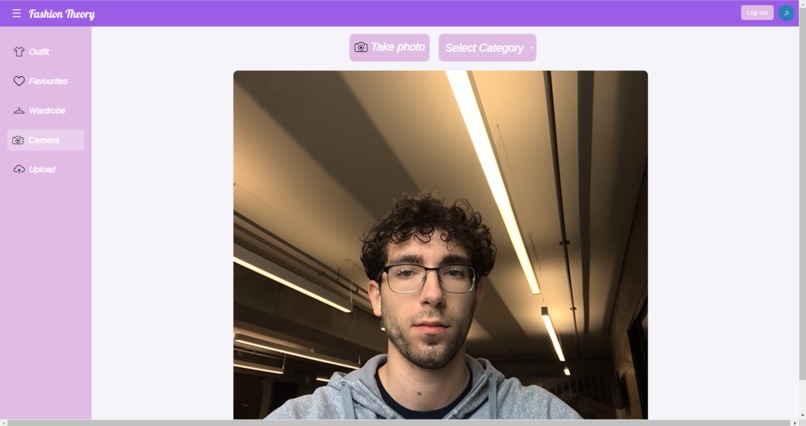
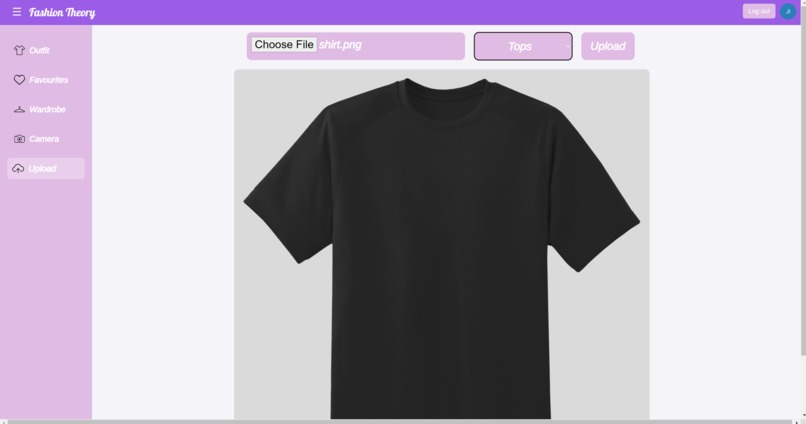
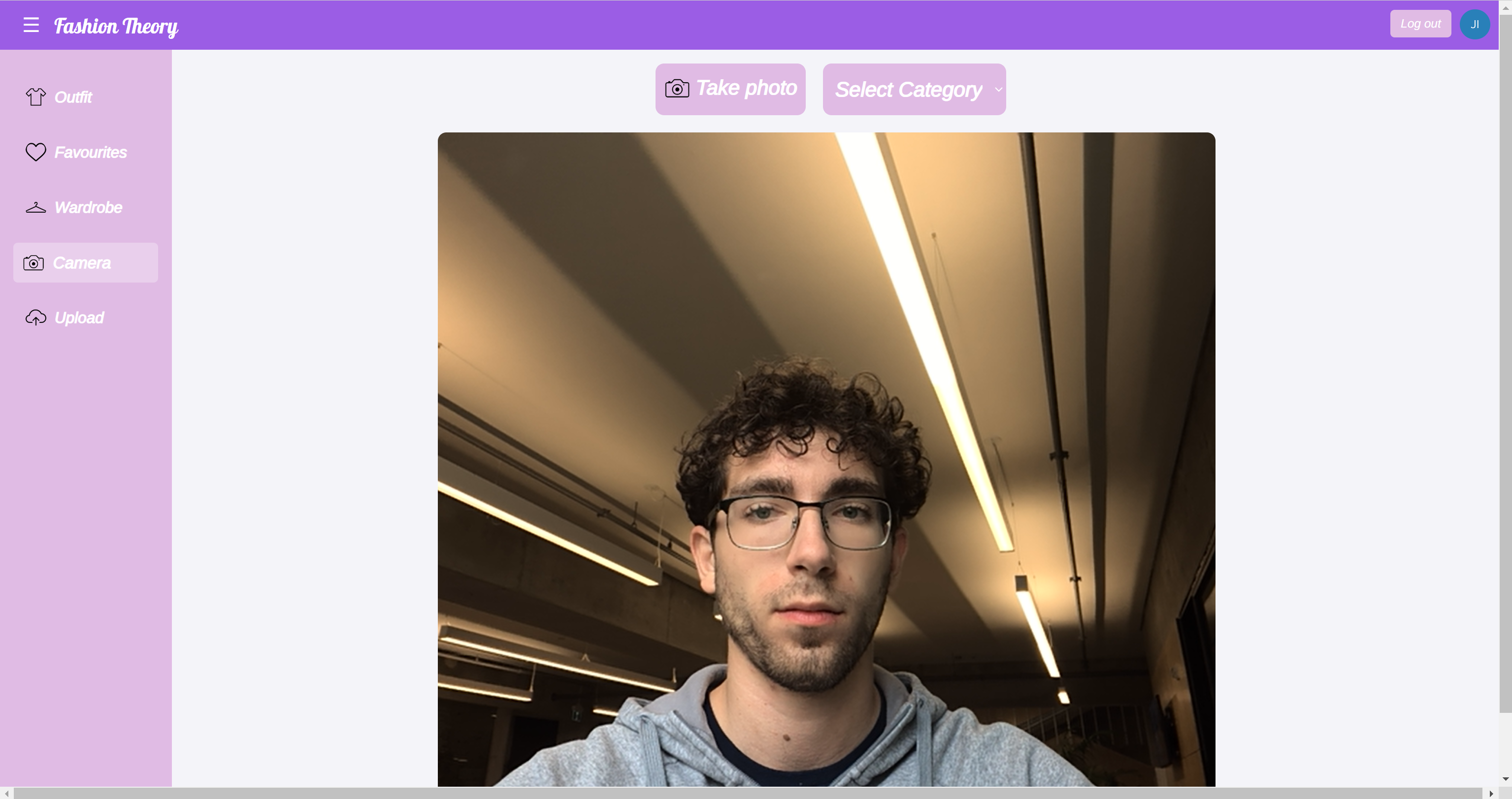
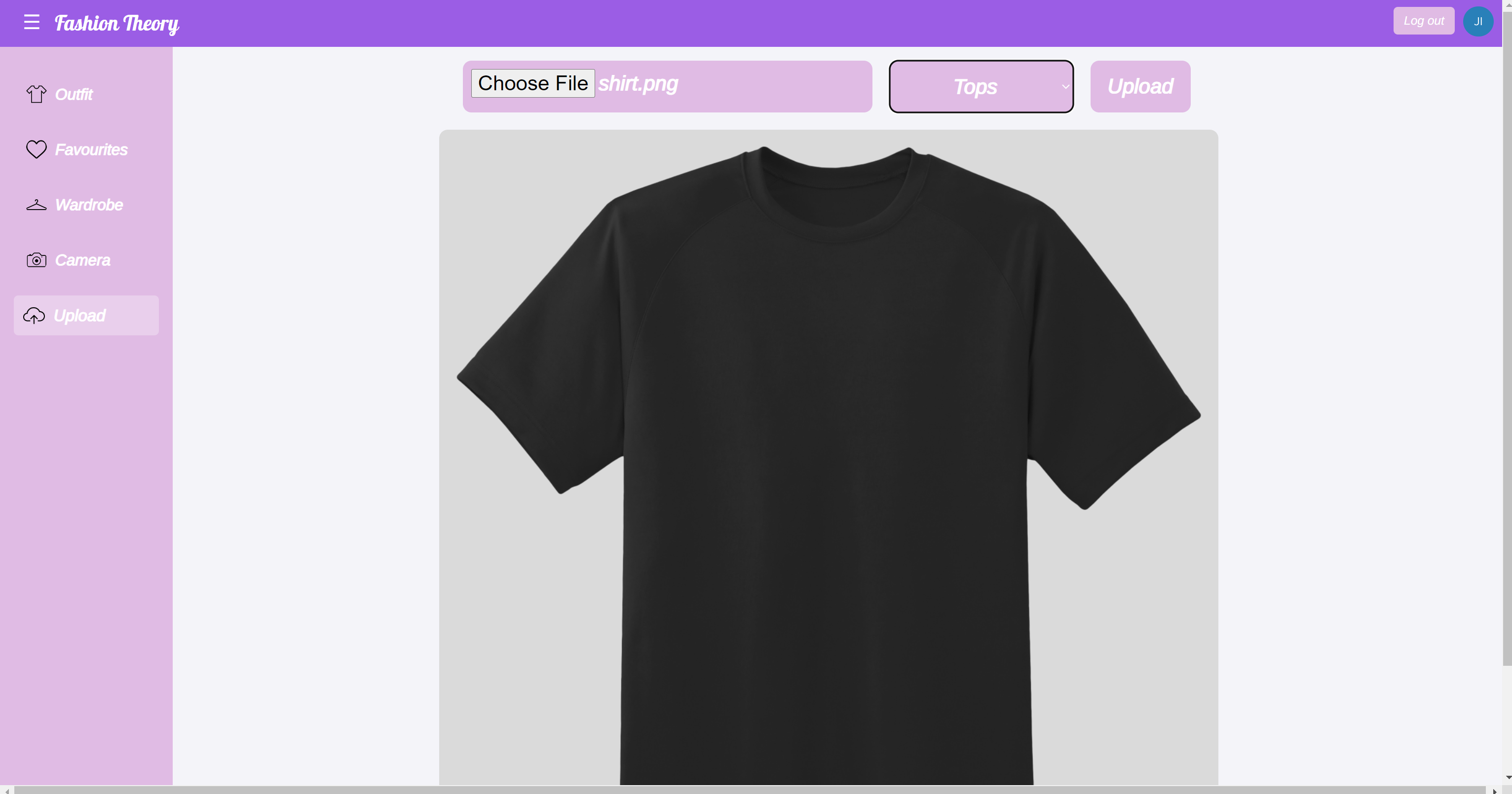
We built Fashion Theory using a combination of React for the front end and Python + Flask for backend functionalities. The app's UI was initially drafted in Figma to ensure a sleek and user-friendly experience. The entire design was then later realized using React. For the backend, we integrated APIs to manage clothing data, including a unique identifier (UUID) for each item and the ability to store, fetch, and display images dynamically. We utilized JavaScript for seamless data handling and communication between the front end and back end. Additionally, we implemented robust Python algorithms for features like the "Outfit of the Day" generator and the wardrobe randomizer, which take colour science and colour cohesion into consideration and pair clothing options that complement each other. Several image processing procedures and algorithms, such as the image background stripping logic, were implemented to ensure usable, reliable, and high-quality images. We also implemented Auth0 for secure access to the tool, where each user will have individualized access to stored data and usage history.
Challenges We Ran Into
One of the significant challenges we faced was ensuring that the UI was both aesthetically pleasing and intuitive to use, particularly when it came to the layout and navigation of the app. With functionalities layered on top of one another, we needed to make sure that transitioning from tab to tab was smooth and seamless—no small feat when working with React. Achieving this level of fluidity required a great deal of time, effort, and iteration, but ultimately, we were able to deliver a sleek and robust UI that met our high expectations. We also encountered challenges in managing the dynamic fetching and display of images from the backend, especially when integrating the UUID system for clothing items. Ensuring efficient communication between the front end and backend was another area where we invested significant effort, focusing on performance optimization and accurate data handling. Perhaps the most complex challenge we tackled was developing the core functionality of our project: the colour science algorithm that assesses how well different pieces of clothing match together. This required extensive research and careful tuning to ensure that the recommendations were both accurate and stylish. Despite the hurdles, we persevered and ultimately succeeded in building a tool that aligns with our vision for Fashion Theory.
Accomplishments That We're Proud Of
We're incredibly proud of having implemented a very fluid UI that perfectly aligns with the vision we initially set out to achieve. All the features we planned are fully realized, providing users with an intuitive and engaging experience. We overcame significant challenges in implementing various computing and processing algorithms, ensuring that the app not only functions smoothly but also delivers powerful features.
What We Learned
Throughout the development of Fashion Theory, we learned the importance of user-centric design and the challenges that come with creating a fluid and intuitive user experience using React. We also gained deeper insights into the technical aspects of working with colours and the science behind matching clothing.
What's Next for Fashion Theory
Looking ahead, we plan to expand Fashion Theory with features that further enhance user engagement and sustainability. This includes adding more advanced outfit recommendations based on weather, occasion, and personal style preferences. We also aim to integrate social sharing features, allowing users to showcase their outfits and get feedback from a community of like-minded individuals. In line with our sustainability goals, we may explore partnerships with eco-friendly brands to offer users suggestions for sustainable clothing options. Our ultimate goal is to make Fashion Theory not just a tool, but a movement towards more mindful and sustainable fashion. Next time, you might just pull out our handy Fashion Theory before buying that new jacket, as Fashion Theory can help you curate a stunning fresh look regardless of what you own!


Log in or sign up for Devpost to join the conversation.