-
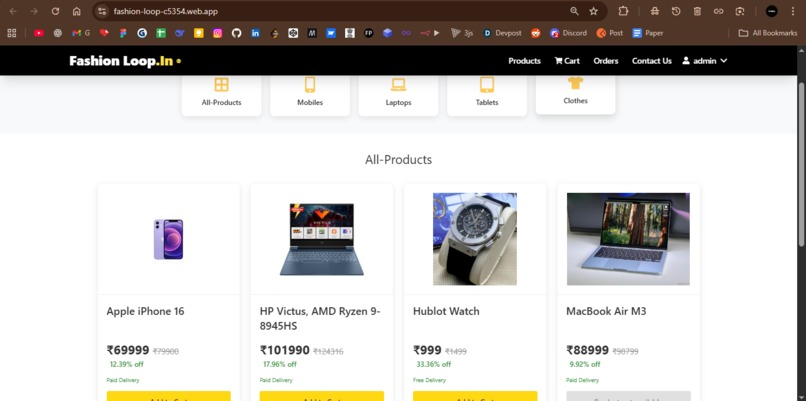
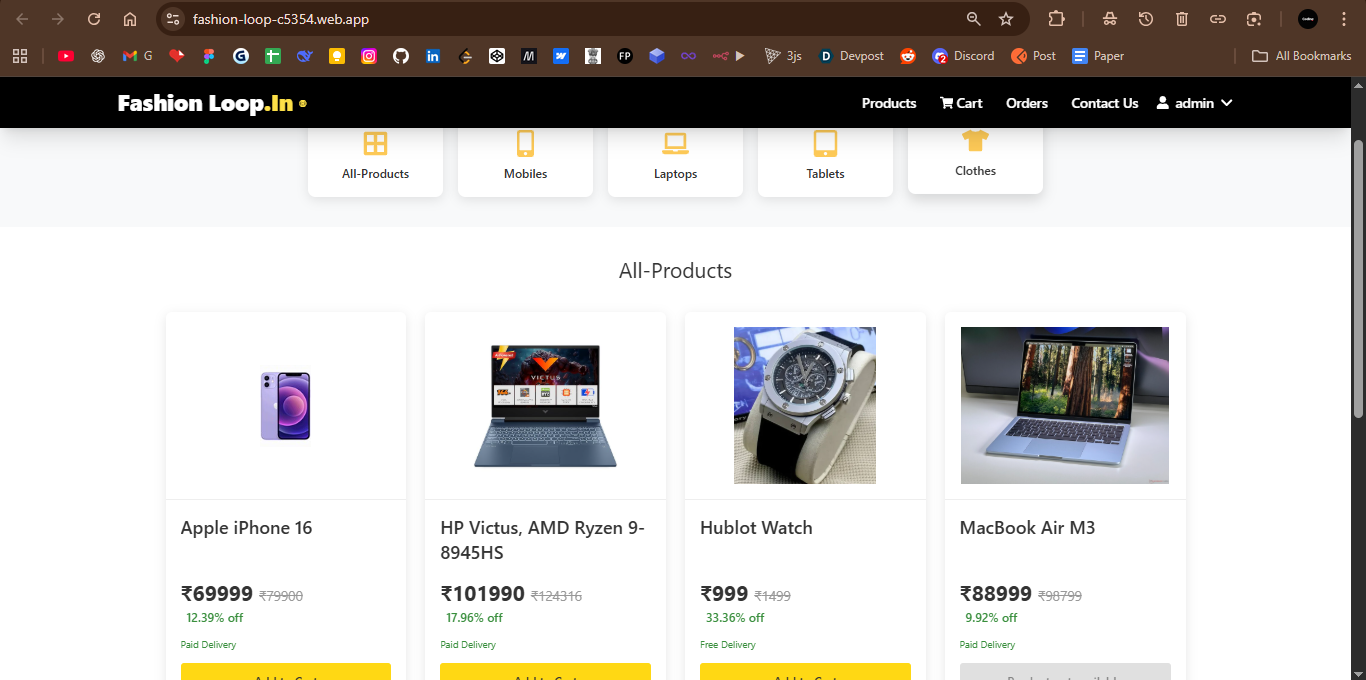
Home Page
-
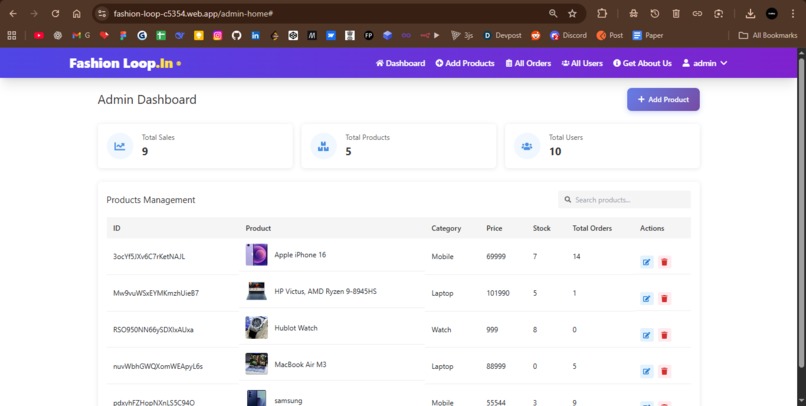
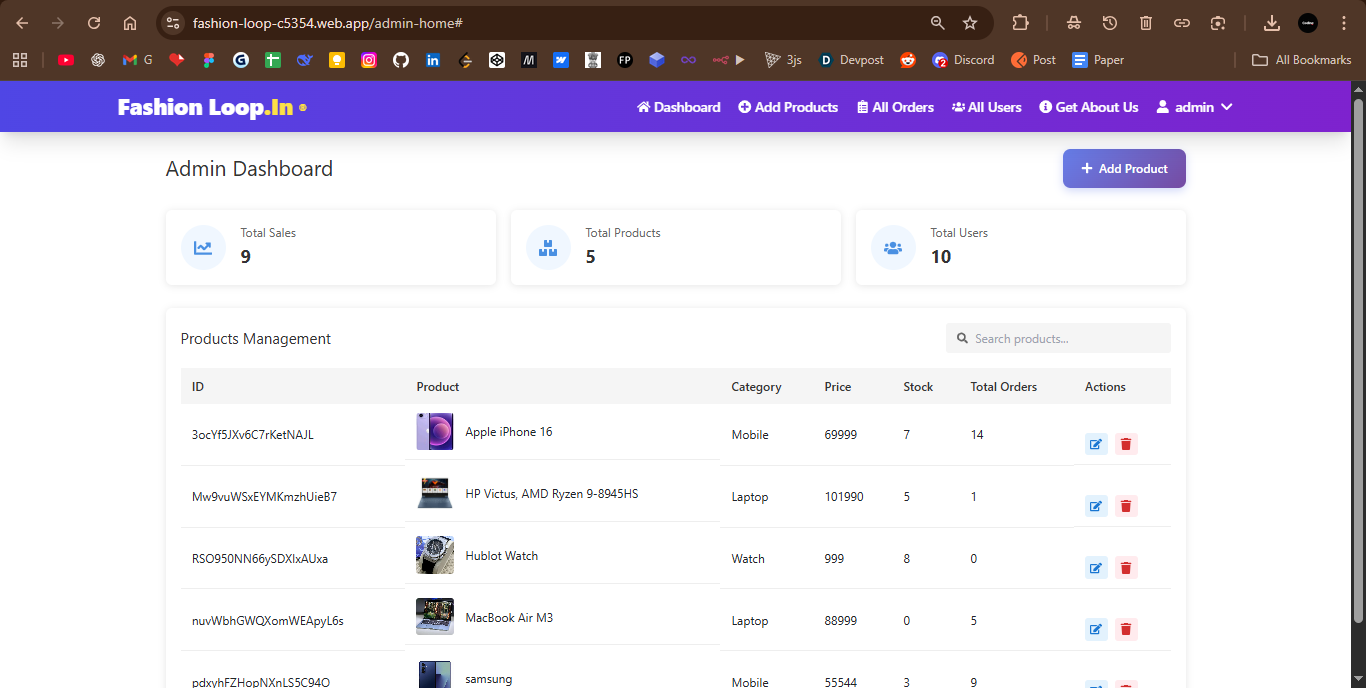
Admin Panel{for admin panel login with this email and password
Inspiration The idea for Fashion Loop came from noticing how quickly fashion trends change, yet how difficult it is for shoppers to keep up without spending hours browsing multiple stores. We wanted to create a platform that makes it effortless to discover the latest styles while also promoting sustainable fashion choices. Our goal was to build a website that feels fresh every time you visit — like a personal stylist who knows your taste.
What We Learned Through this project, we deepened our knowledge of: Frontend frameworks like React for building responsive, dynamic pages. E-commerce workflows, from product display to checkout flow. Responsive design principles, ensuring a smooth experience across devices. Deployment tools like Netlify/Vercel for rapid project hosting.
We also learned how important user experience (UX) is for online shopping — even small delays or poor navigation can reduce engagement.
How We Built It Design: We started with wireframes in Figma, focusing on clean layouts and big, bold imagery. Frontend: Built with React, styled using Tailwind CSS for rapid UI development. Backend: Simulated with Node.js + Express, storing product data in a JSON file. Features: Implemented a product search, category filters, cart system, and wishlist. Deployment: Deployed on Vercel for instant access and demo purposes.
Challenges We Faced Time constraints: Balancing design, coding, and deployment in limited time. Responsive design quirks: Making sure product grids looked perfect on mobile and desktop. Feature prioritization: Deciding which features to ship in the MVP without overcomplicating the build.
Final Thought Fashion Loop isn’t just a store — it’s a digital experience where trends, convenience, and style come together. And just like fashion itself, it will keep evolving.


Log in or sign up for Devpost to join the conversation.