-
-
Fashable
Inspiration
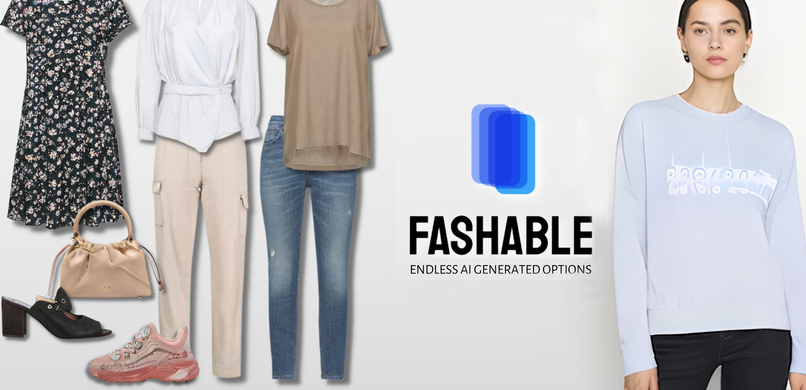
Fashable is here to revolutionize the fashion industry with AI. Unsustainable manufacturing, unsold inventories, and long production cycles are common issues in fashion. But according to Orlando Ribas Fernandes, Co-Founder and CEO of Fashable, they can all be solved with the help of technology. Using Azure Machine Learning, an enterprise-grade service for the end-to-end machine learning lifecycle, and PyTorch, an open-source machine learning framework, Fashable created an AI algorithm that can generate original clothing designs and content, helping fashion companies and new brands to meet customer demand, get to market faster, and reduce clothing waste.
Fashable wants to be the key AI reference for the Metaverse and Physical worlds, and be the bridge also between these worlds where our digital assets created on Fashable for Metaverse or others, can also turn into real ones in the physical world with the support of our partners brands and manufactures.
What it does
Creating a new fashion collection takes lots of time, money, and material. Fashion trends are unpredictable, making it hard for designers to know if their inventory is going to sell.
Fashable removes much of the labor and guesswork. Its AI is composed of different neural networks that ingest data from multiple sources like social media or commerce and retail sites to learn about trends, styles, and clothing types. The models are constantly learning what’s in fashion versus what’s out and can visually augment the digital design in real-time, like shortening the sleeves of a dress or changing a pattern from stripes to polka dots.
Designers can take these creations to social media to A/B test directly with customers, helping them gauge interest and forecast demand before going into production. Where it used to take months to get a new collection from design to department store, with Fashable it now takes minutes. Designers can create innovative pieces, market them directly to customers, and forecast demand without wasting a single scrap of fabric.
How we built it
The Fashable AI application can create dozens of original AI-generated clothing designs and content for e-commerce and social media in minutes, without the need for actual material or photos. When we started working in our AI technology, one of our requirements was to have a platform and a deep learning framework that aligned with our vision and strategy. We wanted a platform that could give our team the required tools to explore new innovative frontiers. That was the case with PyTorch and Microsoft Azure Machine Learning.
We created our own AI model using IP architecture, techniques and tools, using PyTorch and Azure Machine Learning. PyTorch on Microsoft Azure is optimized for deep-learning workloads without the need for tedious environmental set-ups. Azure Machine Learning delivers massive GPU support alongside native integration and interoperation, freeing the organization’s research team from having to set up complex environments for building and deploying image-based models.
Challenges we ran into
DDP was the last big challenge that we run into, but we had a great support from Microsoft AI Black Belts and META AI teams. Currently, we need to scale our AI technology for new use cases and most important a very appealing interface for the customers and users.
Accomplishments that we're proud of
During the last 2 years, our very small team build a unique powerful AI tech that can change a status-quo in the fashion industry. we did a lot with less and I believe that we have one of the best AI teams in the world because we achieve results that others with 'unlimited' resources didn't achieve.
In a very period of time, we start working with some fashion brands and influencers. we were featured in some interesting publications like BoF, Vogue, among others..
What we learned
Innovation never stops.. and we still have a lot to do.
What's next for Fashable X
Currently, we need to scale our AI technology for new use cases and most important a very appealing interface for the customers and users.


Log in or sign up for Devpost to join the conversation.