
Inspiration
Our inspiration came from a restaurant called Olmsted, whose restaurant owner, Greg, took a more intentional, sustainable approach to food buying. He'd often visit his friend who was a vendor at a closeby farmers market and buy excess items left over from the day. Greg would then take that extra produce and create a new dish the next day with it.
Greg's intentional, community-relationship-oriented approach serves as a model for a great opportunity in reducing food waste, while allowing restaurants to access low-cost food products.
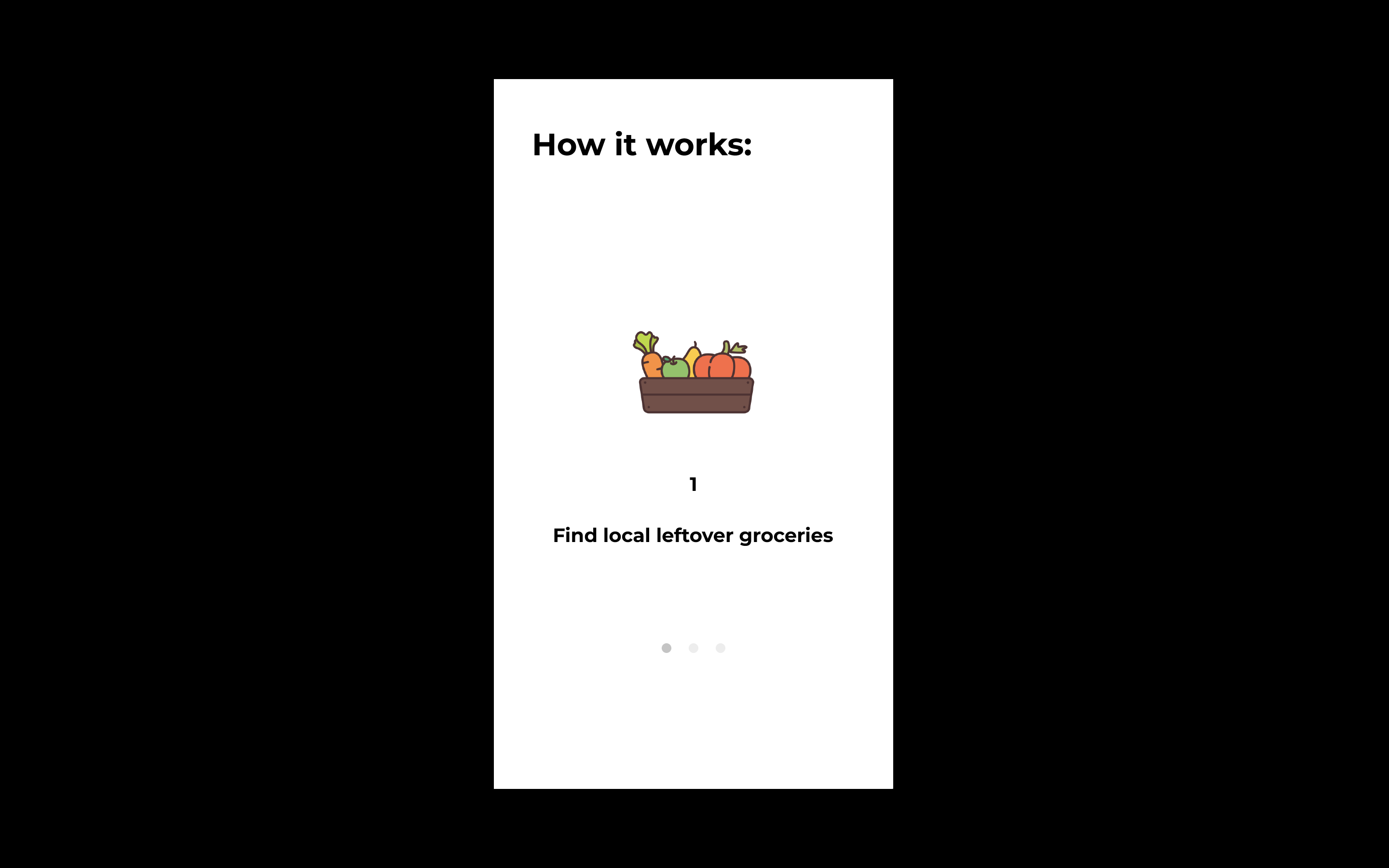
We asked: How can we create an easy way to connect any restaurant to market vendor's with excess food? It takes time, energy, and luck to already have a friend working as a vendor to get low prices. We thought FarmFlip could build that bridge and in turn, reduce food waste, while increasing accessibility to low-cost produce options.
What it does
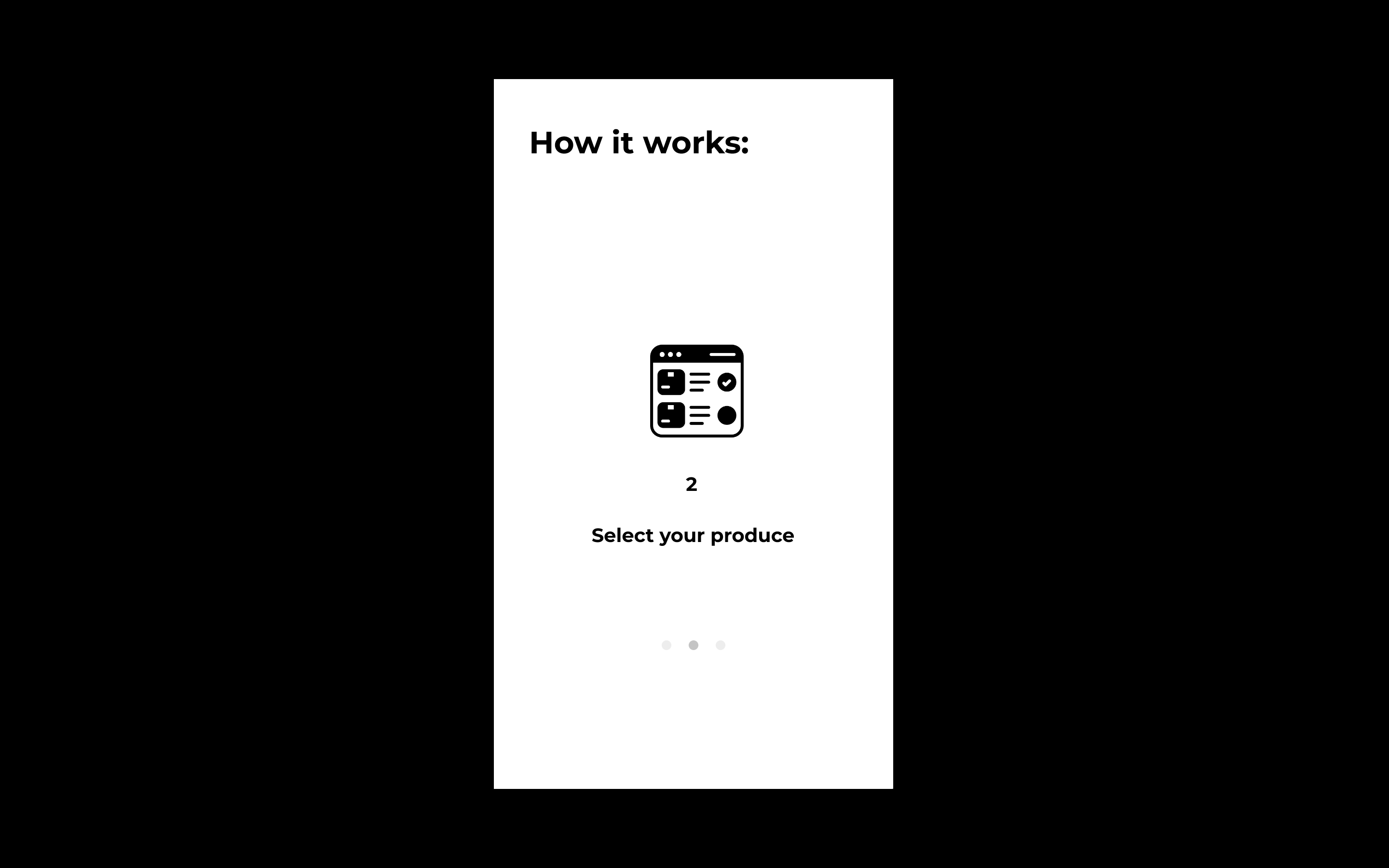
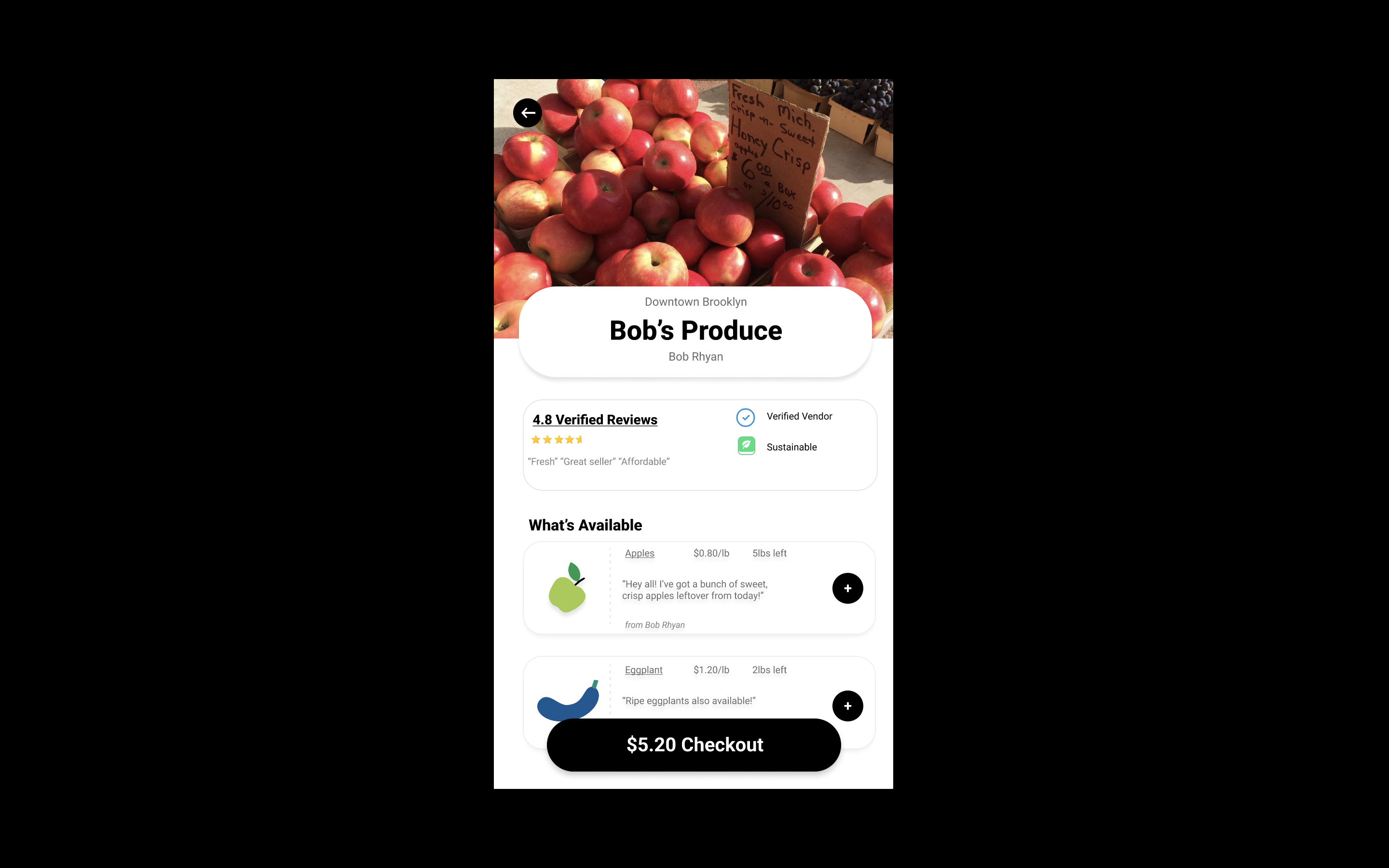
FarmFlip is an app where farmers market vendors can post, price, and sell their excess food to local restaurants. They have their own business dashboard, where they can upload pictures, prices, quantity, and a personal note about the produce after they've finished their regular selling hours.
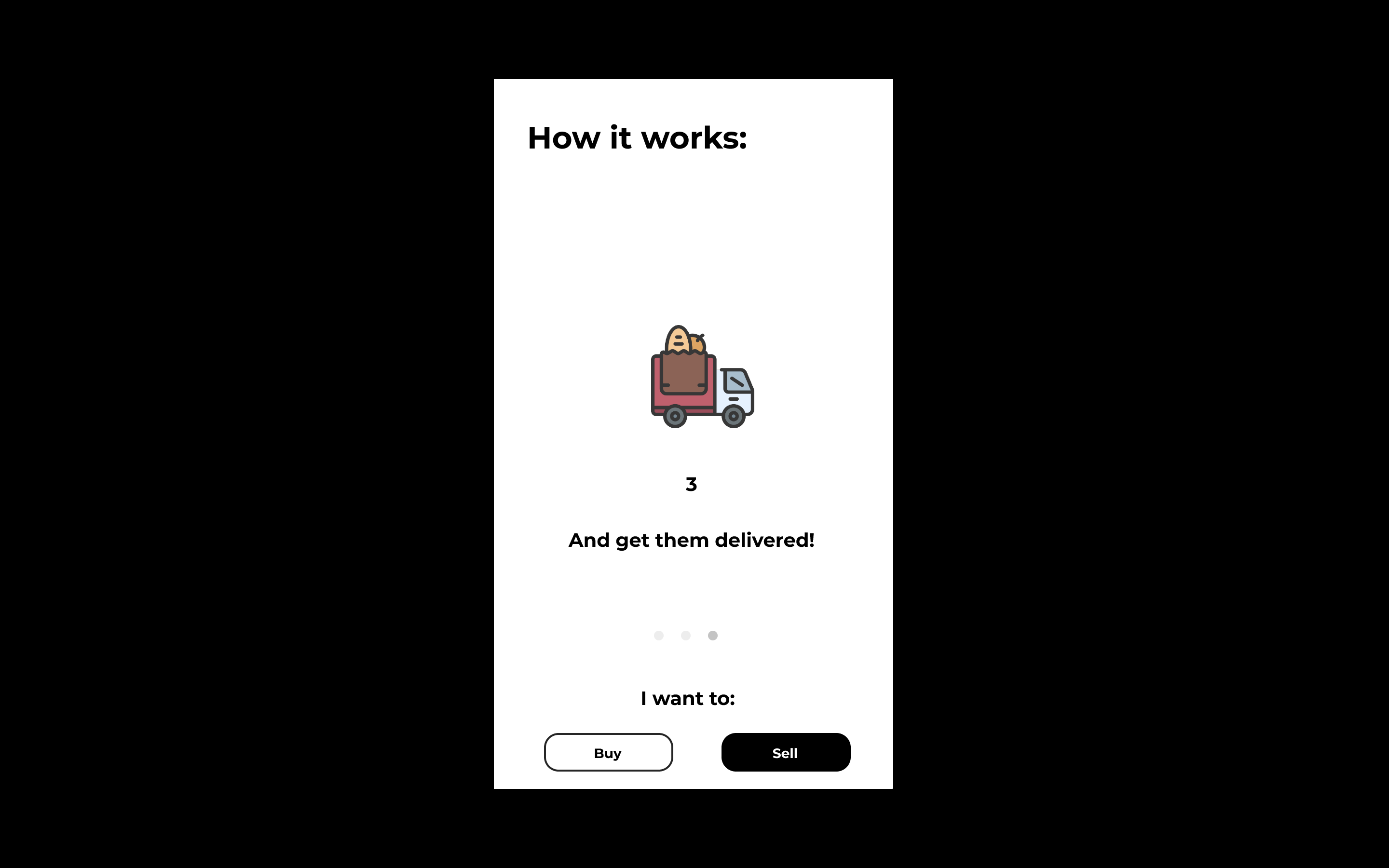
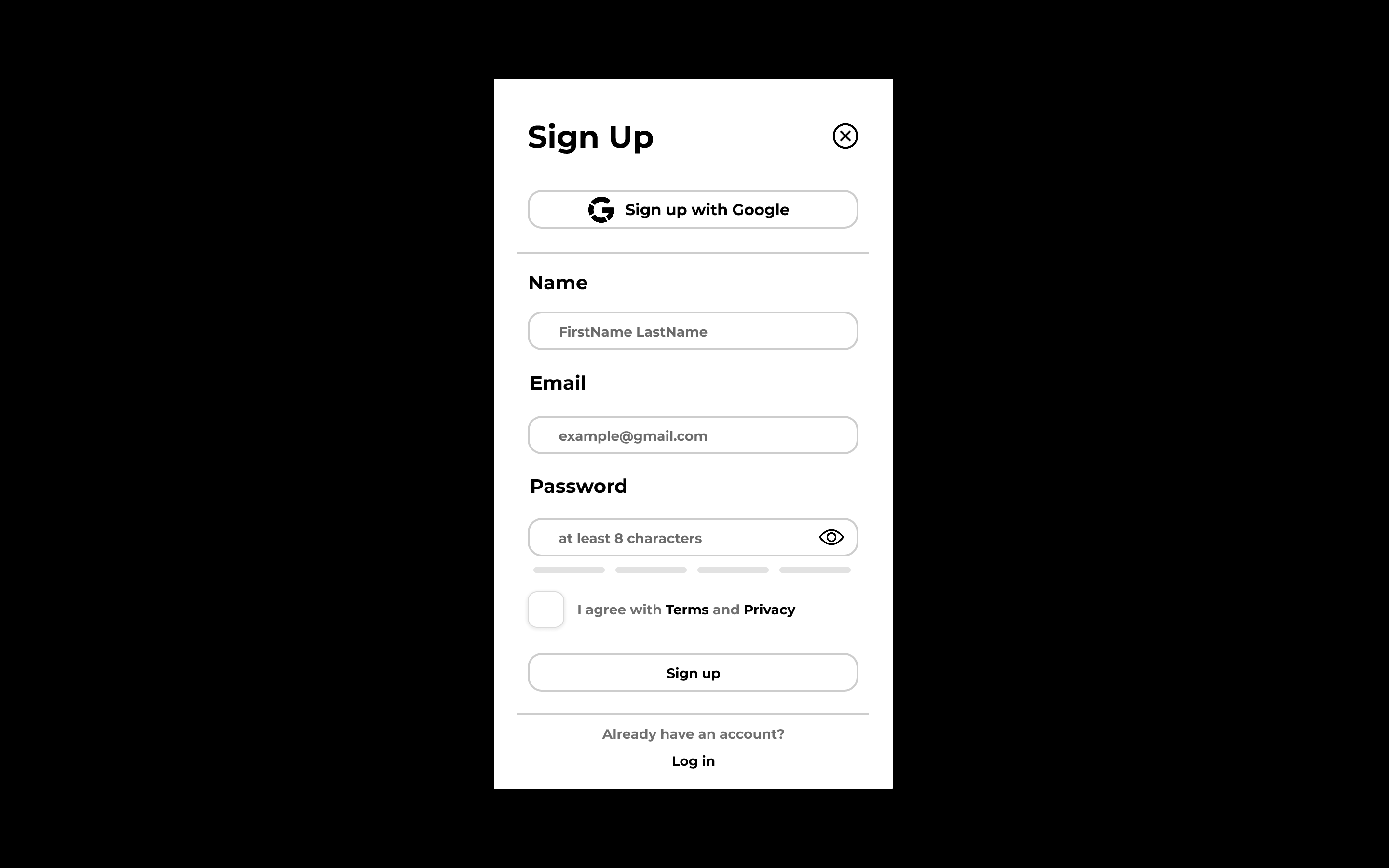
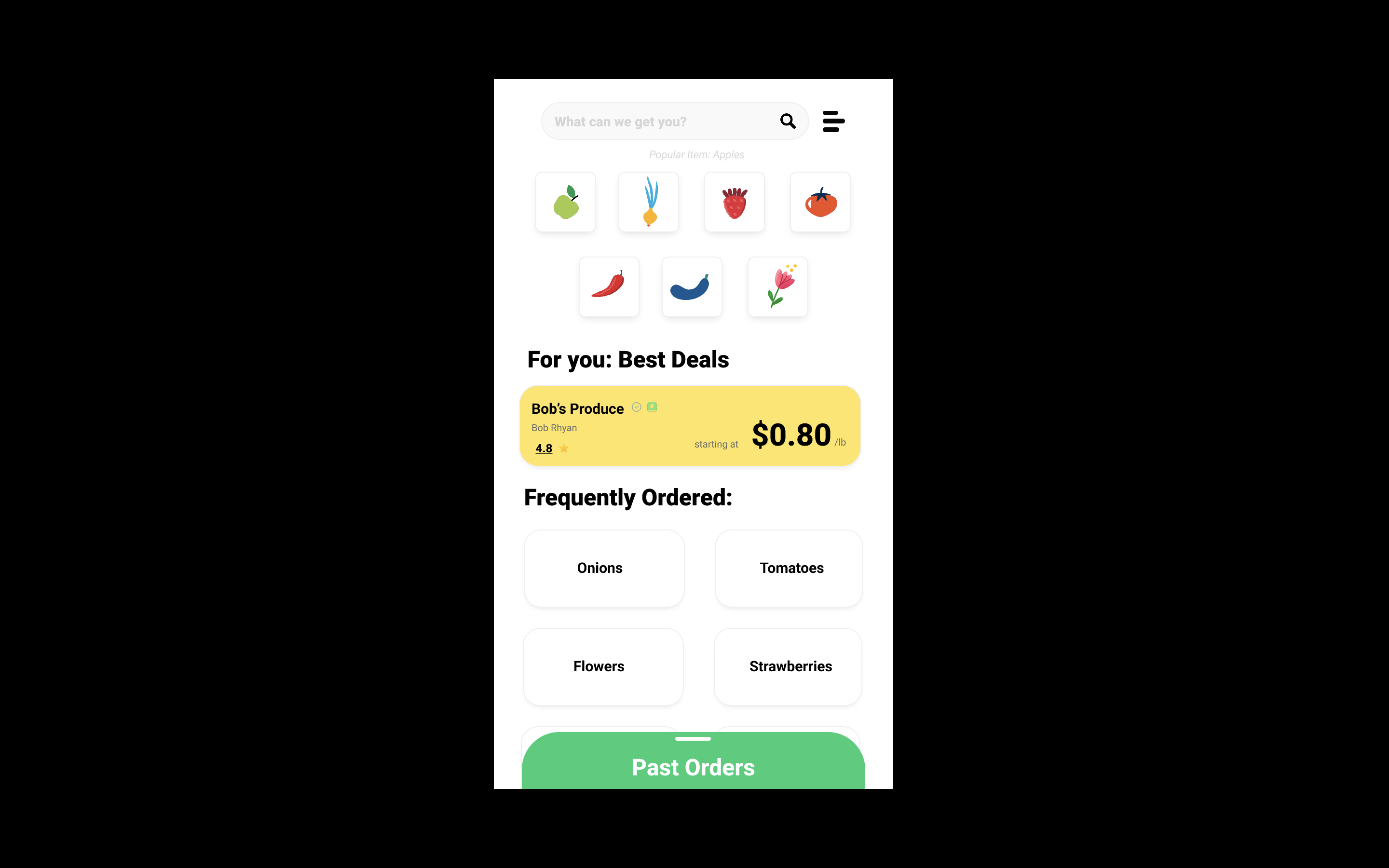
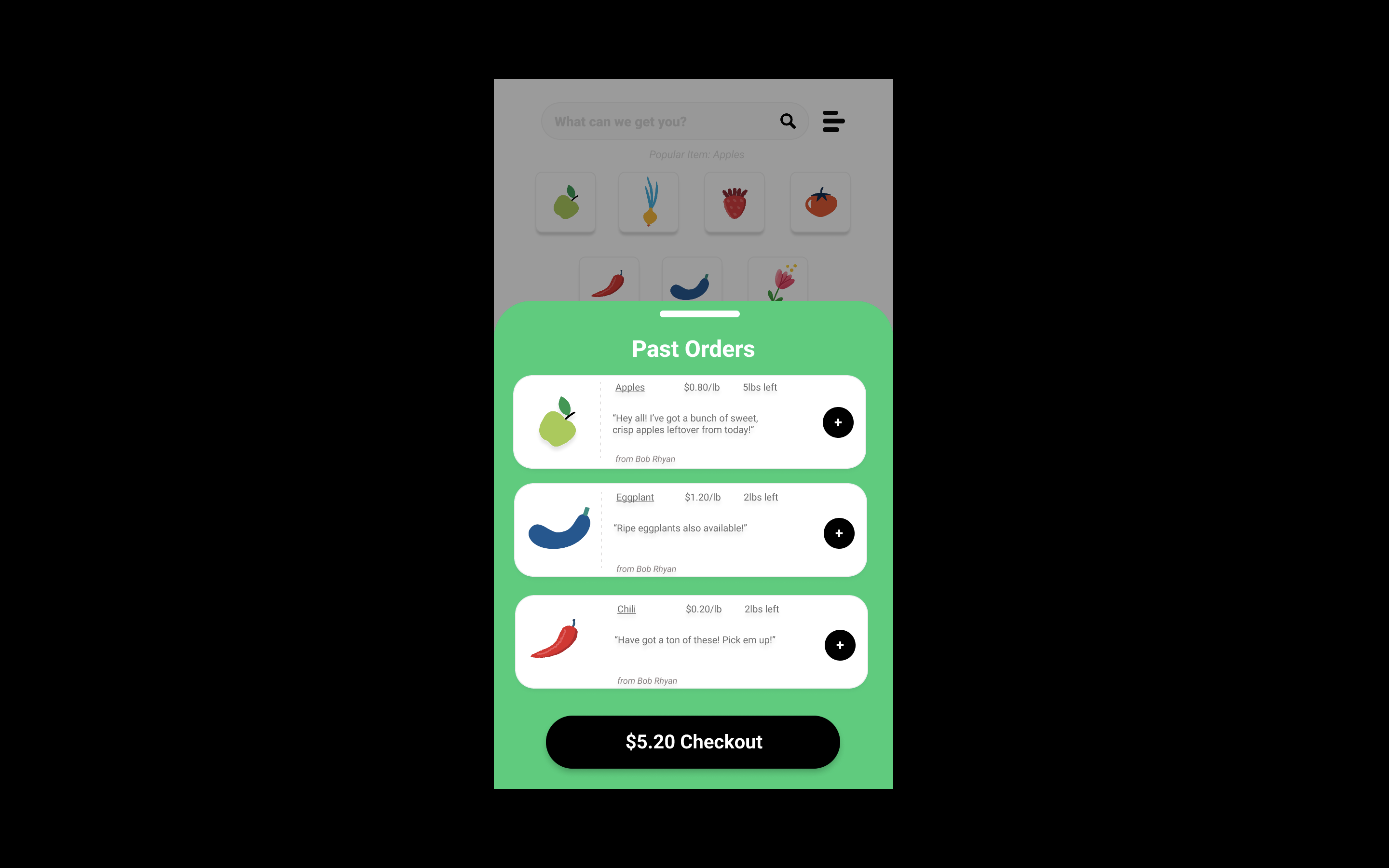
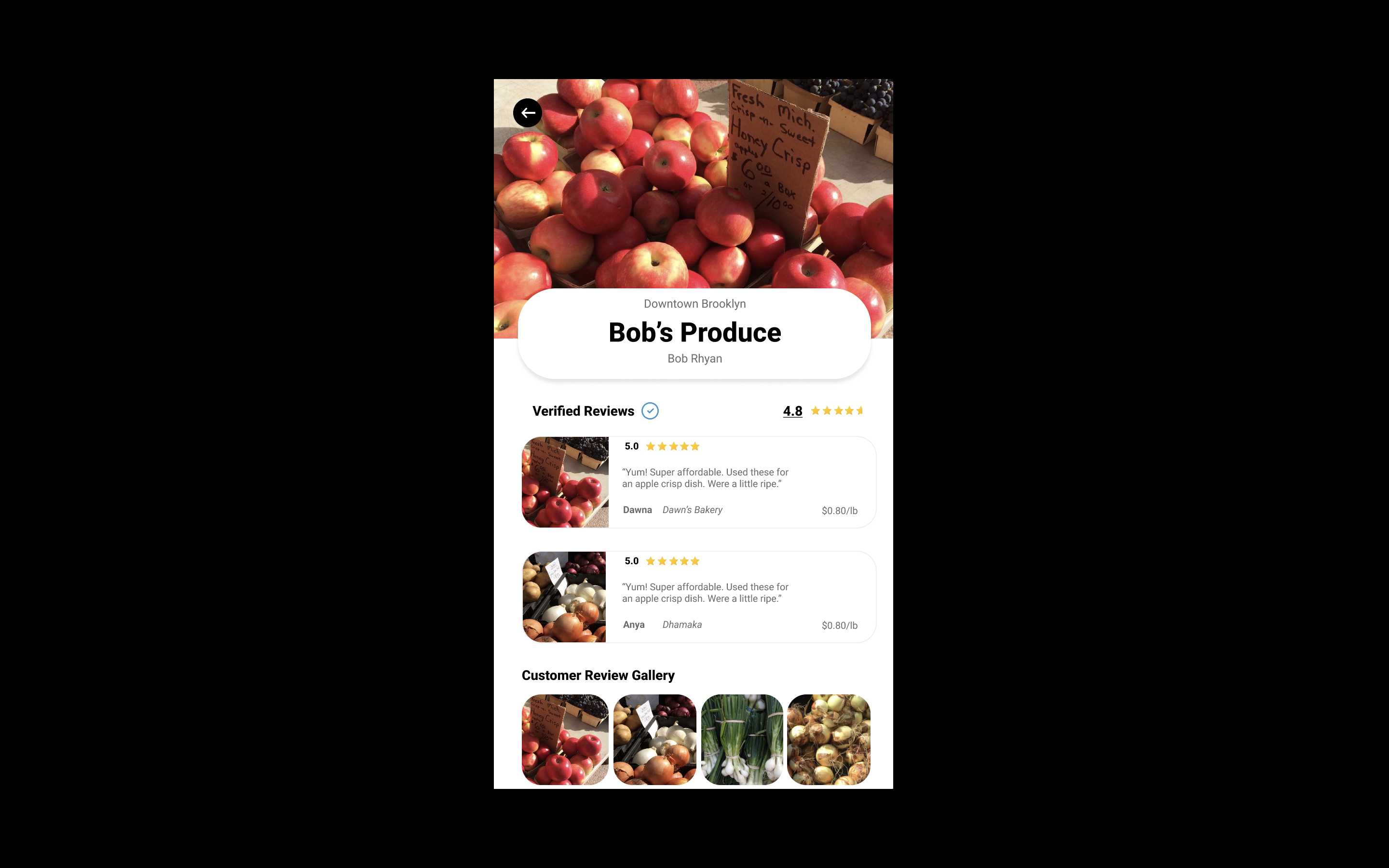
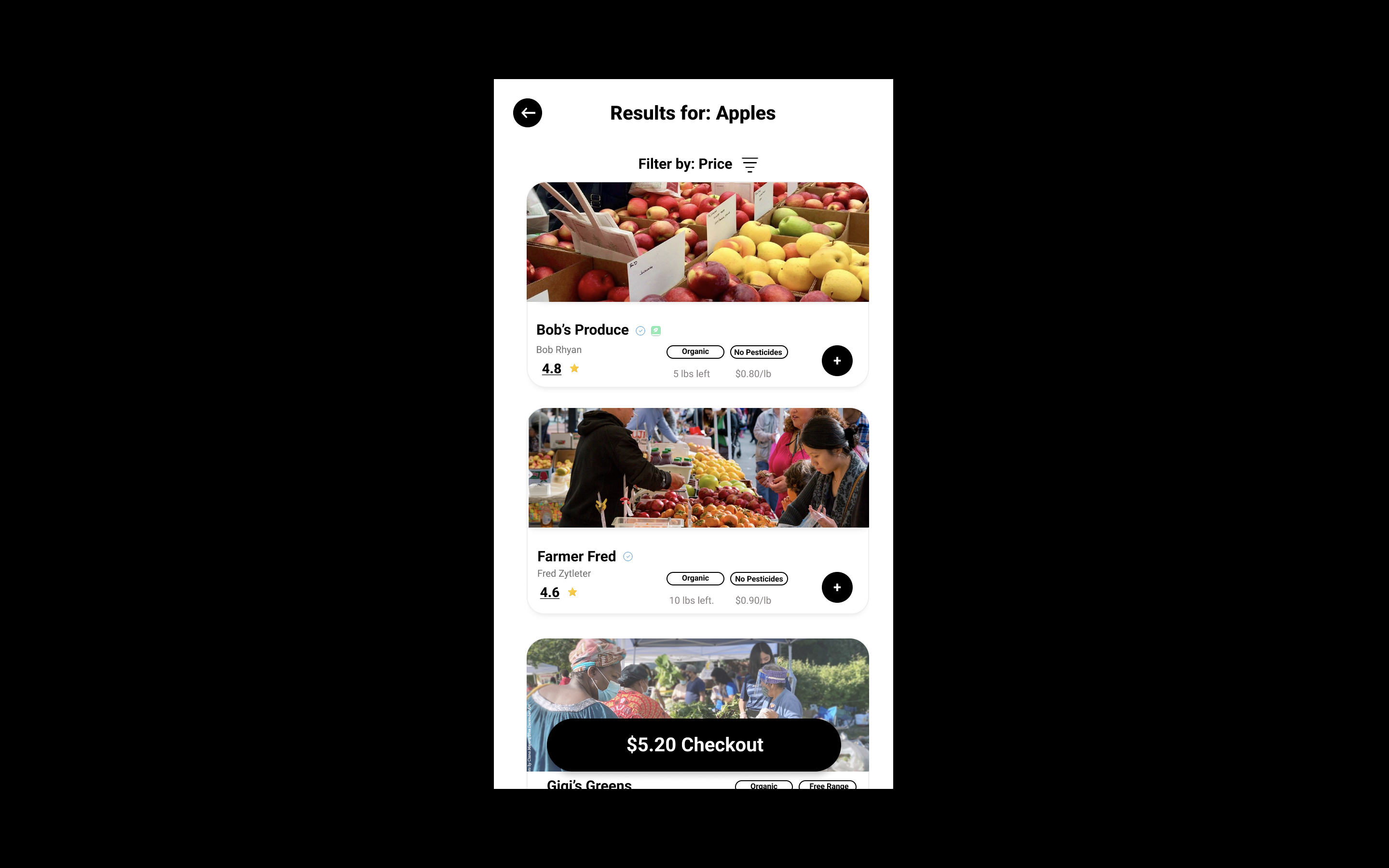
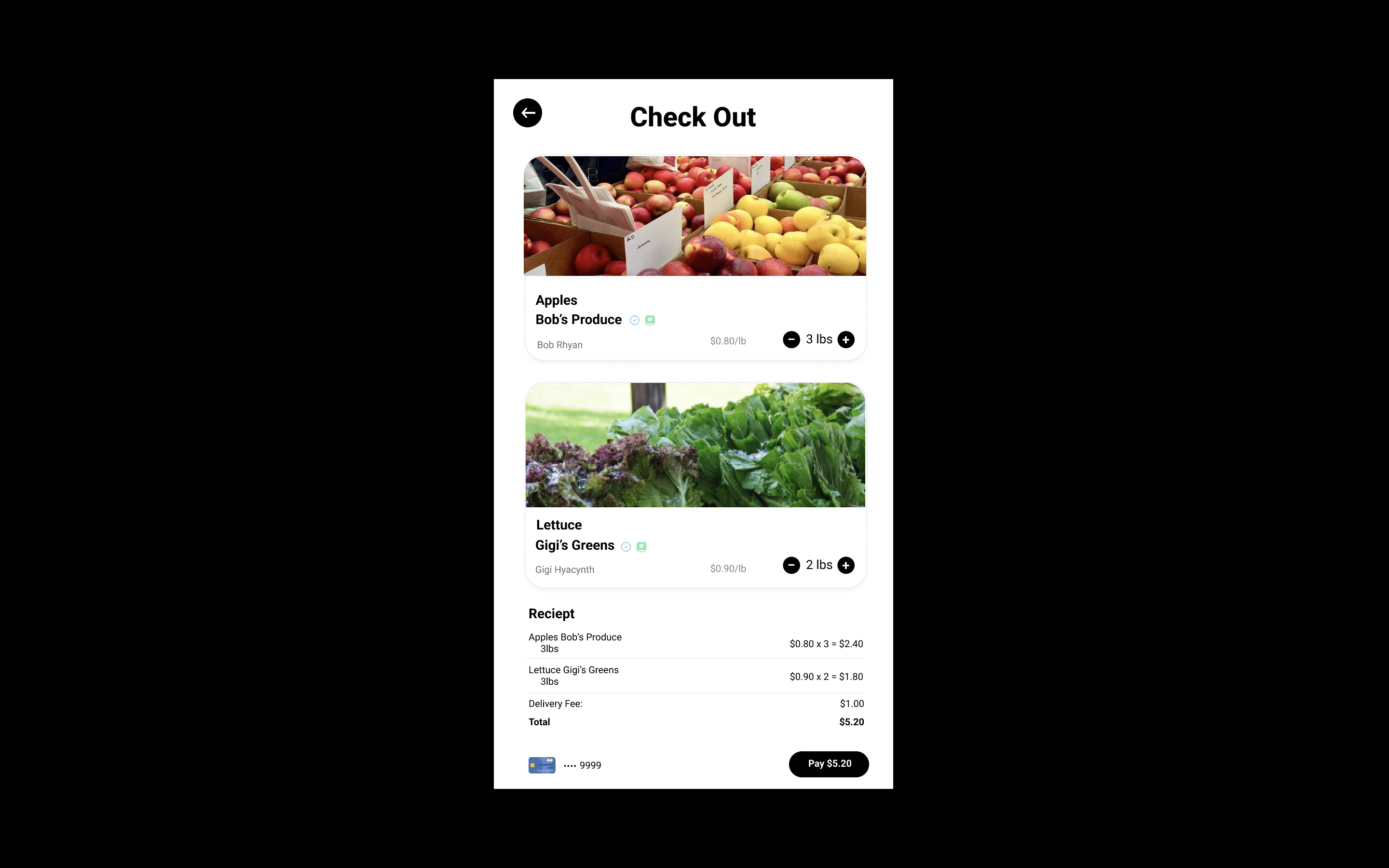
Users like local restaurants can login to the app and see what has been posted for the day, discover new farmers market vendors, reviews about the business, and choose what they'd like to order. They can also post reviews and pictures. Ultimately, FarmFlip creates a reliable, trustworthy, and personal experience in buying excess produce.
How we built it
We started out with random ideas, challenges we faced personally, and crinkled paper sketches.
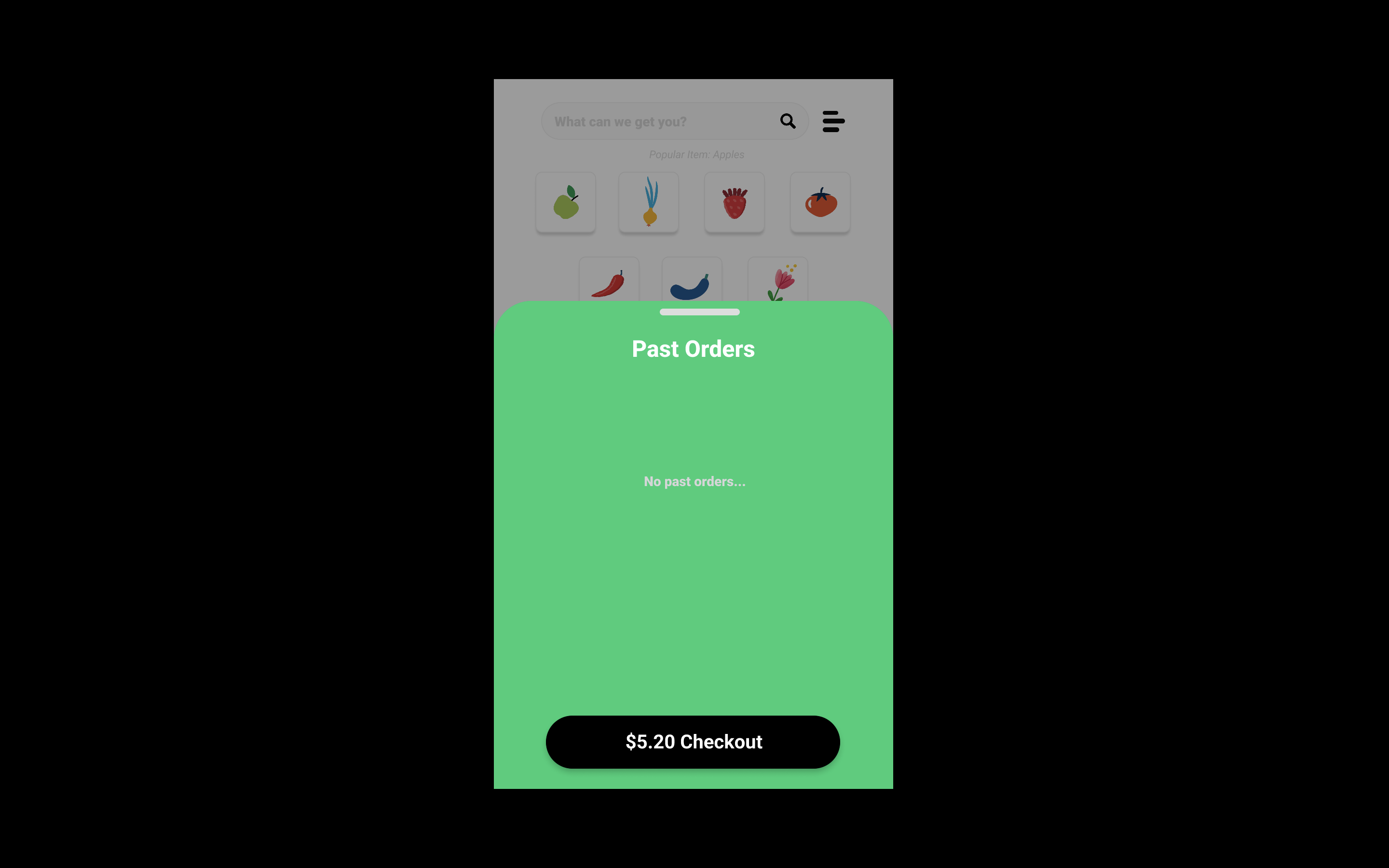
Eventually we used Figma to create a mockup of FarmFlip. :)
Challenges we ran into
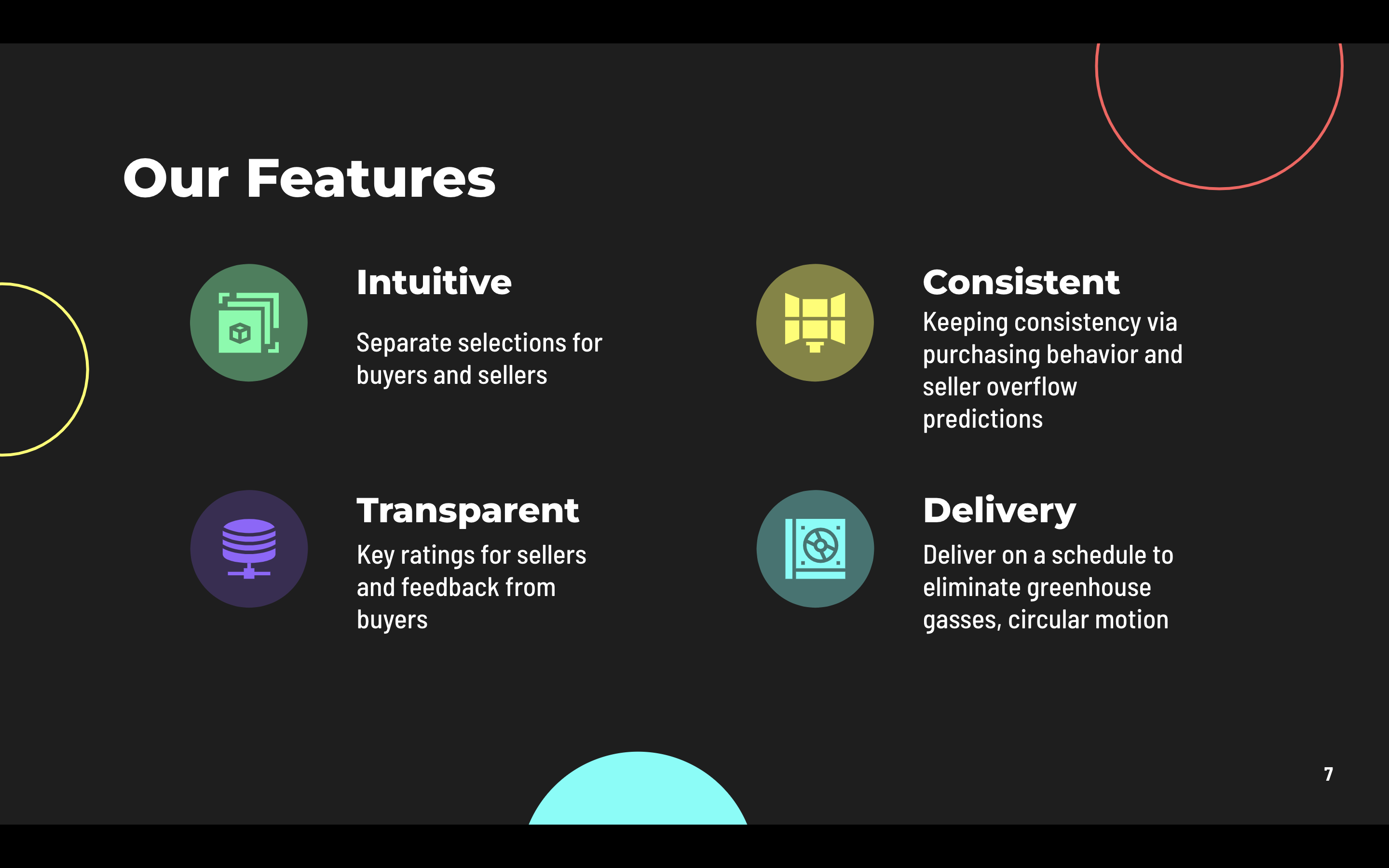
Posing one solution -- the FarmFlip service -- was a solution which brought on greater challenges and more questions which prompted us to think about technical and logistical business solutions. These related to questions like: How can we make this a trustworthy and "worth-it" service? We did this by adding verified buyer reviews which are required for at least one of your purchases as a user. We also added "badges" for business profiles, letting users know the rating and of quality of that vendor.
Another challenge we faced was answering the question of: How can we make this super easy and intuitive to use? We answered this by relying on our own experiences, and though a similar layout to food-delivery apps would be a great way to introduce familiarity with FarmFlip.
Accomplishments that we're proud of
We are super proud of our business profile pages! We think the layout is simple, and easy to look at, while establishing trust in the user -- while creating a more personal experience with the market vendor, when they read personal notes from the market vendor themselves!
What we learned
We learned about the user experience and their pain points: namely, introducing a produce which inherently might have a negative connotation for being low-cost or low-quality. We did a lot of design and discussion work to understand how we can bring a trustworthy and reliable experience to both market vendors and restaurants.
What's next for FarmFlip
We'd love to integrate an inventory stock feature for restaurant users! It would have all the stock of different produce, and when it is getting low, FarmFlip would automatically generate a list of recommendations for available stock of that produce!
Built With
- figma

Log in or sign up for Devpost to join the conversation.