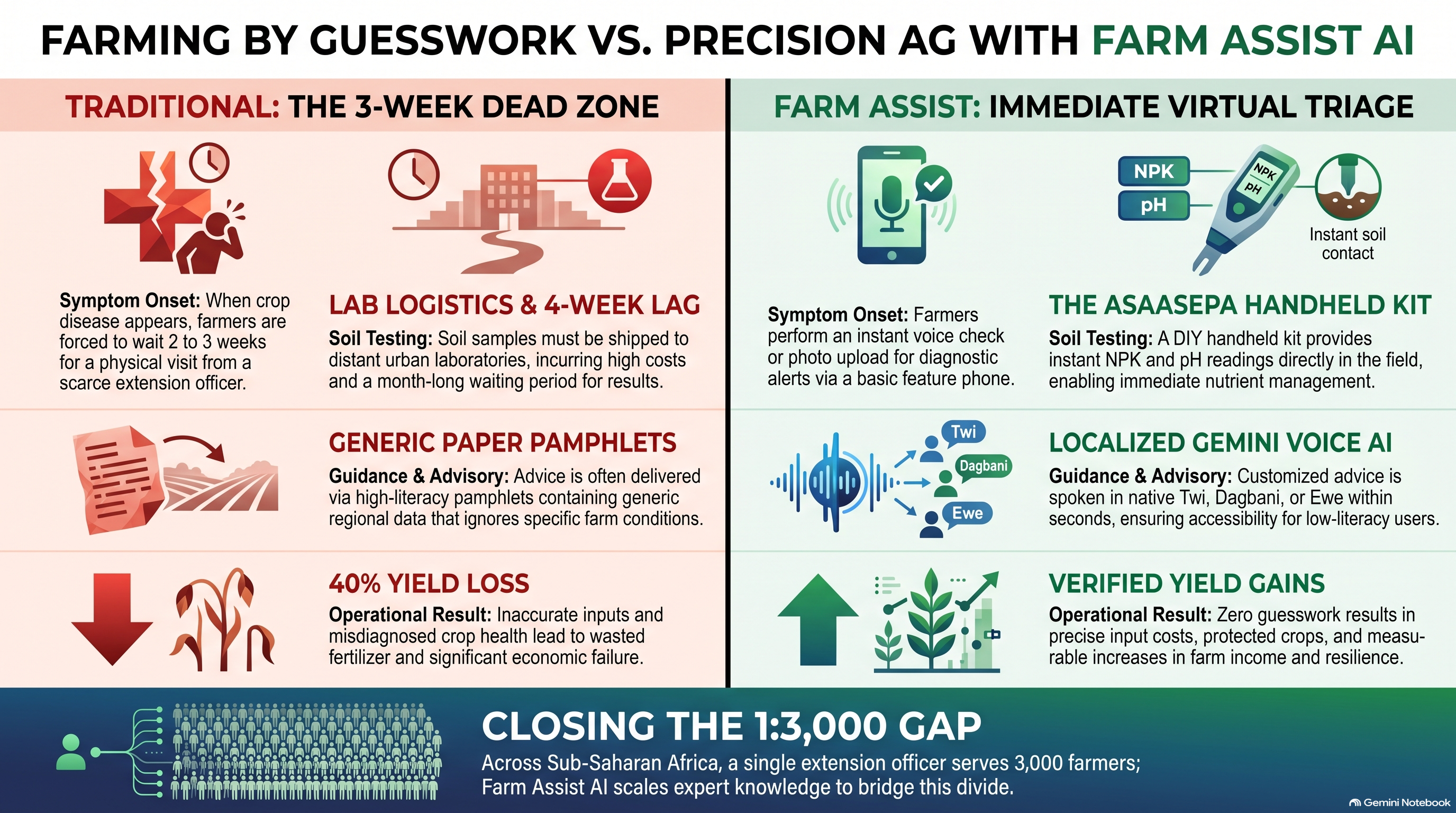
Inspiration Farm Assist was inspired by the painful reality that African smallholder farmers lose up to 40% of their yield to preventable issues simply because they lack timely expert advice. One story that stayed with me was a Kenyan farmer whose entire tomato crop was wiped out by late blight; he saw the signs early but didn't know what they meant until it was too late. I realized that while AI transforms industries like finance and healthcare, agriculture remains underserved. Farm Assist is my effort to bridge that gap.

What I Learned This project taught me that building for farmers is about empathy, not just technology. I gained hands-on experience with Google's Gemini API, particularly its reasoning capabilities and prompt engineering. I learned to integrate external data sources, weather APIs and disease models and synthesize them with Gemini for localized advice. Most importantly, I learned the value of iteration and user-centric design.

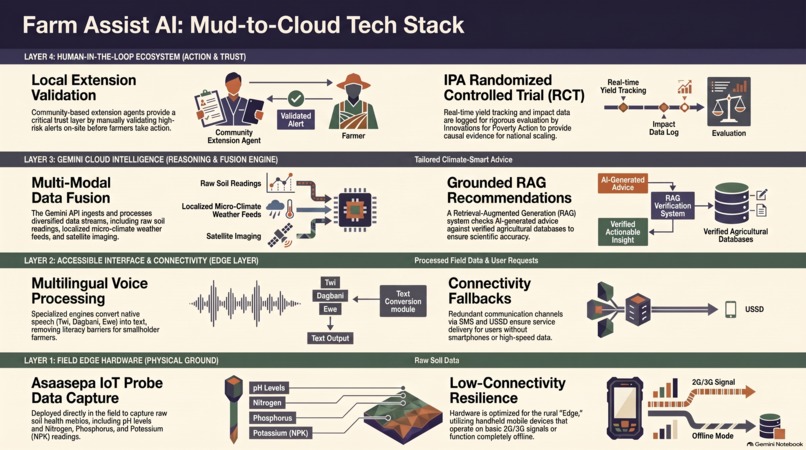
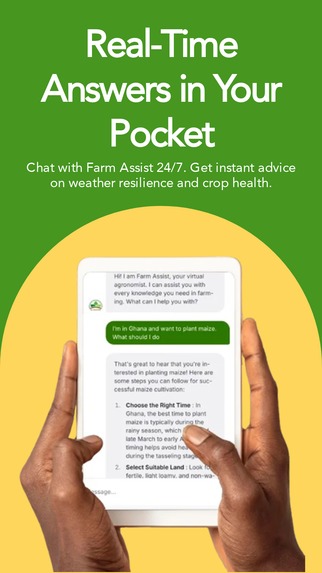
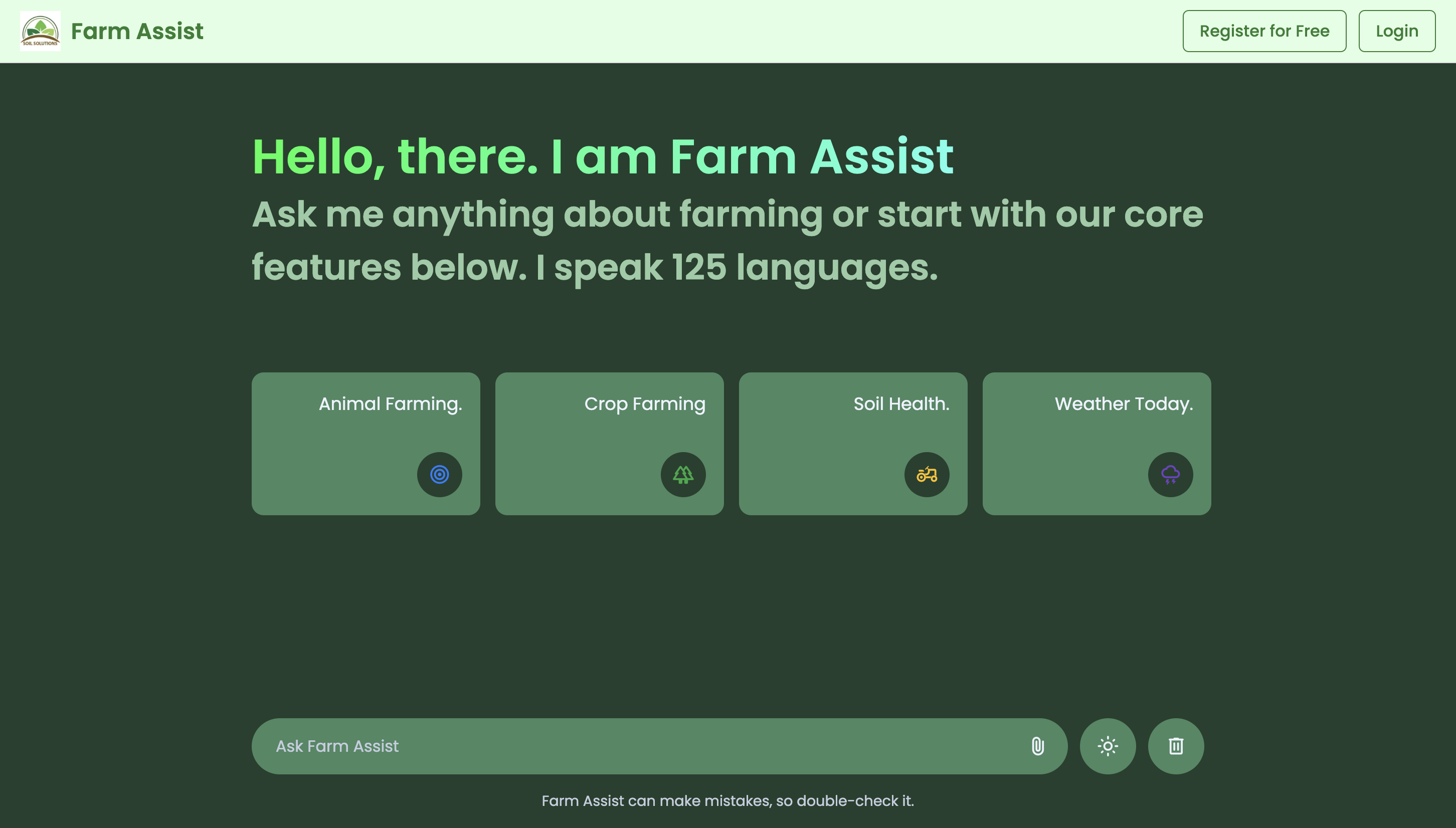
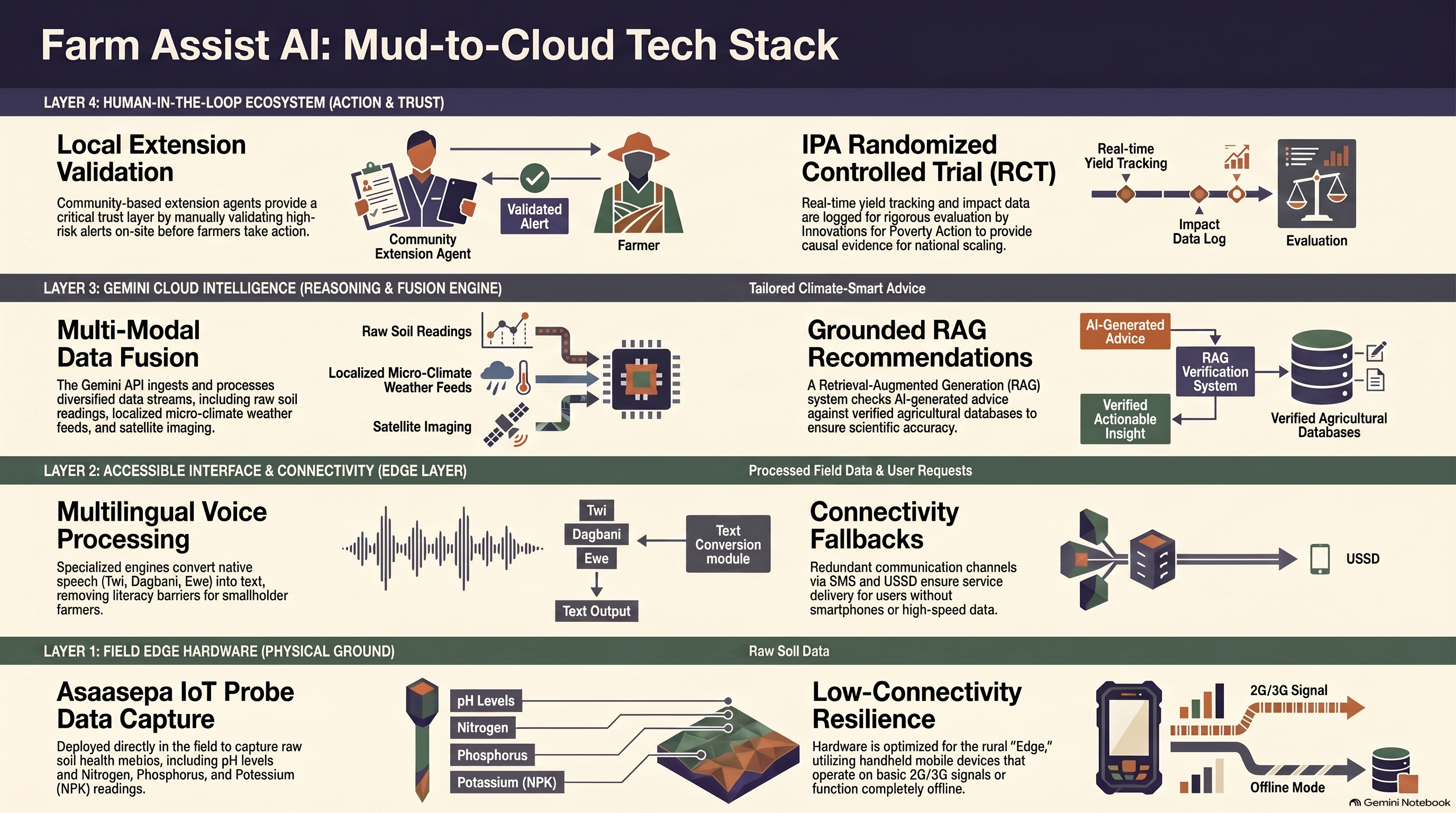
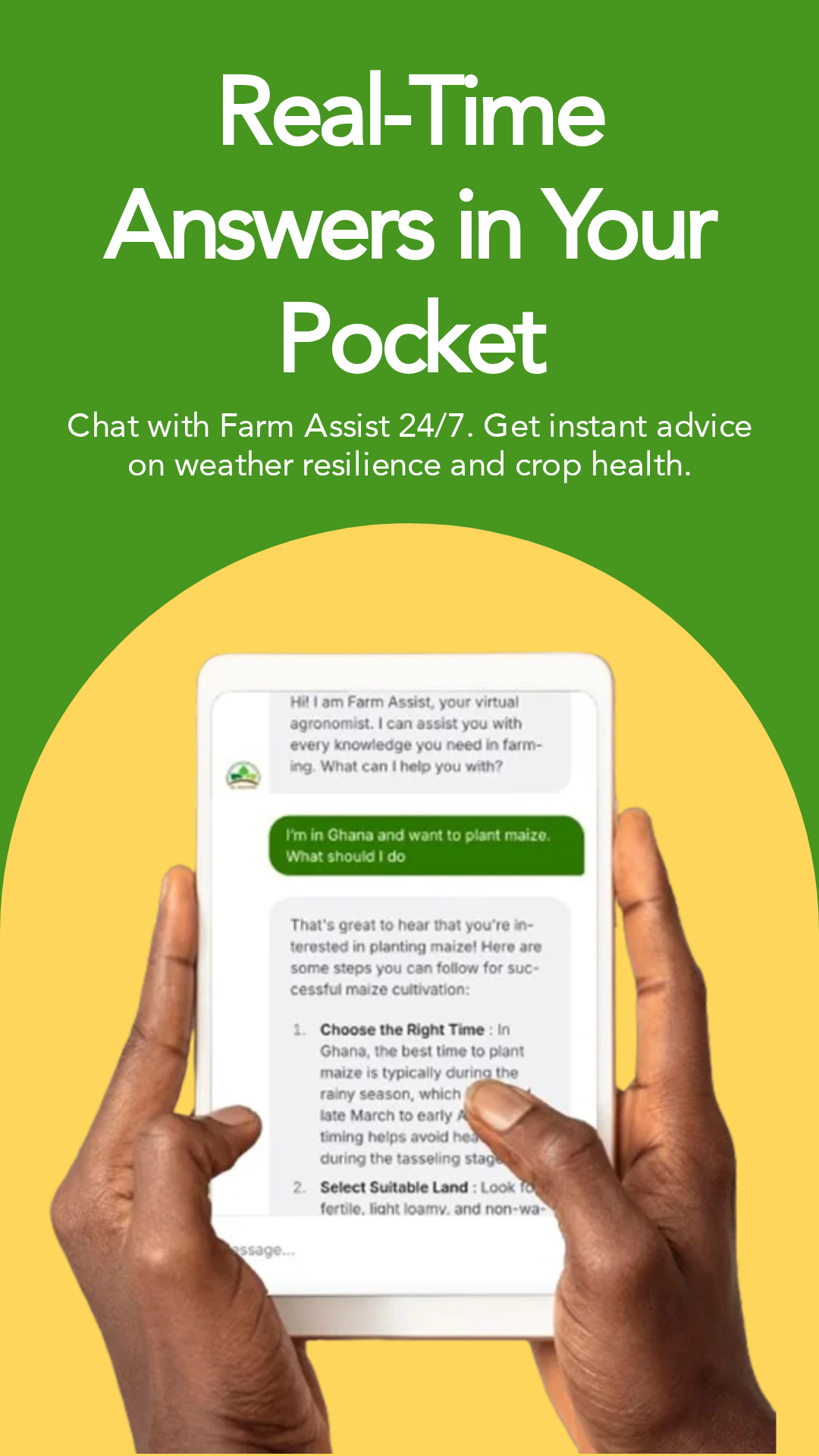
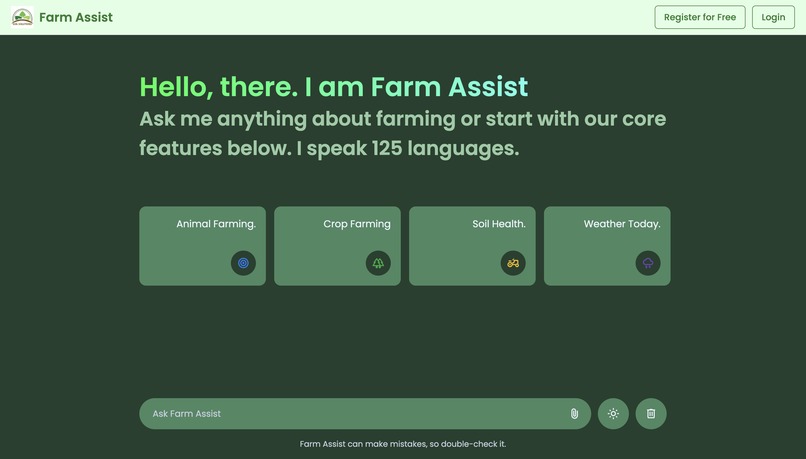
How I Built It I built Farm Assist with a mobile-first, conversational interface supporting both text and voice input. The backend leverages Gemini for natural language understanding and response generation, with carefully engineered prompts tailored for agricultural contexts. I integrated real-time weather and crop disease APIs, feeding localized data into Gemini to deliver accurate, time-sensitive alerts. The system supports local dialects and crop names, and is deployed on scalable cloud infrastructure.

Challenges I Faced Prompt Engineering: Getting consistently accurate agricultural responses required extensive iteration on prompt design. Data Localization: Ensuring hyper-local relevance by integrating multiple external APIs was technically complex. Simplicity vs. Depth: Delivering expert-level advice in a simple, non-intimidating way was a design challenge. Connectivity: Unreliable internet access in farming regions pushed me to explore offline-first architectures.

Trust: Building farmer trust meant grounding every response in verified agricultural databases. Final Thoughts Building Farm Assist reminded me that technology is most powerful when it serves people. I'm proud of what we've built and excited to keep iterating with real farmers to make this tool truly life-changing.

Share this project:

Updates

posted an update

We envision the Future of Farming with Farm Assist in bridging high-tech artificial intelligence with the grounded reality of rural farming.

Watch the full video here: https://youtu.be/74Jm1Ie7U6k

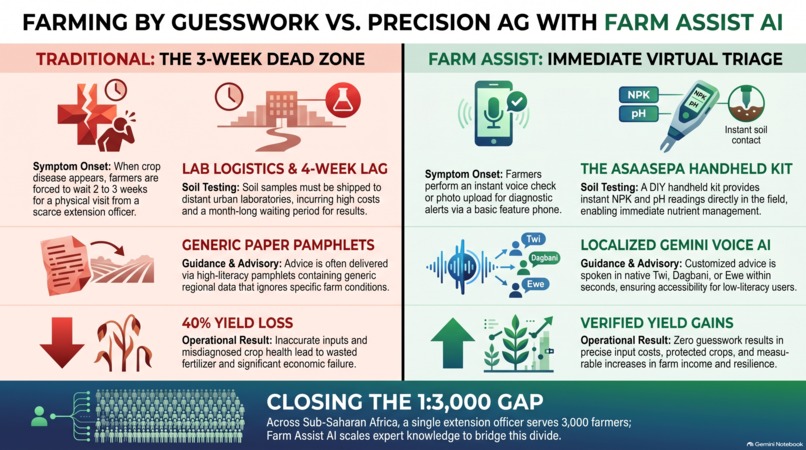
Closing the Agricultural Knowledge Gap: Traditional lab testing takes weeks while crops fail in real time. We break down how instant, hyper-localized insights replace traditional farming by guesswork.

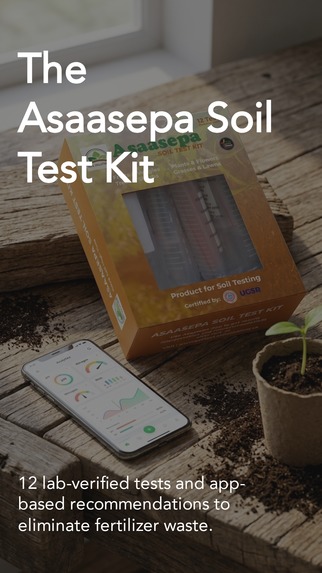
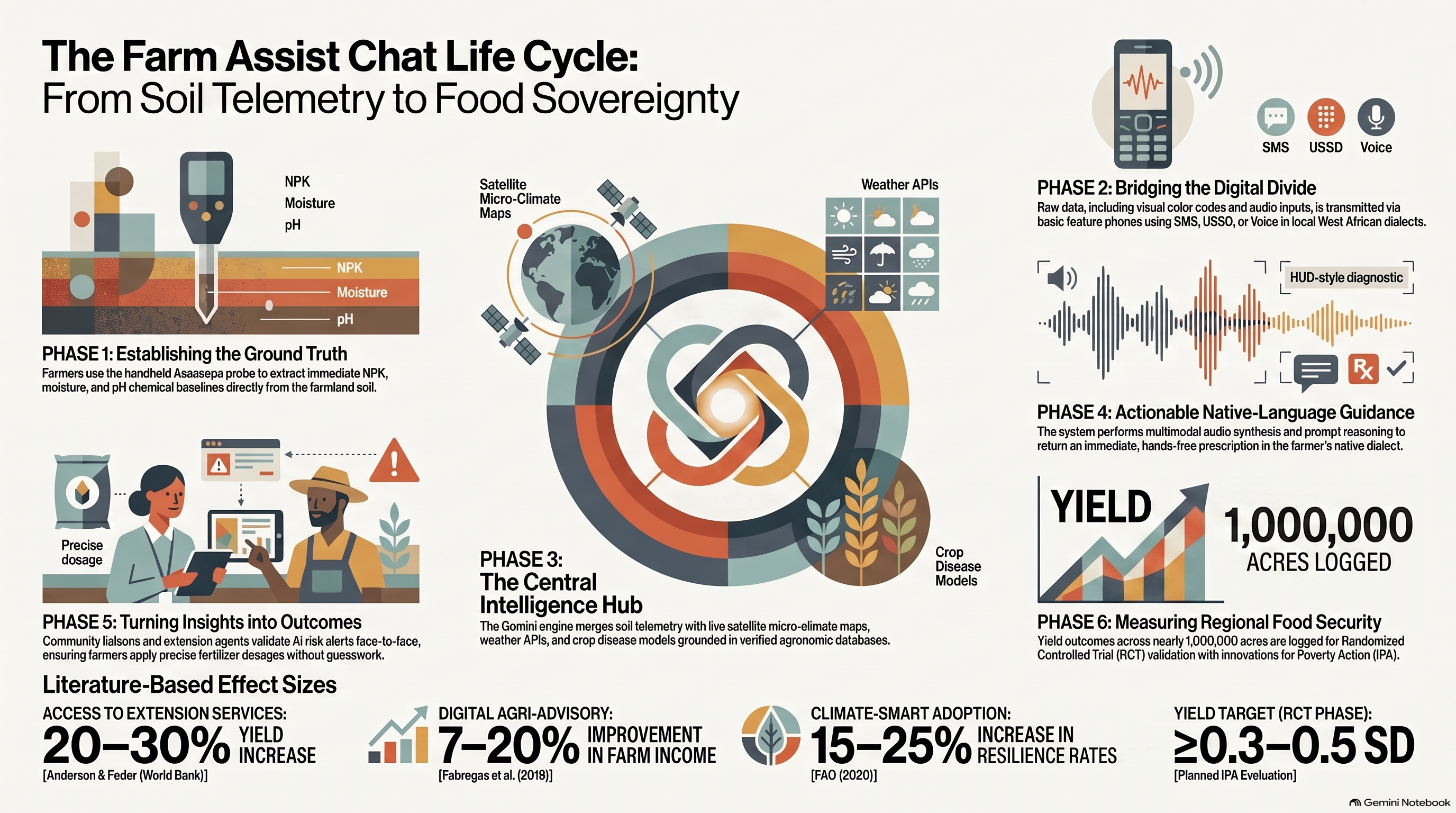
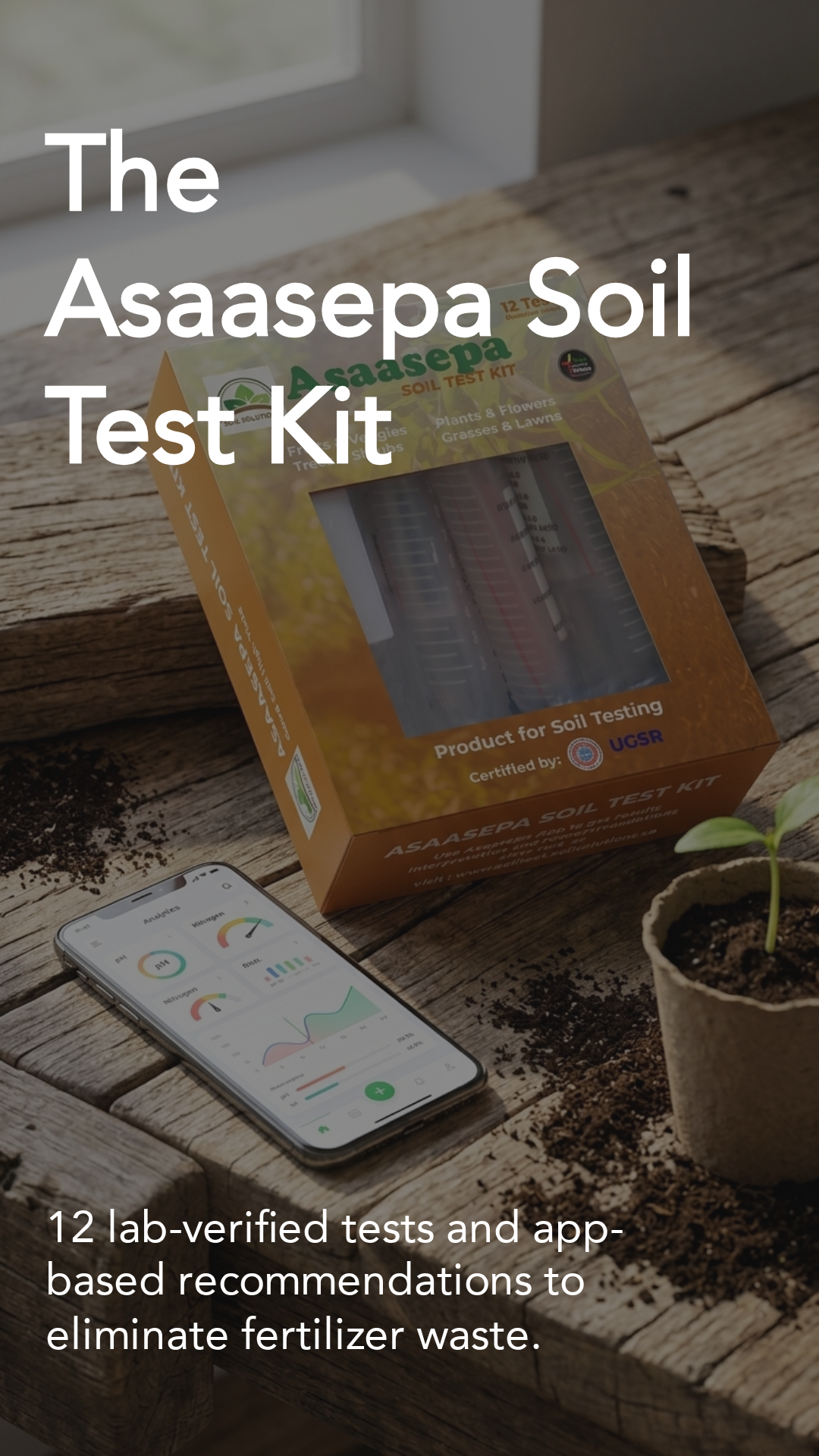
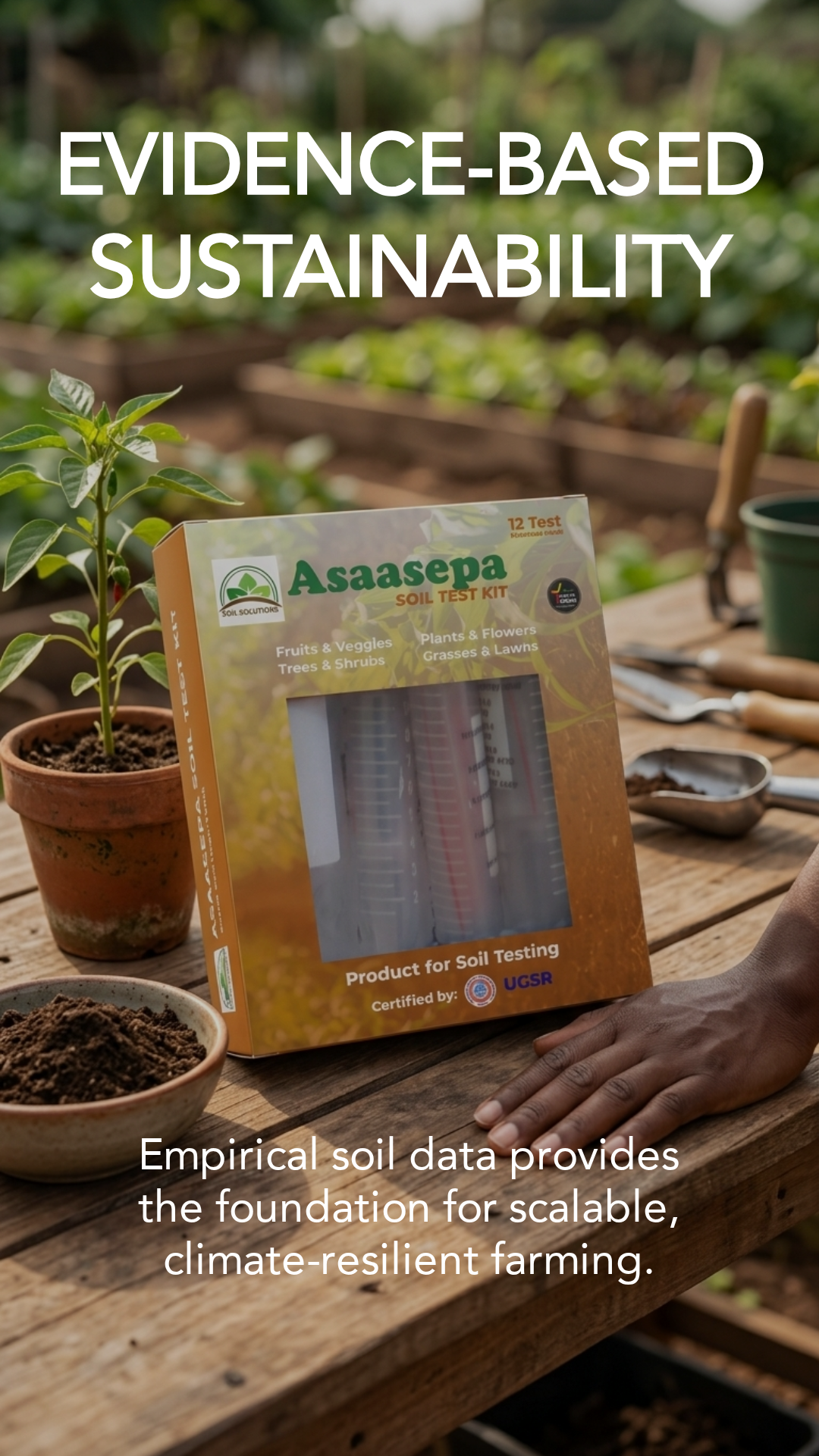
Our vision that the current Asaasepa Soil Test Kit will eventually transition into laboratory-grade analytics scaled down to a handheld IoT probe. Farmers get instant physical and chemical diagnostics (pH, nitrogen, phosphorus, potassium) right on site.

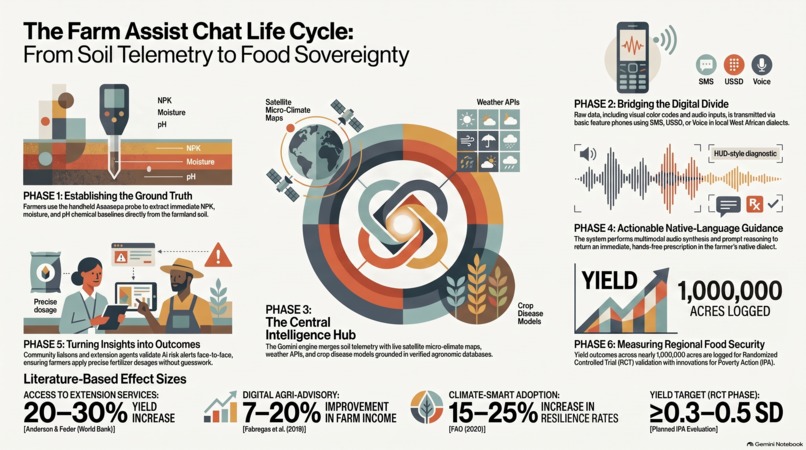
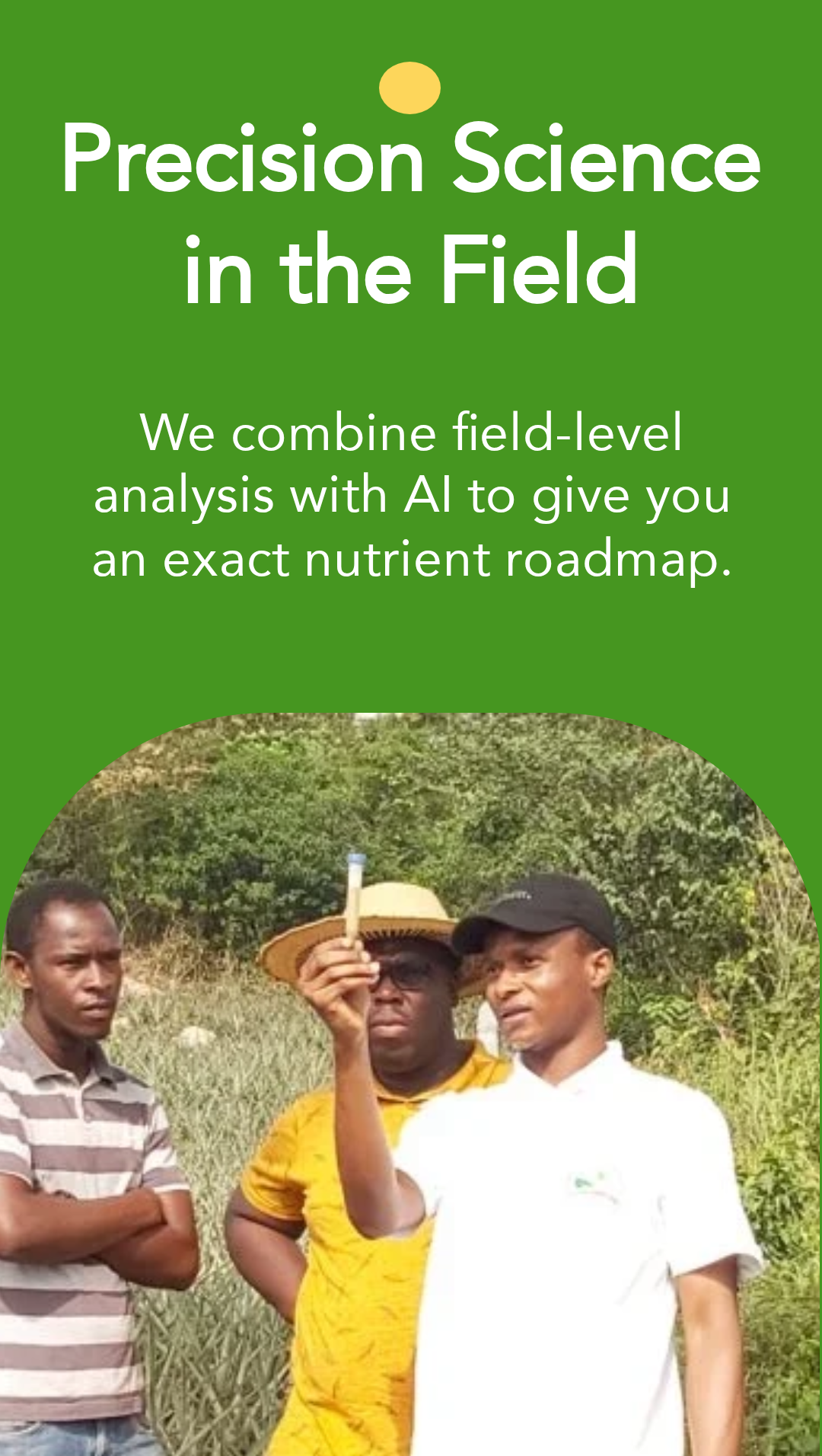
Farm Assist AI in Local Dialects: Tech fails if the person in the mud cannot use it. Farm Assist ingests live soil readings, satellite imagery, and weather data, then delivers simple voice and SMS guidance in native dialects like Twi, Dagbani, and Ewe.

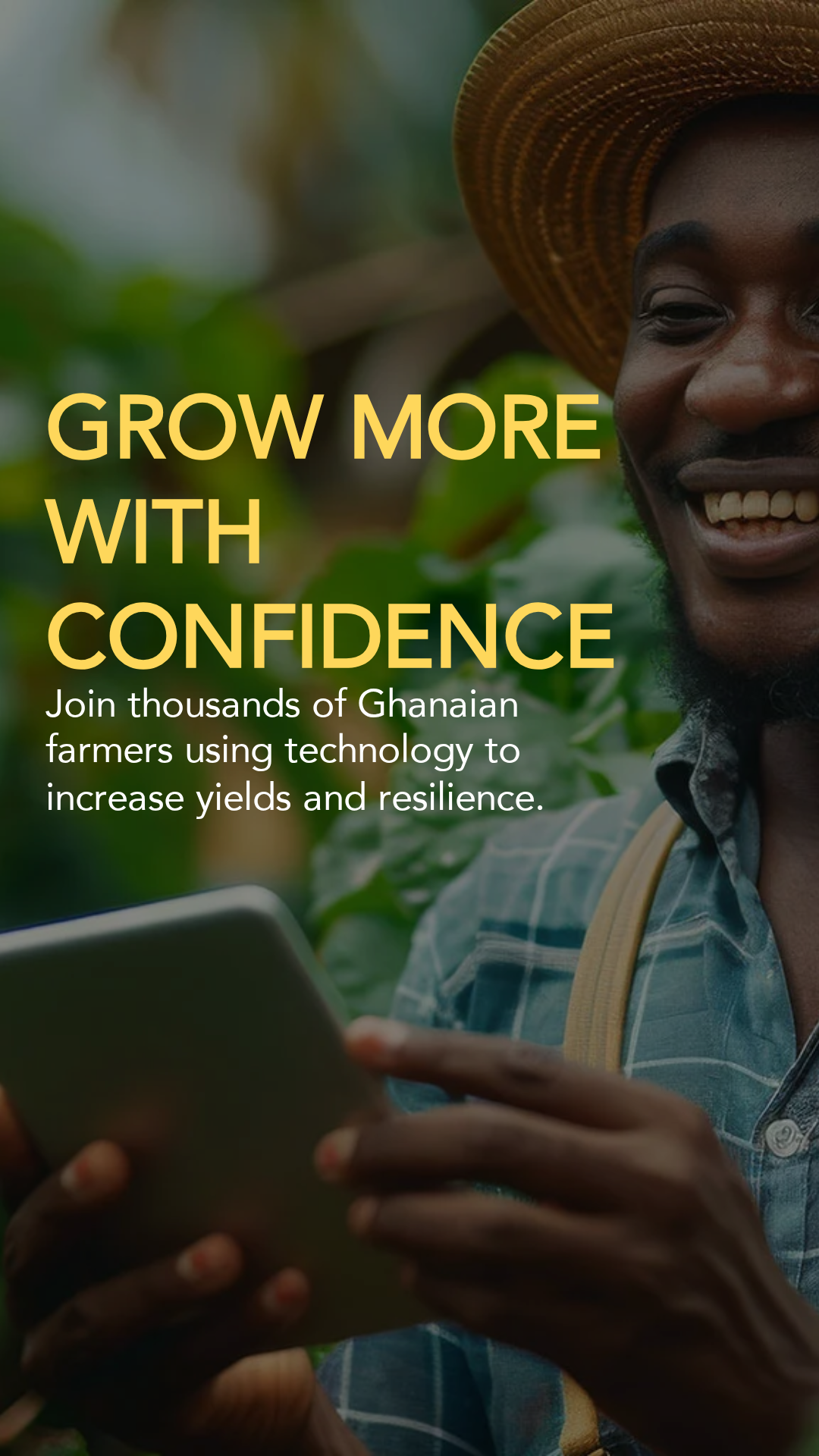
Proven Field Impact: Over 11,500 smallholder farmers supported and nearly 1,000,000 acres tested, earning recognition as a UN AI for Planet Finalist in Geneva.

When you put the right tools directly into local hands, technology stops being a distant concept and starts solving global food security.

Log in or sign up for Devpost to join the conversation.

posted an update

If a piece of software requires a smallholder farmer to risk their family's livelihood on unproven advice, they will choose apathy every single time. And they are completely justified.

We just released a full podcast deep dive breaking down how Farm Assist AI subverts the typical tech adoption trap: http://www.youtube.com/watch?v=7H3HTQ7eLCQ

Here is how we build for trust in the dirt:

Low-Tech Access, High-Tech Intelligence: Farmers test their soil with the Asaasepa physical kit, text the visual color code over USSD/SMS using basic feature phones, and get localized prescriptions back without needing 5G or smartphones.

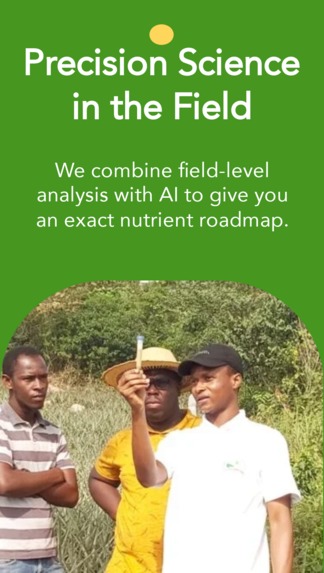
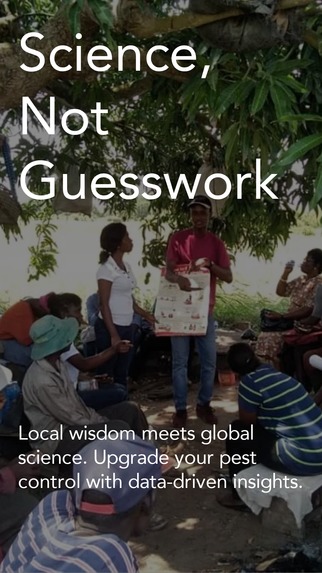
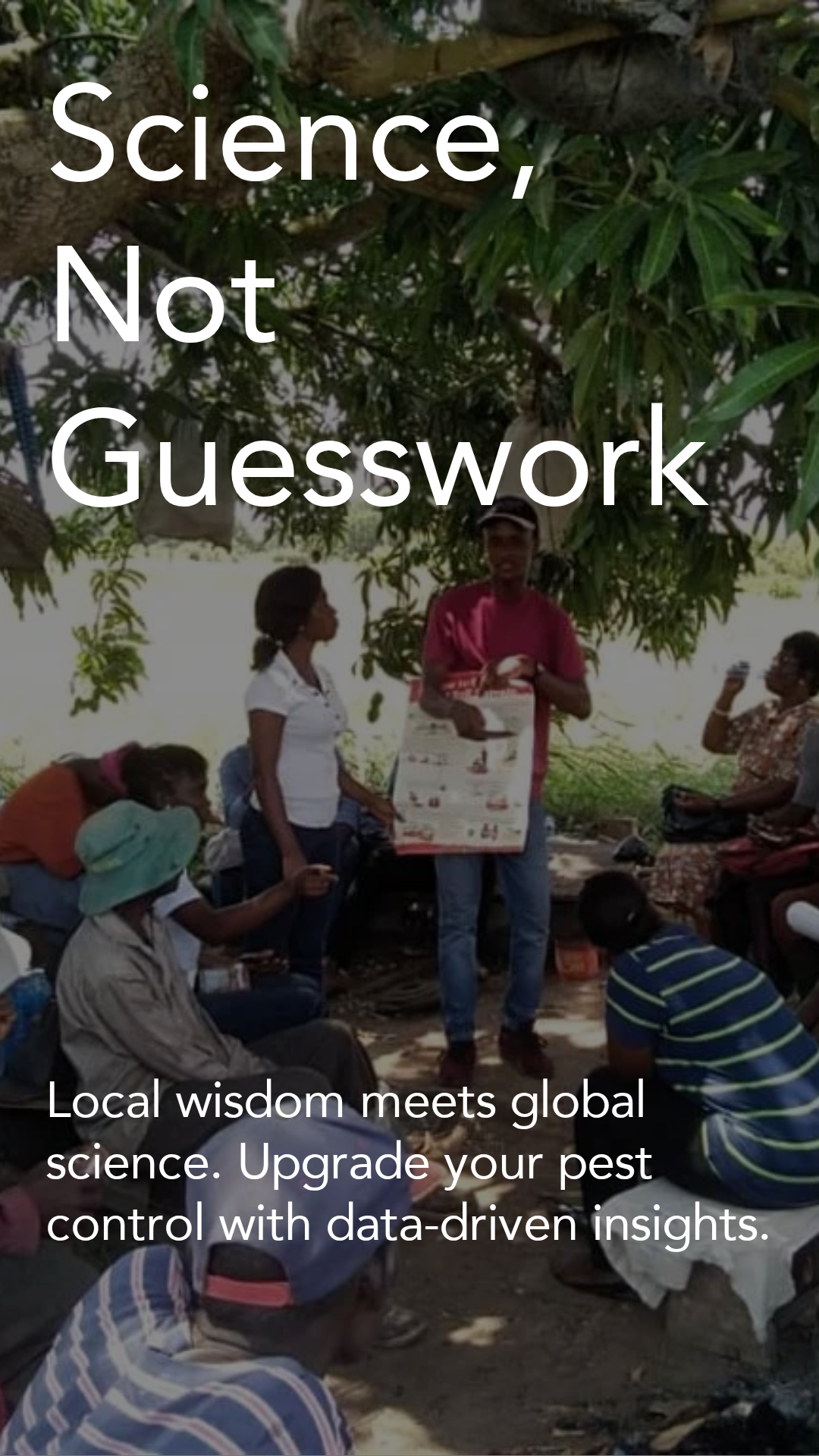
Human-in-the-Loop: Field agronomists stand directly in the field with farmers to discuss and validate algorithmic recommendations, bridging the gap between cloud data and local trust.

Rigorous Causality: Running a village-level Randomized Controlled Trial (RCT) with Innovations for Poverty Action (IPA) to prove exact income and yield gains.

Catch the full episode linked above.

Log in or sign up for Devpost to join the conversation.

posted an update

Building algorithms in a vacuum from clean urban offices is why most digital farming tools fail once they hit real soil. You have to build for contact with actual dirt.

Check out our second deep-dive explainer on how we pair ground hardware with cloud intelligence: http://www.youtube.com/watch?v=eq81ykoNsfc

Here is how Farm Assist AI bridges the gap between raw earth and the cloud:

Basic Phone Reach: Delivering climate smart agronomic advice across 125 native languages on basic mobile phones, removing the barrier of expensive hardware.

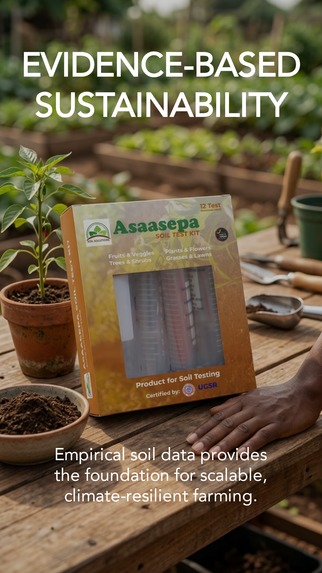
End-to-End Data Pipeline: Asaasepa physical soil test kits extract immediate chemical baselines in three simple steps, feeding ground-truth data into our AI engine.

Causal Impact Testing: Partnering with Innovations for Poverty Action (IPA) on a pilot randomized controlled trial to measure exact crop yield gains.

Global Validation: Named an AI for Planet Finalist at the AI for Good Impact Awards for our satellite and soil diagnostic ecosystem.

Give the video a watch to see how we pair physical ground tests with AI intelligence.

Log in or sign up for Devpost to join the conversation.

posted an update

Most Agritech projects fail for a simple reason: they build pretty dashboards for people standing in dusty fields with glare on their screens and spotty service. We built Farm Assist AI to fix that.

We just dropped our latest field explainer showing how this hardware and AI ecosystem works on the ground: https://youtu.be/OleNLb8L-go

Here is where the project stands right now:

Voice-First in Local Dialects: Farmers do not read charts on an app; they talk to Farm Assist in Twi, Dagbani, or Ewe to get real-time soil advice.

11,523 Smallholders Reached: Moving farmers from subsistence guessing to profitable harvests using our Asaasepa diagnostic kit.

996,738 Acres Tested: Scaling data-backed organic soil treatment across rural corridors.

Multimodal Integration: Linking physical NPK/pH sensor readings directly into Gemini audio workflows so field agents get instant, hands-free audio guidance.

Check out the video link above to see the full ground-level breakdown.

Log in or sign up for Devpost to join the conversation.