-
-
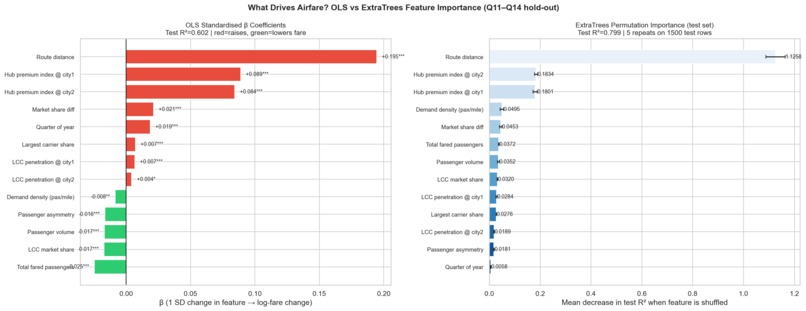
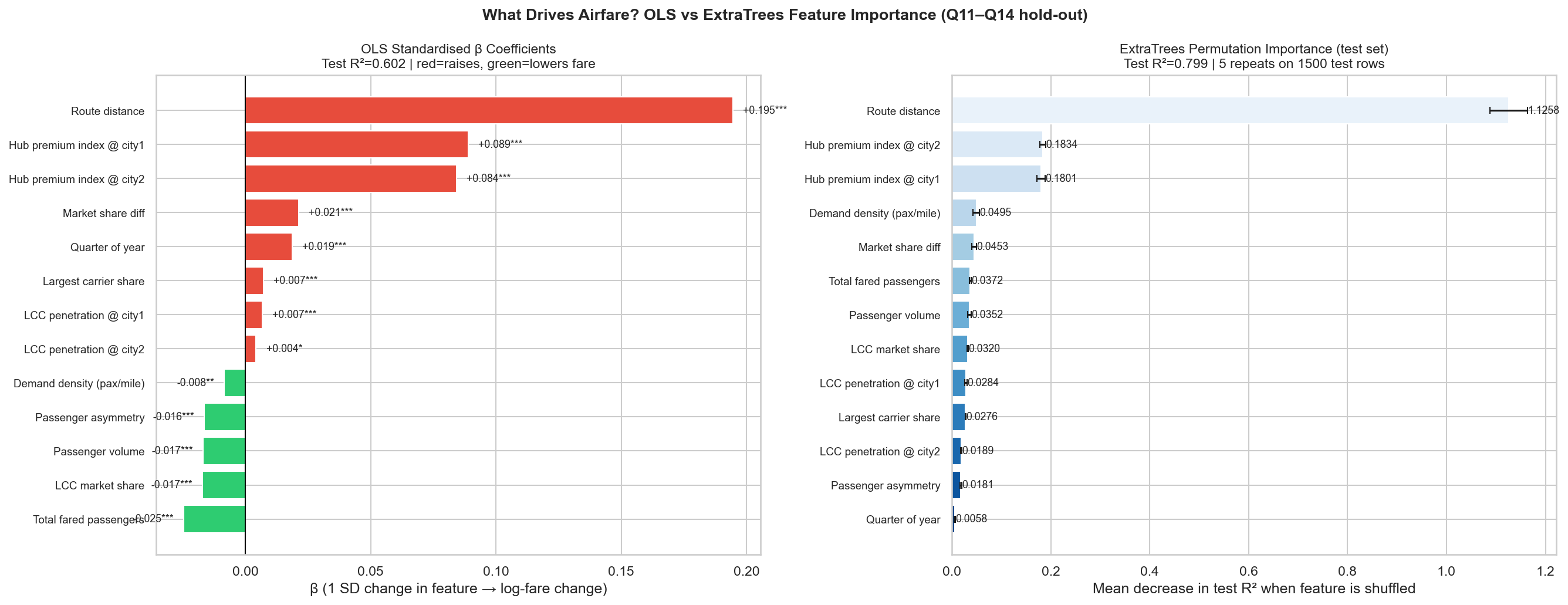
Feature Importance
-
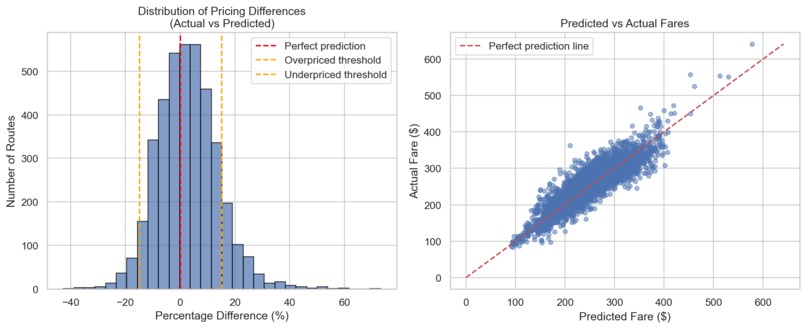
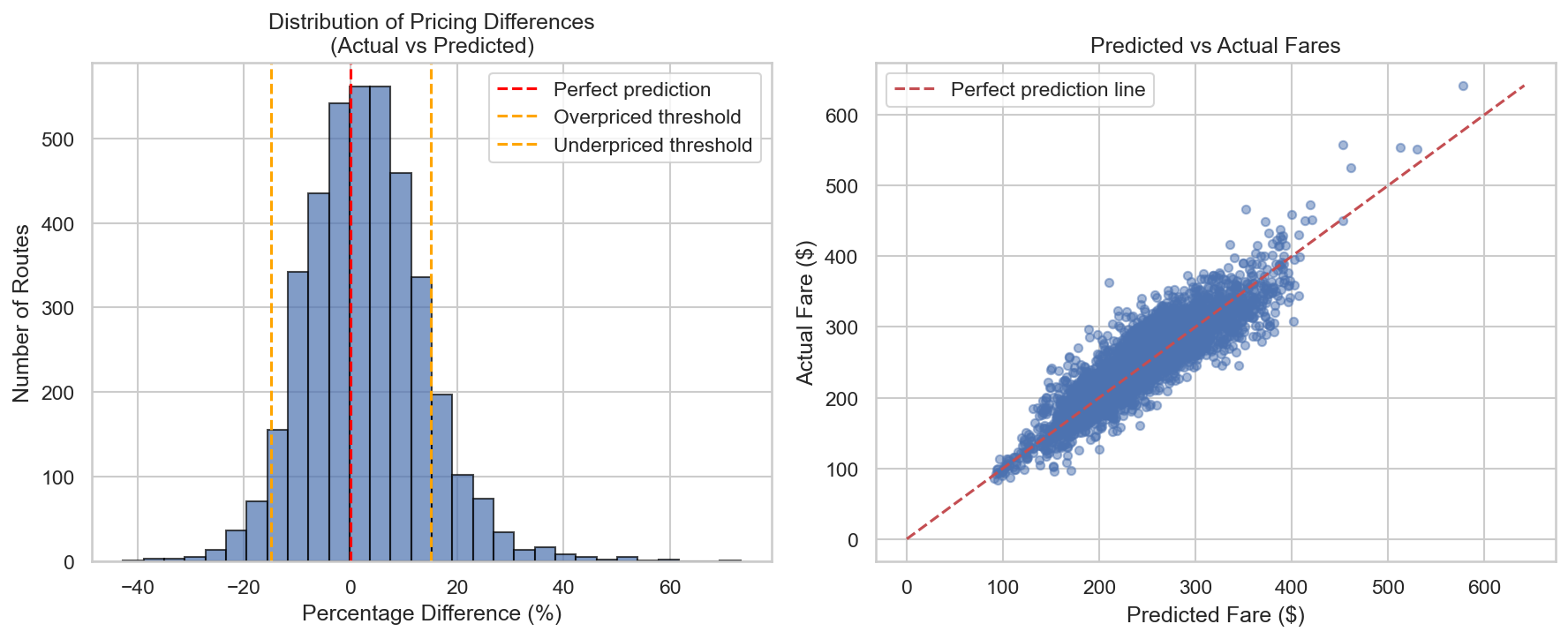
Model Capabilities
-
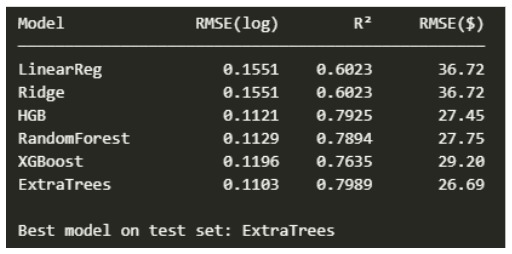
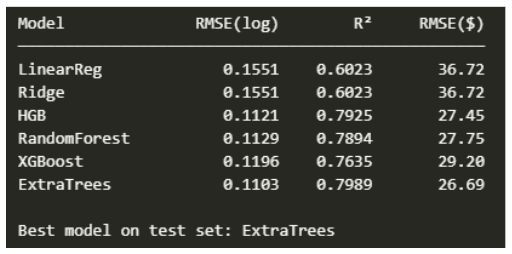
result metrics models
-
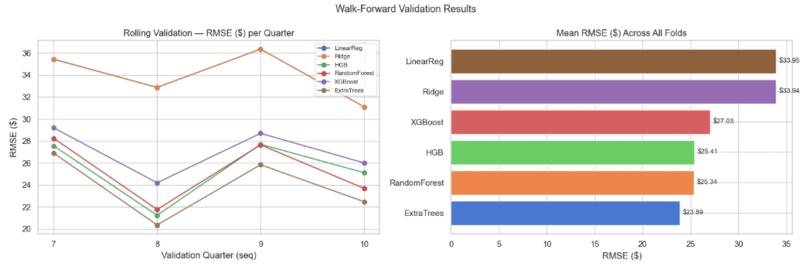
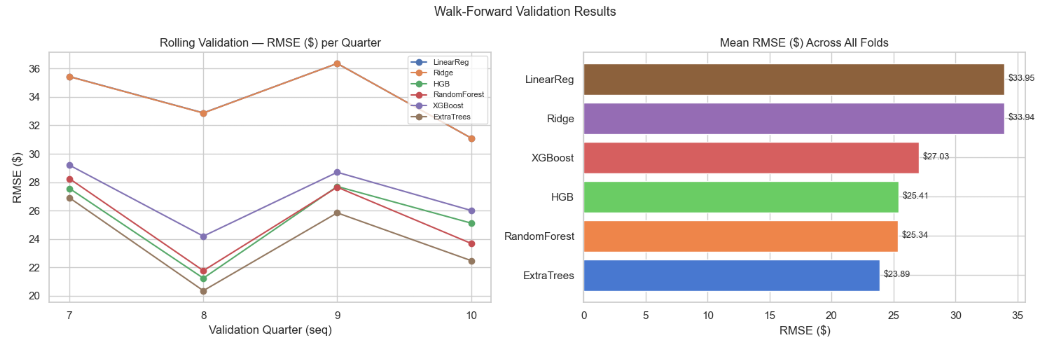
model graph
Inspiration
Airfare pricing feels random to consumers, but it’s structural! We were inspired to quantify how competition, hub dominance, and low-cost carrier presence systematically shape fare outcomes to help others and stakeholder give actionable insights.
What it does
FareIQ is an interactive analytics platform that identifies when and where airline routes are structurally over or under priced, and highlights markets vulnerable to fare spikes due to weak competition.
Our visualization turns that model into an actionable tool:
- Route thickness = passenger demand
- Route color = pricing deviation (blue = underpriced, red = overpriced)
- Time slider = watch pricing dynamics evolve across 14 quarters
Users can instantly identify:
- High-traffic routes charging above structural expectation
- Markets vulnerable to fare spikes if LCC competition disappears
- Routes where pricing power exceeds competitive fundamentals
How we built it
We analyzed 14 quarters of U.S. DOT route-level data (2022–2025), 4 mew engineered features and using rolling validation to fit 6 models (Linear Regression, Ridge, XGBoost, HGB, Random Forest, Extra Trees) to predict expected fare price. Finally, we visualized pricing deviations on an interactive U.S. route map using react.
Challenges we ran into
Causal inference around airline exits was noisy, quarterly data limited seasonality granularity, and avoiding data leakage in pricing models required strict time based validation. We also ran out of time since this is one day hackathon so lots of time restriction. We also didn't have much time to price our pitch so it is definitively something to improve on.
Accomplishments that we're proud of
We transformed static historical data into a decision-grade system and built an interpretable model that predicts fares within a tight timeframe.
What we learned
Many new tech stack, team work, and work under pressure.
What's next for FareIQ
We would love to deploy this through vercel and have back end to deploy the full model capturing components to show real time analysis.


Log in or sign up for Devpost to join the conversation.